Tailor-Made Private Cappadocia Culture and Gastronomy Daily Tour
Active
6h - 7h
For a full refund, cancel at least 24 hours before the scheduled departure time.
Instant confirmation
Mobile or paper ticket accepted
About this experience
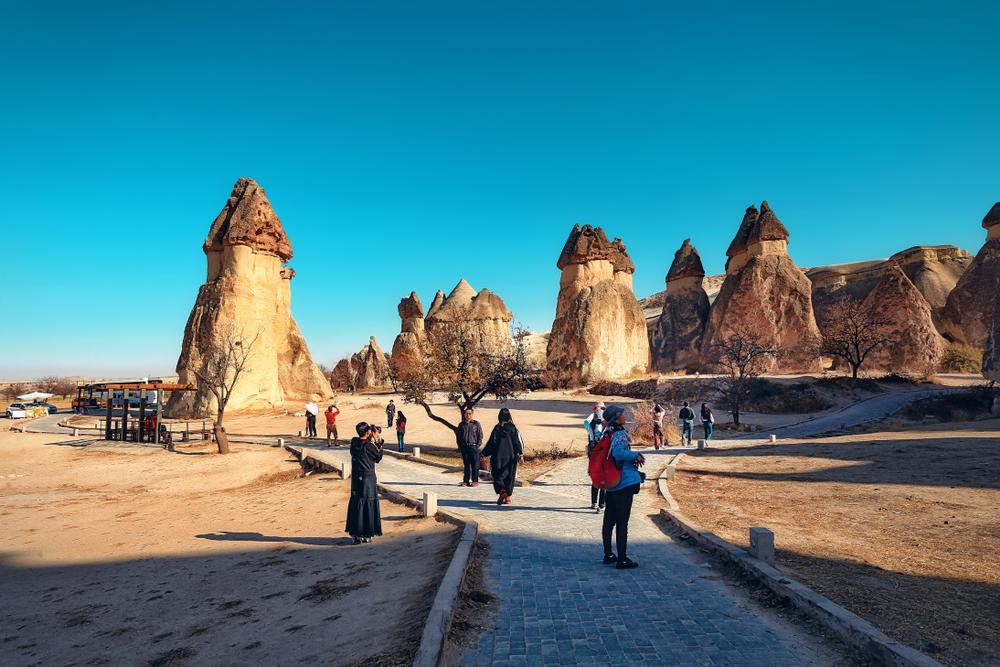
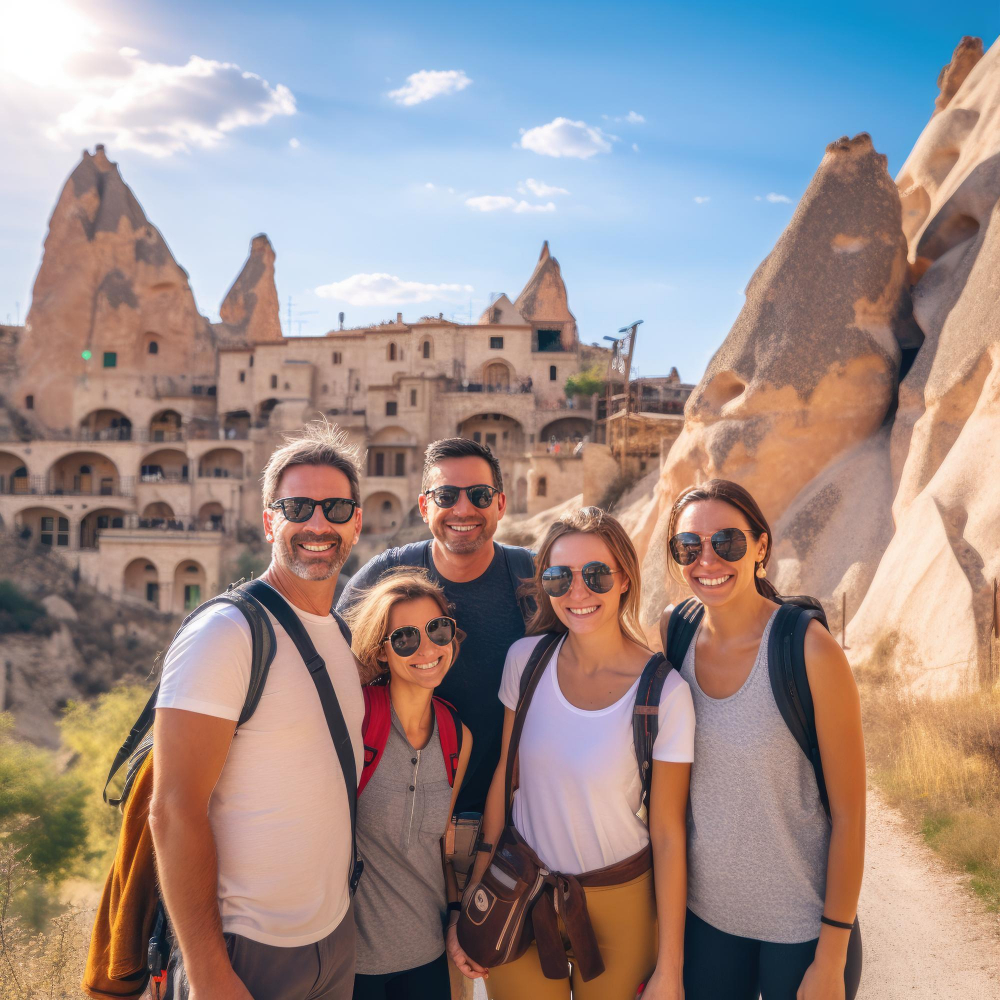
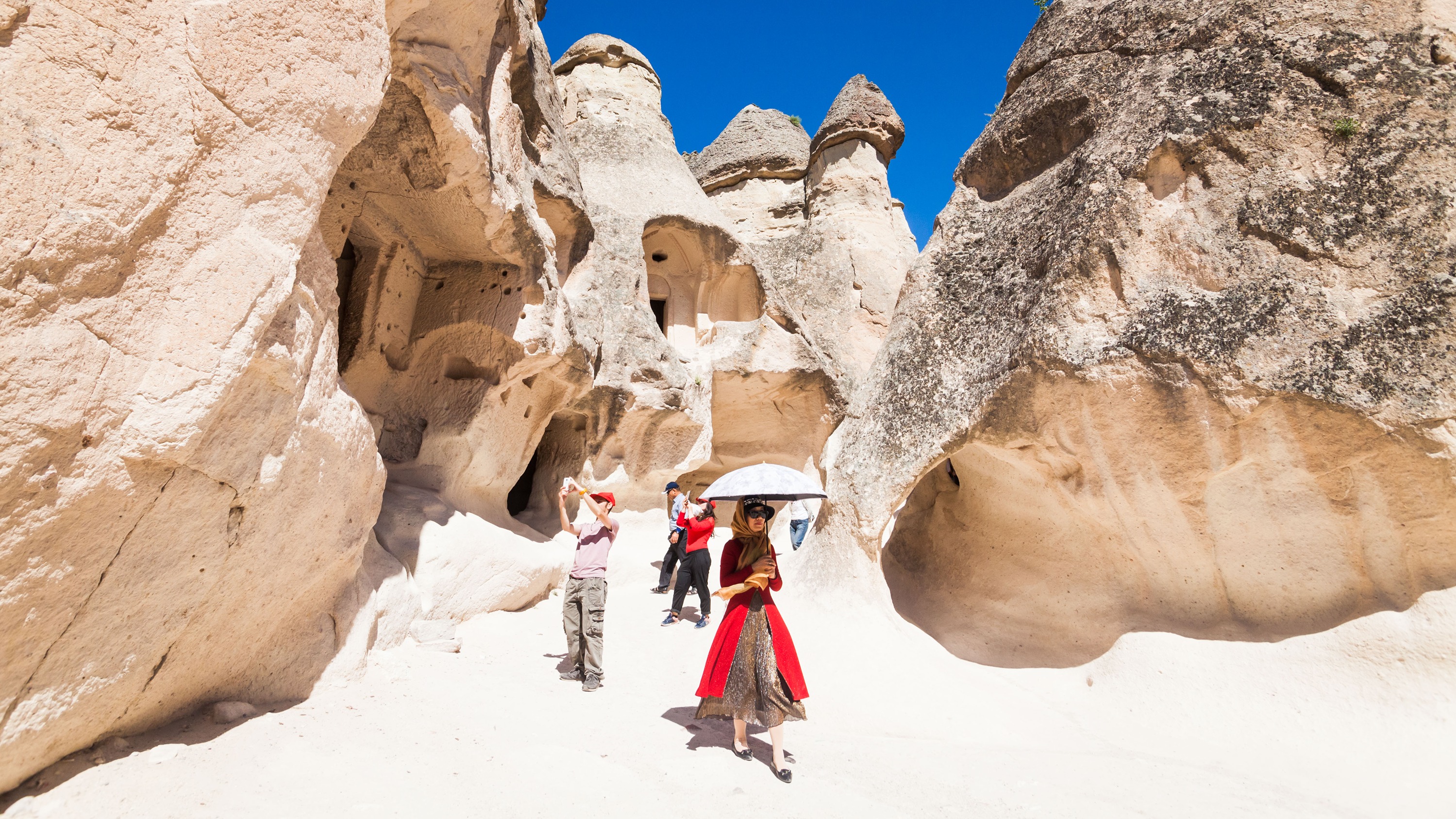
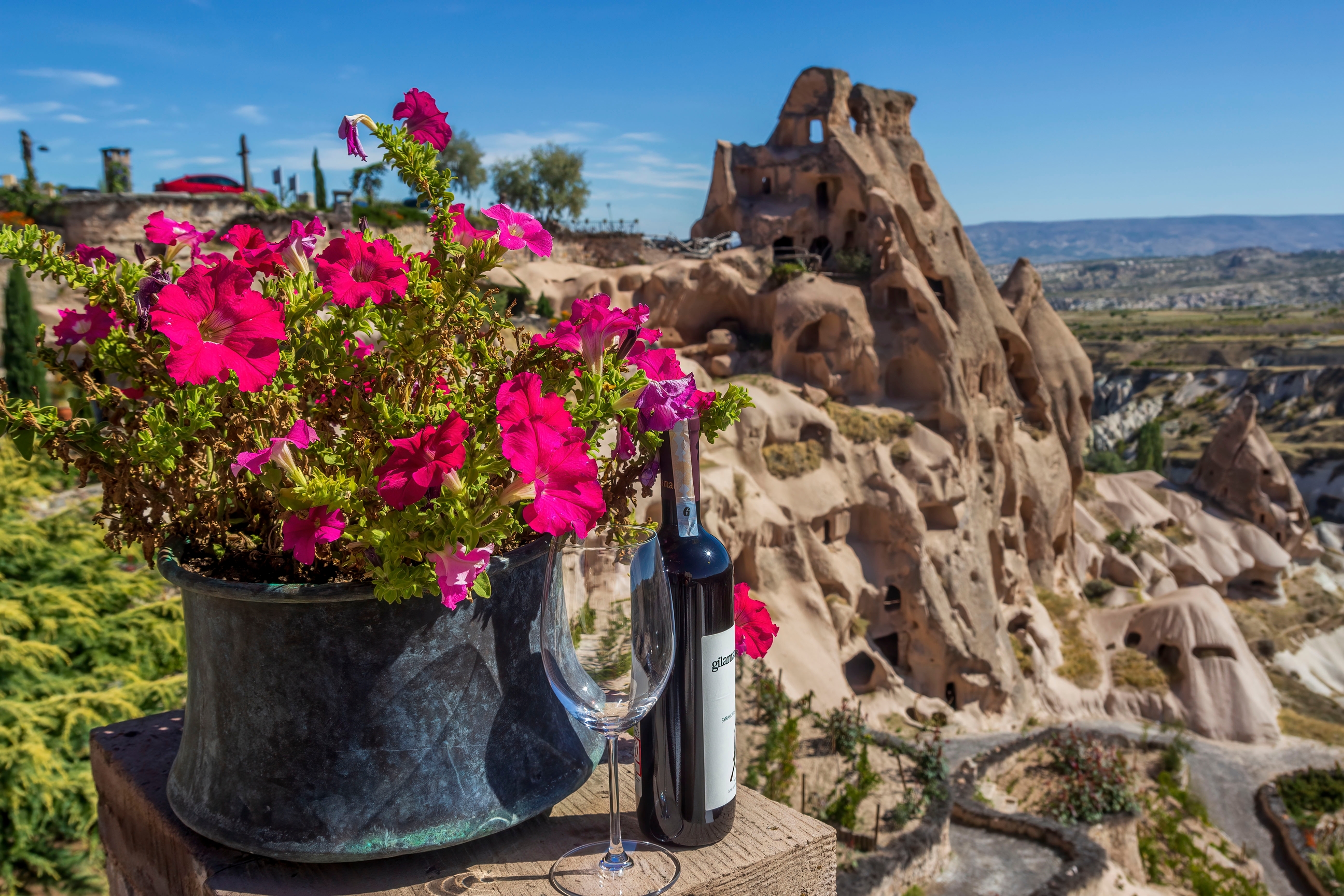
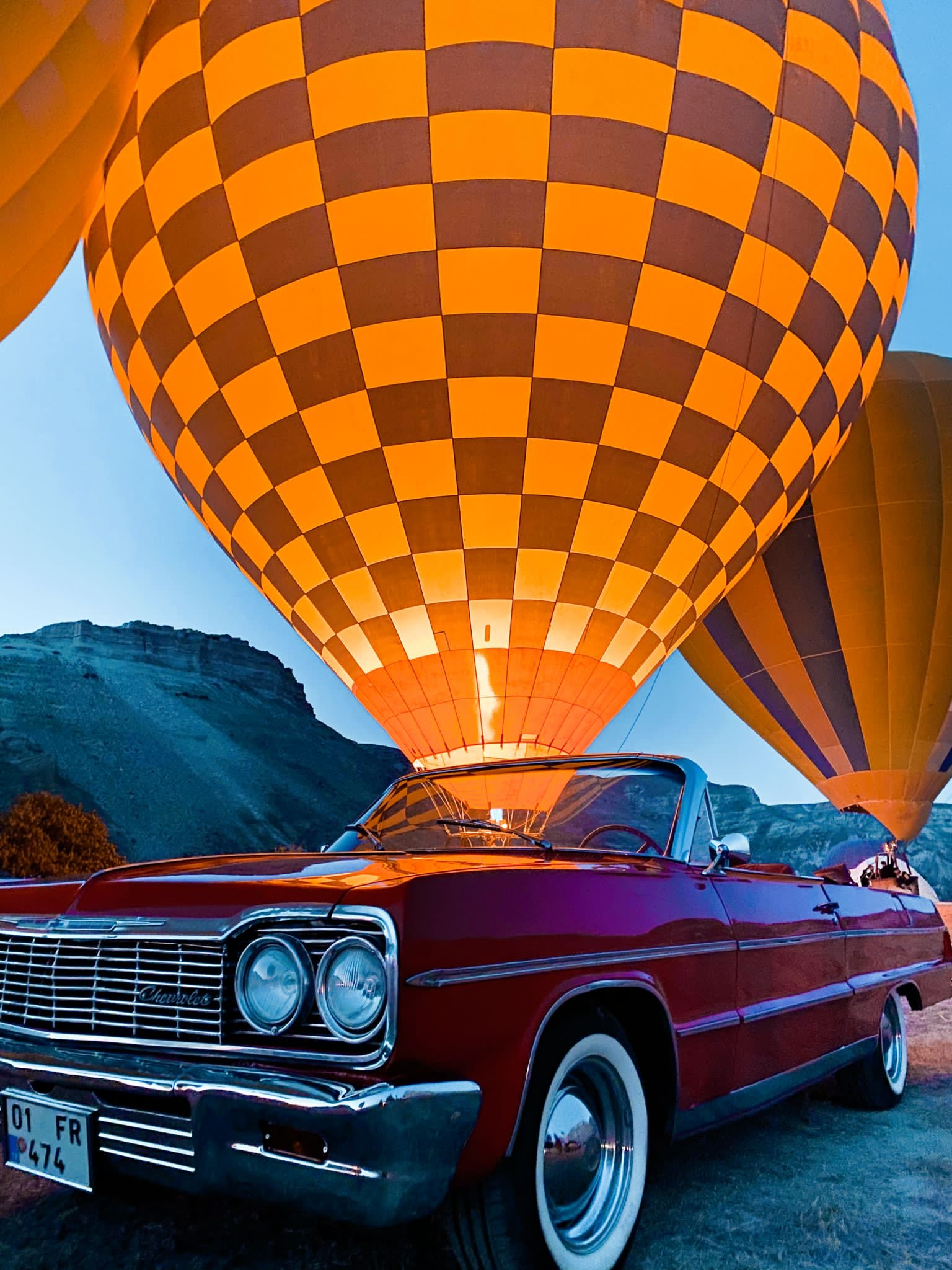
In this tour, you will have the opportunity to discover the culture, history, gastronomy and historical architecture of Cappadocia. It is not possible to think of tourism and travel separately from gastronomy and food. Like every region in the world, the Cappadocia Region has its own unique flavors, wines and cuisine. In this tour, you will have the chance to experience the culture as a whole. Apart from visiting the historical places you will have the opportunity to have a traditional lunch and also wine tasting. Our guide will give you recommendations about foods, restaurants, wineries etc. and you will be free to choose one of those or choose your own preference. In this tour we will supply for you a tour guide and a luxury vehicle. Within 6-7 hours you will be able to the advantage of visiting breathtaking places, taste delicious foods and local wines.
Available options
Luxury Vehicle and Tour Guide
Pickup included
What's included
Air-conditioned vehicle
Professional Tourist Guide
Parking Fees
Detailed itinerary
1
Stop 1
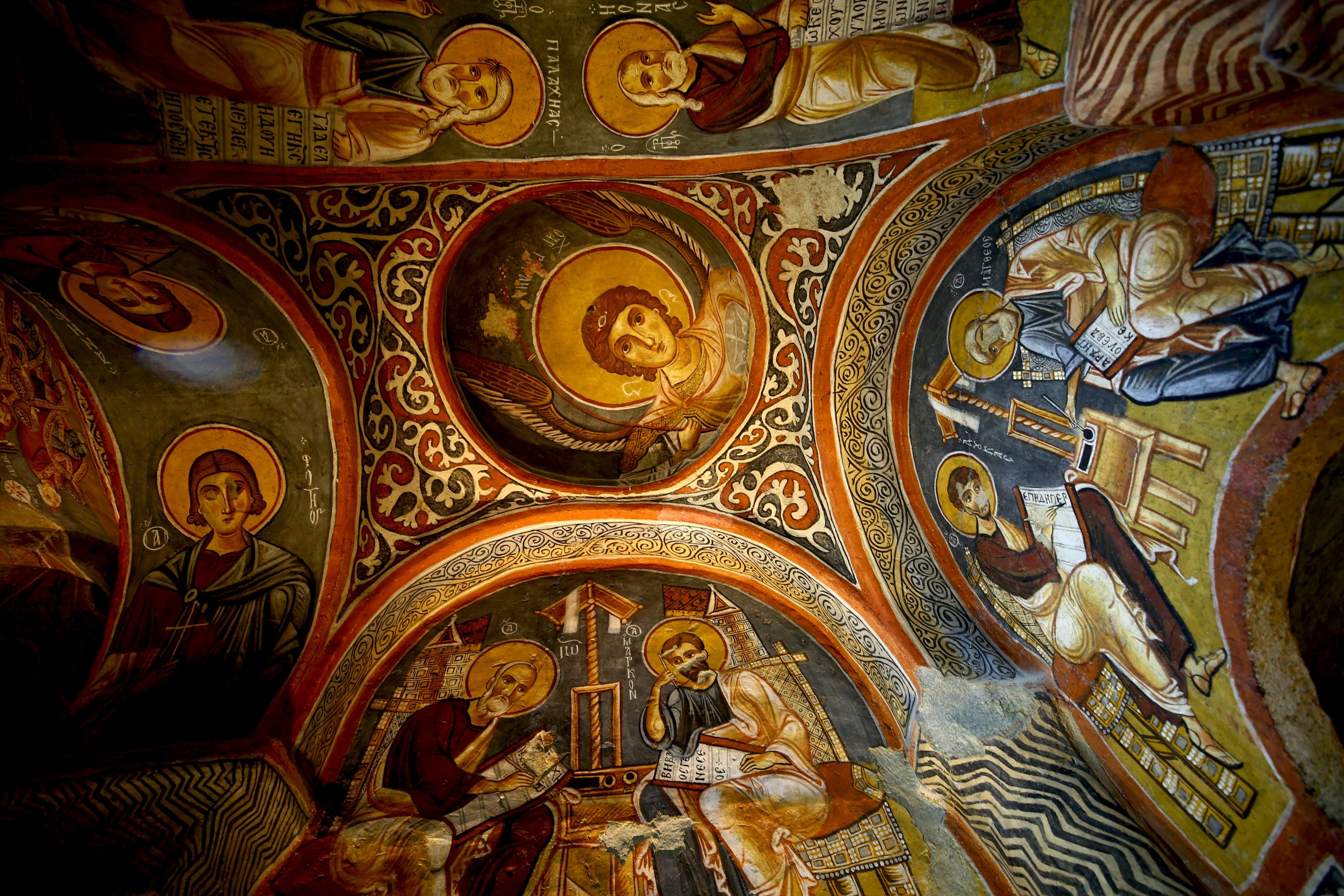
The Göreme Open Air Museum has been on the UNESCO World Heritage List as a natural and cultural asset since 1985. The Göreme Open Air Museum is a rock settlement that hosted intense monastic life from the 4th century to the 13th century AD. In the area that forms a valley, churches, chapels, dining halls and seating areas are carved into the rock blocks. While geometric decorations used in the early periods of Christianity can be seen in the churches, the frescoes made in later periods depict scenes from the Bible and the life of Jesus. In the Göreme Open Air Museum, we will visit the Girls' and Boys' Monastery, St. Basileus Church, Elmalı Church, St. Barbara Church, Yılanlı Church, Karanlık Church, Çarıklı Church and Tokalı Church.
2
The village, one of the oldest settlements in the Cappadocia region, is on the Göreme-Avanos road, 5 km from the Avanos town center and 17 km from the Nevşehir city center. It consists of two parts: the Old Village, carved into the rocks and inhabited until the 1960s, and the New Village, which was later formed with new buildings. Here we will see dovecotes, traditional village houses, Aktepe, which was formed as a result of caldera eruptions, and the Church of John the Baptist, one of the oldest and largest rock-carved churches in Cappadocia.
3
One of the most suitable points where we can see the district, whose old names were Osiana, Hagios Prokopios, Başhisar, Burgut Castle, Urkup and since the Republic Period Ürgüp, from a panoramic point is Ürgüp Temenni Hill. The word Temenni means sacred area, place of prayer and sacrificial area in the ancient Sumerian language. It has been stated that it was named Temenni Hill because wishes were made and rags were tied in the tombs at the summit of the hill, which are thought to have been built for the Seljuk State sultans Sultan IV. Rüknettin Kılıçarslan (1246–1266) and Sultan III. Alaeddin Keykubat (1297–1304). We will see the tombs mentioned on this hill and then see Ürgüp from a panoramic point and talk about the history of the existing settlements.
4
The rock carving culture dates back to ancient times in Cappadocia. The most important works of rock carving are the underground settlements, primarily Derinkuyu and Kaymaklı Underground Cities. However, these popular underground settlements are only a few of the thousands of rock-carved settlements in Cappadocia. There are many theories about the underground cities that began to be discovered in the 1960s and were cleaned and opened to visitors. The Büyükakten Underground House, which we will visit and which was formed by combining three old rock-carved houses, was actually inhabited until the 1960s and it is known what each cave, room and section in this house was used for. In fact, the Büyükakten Underground House is an underground settlement connected to each other by tunnels. We believe that our guests will be able to travel back in time here and see for themselves how people lived underground and understand the lifestyle of ancient times.
5
Stop 5
The city is situated 15km to Nevşehir, in the Kaymaklı province. It was built during the 9th - 10th centuries during the period of the spreading of christianity, as a city of defence and hiding sites. The 8 floors of this underground city are built around a ventilation stack. The ceiling height of rooms on each floor, surrounding a ball, is 2m. the chapels are larger than the rooms and the ceilings are higher.
6
The town of Avanos lies on the banks of the Kizilirmak (Red) River. According to Strabo, the town was known as Vanessa to the Romans and was the third most important city in the Kingdom of Cappadocia, after Kayseri and Kemerhisar. It was deemed an important city primarily due to its fertile volcanic soil at the banks of the Red River. Avanos today is famed for its distinctive pottery and beautifully painted ceramics made from the red clay taken from the local riverbank and produced in the area since the time of the Hittites, around 2000 BC. The town is home to several authentic family-run potteries, where the skill of master pottery has been passed down from father to son through generations. Talented ateliers of the craftsmen use age-old foot-driven spinning wheels and traditional techniques to expertly shape and mould the red clay by hand, creating the vases, plates and earthenware we associate with the famous Avanos pottery style.
7
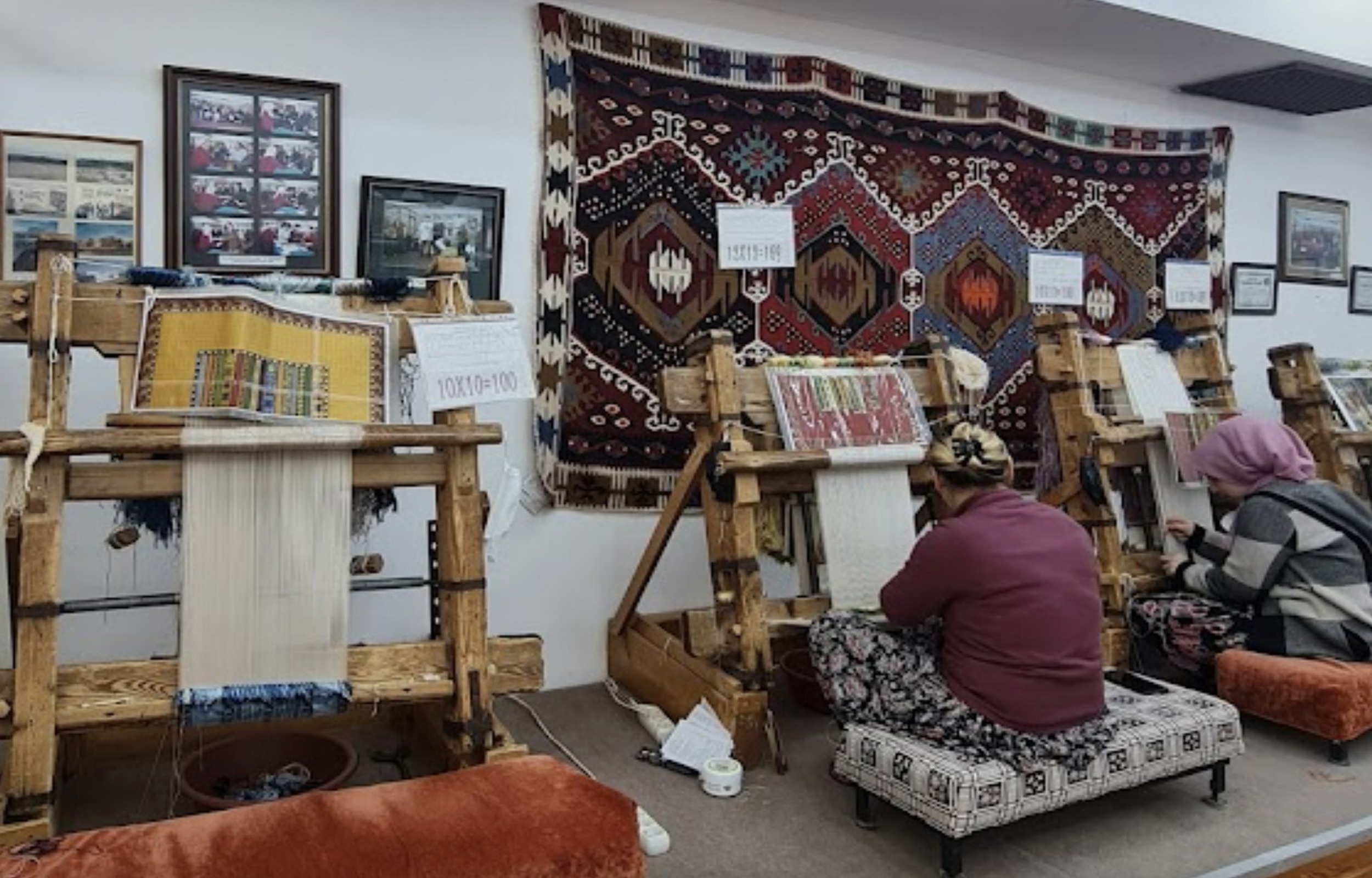
Since its existence, human beings need to tell about their feelings, life, values, ideas, daily life, past and dreams. People of every region and every period transfer this to their art by using the resources they have. The canvas of the Anatolian people is the rugs from Çatalhöyük to this time, and what they tell is hidden in the motifs that touch these rugs. Cappadocia carpets, which are one of the most important cultural heritage sites that has survived from the past to the present and are offered for sale in carpet stores in the region, attract the great interest of local and foreign tourists who come to the region. Carpet stores in Cappadocia have beautiful carpets belonging to different regions of Turkey, as well as those belonging to the region specifically.
8
The town of Ortahisar is one kilometer from the Ürgüp-Nevşehir highway. It is an ancient settlement. Ortahisar Castle, thought to have been carved into the rocks during the Hittite era, is located in the town center. The historic rock-castle is visible from the main road and rises over 50 meters. Due to the time limit we will not be able to climb to the castle castle but we will have the opportunity to take interesting photos from a viewpoint of Ortahisar Castle.
What's not included
Gratuities
Lunch
Alcoholic Beverages
Göreme Open Air Museum is not compulsory but recommendable
Büyükakten Underground House is not compulsory but recommendable.
Kaymaklı Underground City
Available languages
Guide guide
EN
ES
Reviews breakdown
Tripadvisor
5.0
4 reviews
5★
4
4★
0
3★
0
2★
0
1★
0
Important information
Infants and small children can ride in a pram or stroller
Public transportation options are available nearby
Infants are required to sit on an adult’s lap
Not recommended for travelers with poor cardiovascular health
Travelers should have at least a moderate level of physical fitness
About Urgup
Urgup is a charming town in the heart of Cappadocia, known for its unique rock formations, ancient cave dwellings, and vibrant local culture. It serves as a perfect base for exploring the region's natural wonders and historical sites.
Top Attractions
Uchisar Castle
A striking rock formation that served as a fortress in ancient times. It offers panoramic views of the surrounding landscape.
Historical
1-2 hours
Budget
Göreme Open-Air Museum
A UNESCO World Heritage site featuring rock-cut churches and frescoes from the Byzantine era.
Historical
2-3 hours
Moderate
Love Valley
A picturesque valley known for its unique rock formations that resemble phallic shapes.
Nature
1-2 hours
Free
Pigeon Valley
A beautiful valley with pigeon houses carved into the rocks, offering hiking trails and scenic views.
Nature
1-2 hours
Free
Urgup Museum
A small museum showcasing the history and culture of the Cappadocia region.
Museum
30-60 minutes
Budget
Must-Try Local Dishes
Testi Kebab
A traditional dish cooked in a sealed clay pot, containing meat, vegetables, and spices.
Dinner
Contains meat, can be made vegetarian.
Pide
A Turkish flatbread similar to pizza, topped with various ingredients.
Lunch/Dinner
Can be made vegetarian or vegan.
Göğüs Kababı
A local specialty made with minced meat, onions, and spices, grilled on a skewer.
Dinner
Contains meat.
Manti
Small dumplings filled with meat, served with yogurt and garlic sauce.
Dinner
Contains meat, can be made vegetarian.
Popular Activities
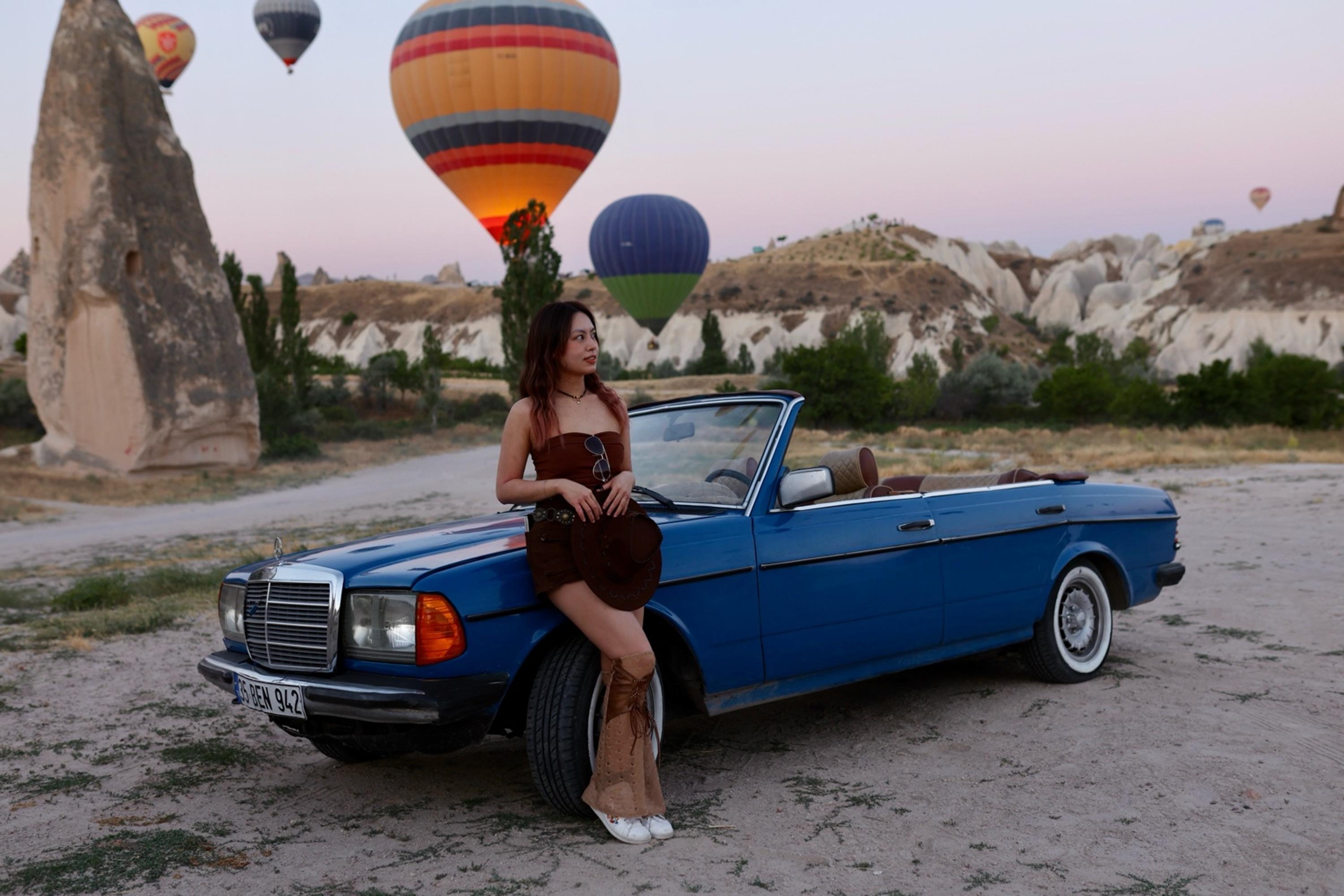
Hot air ballooning
Hiking
ATV tours
Wine tasting
Spa treatments
Scenic drives
Visiting museums
Attending local festivals
Best Time to Visit
April to June, September to October
The weather is pleasant, and the landscapes are vibrant. This is the best time for outdoor activities and sightseeing.
15°C to 25°C
59°F to 77°F
Practical Information
Language
- Official: Turkish
- Widely spoken: English, German
- English: Moderately spoken in tourist areas
Currency
Turkish Lira (TRY)
Time Zone
GMT+3
Electricity
220VV, 50HzHz
Safety Information
Overall Safety Rating: Generally safe
Urgup is generally safe for travelers, with low crime rates. However, standard precautions should be taken to ensure a safe and enjoyable trip.
Important Precautions:
- • Keep valuables secure
- • Be cautious of strangers offering unsolicited help
- • Avoid walking alone at night in isolated areas
Getting there
By air
- Kayseri Erkilet Airport • 75 km
- Nevşehir Kapadokya Airport • 35 km
By train
Kayseri Railway Station
By bus
Urgup Bus Station
Getting around
Public transport
Buses are available but not very frequent. They are a budget-friendly option for getting around.
Taxis
Available • Apps:
Rentals
Car, Bike, Scooter
Neighborhoods
Urgup Center
Mustafapaşa
Day trips
Göreme
10 km • Half day to full day
A town known for its rock-cut churches and the Göreme Open-Air Museum.
Ihlara Valley
50 km • Full day
A lush valley with hiking trails, rock-cut churches, and a river.
Avanos
18 km • Half day
A town famous for its pottery and ceramic workshops.
Festivals
International Cappadocia Balloon Festival • June
Cappadocia Wine Festival • September
Pro tips
- Book a hot air balloon ride in advance, as they can sell out quickly.
- Hire a local guide for a deeper understanding of the region's history and culture.
- Explore the local markets for unique souvenirs and handmade crafts.
- Try the local wine, as Cappadocia is known for its vineyards and wineries.
- Visit the underground cities early in the day to avoid crowds and heat.
From $25
per person
Price varies by option
Secure booking
Free cancellation available
Instant confirmation