Shanghai Hidden Histories Walking Tour: Suzhou Creek to The Bund
Active
3h - 4h
For a full refund, cancel at least 24 hours before the scheduled departure time.
Instant confirmation
Mobile or paper ticket accepted
About this experience
This isn’t your typical bucket-list tour. It’s designed for curious minds, history lovers, and travelers who seek substance over spectacle. This is Shanghai at walking pace—authentic, insightful, and quietly powerful.
Led by a licensed local guide and passionate storyteller, this small-group experience offers a deeper look into Shanghai’s transformation from sleepy riverside town to global port city.
Perfect for:
✓ Thoughtful travelers who enjoy quiet observation and real conversation
✓ Visitors who want to move beyond sightseeing into meaning-making
✓ Guests seeking a personal, in-depth experience—not a student or free-tour guide
Highlights include:
✓ Suzhou Creek’s wartime and industrial legacy
✓ Architectural clues to Shanghai’s colonial past
✓ A fresh perspective on The Bund
✓ A calm, reflective pace—designed for discovery, not box-checking
Walk away with more than just photos—leave with understanding.
Available options
Shanghai Hidden Histories Walking Tour: Suzhou Creek to The Bund
What's included
Group photo or self-portrait upon request (iphone, digital copy)
Licensed local English-speaking guide
Digital citywalk map
1 complimentary coffee at selected cafe or 1 bottled water per person upon request
Detailed itinerary
1
A solemn riverside landmark. Once a battlefield, now a memorial. You’ll stand before the bullet-scarred walls where 400 Chinese soldiers held their ground in 1937—one of Shanghai’s most heroic wartime stands. The story lingers in the silence.
2
Places like Yanqingli preserve this past while leaning into the future. Renovated interiors now hold cafés, galleries, and studios—breathing new life into once-forgotten spaces. It’s not just preservation; it’s quiet evolution.
Old walls, new stories.
3
The building stood as a hub of international communication during the city’s treaty port era, symbolizing Shanghai’s gateway status—open to ideas, commerce, and people. It’s not just architecture; it’s a story of movement and connection.
Above the entrance, you’ll find an inscription by former President Jiang Zemin, reading:“中国邮政博物馆” (Zhongguo Youzheng Bowuguan – China Postal Museum)
4
Zhapu Road Bridge is one of the oldest surviving steel bridges over Suzhou Creek, originally built in 1907. It played a crucial role in connecting the commercial hubs of Hongkou and Huangpu, witnessing over a century of Shanghai’s transformation—from treaty port chaos to cosmopolitan calm.
Its trussed steel frame makes it a favorite for photographers, especially in the golden light of late afternoon. Framed by old warehouses on one side and modern towers beyond, it captures the visual story of a city in motion.
To truly appreciate its value, pause at mid-span. Look east, toward the Waibaidu Bridge and the curve of the creek. You’ll see more than buildings—you’ll see how Shanghai holds its contrasts: steel and water, history and tomorrow, stillness and surge.
Take a photo—but also take a moment.
5
Waibaidu Bridge, built in 1908, is Shanghai’s first all-steel bridge and the oldest surviving one in the city. Spanning the mouth of Suzhou Creek where it meets the Huangpu River, it once marked the threshold between the International Settlement and the old Chinese city—where East met West, and boundaries were both drawn and crossed.
In photos, its latticed steel beams frame a perfect contrast: behind it rise the colonial facades of the Bund, and across the river, the futuristic skyline of Lujiazui. It’s one of the most iconic photo spots in all of Shanghai.
For a deeper appreciation, walk slowly across at sunset. Notice how the river reflects not just light, but time. Think of traders, soldiers, lovers, and dreamers who have crossed it over a century. This isn’t just a bridge—it’s a city’s memory in steel.
6
Stop 6
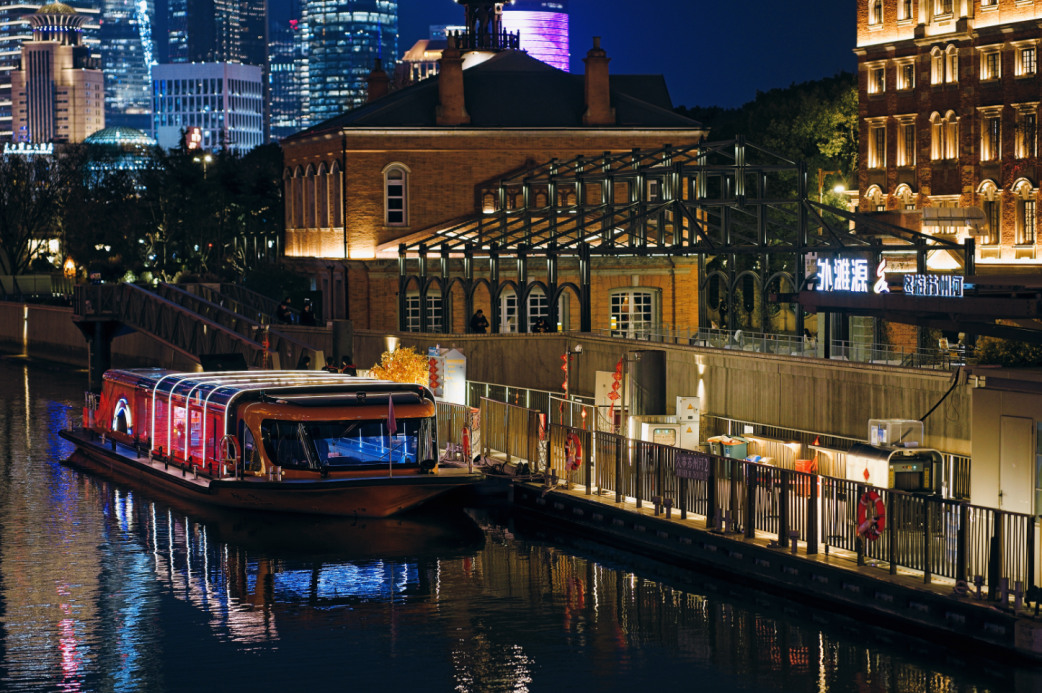
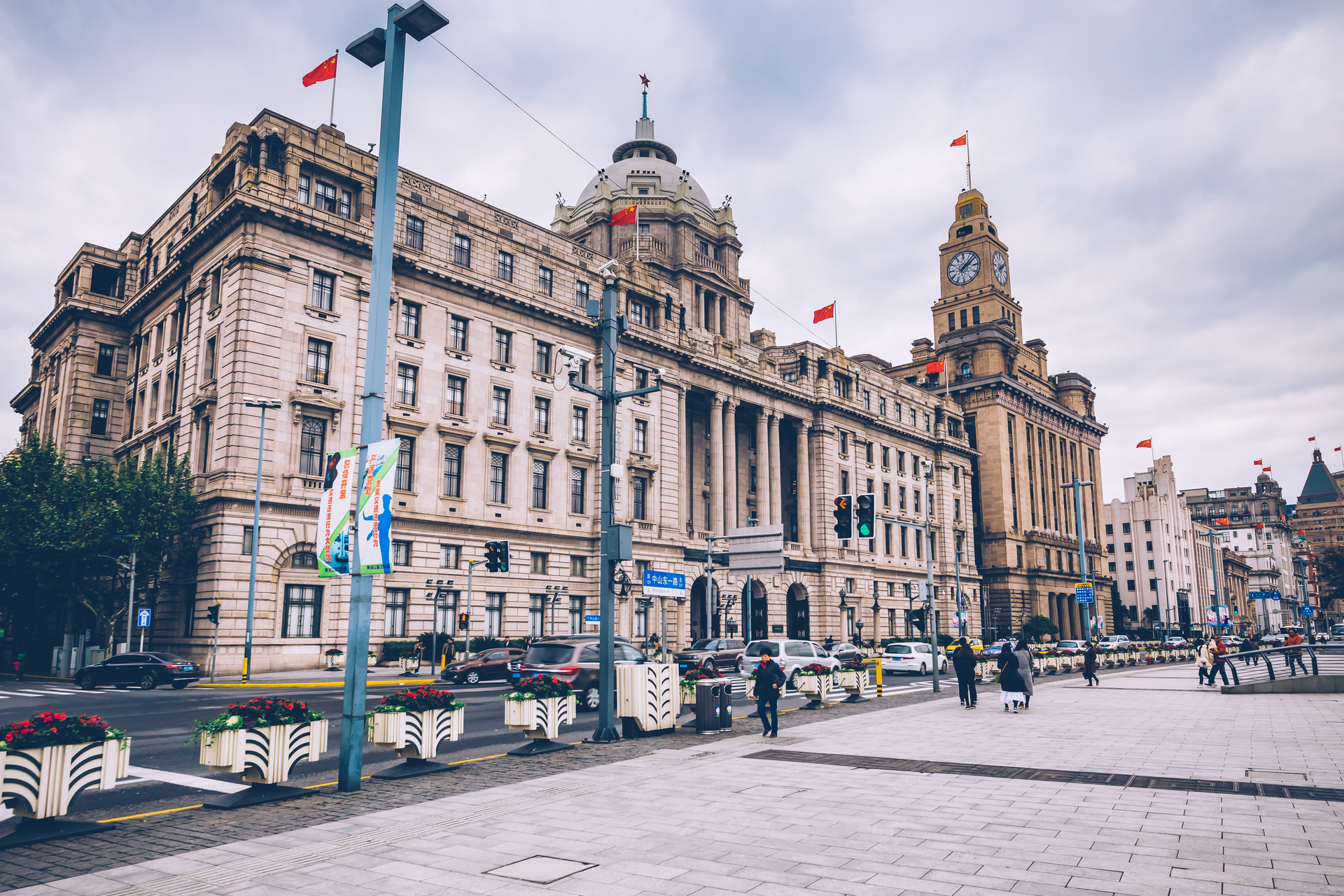
The Bund is more than a scenic promenade—it's the face of Shanghai’s modern history. Stretching along the west bank of the Huangpu River, its grand colonial buildings once housed banks, trading houses, and consulates from Britain, France, the U.S., and beyond.
Built mostly between the 1880s and 1930s, the architecture is a mix of neoclassical, baroque, art deco—a frozen skyline of international ambition. It tells the story of a city that was once called the “Paris of the East.”
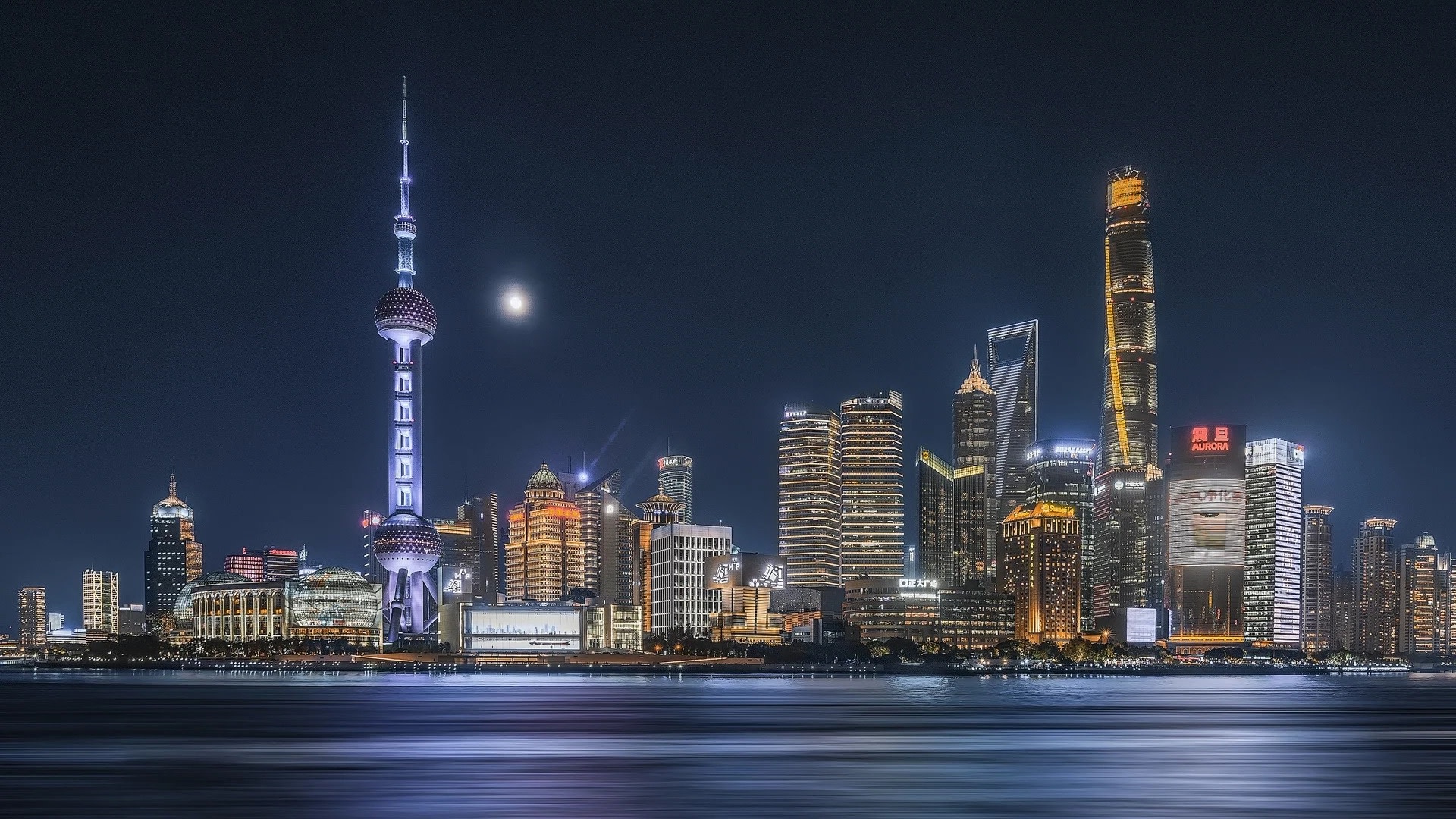
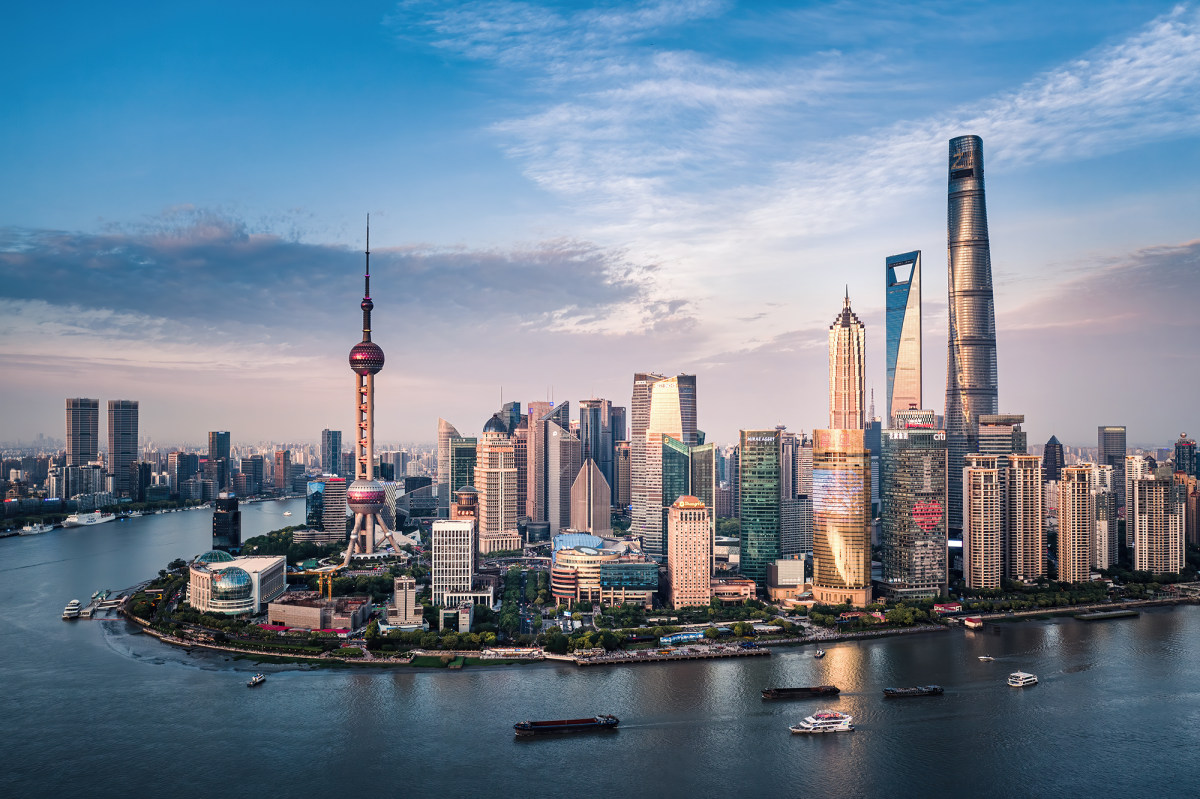
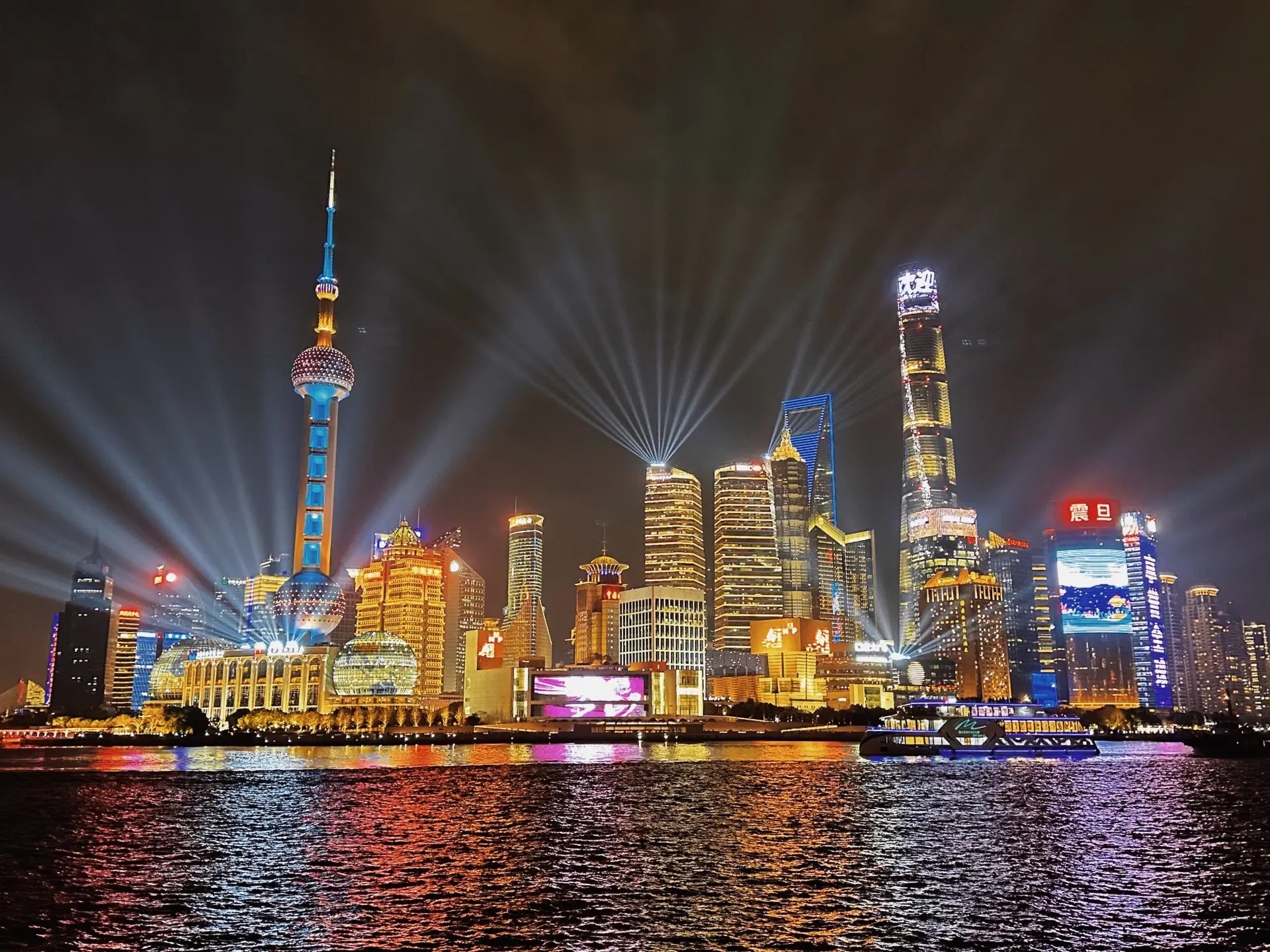
It’s also one of the world’s most photographed places. From here, you can frame the contrast: old world facades to the west, the space-age towers of Lujiazui to the east. Day or night, the view stuns.
To truly feel it, come in the blue hour—just after sunset. Watch the lights come alive across the river, listen to the hum of the city behind you, and let the river breeze carry the stories. Don’t rush. Let it sink in.
What's not included
Transportation to meeting point and return trip is excluded
Food or snacks are excluded (optional café stops at own cost)
Museum admission is excluded (if entered)
Available languages
Audio guide
CMN
EN
Guide guide
CMN
EN
Written guide
CMN
EN
Reviews breakdown
Viator
5.0
2 reviews
5★
2
4★
0
3★
0
2★
0
1★
0
Tripadvisor
5.0
2 reviews
5★
2
4★
0
3★
0
2★
0
1★
0
Important information
Infants and small children can ride in a pram or stroller
Service animals allowed
Public transportation options are available nearby
Travelers should have at least a moderate level of physical fitness
Meeting point
Exit No.1, Xinzha Road Station (Metro Line 1), next to McDonalds
Look for Charlotte carrying a tote bag that says "Part-Time Human Being" — that's your guide for today!
About Shanghai
Shanghai is a global financial hub and a city of stunning contrasts, where futuristic skyscrapers stand alongside traditional shikumen houses. It's known for its vibrant culture, delicious cuisine, and historic landmarks, making it a must-visit destination in China.
Top Attractions
The Bund
The Bund is a famous waterfront area with a stunning skyline of colonial-era buildings and modern skyscrapers. It's a must-visit for its historic significance and breathtaking views.
Historical/Architecture
1-2 hours
Free
Oriental Pearl Tower
This iconic tower is a symbol of modern Shanghai, offering panoramic views of the city from its observation decks.
Architecture
2-3 hours
¥150-200
Yu Garden
Yu Garden is a classical Chinese garden with beautiful landscapes, pavilions, and historical buildings. It's a peaceful oasis in the bustling city.
Historical/Garden
2-3 hours
¥30
Shanghai Museum
The Shanghai Museum houses an extensive collection of ancient Chinese art and artifacts, providing a deep dive into China's rich history and culture.
Museum
2-3 hours
Free
Nanjing Road
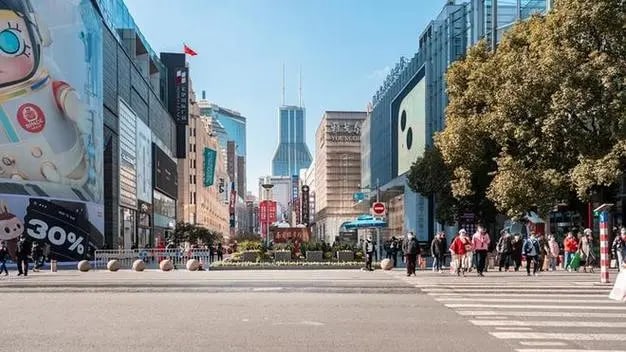
Nanjing Road is one of the world's busiest shopping streets, offering a mix of international brands, local shops, and vibrant street life.
Shopping
2-3 hours
Varies by shop
Must-Try Local Dishes
Xiaolongbao
Small soup dumplings filled with meat and hot broth, typically pork. They are a staple of Shanghai cuisine and are often served with soy sauce and ginger.
Dumplings
Contains meat, gluten, and soy.
Braised Pork Belly (Hong Shao Rou)
A slow-cooked dish of pork belly braised in soy sauce, sugar, and other seasonings. It's tender, flavorful, and often served with steamed buns or rice.
Main dish
Contains pork and soy.
Shanghai Soup Dumplings (Shao Mai)
Open-topped dumplings filled with minced pork and shrimp, often served with a dipping sauce made of soy sauce, vinegar, and ginger.
Dumplings
Contains pork, shrimp, and soy.
Stinky Tofu (Chou Doufu)
Fermented tofu with a strong odor, often deep-fried and served with pickled cabbage. It's an acquired taste but a popular street food.
Snack
Vegetarian, contains soy.
Popular Activities
Hiking in nearby nature reserves
Biking along the Huangpu River
Tea house visits
Spa treatments
Visiting museums and historic sites
Attending traditional performances
Boat rides on the Huangpu River
Swimming at nearby beaches
Best Time to Visit
April to October
This period offers pleasant weather, making it ideal for sightseeing and outdoor activities. The city is lively with numerous festivals and events.
15°C to 35°C
59°F to 95°F
Practical Information
Language
- Official: Chinese (Mandarin)
- Widely spoken: Shanghainese, English (in tourist areas)
- English: Moderately spoken in tourist areas, limited elsewhere
Currency
Chinese Yuan Renminbi (CNY)
Time Zone
GMT+8
Electricity
220VV, 50HzHz
Safety Information
Overall Safety Rating: Generally safe
Shanghai is generally safe for travelers, with low crime rates and a strong police presence. However, as with any major city, it's important to be aware of your surroundings and take precautions to protect yourself and your belongings.
Important Precautions:
- • Be cautious of pickpockets in crowded areas.
- • Use licensed taxis or ride-hailing apps like Didi.
- • Be wary of strangers offering unsolicited help or services.
Getting there
By air
- Shanghai Pudong International Airport • 30 km from city center
- Shanghai Hongqiao International Airport • 13 km from city center
By train
Shanghai Railway Station, Shanghai South Railway Station
By bus
Shanghai Long-Distance Bus Station, Shanghai South Long-Distance Bus Station
Getting around
Public transport
The Shanghai Metro is efficient, clean, and covers most of the city. It's the fastest and most convenient way to get around.
Taxis
Available • Apps: Didi, Meituan
Rentals
Car, Bike, Scooter
Neighborhoods
The Bund
Pudong
French Concession
Xintiandi
Tianzifang
Day trips
Hangzhou
180 km from Shanghai • Full day
Hangzhou is a beautiful city known for its natural beauty, historic sites, and the famous West Lake. It's a great day trip from Shanghai for those looking to escape the city and enjoy some nature.
Suzhou
100 km from Shanghai • Full day
Suzhou is a historic city known for its classical gardens, silk production, and canals. It's a great day trip for those interested in history, culture, and architecture.
Zhujiajiao
50 km from Shanghai • Half day
Zhujiajiao is an ancient water town known for its well-preserved Ming and Qing dynasty architecture, canals, and bridges. It's a great day trip for those looking to experience traditional Chinese water town life.
Festivals
Shanghai Tourism Festival • September
Shanghai International Film Festival • June
Chinese New Year • January/February (varies)
Pro tips
- Use the Shanghai Public Transportation Card for convenient and discounted travel on metro, buses, and ferries.
- Download a translation app or carry a phrasebook to help with language barriers.
- Try local street food, but be cautious of food safety and choose busy stalls with high turnover.
- Visit popular attractions early in the morning or late in the afternoon to avoid crowds.
- Consider hiring a local guide or joining a tour to gain insights into Shanghai's history and culture.
From $25
per person
Price varies by option
Secure booking
Free cancellation available
Instant confirmation


![[China Railway Tour] One-day classic route from Shanghai to Suzhou: Humble Administrator's Garden + Pingjiang Road + Hanshan Temple + Qilishantang Night View](https://res.klook.com/image/upload/activities/wnhzgue4iutfxxunedyk.jpg)