Guided Tour of Bucharest Discover History and Culture
Active
3h
For a full refund, cancel at least 24 hours before the scheduled departure time.
Instant confirmation
Mobile or paper ticket accepted
About this experience
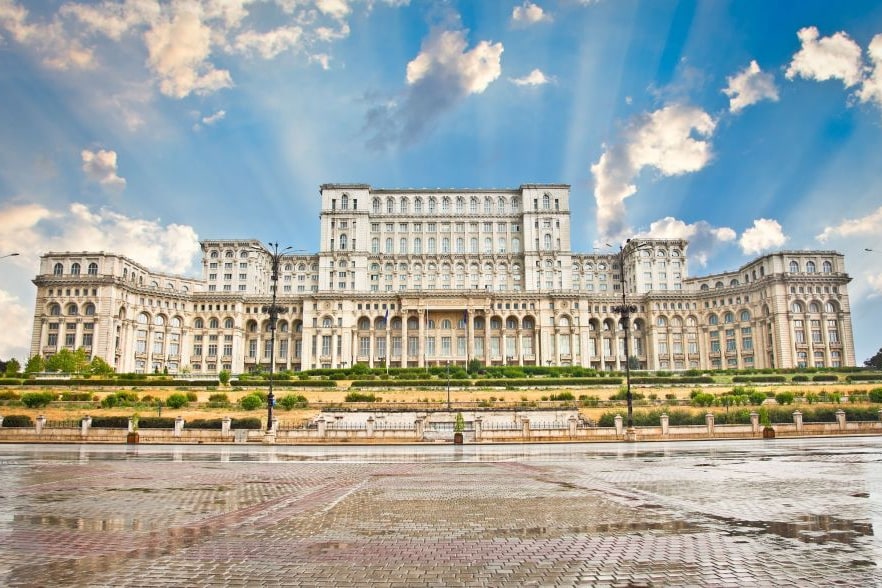
Explore Bucharest's vibrant heart on this guided tour that takes you through the city's iconic landmarks and hidden gems. Start at the stunning Ateneul Român, a symbol of Romania's cultural heritage, before marveling at the monumental Palace of the Parliament, the world’s second-largest administrative building. Your expert guide reveals the fascinating history and architectural beauty of Bucharest, blending tradition with modernity. This immersive experience is tailored for history buffs, art lovers, and curious travelers seeking to understand the soul of Romania's capital.
- Visit iconic landmarks like the Ateneul Român and Palace of the Parliament
- Learn about Bucharest's rich history and architectural splendor
- Discover hidden gems, from charming churches to vibrant street art
- Perfect for history buffs, art lovers, and curious travelers alike
Available options
Bucharest Tour in Spanish
Bucharest in English
Bucharest in Italian
Bucharest en Français
What's included
Government Fees
Detailed itinerary
1
The Royal Palace of Bucharest stands as a symbol of Romania’s former monarchy, featuring a stately neoclassical façade and richly decorated halls. Today it serves as the National Museum of Art, preserving the cultural legacy of the country through royal collections and masterpieces.
2
Revolution Square is a symbolic landmark where key events of the 1989 Romanian Revolution unfolded. Surrounded by important institutions such as the former Communist Party headquarters, the Royal Palace, and the Athenaeum, the square reflects the dramatic political changes that shaped modern Romania.
3
Kretzulescu Church is a well preserved Orthodox landmark built in the early eighteenth century, featuring red brick façades, stone carvings, and elegant Brâncovenesc architectural details. Its calm courtyard and historic frescoes make it one of the most charming corners of central Bucharest.
4
Pasajul Englez is a slender covered passage dating from the nineteenth century, lined with tall residential façades and small ground-floor spaces. Its unique proportions and historic atmosphere make it one of Bucharest’s most intriguing hidden corners.
5
The Umbrellas Street is a lively passage where hundreds of bright umbrellas are suspended overhead, filling the space with color and light. Its playful design, cozy cafés, and artistic atmosphere have turned it into a popular landmark in Bucharest’s old town.
6
Odeon Theatre is a beautifully preserved early twentieth century theater featuring a refined façade, ornate interiors, and a rich artistic legacy. Its stage has hosted countless plays, concerts, and cultural events, making it one of Bucharest’s key performing arts landmarks.
7
The National Military Circle is a monumental neoclassical landmark featuring sweeping staircases, richly decorated halls, and an imposing façade facing Calea Victoriei. Built in the early twentieth century, it stands as a symbol of Romania’s military tradition and architectural elegance.
8
Stop 8
Pass by
Macca–Vilacrosse Passage is a beautiful fork-shaped arcade covered by golden stained glass, creating a warm and atmospheric light throughout the day. Lined with cafés, shops, and historic façades, it stands as one of Bucharest’s most charming and visually striking passages.
9
The National Bank of Romania occupies a monumental neoclassical building with imposing columns, stone carvings, and a refined façade facing the old town. As one of the most significant financial institutions in the country, it represents both architectural elegance and Romania’s economic heritage.
10
Stop 10
Pass by
Stavropoleos Monastery is a beautifully preserved eighteenth century church featuring intricate stone carvings, delicate wooden icons, and a peaceful cloister garden. Its Brâncovenesc architecture and atmospheric interior make it one of the finest historic treasures in Bucharest.
11
Caru’ cu Bere is a landmark restaurant housed in a stunning Gothic Revival building with stained glass, carved woodwork, and richly decorated interiors. Opened in the nineteenth century, it remains a symbol of Bucharest’s historical charm and Romanian culinary traditions.
12
CEC Palace stands as a striking landmark on Calea Victoriei, featuring an impressive central glass dome, ornate stone façades, and detailed sculptures. Built at the end of the nineteenth century, it remains a symbol of Bucharest’s architectural sophistication and financial heritage.
13
The National Museum of Romanian History is located in an imposing neoclassical palace and features some of Romania’s most valuable artifacts, including ancient gold collections, royal insignia, and detailed historical displays. Its exhibits trace the country’s story from prehistory to modern times.
14
Manuc’s Inn is a historic caravanserai featuring wooden galleries, a large central courtyard, and traditional architectural details. Since the early nineteenth century, it has served as a hub for trade, diplomacy, and social life in Bucharest, preserving the charm of old Balkan inns.
15
Antim Monastery is a beautifully crafted Orthodox complex founded in the early eighteenth century, featuring ornate stone carvings, richly decorated façades, and a peaceful inner courtyard. Created by Saint Antim Ivireanul, it stands as a landmark of Brâncovenesc architecture and spiritual tradition in Bucharest.
16
Stop 16
Pass by
The Palace of the Parliament dominates Bucharest with its immense scale, marble interiors, and imposing neoclassical design. Constructed during the communist era, it remains one of the most ambitious and controversial architectural projects in Europe, symbolizing both grandeur and political complexity.
Available languages
Guide guide
EN
IT
FR
ES
Important information
Service animals allowed
Public transportation options are available nearby
Suitable for all physical fitness levels
Meeting point
The Romanian Athenaeum is a stunning neoclassical landmark featuring a domed roof, elegant columns, and richly decorated interiors. As the home of the George Enescu Philharmonic, it stands as a symbol of Romanian culture, music, and architectural refinement.
About Bucharest
Bucharest, the capital of Romania, is a vibrant city known for its blend of historic architecture and modern development. With a rich cultural scene, lively nightlife, and significant historical landmarks, it offers a unique experience for travelers.
Top Attractions
Palace of the Parliament
One of the largest administrative buildings in the world, a symbol of communist architecture and power.
Historical/Architecture
2-3 hours
€7-10
Old Town (Lipscani)
The historic center of Bucharest, filled with charming streets, cafes, restaurants, and nightlife.
Historical/Cultural
Half-day
Free to explore
Village Museum (Muzeul Satului)
An open-air museum showcasing traditional Romanian village life with authentic houses and buildings.
Cultural
2-3 hours
€3-5
Must-Try Local Dishes
Sarmale
Cabbage rolls stuffed with minced meat, rice, and spices, usually served with polenta and sour cream
Main Course
Contains meat and gluten
Mămăligă
Polenta made from cornmeal, often served with cheese, sour cream, or meat dishes
Side Dish
Vegetarian, gluten-free
Ciorbă
A sour soup made with various ingredients such as meat, vegetables, or fish, often served with a boiled egg and sour cream
Soup
Can be vegetarian or with meat
Popular Activities
Hiking in the Carpathian Mountains
Skiing in Poiana Brașov
Spa treatments
Strolling through Herăstrău Park
Visiting museums and art galleries
Attending classical concerts at the Romanian Athenaeum
Boating on Lake Herăstrău
Skiing
Best Time to Visit
June to August
This is the warmest time of the year with the most outdoor activities and festivals. However, it can be crowded with tourists.
20°C to 30°C
68°F to 86°F
Practical Information
Language
- Official: Romanian
- Widely spoken: English, French
- English: Moderately spoken
Currency
Romanian Leu (RON)
Time Zone
GMT+2 (EET), GMT+3 (EEST) during daylight saving time
Electricity
230VV, 50HzHz
Safety Information
Overall Safety Rating: Generally safe, but exercise caution in certain areas
Bucharest is generally safe for tourists, but petty crime such as pickpocketing and scams can occur, especially in crowded areas. Be cautious at night and avoid poorly lit streets.
Important Precautions:
- • Keep valuables secure and out of sight
- • Use licensed taxis or ride-sharing apps
- • Be cautious of strangers approaching you with unsolicited offers or requests
Getting there
By air
- Henri Coandă International Airport • 16.7 km (10.4 miles) from city center
- Aurel Vlaicu International Airport • 8 km (5 miles) from city center
By train
Gara de Nord, Băneasa
By bus
Autogara Nord, Autogara Sud
Getting around
Public transport
Clean, efficient, and affordable. The metro system is the fastest way to get around Bucharest.
Taxis
Available • Apps: Bolt, Uber
Rentals
Car, Bike, Scooter
Neighborhoods
Old Town (Lipscani)
Dorobanți
Cotroceni
Day trips
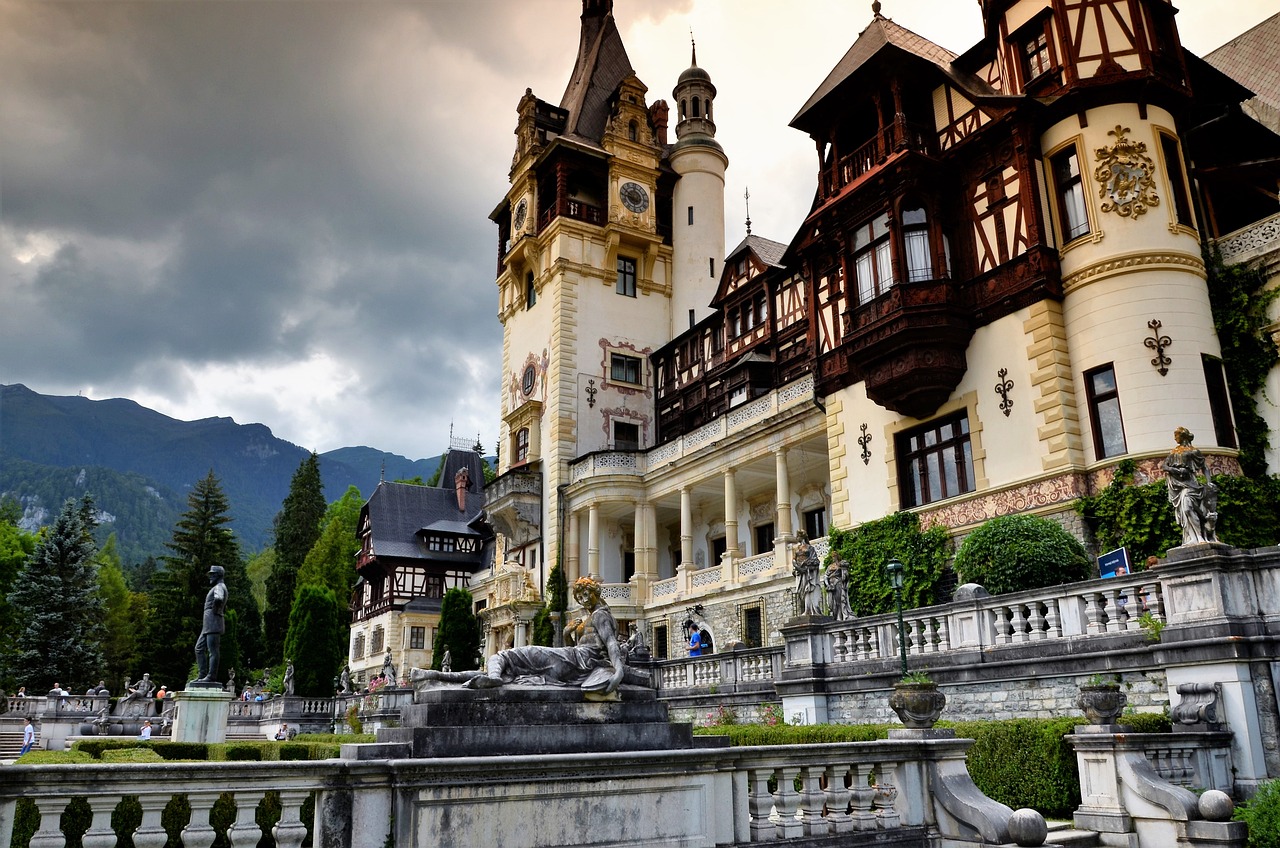
Peleș Castle
120 km (75 miles) • Full day
A stunning neo-Renaissance castle nestled in the Carpathian Mountains, once the summer residence of the Romanian royal family.
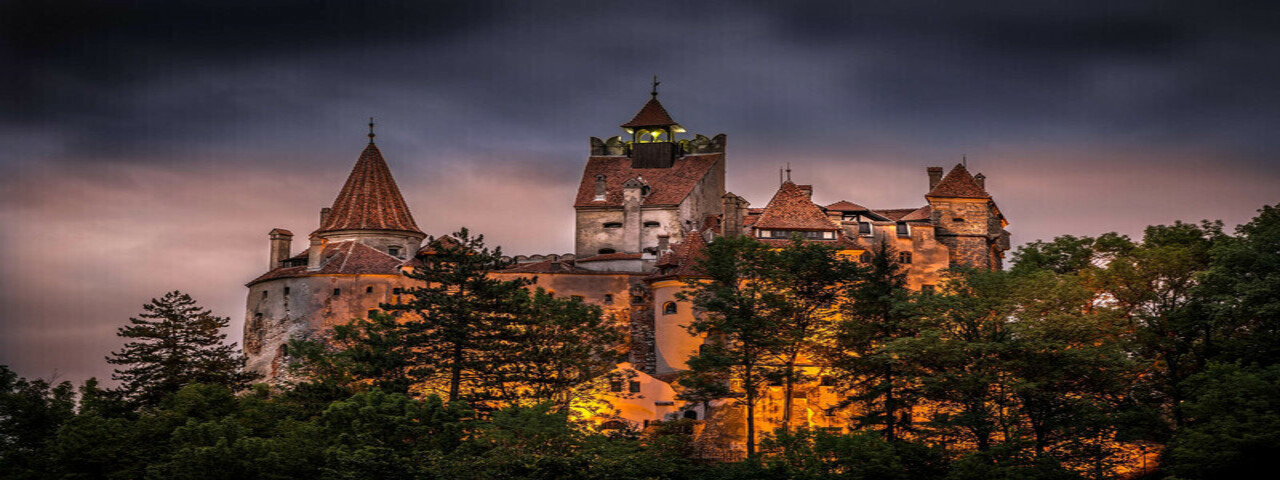
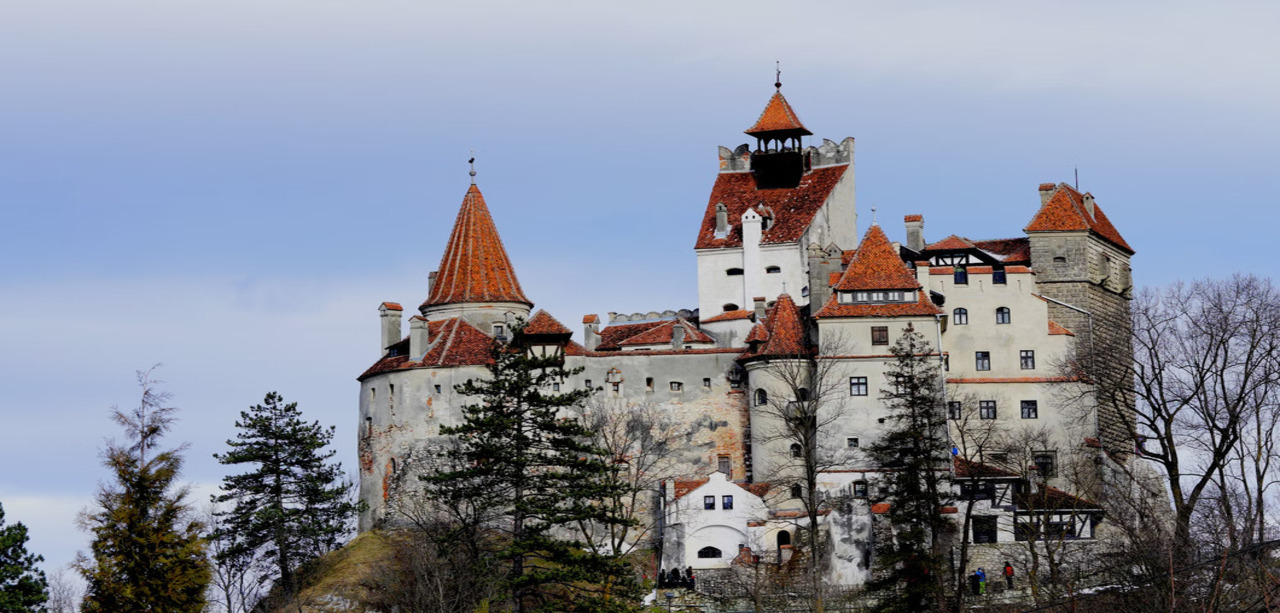
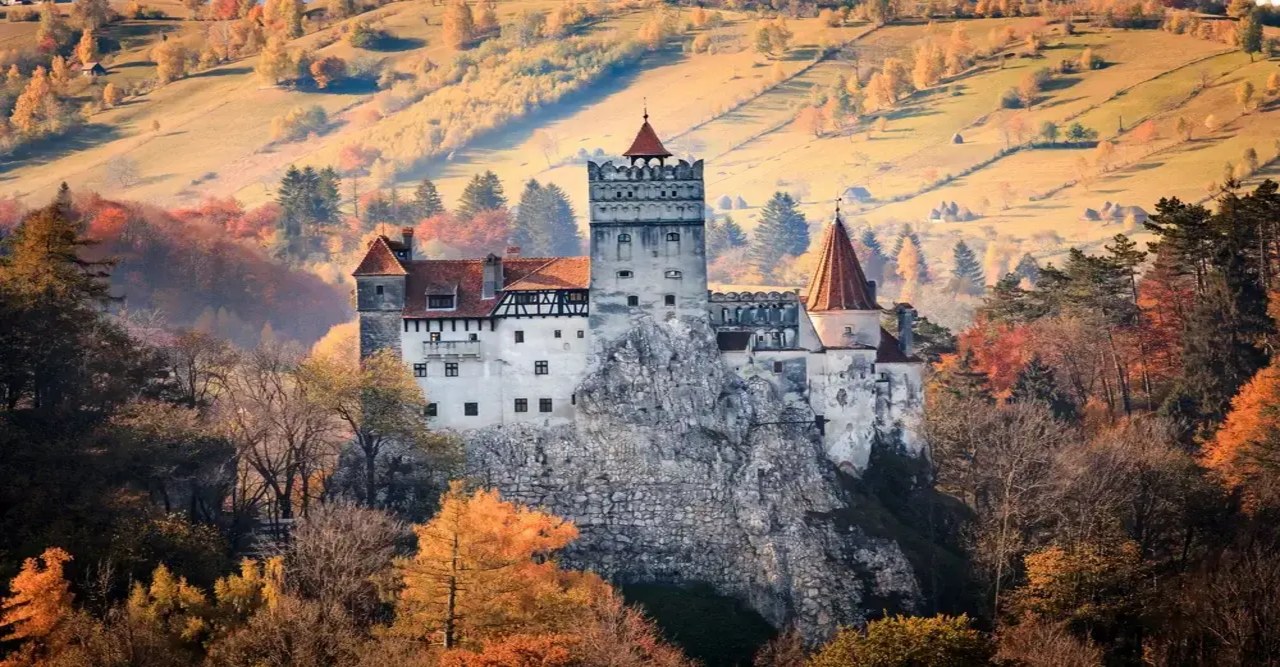
Bran Castle
160 km (100 miles) • Full day
A medieval fortress often associated with Dracula, offering a glimpse into Romania's rich history and folklore.
Sinaia
120 km (75 miles) • Full day
A beautiful mountain town known for its stunning landscapes, historic sites, and outdoor activities.
Festivals
Bucharest International Film Festival (BIFF) • April
George Enescu Festival • September
Bucharest Pride • June
Pro tips
- Learn a few basic Romanian phrases to enhance your experience and interact with locals
- Explore beyond the tourist hotspots to discover hidden gems and local culture
- Use public transport or walk to get a sense of the city's rhythm and avoid traffic
- Try local street food for an authentic and affordable culinary experience
- Visit major attractions early in the morning or late in the afternoon to avoid crowds
From $25
per person
Price varies by option
Secure booking
Free cancellation available
Instant confirmation