Historic Mosques and Al-Hayy Heart of Madinah Tour
Active
4h
For a full refund, cancel at least 24 hours before the scheduled departure time.
Instant confirmation
Mobile or paper ticket accepted
About this experience
Start your journey by exploring the Seven Mosques, built at the foot of Jabal Sala’, the site of the famous Battle of the Trench, where Muslims bravely defended the city.
Then head to Abu Bakr Al-Siddiq Mosque, just 150 meters from the Prophet’s Mosque. The Prophet ﷺ prayed Eid here, as did his Caliph Abu Bakr, after whom the mosque is named.
Next, visit Ghamama Mosque, 200 meters from the Prophet’s Mosque, where the Prophet ﷺ led Eid and rain prayers. The mosque holds important memories from his life and history.
Then visit Suqya Mosque, where the Prophet ﷺ prayed and supplicated before the Battle of Bader, and drank from the historic Suqya well.
After that, move to Banu Anif Mosque, known for its unique architecture and connection to the Prophet’s companions.
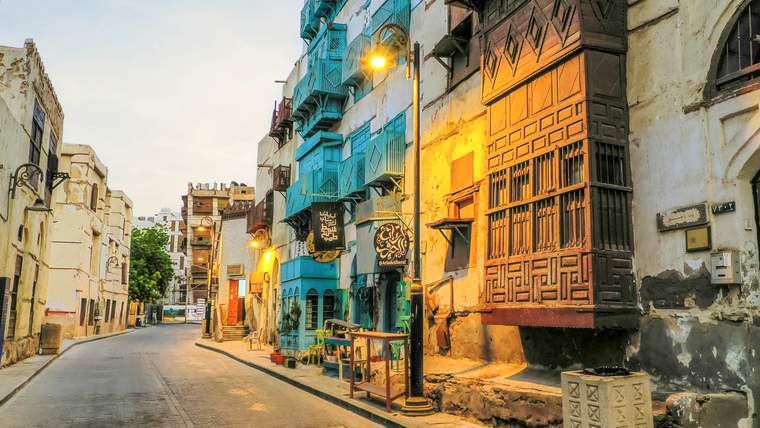
End your tour at Al-Hayy Project, offering diverse cultural and local experiences in historic houses over 80 years old, blending history with modern restaurants and cafes.
Available options
Private Group with Guide & bus
Number of guest <br/>Pickup included
4 Person with Guide & Transfer
Number of Guest<br/>Pickup included
1 Person with Guide & Transfer
Number of guests<br/>Pickup included
Heart of Madinah Tour: Historic Mosques & Al-Hayy
Pickup included
What's included
Tour guide
Air-conditioned vehicle
Detailed itinerary
1
These mosques became popularly known among tourists as "The Seven Mosques," a relatively modern name. Before the 14th century AH, they were traditionally called "Mosques of the Victory" (Masajid Al-Fath), in reference to the Battle of the Trench and the events associated with it.
2
Abu Bakr Al-Siddiq Mosque is named after the first Caliph, who led the Eid prayer there during his caliphate. It is one of the Seven Mosques, located near the Battle of the Trench site in Medina. Though small and simple, it holds historical and religious significance for visitors.
3
Ghamama Mosque is west of the Prophet’s Mosque. The Prophet ﷺ prayed Eid and rain prayers there. It’s called Ghamama Mosque because a cloud is said to have shaded him while praying. It is an old mosque with Ottoman style, visited for its history and proximity to the Prophet’s Mosque.
4
Suqya Mosque is a small rectangular mosque topped with three distinctive domes. It is located in Medina and has modest historical significance. Its name means “Suqya,” referring to providing water, possibly linked to water supply in the past. The mosque is quiet, offering visitors a peaceful place for prayer and reflection.
5
Banu Uneif Mosque is near Quba Mosque to the southwest. It was built by Banu Uneif near their fort on the southern road into the city. The mosque is historic, simple, and reflects the city’s heritage.
6
Al-Hayy Project in Medina is a modern place with various restaurants and cafes offering local and international dishes. It has a relaxed, modern atmosphere, making it a great spot to unwind and enjoy food.
What's not included
Meals
Available languages
Guide guide
AR
EN
Important information
Wheelchair accessible
Infants and small children can ride in a pram or stroller
Infants are required to sit on an adult’s lap
Transportation options are wheelchair accessible
Suitable for all physical fitness levels
About Medina
Medina, the second holiest city in Islam, is a place of profound spiritual significance. Known as the Enlightened City, it is where the Prophet Muhammad established the first Muslim community and where he is buried. Beyond its religious importance, Medina offers a glimpse into Islamic history and culture.
Top Attractions
Al-Masjid an-Nabawi
This is the second holiest mosque in Islam, where the Prophet Muhammad is buried. It is a major pilgrimage site and a stunning example of Islamic architecture.
Religious
1-2 hours
Free
Quba Mosque
This is one of the oldest mosques in Islam, built by the Prophet Muhammad himself. It is a significant pilgrimage site and a place of great historical importance.
Religious
1 hour
Free
Mount Uhud
This mountain is the site of the Battle of Uhud, a significant event in early Islamic history. It offers panoramic views of Medina and is a place of historical reflection.
Historical
2-3 hours
Free
Must-Try Local Dishes
Mandi
A traditional Saudi dish made with spiced meat, usually lamb or chicken, cooked in an underground pit.
Main Course
Contains meat
Kabsa
A fragrant rice dish cooked with meat and spices, often served with a side of yogurt.
Main Course
Contains meat
Jareesh
A dish made with crushed wheat and meat, often served with a side of yogurt.
Main Course
Contains meat
Popular Activities
Hiking in Mount Uhud
Visiting local cafes and coffee shops
Exploring historical sites and museums
Pilgrimage to Al-Masjid an-Nabawi
Best Time to Visit
October to March
The best time to visit Medina is during the cooler months when temperatures are more comfortable for sightseeing and religious activities.
15-30°C
59-86°F
Practical Information
Language
- Official: Arabic
- Widely spoken: English
- English: Moderately spoken
Currency
Saudi Riyal (SAR)
Time Zone
GMT+3
Electricity
230VV, 50HzHz
Safety Information
Overall Safety Rating: Generally safe
Medina is generally safe, with a strong police presence and low crime rates. However, travelers should remain vigilant and respect local customs and laws.
Important Precautions:
- • Keep valuables secure
- • Be cautious of scams
- • Respect local customs and laws
Getting there
By air
- Prince Mohammad bin Abdulaziz Airport • 15 km from city center
By bus
Medina Central Bus Station
Getting around
Public transport
Buses are the primary mode of public transport in Medina. They are affordable and cover most parts of the city.
Taxis
Available • Apps: Uber, Careem
Rentals
Car
Neighborhoods
Al-Baqee'
Al-Nabawi
Day trips
Al-Hujra Museum
5 km from Medina • Half day
A museum dedicated to the early Islamic period, showcasing artifacts and exhibits related to the life of the Prophet Muhammad.
Al-Baqee' Cemetery
2 km from Medina • Half day
An ancient cemetery where many early Islamic figures are buried, offering a glimpse into the city's rich history.
Festivals
Eid al-Fitr • Varies (end of Ramadan)
Eid al-Adha • Varies (Dhu al-Hijjah)
Pro tips
- Visit Al-Masjid an-Nabawi early in the morning or late in the afternoon to avoid crowds and the heat.
- Carry a reusable water bottle and stay hydrated, especially during the hotter months.
- Respect prayer times and avoid entering mosques during prayer.
- Dress modestly and be mindful of local customs and traditions.
- Try local dishes like Mandi and Kabsa for an authentic culinary experience.
From $25
per person
Price varies by option
Secure booking
Free cancellation available
Instant confirmation