Lawyers' London: Courts of Justice & Inns of Court Walking Tour
Active
2h
For a full refund, cancel at least 24 hours before the scheduled departure time.
Instant confirmation
Mobile or paper ticket accepted
About this experience
You will hear how this small area of London almost by accident fostered the development of the English Common Law which spread around the world to the United States, India, Pakistan, Africa, Australia, and many more countries and was the originator of the world's system of common law.
People who changed the world worked, lived, entertained, and were educated in the Inns of Court, including:
*Eight of the signatories to the American Declaration of Independence
*Muhammad Ali Jinnah, the founder of Pakistan who owned over 200 bespoke (made-to-measure) suits and, as a barrister in London, was said to never wear the same silk tie twice.
* Mahatma Gandhi who had to promise his mother that he would abstain from meat, alcohol, and women before he could enrol in Inner Temple.
* Sir William Blackstone who influenced commercial and criminal law in the United States and British Commonwealth and said: “It is better that ten guilty persons escape than that one innocent suffer.”
Available options
Lawyers' London: Courts of Justice & Inns of Court Walking Tour
What's included
Expert, English-speaking tour guide
Detailed itinerary
1
Built in 1573 and said to be "the most perfect" example of an Elizabethan building remaining in Central London. So much of English history revolves around this building.
2
We will stop outside Inner Temple Hall. Shakespeare's Henry VI Part 1 suggests that the War of the Roses originated with the picking of red and white roses in Temple Gardens. The garden is usually open to the public during the week in the afternoon.
3
Stop 3
Built in 1162 by the Knights Templar, in fiction it featured in Dan Brown's book and film, the Da Vinci Code, and in fact in the Magna Carta negotiations, when King John used the Temple as one of his two bases in London. Temple Church will usually be open after the morning tour - admission is £5.00.
4
Opened in 1882 by Queen Victoria, the building was originally designed to house 19 courts and now there are around a hundred. We will go inside the building.
5
This Inn produced eleven prime ministers. The Old Hall was built around 1490 and was sometimes used as a Court of Chancery.
6
Is a former Inn of Chancery. The front was erected in 1586 and is the finest example of a Tudor timber framed building in Central London.
7
The hall was built in 1560 and reconstructed after bomb damage with a substantial contribution from the American Bar Association. In the square there is a statue to the Inn's most prominent former member. Hear his story and decide whether there should have been a statue to him.
What's not included
Coffee and/or Tea
Available languages
Guide guide
EN
Reviews breakdown
Viator
4.3
6 reviews
5★
5
4★
0
3★
0
2★
0
1★
1
Tripadvisor
4.9
14 reviews
5★
12
4★
2
3★
0
2★
0
1★
0
Important information
Public transportation options are available nearby
Suitable for all physical fitness levels
Meeting point
I will be standing, or sitting at a table, outside the Temple Bar Cafe which is next to the entrance to the Temple Underground Station.
About London
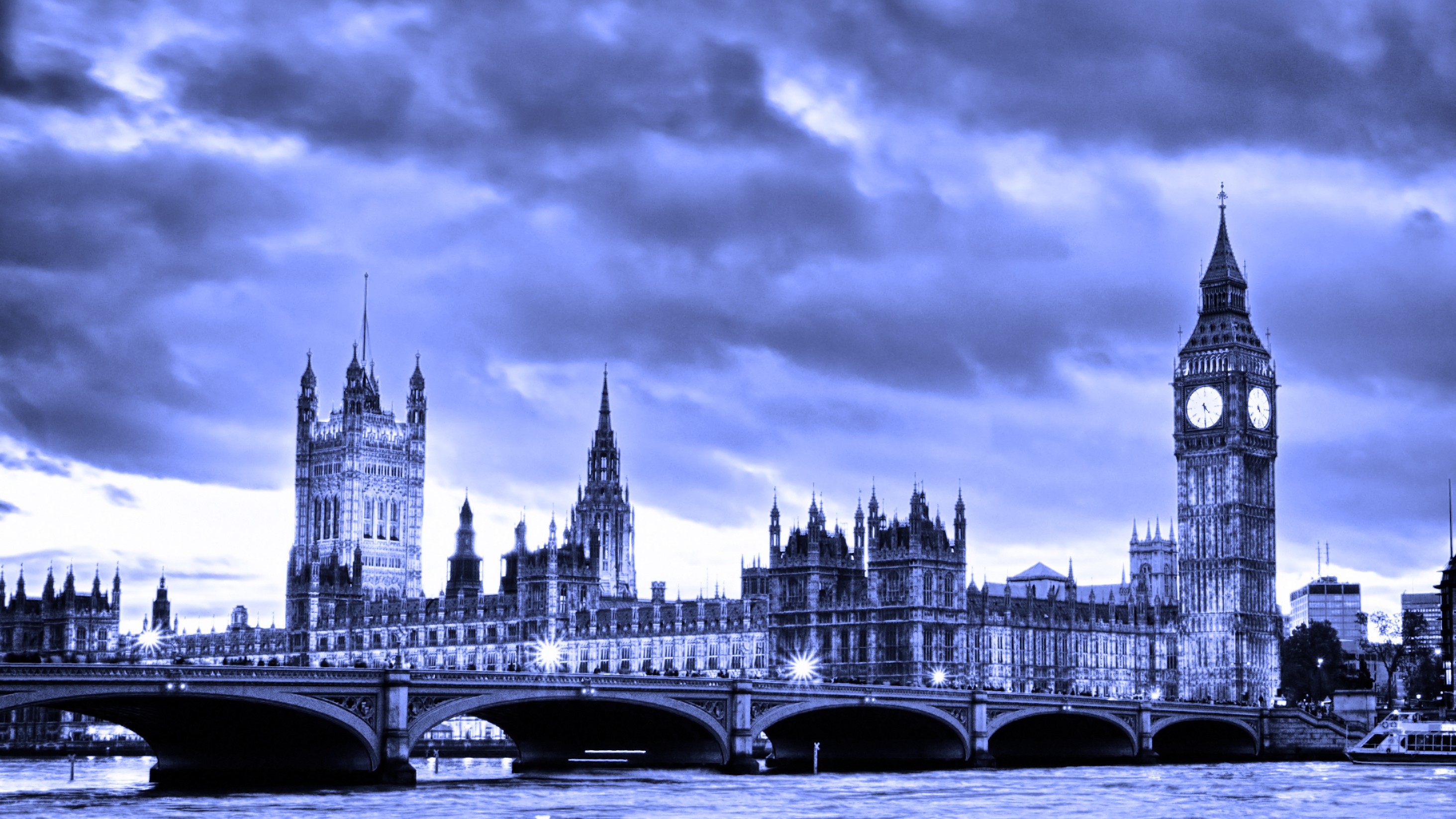
London, the capital of England and the United Kingdom, is a vibrant, multicultural metropolis known for its rich history, iconic landmarks, and dynamic cultural scene. From the ancient Tower of London to the modern Shard, the city offers a blend of the old and the new, making it a fascinating destination for travelers from around the world.
Top Attractions
Tower of London
A historic castle located on the north bank of the River Thames. It has served as a royal palace, prison, armory, and treasury. The Crown Jewels are also housed here.
Historical
2-3 hours
£28 (adult ticket)
Buckingham Palace
The official residence of the British monarch. Visitors can watch the Changing of the Guard ceremony and tour the State Rooms during the summer.
Historical
1-2 hours
£27.50 (adult ticket for State Rooms)
The British Museum
One of the world's largest and most comprehensive museums, housing a vast collection of artifacts from around the globe.
Museum
2-3 hours
Free (special exhibitions may have a charge)
The London Eye
A giant Ferris wheel on the South Bank of the River Thames, offering panoramic views of the city.
Entertainment
30 minutes
£27-£33 (adult ticket)
Westminster Abbey
A large, mainly Gothic abbey church just to the west of the Palace of Westminster. It is one of the most notable religious buildings in the UK and the traditional place of coronation and burial for English and, later, British monarchs.
Religious
1-2 hours
£27 (adult ticket)
Tower Bridge
An iconic symbol of London, this combined bascule and suspension bridge spans the River Thames. Visitors can explore the bridge's walkways and the Tower Bridge Exhibition.
Architecture
1-2 hours
£11 (adult ticket for the exhibition)
Must-Try Local Dishes
Fish and Chips
A classic British dish consisting of battered and fried fish, usually cod or haddock, served with thick-cut chips (fries).
Dinner
Contains gluten and fish
Full English Breakfast
A hearty breakfast consisting of eggs, bacon, sausages, baked beans, grilled tomatoes, mushrooms, black pudding, and toast.
Breakfast
Contains meat and gluten
Afternoon Tea
A quintessential British tradition involving a selection of finger sandwiches, scones with clotted cream and jam, and a variety of pastries, all served with tea.
Snack
Can be adapted for vegetarian, vegan, and gluten-free diets
Sunday Roast
A traditional British meal served on Sundays, featuring roasted meat (usually beef, lamb, or chicken), Yorkshire pudding, roast potatoes, vegetables, and gravy.
Dinner
Contains meat and gluten
Popular Activities
Rock climbing
Kayaking on the Thames
Cycling tours
Afternoon tea
Spas and wellness centers
Punting on the River Cam
Museum visits
Theater performances
Best Time to Visit
June to August
Summer is the peak tourist season in London, with long daylight hours and a variety of festivals and events. The weather is generally pleasant, though it can be unpredictable.
15°C to 25°C
59°F to 77°F
Practical Information
Language
- Official: English
- Widely spoken: English
- English: Widely spoken
Currency
British Pound (GBP)
Time Zone
GMT (UTC+0) or BST (UTC+1) during daylight saving time
Electricity
230VV, 50HzHz
Safety Information
Overall Safety Rating: Generally safe
London is generally safe for travelers, but like any major city, it's important to be aware of your surroundings and take precautions to protect yourself and your belongings.
Important Precautions:
- • Keep your belongings secure and be aware of your surroundings
- • Avoid carrying large amounts of cash
- • Use licensed taxis or ride-sharing services
Getting there
By air
- Heathrow Airport • 23 km from city center
- Gatwick Airport • 40 km from city center
By train
London Waterloo, London King's Cross
By bus
Victoria Coach Station, Earls Court, Farringdon
Getting around
Public transport
The Tube is the fastest and most efficient way to get around London. It operates from early morning until late at night and covers all major attractions.
Taxis
Available • Apps: Uber, Bolt
Rentals
Car, Bike, Scooter
Neighborhoods
Westminster
Camden Town
Soho
Notting Hill
Shoreditch
Greenwich
Day trips
Windsor Castle
34 km from London • Half day to full day
Windsor Castle is the oldest and largest occupied castle in the world, and it's one of the official residences of the British monarch.
Stonehenge
130 km from London • Full day
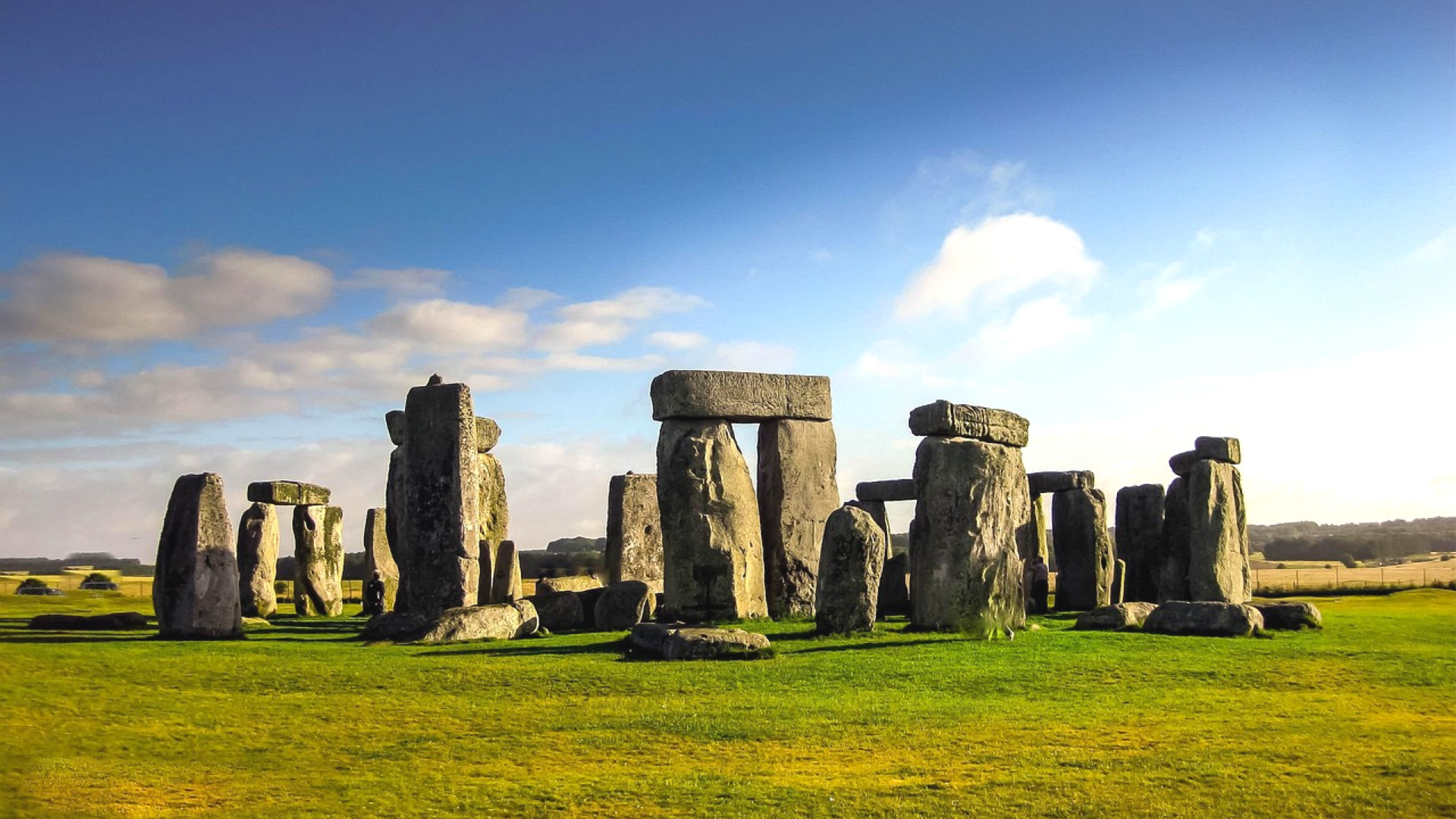
Stonehenge is a prehistoric monument consisting of a ring of standing stones, located in the English county of Wiltshire.
Brighton
80 km from London • Full day
Brighton is a vibrant coastal city known for its beaches, lively atmosphere, and eclectic mix of shops, restaurants, and attractions.
Festivals
Notting Hill Carnival • Last Sunday and Monday of August
London Film Festival • October
New Year's Eve Fireworks • December 31
Pro tips
- Use an Oyster card or contactless payment for cheaper and more convenient public transportation
- Book tickets in advance for popular attractions to skip the queue and save money
- Explore the city's neighborhoods and markets for a unique and authentic experience
- Try the local street food and international cuisine at markets like Borough Market and Camden Market
- Visit the city's parks and gardens for a peaceful escape from the bustling streets
From $25
per person
Price varies by option
Secure booking
Free cancellation available
Instant confirmation