Between Life and Death The Hidden World of the Aghori
Active
2h
For a full refund, cancel at least 24 hours before the scheduled departure time.
Instant confirmation
Mobile or paper ticket accepted
About this experience
Step off the usual paths of Varanasi and enter the mysterious world of the Aghori, one of India’s most secretive and misunderstood spiritual orders. Your guide, Golu, once lived among them, giving you rare insight into a world few outsiders ever see.
Golu shares the truth behind their myths — their cremation ground rituals, devotion to Shiva, and their radical pursuit of spiritual freedom by embracing what others avoid. He brings to life a world where darkness and divinity exist side by side, and where ideas of purity and impurity lose all meaning.
You will visit places connected to the Aghori and learn about their sacred practices, symbols, and philosophy. While meeting an Aghori cannot be guaranteed, the knowledge you gain will stay with you long after the tour ends.
This is more than a tour — it is a rare chance to explore the edges of life, death, and spiritual transcendence, guided by someone who has truly experienced it firsthand.
Available options
Between Life and Death The Hidden World of the Aghori
What's included
Coffee and/or Tea
Detailed itinerary
1
Stop 1
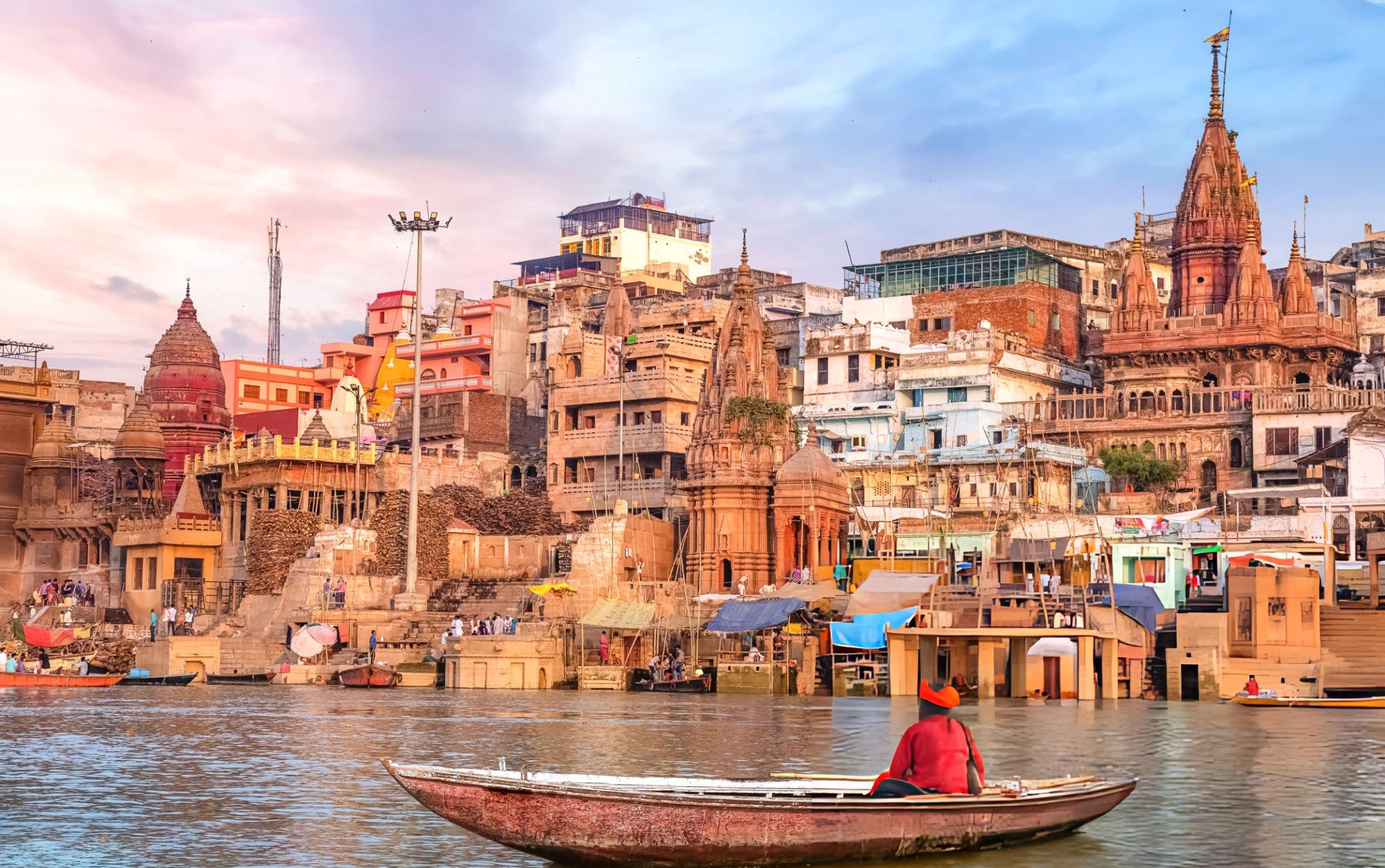
At Manikarnika Ghat, the most sacred cremation site in Varanasi, funeral pyres burn day and night as families perform last rites for their loved ones — a powerful meeting point of life, death, and devotion.
Here, the Aghori meditate and perform rituals among the ashes, seeking spiritual liberation by confronting mortality and transcending the boundaries of purity and fear.
2
Baba Mashan Nath Mandir is an important site in Varanasi for the Aghori tradition. Located near the cremation grounds, this temple is dedicated to Lord Shiva and serves as a place of meditation, rituals, and spiritual practice for those following the Aghori path. Visitors gain insight into the philosophy of confronting mortality, transcending fear, and seeking liberation. The temple’s atmosphere is both intense and serene, offering a rare glimpse into a side of Varanasi’s spirituality that few outsiders ever experience.
3
Baba Keenaram Ashram, the spiritual center and birthplace of the Aghori tradition. Dedicated to Baba Keenaram, the revered saint believed to be the first Aghori, this sacred place offers insight into their philosophy, rituals, and devotion to Lord Shiva. The ashram’s peaceful yet powerful atmosphere reveals the heart of a path that embraces both darkness and divinity in search of ultimate truth.
What's not included
Meals
Available languages
Guide guide
HI
EN
Important information
Service animals allowed
Travelers should have at least a moderate level of physical fitness
About Varanasi
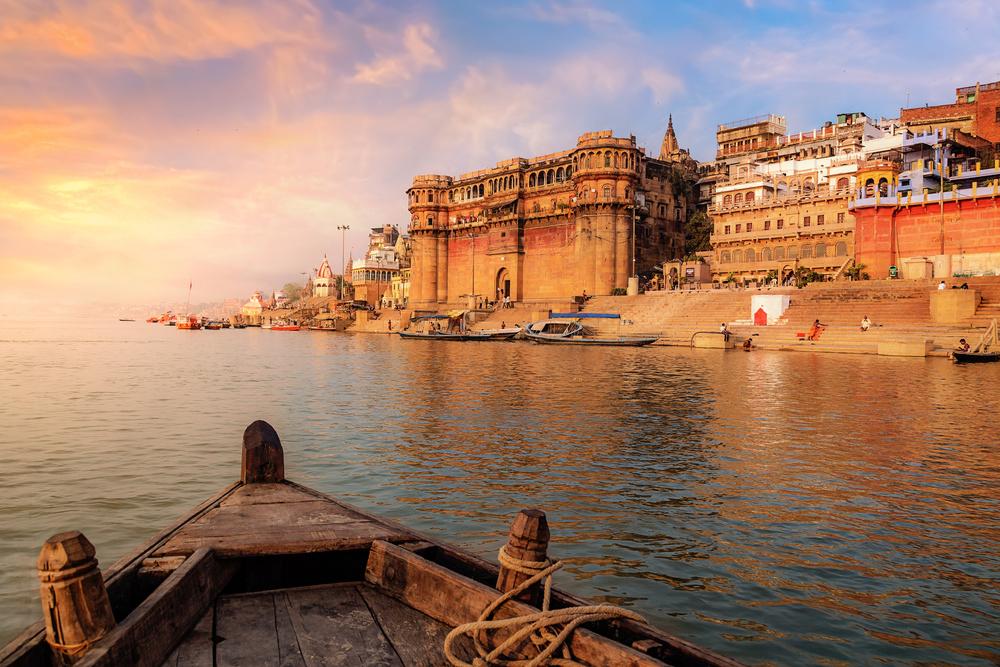
Varanasi, one of the oldest living cities in the world, is a spiritual and cultural hub on the banks of the Ganges River. Known for its ancient temples, vibrant ghats (riverfront steps), and rich cultural heritage, it offers a profound experience of India's spiritual traditions and historical depth.
Top Attractions
Kashi Vishwanath Temple
One of the most sacred Hindu temples dedicated to Lord Shiva, the Kashi Vishwanath Temple is a major pilgrimage site. The temple's golden spire and intricate architecture are awe-inspiring.
Religious
1-2 hours
Free (donations welcome)
Dasaswamedh Ghat
One of the most famous ghats in Varanasi, Dasaswamedh Ghat is a bustling hub of activity. It's known for its evening Ganga Aarti, a spectacular ritual of worshipping the Ganges River.
Historical
1-2 hours
Free (boat rides cost INR 200-500)
Sarnath
A significant Buddhist pilgrimage site, Sarnath is where Lord Buddha delivered his first sermon. It's home to several ancient stupas, temples, and museums.
Historical
Half day
Free (entry fees for some sites)
Manikarnika Ghat
One of the oldest and most sacred ghats in Varanasi, Manikarnika Ghat is primarily used for cremation ceremonies. It's a profound and moving experience to witness the rituals here.
Religious
1-2 hours
Free
Banaras Hindu University (BHU)
Founded by Madan Mohan Malaviya, BHU is one of India's most prestigious universities. The campus is vast and beautiful, with museums, temples, and lush gardens.
Educational
2-3 hours
Free (entry fees for some sites)
Must-Try Local Dishes
Kachori
A deep-fried, spiced pastry filled with a mixture of lentils, onions, and spices. It's a popular street food item in Varanasi.
Breakfast
Vegetarian
Peda
A sweet made from condensed milk and sugar, often flavored with cardamom. Banarasi peda is famous for its rich and creamy texture.
Dessert
Vegetarian
Malaiyo
A traditional Banarasi sweet made from reduced milk, sugar, and saffron. It's often served during festivals and special occasions.
Dessert
Vegetarian
Chaat
A savory snack made with a variety of ingredients like potatoes, onions, chickpeas, and tangy tamarind sauce. It's a popular street food item.
Snack
Vegetarian
Popular Activities
Boat rides on the Ganges River
Exploring narrow alleys and hidden temples
Meditation and yoga sessions
Attending the Ganga Aarti at Dasaswamedh Ghat
Visiting ancient temples and historical sites
Swimming in the Ganges River (not recommended due to pollution)
Attending winter festivals and fairs
Visiting historical sites and museums
Best Time to Visit
October to March
This period offers pleasant weather, making it ideal for sightseeing and participating in various festivals. The city is lively with tourists and pilgrims.
15°C to 30°C
59°F to 86°F
Practical Information
Language
- Official: Hindi
- Widely spoken: English, Bhojpuri
- English: Moderately spoken in tourist areas, limited in other areas
Currency
Indian Rupee (INR)
Time Zone
GMT+5:30
Electricity
230VV, 50HzHz
Safety Information
Overall Safety Rating: Exercise caution
Varanasi is generally safe for tourists, but pickpocketing, scams, and petty crime can occur, especially in crowded areas. Be cautious and aware of your surroundings, and take precautions to protect your belongings.
Important Precautions:
- • Use common sense and stay alert
- • Avoid walking alone at night
- • Be cautious of strangers and touts
Getting there
By air
- Lal Bahadur Shastri International Airport • 24 km from city center
By train
Varanasi Junction, Manduar Diara
By bus
Varanasi Bus Stand, Sarnath Bus Stand
Getting around
Public transport
Buses are the most common form of public transport in Varanasi. They are affordable but can be crowded.
Taxis
Available • Apps: Ola, Uber
Rentals
Car, Bike, Scooter
Neighborhoods
Old Varanasi
Sarnath
Cantt (Cantonment)
Day trips
Sarnath
10 km from Varanasi • Half day to full day
Sarnath is a significant Buddhist pilgrimage site, known for its ancient stupas, temples, and museums. It's a peaceful and historically rich area, offering a contrast to the bustling old city of Varanasi.
Chunar
55 km from Varanasi • Full day
Chunar is a historic town known for its ancient fort, located on the banks of the Ganges River. The fort offers panoramic views of the river and surrounding countryside.
Rajghat
20 km from Varanasi • Half day
Rajghat is an ancient site located on the banks of the Ganges River, known for its historic significance and scenic beauty. It's a peaceful and serene place to visit, offering a break from the bustling city of Varanasi.
Festivals
Diwali • October or November (dates vary by lunar calendar)
Maha Shivaratri • February or March (dates vary by lunar calendar)
Ganga Mahotsav • November (dates vary by year)
Pro tips
- Hire a local guide to navigate the city's narrow alleys and hidden temples.
- Attend the Ganga Aarti at Dasaswamedh Ghat for a spectacular and moving cultural experience.
- Try local street food and sweets, but be cautious and choose stalls with high turnover and good hygiene practices.
- Dress modestly and respectfully, especially when visiting temples and religious sites.
- Use common sense and stay alert to avoid scams, pickpocketing, and petty crime.
From $25
per person
Price varies by option
Secure booking
Free cancellation available
Instant confirmation