Johannesburg Heritage Tour Soweto Apartheid Museum and Court
Active
8h - 9h
For a full refund, cancel at least 24 hours before the scheduled departure time.
Instant confirmation
Mobile or paper ticket accepted
About this experience
Step into South Africa’s story—raw, powerful, and unforgettable.
This guided tour through Johannesburg, Soweto, Constitution Hill, and the Apartheid Museum takes you beyond sightseeing—it brings you face-to-face with the country’s rich culture, turbulent history, and inspiring journey to freedom. Walk in the footsteps of Nelson Mandela and Desmond Tutu, hear real stories of resilience, and witness the legacy that shaped modern South Africa.
Available options
Johannesburg Heritage Tour Soweto Apartheid Museum and Court
Pickup included
What's included
WiFi on board
Air-conditioned vehicle
professional and registered tour guide
Detailed itinerary
1
Stop 1
Step into South Africa’s powerful journey from oppression to democracy with a visit to the Constitution Hill Human Rights Precinct, one of Johannesburg’s most important and moving historical sites. Located on the site of a former prison complex, this now-transformed space is home to the Constitutional Court, the highest court in the land, and a living symbol of justice and human rights.
Constitution Hill was once a place of pain and resistance, where political prisoners—including Nelson Mandela, Mahatma Gandhi, Winnie Madikizela-Mandela, and countless ordinary South Africans—were held during the apartheid era. Today, the site has been reborn as a museum, court, and educational space that honors the struggle for freedom and the triumph of the human spirit.
Highlights include:
Old Fort Prison Complex, Number Four, and the Women’s Jail
Powerful exhibitions on political activism, racial injustice, and resilience
The Constitutional Court, built with bricks from the old prison.
2
Stop 2
Discover the deeply moving and unforgettable story of South Africa’s journey from racial oppression to democracy at the Apartheid Museum, a world-renowned institution located in Johannesburg. This must-visit museum offers a thought-provoking and emotional experience that traces the rise and fall of apartheid through powerful exhibits, multimedia displays, and personal narratives.
From the moment you enter, you're immersed in the harsh realities of the apartheid era—beginning with a segregated entrance that immediately sets the tone. Inside, the museum presents a chronological journey through history, covering key events such as the implementation of apartheid laws, the resistance movement, the Rivonia Trial, and the birth of a democratic South Africa in 1994.
3
Stop 3
Opened on June 16, 2002, the museum stands just two blocks from the spot where 12‑year‑old Hector Pieterson was shot during the Soweto Uprising of 1976—a defining moment in South Africa’s anti‑apartheid struggle. It was the first dedicated museum built in Soweto and is located adjacent to the dramatic memorial statue and touching water feature.
The museum presents a chronological story—from mounting discontent over Afrikaans language policies, to the peaceful student march, to the tragic violence and national aftermath. June 16 is now commemorated nationally as Youth Day.
It explores broader themes such as student activism, international solidarity, shifts in apartheid policy, and the eventual path toward democracy.
4
NB Stadium (also known as Soccer City or “The Calabash”) is Africa’s largest stadium, seating 94,736 spectators. Located in Nasrec on the edge of Soweto, it’s more than a sports venue—it’s a symbol of South Africa’s journey from apartheid to unity. The rounded, earth‑tone exterior mimics a traditional African calabash, complete with mosaic cladding and a ring of lights that evoke fire beneath the pot.
The stadium hosted the opening and final matches of the 2010 FIFA World Cup, cementing its international legacy. It was also where Nelson Mandela delivered his first Johannesburg speech after prison release and where his memorial service took place in 2013, attended by global dignitaries.
5
Stop 5
Located at 8115 Vilakazi Street in Orlando West, Soweto, Mandela House was the home of Nelson Mandela and his family from 1946 to 1962. Now a museum managed by the Soweto Heritage Trust, it's a modest red‑brick structure that bears symbolic marks of South Africa’s struggle—from bullet holes to scorch marks—and stands as a National Heritage Site since 1999.
6
Stop 6
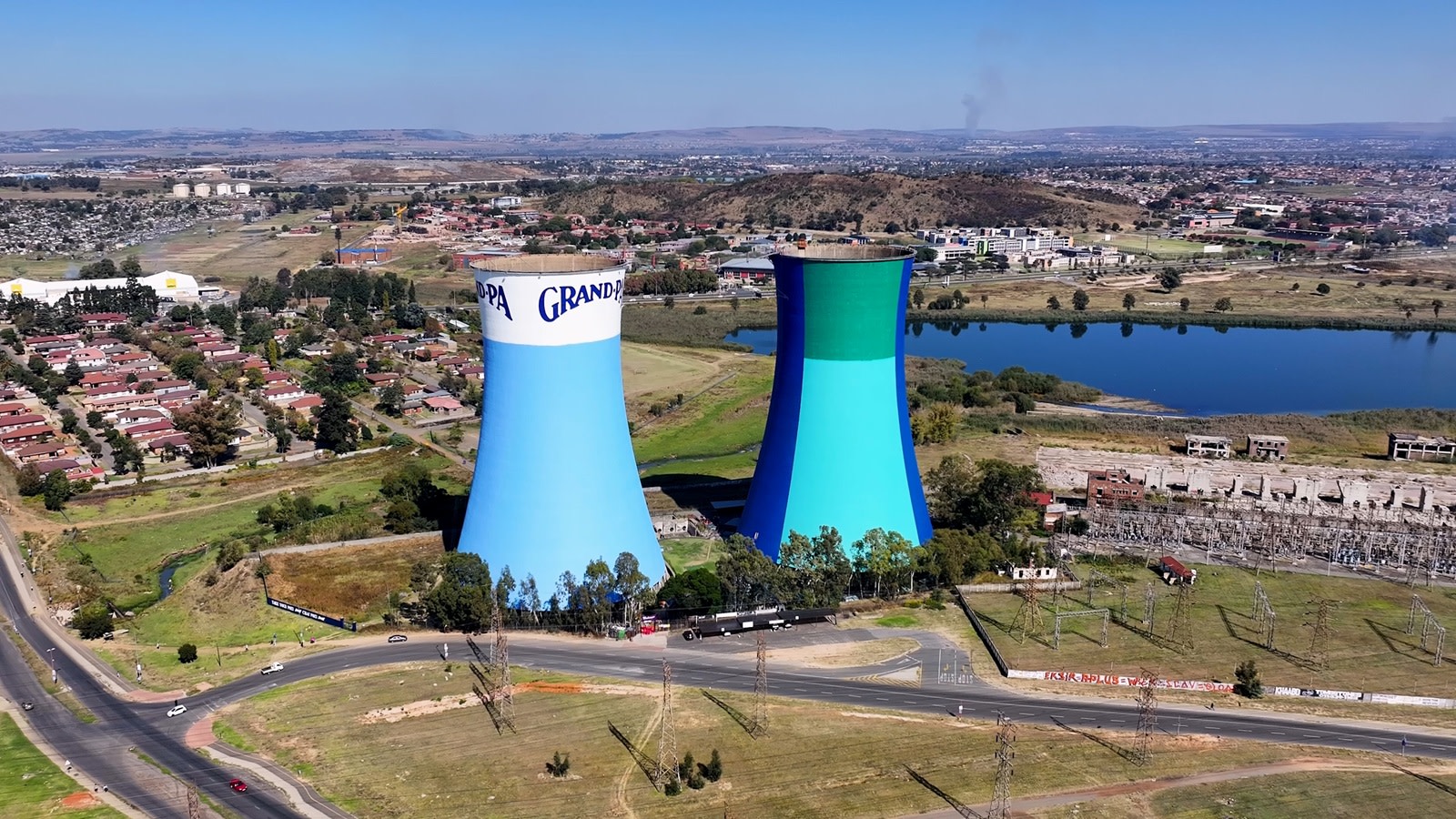
These Towers Originally part of the coal-fired Orlando Power Station (commissioned in the 1940s, decommissioned in 1998), the towers have been transformed into a dynamic symbol of post-apartheid creativity and community pride . The murals depict iconic figures from Soweto’s culture—featuring themes of soccer, music, fashion, and township life .
What's not included
PERSONAL PURCHASES
Available languages
Guide guide
EN
Important information
Public transportation options are available nearby
Not recommended for pregnant travelers
Suitable for all physical fitness levels
About Pretoria
Pretoria, known as the Jacaranda City for its beautiful purple-blossomed trees, is the administrative capital of South Africa. It offers a blend of historical significance, cultural richness, and natural beauty, making it a unique destination for travelers.
Top Attractions
Union Buildings
The Union Buildings are the official seat of the South African government and a significant historical landmark. The buildings are an excellent example of Edwardian Baroque architecture.
Historical
1-2 hours
Free
Pretoria National Botanical Garden
This botanical garden is home to a diverse range of indigenous plants and offers beautiful walking trails, picnic spots, and a variety of wildlife.
Nature
2-3 hours
R50 for adults, R25 for children
Voortrekker Monument
This monumental structure commemorates the Voortrekkers who left the Cape Colony in the 19th century. The monument offers a museum and a tower with panoramic views of Pretoria.
Historical
1-2 hours
R30 for adults, R15 for children
Melrose House
Melrose House is a historic home that served as the headquarters of the British military during the Second Anglo-Boer War. Today, it houses a museum and a tea garden.
Historical
1 hour
R50 for adults, R25 for children
Pretoria Zoo
The Pretoria Zoo is home to a wide variety of animals, including rare and endangered species. The zoo offers educational programs and conservation initiatives.
Nature
2-3 hours
R120 for adults, R60 for children
Must-Try Local Dishes
Braai
Braai is a traditional South African barbecue, featuring grilled meats such as boerewors (sausage), lamb chops, and steak.
Dinner
Contains meat, can be adapted for various dietary preferences
Bobotie
Bobotie is a sweet and spicy minced meat dish topped with an egg-based custard. It is often served with yellow rice and chutney.
Dinner
Contains meat and eggs, can be made with alternative ingredients for vegetarians
Bunny Chow
Bunny Chow is a hollowed-out loaf of bread filled with curry, typically made with chicken, beef, or beans.
Lunch
Contains meat, can be made with vegetarian or vegan fillings
Melktert
Melktert is a traditional South African milk tart, featuring a sweet pastry crust filled with a creamy, custard-like filling.
Dessert
Contains dairy and eggs, can be made with alternative ingredients for dietary restrictions
Popular Activities
Hiking
Water sports
Game drives
Picnicking
Tea at Melrose House
Visiting botanical gardens
Museum visits
Historical site tours
Best Time to Visit
Spring (September to November) and Autumn (March to May)
Spring and autumn offer mild weather, perfect for outdoor activities and sightseeing. The city is also less crowded during these seasons.
15°C to 30°C
59°F to 86°F
Practical Information
Language
- Official: Afrikaans, English, Northern Sotho
- Widely spoken: English, Afrikaans
- English: Widely spoken
Currency
South African Rand (ZAR)
Time Zone
GMT+2
Electricity
220VV, 50HzHz
Safety Information
Overall Safety Rating: Generally safe, but exercise caution
Pretoria is generally safe for travelers, but it is important to exercise caution, especially in certain areas and at night. Be aware of your surroundings, avoid walking alone at night, and keep valuables secure.
Important Precautions:
- • Be aware of your surroundings
- • Avoid walking alone at night
- • Keep valuables secure
Getting there
By air
- OR Tambo International Airport • 45 km from city center
- Lanzeria Airport • 30 km from city center
By train
Pretoria Station
By bus
Park Station, Pretoria Station
Getting around
Public transport
The PBS offers an affordable and reliable way to get around the city. Buses are frequent and cover most major areas.
Taxis
Available • Apps: Uber, Bolt
Rentals
Car, Bike
Neighborhoods
Pretoria Central
Hatfield
Menlo Park
Sunnyside
Day trips
Cullinan Diamond Mine
40 km from Pretoria • Half day to full day
The Cullinan Diamond Mine is famous for being the source of the world's largest diamond, the Cullinan Diamond. Visitors can take a guided tour of the mine and learn about its history and the diamond mining process.
Hartebeestpoort Dam
60 km from Pretoria • Full day
Hartebeestpoort Dam is a popular destination for water sports, fishing, and hiking. The dam is surrounded by beautiful landscapes and offers a variety of outdoor activities.
Pilanesberg National Park
150 km from Pretoria • Full day to overnight
Pilanesberg National Park is a malaria-free game reserve offering excellent opportunities for wildlife viewing. The park is home to the Big Five (lion, leopard, rhinoceros, elephant, and buffalo) and a variety of other animals.
Festivals
Pretoria Jazz Festival • September
Aardklop National Arts Festival • October
Pretoria Open-Air Arts Festival • November
Pro tips
- Visit the Pretoria National Botanical Garden in the spring for the best blooms
- Explore the city's cultural and historical sites, such as the Union Buildings and the Voortrekker Monument
- Experience a traditional South African braai (barbecue) at a local restaurant or with a host family
- Take a day trip to the Cullinan Diamond Mine or Pilanesberg National Park for a unique and memorable experience
- Attend a local festival or event, such as the Pretoria Jazz Festival or the Aardklop National Arts Festival
From $25
per person
Price varies by option
Secure booking
Free cancellation available
Instant confirmation