Private Walking Tour Berlin Third Reich Hitler and World War II
Active
3h - 4h
For a full refund, cancel at least 24 hours before the scheduled departure time.
Instant_then_manual confirmation
Mobile or paper ticket accepted
About this experience
Experience a 4-hour private Third Reich tour in Berlin, beginning with convenient hotel pickup by your expert guide. Start at Hitler’s Bunker, where the Führer spent his final days. While the bunker is not open to the public, your guide will share gripping stories about its history and the events that occurred there.
Next, visit the Bendler Block, the site of the July 20, 1944, assassination attempt against Hitler, and learn about the German military leaders who conspired against him.
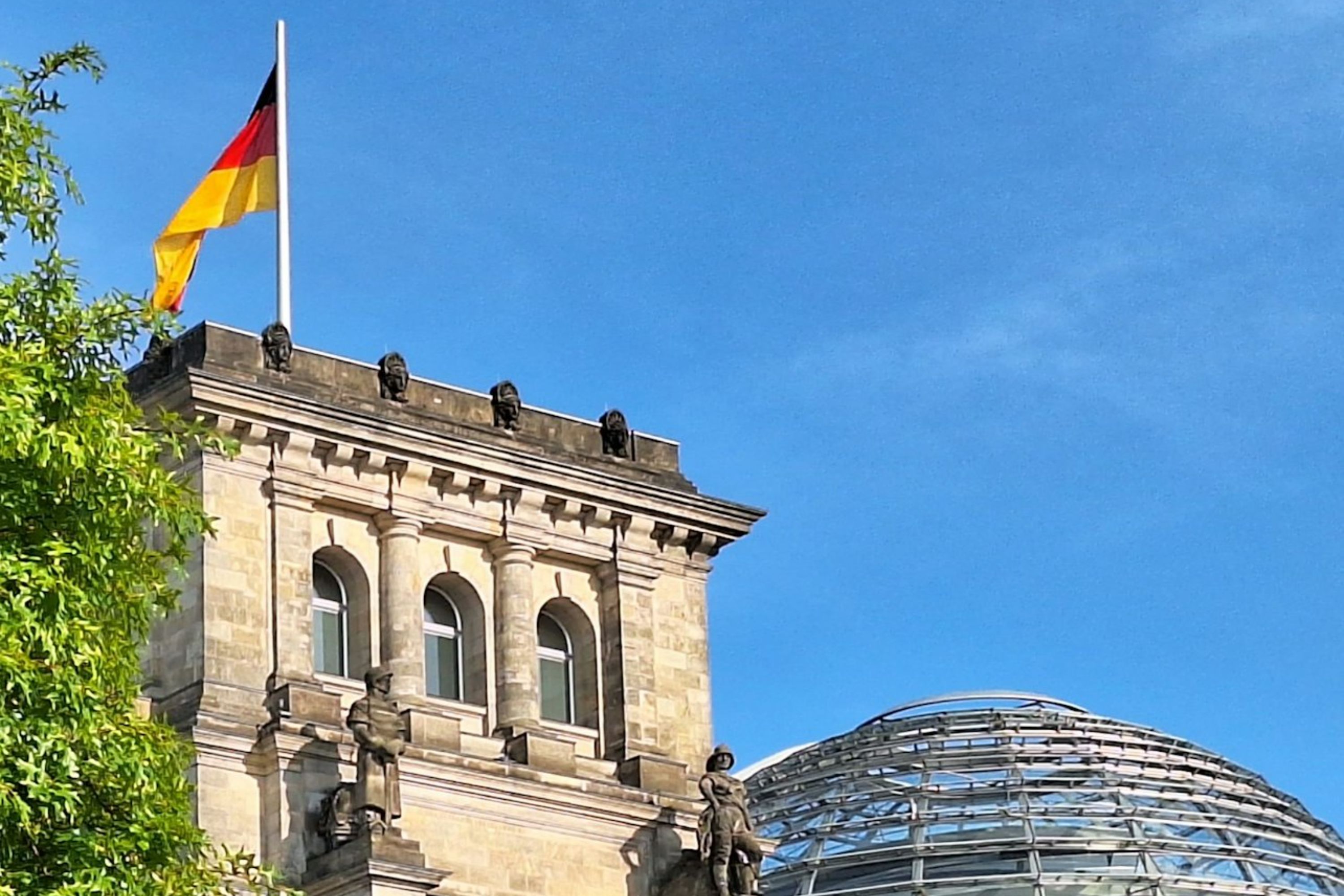
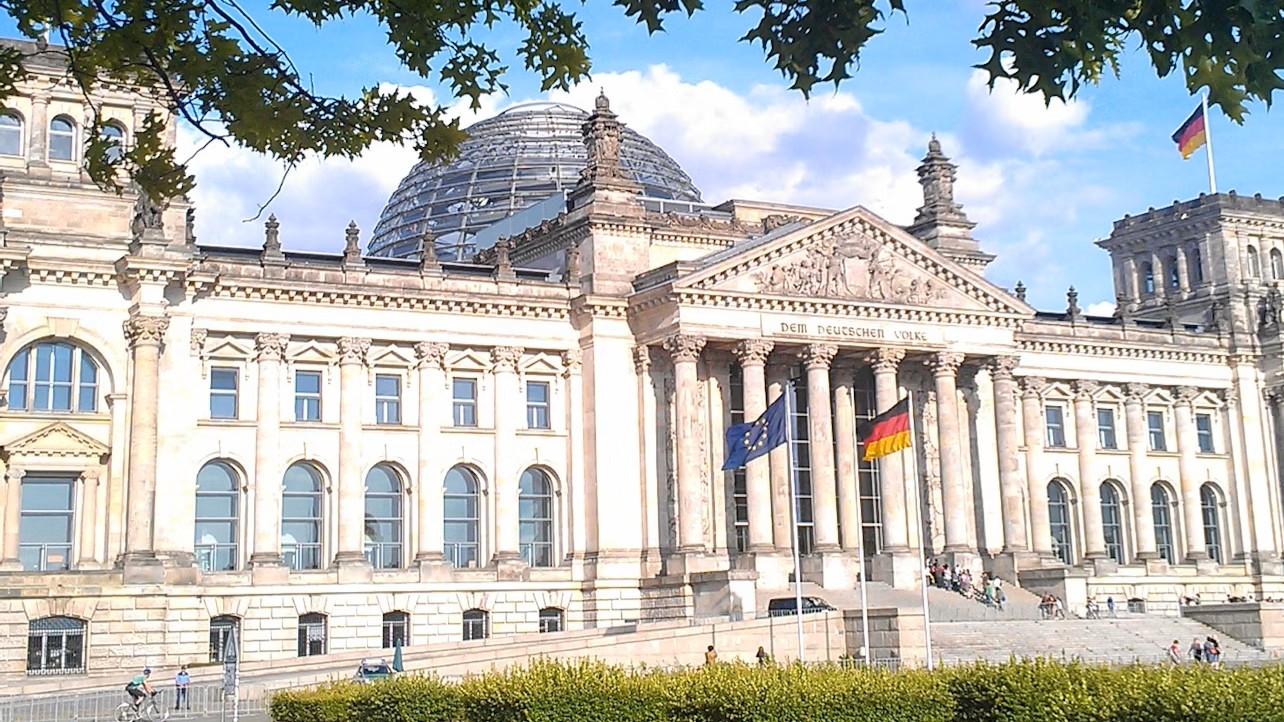
Continue to the Reichstag, Germany's parliament building, to discuss its significance during the Nazi regime.
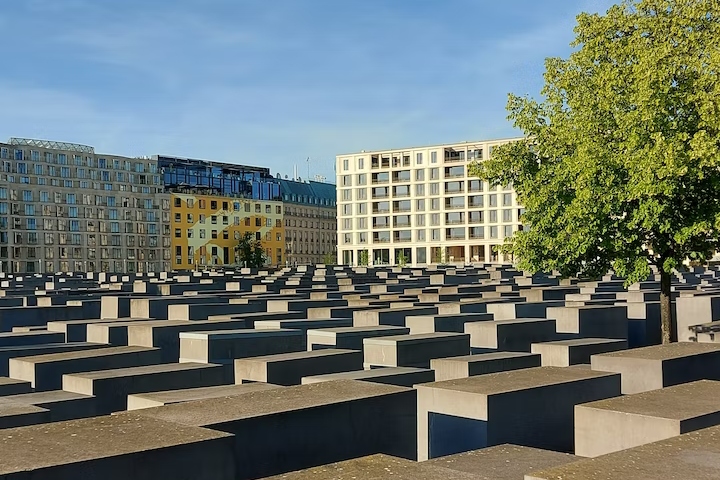
Reflect at the Memorial to the Murdered Jews of Europe, a moving tribute to Holocaust victims.
Finally, explore the Topography of Terror, an indoor and outdoor museum detailing the atrocities committed by the SS and Gestapo.
This tour provides a compelling and educational overview of Berlin's complex history during the Nazi era.
Available options
4-hr Private Third Reich Tour
Duration: 4 hours: Choose a private tour for the duration of 4 hours <br/>Pickup included
3-hr Private Third Reich Tour
Duration: 3 hours: Choose a private tour for the duration of 3-hours <br/>Pickup included
What's included
Hotel drop-off
Professional guide
Hotel pickup
Detailed itinerary
1
Stop 1
On a private tour that delves into its significance and the broader context of World War II in Berlin. This impressive memorial, inaugurated in 1949, commemorates the Soviet soldiers who fell during the Battle of Berlin in 1945.
As you explore the site, your expert guide will provide insights into the memorial's striking architecture, which features a large statue of a soldier holding a sword and a shield, symbolising victory and sacrifice. You’ll learn about the Battle of Berlin, the role of the Soviet Army in defeating Nazi Germany, and the memorial's importance as a site of remembrance for both Soviet and German history.
2
Stop 2
Discover the Detlev-Rohwedder-Haus on Wilhelmstraße, an important site in Berlin’s Nazi history, on a private tour. Originally built in the 1930s as the headquarters for the Reichsbank, this building later served the Ministry of Aviation under Hermann Göring. Your expert guide will share insights into its role in the economic and political operations of the Third Reich, detailing the significance of key figures associated with it.
Following World War II, the Detlev-Rohwedder-Haus transformed into the German Federal Treasury, but it remains a poignant reminder of Berlin’s turbulent past. You’ll also explore Wilhelmstraße, known as the heart of Nazi government, where many crucial decisions were made. This tour provides a concise yet informative look at how history continues to shape Berlin today.
3
Stop 3
A crucial site for understanding the darker aspects of Berlin’s history. This private tour guides you through the indoor and outdoor exhibition, located on the grounds of the former SS and Gestapo headquarters.
Your expert guide will provide insights into the rise of the Nazi regime, its political repression, and the methods of terror used against dissenters. As you explore the exhibits filled with photographs, documents, and testimonies, you’ll learn about the lives of victims and the impact of state-sponsored violence on society.
This visit not only highlights the significance of the Topography of Terror but also encourages reflection on the importance of remembrance and education in preventing future atrocities, making it an essential stop for anyone seeking to understand Berlin’s complex past.
4
Visit the German Resistance Memorial Center at the Bendlerblock, a poignant tribute to those who bravely opposed the Nazi regime. This private tour will guide you through exhibits that highlight the various resistance movements in Germany, focusing on key figures such as Claus von Stauffenberg, who led the July 20, 1944, assassination attempt on Hitler.
Your expert guide will share stories of the motivations and actions of the resistance, emphasizing their sacrifices and the consequences of tyranny. The memorial area offers a space for reflection on the importance of standing up for justice and human rights. This visit is essential for understanding the moral courage displayed during one of history's darkest periods.
5
Stop 5
Explore Bebelplatz on a private tour that delves into its historical significance in Berlin. Known for the infamous book burning on May 10, 1933, where thousands of "un-German" books were destroyed by the Nazi regime, this square serves as a powerful reminder of censorship and repression.
Your expert guide will discuss the square's notable architecture, including the State Opera House and Humboldt University, as well as the poignant memorial beneath the square, featuring empty bookshelves that symbolize the lost literature. This visit encourages reflection on the importance of freedom of expression and the consequences of totalitarianism, providing valuable insights into Berlin's complex past.
6
Stop 6
Visit the Reichstag on a private tour that focuses on its Nazi history. This iconic building, completed in 1894, became a central figure in Germany’s political landscape, particularly during the rise of the Nazi regime.
Your expert guide will discuss key events, including the Reichstag Fire in 1933, which the Nazis exploited to consolidate their power and suppress opposition. Learn about how the building was heavily damaged during World War II and its eventual restoration as a symbol of democracy.
This tour provides critical insights into the Reichstag’s role in the Nazi era and its significance in modern Germany’s political identity.wer.
7
Stop 7
Officially known as the Memorial to the Murdered Jews of Europe, on a private tour that reflects on one of history's darkest chapters. This poignant memorial consists of 2,711 concrete slabs of varying heights, arranged in a grid pattern to create a disorienting experience that symbolizes the magnitude of loss and the complexity of memory.
Your expert guide will explain the design's significance and the historical context of the Holocaust, discussing the impact of Nazi policies on European Jewry. You'll also learn about the memorial's purpose as a site of remembrance and reflection, emphasizing the importance of acknowledging the past to honor the victims.
As you walk through this powerful space, take time to reflect on the memorial’s meaning and the lessons it imparts about humanity, tolerance, and the need to prevent such atrocities from happening again. This visit is an essential part of understanding Berlin’s commitment to remembering the victims of the Holocaust/Shoah.
8
Stop 8
Stand above the Hitler Bunker, or Führerbunker, on a private tour that delves into the final days of the Nazi regime. Located beneath the Reich Chancellery in Berlin, this underground complex served as Adolf Hitler’s last refuge during the last months of World War II.
Your expert guide will provide insights into the bunker’s layout and its historical significance, detailing the events that unfolded there as the Allies closed in on Berlin. You’ll learn about the decisions Hitler made in his final days and the atmosphere of despair that permeated the bunker.
While much of the original structure was destroyed after the war, this visit offers a sobering glimpse into the mindset of the Nazi leadership during their downfall. The tour encourages reflection on the consequences of totalitarianism and the importance of remembering history to ensure such atrocities are never repeated.
9
An iconic train station in Berlin with a rich history. Once one of the city’s busiest railway terminals, it played a significant role in the transportation of passengers before and during World War II.
Your private tour will explore the station's architectural features, including its impressive façade, and discuss its role in the Nazi era, particularly in the deportation of Jews to concentration camps. Anhalter Bahnhof served as a departure point for many families torn apart during the Holocaust.
Today, the station stands as a haunting reminder of the past, with various memorials and exhibits that commemorate the victims of the Holocaust. Your guide will share stories of the people who passed through its gates, offering insights into their experiences and the broader context of Nazi persecution.
This visit provides a poignant opportunity to reflect on history and the importance of remembrance, ensuring that the lessons of the past are not forgotten.
10
Explore the T4 Memorial for the Victims of the Nazi Euthanasia Program located on Tiergartenstraße 4 in Berlin. This significant memorial commemorates the victims of the T4 program, a chilling campaign initiated by the Nazi regime aimed at the systematic extermination of individuals deemed "unworthy of life," including those with disabilities and mental illnesses.
Your private tour will guide you through the memorial, which features a poignant design and informative displays that detail the history and impact of the euthanasia program. Your expert guide will share the harrowing stories of the victims and discuss the broader implications of this dark chapter in German history.
As you visit this memorial, you'll gain insights into the ethical questions surrounding the program and the importance of remembrance in preventing similar atrocities in the future. This tour serves as a powerful reminder of the consequences of discrimination and the need to uphold human dignity for all.
11
Walk over the Moltkebrücke, a historically significant bridge in Berlin that played a crucial role during the final days of World War II. Your private tour will focus on the bridge’s strategic importance as Soviet forces crossed it in 1945 during their assault on Berlin, marking a pivotal moment in the city's liberation from Nazi control.
As you stand on the bridge, your expert guide will recount the dramatic events of April 1945, detailing how the Moltkebrücke served as a critical route for Soviet troops advancing into the city. You'll learn about the fierce battles that took place nearby and the implications of the Soviet advance for the city's future.
The bridge not only stands as an architectural landmark but also as a symbol of the changing tides of war. This visit provides an opportunity to reflect on the historical significance of the Moltkebrücke and its place in Berlin’s tumultuous past, particularly during the final days of the Nazi regime.
12
Stop 12
Walk along Wilhelmstraße, a historically significant avenue in Berlin that played a central role in the Nazi regime's administration and activities during their time in power. Your private tour will take you along this important thoroughfare, highlighting its impact on Germany’s political landscape from the early 20th century to the end of World War II.
As you walk down Wilhelmstraße, your expert guide will point out key sites, including the Detlev-Rohwedder-Haus, which housed the Ministry of Aviation under Hermann Göring and served as a hub for Nazi leadership. You'll learn about the various ministries and offices that occupied buildings along the street and how they contributed to the regime’s policies and wartime strategies.
The avenue also witnessed significant events, including military parades and propaganda rallies that solidified Nazi control over Germany.
What's not included
Food and drinks
Gratuities
Available languages
Guide guide
DE
EN
ES
Reviews breakdown
Viator
4.9
94 reviews
5★
90
4★
2
3★
1
2★
0
1★
1
Tripadvisor
5.0
266 reviews
5★
265
4★
0
3★
1
2★
0
1★
0
Important information
Wheelchair accessible
Infants and small children can ride in a pram or stroller
Public transportation options are available nearby
Transportation options are wheelchair accessible
Suitable for all physical fitness levels
Operates in all weather conditions, please dress appropriately
Important notes
• Comfortable walking shoes are recommended
Before the tour date, we will be in touch to let you know more about the guide and share their contact details with you.
On the day of the tour, the guide will meet you in the foyer of your hotel and will be wearing a blue lanyard with a yellow name badge for easy recognition.
If you cannot find or get through to the guide, please call us in the office on +49-30-6923149
About Berlin
Berlin, Germany's capital and largest city, is a vibrant metropolis known for its rich history, diverse culture, and dynamic nightlife. The city's eclectic mix of modern and historic architecture, world-class museums, and thriving arts scene make it a must-visit destination in Europe.
Top Attractions
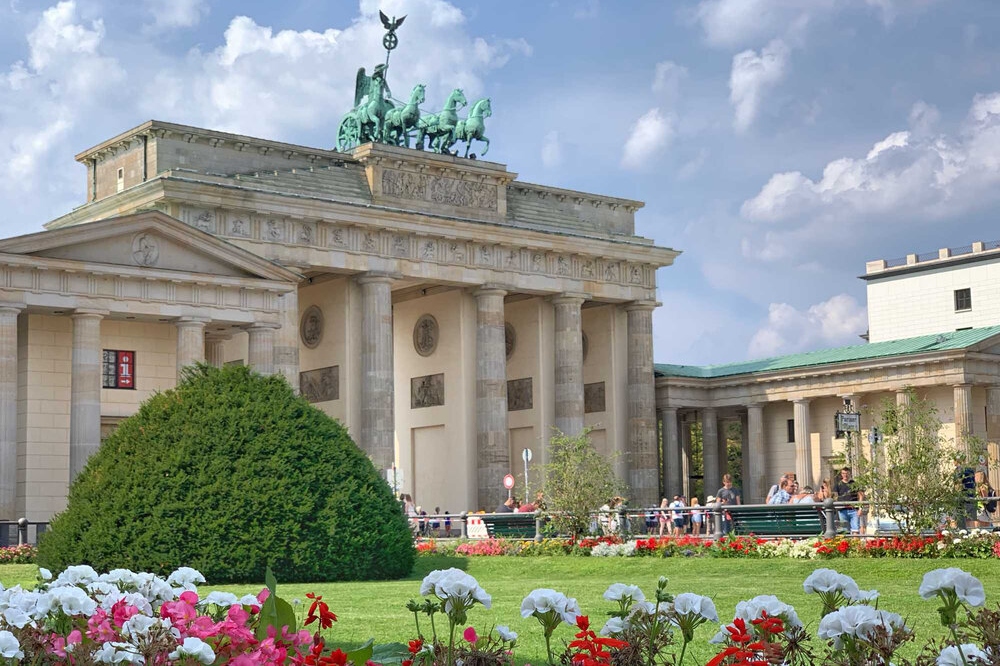
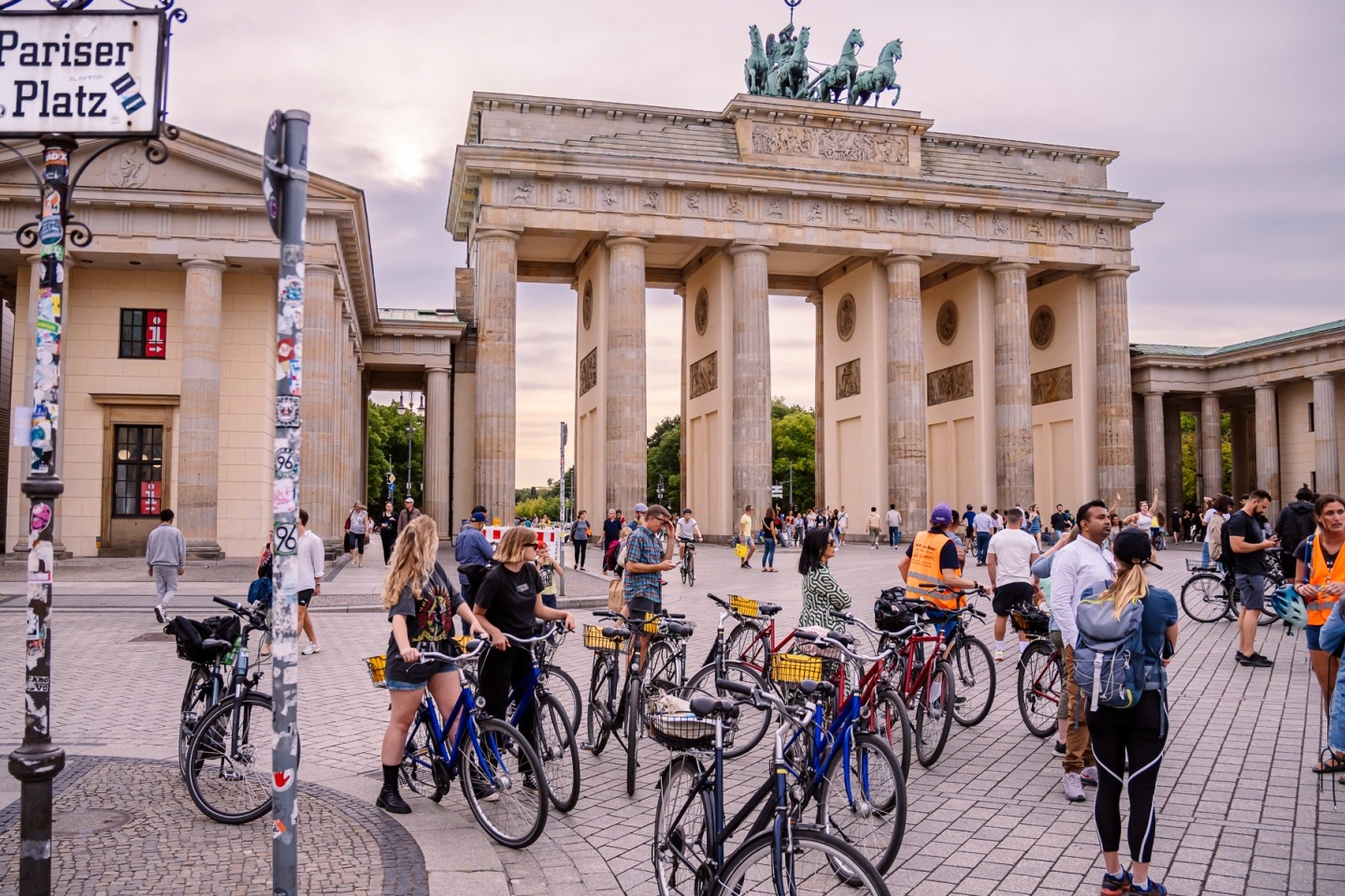
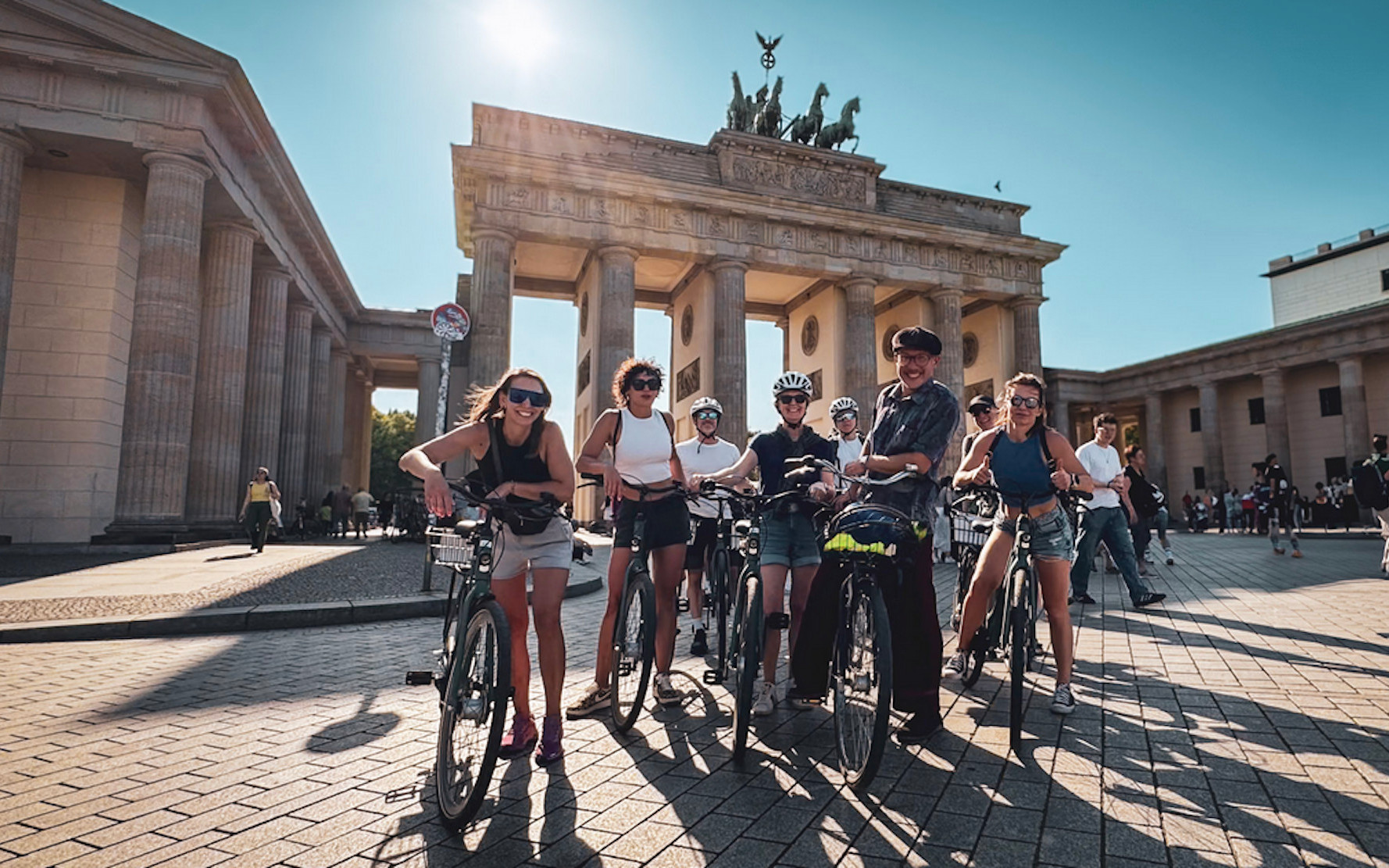
Brandenburg Gate
A neoclassical monument and one of Berlin's most iconic landmarks, the Brandenburg Gate was built in the 18th century and has been a symbol of the city's history and reunification.
Historical
30 minutes to 1 hour
Free
Berlin Wall Memorial and East Side Gallery
The Berlin Wall Memorial and the East Side Gallery are important historical sites that commemorate the division of Berlin during the Cold War and the fall of the Wall in 1989.
Historical
1-2 hours
Free
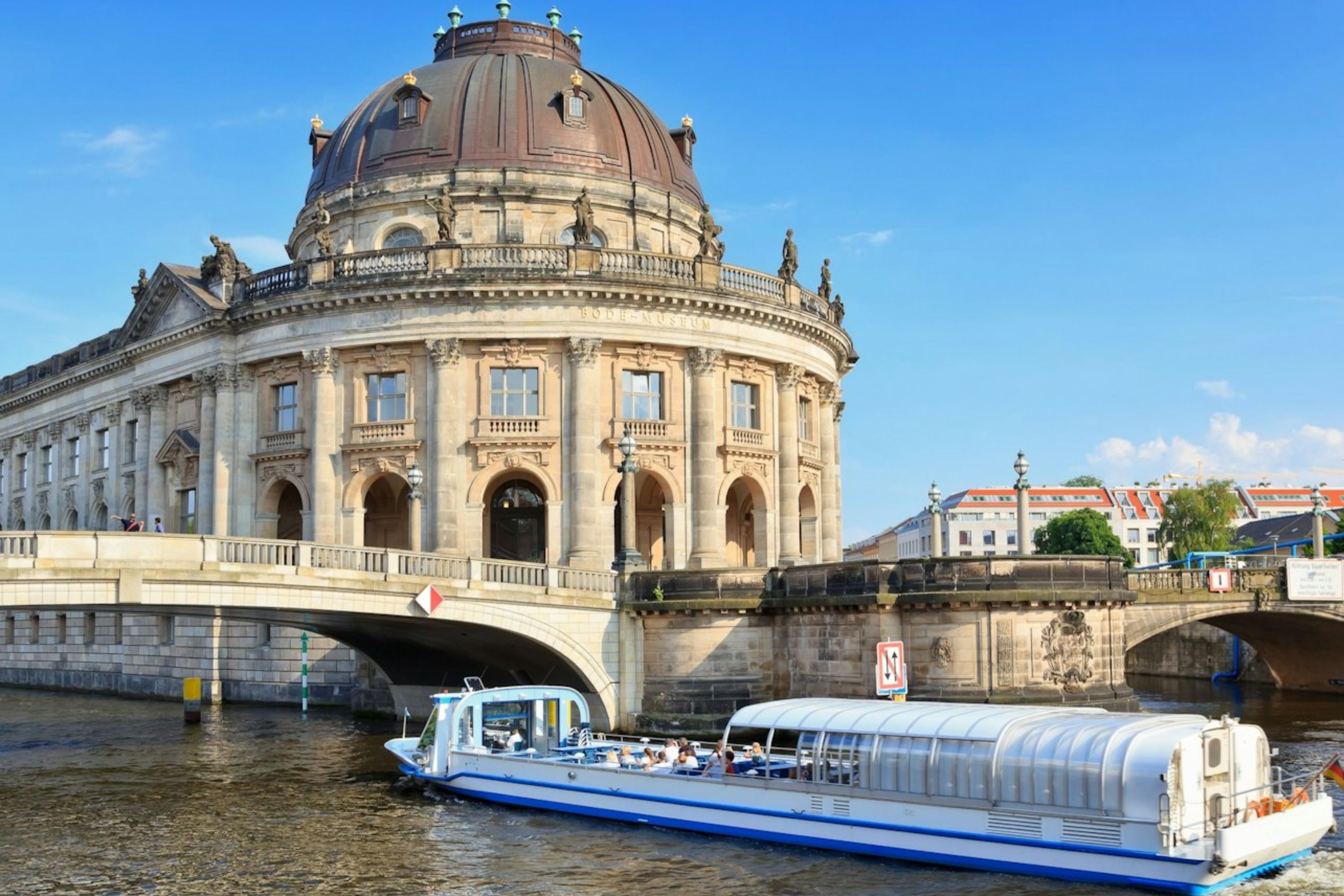
Museum Island
A UNESCO World Heritage site, Museum Island is home to five world-renowned museums, including the Pergamon Museum, the Neues Museum, and the Alte Nationalgalerie.
Museum
Half-day to full day
€19 (Museum Island Day Ticket) or individual museum tickets
Reichstag Building
The Reichstag Building is the seat of the German Bundestag (parliament) and a symbol of German democracy. The glass dome on top offers panoramic views of the city.
Historical
1-2 hours
Free (but advance registration is required)
Potsdamer Platz
Potsdamer Platz is a major public square and traffic intersection in the heart of Berlin. It is known for its modern architecture, shopping, and entertainment options.
Architecture
1-2 hours
Free to explore, costs vary for shopping and dining
Must-Try Local Dishes
Currywurst
A popular Berlin street food, currywurst is a sliced sausage served with a curry ketchup sauce and often topped with curry powder.
Snack
Contains pork, vegetarian and vegan options available
Boulette
A German-style meatball, usually served with potato salad or mashed potatoes and a creamy sauce.
Main Course
Contains beef or pork, vegetarian and vegan options available
Döner Kebab
A Turkish dish popularized in Berlin, consisting of seasoned meat (usually lamb, beef, or chicken) cooked on a vertical rotisserie and served in flatbread with vegetables and sauces.
Main Course
Contains meat, vegetarian and vegan options available
Berliner Pfannkuchen
A jelly-filled doughnut, similar to a Berlin-style donut, often eaten during Carnival season.
Dessert
Contains wheat, dairy, and egg, vegan options available
Popular Activities
Cycling
Hiking
Boat tours
Rock climbing
Spa and wellness
Picnicking in parks
Café hopping
Boat tours on the Spree River
Best Time to Visit
June to August
This is the warmest time of the year with long daylight hours, making it ideal for outdoor activities and festivals. The city is lively with tourists and locals enjoying the summer weather.
20°C to 25°C (68°F to 77°F)
68°F to 77°F
Practical Information
Language
- Official: German
- Widely spoken: English, French, Turkish, Arabic, Russian
- English: Widely spoken
Currency
Euro (EUR)
Time Zone
GMT+1 (CET), GMT+2 (CEST during daylight saving time)
Electricity
230VV, 50HzHz
Safety Information
Overall Safety Rating: Generally safe
Berlin is generally a safe city for travelers, with low crime rates and a welcoming atmosphere. However, as with any major city, it's important to be aware of your surroundings and take precautions to protect yourself and your belongings.
Important Precautions:
- • Be aware of your surroundings and keep an eye on your belongings, especially in crowded areas and on public transportation.
- • Use licensed taxis or ride-sharing services, and agree on the fare before starting your journey.
- • Keep your passport and valuables in a safe place, and carry a copy of your passport and important documents.
Getting there
By air
- Berlin Brandenburg Airport • 18 km (11 miles) from city center
By train
Berlin Hauptbahnhof
By bus
Berlin Central Bus Station (ZOB)
Getting around
Public transport
The U-Bahn is a fast and efficient way to get around Berlin, with 10 lines serving 173 stations. It operates from early morning to late at night.
Taxis
Available • Apps: Uber, FreeNow
Rentals
Car, Bike, Scooter
Neighborhoods
Mitte
Kreuzberg
Prenzlauer Berg
Friedrichshain
Charlottenburg
Day trips
Potsdam
35 km (22 miles) from Berlin • Half-day to full day
Potsdam is a charming city near Berlin, known for its stunning palaces, parks, and lakes. It was the former residence of Prussian kings and German emperors and is a UNESCO World Heritage site.
Spreewald
100 km (62 miles) from Berlin • Full day
Spreewald is a picturesque region of forests, lakes, and canals, known for its traditional wooden houses, pickles, and gondola rides. It is a popular destination for outdoor activities and relaxation.
Sachsenhausen Concentration Camp Memorial
35 km (22 miles) from Berlin • Half-day
The Sachsenhausen Concentration Camp Memorial is a somber and important historical site, dedicated to the victims of the Nazi regime. The memorial includes the preserved camp buildings, a museum, and a memorial cemetery.
Festivals
Berlin International Film Festival (Berlinale) • February
Berlin Carnival of Cultures (Karneval der Kulturen) • Late May to early June
Berlin Festival • September
Pro tips
- Learn a few basic phrases in German, as it's appreciated by locals and can enhance your travel experience.
- Consider purchasing a Berlin WelcomeCard for unlimited public transportation and discounts at attractions.
- Explore the city's diverse neighborhoods, each with its own unique character and attractions.
- Visit Berlin's many parks and green spaces, which offer a peaceful and relaxing escape from the bustling city.
- Be open to trying new foods and culinary experiences, as Berlin's diverse food scene offers something for everyone.
From $25
per person
Price varies by option
Secure booking
Free cancellation available