Explore Berlin Shore Excursion: Top Attractions Private Tour from Warnemuende
Active
12h
For a full refund, cancel at least 24 hours before the scheduled departure time.
Instant_then_manual confirmation
Mobile or paper ticket accepted
About this experience
Embark on a memorable shore excursion from the Baltic Sea to Berlin, where you'll experience the city’s rich history and vibrant neighborhoods. After a scenic drive, visit iconic historical landmarks such as the Brandenburg Gate, Reichstag, and the Berlin Wall Memorial, each with its own compelling story to tell. Explore the heart of Berlin, walking through diverse neighborhoods like Mitte and Kreuzberg, where past and present seamlessly intertwine.
Your expert guide will share fascinating insights about the city’s transformation, from its Prussian roots to the turbulent 20th century and modern-day Berlin. Enjoy a relaxing lunch at a local restaurant, experiencing Berlin's culinary offerings before continuing your tour.
The day wraps up with a comfortable return to the port, leaving you with a deeper appreciation of Berlin's heritage, culture, and architectural wonders.
Available options
Excursion 1 guest
12 hour round trip between Warnemünde port and Berlin, with 6 hours private local guide service in Berlin, for 1 guest<br/>Pickup included
What's included
Worry-free Shore Excursion
Round-trip private transfer
Driver and seperate guide
Port pickup and drop-off
Transport by air-conditioned mini-bus
Detailed itinerary
1
Stop 1
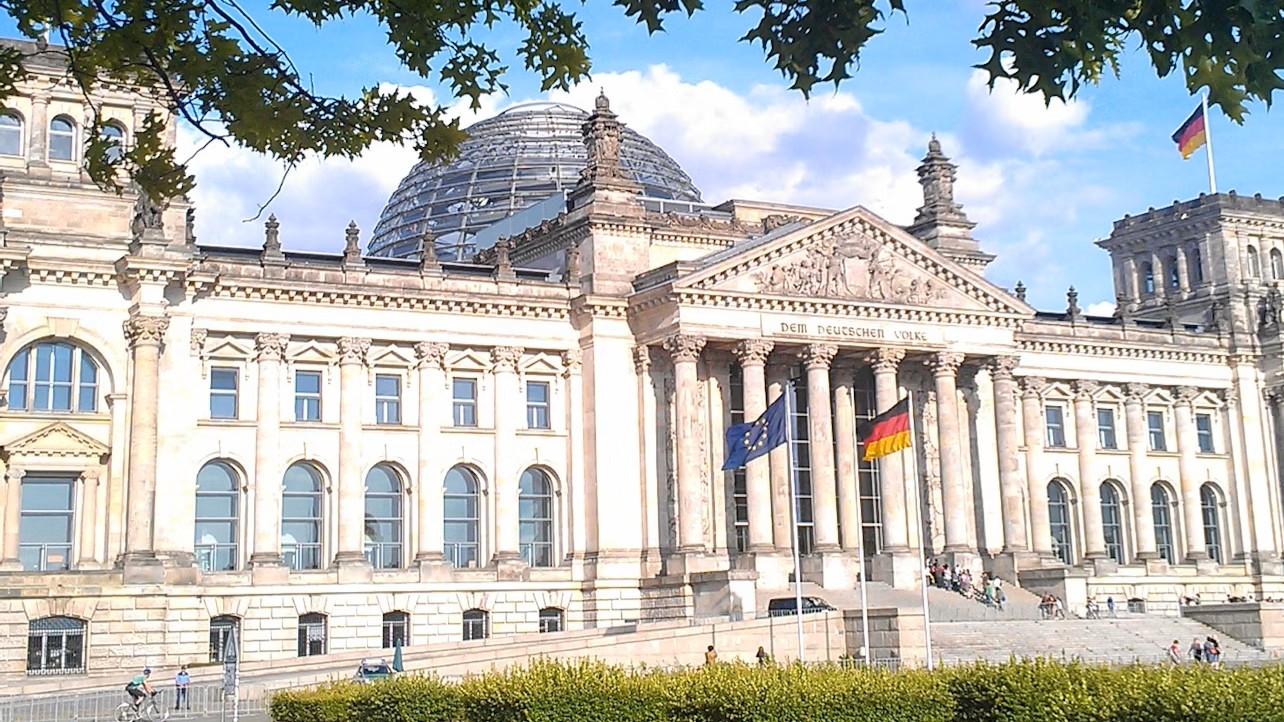
The Reichstag building is a symbol of Berlin’s tumultuous political history. Built in 1894, it witnessed the rise of the Nazis, the 1933 fire that helped Hitler seize power, and significant damage during World War II. On this private tour, you’ll explore its role during the Weimar Republic, the Nazi era, and the Cold War, standing as a powerful symbol of Germany’s past. A highlight is the modern glass dome designed by Norman Foster, offering panoramic views of Berlin. This tour provides a fascinating look at the Reichstag’s history and its role in shaping Germany’s political landscape today.
2
Stop 2
The East Side Gallery is a unique and vibrant stretch of the Berlin Wall, transformed into an open-air gallery showcasing over 100 murals by artists from around the world. Located along the Spree River, this 1.3-kilometer stretch stands as both a powerful symbol of freedom and a testament to Berlin's divided history. On this private tour, you'll explore the iconic artworks, many of which reflect the optimism and hopes of reunification, while others comment on political themes, human rights, and the struggle for liberty. With incredible photo opportunities, the East Side Gallery is an unmissable stop to understand Berlin’s complex past and its journey toward unity.
3
Stop 3
The Soviet War Memorial is a powerful and solemn tribute to the Soviet soldiers who fell during the Battle of Berlin in 1945, marking the end of World War II in Europe. This imposing memorial features a large statue of a Soviet soldier holding a raised sword, symbolizing the defeat of Nazi Germany.
Located in Berlin’s central Tiergarten park, the memorial is a significant symbol of the Soviet Union’s role in the liberation of the city. The site includes a large, beautifully maintained cemetery where thousands of Soviet soldiers are buried. During your tour, you’ll learn about the memorial's construction, its historical context, and the broader implications of the Soviet victory in Berlin.
A visit to the Soviet War Memorial offers a chance to reflect on the immense sacrifices made during the war and the lasting impact of the Soviet presence in post-war Berlin. It's an important site for understanding the complexities of the city’s history and the division between East and West.
4
Stop 4
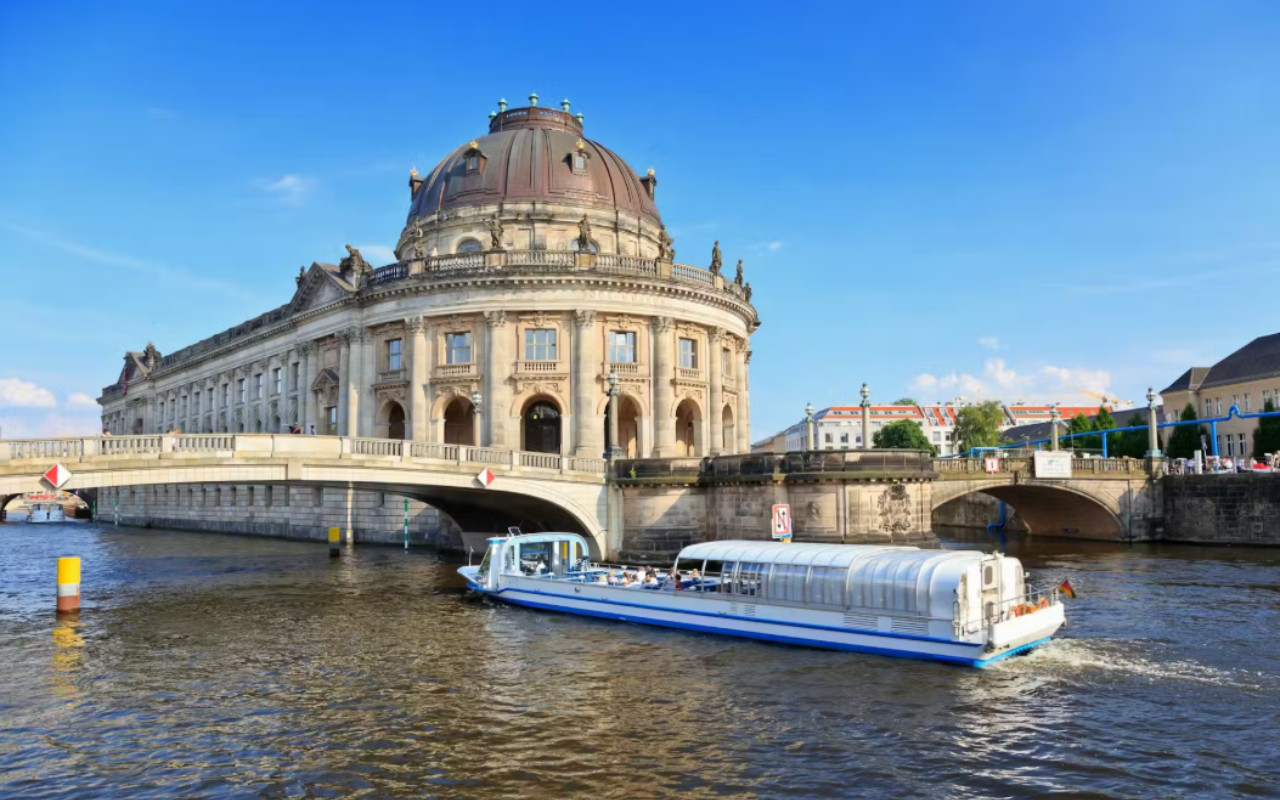
Museum Island (Museumsinsel) in Berlin is a UNESCO World Heritage site, home to five world-class museums on an island in the Spree River. It's a must-visit for art and history lovers, offering a unique blend of classical and contemporary architecture alongside priceless collections.
Highlights include the Pergamon Museum, famous for its reconstructions of ancient monuments like the Ishtar Gate, and the Neues Museum, which houses the iconic bust of Nefertiti. The Altes Museum offers ancient Greek and Roman artifacts, while the Bode Museum showcases Byzantine art and sculptures. The Alte Nationalgalerie displays 19th-century masterpieces by artists like Monet and Manet.
Museum Island offers stunning views and plenty of photo opportunities, making it an essential stop for anyone wanting to experience Berlin’s cultural richness.
5
Stop 5
Hitler's Bunker, or the Führerbunker, was the underground complex in Berlin where Adolf Hitler spent his final days during the closing days of World War II. Located beneath the Reich Chancellery in the heart of the city, the bunker became infamous as the site of Hitler's last moments.
The Führerbunker consisted of a network of rooms, with a small suite reserved for Hitler and his closest associates. It was here that Hitler married Eva Braun on April 29, 1945, just days before their suicides on April 30, 1945, as Soviet forces closed in on Berlin.
The bunker itself was designed as a secure underground refuge during air raids, and it had thick concrete walls to withstand bombings. Despite its historical significance, the bunker was largely destroyed after the war. Today, there is little physical evidence remaining of the structure, as much of it was filled in during the post-war period.
6
Stop 6
Step back in time to the height of the Cold War with a visit to Checkpoint Charlie, one of Berlin’s most iconic landmarks. Once a key border crossing between East and West Berlin, Checkpoint Charlie stood as a symbol of the city’s division during the 20th century.
On this tour, learn about the dramatic standoffs, including the famous tank standoff between American and Soviet forces in 1961, and hear stories of daring escapes across the wall. Your guide will share the history of the checkpoint and its role in the tense geopolitical situation of the Cold War. Explore the nearby museum, where you’ll find fascinating exhibits on espionage, escape attempts, and the complex history of the Berlin Wall.
This tour offers an insightful look into the political and historical significance of Checkpoint Charlie and how it shaped Berlin’s divided past.
7
Stop 7
Discover the poignant history of Berlin’s Cold War era on a tour of Bernauer Strasse, one of the most significant sites of East-West division. This tour will take you through the heart of where dramatic escapes occurred, as families and individuals risked everything to cross the Berlin Wall. Learn about the daring attempts through the iconic escape tunnels, including Tunnel 57 and Tunnel 29, which became symbols of hope and resistance.
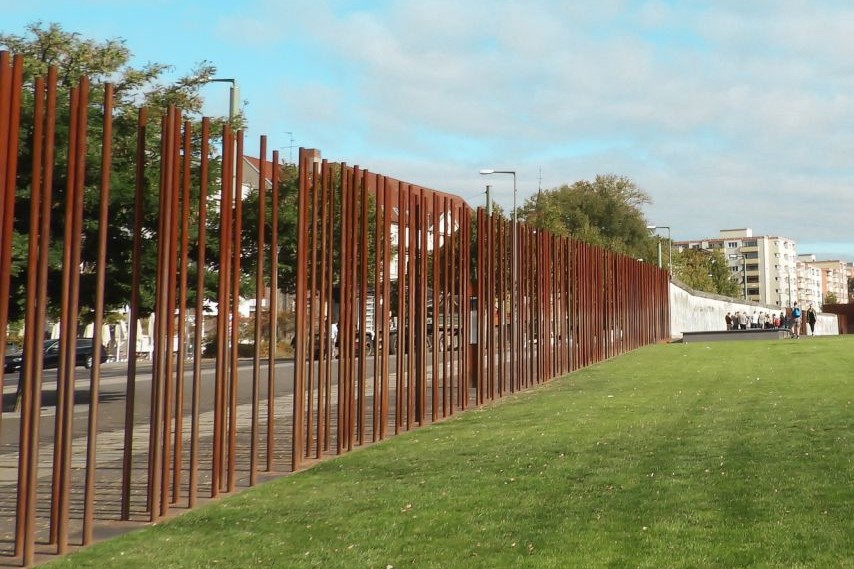
Your guide will lead you to the Berlin Wall Memorial, where you can see preserved sections of the Wall and the original watchtowers. Hear the personal stories of those who tried to escape and the challenges they faced, offering a unique, emotional insight into the struggles for freedom. This tour immerses you in the history of Berlin's division and the extraordinary human courage during one of the most turbulent periods in modern history.
8
Stop 8
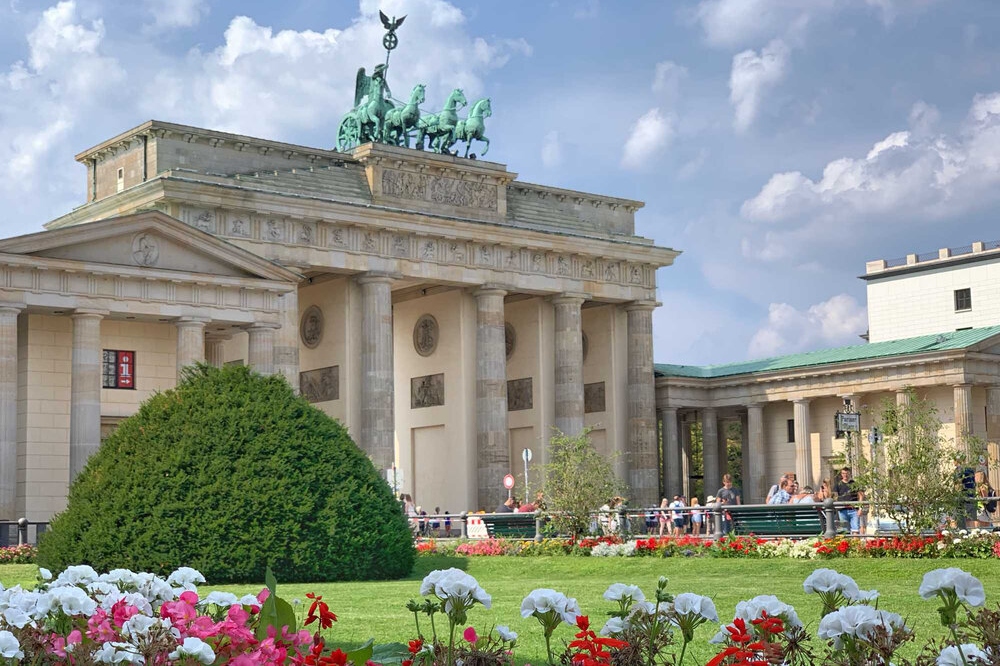
One of Berlin's most iconic landmarks, symbolizing the city's turbulent history and its reunification. Built in the late 18th century, it was originally commissioned by King Frederick William II of Prussia as a grand entrance to the city. The neoclassical structure, features 12 Doric columns and stands at 26 meters tall, with the Quadriga—a statue of a chariot drawn by four horses—on top.
During the Cold War, the Brandenburg Gate became a powerful symbol of division, standing just beside the Berlin Wall. It was closed off and surrounded by barbed wire, marking the separation of East and West Berlin. After the fall of the Wall in 1989, the gate was reopened and became a symbol of Germany's reunification.
Today, the Brandenburg Gate stands as a monumental reminder of Berlin's history, offering breathtaking views of Unter den Linden Boulevard and the Reichstag. It is a must-see stop for anyone visiting the city, offering plenty of opportunities for memorable photos.
9
Stop 9
Bebelplatz, located in the heart of Berlin, is a historically significant square with a somber connection to the Nazi era. Known for the infamous book burning of 1933, when Nazi students set fire to thousands of books deemed "un-German," it stands as a reminder of the regime's oppression of free thought and expression. Today, Bebelplatz is home to the impressive State Opera House and the Humboldt University, two key landmarks of the city's intellectual heritage.
One of the most poignant memorials to the book burnings is located beneath the square. A glass-paneled exhibit in the pavement, designed by Micha Ullman, reveals empty shelves symbolizing the lost works and the destruction of knowledge during the Third Reich. As you explore Bebelplatz, you’ll reflect on the intersection of intellectual freedom, censorship, and the city's complex past, making it an important stop for any walking tour of Berlin’s historical sites.
10
Stop 10
Gendarmenmarkt is one of Berlin's most stunning squares, renowned for its remarkable architecture and historical significance. Surrounded by grand buildings, the square is home to the iconic Berlin Cathedral (Berliner Dom), the elegant Konzerthaus (Concert Hall), and the French and German Churches, which create a harmonious blend of Baroque and neoclassical styles.
Originally built in the 17th century, Gendarmenmarkt was once the center of Berlin's cultural life, and it remains a vibrant hub today, often hosting outdoor concerts and events. The square’s impressive architecture is complemented by a beautiful open space, ideal for photographs or a relaxing stroll. Notably, during the winter months, the square transforms into a lively Christmas market, attracting visitors from all over the world.
What's not included
Gratuities
Food and drinks
Available languages
Guide guide
DE
EN
ES
Reviews breakdown
Viator
5.0
5 reviews
5★
5
4★
0
3★
0
2★
0
1★
0
Tripadvisor
4.9
36 reviews
5★
34
4★
1
3★
0
2★
0
1★
1
Important information
Wheelchair accessible
Infants and small children can ride in a pram or stroller
Transportation options are wheelchair accessible
All areas and surfaces are wheelchair accessible
Suitable for all physical fitness levels
At time of booking, Cruise ship passengers must provide the following information at time of booking: ship name, docking time, disembarkation time and re-boarding time
Important notes
Before the tour date, we will be in touch to let you know more about your driver and the guide and share their contact details with you.
On the day of the tour, your driver will be waiting for you on the port holding a sign with your name on it. Then you will embark on your journey to Berlin (approx 2.5hrs), and once there, you will meet your guide on the steps of the Berliner Dom.
If you cannot locate your driver at the port, please call us in the office on +49-30-6923149
About Berlin
Berlin, Germany's capital and largest city, is a vibrant metropolis known for its rich history, diverse culture, and dynamic nightlife. The city's eclectic mix of modern and historic architecture, world-class museums, and thriving arts scene make it a must-visit destination in Europe.
Top Attractions
Brandenburg Gate
A neoclassical monument and one of Berlin's most iconic landmarks, the Brandenburg Gate was built in the 18th century and has been a symbol of the city's history and reunification.
Historical
30 minutes to 1 hour
Free
Berlin Wall Memorial and East Side Gallery
The Berlin Wall Memorial and the East Side Gallery are important historical sites that commemorate the division of Berlin during the Cold War and the fall of the Wall in 1989.
Historical
1-2 hours
Free
Museum Island
A UNESCO World Heritage site, Museum Island is home to five world-renowned museums, including the Pergamon Museum, the Neues Museum, and the Alte Nationalgalerie.
Museum
Half-day to full day
€19 (Museum Island Day Ticket) or individual museum tickets
Reichstag Building
The Reichstag Building is the seat of the German Bundestag (parliament) and a symbol of German democracy. The glass dome on top offers panoramic views of the city.
Historical
1-2 hours
Free (but advance registration is required)
Potsdamer Platz
Potsdamer Platz is a major public square and traffic intersection in the heart of Berlin. It is known for its modern architecture, shopping, and entertainment options.
Architecture
1-2 hours
Free to explore, costs vary for shopping and dining
Must-Try Local Dishes
Currywurst
A popular Berlin street food, currywurst is a sliced sausage served with a curry ketchup sauce and often topped with curry powder.
Snack
Contains pork, vegetarian and vegan options available
Boulette
A German-style meatball, usually served with potato salad or mashed potatoes and a creamy sauce.
Main Course
Contains beef or pork, vegetarian and vegan options available
Döner Kebab
A Turkish dish popularized in Berlin, consisting of seasoned meat (usually lamb, beef, or chicken) cooked on a vertical rotisserie and served in flatbread with vegetables and sauces.
Main Course
Contains meat, vegetarian and vegan options available
Berliner Pfannkuchen
A jelly-filled doughnut, similar to a Berlin-style donut, often eaten during Carnival season.
Dessert
Contains wheat, dairy, and egg, vegan options available
Popular Activities
Cycling
Hiking
Boat tours
Rock climbing
Spa and wellness
Picnicking in parks
Café hopping
Boat tours on the Spree River
Best Time to Visit
June to August
This is the warmest time of the year with long daylight hours, making it ideal for outdoor activities and festivals. The city is lively with tourists and locals enjoying the summer weather.
20°C to 25°C (68°F to 77°F)
68°F to 77°F
Practical Information
Language
- Official: German
- Widely spoken: English, French, Turkish, Arabic, Russian
- English: Widely spoken
Currency
Euro (EUR)
Time Zone
GMT+1 (CET), GMT+2 (CEST during daylight saving time)
Electricity
230VV, 50HzHz
Safety Information
Overall Safety Rating: Generally safe
Berlin is generally a safe city for travelers, with low crime rates and a welcoming atmosphere. However, as with any major city, it's important to be aware of your surroundings and take precautions to protect yourself and your belongings.
Important Precautions:
- • Be aware of your surroundings and keep an eye on your belongings, especially in crowded areas and on public transportation.
- • Use licensed taxis or ride-sharing services, and agree on the fare before starting your journey.
- • Keep your passport and valuables in a safe place, and carry a copy of your passport and important documents.
Getting there
By air
- Berlin Brandenburg Airport • 18 km (11 miles) from city center
By train
Berlin Hauptbahnhof
By bus
Berlin Central Bus Station (ZOB)
Getting around
Public transport
The U-Bahn is a fast and efficient way to get around Berlin, with 10 lines serving 173 stations. It operates from early morning to late at night.
Taxis
Available • Apps: Uber, FreeNow
Rentals
Car, Bike, Scooter
Neighborhoods
Mitte
Kreuzberg
Prenzlauer Berg
Friedrichshain
Charlottenburg
Day trips
Potsdam
35 km (22 miles) from Berlin • Half-day to full day
Potsdam is a charming city near Berlin, known for its stunning palaces, parks, and lakes. It was the former residence of Prussian kings and German emperors and is a UNESCO World Heritage site.
Spreewald
100 km (62 miles) from Berlin • Full day
Spreewald is a picturesque region of forests, lakes, and canals, known for its traditional wooden houses, pickles, and gondola rides. It is a popular destination for outdoor activities and relaxation.
Sachsenhausen Concentration Camp Memorial
35 km (22 miles) from Berlin • Half-day
The Sachsenhausen Concentration Camp Memorial is a somber and important historical site, dedicated to the victims of the Nazi regime. The memorial includes the preserved camp buildings, a museum, and a memorial cemetery.
Festivals
Berlin International Film Festival (Berlinale) • February
Berlin Carnival of Cultures (Karneval der Kulturen) • Late May to early June
Berlin Festival • September
Pro tips
- Learn a few basic phrases in German, as it's appreciated by locals and can enhance your travel experience.
- Consider purchasing a Berlin WelcomeCard for unlimited public transportation and discounts at attractions.
- Explore the city's diverse neighborhoods, each with its own unique character and attractions.
- Visit Berlin's many parks and green spaces, which offer a peaceful and relaxing escape from the bustling city.
- Be open to trying new foods and culinary experiences, as Berlin's diverse food scene offers something for everyone.
From $25
per person
Price varies by option
Secure booking
Free cancellation available