Kandy City Tour
Active
10h
For a full refund, cancel at least 24 hours before the scheduled departure time.
Instant confirmation
Mobile or paper ticket accepted
About this experience
Embark on an adventure that combines breathtaking landscapes, vibrant cultures, and unforgettable moments. Whether you're exploring iconic landmarks or discovering hidden gems, our experiences are designed to inspire and excite. Immerse yourself in local traditions, savor authentic cuisines, and create memories that will last a lifetime. With personalized itineraries, expert guides, and a perfect balance of adventure and relaxation, your journey will be seamless and enriching. Don’t wait—book now and turn your travel dreams into reality!
Available options
Van
Van<br/>Pickup included
Tuk Tuk
TukTuk<br/>Pickup included
Car
Car<br/>Pickup included
What's included
Bottled water
All vehicle expenses
Hotel pickup an drop
All road taxes and other tolls
Transport by private vehicle
Detailed itinerary
1
Sri Maha Bodhi Viharaya[1] is a Theravada Buddhist temple in Kandy, Sri Lanka. It is located in Bahirawakanda, approximately 2 km (1.2 mi) from the city centre. The temple is known for its giant Buddha statue. The statue of Buddha is depicted in the position of the Dhyana Mudra, the posture of meditation associated with his first Enlightenment, and can be seen from almost everywhere in Kandy
2
The garden includes more than 4000 species of plants, including orchids, spices, medicinal plants and palm trees.[3] Attached to it is the "National Herbarium of Sri Lanka". The total area of the botanical garden is 147 acres (0.59 km2), at 460 meters above sea level, and with a 200-day annual rainfall. It is managed by the Department of national botanic gardens.
3
Take a short journey to the neighbouring Tea Estate and there you will see how loose-leaf tea is converted into pure Ceylon tea. The different processes of withering, rolling and fermenting will all be explained to you by one of the factory workers, at the end of the factory visit you will be offered a tasting of the different kinds of tea.
4
Sri Lanka has a long history regarding the spice industry. Being a centre for spice and relish ingredients, Sri Lanka was renowned among many countries, mainly during the colonial reign. Usually, Sri Lankans like to cook their meals by adding distinctive spices like pepper, cinnamon, cloves, ginger or nutmeg. Nevertheless, they used cinnamon, almond, Margosa, sandalwood or Jasmine as medicinal healing ingredients for day-to-day needs. Thus Sri Lankan Ayurvedic medicine is bounded by spice and herbal plantations, spice garden preserves and contributes to improving the industry by ensuring the rare varieties of herbal medicines. Significantly medicinal plants benefit to heal skin diseases. Don’t forget to smell, feel and experience the spice plantations during your tour to the spice garden.
5
Sri Lanka is well known throughout the world for the large quantity and exquisite variety of its gemstones. These gemstones occur mainly in alluvial gravels found in valley bottoms into which flow tributary hillside streams which carry gem minerals released by weathering form the bed rock sources located at hilltops or hillsides.
6
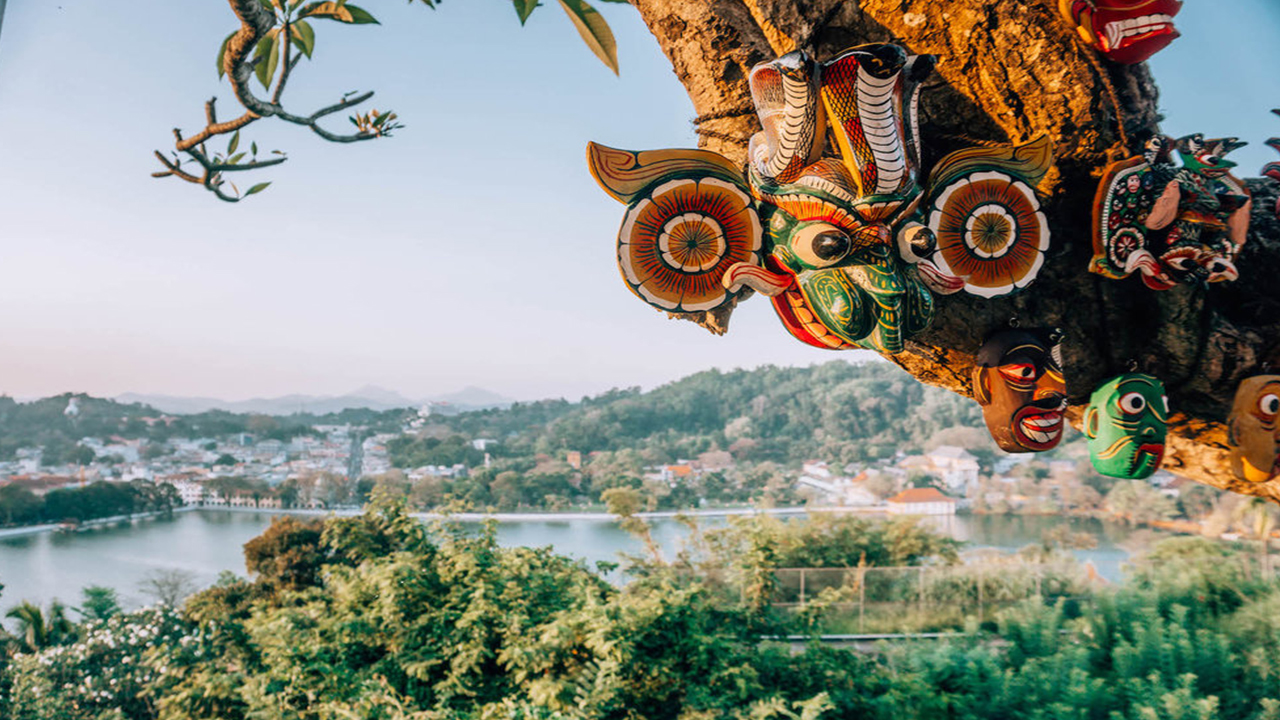
Sri Lanka is rightfully known as the "Wonder of Asia." Sri Lanka is a multicultural country which boasts of its unique nature as well as cultural heritage which enriches the richness of the country. The country boasts of various folk dances, today there are three distinct traditions of dances of Sri Lanka which differ from each other based on the costume, rhythm, and body movements. The three main classical dances of Sri Lanka include:
7
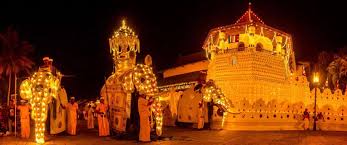
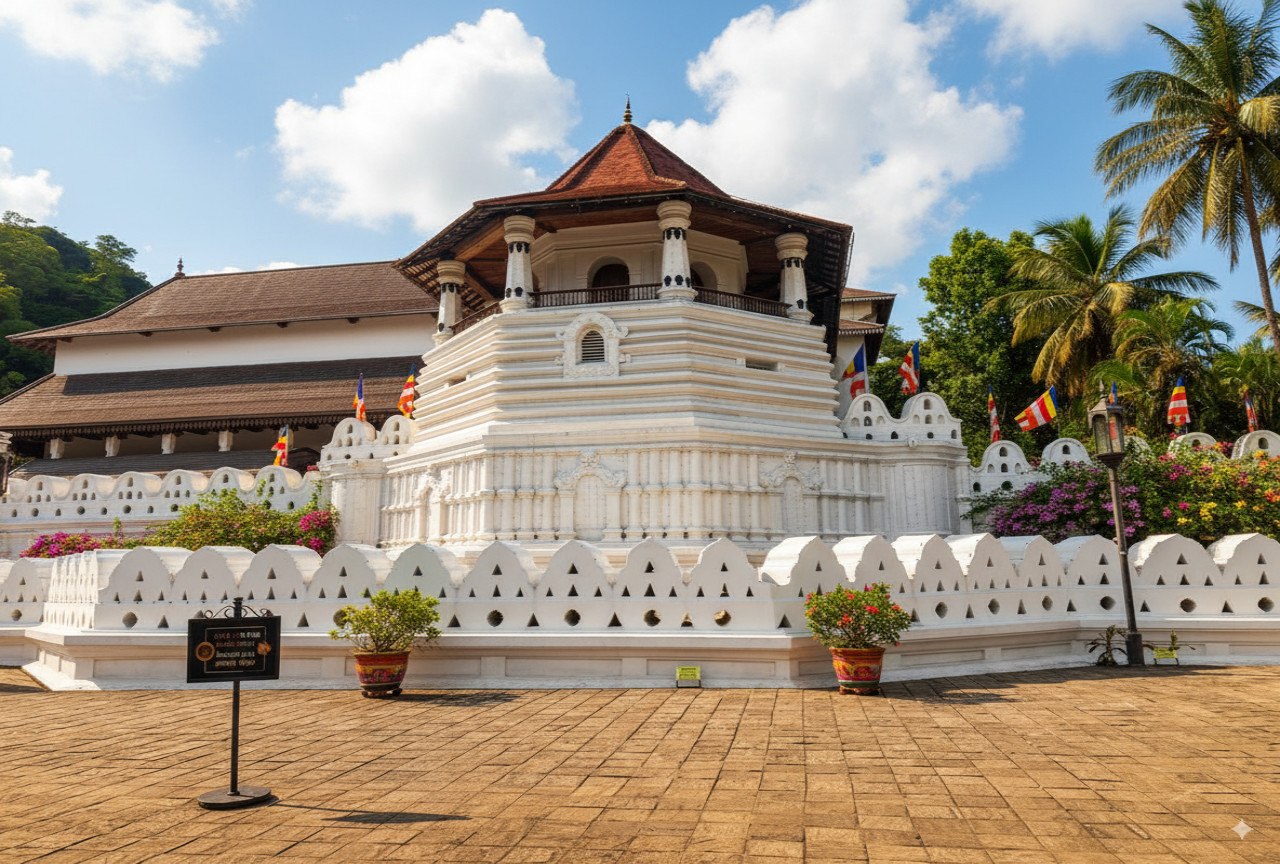
Sri Dalada Maligawa[a], commonly known in English as the Temple of the Sacred Tooth Relic, is a Buddhist temple in Kandy, Sri Lanka. It is located in the Royal Palace Complex of the former Kingdom of Kandy, which houses the relic of the tooth of the Buddha. Since ancient times, the relic has played an important role in local politics because it is believed that whoever holds the relic holds the governance of the country. The relic was historically held by Sinhalese kings. The temple of the tooth is a World Heritage Site mainly due to the temple and the relic.
What's not included
All the entrance fees
Breakfast lunch dinner
Reviews breakdown
Tripadvisor
5.0
1 reviews
5★
1
4★
0
3★
0
2★
0
1★
0
Important information
Service animals allowed
Public transportation options are available nearby
Specialized infant seats are available
Suitable for all physical fitness levels
About Colombo
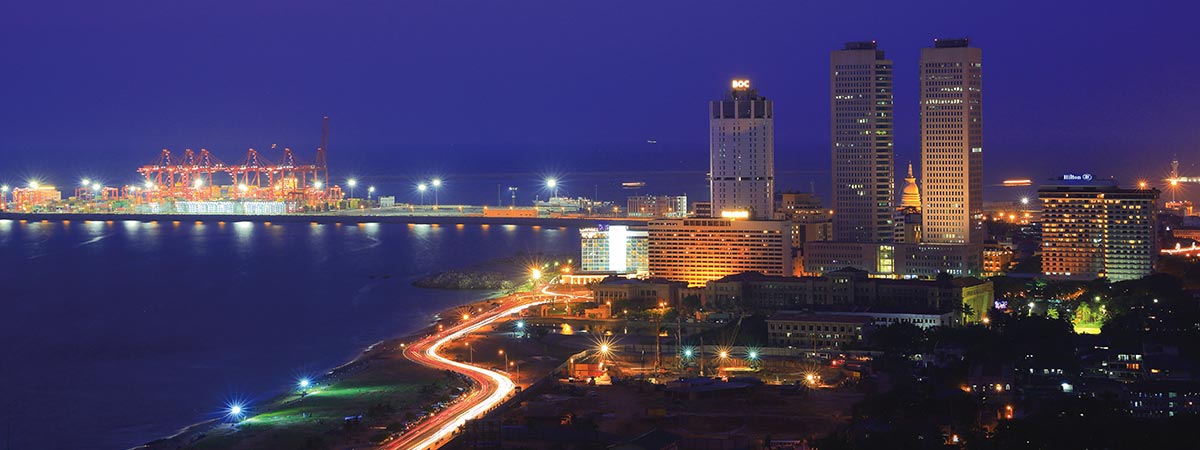
Colombo, Sri Lanka's bustling commercial capital, is a vibrant blend of modern life and colonial charm. With its diverse culture, rich history, and tropical beauty, the city offers everything from historic sites and religious landmarks to lively markets and beautiful beaches.
Top Attractions
Galle Face Green
A scenic promenade along the Indian Ocean, popular for kite flying, evening strolls, and street food.
Beach
1-2 hours
Free
National Museum of Colombo
Sri Lanka's largest museum, showcasing the country's rich history and cultural heritage.
Museum
2-3 hours
LKR 1,000 (foreigners)
Kelaniya Raja Maha Vihara
An ancient Buddhist temple with significant historical and religious importance.
Religious
1-2 hours
Free (donations welcome)
Beira Lake
A scenic lake in the heart of Colombo, offering boat rides and beautiful views.
Nature
1-2 hours
Free (boat rides may have a small fee)
Colombo Dutch Hospital Shopping Precinct
A historic building transformed into a vibrant shopping and dining destination.
Shopping
1-3 hours
Varies by shop
Must-Try Local Dishes
Rice and Curry
A traditional Sri Lankan meal consisting of rice served with a variety of curries made from vegetables, meat, or fish.
Main Dish
Vegetarian and non-vegetarian options available, may contain allergens like nuts and seafood.
Hoppers (Appa)
Bowl-shaped pancakes made from fermented rice flour and coconut milk, often served with an egg in the center.
Breakfast/Dinner
Vegetarian, can be made vegan without egg.
Kottu Roti
A popular street food made from chopped roti (flatbread) cooked with vegetables, meat, or fish, and spices.
Dinner/Snack
Vegetarian and non-vegetarian options available, may contain allergens like nuts and seafood.
Lamprais
A Dutch-influenced dish consisting of rice, meat, and vegetables cooked in banana leaves.
Main Dish
Non-vegetarian, may contain allergens like nuts and seafood.
Popular Activities
Hiking
Water sports
Wildlife safaris
Beach activities
Spa treatments
Yoga
Temple visits
Museum tours
Best Time to Visit
December to March
This period offers the best weather for visiting, with warm temperatures and less rainfall, making it ideal for exploring the city and its attractions.
28-32°C
82-90°F
Practical Information
Language
- Official: Sinhala, Tamil
- Widely spoken: English
- English: Widely spoken in tourist areas and by younger generations
Currency
Sri Lankan Rupee (LKR)
Time Zone
GMT+5:30
Electricity
230VV, 50HzHz
Safety Information
Overall Safety Rating: Generally safe, but exercise caution in crowded areas and at night
Colombo is generally safe for tourists, but petty crime and scams can occur, especially in crowded areas and tourist hotspots. Be cautious of pickpocketing, bag snatching, and overcharging by taxis and vendors.
Important Precautions:
- • Use reputable tour operators and guides
- • Agree on fares before using taxis or tuk-tuks
- • Keep valuables secure and out of sight
Getting there
By air
- Bandaranaike International Airport • 35 km south of Colombo
By train
Colombo Fort Station
By bus
Bastion Street Bus Terminal, Colombo Central Bus Stand
Getting around
Public transport
Buses are the most common and affordable way to get around, but they can be crowded and slow.
Taxis
Available • Apps: Uber, PickMe
Rentals
Car, Bike, Scooter
Neighborhoods
Colombo Fort
Cinnamon Gardens
Galle Face
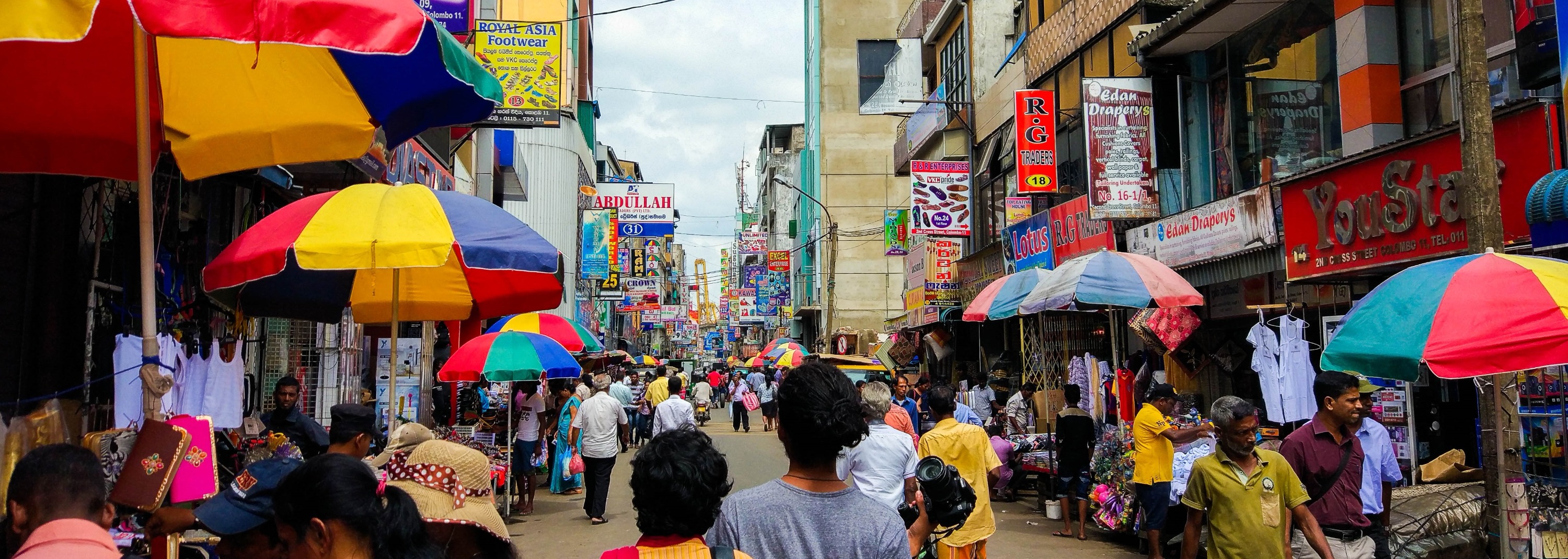
Pettah
Day trips
Kandy
115 km • Full day
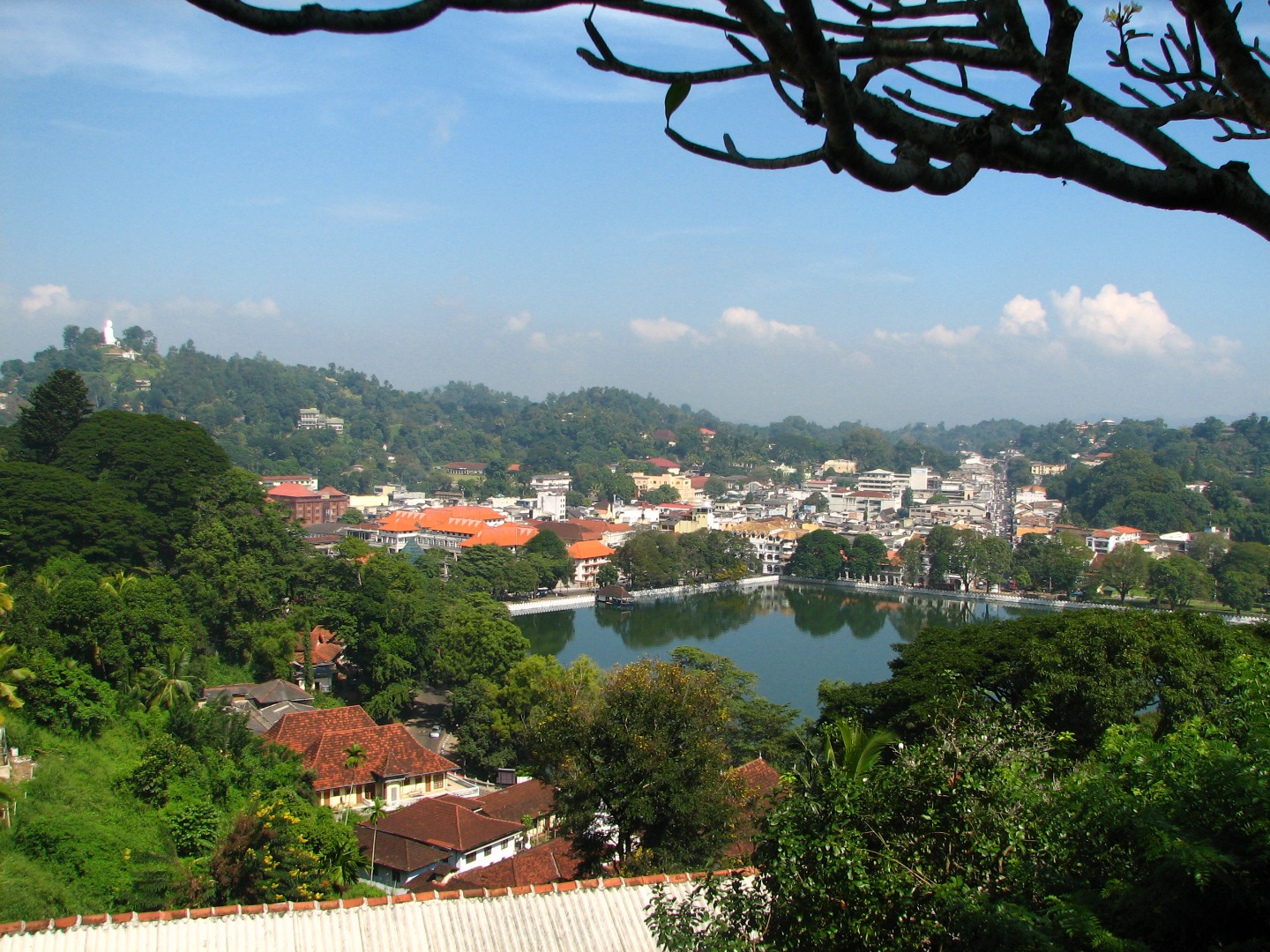
Kandy, the last capital of the ancient kings' era, is a UNESCO World Heritage Site known for its rich history, cultural landmarks, and scenic beauty.
Galle
120 km • Full day
Galle is a historic coastal city known for its UNESCO World Heritage-listed Dutch Fort, beautiful beaches, and rich cultural heritage.
Negombo
35 km • Half day
Negombo is a coastal town known for its beautiful beaches, historic sites, and vibrant fishing industry.
Festivals
Vesak • May (full moon day)
Esala Perahera • July or August (full moon day)
Christmas • December 25
Pro tips
- Use app-based taxi services like Uber or PickMe for reliable and transparent pricing
- Carry small denominations of cash for markets and street vendors, as change may be limited
- Bargain politely when shopping at markets and with street vendors, as prices are often negotiable
- Try local street food for an authentic and affordable culinary experience, but be cautious of food hygiene and choose busy stalls with high turnover
- Visit popular attractions early in the morning or late in the afternoon to avoid crowds and the heat
From $25
per person
Price varies by option
Secure booking
Free cancellation available
Instant confirmation