Exclusive Nikko UNESCO World Heritage Private Tour
Active
10h
For a full refund, cancel at least 24 hours before the scheduled departure time.
Instant confirmation
Mobile or paper ticket accepted
About this experience
Embark on an unforgettable journey to Nikko, where the serene beauty of nature perfectly blends with the rich cultural heritage of Japan's history. This experience is designed to immerse you in the stunning landscapes and spiritual heart of the region, featuring four of its most iconic destinations.
Nikko Toshogu Shrine
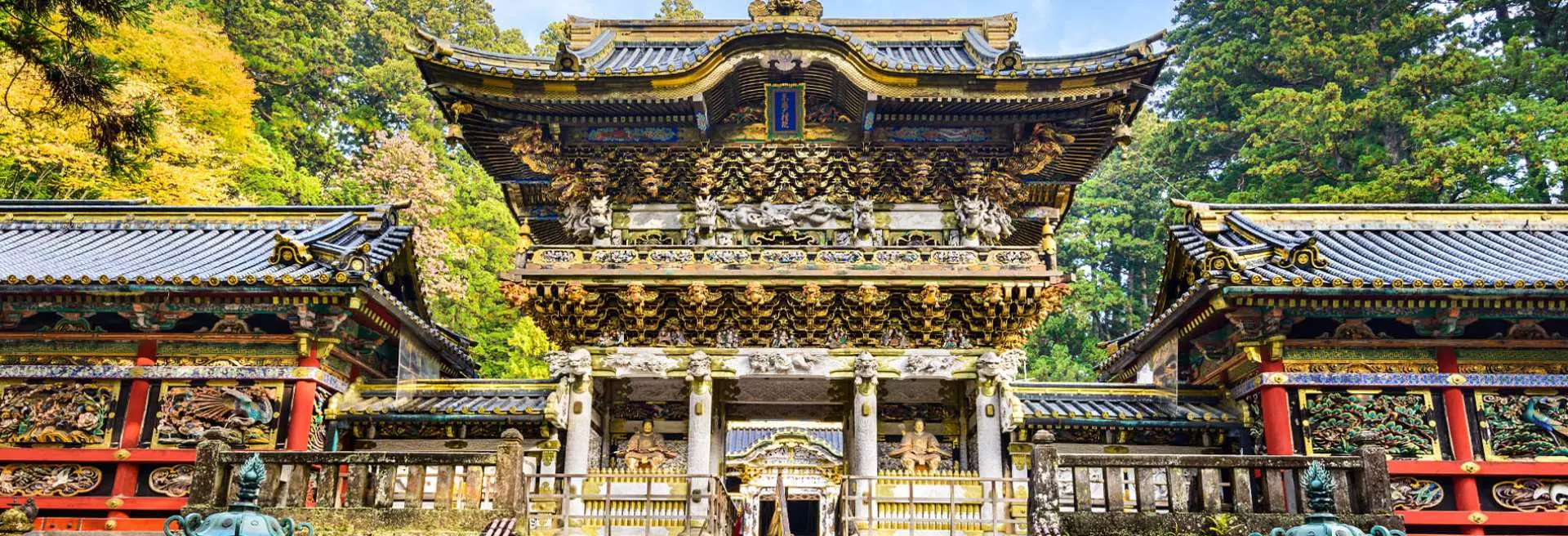
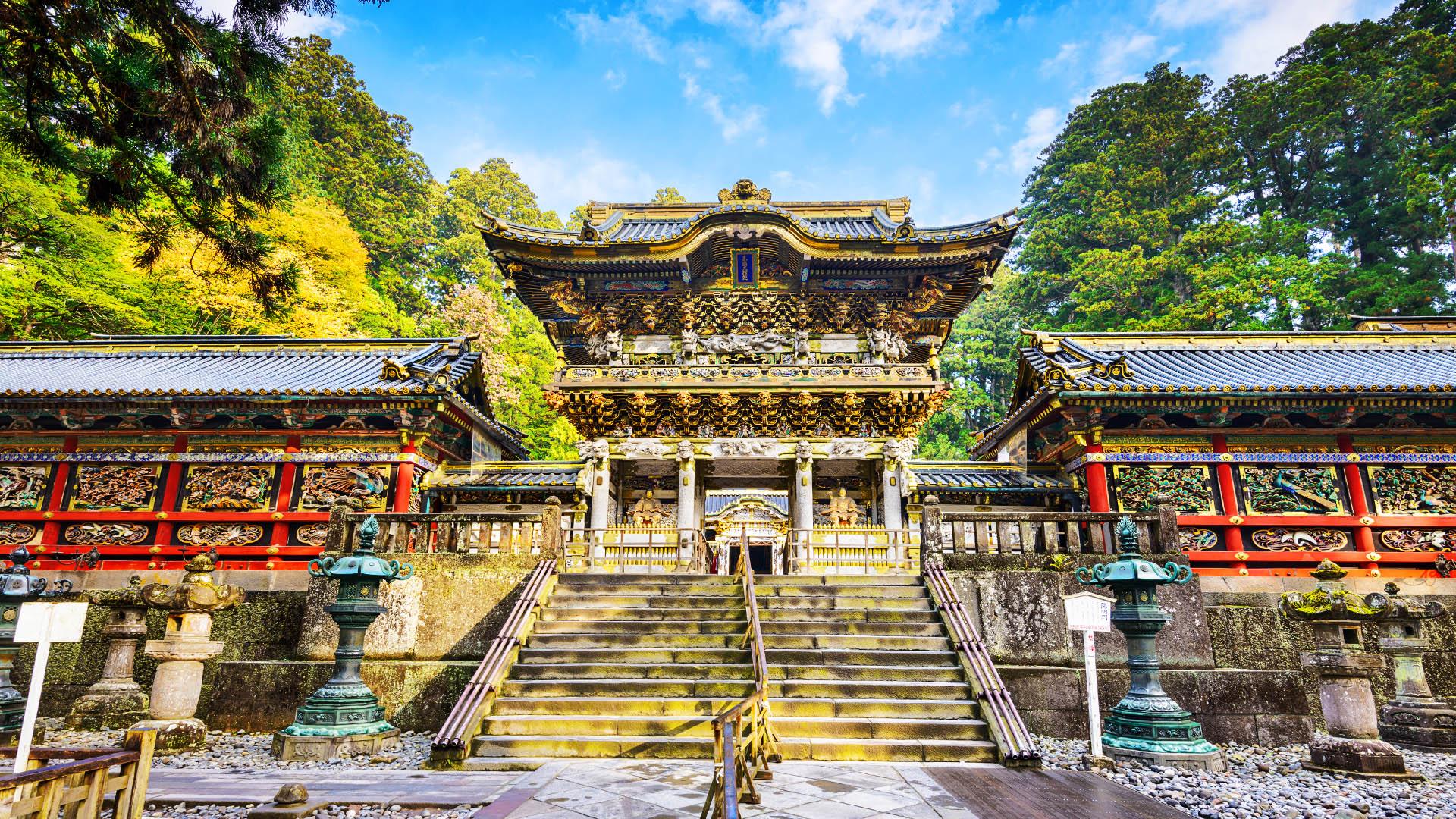
Step into a realm of opulent art and deep spirituality at this UNESCO World Heritage site and the final resting place of Tokugawa Ieyasu, the founder of the Edo Shogunate.
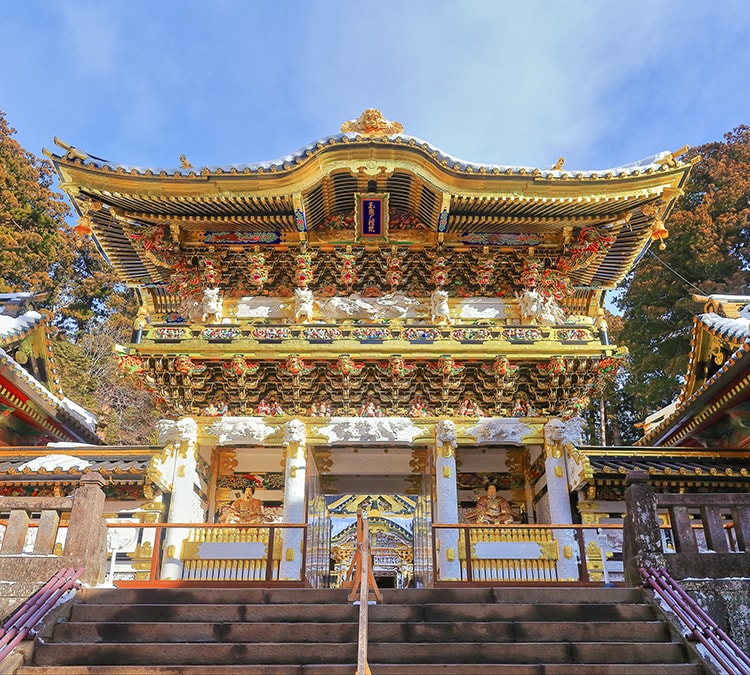
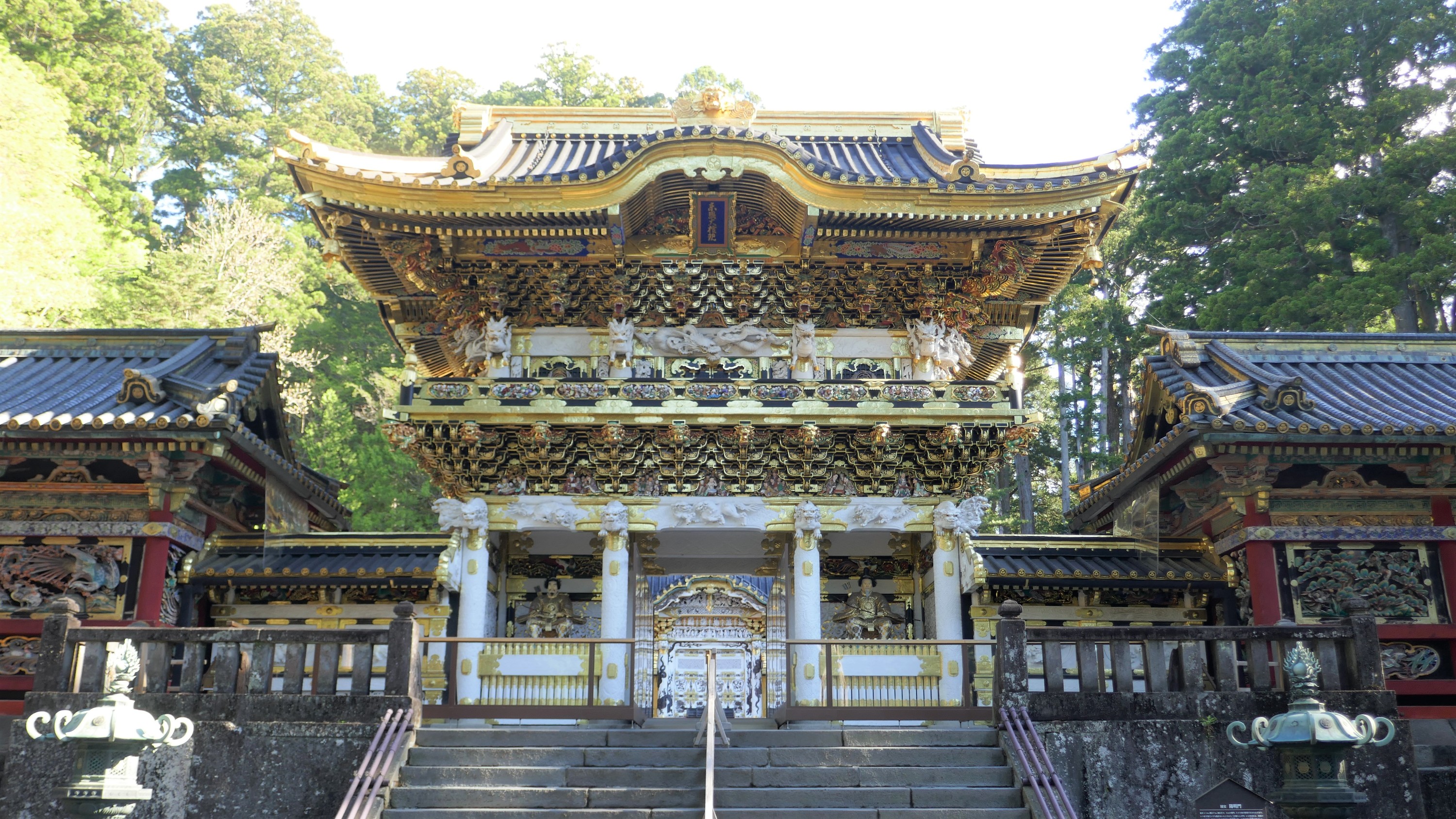
Marvel at the details: The shrine's architecture is a stark contrast to traditional Japanese simplicity, adorned with over 5,100 intricate wood carvings, vibrant colors, and extensive gold leaf accents.
Spot the famous carvings: Look for the globally recognized "Three Wise Monkeys" and the symbolic "Sleeping Cat" (Nemuri-neko) carvings.
Walk through history: Ascend the forest staircase to the Shogun's tomb, feeling the weight of centuries of history and the power of this sacred site.
Available options
Exclusive Nikko UNESCO World Heritage Private Tour
What's included
Private transportation
Hotspot on the Board
Child Seat
Air-conditioned vehicle
Detailed itinerary
1
Stop 1
Nikkō Tōshō-gū is a lavish Shinto shrine located in Nikko, Tochigi Prefecture, Japan. It serves as the final resting place and mausoleum of Tokugawa Ieyasu, the first shogun of the Tokugawa shogunate that ruled Japan for over 250 years.
Lavish Architecture: Unlike most simple Shinto shrines, Tōshō-gū is extremely ornate, featuring over 5,100 intricate wood carvings and extensive gold leaf.
Yōmeimon Gate: Known as the "Sunset Gate" (Higurashi-no-mon), it is a National Treasure decorated with more than 500 sculptures and 240,000 pieces of gold leaf.
Famous Carvings:
Three Wise Monkeys: Depicts the "see no evil, speak no evil, hear no evil" maxim.
A small carving symbolizing peace.
Carved by an artist who had never seen real elephants.
It is part of the "Shrines and Temples of Nikko" heritage site, registered in 1999.
Admission: 1,600 yen for adults/high schoolers; 550 yen for elementary/middle schoolers. A combined ticket with the adjacent museum is 2,400 yen.
2
Stop 2
Rinnoji Temple is Nikko's most important Buddhist temple, founded over 1,200 years ago by the monk Shodo Shonin. The temple complex, a UNESCO World Heritage site, includes several buildings, most notably the Sanbutsudo Hall, which houses large, gilded statues of three Buddhist deities.
The main hall and one of the largest wooden structures in the area, housing 8-meter-tall, gold-lacquered statues of the Thousand-armed Kannon, Amida Buddha, and Horse-headed Kannon.
Admission:
Sanbutsudo Hall only: 400 yen (adults), 200 yen (children).
Combined ticket (Sanbutsudo & Taiyuin Mausoleum): 900 yen (adults), 400 yen (children).
Treasure House & Shoyoen Garden: 300 yen (adults), 100 yen (children).
Accessibility: The temple offers wheelchair accessibility for most areas, including parking and restrooms, with information available in multiple languages
3
You are likely referring to the Nikko Toshogu Museum (Hōmotsukan), which houses a collection of treasures related to the first shogun, Tokugawa Ieyasu. There is also a separate Nikko Toshogu Art Museum (Bijutsukan) nearby which displays traditional Japanese paintings.
Hours (2025): 9:00 AM – 5:00 PM (April to October); 9:00 AM – 4:00 PM (November to March). Last entry is 30 minutes before closing.
Admission: 1,000 yen for adults; 400 yen for children. A combined ticket with the main Toshogu Shrine admission is available for 2,400 yen.
Highlights: The collection includes various armors, swords (some of which are Important Cultural Properties), documents, and religious implements from the Edo period. The museum also features a small theater showing a short animated film about Ieyasu's life.
4
Stop 4
Edo Wonderland Nikko Edomura is a cultural theme park in the Kinugawa Onsen area that meticulously recreates the architecture, townscape, and atmosphere of Japan's Edo Period (1603–1867).
Summer (March 20 – November 30): 9:00 AM – 5:00 PM.
Winter (December 1 – March 19): 9:30 AM – 4:00 PM.
Closed Wednesdays (except national/school holidays) and for maintenance during winter.
Admission Prices:
One-Day Pass: 5,800 yen (Adults 13+) / 3,000 yen (Children 6–12).
Afternoon Pass: 5,000 yen (Adults) / 2,600 yen (Children). Available after 2:00 PM (1:00 PM in winter).
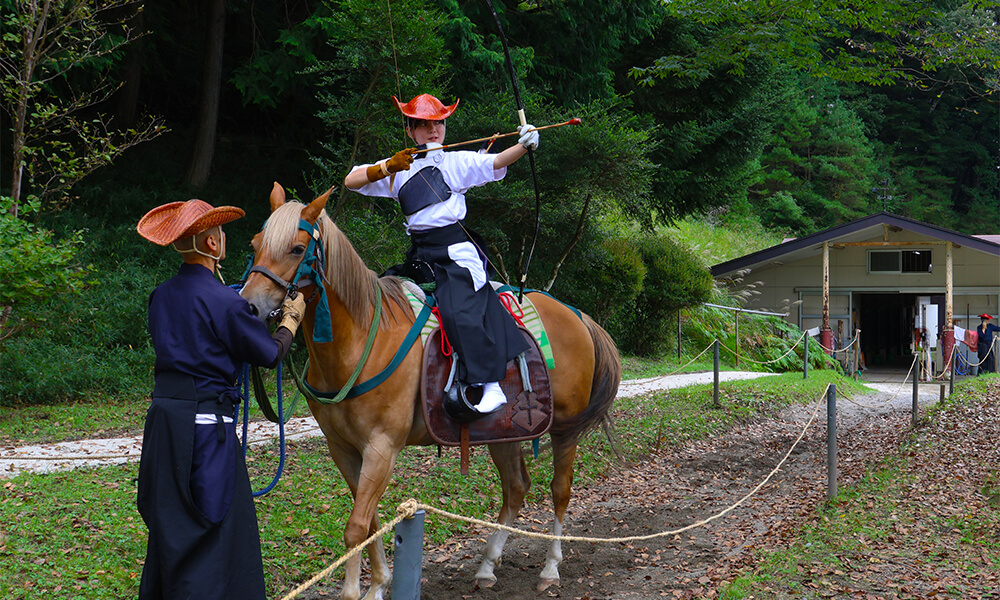
Interactive Experiences: Children can participate in the Edo Work Experience (ninja training, samurai swordsmanship, or police mystery solving). Other activities include traditional archery, shuriken throwing, and shamisen workshops.
5
Stop 5
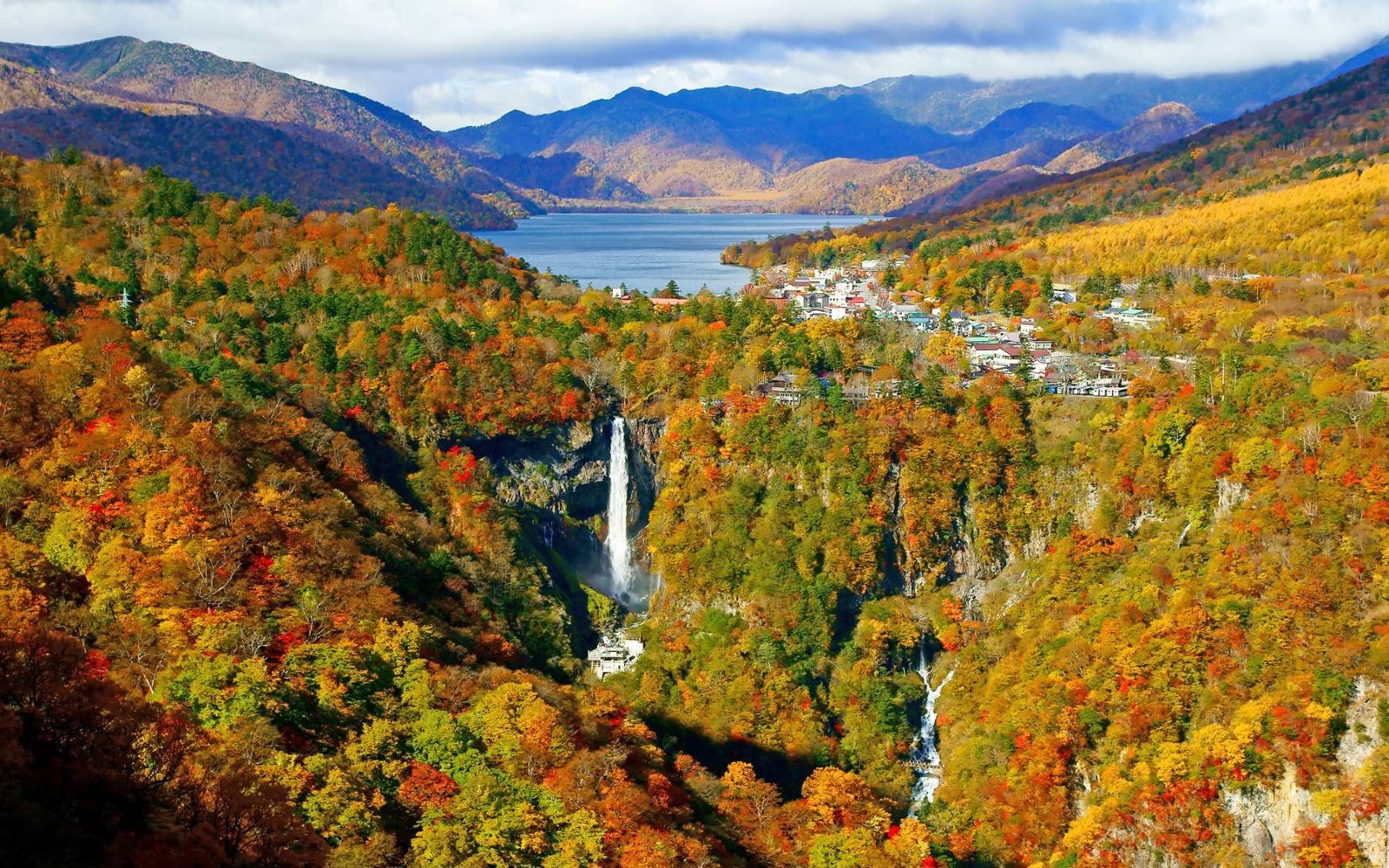
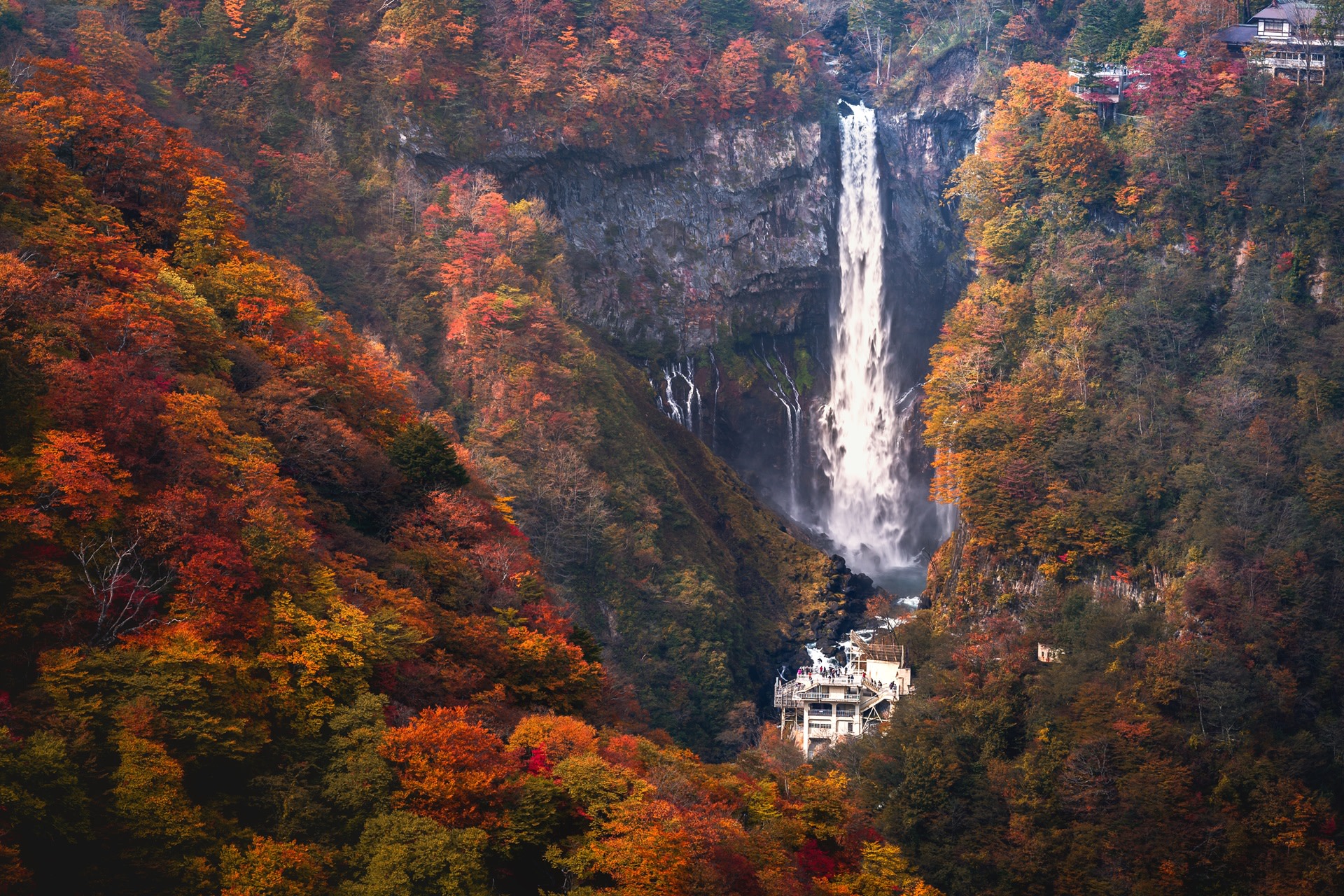
Kegon Waterfall one of Japan's three most famous waterfalls, cascades down a sheer cliff from Lake Chuzenji in Nikko National Park. The waterfall measures 97 meters high and can be viewed from both a free upper observation deck and a paid lower observation platform accessible via an elevator.
Hours: The viewing elevator's hours vary by season, but generally are:
March – November: 8:00 AM – 5:00 PM (times may slightly vary by month).
December – February: 9:00 AM – 4:30 PM.
Elevator Fee: A round-trip ride to the lower observation deck costs 600 yen for adults and 400 yen for elementary school students (prices as of 2025).
Best Views: The lower platform offers an impressive, close-up experience of the falls' power and roar, while the Akechidaira Observatory (accessed via a separate ropeway) provides a panoramic view of the falls, Lake Chuzenji, and Mount Nantai.
6
Stop 6
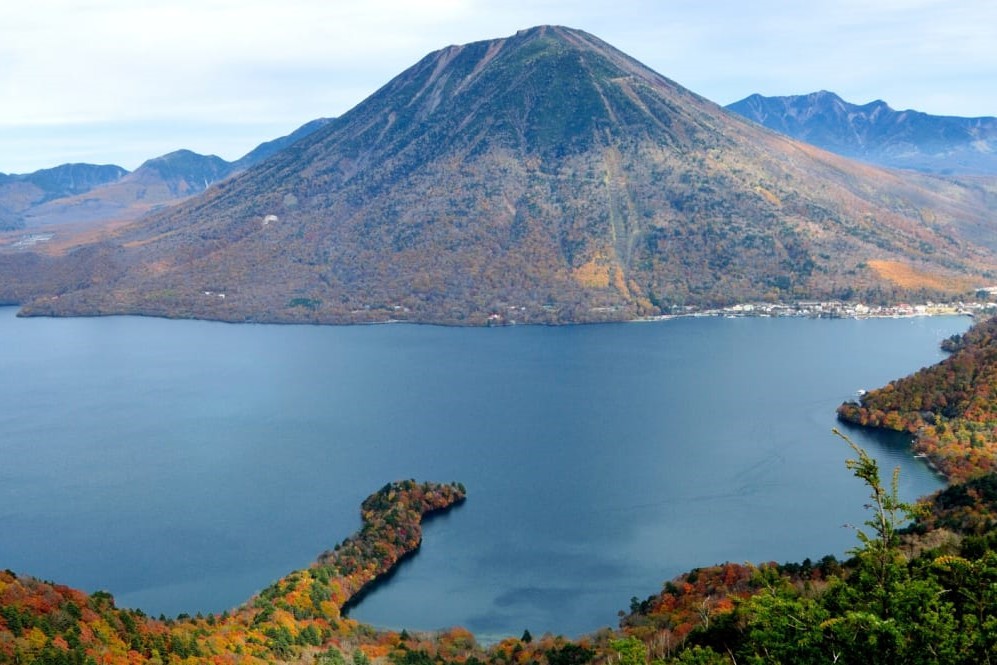
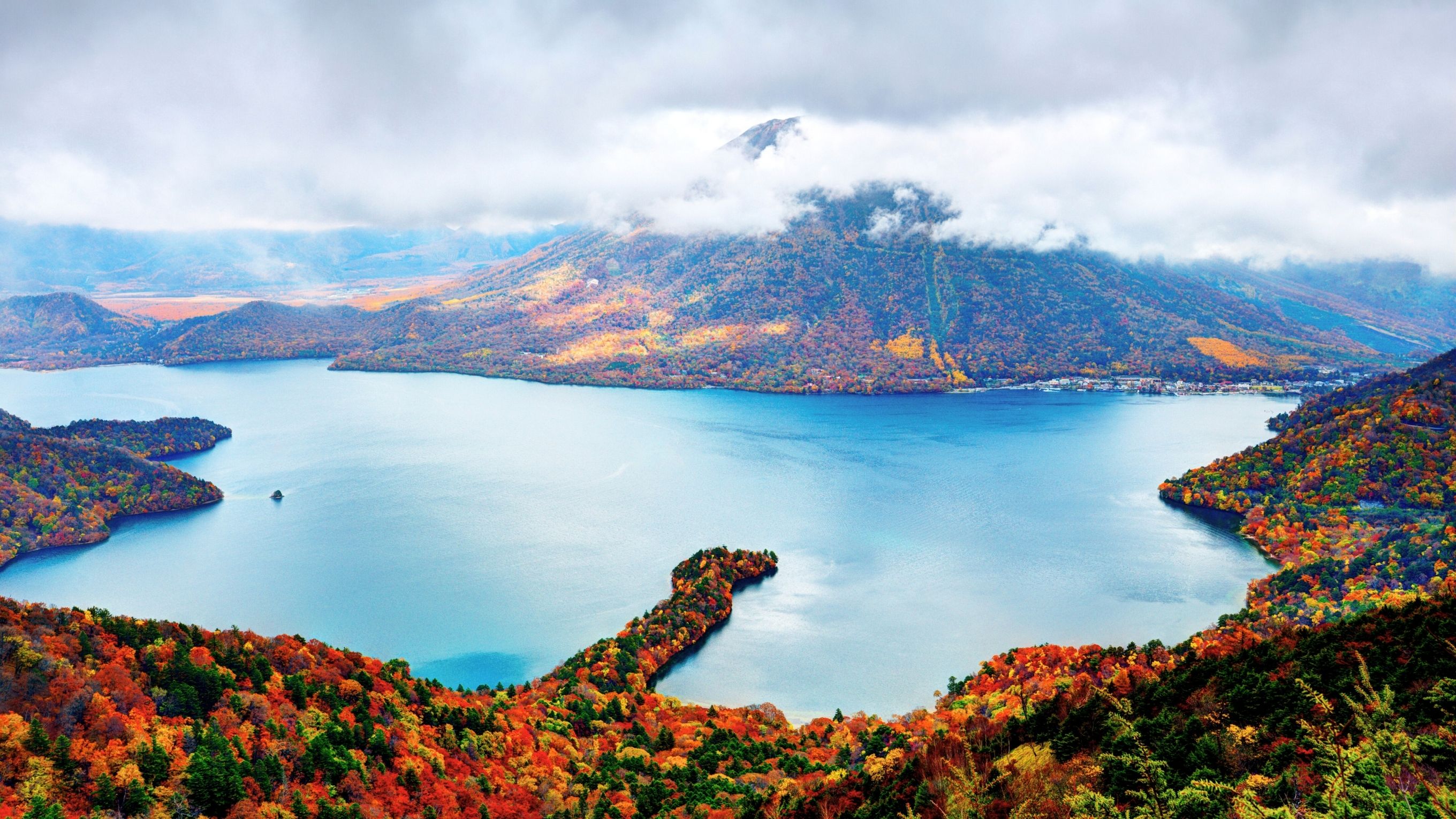
Lake Chuzen is a scenic lake located in the mountains of Nikko National Park, at the foot of Mount Nantai. Formed by a volcanic eruption about 20,000 years ago, it is Japan's highest natural lake at an altitude of 1,269 meters. The area has a circumference of 25 kilometers and was historically a popular summer resort for foreign embassies due to its cool climate.
Chuzenji Onsen Town: Located at the lake's eastern end, this hot spring resort town is home to hotels, souvenir shops, the Nikko Natural Science Museum, and the Futarasan Shrine.
Sightseeing Cruises: Take a pleasure boat to enjoy the views of the surrounding mountains and embassies' villas from the water. A full circuit takes about 55 minutes, and a day pass allows you to get on and off at various stops.
7
Stop 7
The Nikko Tamozawa Imperial Villa Memorial Park a former imperial summer residence that is now open to the public as a museum and park. It is a designated National Important Cultural Property and is one of the largest existing wooden imperial villas from the Meiji and Taisho periods.
Hours:
April – October: 9:00 AM – 5:00 PM (last entry 4:00 PM).
November – March: 9:00 AM – 4:30 PM (last entry 3:45 PM
Admission: 600 yen for adults/high schoolers; 300 yen for elementary/junior high students.
The extensive complex features over 100 rooms, allowing visitors to glimpse the imperial lifestyle and the large entourage required during the imperial sojourn.
The core of the building was originally part of the Edo residence of the Kishu Tokugawa clan in Tokyo and was moved to Nikko in 1899. It served as a retreat for Emperor Taisho and a hideout for Emperor Hirohito during World War II.
What's not included
Alcoholic Beverages
Lunch
Nikko toshu-gu Shrine will be paid directly in front of desk.
Nikko Wonderland $25USD for adults and 50% less for childern will be pay directly in front of desk.
Available languages
Guide guide
PA
HI
AR
DE
EN
IT
FR
UR
ES
Important information
Wheelchair accessible
Infants and small children can ride in a pram or stroller
Public transportation options are available nearby
Specialized infant seats are available
All areas and surfaces are wheelchair accessible
Suitable for all physical fitness levels
You will have to check the weather tour.
you can ask us for multiday tours too.
Meeting point
You can contact us for pickup or we will contact you for pickup.
About Tokyo
Tokyo, the capital of Japan, is a bustling metropolis that beautifully blends traditional culture with cutting-edge technology. Known for its neon-lit streets, historic temples, and world-class cuisine, Tokyo offers a unique experience that caters to every type of traveler.
Top Attractions
Senso-ji Temple
Senso-ji is Tokyo's oldest temple and one of its most significant. The temple's massive lantern and five-story pagoda are iconic landmarks.
Historical/Religious
1-2 hours
Free (small fee for some areas)
Meiji Shrine
Meiji Shrine is a Shinto shrine dedicated to the deified spirits of Emperor Meiji and his wife, Empress Shoken. It is surrounded by a beautiful forest.
Historical/Religious
1-2 hours
Free
Shibuya Crossing
Shibuya Crossing is the world's busiest pedestrian crossing and a symbol of Tokyo's bustling urban life. It's a must-see for its chaotic yet orderly nature.
Cultural
30 minutes to 1 hour
Free (¥2,200 for Shibuya Sky)
Tokyo Skytree
Tokyo Skytree is the tallest tower in Japan and the second tallest freestanding structure in the world. It offers breathtaking views of the city.
Architecture
2-3 hours
¥2,100 to ¥3,100 (USD $15 to $22)
Odaiba
Odaiba is a man-made island in Tokyo Bay known for its shopping, dining, and entertainment options. It's a great place for families and tech enthusiasts.
Entertainment
Half day to full day
Varies by attraction
Must-Try Local Dishes
Sushi
Fresh raw fish served on vinegared rice, a staple of Japanese cuisine.
Dinner
Contains fish, can be vegetarian with substitutes.
Ramen
Noodle soup with various broths and toppings, a popular comfort food.
Lunch/Dinner
Vegan and vegetarian options available.
Tempura
Deep-fried seafood and vegetables, known for its crispy texture.
Lunch/Dinner
Contains seafood and deep-fried ingredients.
Okonomiyaki
Savory pancake with various ingredients, often topped with sauce and bonito flakes.
Lunch/Dinner
Contains seafood and can be made vegetarian.
Popular Activities
Hiking in the nearby mountains
Parasailing at Odaiba
Onsen (hot spring) visits
Tea ceremonies
Traditional tea ceremonies
Kimono rentals and photo shoots
Boat tours on the Sumida River
Beach activities at Odaiba
Best Time to Visit
March to May (Spring) and September to November (Autumn)
These seasons offer comfortable temperatures and beautiful scenery, with cherry blossoms in spring and vibrant foliage in autumn. However, these are also the busiest times for tourism.
10°C to 25°C (50°F to 77°F)
50°F to 77°F
Practical Information
Language
- Official: Japanese
- Widely spoken: English, Chinese, Korean
- English: Moderately spoken in tourist areas, limited elsewhere
Currency
Japanese Yen (JPY)
Time Zone
GMT+9
Electricity
100VV, 50/60HzHz
Safety Information
Overall Safety Rating: Very safe
Tokyo is generally very safe, with low crime rates and a strong emphasis on public order. However, petty crimes like pickpocketing can occur in crowded areas.
Important Precautions:
- • Be cautious of your belongings in crowded areas.
- • Use licensed taxis and check fares before getting in.
- • Be aware of your surroundings, especially at night.
Getting there
By air
- Narita International Airport • 60 km (37 miles) from city center
- Haneda Airport • 15 km (9 miles) from city center
By train
Tokyo Station, Shinjuku Station
By bus
Tokyo Station Bus Terminal, Shinjuku Expressway Bus Terminal
Getting around
Public transport
Tokyo's subway system is efficient, clean, and punctual. It consists of multiple lines operated by Tokyo Metro and Toei Subway.
Taxis
Available • Apps: JapanTaxi, DiDi
Rentals
Car, Bike, Scooter
Neighborhoods
Shibuya
Shinjuku
Asakusa
Ginza
Akihabara
Day trips
Nikko
120 km (75 miles) from Tokyo • Full day
Nikko is a city known for its beautiful shrines, temples, and natural scenery. It's a UNESCO World Heritage site and offers a peaceful retreat from the bustling city.
Kamakura
50 km (31 miles) from Tokyo • Half day to full day
Kamakura is a coastal town known for its historic temples, shrines, and the Great Buddha statue. It's a great place to experience traditional Japanese culture.
Hakone
90 km (56 miles) from Tokyo • Full day or overnight
Hakone is a hot spring resort town known for its onsen (hot springs), scenic views of Mount Fuji, and the Open-Air Museum. It's a popular destination for relaxation and nature.
Festivals
Sannō Matsuri • Mid-June (every 2 years)
Kanda Matsuri • Mid-May (every 2 years)
Sumida River Fireworks Festival • Last Saturday of July
Pro tips
- Use IC cards like Suica or Pasmo for convenient and discounted public transport.
- Download useful apps like Google Maps, Japan Transit Planner, and Japan Travel by Navitime.
- Learn a few basic Japanese phrases to enhance your experience and show respect for the local culture.
- Carry cash, as some smaller shops and restaurants may not accept credit cards.
- Visit popular attractions early in the morning or late in the afternoon to avoid crowds.
From $25
per person
Price varies by option
Secure booking
Free cancellation available
Instant confirmation