


Tokyo Full Day Customize Private City Tour
Active
10h
For a full refund, cancel at least 24 hours before the scheduled departure time.
Instant confirmation
Mobile or paper ticket accepted
About this experience
Explore Luxury rides with an expert English speaking driver. Customize your itinerary with pickup and drop-off at your hotel WiFi hotspot highway tax fuel & complimentary water tea or coffee Explore Tokyo on a private, customized tour. Choose your own itinerary and explore the city's most famous sights, including the Meiji Shrine, Senso-ji Temple, and the Imperial Palace. Immerse yourself in the rich traditions and marvels of Tokyo on a private tour of the city. Customize your tour to use your time effectively and design the Tokyo itinerary of your dreams.
With an expert semi-guide by your side, embark on a sightseeing tour
Indulge in the culinary delights of Tsukiji Fish Market or explore the tranquil gardens of the Imperial Palace.
Whatever your interests, your tour will be customized to cater to your preferences, ensuring a personalized and unforgettable experience. Get ready to embark on an unforgettable adventure that will leave you with cherished memories of your time in Tokyo
Available options
Tokyo Full Day Customize Private City Tour
Pickup included
Toyota Alphard Up-to 6 person
Duration: 10 hours<br/>Luxury Toyota Alphard <br/>Pickup included
What's included
Private transportation
Bottled water
Hotel Pick-up and Drop Off
WiFi on board
Air-conditioned vehicle
Detailed itinerary
1
Origin. The land on which the fish market sat was created during the Edo period by the Tokugawa shogunate after the Great fire of Meireki of 1657. It was created through land reclamation on the Tokyo Bay, and the area was therefore named Tsukiji (築地), meaning "constructed land" or "reclaimed land".
2
Stop 2
A temple steeped in history and lore
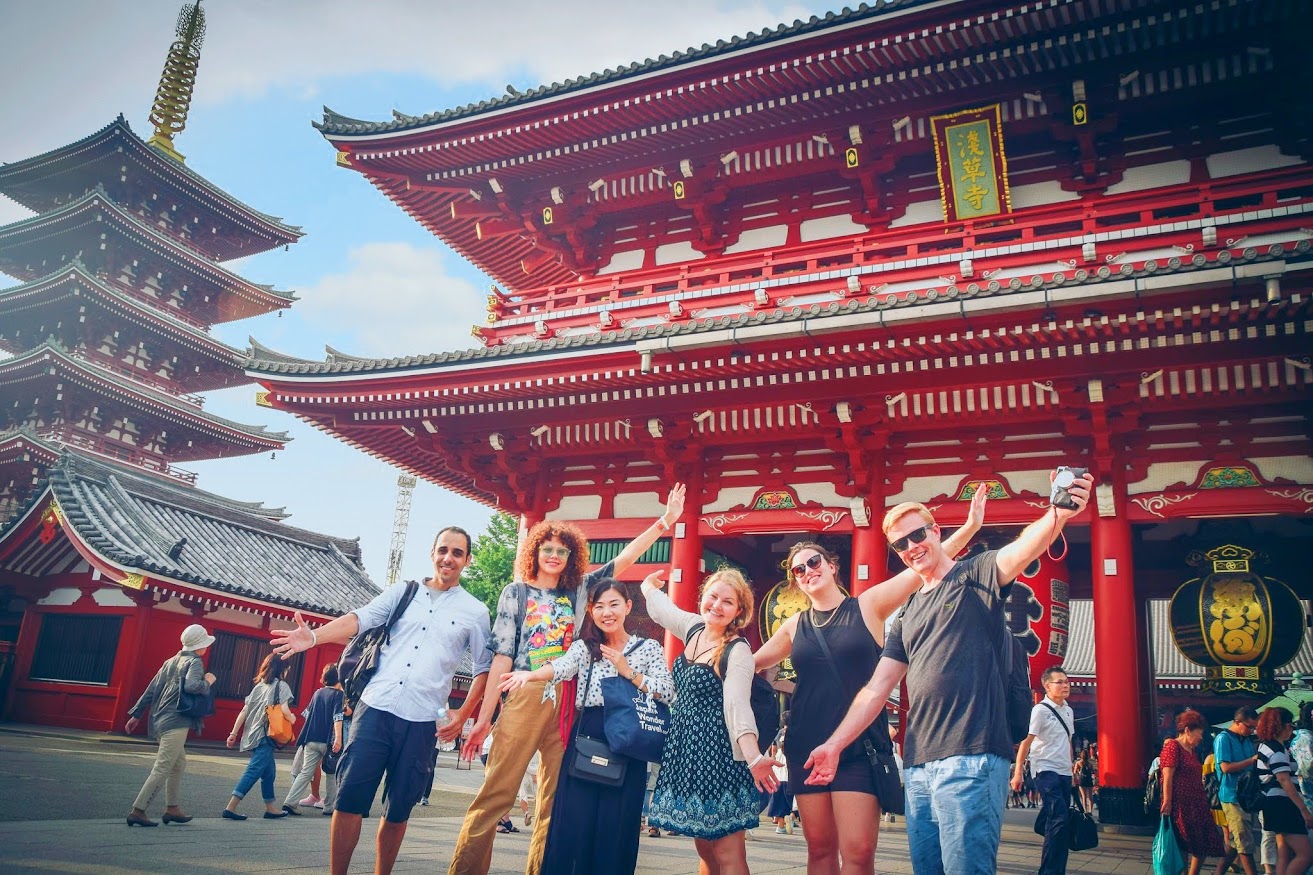
Legend has it that in 628 AD, fishermen found a statue of Kannon in the Sumida River, and Sensoji Temple was built to enshrine it. Throughout its long history, the Main Hall has been destroyed countless times and rebuilt from the donations of people from all over Japan.
3
Stop 3
Edo Castle turned Imperial Palace
For over 250 years, Japan was ruled by the Tokugawa shogun during what was known as the Edo Period – Edo being the old name for Tokyo. The current Imperial Palace, known as Kokyo in Japanese, sits on the former site of Edo Castle.
4
Constructed in 1920, the shrine was destroyed in WWII air raids and rebuilt in 1958; however, unlike so many of Japan's postwar reconstructions, Meiji-jingū has atmosphere in spades. Note that the shrine is currently undergoing renovations bit by bit in preparation for its 100th anniversary, but will remain open.
5
Stop 5
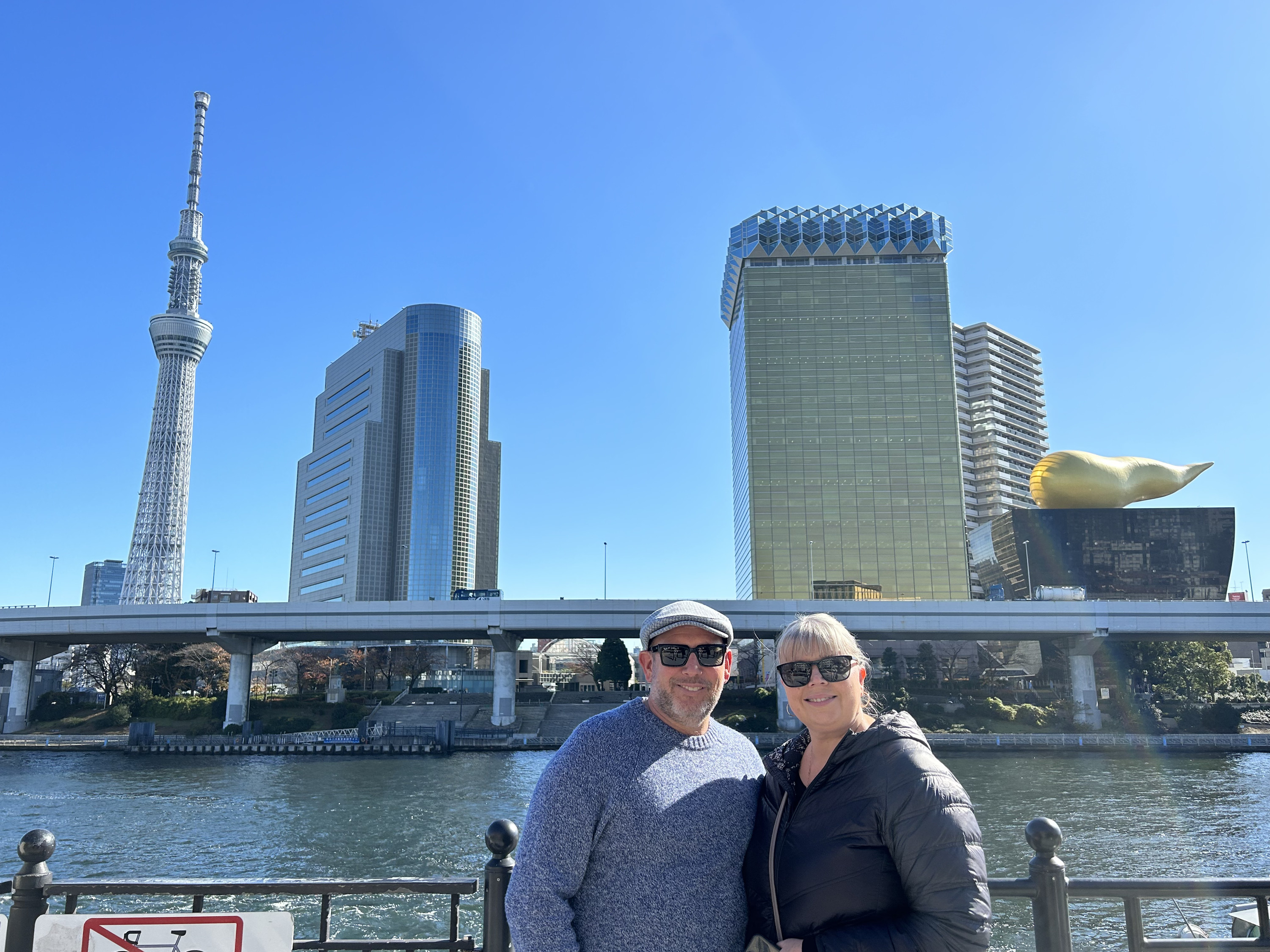
Despite its modern appearance, the history of Tokyo Skytree can be traced back to the 16th century, when a tower called the Musashi Kosugi Signal Tower was built in the area. The tower was used to transmit signals to Edo Castle, which was located in the Old City of Edo (present-day Tokyo).
6
Harajuku's history dates back to the Edo period (1603-1868), when it was a small post town along the main road connecting Tokyo (then Edo) to Kyoto. The name “Harajuku” translates to “meadow lodging,” reflecting its pastoral roots.
7
Odaiba was initially built for defensive purposes in the 1850s. The land was dramatically expanded during the late 20th century as a seaport district, and was redeveloped in the 1990s into a major commercial, residential and leisure area.
8
Stop 8
On the outer streets that parallel the main Nakamise street there are plenty of other shops, cafes, and restaurants and they will certainly be glad of your business. Opening hours vary by shop. Most shops are open from 10:00 to 19:00.
9
Stop 9
Tokyo Tower's history
With the start of NHK, Japan's national broadcaster, in 1953, the Tokyo area needed a large broadcasting tower. Based on the Eiffel Tower in design, Tokyo Tower was completed in 1958. At 333 meters tall, it was the tallest freestanding tower in the world when it was built.
10
Stop 10
Shibuya Station opened back in 1885, but its famous crossing only took its modern-day form in 1932 when the Tokyu Toyoko Line opened and made Shibuya a key stop between the neighboring port city of Yokohama and Tokyo's central business hub
What's not included
Lunch
Gratuities
Tokyo sky tree entrance fees 2100¥ per person
Tokyo tower entrance fees 800¥ per person
Available languages
Guide guide
AR
HI
JA
EN
Reviews breakdown
Viator
5.0
2 reviews
5★
2
4★
0
3★
0
2★
0
1★
0
Tripadvisor
5.0
7 reviews
5★
7
4★
0
3★
0
2★
0
1★
0
Important information
Wheelchair accessible
Service animals allowed
Public transportation options are available nearby
Specialized infant seats are available
Not recommended for travelers with spinal injuries
Not recommended for pregnant travelers
Not recommended for travelers with poor cardiovascular health
Suitable for all physical fitness levels
About Tokyo
Tokyo, the capital of Japan, is a bustling metropolis that beautifully blends traditional culture with cutting-edge technology. Known for its neon-lit streets, historic temples, and world-class cuisine, Tokyo offers a unique experience that caters to every type of traveler.
Top Attractions
Senso-ji Temple
Senso-ji is Tokyo's oldest temple and one of its most significant. The temple's massive lantern and five-story pagoda are iconic landmarks.
Historical/Religious
1-2 hours
Free (small fee for some areas)
Meiji Shrine
Meiji Shrine is a Shinto shrine dedicated to the deified spirits of Emperor Meiji and his wife, Empress Shoken. It is surrounded by a beautiful forest.
Historical/Religious
1-2 hours
Free
Shibuya Crossing
Shibuya Crossing is the world's busiest pedestrian crossing and a symbol of Tokyo's bustling urban life. It's a must-see for its chaotic yet orderly nature.
Cultural
30 minutes to 1 hour
Free (¥2,200 for Shibuya Sky)
Tokyo Skytree
Tokyo Skytree is the tallest tower in Japan and the second tallest freestanding structure in the world. It offers breathtaking views of the city.
Architecture
2-3 hours
¥2,100 to ¥3,100 (USD $15 to $22)
Odaiba
Odaiba is a man-made island in Tokyo Bay known for its shopping, dining, and entertainment options. It's a great place for families and tech enthusiasts.
Entertainment
Half day to full day
Varies by attraction
Must-Try Local Dishes
Sushi
Fresh raw fish served on vinegared rice, a staple of Japanese cuisine.
Dinner
Contains fish, can be vegetarian with substitutes.
Ramen
Noodle soup with various broths and toppings, a popular comfort food.
Lunch/Dinner
Vegan and vegetarian options available.
Tempura
Deep-fried seafood and vegetables, known for its crispy texture.
Lunch/Dinner
Contains seafood and deep-fried ingredients.
Okonomiyaki
Savory pancake with various ingredients, often topped with sauce and bonito flakes.
Lunch/Dinner
Contains seafood and can be made vegetarian.
Popular Activities
Hiking in the nearby mountains
Parasailing at Odaiba
Onsen (hot spring) visits
Tea ceremonies
Traditional tea ceremonies
Kimono rentals and photo shoots
Boat tours on the Sumida River
Beach activities at Odaiba
Best Time to Visit
March to May (Spring) and September to November (Autumn)
These seasons offer comfortable temperatures and beautiful scenery, with cherry blossoms in spring and vibrant foliage in autumn. However, these are also the busiest times for tourism.
10°C to 25°C (50°F to 77°F)
50°F to 77°F
Practical Information
Language
- Official: Japanese
- Widely spoken: English, Chinese, Korean
- English: Moderately spoken in tourist areas, limited elsewhere
Currency
Japanese Yen (JPY)
Time Zone
GMT+9
Electricity
100VV, 50/60HzHz
Safety Information
Overall Safety Rating: Very safe
Tokyo is generally very safe, with low crime rates and a strong emphasis on public order. However, petty crimes like pickpocketing can occur in crowded areas.
Important Precautions:
- • Be cautious of your belongings in crowded areas.
- • Use licensed taxis and check fares before getting in.
- • Be aware of your surroundings, especially at night.
Getting there
By air
- Narita International Airport • 60 km (37 miles) from city center
- Haneda Airport • 15 km (9 miles) from city center
By train
Tokyo Station, Shinjuku Station
By bus
Tokyo Station Bus Terminal, Shinjuku Expressway Bus Terminal
Getting around
Public transport
Tokyo's subway system is efficient, clean, and punctual. It consists of multiple lines operated by Tokyo Metro and Toei Subway.
Taxis
Available • Apps: JapanTaxi, DiDi
Rentals
Car, Bike, Scooter
Neighborhoods
Shibuya
Shinjuku
Asakusa
Ginza
Akihabara
Day trips
Nikko
120 km (75 miles) from Tokyo • Full day
Nikko is a city known for its beautiful shrines, temples, and natural scenery. It's a UNESCO World Heritage site and offers a peaceful retreat from the bustling city.
Kamakura
50 km (31 miles) from Tokyo • Half day to full day
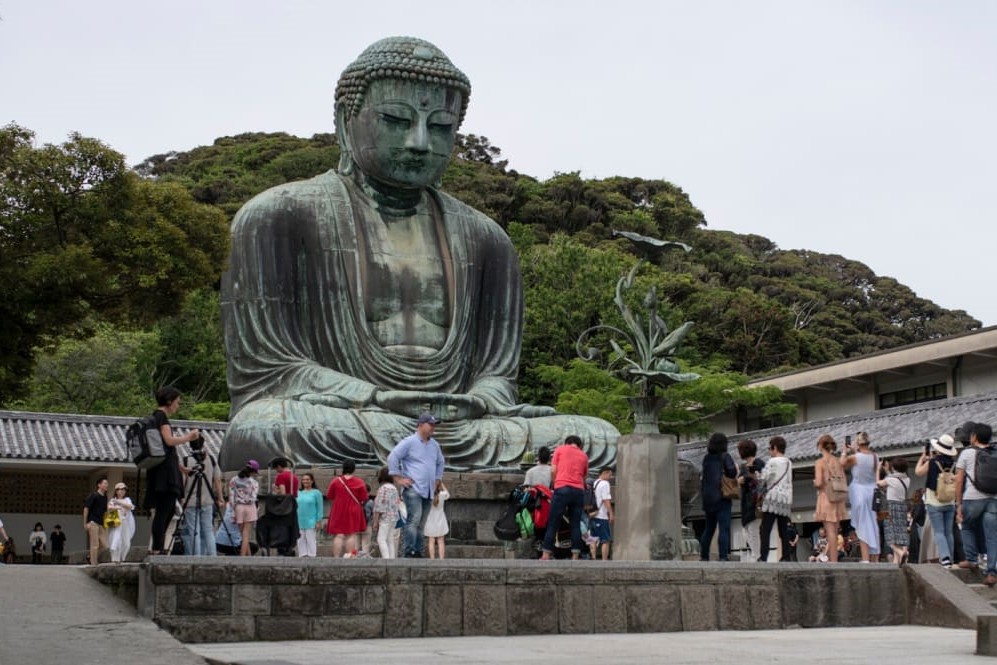
Kamakura is a coastal town known for its historic temples, shrines, and the Great Buddha statue. It's a great place to experience traditional Japanese culture.
Hakone
90 km (56 miles) from Tokyo • Full day or overnight
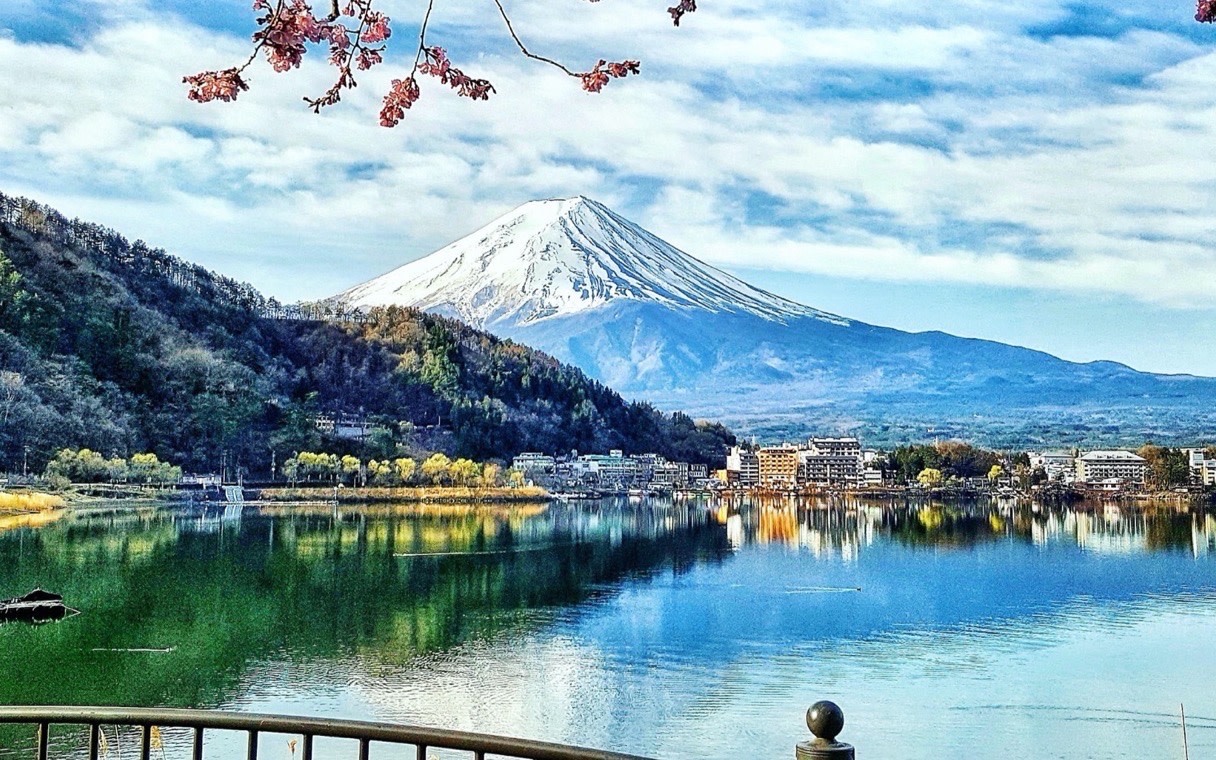
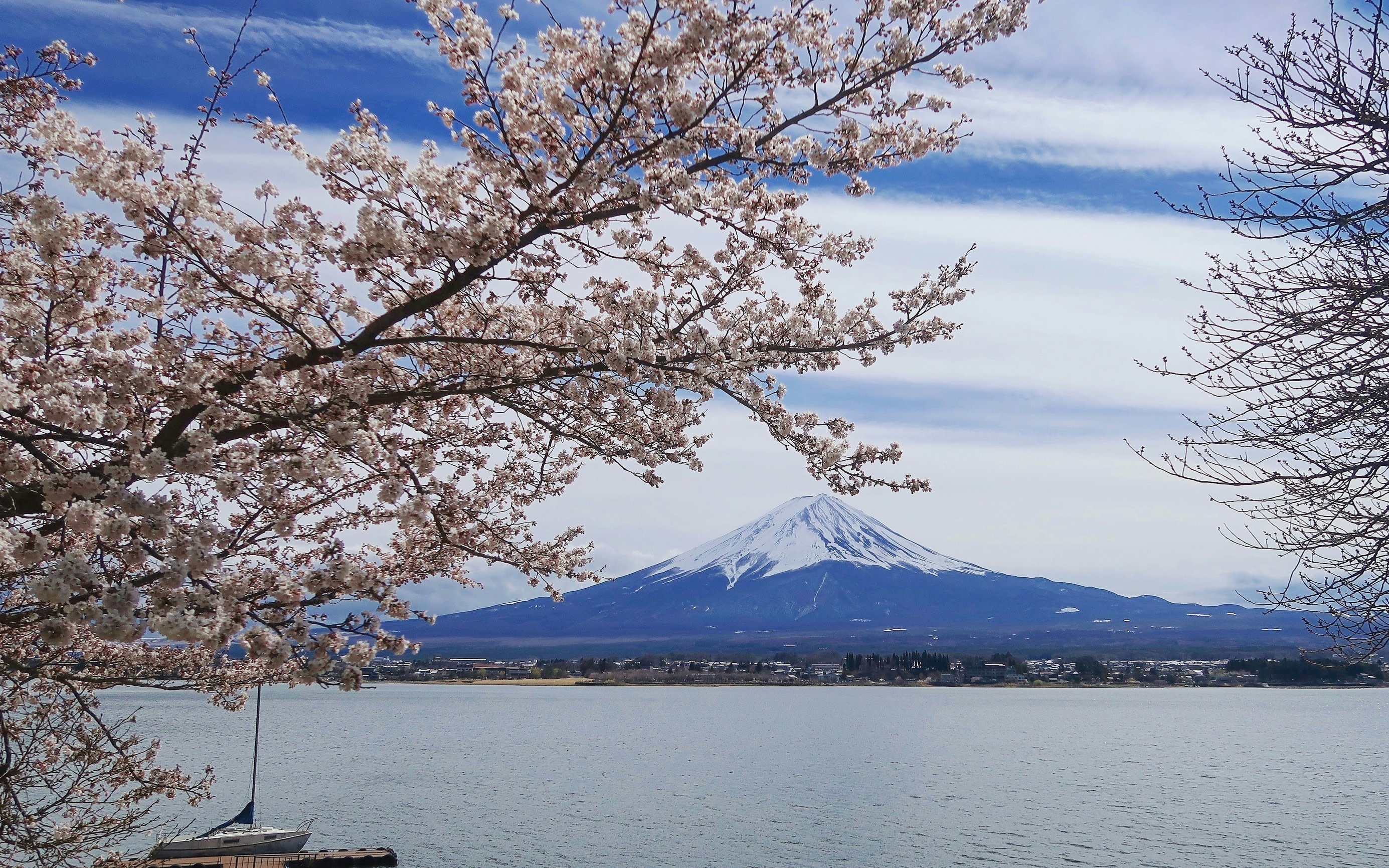
Hakone is a hot spring resort town known for its onsen (hot springs), scenic views of Mount Fuji, and the Open-Air Museum. It's a popular destination for relaxation and nature.
Festivals
Sannō Matsuri • Mid-June (every 2 years)
Kanda Matsuri • Mid-May (every 2 years)
Sumida River Fireworks Festival • Last Saturday of July
Pro tips
- Use IC cards like Suica or Pasmo for convenient and discounted public transport.
- Download useful apps like Google Maps, Japan Transit Planner, and Japan Travel by Navitime.
- Learn a few basic Japanese phrases to enhance your experience and show respect for the local culture.
- Carry cash, as some smaller shops and restaurants may not accept credit cards.
- Visit popular attractions early in the morning or late in the afternoon to avoid crowds.
From $25
per person
Price varies by option
Secure booking
Free cancellation available
Instant confirmation


![[Mount Fuji Day Trip | Departure from Tokyo] Double Lake Scenery, Classic Attractions, Fireworks Limited Edition | Multiple Options Available, Small Group Exquisite Itinerary](https://res.klook.com/image/upload/activities/fus4hww6mkrkvhahwikb.jpg)