Exploring Corinth: In the Footsteps of the Apostle Paul
Active
6h - 7h
For a full refund, cancel at least 24 hours before the scheduled departure time.
Instant confirmation
Mobile or paper ticket accepted
About this experience
Explore key sites like the vibrant Agora and the iconic Bema, where Paul’s powerful sermons once echoed. Gain unique insights into the clash of cultures between paganism and early Christianity as you explore the magnificent Temple of Apollo. This personalized tour offers a deeper understanding of Paul's life and ministry, leaving you with a profound appreciation for his enduring legacy.
Available options
Exploring Corinth: In the Footsteps of the Apostle Paul
Pickup included
What's included
Bottled water
WiFi on board
Hotel/Airbnb pick up
Air-conditioned vehicle
Knowledgeable, English speaking tour driver
Detailed itinerary
1
The Isthmus of Corinth is a narrow strip of land that connects the Peloponnese peninsula to mainland Greece. It's famous for the Corinth Canal, a remarkable feat of engineering that cuts through the isthmus, creating a shortcut between the Ionian and Aegean Seas
2
The Diolkos was an ancient paved trackway from 6 century BC that crossed the Isthmus of Corinth in Greece. It was used to transport ships overland, allowing them to avoid the long and dangerous sea voyage around the Peloponnese peninsula.
3
The ancient port of Cenchreae was one of the two main harbors of Corinth, a powerful city-state in ancient Greece. Located on the Saronic Gulf, Cenchreae served as a vital hub for trade and transportation.It was also a significant early Christian site, mentioned in the New Testament as the place where the Apostle Paul embarked on his final journey to Ephesus.
4
Pass by:
• Glauke fountain
• Temple of Apollo
• Ancient Theatre
• Roman odeon
• Temple E
• Bema
• Peirene fountain
The Apostle Paul spent considerable time in Corinth, as documented in the Acts of the Apostles (Acts 18:1-18). He established a Christian community there, and his letters to the Corinthians (1 Corinthians and 2 Corinthians) provide valuable insights into the challenges and triumphs of the early church.
5
The museum features a collection of pottery, jewelry, and other artifacts that provide a comprehensive overview of Corinth's cultural and economic significance.
6
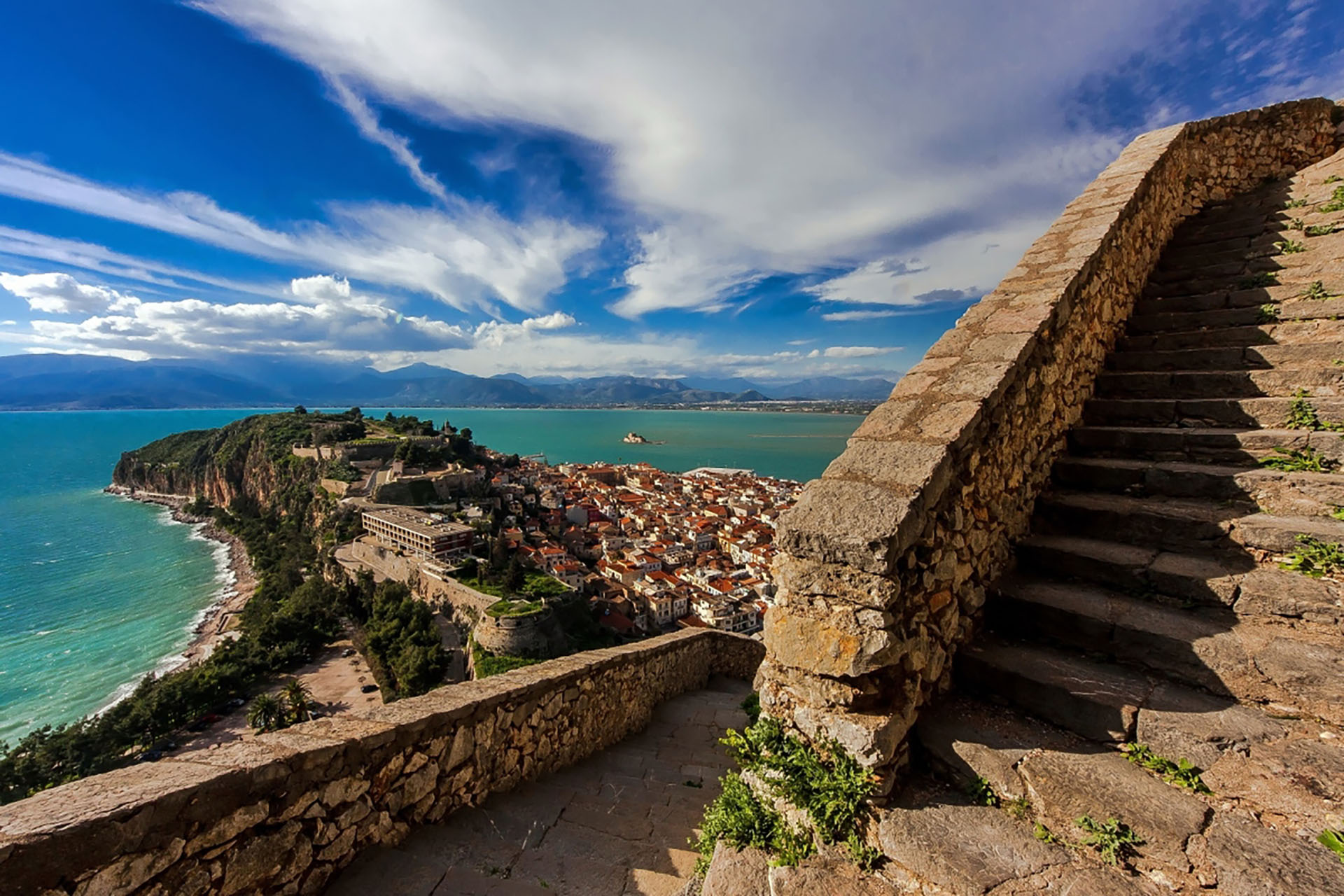
A towering citadel overlooking the city, offering breathtaking views and housing ancient fortifications.
7
A church dedicated to Saint Paul within the heart of ancient Corinth offers a unique and moving experience. A captivating mosaic by Pastorutti and Tsotsonis, depicting the Apostle's journey, invites contemplation and connects visitors to the rich history of this sacred site
What's not included
Licensed tour guide to accompany you into archeological sites
Entrance Fees to archeological sites and museums
Food and snacks
Airport pick up/drop off comes with additional cost
Reviews breakdown
Viator
5.0
1 reviews
5★
1
4★
0
3★
0
2★
0
1★
0
Tripadvisor
4.8
4 reviews
5★
3
4★
1
3★
0
2★
0
1★
0
Important information
Public transportation options are available nearby
Suitable for all physical fitness levels
Child seat upon request
About Athens
Athens, the capital of Greece, is a city rich in history and culture, often considered the cradle of Western civilization. It is home to iconic ancient landmarks, vibrant neighborhoods, and a thriving modern scene.
Top Attractions
Acropolis of Athens
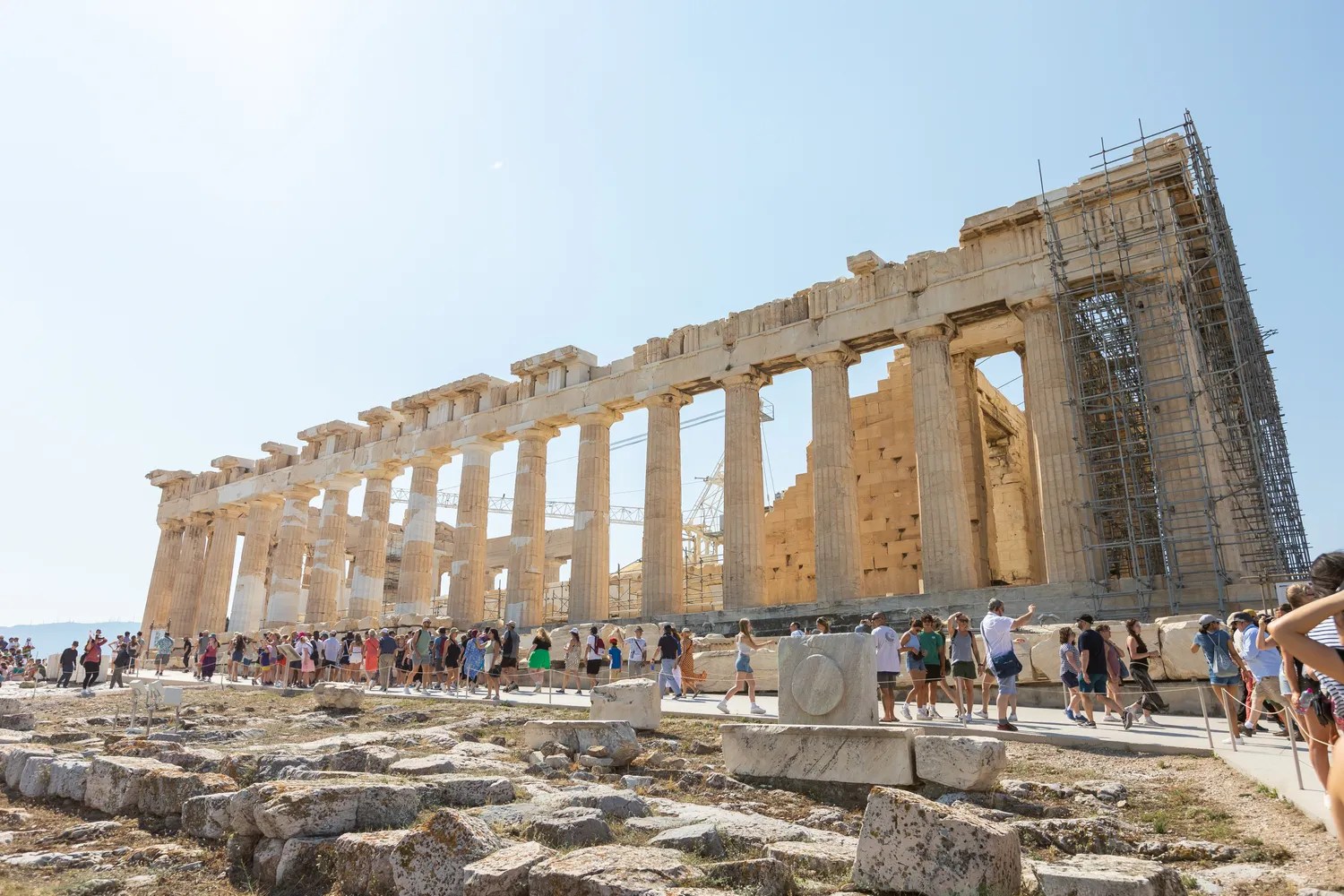
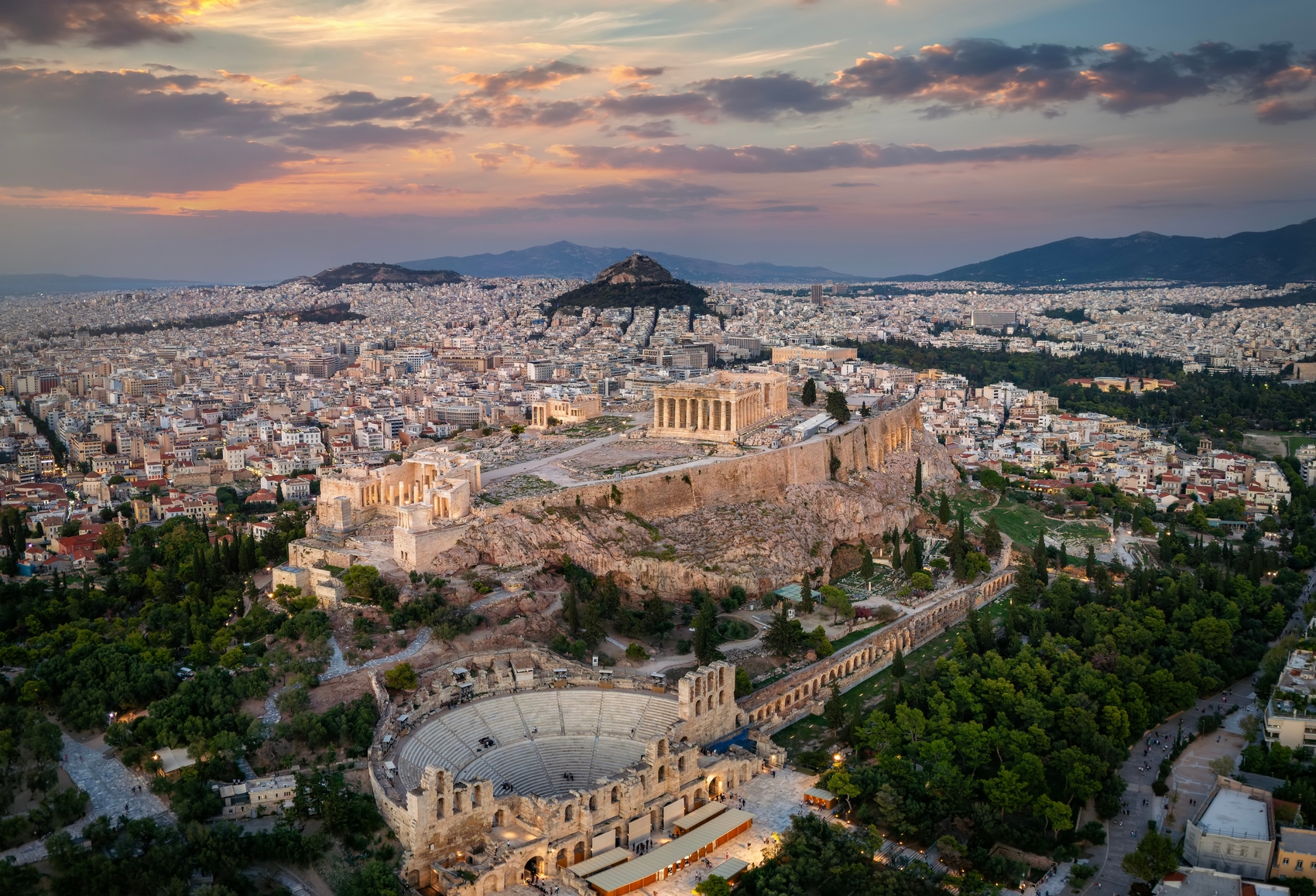
The Acropolis is the most iconic landmark in Athens, featuring ancient ruins and temples, including the Parthenon.
Historical
2-3 hours
€20 (combined ticket for multiple sites)
Ancient Agora of Athens
The heart of ancient Athens, featuring the Temple of Hephaestus and the Stoa of Attalos.
Historical
1-2 hours
€8 (included in the combined ticket)
Plaka
A charming, historic neighborhood with narrow streets, neoclassical houses, and vibrant nightlife.
Cultural
2-3 hours
Free to explore
Acropolis Museum
A modern museum showcasing artifacts from the Acropolis and its surroundings.
Museum
1-2 hours
€10
Temple of Olympian Zeus
An ancient temple dedicated to Zeus, once the largest temple in Greece.
Historical
30 minutes to 1 hour
€6 (included in the combined ticket)
Must-Try Local Dishes
Moussaka
A baked dish with layers of eggplant, minced meat, and béchamel sauce.
Dinner
Vegetarian versions available
Souvlaki
Grilled meat skewers, often served with pita bread and tzatziki.
Snack
Can be made with chicken, pork, or vegetarian options
Tzatziki
A yogurt-based dip with cucumber, garlic, and herbs.
Snack
Vegetarian and vegan options available
Baklava
A sweet pastry made with layers of filo, nuts, and honey syrup.
Dessert
Vegetarian
Popular Activities
Hiking in the mountains
Rock climbing
Scuba diving
Beach visits
Spa treatments
Café hopping
Museum visits
Theater performances
Best Time to Visit
April to June, September to October
The best time to visit Athens is during the spring and autumn months when the weather is pleasant and the tourist crowds are smaller.
18°C to 32°C
64°F to 90°F
Practical Information
Language
- Official: Greek
- Widely spoken: English, French, German
- English: Moderately spoken
Currency
Euro (EUR)
Time Zone
GMT+2 (EET)
Electricity
230VV, 50HzHz
Safety Information
Overall Safety Rating: Generally safe
Athens is generally safe for travelers, but petty crime and pickpocketing can occur in tourist areas. Be cautious with your belongings and avoid poorly lit areas at night.
Important Precautions:
- • Keep valuables secure
- • Use licensed taxis or ride-sharing apps
- • Be cautious with ATMs and credit cards
Getting there
By air
- Eleftherios Venizelos International Airport • 30 km from city center
By train
Athens Central Railway Station
By bus
KTEL Bus Station
Getting around
Public transport
Clean, efficient, and air-conditioned. Easy to navigate with clear signage in English.
Taxis
Available • Apps: Beat, Uber
Rentals
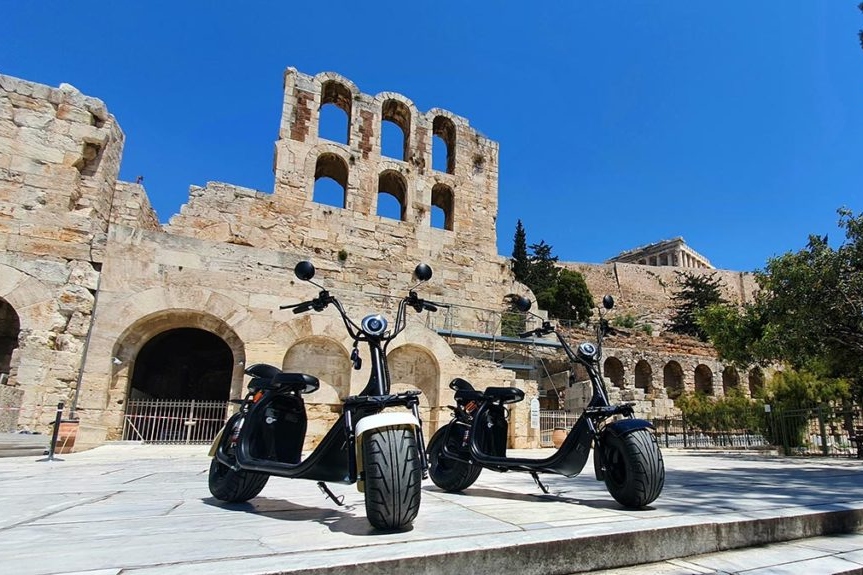
Car, Bike, Scooter
Neighborhoods
Plaka
Monastiraki
Psiri
Koukaki
Kolonaki
Day trips
Cape Sounion
65 km from Athens • Half day to full day
A scenic coastal area featuring the Temple of Poseidon with stunning views of the Aegean Sea.
Delphi
180 km from Athens • Full day
An ancient archaeological site and home to the famous Oracle of Delphi.
Meteora
350 km from Athens • Overnight
A unique landscape featuring rock formations and medieval monasteries perched atop cliffs.
Festivals
Athens Festival • May to October
Athens Epidaurus Festival • June to August
Athens International Film Festival • October
Pro tips
- Visit major attractions early in the morning or late in the afternoon to avoid crowds and heat
- Use the metro for easy and efficient travel around the city
- Explore local neighborhoods for an authentic Greek experience
- Try local street food for a quick and delicious meal
- Learn a few basic Greek phrases to enhance your experience and connect with locals
From $25
per person
Price varies by option
Secure booking
Free cancellation available
Instant confirmation