Kyoto Private Sightseeing Tours with English Speaking Driver
Active
10h
For a full refund, cancel at least 24 hours before the scheduled departure time.
Instant confirmation
Mobile or paper ticket accepted
About this experience
This guided tour offers an unforgettable adventure through some of Japan’s most renowned cultural and spiritual sites. you will explore inspiring temples, and lively shrines, immersing yourself in the rich history and stunning beauty of Japan's ancient traditions.
Available options
Kyoto Private Sightseeing Tours with English Speaking Driver
Pickup included
What's included
Private transportation
Pick-up and Drop-off to Hotel
English-Speaking Driver
Air-conditioned vehicle
Complimentary pickup is available from three cities: Kyoto, Osaka and Nara.
Detailed itinerary
1
Stop 1
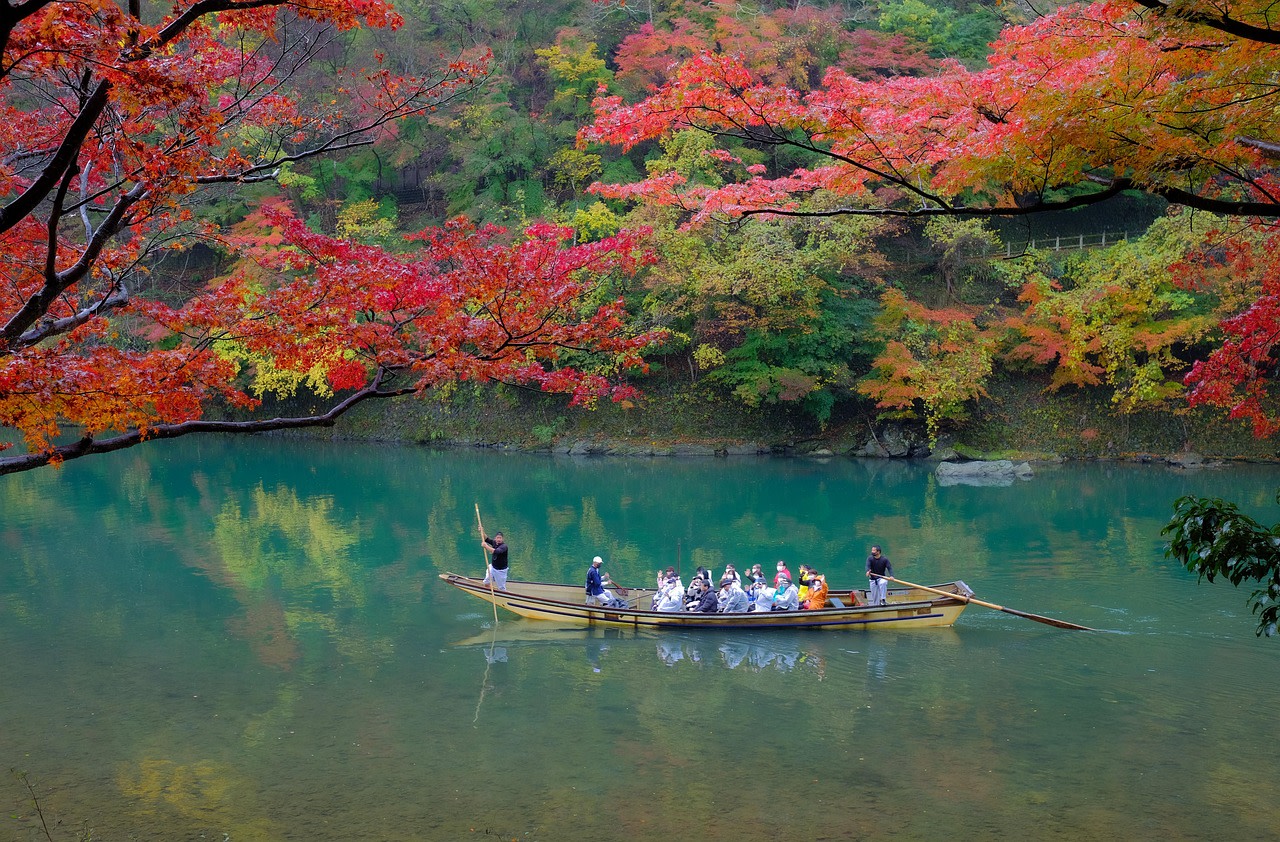
TOGETSUKYO BRIDGE The most recognizable feature of Arashiyama is the Togetsukyo Bridge, also known as the "Moon Crossing Bridge". It was most recently rebuilt in the 1930s after being created during the Heian Period (794–1185). The bridge appears especially lovely against the backdrop of the wooded slope. Adjacent to the bridge is a riverbank park dotted with scores of cherry trees. HAMMOOSE GROVES Nice walks and bicycle rides can be had along the walking routes that go through the bamboo trees. When there is a light wind and the long bamboo stalks softly move back and forth, the woods become very picturesque. Bamboo has been utilized for generations in local workshops to make a variety of goods, including mats, cups, boxes, and baskets.
2
Stop 2
Sanjusangendo Sanj sangend is the prevalent title for Rengeo in, a sanctuary in eastern Kyoto which is celebrated for its 1001 statues of Kannon, the goddess of leniency . The sanctuary was established in 1164 and modified a century afterward after the first structure had been devastated in a fire. Measuring 120 meters, the sanctuary lobby is Japan s longest wooden structure. The title Sanjusangendo truly 33 interims determines from the number of interims between the building s back columns, a conventional strategy of measuring the size of a building.
This is optional.
3
Stop 3
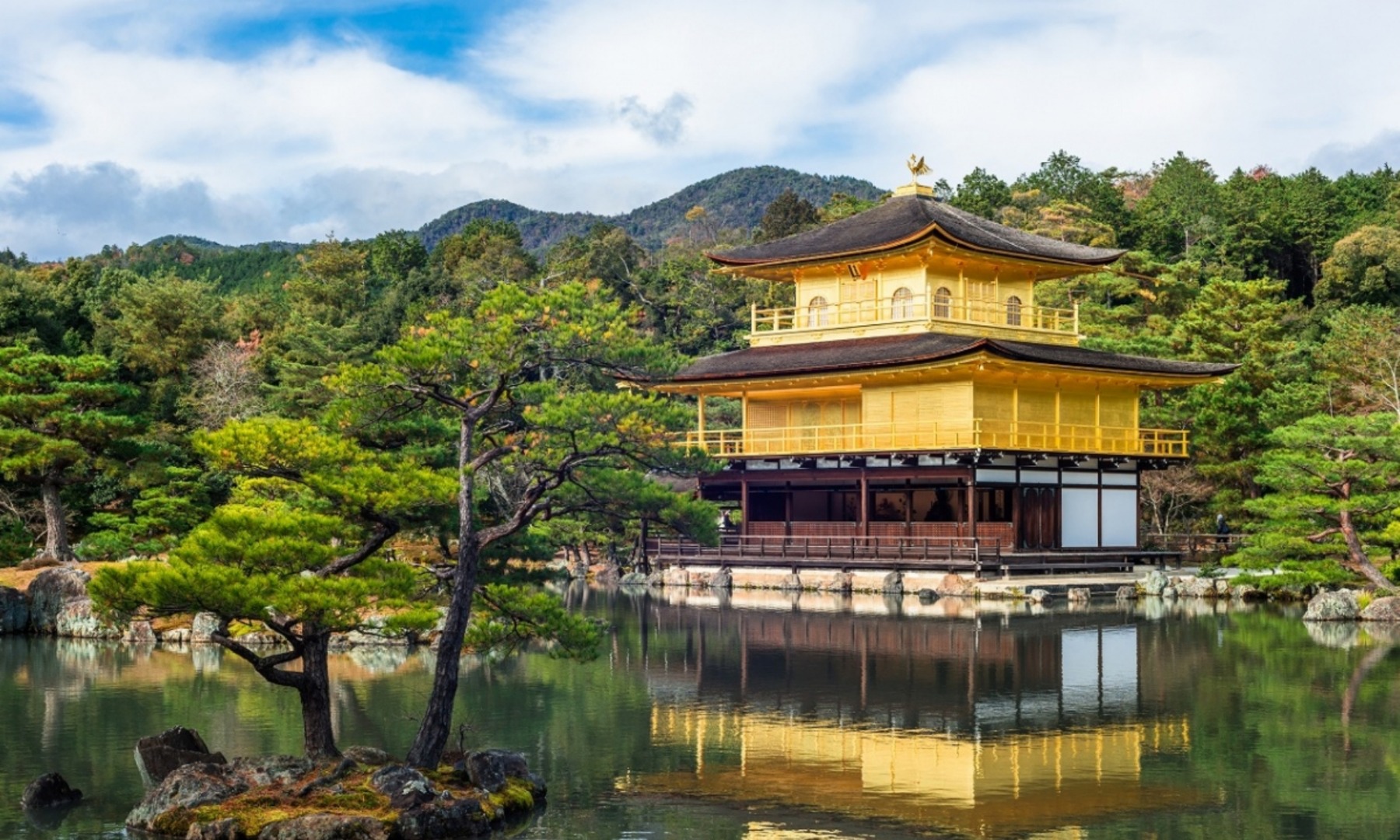
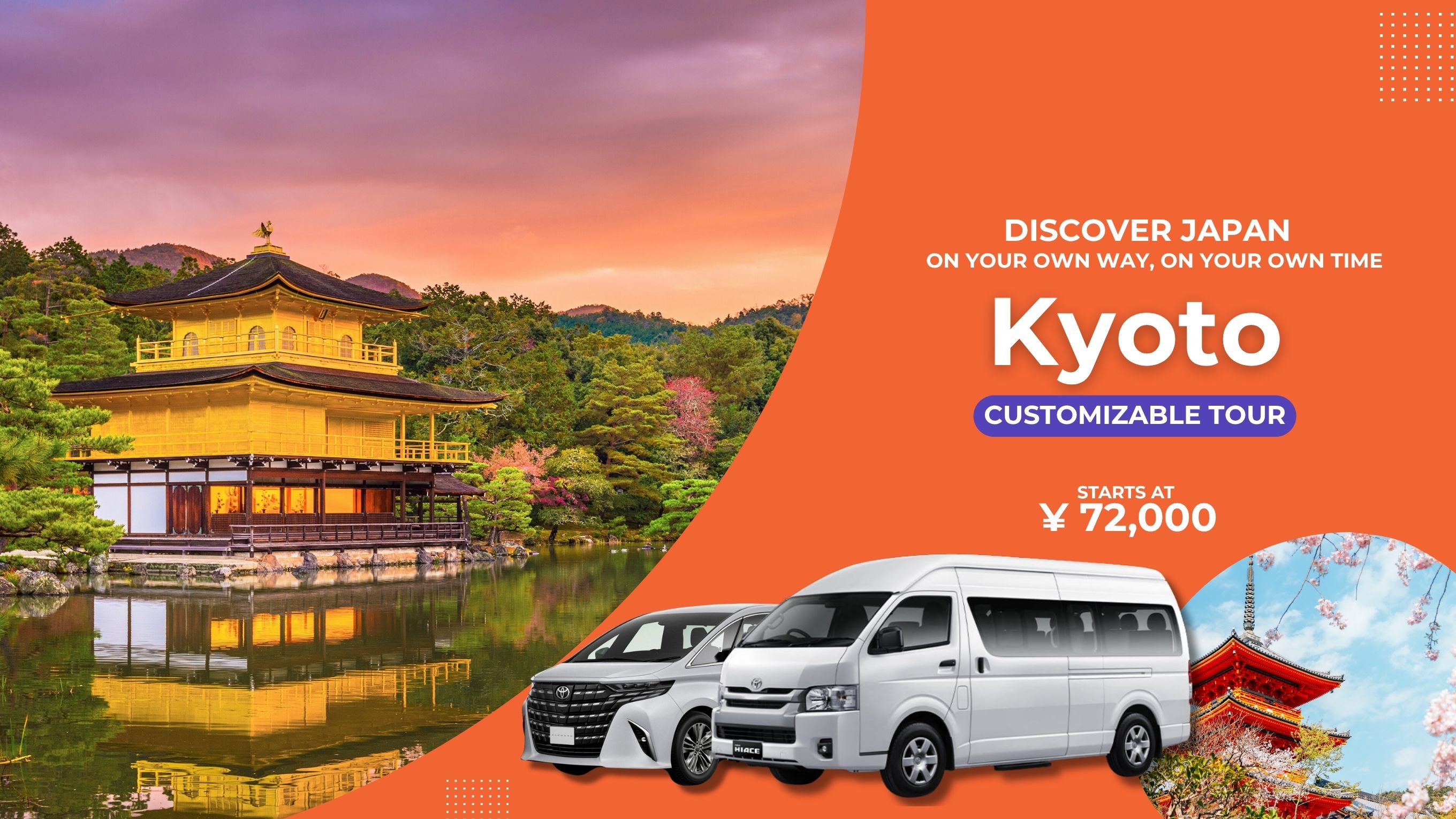
The upper two floors of the Zen temple Kinkakuji (Golden Pavilion), located in northern Kyoto, are entirely coated with gold leaf. Originally called Rokuonji, the temple served as Ashikaga Yoshimitsu's retirement residence. Following his death in 1408, the shogun left it as a Zen temple belonging to the Rinzai sect. Ashikaga Yoshimasa, the grandson of Yoshimitsu, erected Ginkakuji (Silver Pavilion) on the opposite side of the city a few decades after seeing Kinkakuji. The only remaining building from Yoshimitsu's former retirement community is Kinkakuji, an elegant temple erected overlooking a big pond. Throughout its history, it has burned down multiple times, twice during the Onin War, a civil war.
4
Stop 4
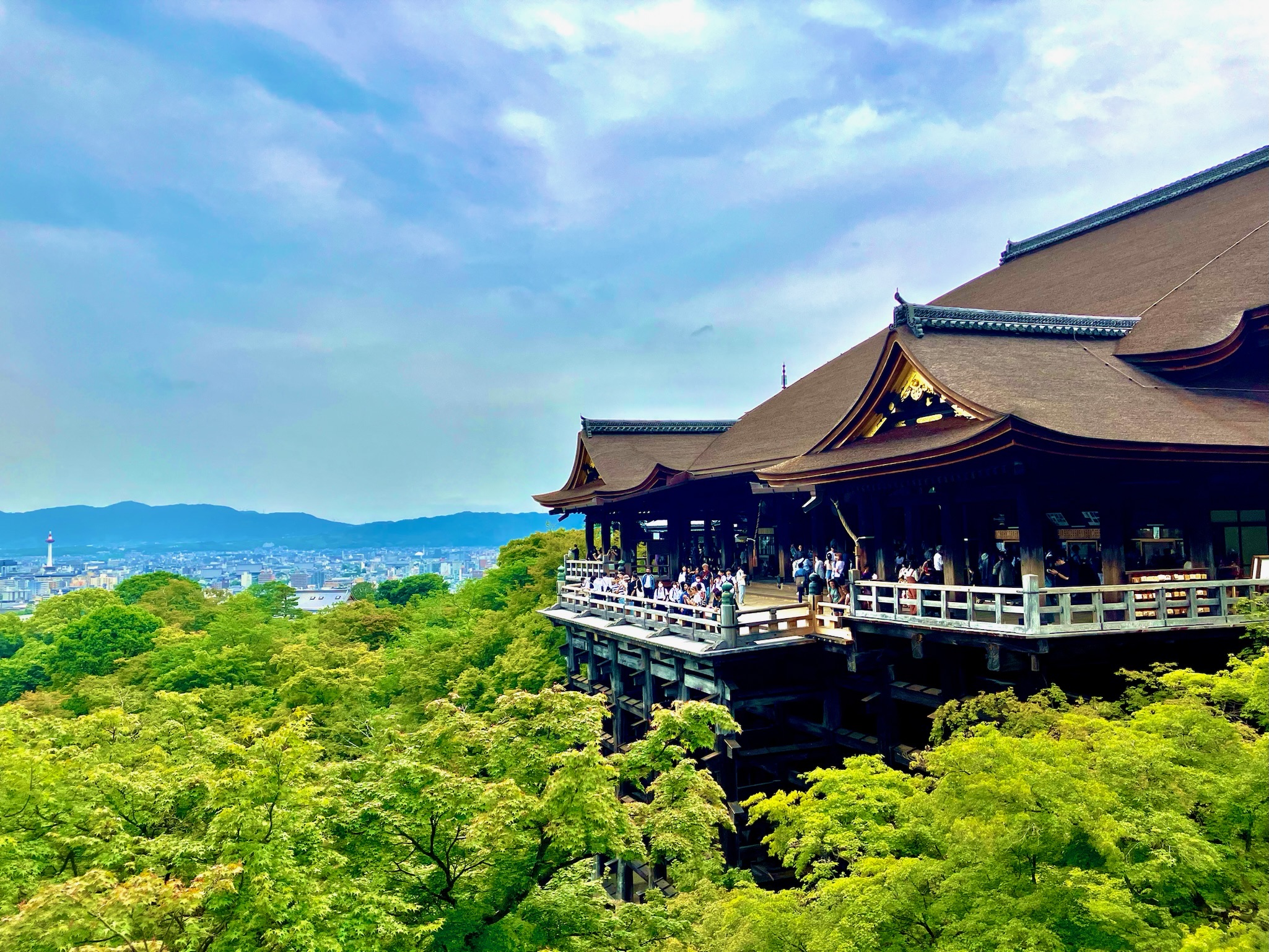
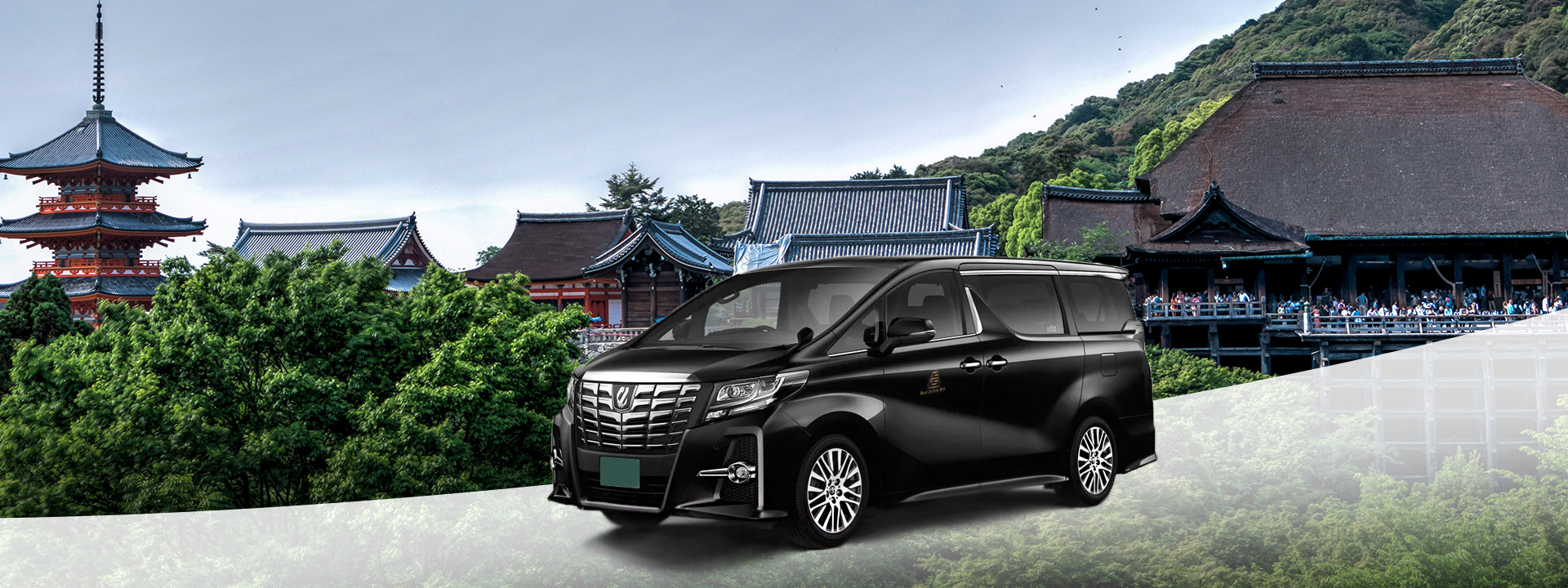
One of Japan's most well-known temples is Kiyomizudera, which translates to "Pure Water Temple". It got its name from the pristine waters of the Otowa Waterfall, which is located on the forested hillsides east of Kyoto, where it was established in 780. The temple established the Kita Hosso sect in 1965 after first being connected to the Hosso sect, one of the oldest schools of Japanese Buddhism. The temple was included as a UNESCO World Heritage Site in 1994. The most notable feature of Kiyomizudera is its wooden stage, which protrudes 13 meters over the surrounding hillside from the main hall. Visitors can enjoy a pleasant view of the many cherry and maple trees below, which burst into a sea of color, from the stage.
5
Stop 5
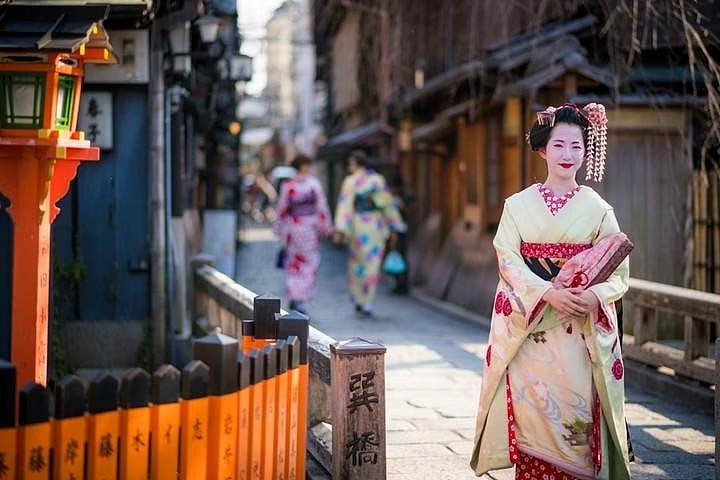
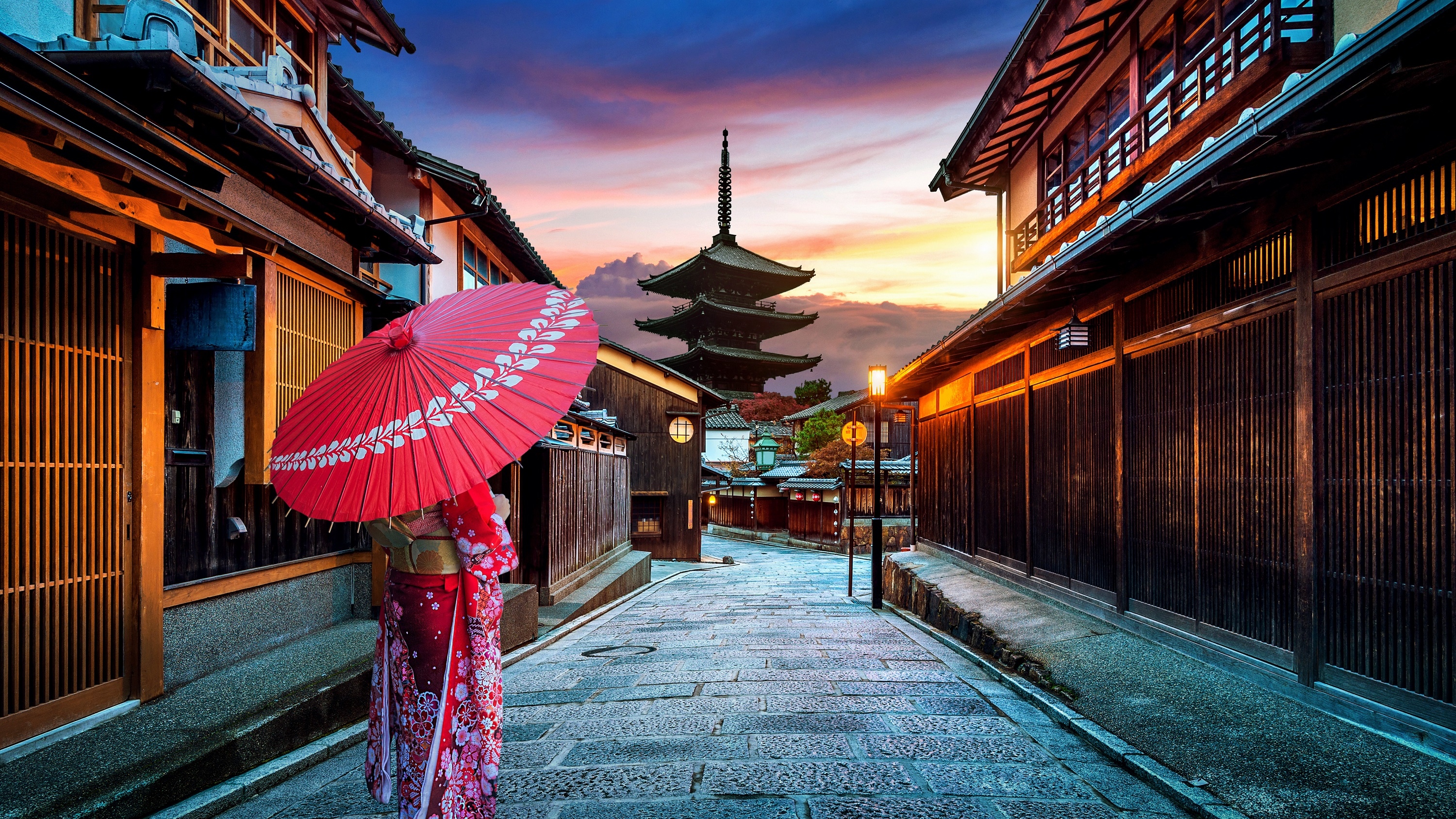
Gion, the most well-known geisha neighborhood in Kyoto, is situated along Shijo Avenue between the Kamo River to the west and Yasaka Shrine to the east. Shops, restaurants, and ochaya (teahouses) abound, offering entertainment by geiko (Kyoto's dialect for geisha) and maiko (geiko apprentices). Gion's significant concentration of classic wooden machiya merchant houses draws tourists. The homes were constructed with slender facades that are only five to six meters wide but extend up to twenty meters in from the street because property taxes were previously determined by street frontage. Hanami-koji Street, which runs from Shijo Avenue to Kenninji Temple, is the busiest section of Gion. The street and its side alleyways are lined with beautiful, lovely, and pricey places to eat.
6
Stop 6
Nishiki Market (Nishiki Ichiba) is a narrow, five block long shopping street lined by more than one hundred shops and restaurants. Known as "Kyoto's Kitchen", this lively retail market specializes in all things food related, like fresh seafood, produce, knives and cookware, and is a great place to find seasonal foods and Kyoto specialties, such as Japanese sweets, pickles, dried seafood and sushi. Nishiki Market has a pleasant but busy atmosphere that is inviting to those who want to explore the variety of culinary delights that Kyoto is famous for. The stores found throughout the market range in size from small narrow stalls to larger two story shops. Most specialize in a particular type of food, and almost everything sold at the market is locally produced.
7
Stop 7
The Kyoto Imperial Palace (Kyōto Gosho) used to be the residence of Japan's Imperial Family until 1868, when the emperor and capital were moved from Kyoto to Tokyo. It is located in the spacious Kyoto Imperial Park (Kyōto Gyoen), an attractive park in the center of the city that also encompasses the Sento Imperial Palace and a few other attractions. The current Imperial Palace was reconstructed in 1855 after it had burnt down and moved around town repeatedly over the centuries. The complex is enclosed by long walls and consists of several gates, halls and gardens. The enthronement ceremonies of Emperors Taisho and Showa were still held in the palace's main hall. Tokyo Imperial Palace is now used for enthronement ceremonies.
This is optional
8
Stop 8
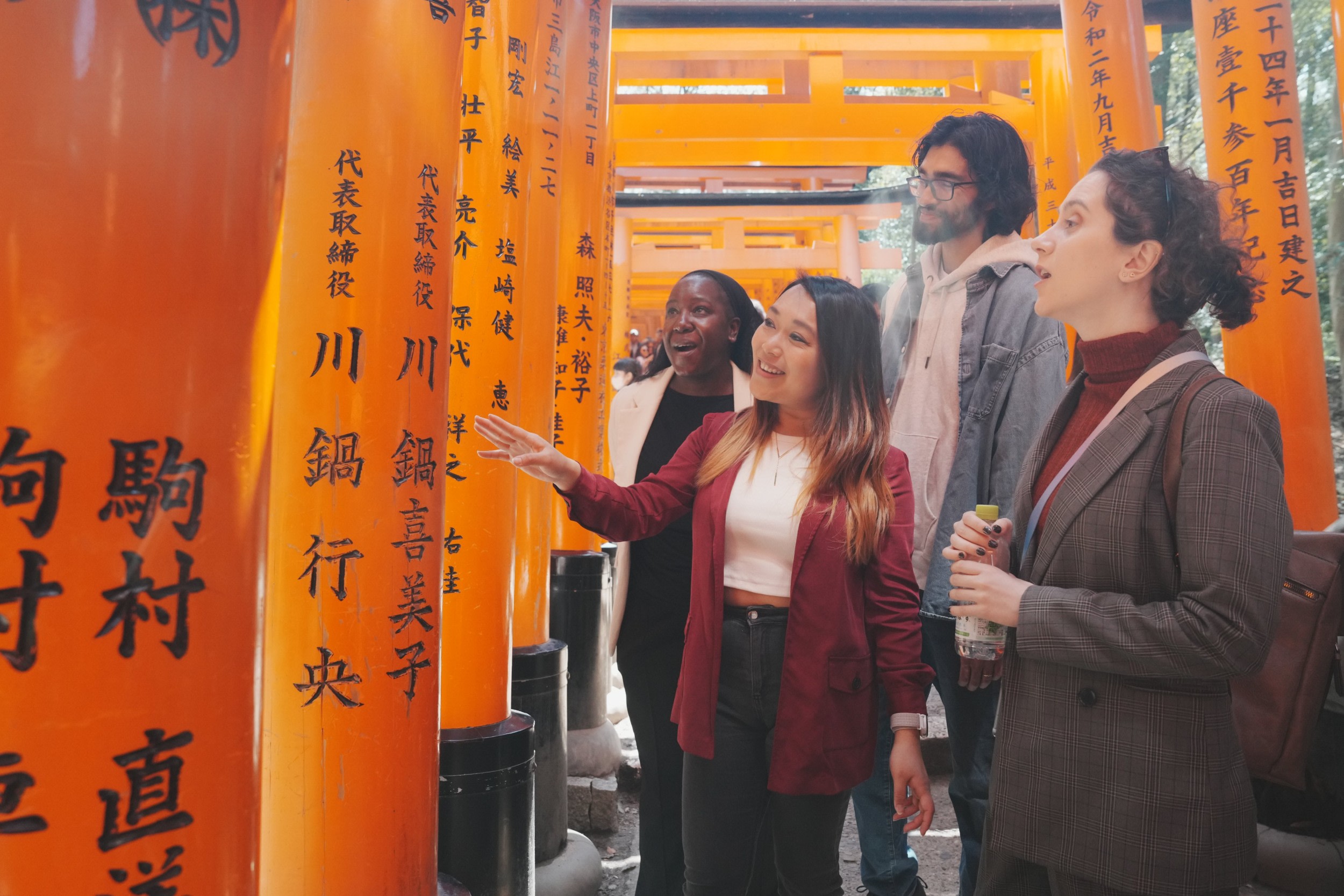
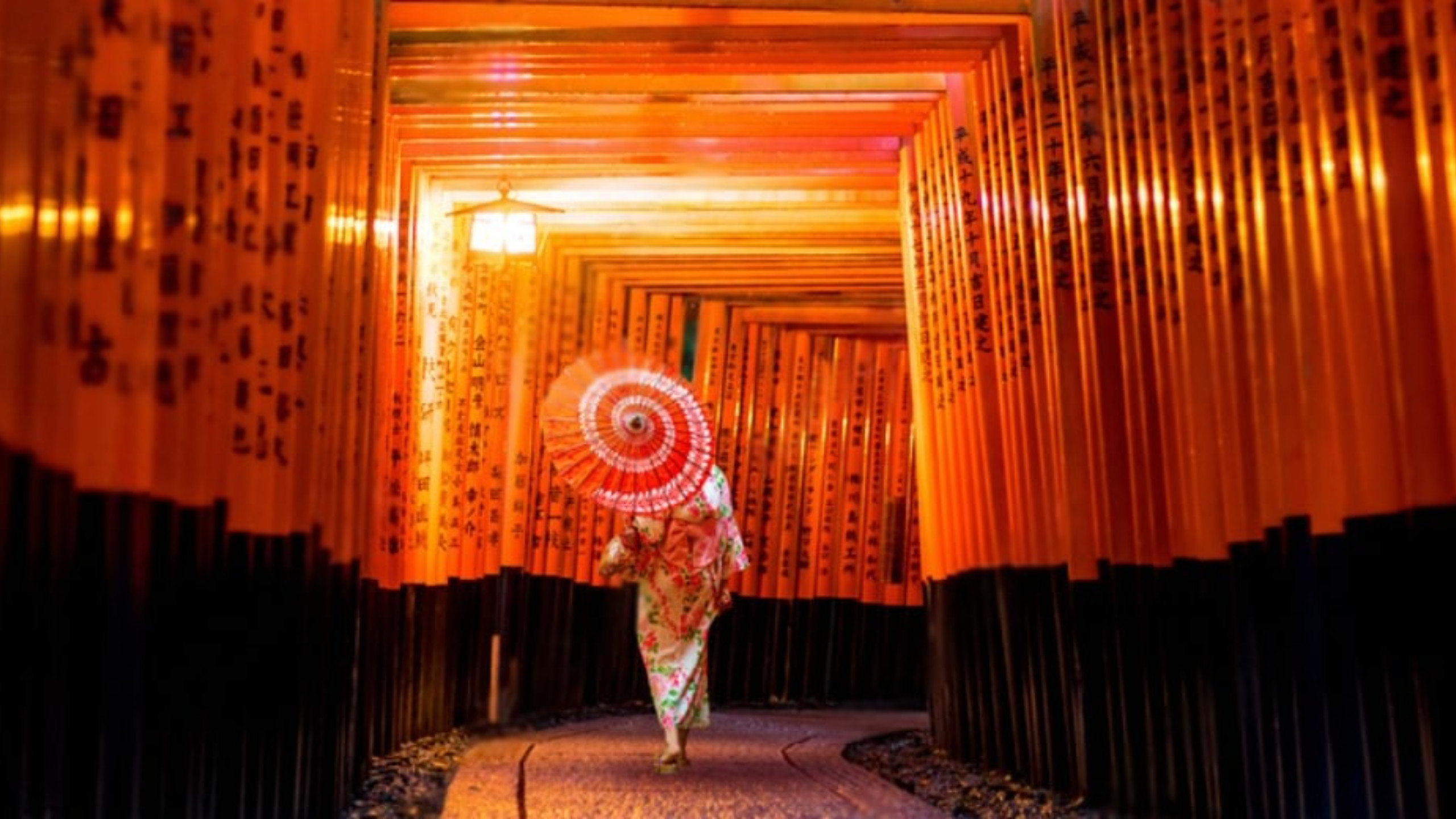
A significant Shinto shrine located in southern Kyoto is called Fushimi Inari Shrine (Fushimi Inari Taisha). It is well-known for the thousands of red torii gates that cross a system of paths that run behind the major structures. The paths lead into the forested area of the holy Mount Inari, which is located on the shrine grounds and rises to a height of 233 meters. Of the thousands of shrines devoted to Inari, the Shinto god of rice, Fushimi Inari is the most significant. Since foxes are believed to be Inari's messengers, there are numerous fox statues scattered across the shrine grounds. The history of Fushimi Inari Shrine dates back to a time before Kyoto became the capital in 794. While exploring the mountain paths is the main reason most international visitors come to Fushimi Inari shrine.
What's not included
Any Special Ride or Cruise not included in this package.
Lunch
Entry tickets
Available languages
Guide guide
EN
Important information
Wheelchair accessible
Infants and small children can ride in a pram or stroller
Service animals allowed
Public transportation options are available nearby
Infants are required to sit on an adult’s lap
Transportation options are wheelchair accessible
All areas and surfaces are wheelchair accessible
Suitable for all physical fitness levels
Confirmation will be received at time of booking
Near public transporation
Most travelers can participate
About Kyoto
Kyoto, once the imperial capital of Japan, is a city rich in history, culture, and tradition. Known for its numerous classical Buddhist temples, as well as gardens, imperial palaces, Shinto shrines, and traditional wooden houses, Kyoto offers a unique blend of ancient and modern Japan. The city is a must-visit for travelers seeking to experience the heart of Japanese heritage.
Top Attractions
Kinkaku-ji (Golden Pavilion)
A Zen Buddhist temple covered in gold leaf, Kinkaku-ji is one of Kyoto's most iconic landmarks. The temple's top two floors are completely covered in gold leaf, reflecting beautifully on the surrounding pond.
Historical/Religious
1-2 hours
¥400
Fushimi Inari Taisha
Famous for its thousands of vermilion torii gates, Fushimi Inari Taisha is a Shinto shrine dedicated to Inari, the god of rice. The trails leading up the mountain offer stunning views of Kyoto.
Religious
2-4 hours (depending on how far you hike)
Free
Kiyomizu-dera
A historic wooden temple with a large veranda supported by massive wooden pillars, Kiyomizu-dera offers panoramic views of Kyoto. The temple is particularly famous for its spring and autumn foliage.
Religious
1-2 hours
¥400
Arashiyama Bamboo Grove
A stunning grove of bamboo, Arashiyama is one of Kyoto's most famous natural attractions. The towering bamboo stalks create a surreal and peaceful atmosphere.
Nature
1-2 hours
Free (Tenryu-ji Temple costs ¥500)
Gion
Kyoto's most famous geisha district, Gion is known for its traditional wooden machiya houses, teahouses, and the chance to spot geishas and maikos (apprentice geishas).
Cultural
1-2 hours (longer if dining or attending a cultural event)
Free to explore (dining and cultural events can be expensive)
Must-Try Local Dishes
Kaiseki Ryori
A traditional multi-course Japanese meal that emphasizes seasonality and presentation. Each dish is carefully prepared and artfully presented.
Dinner
Often includes fish, meat, and vegetables, but vegetarian options are available.
Yudofu (Tofu Hot Pot)
A Kyoto specialty featuring tofu simmered in a light kombu (kelp) broth, often served with vegetables and condiments.
Lunch/Dinner
Vegetarian-friendly, can be made vegan if broth is vegetable-based.
Matcha Desserts
Kyoto is famous for its high-quality matcha (green tea) powder, used in various desserts like ice cream, parfaits, and wagashi (traditional sweets).
Dessert
Vegetarian and vegan options available.
Obanzai
Home-style Kyoto dishes made with fresh, local ingredients, often featuring vegetables, fish, and tofu.
Lunch/Dinner
Can be adapted to various dietary preferences.
Popular Activities
Hiking in the mountains
Cycling through the countryside
Rafting on the Hozu River
Onsen (hot spring) visits
Tea ceremonies
Scenic walks in gardens and parks
Temple and shrine visits
Traditional tea ceremonies
Best Time to Visit
March to May (Spring), October to November (Autumn)
Spring and autumn offer pleasant weather and are the best times to visit for cherry blossoms and autumn foliage. These seasons also see the highest tourist volumes.
15°C to 25°C (Spring), 10°C to 20°C (Autumn)
59°F to 77°F (Spring), 50°F to 68°F (Autumn)
Practical Information
Language
- Official: Japanese
- Widely spoken: English (limited)
- English: Limited/Rare
Currency
Japanese Yen (JPY)
Time Zone
JST (UTC+9)
Electricity
100VV, 50/60HzHz
Safety Information
Overall Safety Rating: Very safe
Kyoto is a very safe city with a low crime rate. Violent crime is rare, and petty crime is uncommon. However, as with any tourist destination, it's important to take basic precautions to protect yourself and your belongings.
Important Precautions:
- • Keep valuables secure and out of sight
- • Be cautious of your surroundings, especially in crowded areas
- • Use reputable tour operators and taxis
Getting there
By air
- Kansai International Airport • 115 km from Kyoto
- Osaka International Airport (Itami) • 40 km from Kyoto
By train
Kyoto Station
By bus
Kyoto Station Bus Terminal
Getting around
Public transport
Buses are the most extensive and affordable way to get around Kyoto. They cover most areas of the city and are especially useful for reaching temples and shrines.
Taxis
Available • Apps: JapanTaxi, INDRIVER
Rentals
Car, Bike, Scooter
Neighborhoods
Gion
Higashiyama
Arashiyama
Downtown Kyoto (Shijo-Kawaramachi)
Day trips
Nara
40 km from Kyoto • Half day to full day
Nara is a historic city known for its ancient temples, shrines, and the famous Nara Park, home to hundreds of free-roaming deer.
Uji
20 km from Kyoto • Half day
Uji is a small city known for its historic temples, beautiful riverside scenery, and high-quality matcha (green tea).
Kurama and Kibune
25 km from Kyoto • Full day
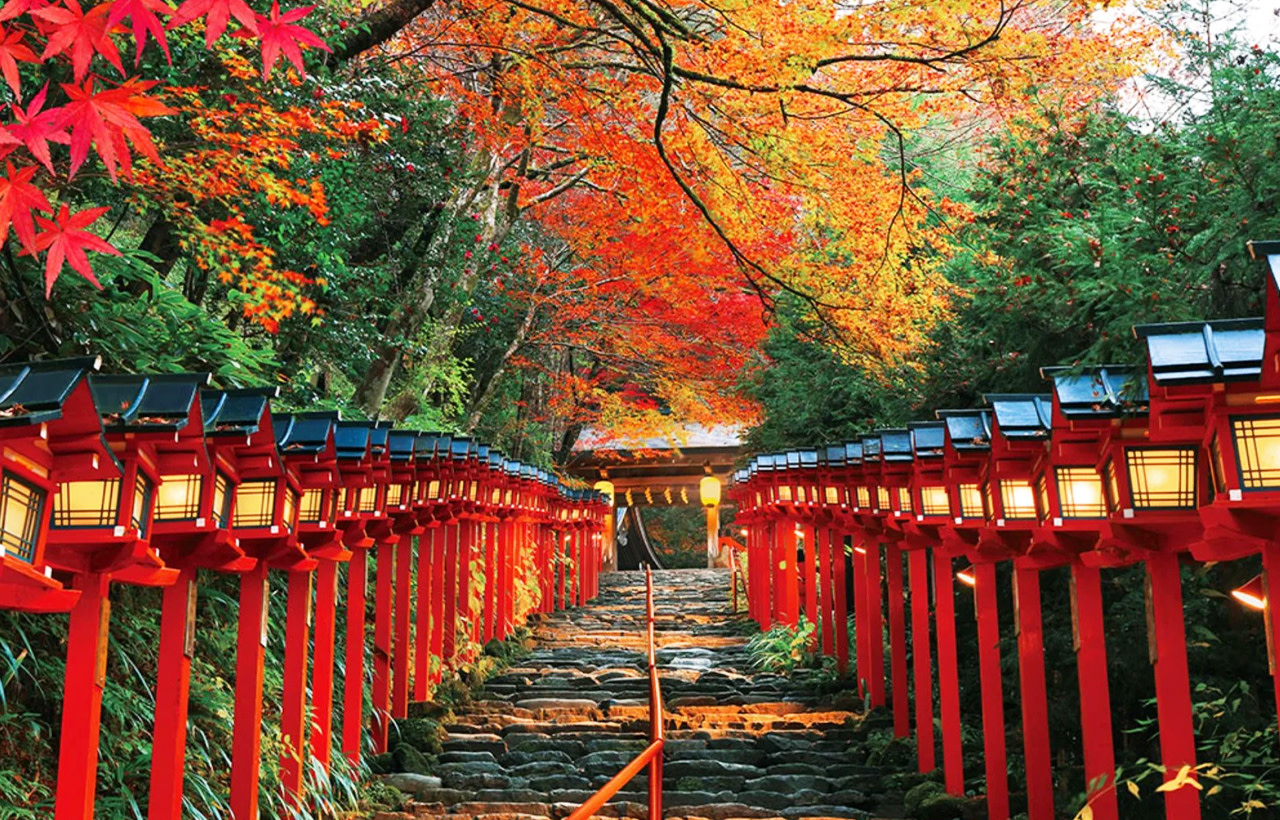
Kurama and Kibune are two neighboring villages in the mountains north of Kyoto, known for their hot springs, hiking trails, and scenic beauty.
Festivals
Gion Matsuri • July (main events on July 17th and 24th)
Jidai Matsuri • October 22nd
Aoi Matsuri • May 15th
Pro tips
- Visit popular attractions like Fushimi Inari Taisha and Kinkaku-ji early in the morning or late in the afternoon to avoid crowds.
- Consider purchasing a Kyoto City Bus Pass or other transportation passes to save money on getting around the city.
- Try local specialties like yudofu (tofu hot pot), matcha desserts, and obanzai (home-style Kyoto dishes).
- Explore the city's many temples and shrines, but don't forget to take time to enjoy the natural beauty of Kyoto's gardens and parks.
- Learn a few basic Japanese phrases to enhance your experience and show respect for local customs and traditions.
From $25
per person
Price varies by option
Secure booking
Free cancellation available
Instant confirmation