Buda Castle Tour: History and Architecture
Active
3h
For a full refund, cancel at least 24 hours before the scheduled departure time.
Instant confirmation
Mobile or paper ticket accepted
About this experience
Explore the Castle District in Full Scale – from its medieval foundations to its present day life, and from the southern tip to the northern walls!
Go beyond postcard views: this expert-led walking tour reveals the Castle District’s full length and full story. From its 13th-century beginnings to its 21st-century role, you’ll explore the history of the Royal Palace, Matthias Church, Fisherman’s Bastion, hidden courtyards, monastic remains, and overlooked corners most visitors miss.
Led by a licensed archaeologist-historian tour guide. Instead of a simple left-right sightseeing walk it offers a structured narrative like how communities lived, where they worshipped, what their daily life was like, and how centuries of change shaped today’s Castle District. More than photo opportunities, it offers a deeper understanding of Buda’s past and present.
⚠️PLEASE WEAR COMFORTABLE WALKING SHOES⚠️
Flip-flops, high heels, or other uncomfortable footwear are not recommended and may be hazardous.
Available options
Buda Castle Tour - Night Tour
Duration: 2 hours 45 minutes<br/>Night tour: Experience the magic of Buda Castle after dark on this expertly guided night tour<br/>Licensed Guided Tour
Buda Castle Tour: History and Architecture
Duration: 3 hours 30 minutes<br/>Licensed Guided Tour
What's included
Officially licensed English-speaking tour guide
Guest pass with lanyard (provided for the tour, collected at the end)
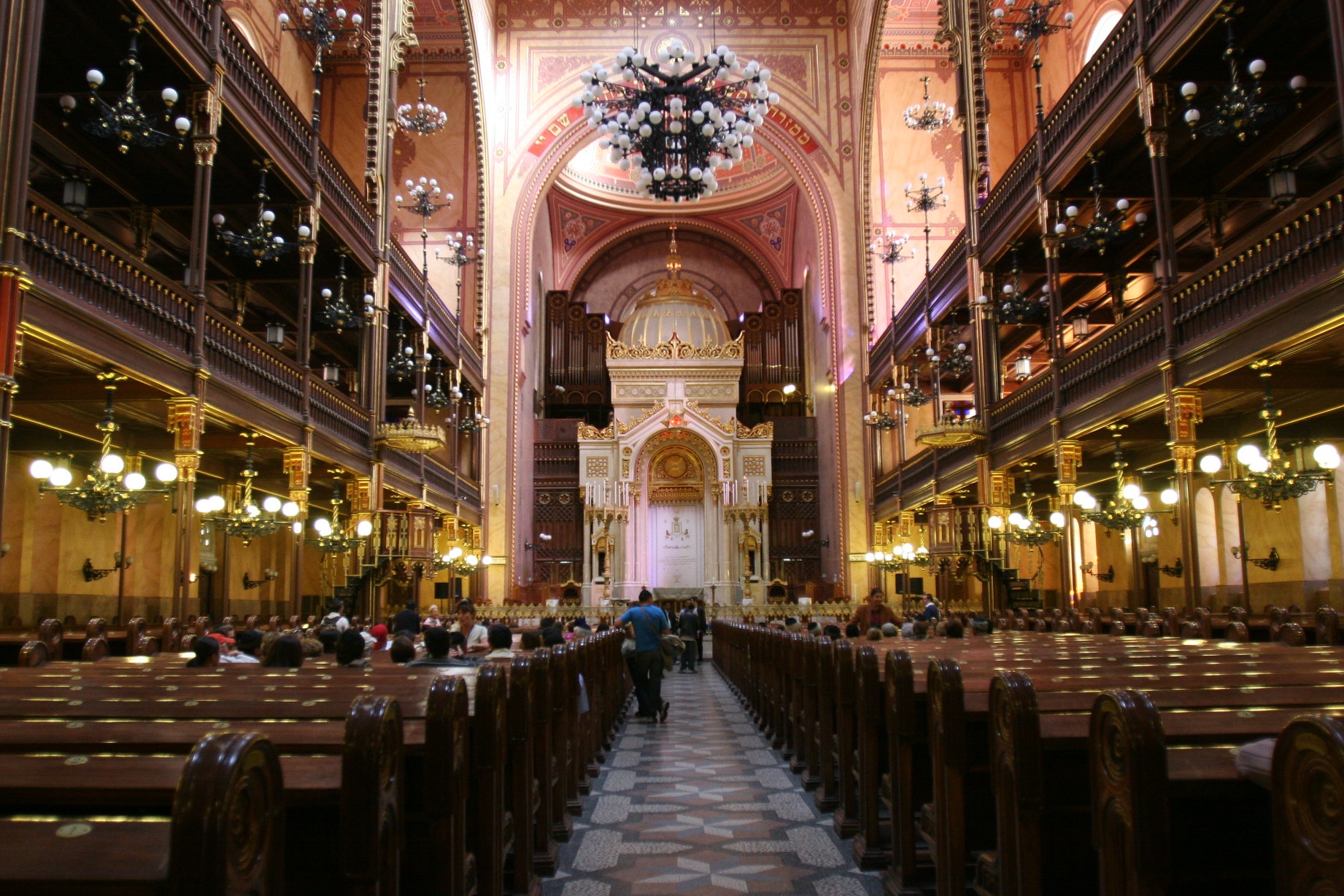
Entrance fee to the Jewish Praying House - Please note: it is closed on Saturday and Monday!
Detailed itinerary
1
Stop 1
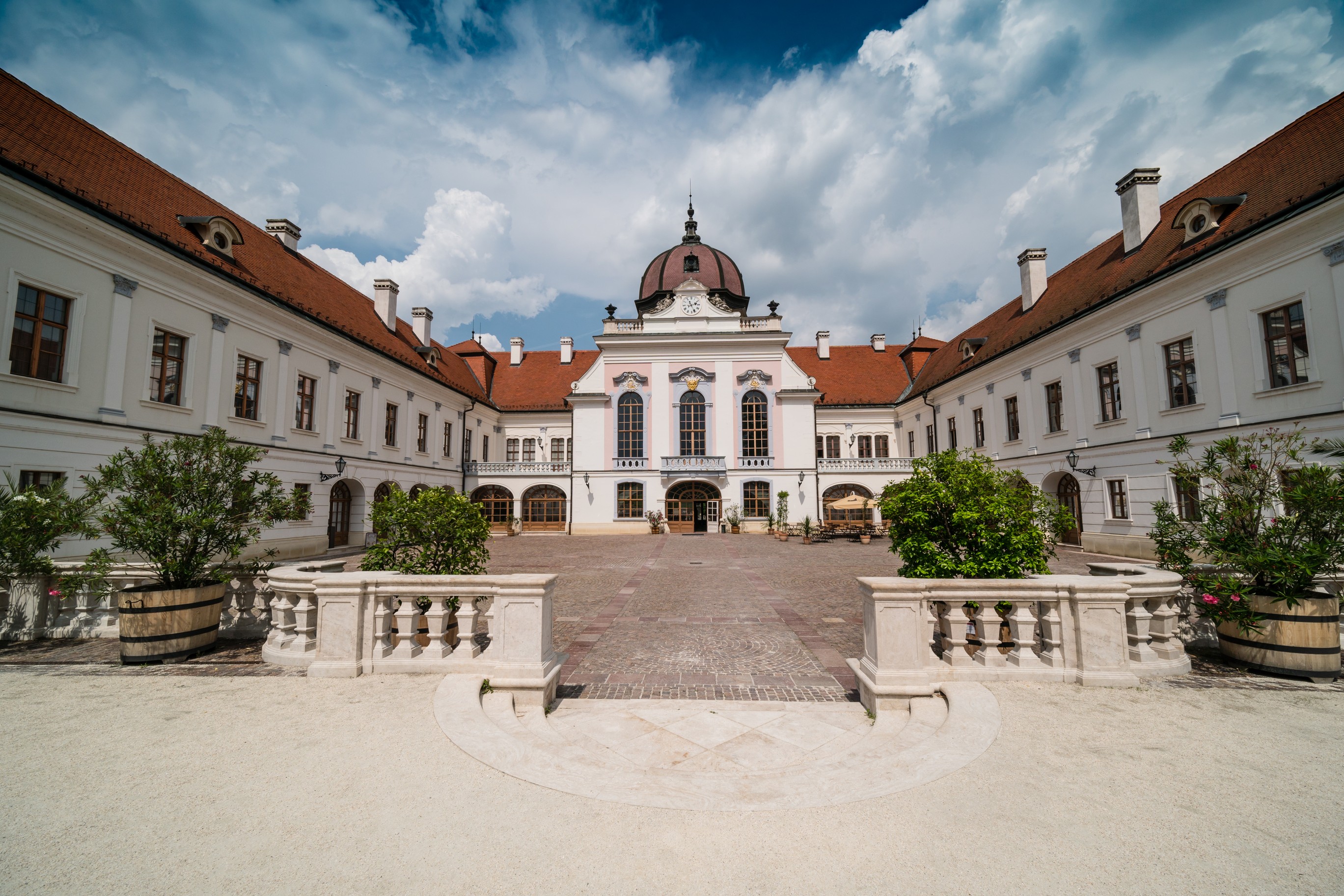
At this stop, we’ll take a closer look at the Royal Palace — one of the most iconic landmarks of Budapest. Over the centuries, it has been built, destroyed, and rebuilt multiple times. Originally a medieval stronghold, it was gradually transformed into a royal residence, reflecting the power struggles and architectural tastes of different eras. From Gothic to Baroque to Neoclassical elements, the palace’s layers tell the story of Hungary’s turbulent history.
2
During the expansion of the Royal Palace under King Sigismund in the early 15th century, a Gothic-style royal chapel was constructed as part of the palace complex. Today, the foundations of this medieval church are still visible in the courtyards below. These remains mark one of the earliest monumental royal construction phases in Buda, initiated by Sigismund as part of his effort to turn the palace into a true imperial residence.
3
Step into the heart of medieval Buda as we explore Tárnok Street — the main commercial street of the former burgher town beneath the royal court.
This charming cobbled lane hides some of the best-preserved medieval merchant houses in the Castle District. Behind the Gothic façades, you'll learn how goods were stored, traded, and displayed — and how everyday commerce shaped the life of Buda's burghers.
We’ll visit three authentic buildings that withstood fire, siege, and centuries of urban change, each standing on original medieval foundations.
Tárnok Street offers a rare, tangible glimpse into the practical world of medieval trade, domestic life, and architectural ingenuity — far beyond the walls of the palace above.
4
Our walk continues along Úri Street, once the noble residential quarter of medieval Buda. Here we uncover the remnants of aristocratic palaces and residential houses, many built on original 14th–15th century foundations. These structures whisper stories of status, power, and daily life behind their thick stone walls. The street is also home to the finest collection of medieval gateways in the Castle District ornate entrances that once welcomed merchants, craftsmen, and travelers from across the kingdom. As we stroll beneath their arches, we’ll trace the architectural evolution of Buda's noble class and step into a world of forgotten elegance and medieval refinement.
5
Built on the site of the earliest church on Castle Hill, the Church of Saint Mary Magdalene once served as the main parish for the district’s Hungarian-speaking population in the area historically known as “Szombathely.” Its foundations date back to the 13th century. Though partially destroyed during the siege of Buda in 1686, it stood for centuries as a symbol of faith and identity. Its fate was sealed in the 1950s, when Hungary’s communist regime ordered the demolition of the ruined structure. Only the medieval tower survived saved by the determined efforts of archaeologists and preservationists. Today, the solitary tower stands as a powerful reminder of resilience, memory, and the layers of history buried beneath Buda Castle Hill.
6
Our walk continues along Országház Street, once known as the “Italian Street” in medieval times. This elegant lane was home to a thriving community of Italian merchants who played a key role in Buda’s commercial and cultural life. Lined with grand medieval houses and noble residences, the street reflects the prosperity of the area during the 14th and 15th centuries. Among its many architectural treasures is the only surviving 16th-century sgraffito decoration in the entire Castle District a rare and delicate trace of Renaissance artistry amid Gothic walls. As we walk, we uncover the story of a multicultural Buda shaped by trade, diplomacy, and European exchange.
7
This striking Neo-Gothic building, now home to Hungary’s Ministry of Finance, was originally constructed in the early 20th century. Its monumental design came at a cost: several medieval structures were demolished to make way for it. Severely damaged during World War II, the building's ornate façade was stripped down and simplified in the post-war years. In the past five years, its original façade has been carefully reconstructed—restoring much of its former grandeur. However, the project also sparked debate, as part of one of the original wings was demolished during the process.
8
Stop 8
Church of the Assumption of the Buda Castle – commonly (and incorrectly) known as “Matthias Church”
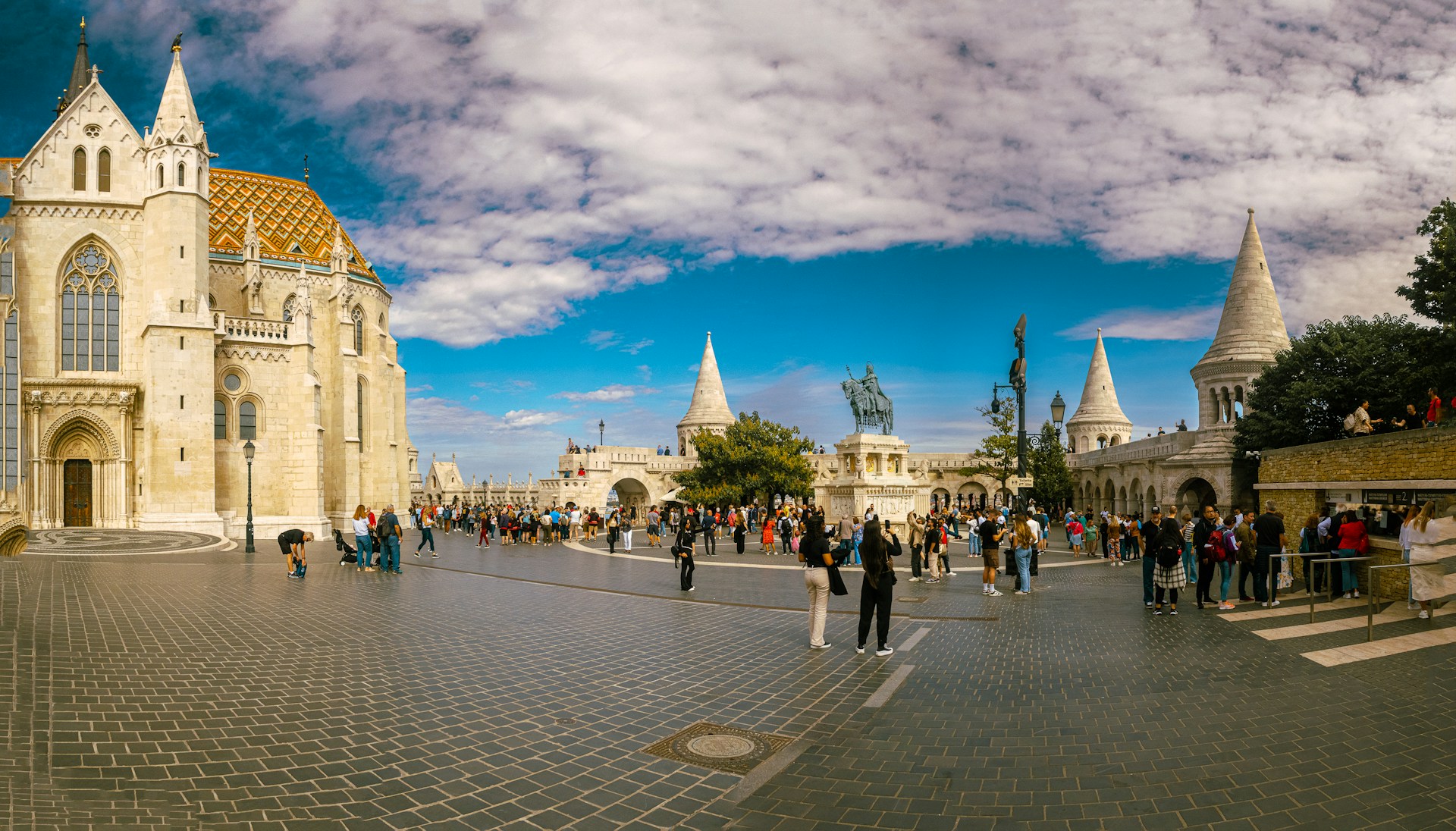
Often mistakenly referred to as “Matthias Church,” this iconic landmark is officially named the Church of the Assumption of the Buda Castle. Originally built to serve Buda’s German-speaking community, the church's history reflects centuries of religious and cultural change on Castle Hill.
9
Today, Fortuna Street is famed for its modern restaurants, but in the Middle Ages it was home to aristocratic palaces and grand townhouses. In the 1470s, this street witnessed a milestone in Hungarian history: Andreas Hess (Huss?), a German-born printer, produced Hungary’s first printed book here - the Chronica Hungarorum. Just a few steps away once stood the Red Hedgehog Inn (Vörös Sün), a legendary meeting point for travelers, merchants, and intellectuals for centuries. This street, quiet and refined today, was once a center of innovation and noble ambition - its past echoing with the hum of printing presses, while today the clink of wine glasses from nearby restaurants fills the air.
10
Stop 10
This square once served as both a marketplace and a main entrance to medieval Buda. In its heyday, this square was a vibrant meeting point where Hungarian townsfolk and members of the local Jewish community came together to trade, talk, and worship. Today, the square retains its historic charm, offering a glimpse into the social and commercial life that once animated the heart of the medieval city.
11
Built in the early 20th century, the National Archives of Hungary was designed in the Neo-Romanesque style to echo and elevate the medieval character of the Buda Castle District. Its robust stonework, arched windows, and monumental presence make it appear centuries older than it truly is deliberately blending into the historical fabric of its surroundings. Far more than an architectural statement, the building symbolizes national memory, housing documents that span the full scope of Hungary’s written past. Standing before it, we see not just a modern construction, but a powerful nod to Buda’s medieval heritage.
12
Walking along the outer castle walls, we uncover key moments from the dramatic Siege of Buda in 1686. Here, you can see where the walls were first breached by the Christian allied forces, and not far from this spot, the Ottoman Pasha of Buda fell in battle. Today, a solemn memorial stands nearby, honoring the multinational Christian soldiers who fought and died in the liberation of the city.
13
We now enter the medieval Jewish quarter of Buda, a once-thriving community within the Castle walls. Here, we’ll pause at the site of the former Gothic synagogue, which stood as a central place of worship until its destruction. Nearby, we’ll step inside the excavated medieval Jewish prayer house, one of the rare surviving examples of Jewish religious architecture from the Middle Ages in Hungary. Modest in size but rich in meaning, it offers a quiet and powerful glimpse into the everyday life, resilience, and faith of a long-silenced community.
14
As we walk along Táncsics Mihály Street, we encounter a few remarkable examples of how medieval ruins were reused and transformed during the 17th and 18th centuries. Here, old Gothic walls and cellars were not demolished but carefully incorporated into Baroque and later residential buildings. These layered façades and hidden structures silently reveal how post-Ottoman Buda rose from the ashesrebuilding itself atop its medieval foundations, both literally and symbolically.
15
Here lie the evocative remains of the Dominican monastery of Saint Nicholas, once a vital center of medieval religious life in Buda. It was from this very order that Friar Julianus embarked on his now-legendary journey in the 13th century - one of many remarkable stories linked to this site.
Centuries later, the ruins endured fire, siege, and neglect, only to be dramatically reinterpreted during the construction of the Hilton Hotel in the 20th century. The result is a striking and controversial blend of medieval stonework and modern architecture - capturing the ongoing tension between heritage and progress, faith and modernity.
16
Stop 16
At this stop, we explore the Fishermen’s Bastion, one of Budapest’s most iconic landmarks. At its center stands the equestrian statue of King Saint Stephen, Hungary’s first Christian king, symbolizing the birth of the Hungarian state.
Please note:
While we will admire the monument and the structure from the main level, we will not enter the upper lookout terrace, as access requires a ticket and is not included in the tour price.
What's not included
Buda Castle Garden Bazaar
Admission to the interior of Matthias Church is not included in the tour price. Guests may choose to visit independently after the tour ends.
Access to the upper panoramic terrace of Fisherman’s Bastion is not included in the tour price. Visitors who wish to enter this area may purchase tickets on-site after the tour.
Admission to the interior of the Royal Palace is not included in the tour price. Guests may choose to visit independently after the tour ends.
Gratuities
Available languages
Guide guide
EN
Written guide
EN
Reviews breakdown
Viator
5.0
4 reviews
5★
4
4★
0
3★
0
2★
0
1★
0
Tripadvisor
5.0
23 reviews
5★
23
4★
0
3★
0
2★
0
1★
0
Important information
Public transportation options are available nearby
Not recommended for travelers with spinal injuries
Not recommended for pregnant travelers
Not recommended for travelers with poor cardiovascular health
Travelers should have at least a moderate level of physical fitness
Children under 10 years of age are not permitted, due to the physical and thematic nature of the tour.
Not suitable for guests with limited mobility
Meeting point
The meeting point will be at the equestrian statue of Prince Eugene of Savoy, in front of the Royal Palace.
About Budapest
Budapest, the capital of Hungary, is a vibrant city known for its rich history, stunning architecture, and thermal baths. Straddling the Danube River, it offers a unique blend of Eastern and Western European cultures, making it a captivating destination for travelers.
Top Attractions
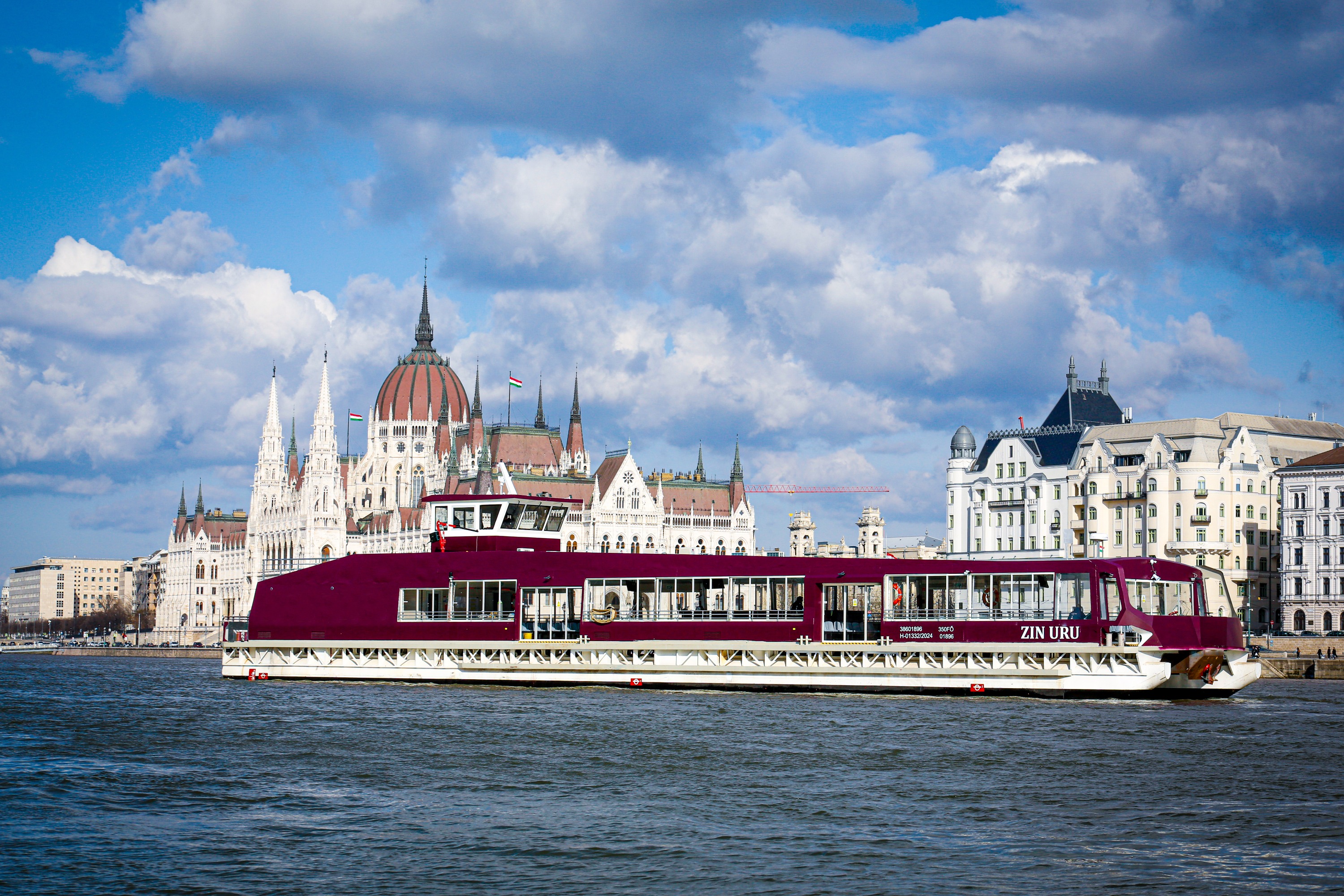
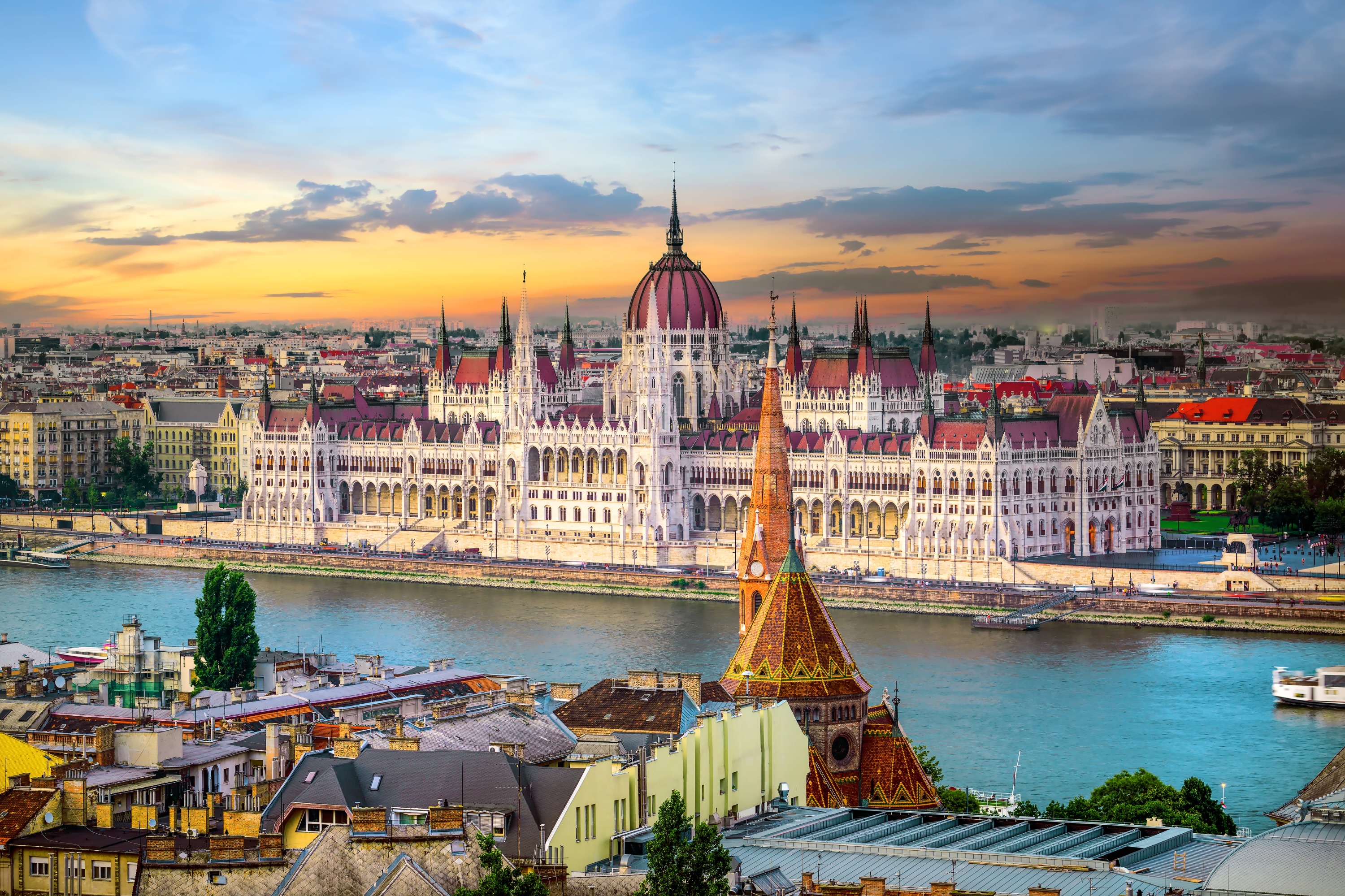
Budapest Parliament Building
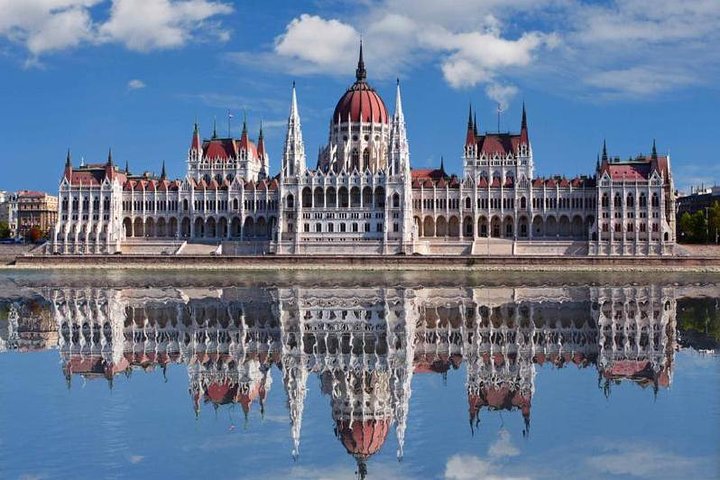
The Hungarian Parliament Building is a stunning example of neo-Gothic architecture and a symbol of Hungary.
Architecture
1-2 hours
€20-30
Buda Castle
Buda Castle is a historical castle and palace complex that offers panoramic views of the city.
Historical
2-3 hours
Free to explore, €3-5 for museums
Széchenyi Thermal Bath
Széchenyi Thermal Bath is one of the largest thermal baths in Europe, offering a relaxing experience in historic surroundings.
Relaxation
2-3 hours
€15-20
Fisherman's Bastion
Fisherman's Bastion is a neo-Gothic and neo-Romanesque structure offering panoramic views of the Danube and Pest.
Architecture
1 hour
Free (€3 for the tower)
Heroes' Square
Heroes' Square is a significant monument and a major landmark in Budapest, commemorating the heroes of Hungary's history.
Historical
1 hour
Free
Must-Try Local Dishes
Goulash
A traditional Hungarian soup made with beef, vegetables, and paprika.
Dinner
Contains beef, gluten (from bread or flour)
Lángos
A deep-fried dough topped with sour cream, cheese, and garlic.
Snack
Contains dairy, can be made gluten-free
Chimney Cake (Kürtőskalács)
A sweet, cylindrical pastry cooked over an open fire and coated with sugar and cinnamon.
Dessert
Contains wheat, sugar, can be made gluten-free
Töltött Káposzta
Cabbage rolls stuffed with minced pork and rice, cooked in a tomato sauce.
Dinner
Contains pork, gluten (from tomato sauce)
Popular Activities
Hiking in the Buda Hills
Cycling along the Danube
Kayaking on the Danube
Visiting thermal baths
Strolling along Andrássy Avenue
Relaxing in City Park
Visiting museums and galleries
Attending classical music concerts
Best Time to Visit
May to September
This is the best time to visit Budapest for warm weather and outdoor activities. The city is lively with festivals and tourists.
18°C to 30°C
64°F to 86°F
Practical Information
Language
- Official: Hungarian
- Widely spoken: English, German
- English: Moderately spoken
Currency
Hungarian Forint (HUF)
Time Zone
GMT+1 (Central European Time)
Electricity
230VV, 50HzHz
Safety Information
Overall Safety Rating: Generally safe
Budapest is generally safe for travelers, but petty crime and scams can occur, especially in tourist areas.
Important Precautions:
- • Be cautious with valuables in crowded areas
- • Use official taxis or app-based services
- • Check bills carefully at restaurants and bars
Getting there
By air
- Budapest Ferenc Liszt International Airport • 16 km from city center
By train
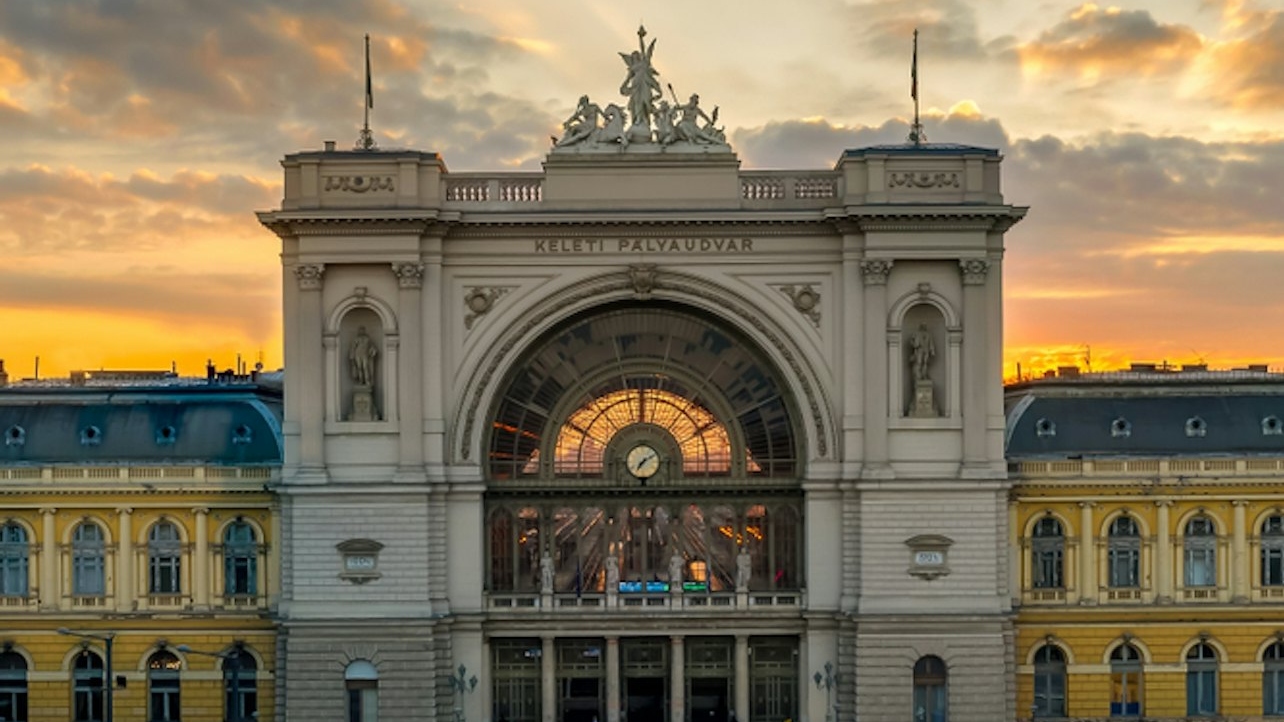
Budapest-Keleti Railway Station, Budapest-Nyugati Railway Station
By bus
Népliget Bus Station, Árpád Bridge Bus Station
Getting around
Public transport
The metro system is efficient and easy to use, with four lines connecting major attractions.
Taxis
Available • Apps: Bolt, Főtaxi
Rentals
Car, Bike, Scooter
Neighborhoods
District V (Belváros)
District VII (Jewish Quarter)
District VIII (Józsefváros)
District IX (Ferencváros)
Day trips
Szentendre
20 km from Budapest • Half day
A charming town known for its museums, galleries, and colorful houses.
Esztergom
50 km from Budapest • Full day
A historic town with a stunning basilica and a rich history.
Visegrád
40 km from Budapest • Full day
A historic town with a royal palace and scenic views of the Danube Bend.
Festivals
Budapest Christmas Market • Late November to early January
Budapest Spring Festival • March
Sziget Festival • August
Pro tips
- Use the Budapest Card for free public transport and discounts on attractions
- Take a Danube River cruise for stunning views of the city
- Visit the thermal baths early in the morning or late in the evening to avoid crowds
- Explore the Jewish Quarter for its vibrant nightlife and historic sites
- Try local street food, such as lángos and kürtőskalács, for an authentic taste of Budapest
From $25
per person
Price varies by option
Secure booking
Free cancellation available
Instant confirmation