Ride and Explore Colombo and Food By Tuk Tuk Tour All Inclusive
Active
4h
For a full refund, cancel at least 24 hours before the scheduled departure time.
Instant confirmation
Mobile or paper ticket accepted
About this experience
Hop on a comfortable Tuk Tuk and explore the vibrant streets of Colombo with ease. Visit the city’s top attractions, including historic temples, colonial landmarks, bustling markets, and scenic coastal spots. All entry tickets are included, so you can enjoy every site hassle-free.
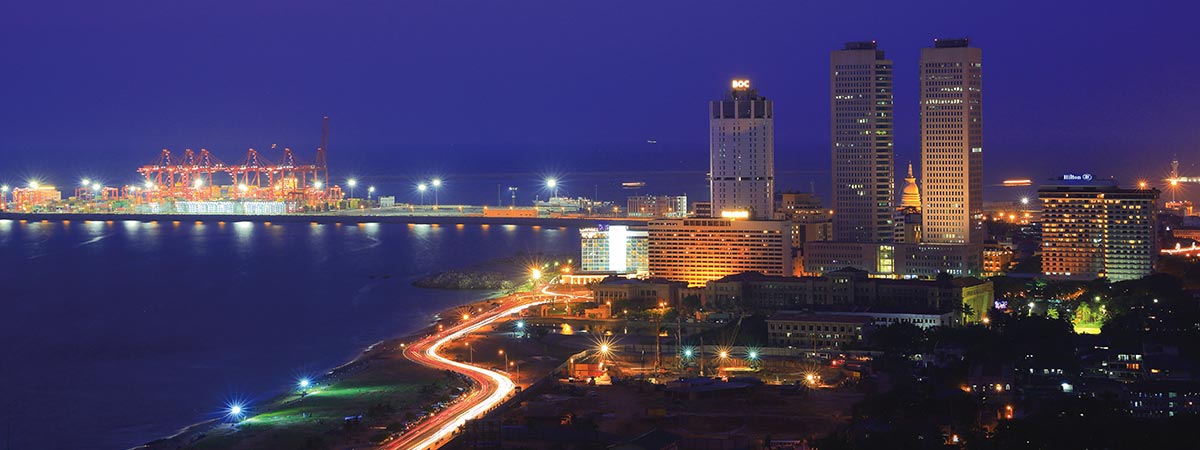
Savor a delicious local lunch at a selected restaurant and enjoy convenient pickup and drop-off within 10–15 km of Colombo city. Along the way, your friendly local guide will share interesting stories about Colombo’s history, culture, and traditions. Capture memorable photos at iconic landmarks like Galle Face Green, Independence Memorial Hall, and the Lotus Tower, or simply enjoy the lively city atmosphere.
Perfect for families, solo travelers, and groups, this Tuk Tuk tour combines sightseeing, culture, and culinary delights into one seamless experience. Book now and discover the charm, culture, and flavors of Colombo in one unforgettable ride!
Available options
Ride and Explore Colombo and Food By Tuk Tuk Tour All Inclusive
Pickup included
What's included
Private transportation
Entry/Admission-Maritime Museum
WiFi on board
Bottled water
Entry/Admission-Viharamahadevi Park
King Coconut Water
Entry/Admission-RedMusque and pettah market
Detailed itinerary
1
Stop 1
Gangaramaya (Vihara) Buddhist Temple is one of Colombo’s most iconic and spiritually significant landmarks. Blending modern architecture with cultural essence, it serves as a vibrant center for Buddhist learning and worship. The temple complex houses a beautiful main shrine, a museum with ancient artifacts, and statues from various parts of Asia, showcasing the depth of Sri Lanka’s Buddhist heritage. Visitors can admire the golden Buddha images, intricate wood carvings, and peaceful courtyards filled with devotees and monks. Located beside the scenic Beira Lake, Gangaramaya offers a calm and reflective escape amid the city’s bustle. It’s not just a place of worship but also a symbol of harmony, culture, and devotion that attracts both locals and travelers from around the world. Proper attire is required when visiting, and respectful behavior is encouraged to honor this sacred space.
2
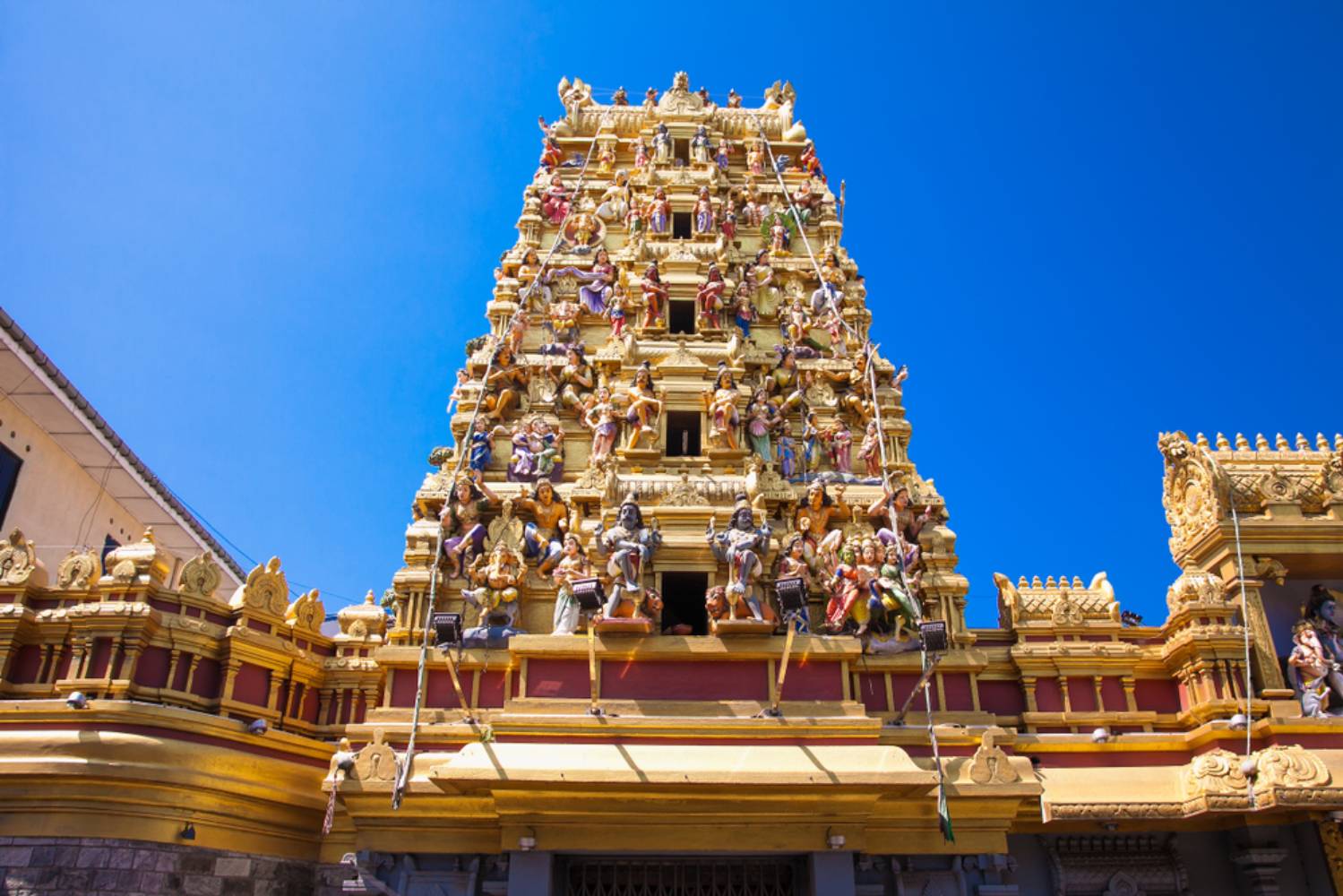
The Temple of Sri Kailawasanathan Swami Devasthanam Kovil, often known as the oldest and most revered Hindu temple in Colombo, is a magnificent place of worship dedicated to Lord Shiva and Lord Ganesha. Built over two centuries ago, this temple stands as a testament to the deep cultural and religious harmony of Sri Lanka. Its vibrant Dravidian-style architecture, beautifully sculpted towers, and colorful statues of Hindu deities make it a visual masterpiece. Visitors can witness daily rituals accompanied by rhythmic chants and the scent of incense filling the air, offering an authentic spiritual experience. The temple’s intricate carvings and detailed artwork showcase the devotion and artistry of generations. Located near the heart of Colombo, this sacred site welcomes both worshippers and travelers seeking to explore the island’s diverse cultural heritage and spiritual traditions. Visitors are kindly requested to dress modestly and respect temple customs during their visit.
3
Independence Memorial Hall is one of Colombo’s most historic and symbolic landmarks, built to commemorate Sri Lanka’s independence from British rule in 1948. Located in the heart of Cinnamon Gardens, this grand stone structure reflects traditional Sri Lankan architecture, inspired by the ancient Royal Audience Hall in Kandy. The site features beautifully carved stone pillars, lion statues, and a serene open-air pavilion surrounded by lush greenery. At its center stands a bronze statue of the first Prime Minister, Rt. Hon. D. S. Senanayake, paying tribute to the nation’s freedom. The surrounding park is perfect for leisurely walks and photography, offering a calm escape from the city’s bustle. Both locals and visitors come here to reflect, relax, and celebrate national pride. Independence Memorial Hall remains a must-visit landmark that showcases the spirit, resilience, and heritage of the Sri Lankan people.
4
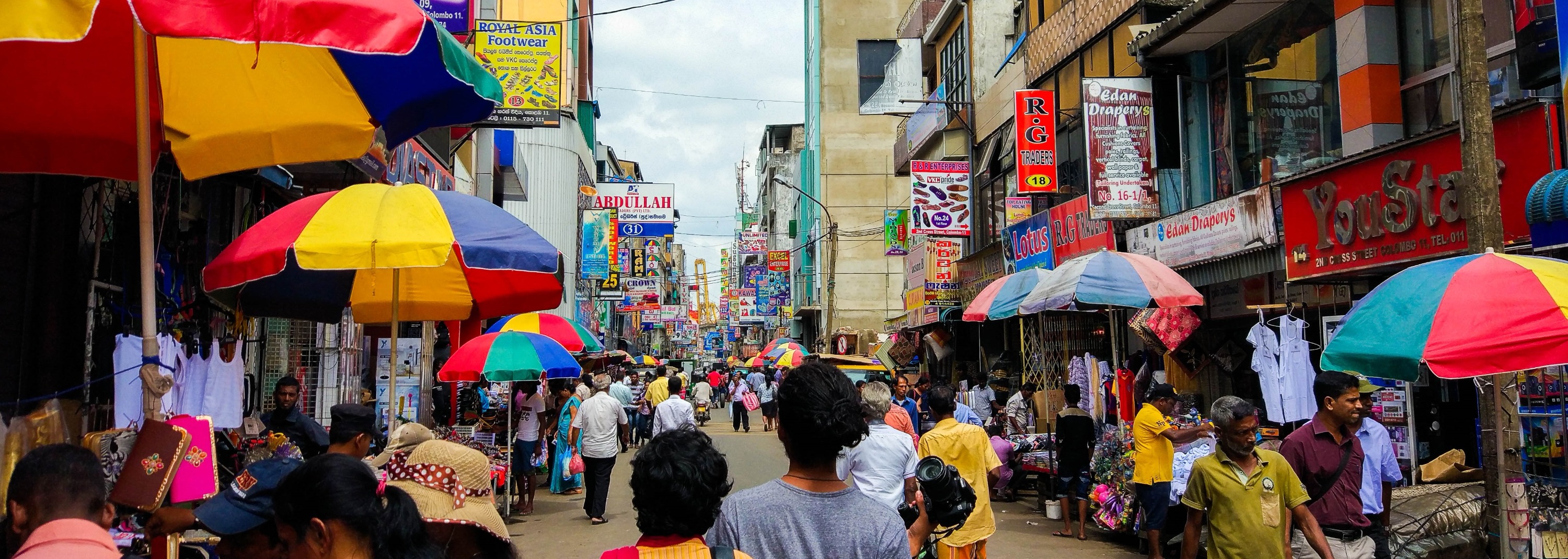
The Jami Ul-Alfar Mosque, also known as the “Red Mosque,” is one of Colombo’s most striking and historic landmarks. Built in 1908, this mosque stands out with its unique red-and-white candy-striped exterior, blending Indo-Saracenic and Islamic architectural styles. Located in the heart of Pettah, the bustling commercial district, it serves as a prominent place of worship for the Muslim community and a popular attraction for visitors. The mosque features intricately designed domes, arches, and minarets, creating a visually stunning silhouette against the city skyline. Its vibrant facade, historical significance, and central location make it a must-see while exploring Colombo. Visitors are welcomed to admire the architecture from the outside, and those observing local customs can also explore the interior respectfully during prayer times. The Jami Ul-Alfar Mosque is a symbol of Colombo’s rich cultural diversity and architectural heritage.
5
Sambodhi Chaithya is a striking Buddhist stupa perched on a rocky promontory overlooking the Indian Ocean in Colombo. Built in the 1950s, it features a unique modern architectural design that blends traditional Buddhist elements with contemporary style, making it one of the city’s most iconic landmarks. The stupa is painted in pristine white and surrounded by tranquil gardens, creating a serene and contemplative atmosphere. Visitors can enjoy panoramic views of the coastline while exploring the sacred site, which serves as a place of worship and meditation. Sambodhi Chaithya is particularly known for its peaceful ambiance and photogenic location, making it a favorite for both devotees and tourists. Respectful attire and behavior are requested when visiting this spiritual site. Its combination of spiritual significance, architectural elegance, and scenic surroundings makes it a must-visit attraction in Colombo.
6
The Colombo Fort Clock Tower is one of the city’s historic landmarks, standing tall in the heart of Colombo’s commercial district. Built in 1857, this Victorian-era clock tower was originally constructed as a memorial to the first British Governor of Ceylon, Sir Arthur Hamilton-Gordon. Its elegant masonry and classic clock faces reflect colonial architectural style, making it a notable example of Colombo’s heritage. The tower serves as a prominent meeting point and a reminder of the city’s colonial past, blending seamlessly with the surrounding bustling streets and historic buildings of Fort. Visitors can admire its architectural details while exploring the area, which is rich in history, commerce, and culture. The Colombo Fort Clock Tower remains an iconic symbol of the city, offering insight into its colonial history and urban development over the centuries.
7
Lotus Tower, also known as Nelum Kuluna, is Sri Lanka’s tallest structure and one of Colombo’s most iconic landmarks. Located in the heart of the city along Lotus Tower Road, the tower rises majestically to 350 meters and is inspired by the lotus flower, a symbol of purity and enlightenment. It serves as a multi-purpose communication, observation, and leisure facility, offering panoramic views of Colombo and the surrounding coastline from its observation deck. The tower also houses restaurants, event spaces, and exhibition areas, making it a popular destination for both tourists and locals. Its modern architectural design combined with cultural symbolism makes it a striking addition to the Colombo skyline. Visiting Lotus Tower offers a unique opportunity to admire the city from above, enjoy fine dining, and capture memorable photographs of Colombo’s urban and coastal beauty.
8
The Old Parliament Building in Colombo is a historic landmark that once served as the seat of Sri Lanka’s legislative council and later its Parliament. Located along the scenic Galle Face Green and overlooking the Indian Ocean, this majestic neo-baroque structure was completed in 1930 during the British colonial era. Its grand facade, ornate columns, and impressive architecture reflect the elegance of colonial design while symbolizing the country’s political heritage. Visitors can admire the building from the outside and appreciate its historical significance as the site where key decisions shaping modern Sri Lanka were made. Surrounded by well-maintained gardens and coastal views, the Old Parliament Building is not only a symbol of governance but also a picturesque spot for photography and sightseeing in Colombo.
9
The Ceylon Tea Supermarket is a must-visit destination for tea enthusiasts exploring Colombo. Showcasing the world-renowned Ceylon tea, this specialty store offers a wide variety of high-quality loose leaf teas, flavored blends, and packaged teas perfect for gifting or personal enjoyment. Visitors can learn about the rich history of Sri Lankan tea, its cultivation, and processing methods, gaining a deeper appreciation for one of the island’s most iconic exports. The store also provides tasting opportunities, allowing guests to savor the distinct flavors and aromas of different tea varieties. Located conveniently in Colombo, the Ceylon Tea Supermarket combines cultural education with shopping, making it an ideal stop for tourists who want to experience Sri Lanka’s tea heritage firsthand.
10
The Old Town Hall in Colombo is a prominent historical landmark that reflects the city’s colonial past and architectural heritage. Built during the British era, this elegant building served as the administrative hub for municipal activities and governance in Colombo. Its classical design features ornate facades, arched windows, and intricate detailing, showcasing the grandeur and craftsmanship of its time. Situated in the heart of the city, the Old Town Hall stands as a testament to Colombo’s urban development and civic history. Visitors can admire the building from the outside while exploring the surrounding historic streets and vibrant city life. The structure not only symbolizes the administrative evolution of Colombo but also adds to the city’s charm with its historic and cultural significance.
11
Stop 11
Galle Face Green is one of Colombo’s most iconic and vibrant open spaces, stretching along the city’s scenic coastline beside the Indian Ocean. Originally built in the 1850s as a promenade for the British elite, it has since become a beloved public park where locals and tourists gather to relax, fly kites, enjoy street food, and watch breathtaking sunsets. The expansive green lawns offer stunning ocean views, making it ideal for leisurely strolls, photography, and cultural events. Galle Face Green is surrounded by notable landmarks, hotels, and eateries, blending urban energy with natural beauty. Visiting this historic seaside park provides a unique glimpse into Colombo’s social life, history, and coastal charm, making it a must-see attraction for travelers seeking both relaxation and vibrant city experiences.
12
Viharamahadevi Park, located in the heart of Colombo, is the city’s largest and oldest public park, offering a serene escape from the bustling urban environment. Named after Queen Viharamahadevi, the mother of King Dutugemunu, the park is renowned for its lush greenery, well-maintained gardens, and shaded walking paths. Visitors can enjoy a variety of attractions, including a charming children’s play area, ornamental fountains, and a small pond with swan boats. The park is also home to several statues and monuments, including the impressive statue of Queen Viharamahadevi herself. Ideal for leisurely strolls, picnics, and photography, Viharamahadevi Park provides a peaceful retreat while showcasing Colombo’s cultural and historical heritage. Its combination of natural beauty, recreational spaces, and historical significance makes it a must-visit destination for both locals and tourists.
13
Wolvendaal Church is one of Colombo’s oldest and most historically significant churches, established in 1749 by the Dutch during their colonial rule in Sri Lanka. Located in the heart of Pettah, this Dutch Reformed Church is renowned for its distinctive colonial architecture, including thick coral-stone walls, large windows, and a striking gable roof. Inside, visitors can admire intricately carved wooden pews, antique brass plaques, and historic tombstones that date back centuries, reflecting the city’s colonial past. The churchyard is home to a peaceful cemetery where many prominent Dutch and British figures are buried. Wolvendaal Church remains an active place of worship while serving as a popular attraction for history enthusiasts and tourists. Its blend of architectural elegance, historical significance, and serene ambiance makes it a must-visit site for those exploring Colombo’s rich cultural heritage.
14
The Colombo Lighthouse, situated near the Galle Face Green along the city’s western coast, is one of Colombo’s most recognizable maritime landmarks. Originally built in the 19th century, this lighthouse has guided countless ships safely into Colombo Harbor with its bright navigational light. Standing tall against the backdrop of the Indian Ocean, it offers a striking view of the coastline and the bustling harbor area. While the lighthouse is not generally open for public climbing, visitors can admire its historic structure and take photographs from the surrounding areas. Its proximity to scenic spots like Galle Face Green and the harbor makes it an ideal stop for tourists exploring Colombo. The Colombo Lighthouse symbolizes the city’s rich maritime history and continues to be a functional and historic beacon along Sri Lanka’s coast.
15
Laksala is Sri Lanka’s national handicraft and souvenir store, offering a wide array of authentic products that showcase the country’s rich cultural heritage. Established by the government, it provides visitors with high-quality handicrafts, including wooden carvings, traditional jewelry, batik fabrics, masks, and other locally made souvenirs. Laksala serves as a perfect place for tourists to purchase gifts and keepsakes that reflect Sri Lanka’s craftsmanship and artistry. The store also educates visitors about traditional techniques and materials used by local artisans, making each purchase a connection to the island’s cultural traditions. Conveniently located in Colombo, Laksala combines shopping with cultural appreciation, allowing visitors to take home a piece of Sri Lanka’s vibrant heritage while supporting local craftspeople. Its organized layout, variety of products, and authentic offerings make it a must-visit destination for anyone exploring the city.
16
Stop 16
The Gem Museum in Colombo, Sri Lanka, is a fascinating destination for anyone interested in the island’s world-renowned gemstones and jewelry. The museum showcases a stunning collection of precious and semi-precious stones, including sapphires, rubies, and cat’s eye, highlighting Sri Lanka’s reputation as a global gem hub. Visitors can learn about the history, mining, and craftsmanship of gemstones through informative displays and guided demonstrations. The museum also offers insight into traditional jewelry-making techniques, with intricately designed pieces that reflect Sri Lankan artistry. Located in the heart of Colombo, the Gem Museum provides a unique cultural and educational experience for tourists and gem enthusiasts alike. Visitors can admire the sparkling collections, take memorable photographs, and even purchase authentic gemstones or jewelry as souvenirs, making it an engaging stop on any Colombo city tour.
What's not included
Entry/Admission - Gangaramaya (Vihara) Buddhist Temple
Entry/Admission - Temple Of Sri Kailawasanathan Swami Devasthanam Kovil
Entry/Admission - Old Town Hall
Entrance Tickets : 4$ Per Person
Available languages
Guide guide
HI
EN
TA
Reviews breakdown
Tripadvisor
5.0
4 reviews
5★
4
4★
0
3★
0
2★
0
1★
0
Important information
Infants and small children can ride in a pram or stroller
Public transportation options are available nearby
Infants are required to sit on an adult’s lap
Not recommended for pregnant travelers
Suitable for all physical fitness levels
About Colombo
Colombo, Sri Lanka's bustling commercial capital, is a vibrant blend of modern life and colonial charm. With its diverse culture, rich history, and tropical beauty, the city offers everything from historic sites and religious landmarks to lively markets and beautiful beaches.
Top Attractions
Galle Face Green
A scenic promenade along the Indian Ocean, popular for kite flying, evening strolls, and street food.
Beach
1-2 hours
Free
National Museum of Colombo
Sri Lanka's largest museum, showcasing the country's rich history and cultural heritage.
Museum
2-3 hours
LKR 1,000 (foreigners)
Kelaniya Raja Maha Vihara
An ancient Buddhist temple with significant historical and religious importance.
Religious
1-2 hours
Free (donations welcome)
Beira Lake
A scenic lake in the heart of Colombo, offering boat rides and beautiful views.
Nature
1-2 hours
Free (boat rides may have a small fee)
Colombo Dutch Hospital Shopping Precinct
A historic building transformed into a vibrant shopping and dining destination.
Shopping
1-3 hours
Varies by shop
Must-Try Local Dishes
Rice and Curry
A traditional Sri Lankan meal consisting of rice served with a variety of curries made from vegetables, meat, or fish.
Main Dish
Vegetarian and non-vegetarian options available, may contain allergens like nuts and seafood.
Hoppers (Appa)
Bowl-shaped pancakes made from fermented rice flour and coconut milk, often served with an egg in the center.
Breakfast/Dinner
Vegetarian, can be made vegan without egg.
Kottu Roti
A popular street food made from chopped roti (flatbread) cooked with vegetables, meat, or fish, and spices.
Dinner/Snack
Vegetarian and non-vegetarian options available, may contain allergens like nuts and seafood.
Lamprais
A Dutch-influenced dish consisting of rice, meat, and vegetables cooked in banana leaves.
Main Dish
Non-vegetarian, may contain allergens like nuts and seafood.
Popular Activities
Hiking
Water sports
Wildlife safaris
Beach activities
Spa treatments
Yoga
Temple visits
Museum tours
Best Time to Visit
December to March
This period offers the best weather for visiting, with warm temperatures and less rainfall, making it ideal for exploring the city and its attractions.
28-32°C
82-90°F
Practical Information
Language
- Official: Sinhala, Tamil
- Widely spoken: English
- English: Widely spoken in tourist areas and by younger generations
Currency
Sri Lankan Rupee (LKR)
Time Zone
GMT+5:30
Electricity
230VV, 50HzHz
Safety Information
Overall Safety Rating: Generally safe, but exercise caution in crowded areas and at night
Colombo is generally safe for tourists, but petty crime and scams can occur, especially in crowded areas and tourist hotspots. Be cautious of pickpocketing, bag snatching, and overcharging by taxis and vendors.
Important Precautions:
- • Use reputable tour operators and guides
- • Agree on fares before using taxis or tuk-tuks
- • Keep valuables secure and out of sight
Getting there
By air
- Bandaranaike International Airport • 35 km south of Colombo
By train
Colombo Fort Station
By bus
Bastion Street Bus Terminal, Colombo Central Bus Stand
Getting around
Public transport
Buses are the most common and affordable way to get around, but they can be crowded and slow.
Taxis
Available • Apps: Uber, PickMe
Rentals
Car, Bike, Scooter
Neighborhoods
Colombo Fort
Cinnamon Gardens
Galle Face
Pettah
Day trips
Kandy
115 km • Full day
Kandy, the last capital of the ancient kings' era, is a UNESCO World Heritage Site known for its rich history, cultural landmarks, and scenic beauty.
Galle
120 km • Full day
Galle is a historic coastal city known for its UNESCO World Heritage-listed Dutch Fort, beautiful beaches, and rich cultural heritage.
Negombo
35 km • Half day
Negombo is a coastal town known for its beautiful beaches, historic sites, and vibrant fishing industry.
Festivals
Vesak • May (full moon day)
Esala Perahera • July or August (full moon day)
Christmas • December 25
Pro tips
- Use app-based taxi services like Uber or PickMe for reliable and transparent pricing
- Carry small denominations of cash for markets and street vendors, as change may be limited
- Bargain politely when shopping at markets and with street vendors, as prices are often negotiable
- Try local street food for an authentic and affordable culinary experience, but be cautious of food hygiene and choose busy stalls with high turnover
- Visit popular attractions early in the morning or late in the afternoon to avoid crowds and the heat
From $25
per person
Price varies by option
Secure booking
Free cancellation available
Instant confirmation