Tokyo Food Adventure: Street food, Teppanyaki cuisine, shrine etc
Active
8h - 10h
For a full refund, cancel at least 24 hours before the scheduled departure time.
Instant confirmation
Mobile or paper ticket accepted
About this experience
Tokyo boasts numerous unique attractions that cannot be experienced anywhere else, such as Tokyo Sky-tree, Tsukiji Outer Market, and Sensoji Temple. The city is also renowned for its intricate network of trains, subways, and buses, which add to its charm. However, navigating this complex transportation system without local guidance can be quite challenging. This activity allows you to visit many famous spots punctually and efficiently using public transportation.
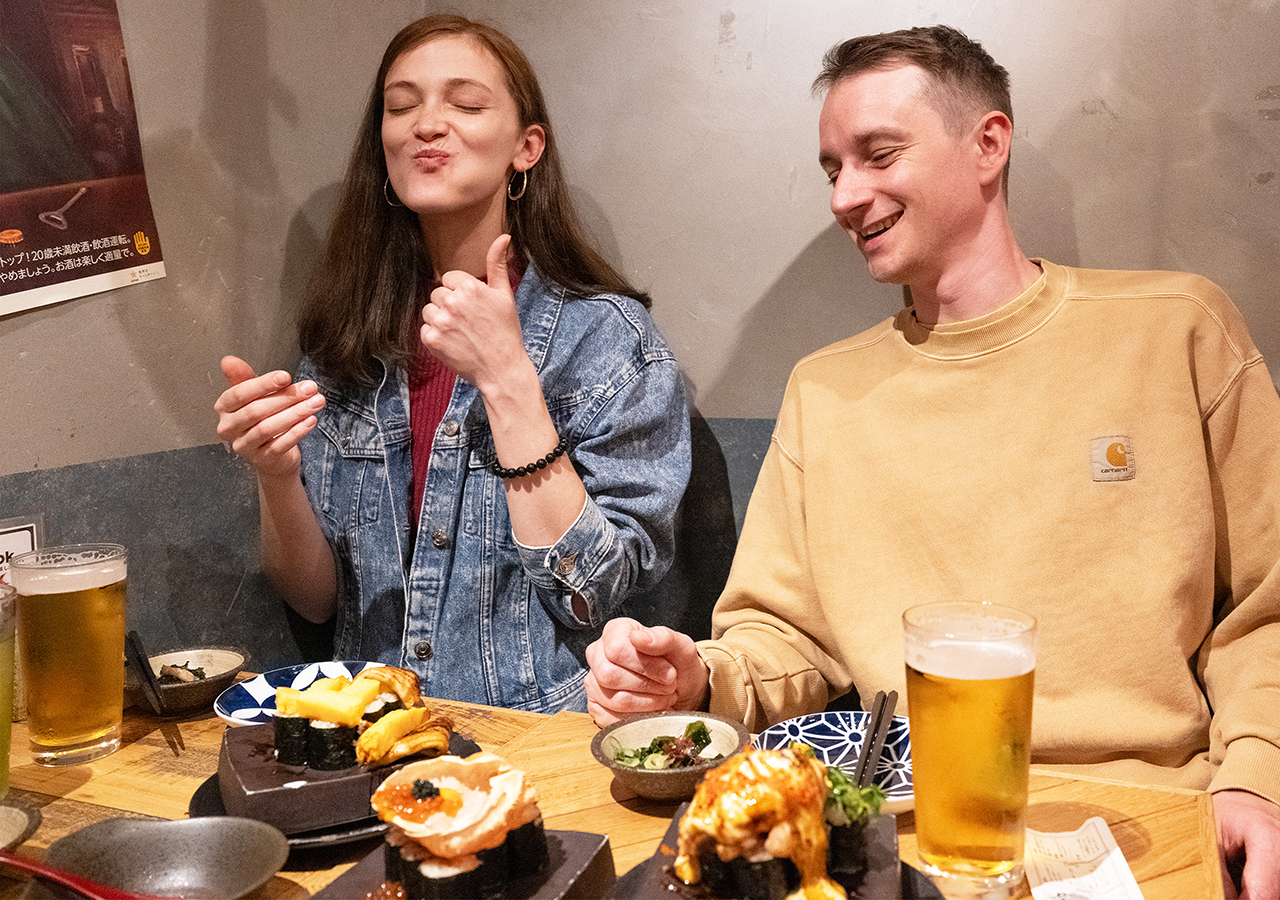
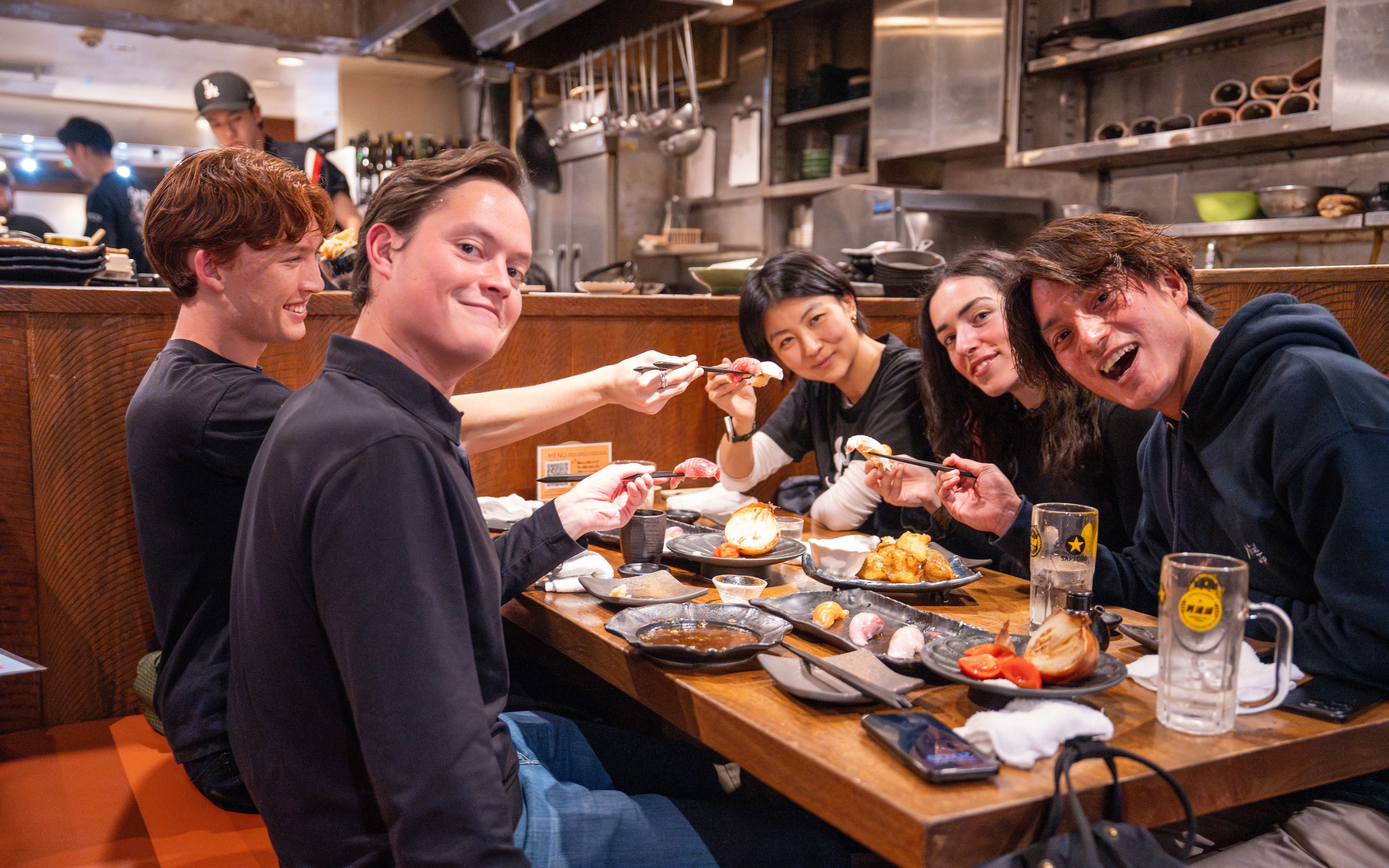
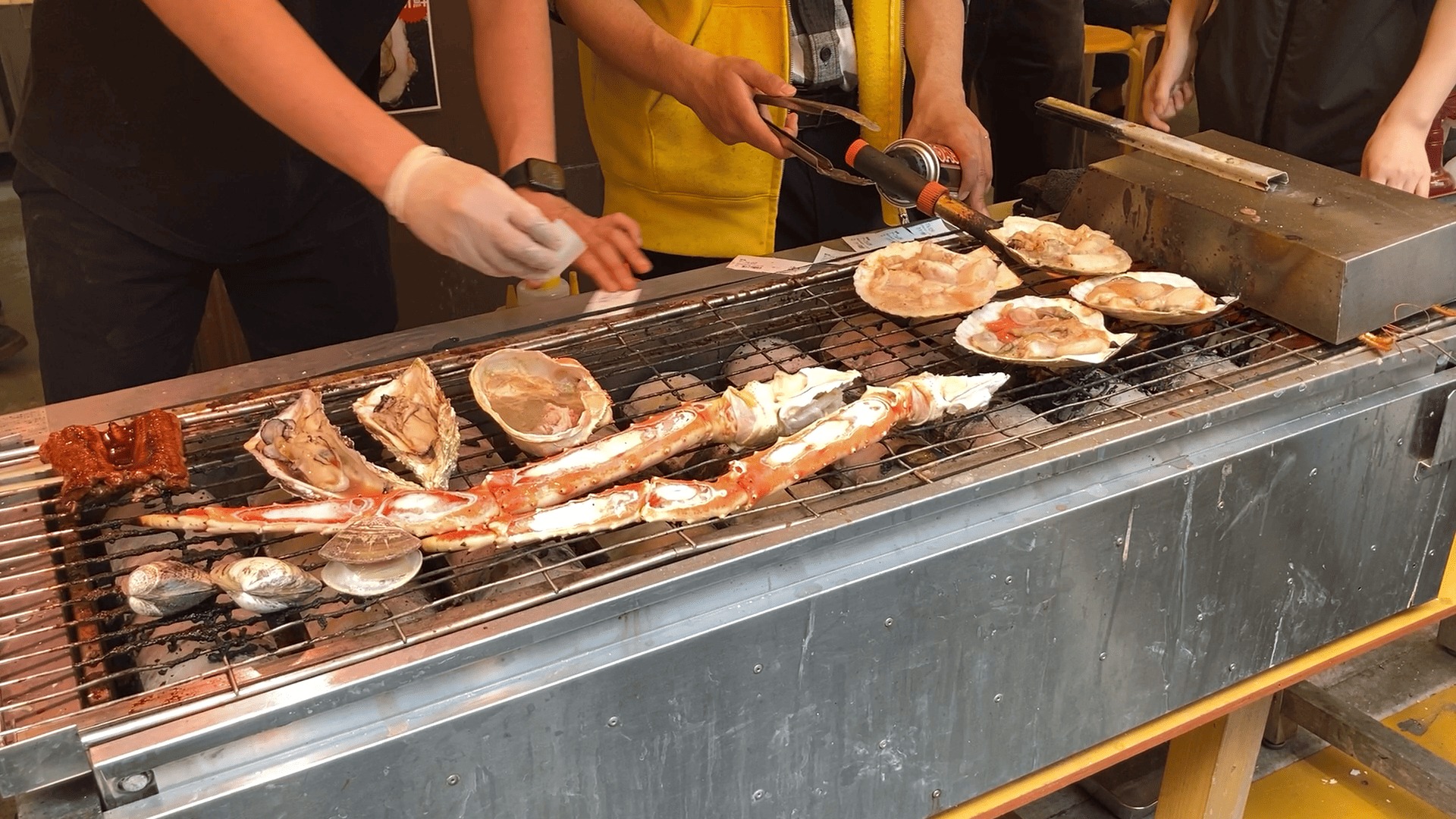
Food is another major highlight of Tokyo. You can savor fresh seafood, Wagyu beef, and other delicacies prepared with traditional Japanese culinary techniques. While Tokyo is the city with the most Michelin-starred in the world, you don’t have to dine at high-end establishments to enjoy delicious cuisine. High-quality meals are also available at lunchtime.
You can enjoy visits to cultural and historical landmarks, bustling streets where daily life thrives, or cutting-edge technology hubs—tailored to your preferences.
Available options
Tokyo Food Adventure: Street food, Teppanyaki cuisine, shrine etc
What's included
The admission fee for the Tokyo Skytree Observation Deck is included.
Gratuities
transportations fee: I provide you Tokyo 1-Day Ticket (Tokyo Free Ticket)
Detailed itinerary
1
Tokyo Station opened in December 1914, featuring a three-story brick building. The iconic red-brick station building was designed by Kingo Tatsuno, a pioneer of modern Japanese architecture. It is said that over 900,000 red bricks were used to finish the exterior walls.
Our journey begins here. Although it’s just one day, this starting point allows us to fully enjoy the wonders of Tokyo.
2
Stop 2
The Imperial Palace was originally Edo Castle, the residence of the Tokugawa shogunate, which was renamed the Imperial Palace in 1868, the first year of the Meiji era.
Edo Castle is believed to have been built in 1457 by Ōta Dōkan. Later, it was established as the residence of Tokugawa Ieyasu when he became the first shogun of the Tokugawa shogunate. Under the successive leadership of Ieyasu, Hidetada, and Iemitsu, Edo Castle underwent extensive development, with its main structure being largely completed in 1636, during the 13th year of the Kan'ei era.
When Emperor Meiji relocated from Kyoto to Tokyo, Edo Castle was transformed into the Imperial Palace.
3
Stop 3
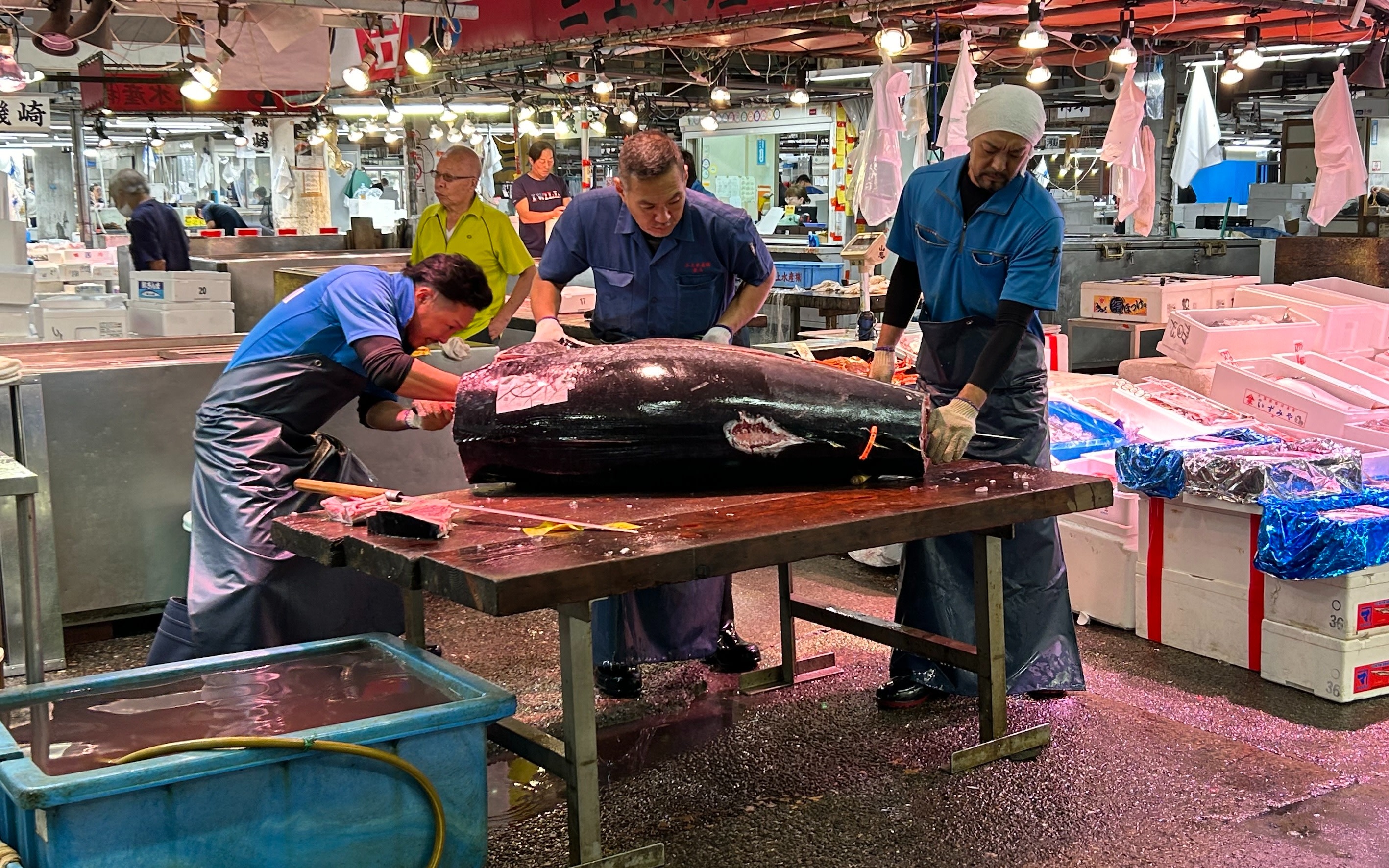
Food is major highlight of Tokyo. You can savor fresh seafood, Wagyu beef, and other delicacies prepared with traditional Japanese culinary techniques. While Tokyo is the city with the most Michelin-starred in the world, you don’t have to dine at high-end establishments to enjoy delicious cuisine. High-quality meals are also available at lunchtime.
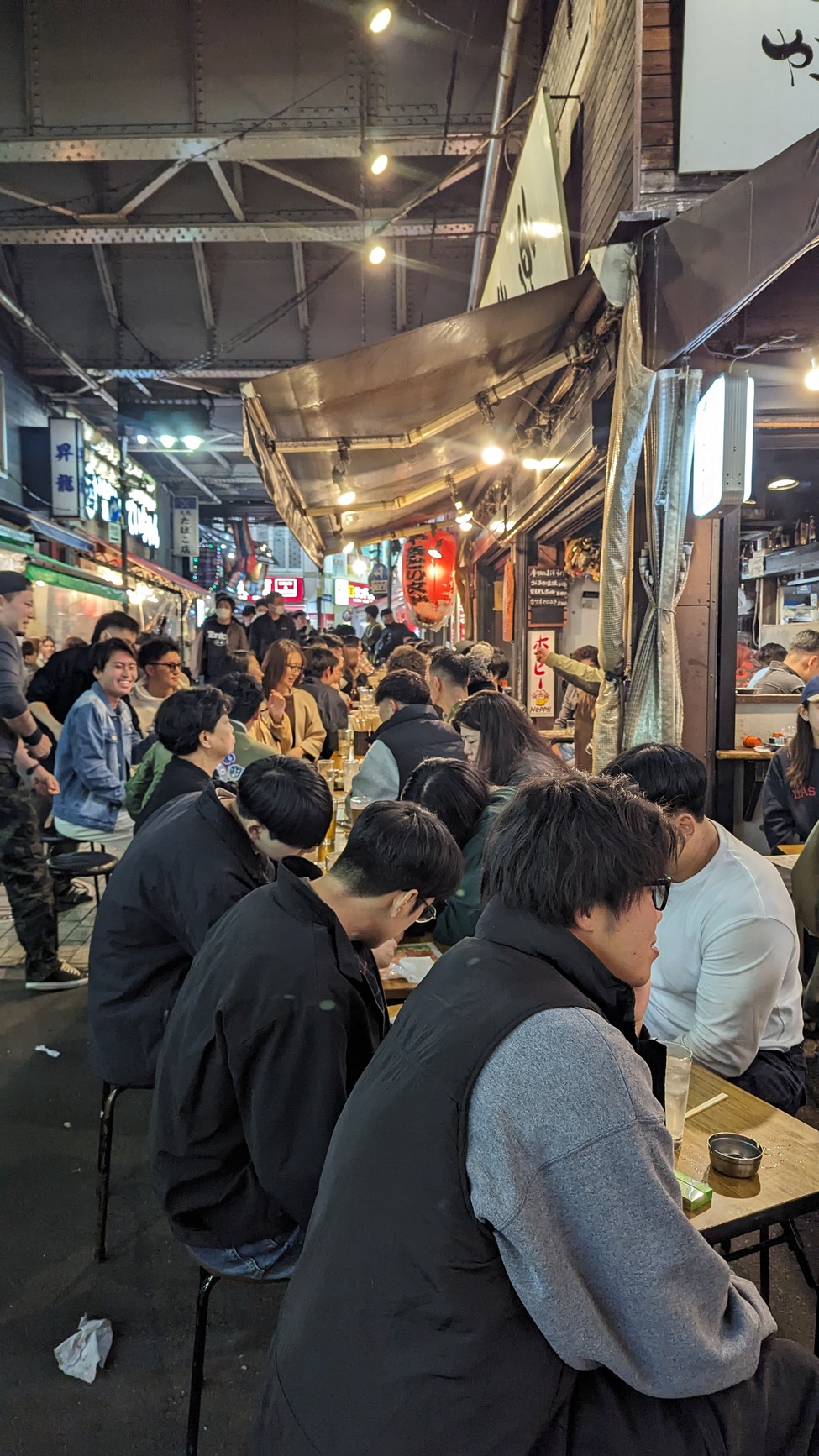
You can enjoy visits to cultural and historical landmarks, bustling streets where daily life thrives.
4
This ancient shrine is said to have been founded nearly 1,900 years ago by Yamato Takeru and is counted among the Tokyo Ten Shrines.
The current shrine building was constructed in 1706 (the 3rd year of the Hōei era) on land donated by Tokugawa Tsunatoyo, then lord of the Kōfu domain and later the 6th shogun of the Tokugawa shogunate, Tokugawa Ienobu. It is regarded as a masterpiece of the Gongen-zukuri architectural style, where the main hall, offering hall, and worship hall are structurally integrated. Seven structures of the shrine have been designated as Important Cultural Properties of Japan.
5
Shinobazu Pond is a charming natural pond located in the southern part of Ueno Park in Taito City, central Tokyo. Comprising three sections and spanning approximately 2 kilometers in circumference, the pond is home to a variety of wildlife, including animals, birds, fish, and even turtles.
The origins of Shinobazu Pond date back several centuries. It is well-known for being the site of a temple during the Edo period, which was destroyed in the 19th century during the Boshin War.
6
Stop 6
The origin of the name "Ameya Yokocho" (Candy Store Alley) for this shopping street is generally attributed to two main theories.
One theory suggests that after World War II, when sugar was scarce, returnees from China set up stalls in the market area selling candy ( called "Ame" in Japanese), which became highly popular among people craving sweets. Another version of this theory claims that stores selling "imo-ame" (sweet potato candy) lined the street, giving rise to the name "Ameya Yokocho" (Candy Store Alley).
7
Stop 7
After World War II, returning soldiers began selling industrial parts at street stalls, which marked the beginning of Akihabara’s transformation into an electronics district. Following this, during Japan’s period of rapid economic growth in the Showa era, the home appliance boom brought further changes. Over the years, Akihabara evolved with the times, embracing the personal computer era, the multimedia age, and the rise of the content industry. With each transformation, Akihabara attracted cutting-edge products and technological information, garnering attention from around the world.
8
Stop 8
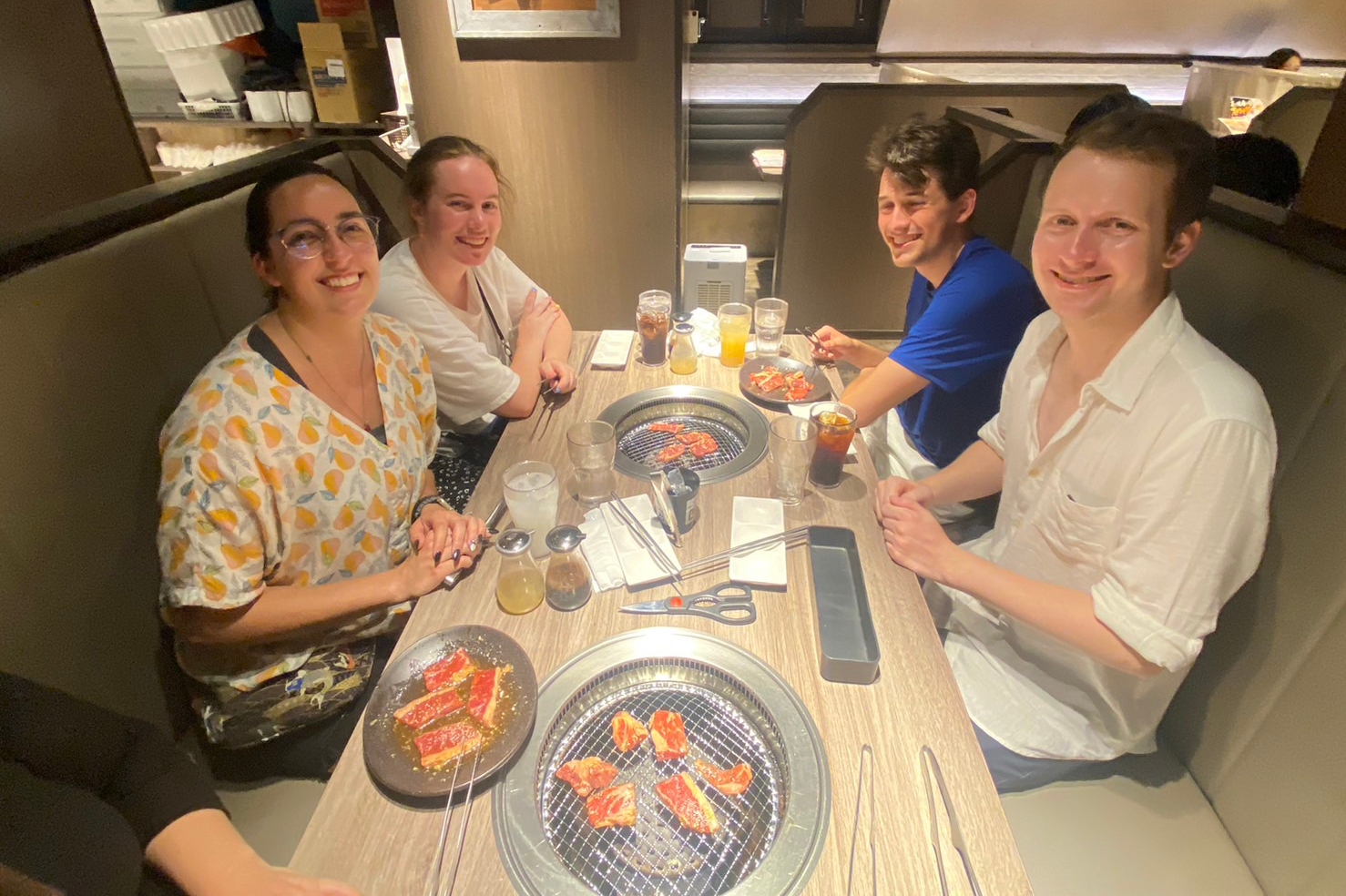
You will have a lunch at Asakusa area ,where known as the temple town of Sensoji, is not only a premier tourist destination in Tokyo but also one of the most iconic in Japan. It is a place where visitors can truly experience the essence of Japanese culture. With its retro streets exuding the charm of Edo-era downtown, the lively and warm-hearted locals, historic shrines and temples, and traditional Japanese cuisine and sweets, Asakusa encapsulates the richness of Japan’s cultural heritage. you can enjoy authentic Japanese Teppanyaki cuisine here.
Note: The content is subject to change depending on the restaurant's reservation status.
9
Stop 9
Tokyo Skytree is a broadcasting tower designed to transmit terrestrial digital signals and other broadcasts without interference in central Tokyo. Standing at a height of 634 meters, it is nearly twice the height of Tokyo Tower, making it the tallest freestanding tower in the world and the third tallest structure globally, after the Burj Khalifa and Merdeka 118 (PNB118). The complex includes the commercial facility "Tokyo Solamachi" and the office building "Tokyo Skytree East Tower," forming the Tokyo Skytree Town.
What's not included
Lunch will be reserved at a stylish Japanese restaurant, priced at approximately 15,000 yen per person, including the guide's meal.
The cost of food and drinks at the stalls in Tsukiji Outer Market and Ameya-Yokocho is not included. Many of these establishments only accept cash, so please be sure to have some on hand.
Available languages
Guide guide
EN
Important information
Wheelchair accessible
Infants and small children can ride in a pram or stroller
Service animals allowed
Public transportation options are available nearby
Infants are required to sit on an adult’s lap
Specialized infant seats are available
Transportation options are wheelchair accessible
Not recommended for pregnant travelers
Not recommended for travelers with poor cardiovascular health
Travelers should have at least a moderate level of physical fitness
If you have any food allergies or dietary restrictions due to religious or personal beliefs, please inform us in advance.
Meeting point
We can meet at Tokyo station Marunouchi south exit train ticket gate, which you can find the photo Tokyo station "The red brick building" and there is inside of it.
About Tokyo
Tokyo, the capital of Japan, is a bustling metropolis that beautifully blends traditional culture with cutting-edge technology. Known for its neon-lit streets, historic temples, and world-class cuisine, Tokyo offers a unique experience that caters to every type of traveler.
Top Attractions
Senso-ji Temple
Senso-ji is Tokyo's oldest temple and one of its most significant. The temple's massive lantern and five-story pagoda are iconic landmarks.
Historical/Religious
1-2 hours
Free (small fee for some areas)
Meiji Shrine
Meiji Shrine is a Shinto shrine dedicated to the deified spirits of Emperor Meiji and his wife, Empress Shoken. It is surrounded by a beautiful forest.
Historical/Religious
1-2 hours
Free
Shibuya Crossing
Shibuya Crossing is the world's busiest pedestrian crossing and a symbol of Tokyo's bustling urban life. It's a must-see for its chaotic yet orderly nature.
Cultural
30 minutes to 1 hour
Free (¥2,200 for Shibuya Sky)
Tokyo Skytree
Tokyo Skytree is the tallest tower in Japan and the second tallest freestanding structure in the world. It offers breathtaking views of the city.
Architecture
2-3 hours
¥2,100 to ¥3,100 (USD $15 to $22)
Odaiba
Odaiba is a man-made island in Tokyo Bay known for its shopping, dining, and entertainment options. It's a great place for families and tech enthusiasts.
Entertainment
Half day to full day
Varies by attraction
Must-Try Local Dishes
Sushi
Fresh raw fish served on vinegared rice, a staple of Japanese cuisine.
Dinner
Contains fish, can be vegetarian with substitutes.
Ramen
Noodle soup with various broths and toppings, a popular comfort food.
Lunch/Dinner
Vegan and vegetarian options available.
Tempura
Deep-fried seafood and vegetables, known for its crispy texture.
Lunch/Dinner
Contains seafood and deep-fried ingredients.
Okonomiyaki
Savory pancake with various ingredients, often topped with sauce and bonito flakes.
Lunch/Dinner
Contains seafood and can be made vegetarian.
Popular Activities
Hiking in the nearby mountains
Parasailing at Odaiba
Onsen (hot spring) visits
Tea ceremonies
Traditional tea ceremonies
Kimono rentals and photo shoots
Boat tours on the Sumida River
Beach activities at Odaiba
Best Time to Visit
March to May (Spring) and September to November (Autumn)
These seasons offer comfortable temperatures and beautiful scenery, with cherry blossoms in spring and vibrant foliage in autumn. However, these are also the busiest times for tourism.
10°C to 25°C (50°F to 77°F)
50°F to 77°F
Practical Information
Language
- Official: Japanese
- Widely spoken: English, Chinese, Korean
- English: Moderately spoken in tourist areas, limited elsewhere
Currency
Japanese Yen (JPY)
Time Zone
GMT+9
Electricity
100VV, 50/60HzHz
Safety Information
Overall Safety Rating: Very safe
Tokyo is generally very safe, with low crime rates and a strong emphasis on public order. However, petty crimes like pickpocketing can occur in crowded areas.
Important Precautions:
- • Be cautious of your belongings in crowded areas.
- • Use licensed taxis and check fares before getting in.
- • Be aware of your surroundings, especially at night.
Getting there
By air
- Narita International Airport • 60 km (37 miles) from city center
- Haneda Airport • 15 km (9 miles) from city center
By train
Tokyo Station, Shinjuku Station
By bus
Tokyo Station Bus Terminal, Shinjuku Expressway Bus Terminal
Getting around
Public transport
Tokyo's subway system is efficient, clean, and punctual. It consists of multiple lines operated by Tokyo Metro and Toei Subway.
Taxis
Available • Apps: JapanTaxi, DiDi
Rentals
Car, Bike, Scooter
Neighborhoods
Shibuya
Shinjuku
Asakusa
Ginza
Akihabara
Day trips
Nikko
120 km (75 miles) from Tokyo • Full day
Nikko is a city known for its beautiful shrines, temples, and natural scenery. It's a UNESCO World Heritage site and offers a peaceful retreat from the bustling city.
Kamakura
50 km (31 miles) from Tokyo • Half day to full day
Kamakura is a coastal town known for its historic temples, shrines, and the Great Buddha statue. It's a great place to experience traditional Japanese culture.
Hakone
90 km (56 miles) from Tokyo • Full day or overnight
Hakone is a hot spring resort town known for its onsen (hot springs), scenic views of Mount Fuji, and the Open-Air Museum. It's a popular destination for relaxation and nature.
Festivals
Sannō Matsuri • Mid-June (every 2 years)
Kanda Matsuri • Mid-May (every 2 years)
Sumida River Fireworks Festival • Last Saturday of July
Pro tips
- Use IC cards like Suica or Pasmo for convenient and discounted public transport.
- Download useful apps like Google Maps, Japan Transit Planner, and Japan Travel by Navitime.
- Learn a few basic Japanese phrases to enhance your experience and show respect for the local culture.
- Carry cash, as some smaller shops and restaurants may not accept credit cards.
- Visit popular attractions early in the morning or late in the afternoon to avoid crowds.
From $25
per person
Price varies by option
Secure booking
Free cancellation available
Instant confirmation


![[One-Day Tour Exploring the Magnificent Views of Mount Fuji] Arakurayama Sengen Park & Lake Kawaguchi Oishi Park & Oshino Hakkai & Instagram-Famous Lawson & Nikawa Tokeiten (Departure from Tokyo)](https://res.klook.com/image/upload/activities/iuqnww3unmcff9wf1zvx.jpg)