Sunder Nursery: A GPS Guided Audio Tour
Active
1h - 1h
For a full refund, cancel at least 24 hours before the scheduled departure time.
Instant confirmation
Mobile or paper ticket accepted
About this experience
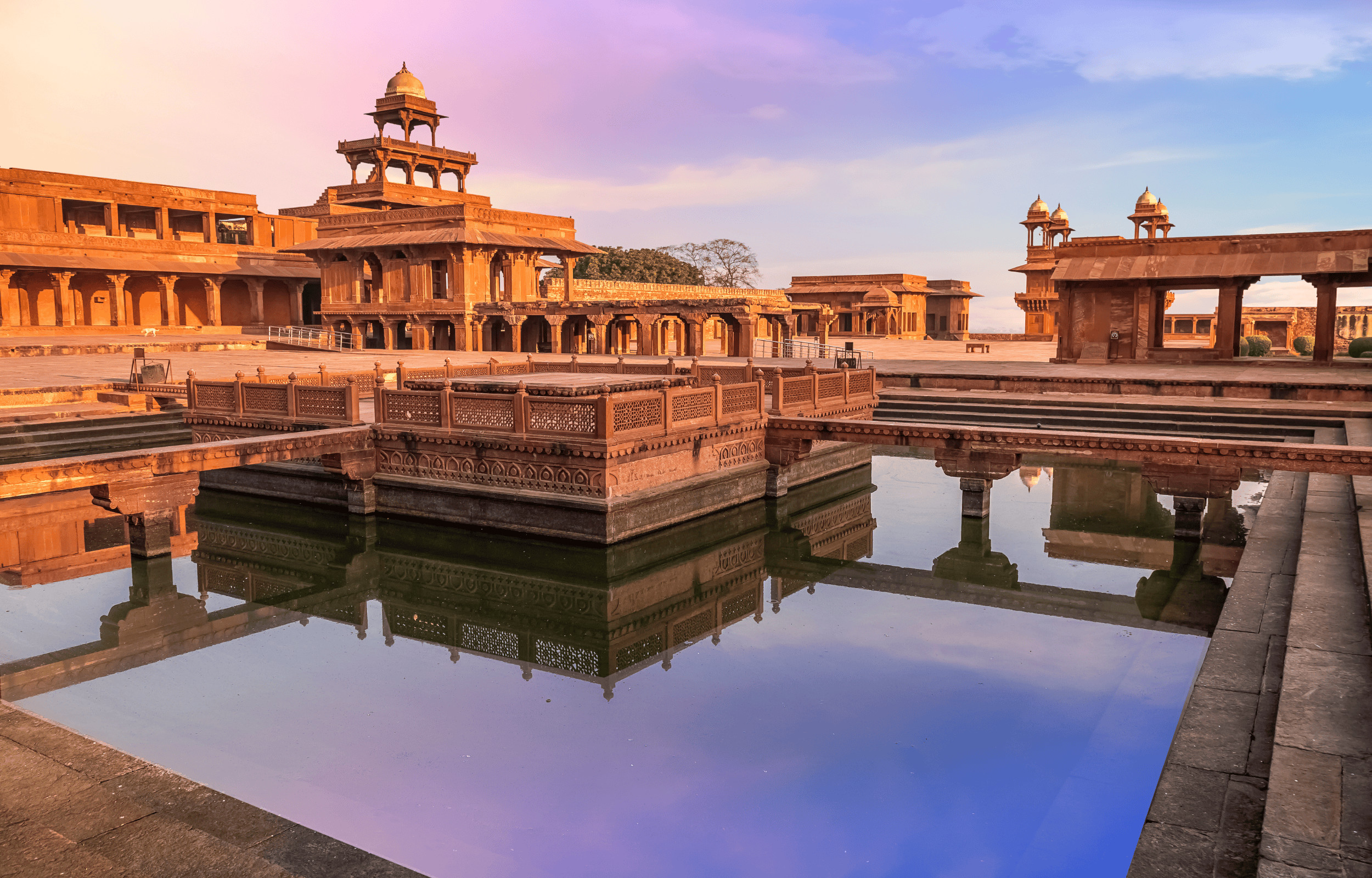
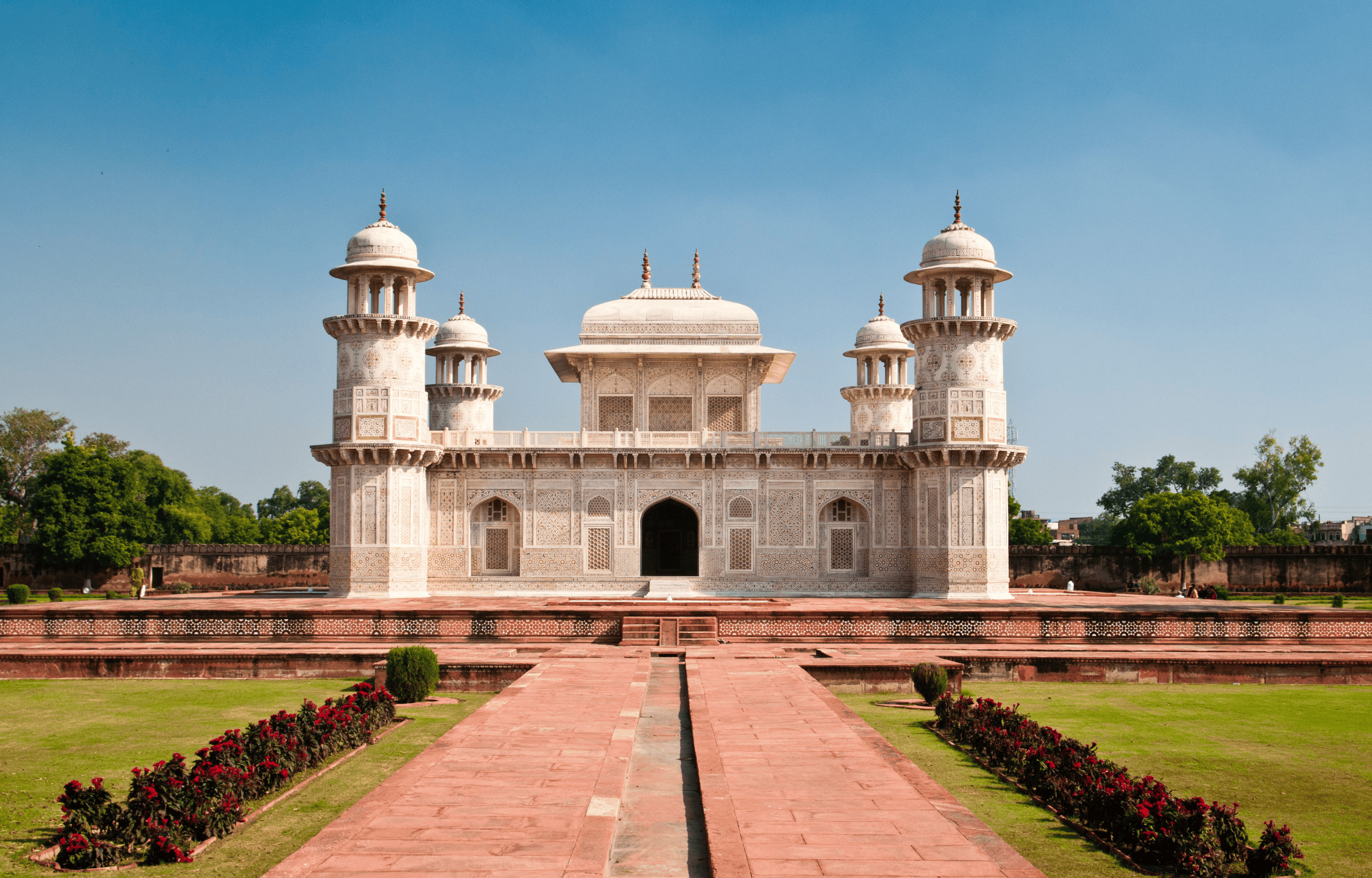
Sunder Nursery isn’t just a landscaped park—it’s a stunning blend of history, architecture, and nature, where Mughal-era tombs rise amidst lush gardens, serene water features, and rare plant species.
With Tourismo’s immersive audio guide, step back in time to uncover the stories behind centuries-old monuments hidden in plain sight. Learn why this area became a favored burial ground for rulers and how its restoration transformed it into Delhi’s most enchanting green space.
As you wander through the Garden of Delight, past lotus-filled ponds and the striking Arched Pavilion, you’ll unravel the deep symbolism of Mughal garden design—where symmetry, water, and flora create a paradise on earth.
Skip the rigid schedules and crowded tours—explore Sunder Nursery at your own pace, with Tourismo’s storytelling bringing every corner to life.
Available options
Sunder Nursery: A GPS Guided Audio Tour
What's included
Flexibility to explore at your own pace with a self-guided GPS tour
Tourismo Application (Android & iOS)
Map with starting point and other contextual details
Lifetime access to Sunder Nursery Audio Tour through an Offer Code
Detailed itinerary
1
Stop 1
Almost there! Here's a smoother version:
The tour begins at the Sunderwala Burj, a beautifully restored tomb of an unknown individual. Here, travelers uncover the secret behind why this area became a favored burial ground for rulers from the 13th to 16th century.
2
As travelers pass through the Garden of Delight, they’ll explore the historical and philosophical significance of symmetry, along with the prominent use of water and lotus motifs—key elements of Mughal architecture.
3
Stop 3
The journey continues to the far end of Sunder Nursery, near Azimganj Sarai. Here, travelers uncover the origins of the name Bagh-e-Azeem while exploring model farms and a picturesque lake.
4
Stop 4
Pass by
The walk leads to the Arched Pavilion, followed by a chance for travelers to uncover the Secret Garden before reaching the next stop.
5
Stop 5
The walk comes full circle near Sunderwala Mahal and the Lotus Pond, concluding with a discussion on the site's modern evolution near the Amphitheatre.
What's not included
Earphones/Smartphones
Transportation
Food & Drink
Entry tickets to Sunder Nursery (to be purchased by travelers at the entrance ticket counter)
Available languages
Audio guide
EN
Reviews breakdown
Tripadvisor
5.0
1 reviews
5★
1
4★
0
3★
0
2★
0
1★
0
Important information
Wheelchair accessible
Infants and small children can ride in a pram or stroller
Service animals allowed
Public transportation options are available nearby
All areas and surfaces are wheelchair accessible
Suitable for all physical fitness levels
Meeting point
The audio tour starts right at the Sunder Nursery main entrance.
Important notes
The ticket counter is right at the entrance of Sunder Nursery before the security checkpost.
About New Delhi
New Delhi, the capital of India, is a vibrant blend of ancient history and modern development. It offers a rich cultural experience with its historic monuments, bustling markets, and diverse cuisine. The city is a gateway to understanding India's past and present.
Top Attractions
Red Fort
A UNESCO World Heritage Site and a symbol of India's struggle for independence. Built by Emperor Shah Jahan in the 17th century.
Historical
2-3 hours
₹35 ($0.50) for Indians, ₹500 ($7) for foreigners
Qutub Minar
Another UNESCO World Heritage Site, this towering minaret is a fine example of early Indo-Islamic architecture.
Historical
1-2 hours
₹30 ($0.40) for Indians, ₹500 ($7) for foreigners
India Gate
A war memorial dedicated to the soldiers who died in World War I and the Afghan Wars. A popular evening spot for locals and tourists.
Historical
1 hour
Free
Humayun's Tomb
A UNESCO World Heritage Site and a precursor to the Taj Mahal. This beautiful Mughal garden tomb is a must-visit.
Historical
1-2 hours
₹30 ($0.40) for Indians, ₹500 ($7) for foreigners
Lotus Temple
A Baha'i House of Worship known for its flower-like shape. It is a symbol of peace and unity.
Religious
1 hour
Free
Must-Try Local Dishes
Butter Chicken
Creamy tomato-based curry with tender chicken pieces, originated in Delhi.
Dinner
Non-vegetarian
Chole Bhature
Spicy chickpea curry served with deep-fried bread.
Lunch
Vegetarian
Chaat
A variety of savory snacks like Pani Puri, Bhel Puri, and Aloo Tikki.
Snack
Vegetarian, some options vegan
Paratha
Stuffed flatbread cooked on a griddle, often served with yogurt or pickle.
Breakfast
Vegetarian, some options vegan
Popular Activities
River rafting in Rishikesh
Hot air ballooning in Jaipur
Trekking in the Aravalli Range
Spa treatments in luxury hotels
Yoga and meditation in Rishikesh
Strolls in Lutyens' Delhi
Attending a classical music or dance performance
Visiting art galleries and museums
Best Time to Visit
October to March
This is the most pleasant time to visit with cooler temperatures and various festivals. It's ideal for sightseeing and outdoor activities.
15°C to 35°C
59°F to 95°F
Practical Information
Language
- Official: Hindi, English
- Widely spoken: Punjabi, Urdu, Bhojpuri
- English: Widely spoken in urban areas
Currency
Indian Rupee (INR)
Time Zone
IST (GMT+5:30)
Electricity
230VV, 50HzHz
Safety Information
Overall Safety Rating: Exercise caution
New Delhi is generally safe for tourists, but petty crimes like pickpocketing and scams can occur. Be cautious, especially in crowded areas.
Important Precautions:
- • Use trusted transport options
- • Avoid walking alone at night
- • Be cautious of strangers offering help
Getting there
By air
- Indira Gandhi International Airport • 16 km from city center
By train
New Delhi Railway Station, Old Delhi Railway Station
By bus
Inter-State Bus Terminal (ISBT), Dhaula Kuan Bus Stand
Getting around
Public transport
Clean, efficient, and air-conditioned. Connects major attractions and neighborhoods.
Taxis
Available • Apps: Ola, Uber
Rentals
Car, Bike, Scooter
Neighborhoods
Connaught Place
Old Delhi
Lutyens' Delhi
Hauz Khas
Day trips
Agra
233 km from Delhi • Full day
Home to the iconic Taj Mahal, Agra is a must-visit for history and architecture lovers.
Jaipur
268 km from Delhi • Full day or overnight
The Pink City is known for its palaces, forts, and vibrant culture.
Rishikesh
240 km from Delhi • Full day or overnight
A spiritual and adventure hub, Rishikesh is famous for yoga, meditation, and river rafting.
Festivals
Diwali • October-November (dates vary)
Holi • March (dates vary)
Republic Day • January 26
Pro tips
- Use the Delhi Metro for efficient and affordable travel around the city.
- Try street food from busy stalls to ensure freshness and hygiene.
- Bargain politely in markets, but be prepared to pay a fair price.
- Carry small denominations for shopping and street food.
- Respect local customs and traditions, especially when visiting religious sites.
From $25
per person
Price varies by option
Secure booking
Free cancellation available
Instant confirmation