Imperial Palace to Tokyo Station Historical Walking Tour
Active
2h
For a full refund, cancel at least 24 hours before the scheduled departure time.
Instant confirmation
Mobile or paper ticket accepted
About this experience
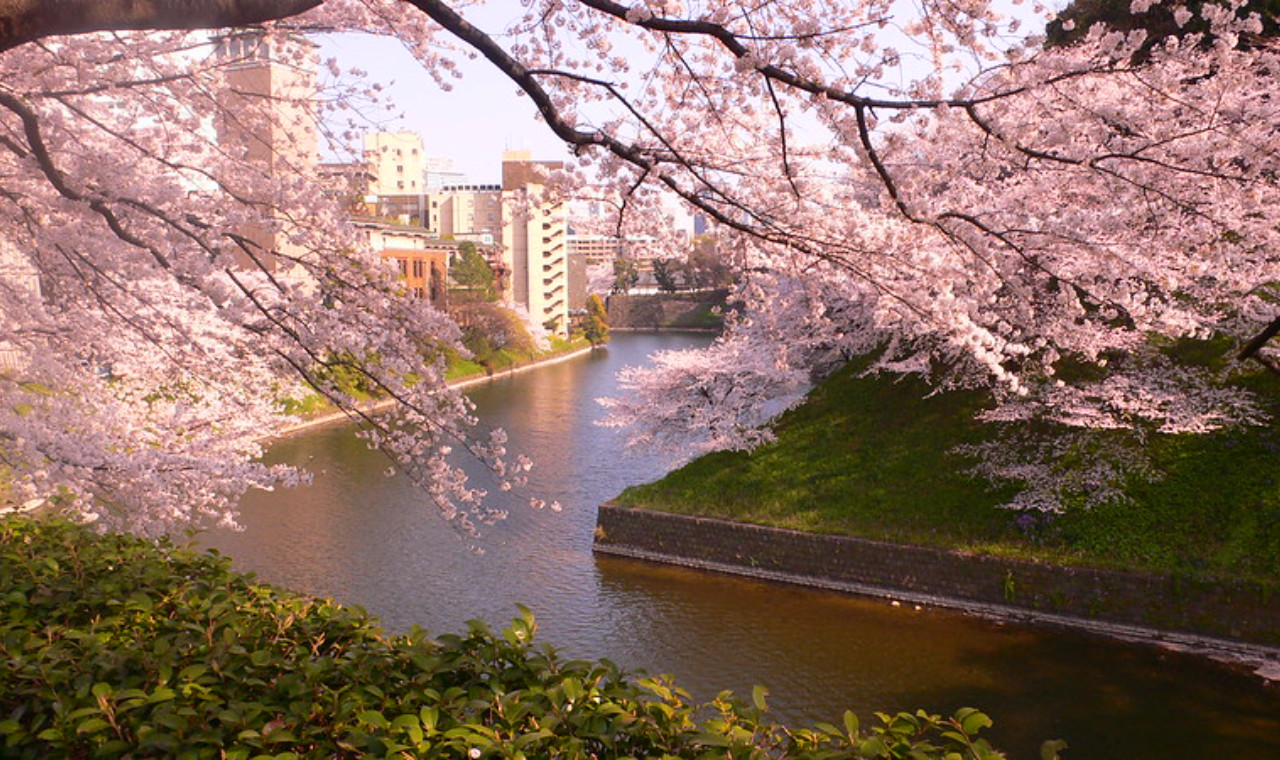
Stroll through Tokyo's rich history on this walking tour from the Imperial Palace to Tokyo Station. Start at the serene East Gardens, admiring the moats and gardens that echo the Tokugawa shogunate's past. Learn about Japan's imperial history and enjoy scenic views at the centre of Tokyo. As you wander through the Marunouchi district, experience the blend of modern architecture and historical sites, culminating at the iconic red-brick Tokyo Station, showcasing the city's vibrant transformation. This tour is perfect for history buffs and cultural explorers alike.
- Discover the Imperial Palace East Gardens and its historic sites
- Explore the Marunouchi district's modern architecture and art
- Conclude at the beautifully restored Tokyo Station
- Ideal for those interested in Japan's rich cultural heritage and modern life
Available options
Imperial Palace to Tokyo Station Historical Walking Tour
What's included
Local tour guide
Detailed itinerary
1
Begin your exploration at Wadakura Fountain Park, located near the Imperial Palace. Established in 1961 to commemorate the marriage of Emperor Akihito, the park features elegant fountains and provides a tranquil setting amidst the city's hustle
2
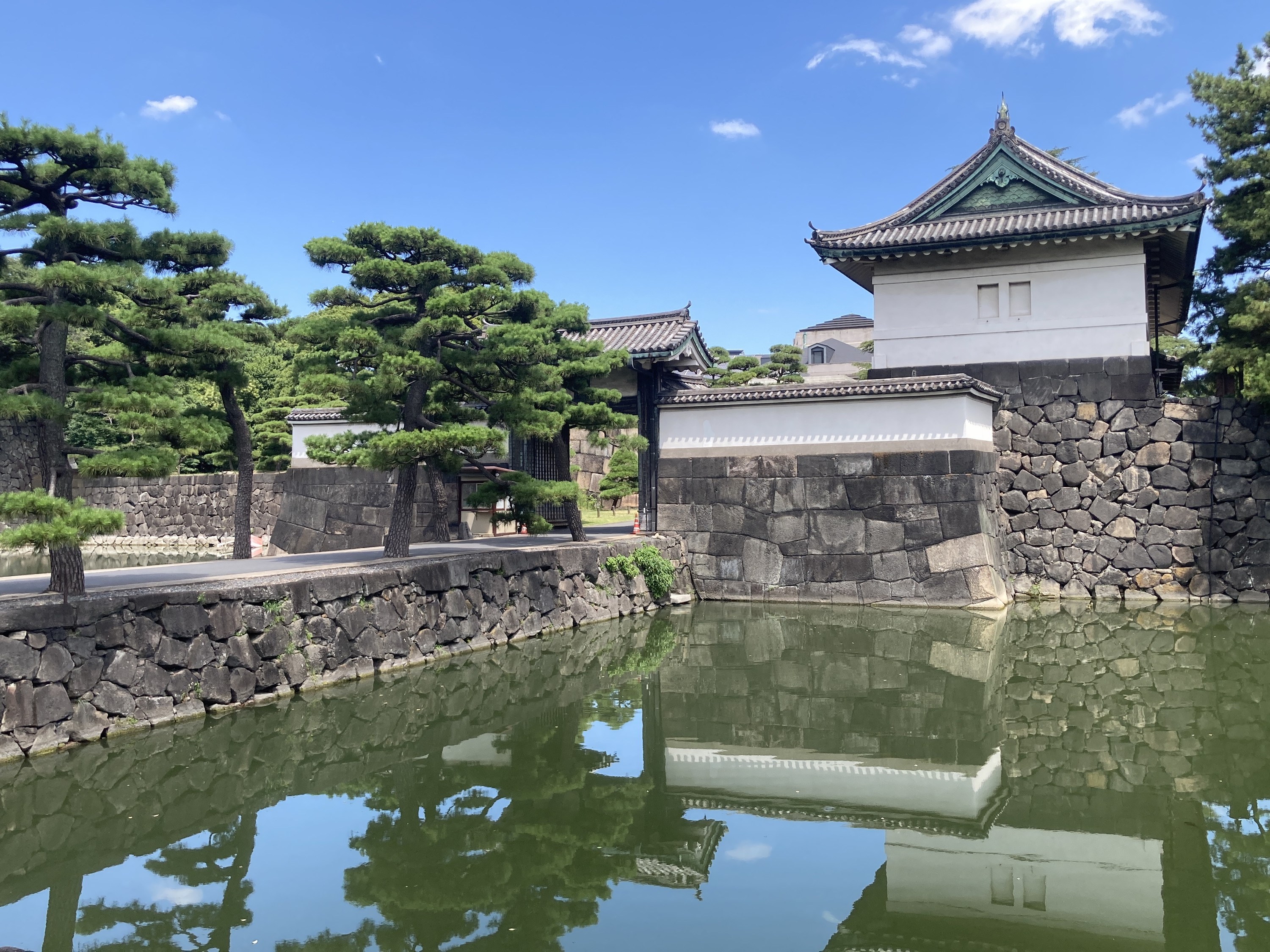
Proceed to the historic Ōte-mon Gate, the main entrance to the Imperial Palace East Gardens. This imposing gate once served as a primary access point to Edo Castle, reflecting the architectural grandeur of the samurai era.
3
Nearby, explore the remnants of the Ote-San'no Gate. These ruins offer a glimpse into the castle's defensive structures and the strategic design employed during the Edo period.
4
Visit the Hyakunin Bansho Guardhouse, historically manned by a hundred samurai responsible for the security of the castle's innermost sections. The guardhouse stands as a testament to the vigilance and order of the shogunate's military operations.
5
Stroll through the meticulously landscaped Ninomaru Garden, a classic Japanese garden featuring seasonal flora, winding paths, and serene water features. This garden offers a peaceful retreat and showcases traditional Japanese horticultural artistry.
6
Pause at Suwa-no-chaya, a historic teahouse nestled within the gardens. While the teahouse itself is not operational, its presence adds to the historical ambiance, reflecting the cultural significance of tea ceremonies in Japan.
7
Ascend Bairinzaka, also known as Plum Tree Hill, adorned with numerous plum trees that bloom vibrantly in season. This spot offers picturesque views and a fragrant experience during the blooming period.
8
Explore the site of the former Edo Castle's main keep. Though the original structure was lost, the remaining stone foundations and walls convey the immense scale and significance of the Tokugawa shogunate's seat of power.
9
Visit the Fujimi-yagura, one of the few remaining watchtowers of Edo Castle. Historically used for surveillance and defense, it offers insights into the castle's military architecture.
10
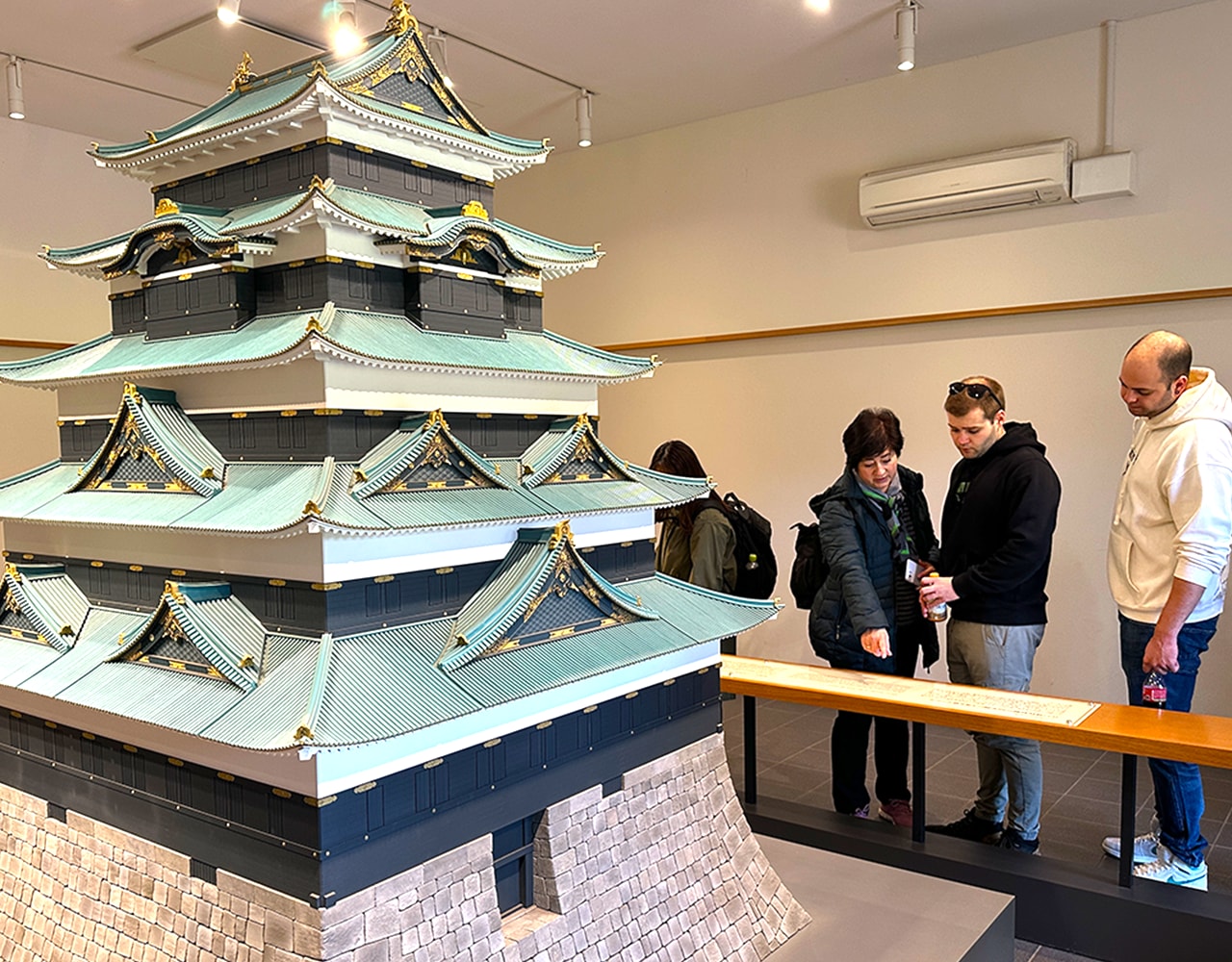
Within the Imperial Palace East Gardens, visitors will find a detailed scale model of the original Edo Castle main keep (Tenshukaku), meticulously reconstructed based on historical records and drawings. The original keep, once the tallest castle tower in Japan, was destroyed by fire in 1657 and never rebuilt. This model offers a rare opportunity to visualize the scale, design, and grandeur of what was once the political heart of the Tokugawa shogunate. It's a perfect stop for those interested in Japanese history, architecture, and samurai-era culture.
11
Located within the Imperial Palace East Gardens, the Honmaru area was once the central compound of Edo Castle, serving as the main residence and political headquarters of the Tokugawa shogunate. Though the original structures no longer remain, visitors can walk through the spacious site where important decisions that shaped Japan’s history were once made. Surrounded by stone foundations, wide open lawns, and remnants of defensive walls, the Honmaru Ruins offer a powerful sense of scale and historical significance. It's a peaceful yet impressive area that helps you imagine the grandeur of the castle in its prime.
12
Stop 12
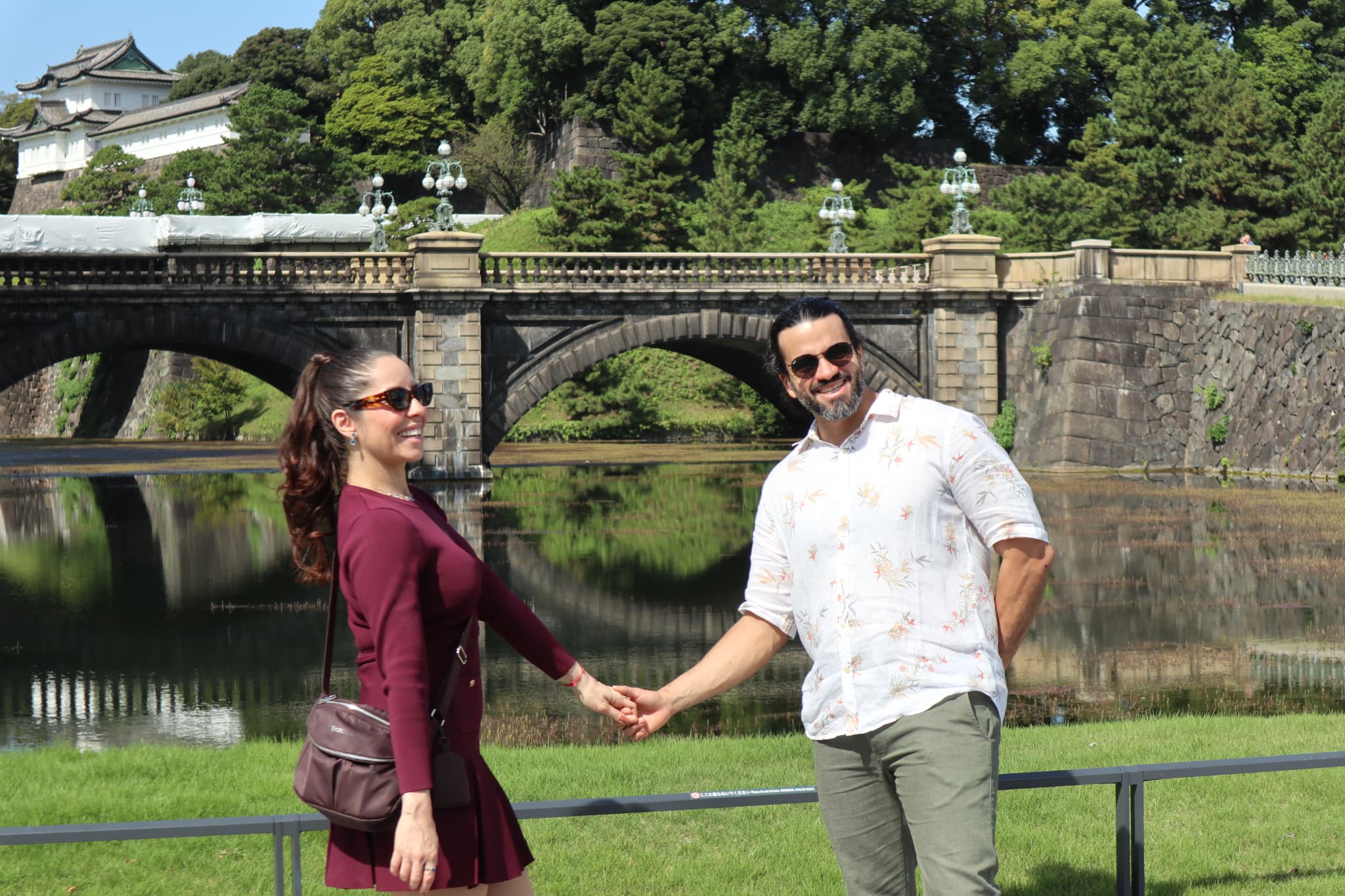
Exit the East Gardens into Kokyo Gaien National Garden, an expansive plaza offering unobstructed views of the palace's outer structures and the iconic Nijubashi Bridge. The open space is ideal for photography and appreciating the palace's grandeur.
13
Continue your walk through the Marunouchi district, Tokyo's prestigious business hub. Here, modern skyscrapers stand alongside historic buildings, housing upscale boutiques, restaurants, and art installations, exemplifying Tokyo's blend of tradition and innovation.
14
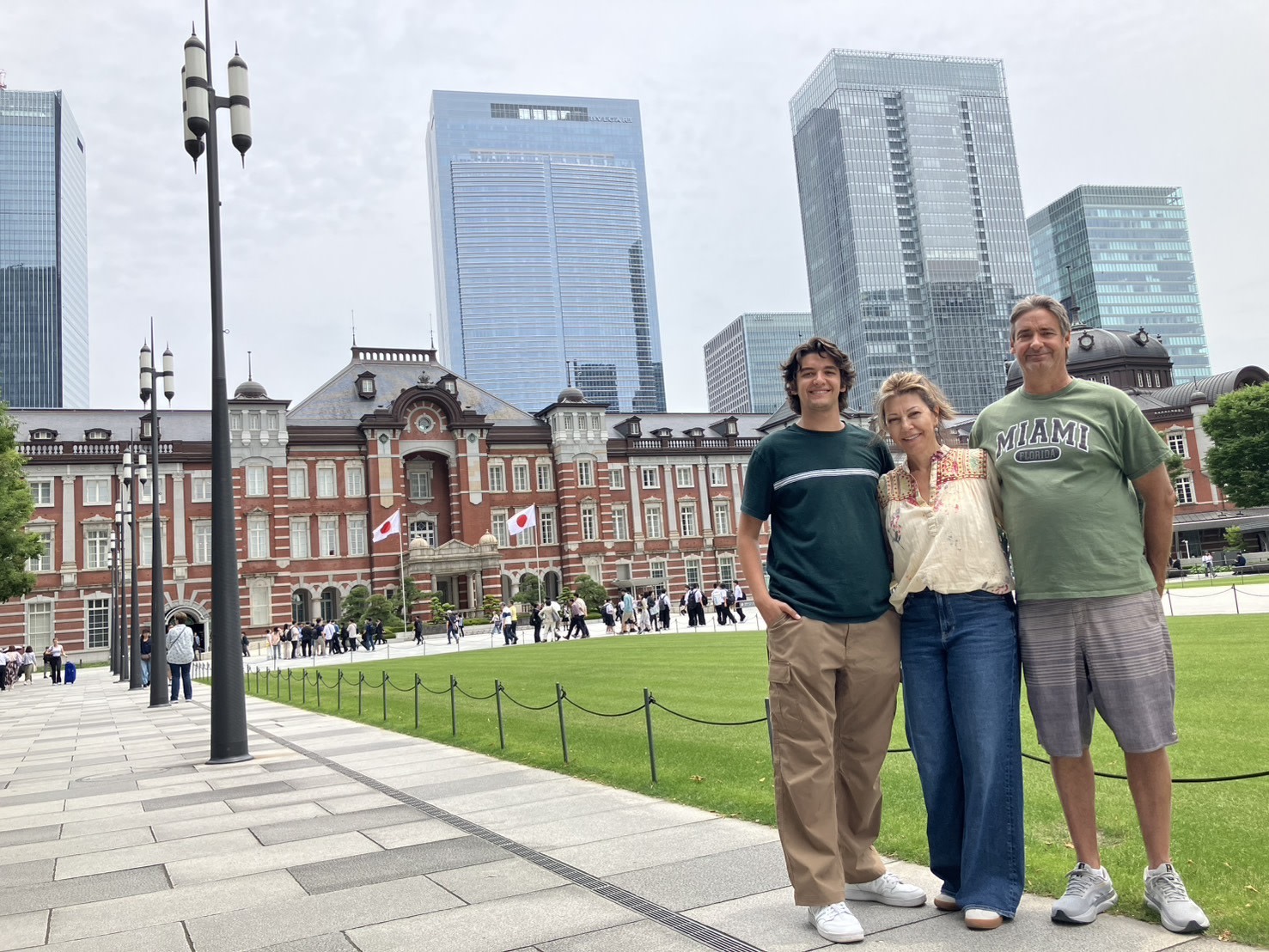
Conclude your tour at Tokyo Station, renowned for its distinctive red-brick façade restored to its 1914 glory. Inside, the station is a bustling nexus of travel, commerce, and dining, featuring an array of shops and eateries that cater to diverse tastes.
What's not included
Please note that food and drinks are not included and should be purchased individually.
Access to the Inner Palace (not open to the public)
Available languages
Guide guide
KO
CMN
JA
YUE
EN
FR
ES
Reviews breakdown
Tripadvisor
5.0
4 reviews
5★
4
4★
0
3★
0
2★
0
1★
0
Important information
Service animals allowed
Public transportation options are available nearby
Infants and small children can ride in a pram or stroller
Suitable for all physical fitness levels
Meeting point
Starbucks Coffee - Kokyo Gaien Wadakura Fountain Park
Please meet in front of the Starbucks Coffee located inside Wadakura Fountain Park.
Our guide will be waiting outside the entrance.
About Tokyo
Tokyo, the capital of Japan, is a bustling metropolis that beautifully blends traditional culture with cutting-edge technology. Known for its neon-lit streets, historic temples, and world-class cuisine, Tokyo offers a unique experience that caters to every type of traveler.
Top Attractions
Senso-ji Temple
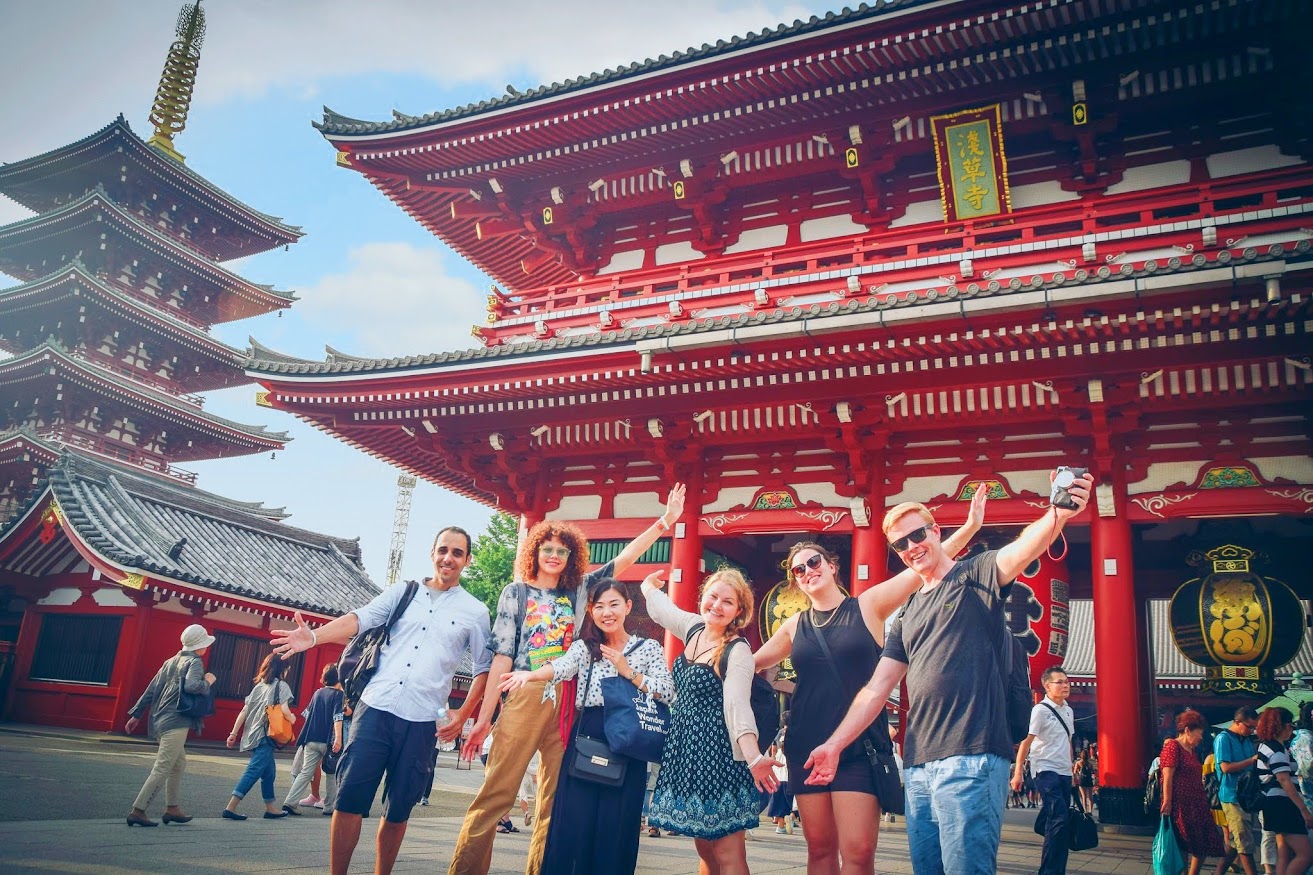
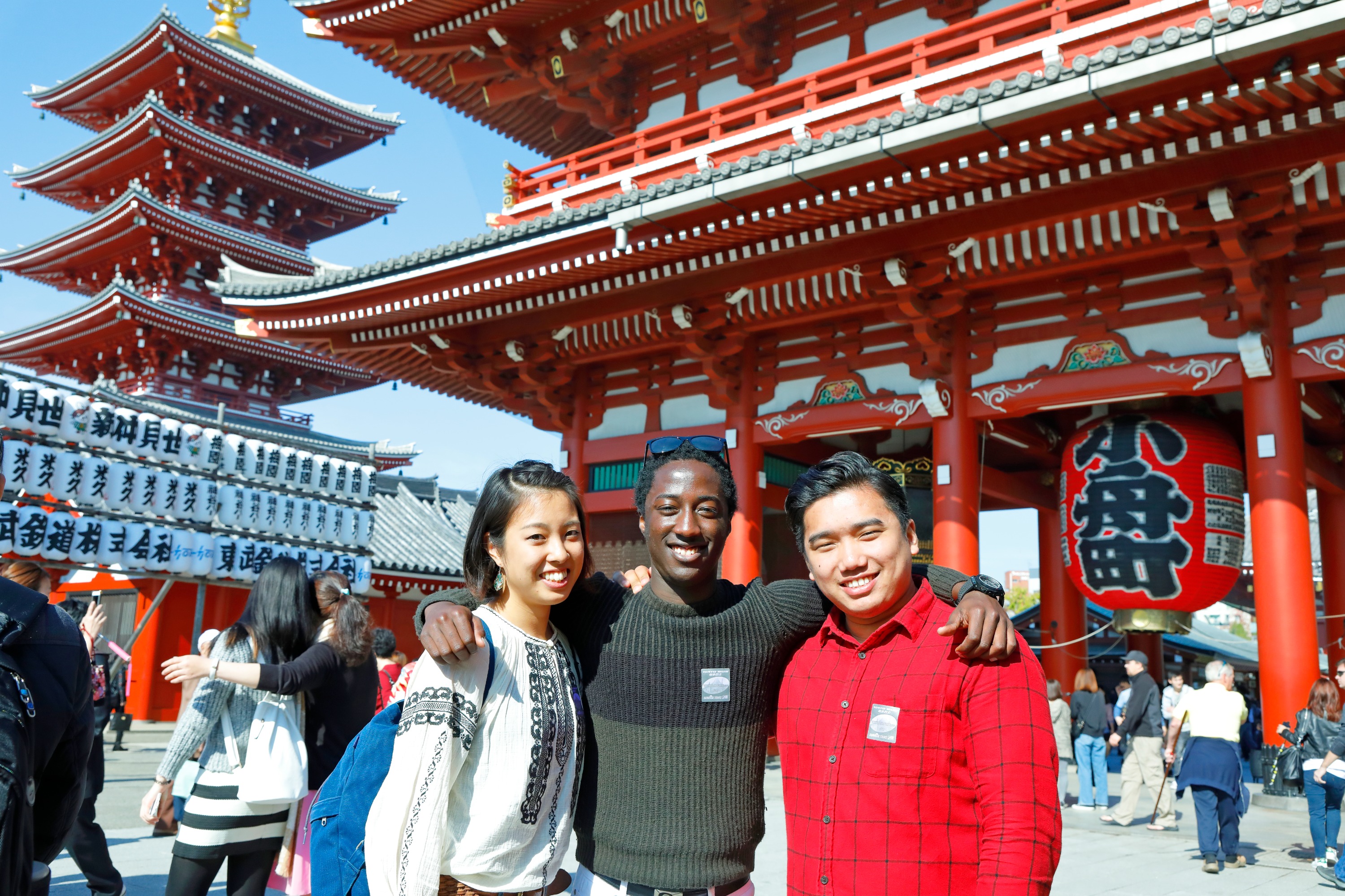
Senso-ji is Tokyo's oldest temple and one of its most significant. The temple's massive lantern and five-story pagoda are iconic landmarks.
Historical/Religious
1-2 hours
Free (small fee for some areas)
Meiji Shrine
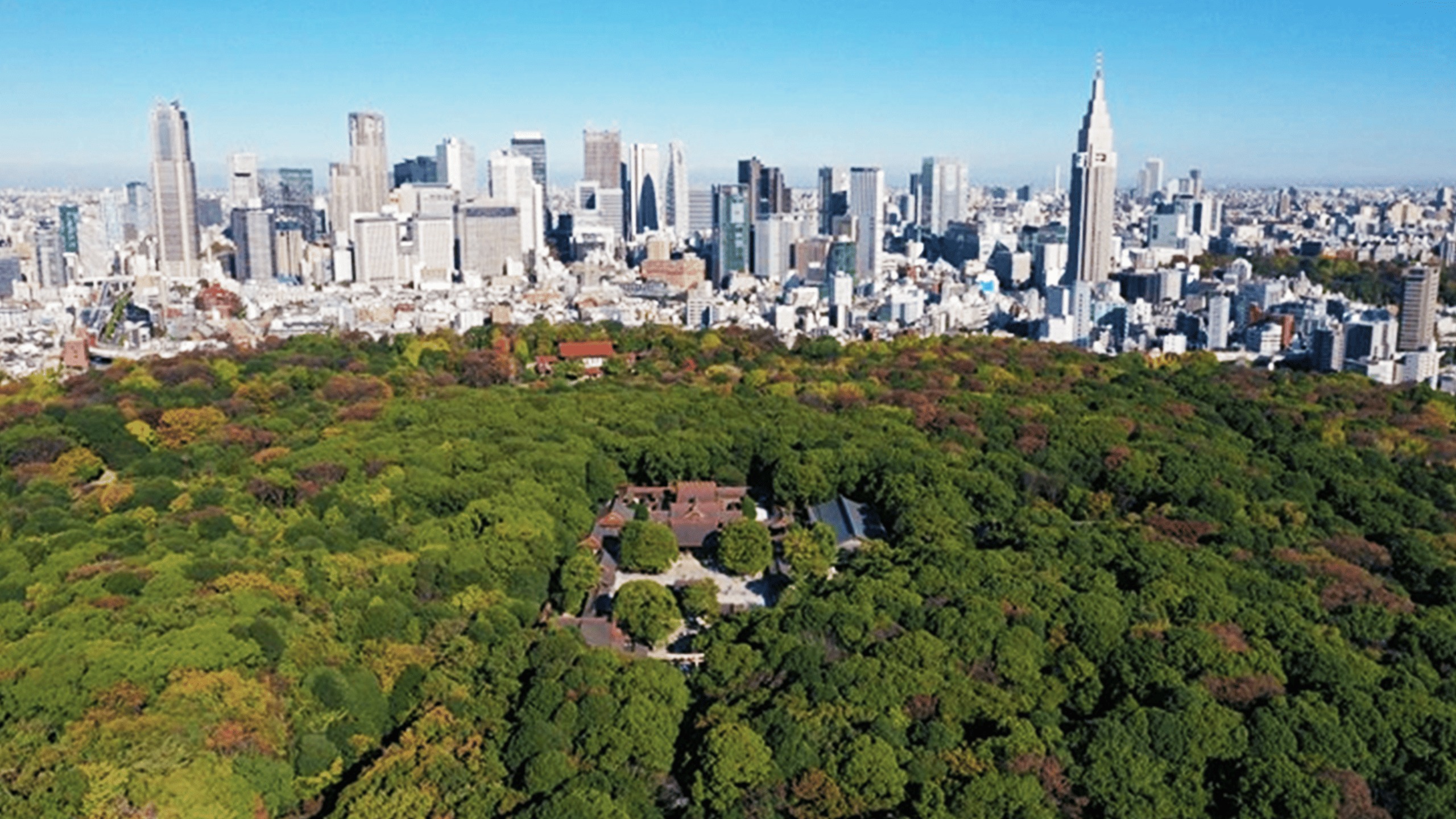
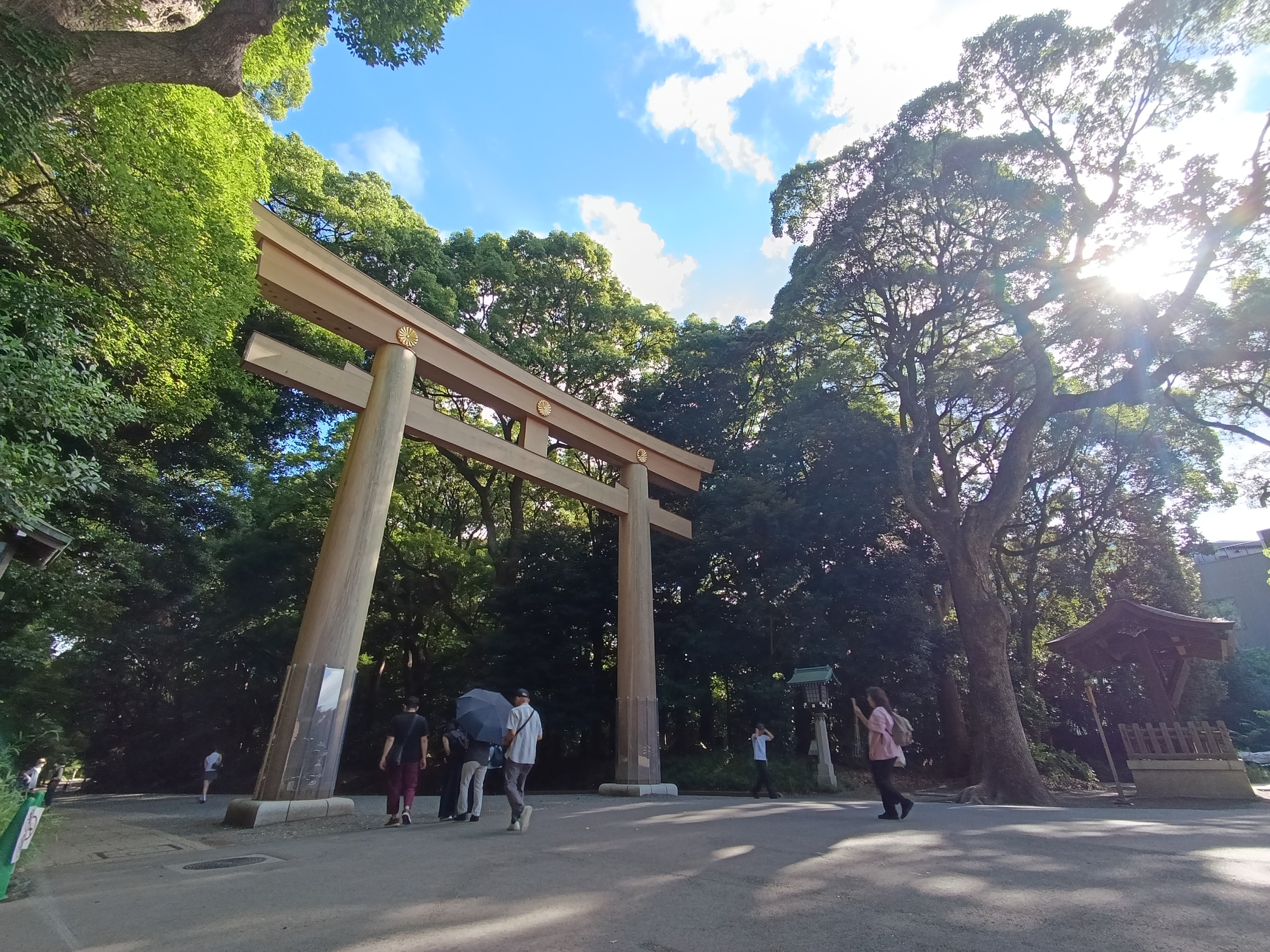
Meiji Shrine is a Shinto shrine dedicated to the deified spirits of Emperor Meiji and his wife, Empress Shoken. It is surrounded by a beautiful forest.
Historical/Religious
1-2 hours
Free
Shibuya Crossing
Shibuya Crossing is the world's busiest pedestrian crossing and a symbol of Tokyo's bustling urban life. It's a must-see for its chaotic yet orderly nature.
Cultural
30 minutes to 1 hour
Free (¥2,200 for Shibuya Sky)
Tokyo Skytree
Tokyo Skytree is the tallest tower in Japan and the second tallest freestanding structure in the world. It offers breathtaking views of the city.
Architecture
2-3 hours
¥2,100 to ¥3,100 (USD $15 to $22)
Odaiba
Odaiba is a man-made island in Tokyo Bay known for its shopping, dining, and entertainment options. It's a great place for families and tech enthusiasts.
Entertainment
Half day to full day
Varies by attraction
Must-Try Local Dishes
Sushi
Fresh raw fish served on vinegared rice, a staple of Japanese cuisine.
Dinner
Contains fish, can be vegetarian with substitutes.
Ramen
Noodle soup with various broths and toppings, a popular comfort food.
Lunch/Dinner
Vegan and vegetarian options available.
Tempura
Deep-fried seafood and vegetables, known for its crispy texture.
Lunch/Dinner
Contains seafood and deep-fried ingredients.
Okonomiyaki
Savory pancake with various ingredients, often topped with sauce and bonito flakes.
Lunch/Dinner
Contains seafood and can be made vegetarian.
Popular Activities
Hiking in the nearby mountains
Parasailing at Odaiba
Onsen (hot spring) visits
Tea ceremonies
Traditional tea ceremonies
Kimono rentals and photo shoots
Boat tours on the Sumida River
Beach activities at Odaiba
Best Time to Visit
March to May (Spring) and September to November (Autumn)
These seasons offer comfortable temperatures and beautiful scenery, with cherry blossoms in spring and vibrant foliage in autumn. However, these are also the busiest times for tourism.
10°C to 25°C (50°F to 77°F)
50°F to 77°F
Practical Information
Language
- Official: Japanese
- Widely spoken: English, Chinese, Korean
- English: Moderately spoken in tourist areas, limited elsewhere
Currency
Japanese Yen (JPY)
Time Zone
GMT+9
Electricity
100VV, 50/60HzHz
Safety Information
Overall Safety Rating: Very safe
Tokyo is generally very safe, with low crime rates and a strong emphasis on public order. However, petty crimes like pickpocketing can occur in crowded areas.
Important Precautions:
- • Be cautious of your belongings in crowded areas.
- • Use licensed taxis and check fares before getting in.
- • Be aware of your surroundings, especially at night.
Getting there
By air
- Narita International Airport • 60 km (37 miles) from city center
- Haneda Airport • 15 km (9 miles) from city center
By train
Tokyo Station, Shinjuku Station
By bus
Tokyo Station Bus Terminal, Shinjuku Expressway Bus Terminal
Getting around
Public transport
Tokyo's subway system is efficient, clean, and punctual. It consists of multiple lines operated by Tokyo Metro and Toei Subway.
Taxis
Available • Apps: JapanTaxi, DiDi
Rentals
Car, Bike, Scooter
Neighborhoods
Shibuya
Shinjuku
Asakusa
Ginza
Akihabara
Day trips
Nikko
120 km (75 miles) from Tokyo • Full day
Nikko is a city known for its beautiful shrines, temples, and natural scenery. It's a UNESCO World Heritage site and offers a peaceful retreat from the bustling city.
Kamakura
50 km (31 miles) from Tokyo • Half day to full day
Kamakura is a coastal town known for its historic temples, shrines, and the Great Buddha statue. It's a great place to experience traditional Japanese culture.
Hakone
90 km (56 miles) from Tokyo • Full day or overnight
Hakone is a hot spring resort town known for its onsen (hot springs), scenic views of Mount Fuji, and the Open-Air Museum. It's a popular destination for relaxation and nature.
Festivals
Sannō Matsuri • Mid-June (every 2 years)
Kanda Matsuri • Mid-May (every 2 years)
Sumida River Fireworks Festival • Last Saturday of July
Pro tips
- Use IC cards like Suica or Pasmo for convenient and discounted public transport.
- Download useful apps like Google Maps, Japan Transit Planner, and Japan Travel by Navitime.
- Learn a few basic Japanese phrases to enhance your experience and show respect for the local culture.
- Carry cash, as some smaller shops and restaurants may not accept credit cards.
- Visit popular attractions early in the morning or late in the afternoon to avoid crowds.
From $25
per person
Price varies by option
Secure booking
Free cancellation available
Instant confirmation