Athens to Corinth in the Footsteps of Paul Tour with Themistoklis
Active
6h - 8h
For a full refund, cancel at least 24 hours before the scheduled departure time.
Instant confirmation
Mobile or paper ticket accepted
About this experience
Come have an exciting and informative tour with me, the native English speaking Greek-American; "Themistoklis" from "AmericanGreekTours" and walk in the Footsteps of Apostle Paul on a spiritual journey in Ancient Athens, the Areopagus and Agora to the Isthmus Canal, and Corinth. Visit where the great Saint Paul preached visiting the places of his missionary work in Athens and Corinth...
Available options
Athens to Corinth in the Footsteps of Paul Tour with Themistoklis
Pickup included
What's included
Private transportation
Air-conditioned vehicle
entrance fees for the Isthmus games museum.
Entrance fee - Archaeological museum of ancient Corinth.
Native English speaking GreekAmerican experienced guide and driver.
Detailed itinerary
1
Stop 1
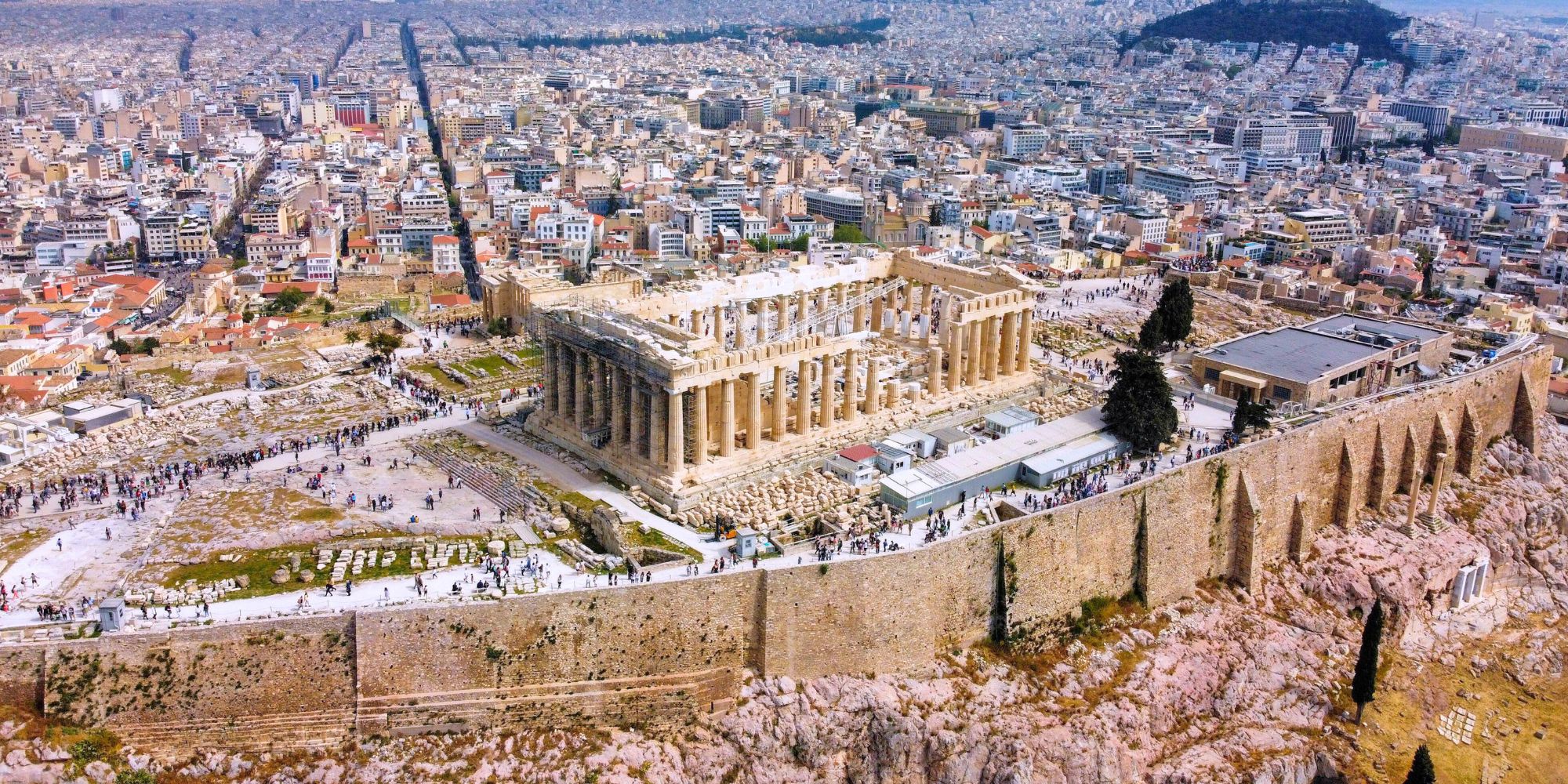
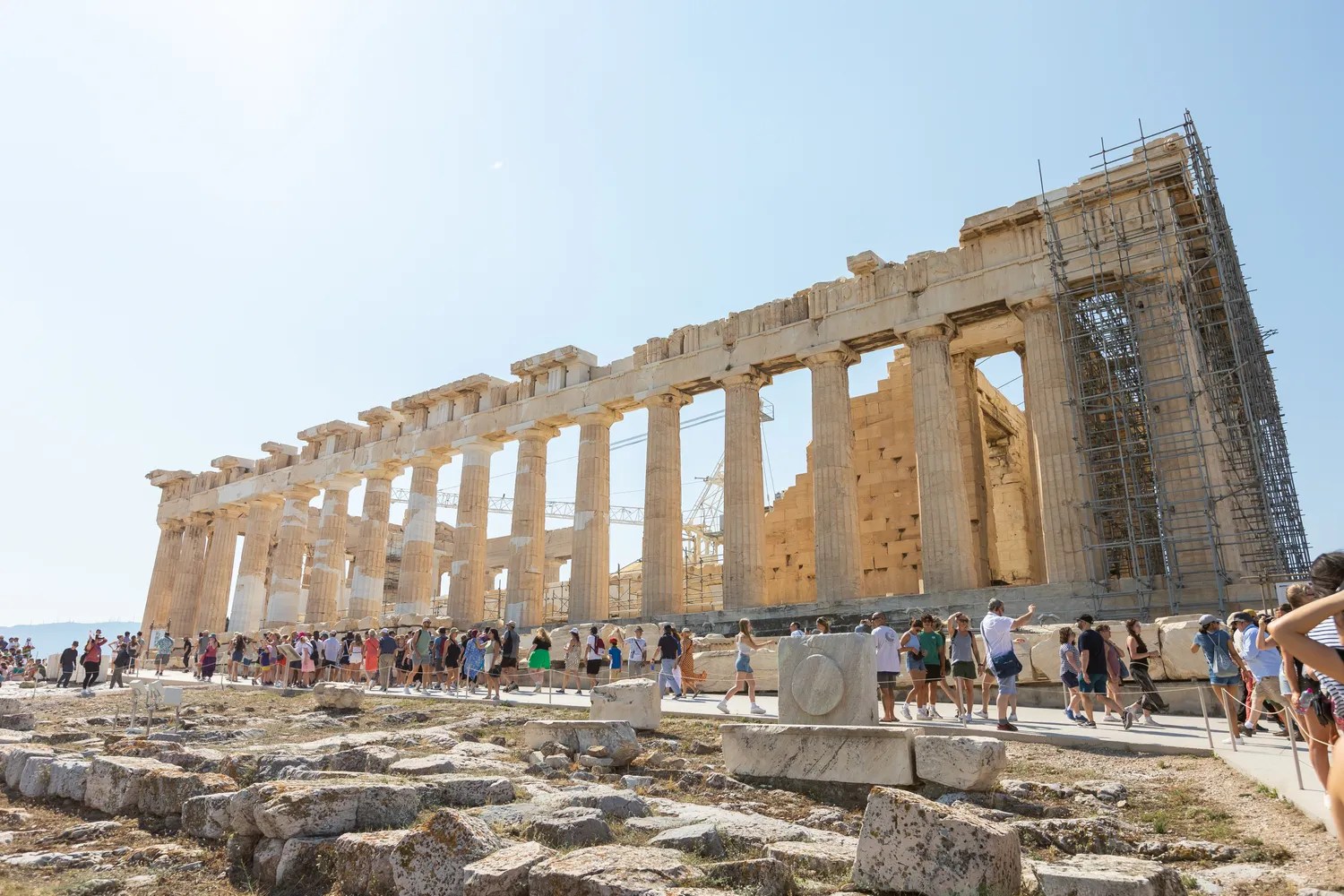
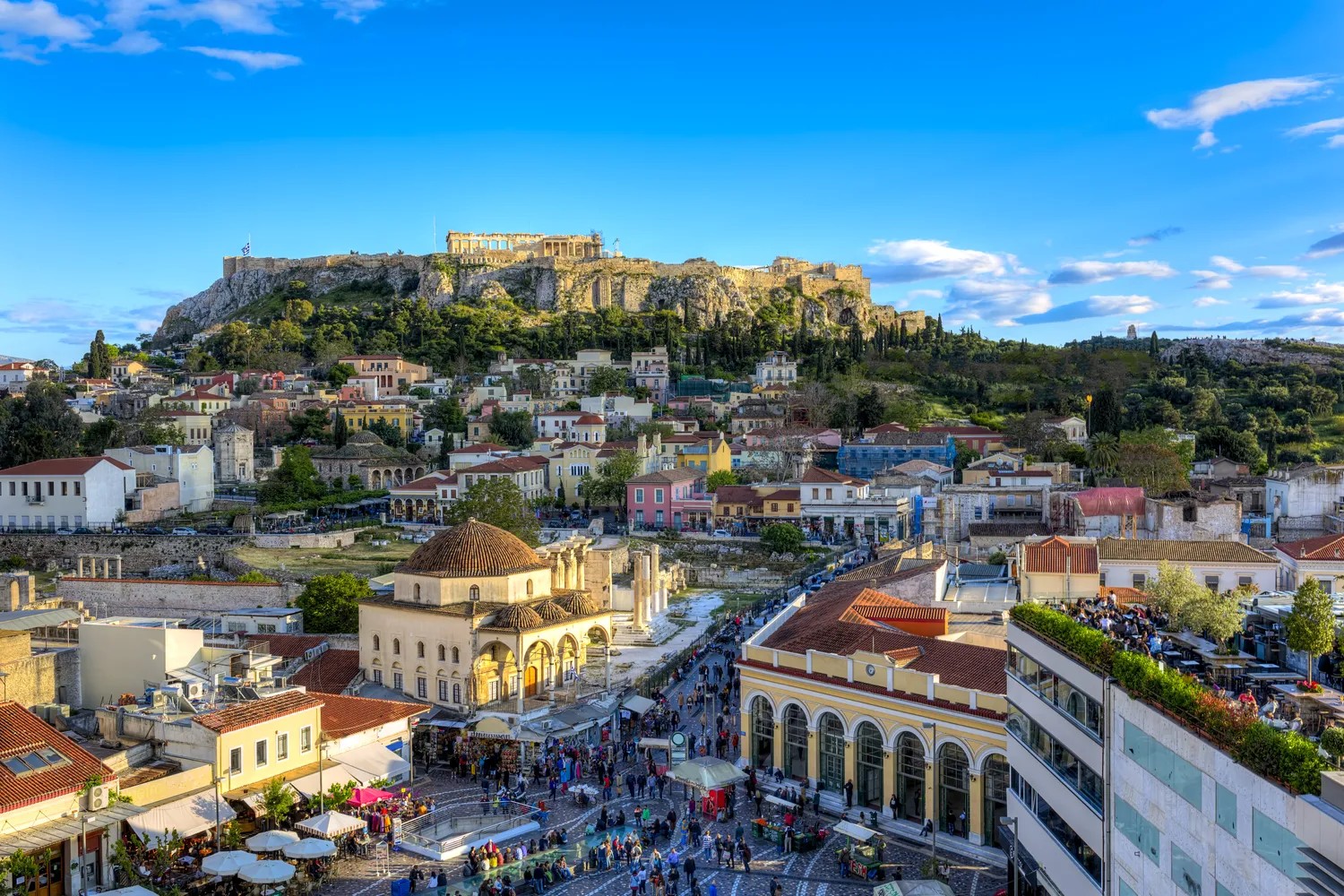
Begin your journey in Athens, where Saint Paul revealed the nature of the ‘unknown God’ whose inscription he had seen on a pagan altar at the ancient agora. Where people like Damaris, a woman mentioned in a single verse in Acts of the Apostles 17:34, was one of those present when Saint Paul of Tarsus preached in Athens in front of the Athenian Areopagus in AD 55. As well as; Dionysius, a member of the Areopagus, and several other Athenians became the first believers in Athens. After his conversion, Dionysius became the first Bishop of Athens.
The Areopagus is a hilltop where philosophers debated, but it’s also where city officials held trials for murder and crimes against public order. Legend says the first trial was against the Greek god “Aris” for the murder of Poseidon’s son. “Areopagus” is Greek for Aris’s Hill; the Roman name was Mars’s Hill. Another definition is that it means “arial(high) podium”. At this “arial podium” is where Paul preached to the Athinians “Christianity”.
2
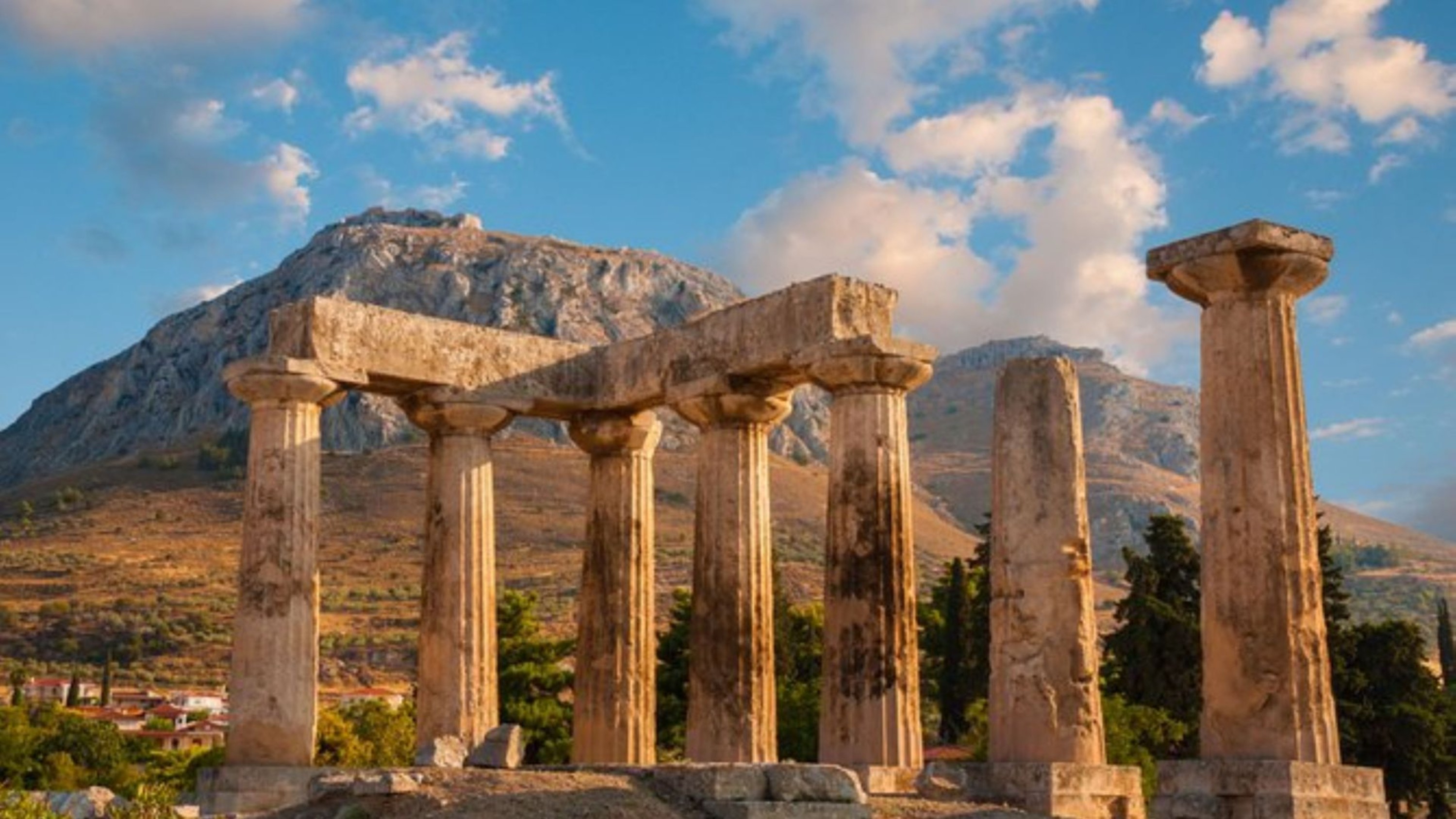
Next, head to Corinth, famous for being the city of the early church to which Saint Paul wrote the letters to the Corinthians containing some of the most well-known passages in the entire Bible. In the Apostle Paul’s time, Corinth was an important city in ancient Greece and it played a major role in his missionary work. Corinth was partially destroyed by the Romans in 146 BC, but in 44 BC it was rebuilt as a Roman city under Julius Caesar. It was devoted to business and pleasure, and was mostly populated by freedmen and Jews. Corinth had developed into a major government and commerce center of that region. Corinth was a commercial city, and derived its principal importance, its wealth, and its characteristics, from trade.
The Isthmian games brought thousands of guests to the city. It was due to these crowds that afforded Paul the occasions to speak and teach in the "Agora's".
3
Stop 3
The Isthmus of Corinth is the narrow land bridge which connects the Peloponnese peninsula with the rest of the mainland of Greece, near the city of Corinth. The 3.9 mi wide Isthmus was known in the ancient world as the landmark separating the Peloponnese from mainland Greece. In the first century AD the geographer Strabo noted a stele on the Isthmus of Corinth, which bore two inscriptions. One towards the East, i.e. towards Megara, reading: "Here is not Peloponnesus, but Ionia" and the one towards the West, i.e. towards the Peloponnese: "Here is Peloponnesus, not Ionia". Plutarch ascribed the erection of the stele to the Attic hero Theseus, on his way to Athens.
To the west of the Isthmus is the Gulf of Corinth, and to the east the Saronic Gulf. Today, two road bridges, two railway bridges and two submersible bridges at both ends of the canal connect the mainland side of the isthmus with the Peloponnese side. Also a military emergency bridge is located at the west end of the canal.
What's not included
After visiting the Acropolis of Corinth you'll have lunch at a traditional Greek tavern at the foot of the Acropolis of ancient Corinth.
gratuities
Available languages
Audio guide
EN
Guide guide
EN
Important information
Service animals allowed
Public transportation options are available nearby
Specialized infant seats are available
Not recommended for travelers with poor cardiovascular health
Travelers should have at least a moderate level of physical fitness
About Athens
Athens, the capital of Greece, is a city rich in history and culture, often considered the cradle of Western civilization. It is home to iconic ancient landmarks, vibrant neighborhoods, and a thriving modern scene.
Top Attractions
Acropolis of Athens
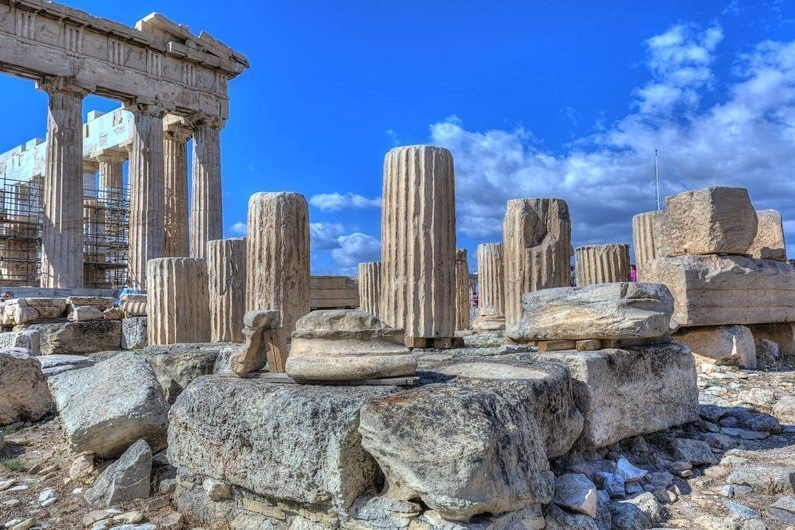
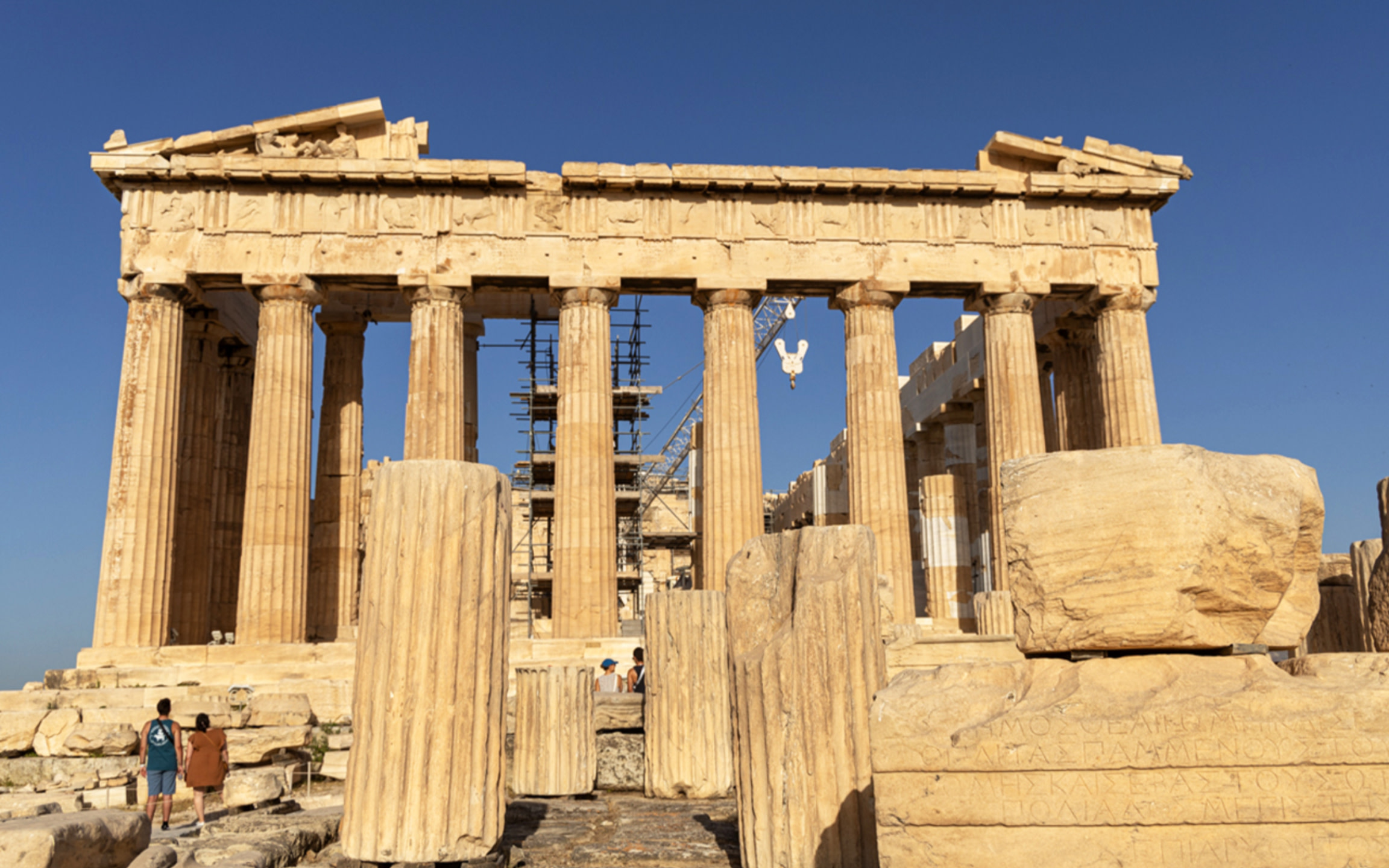
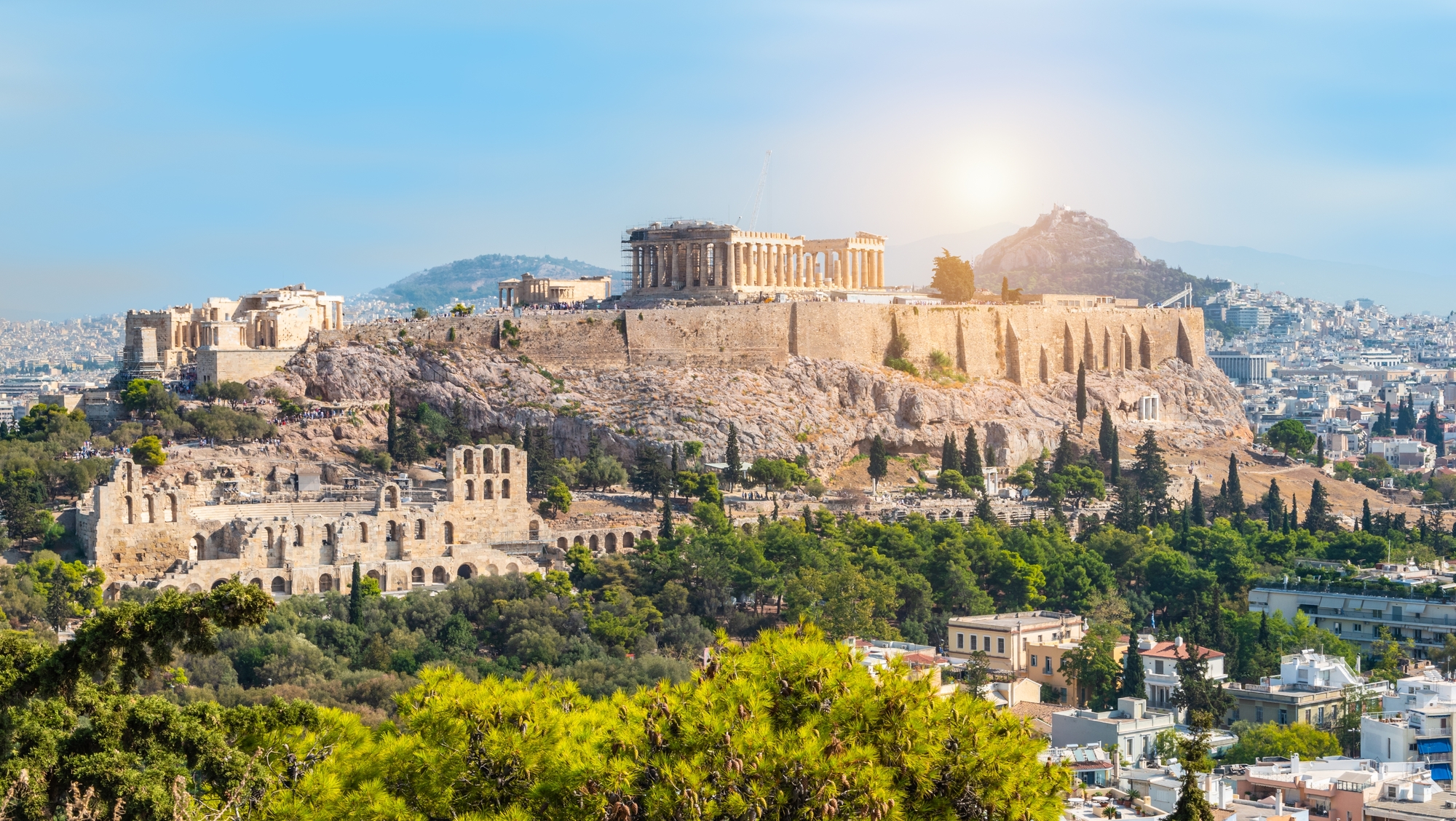
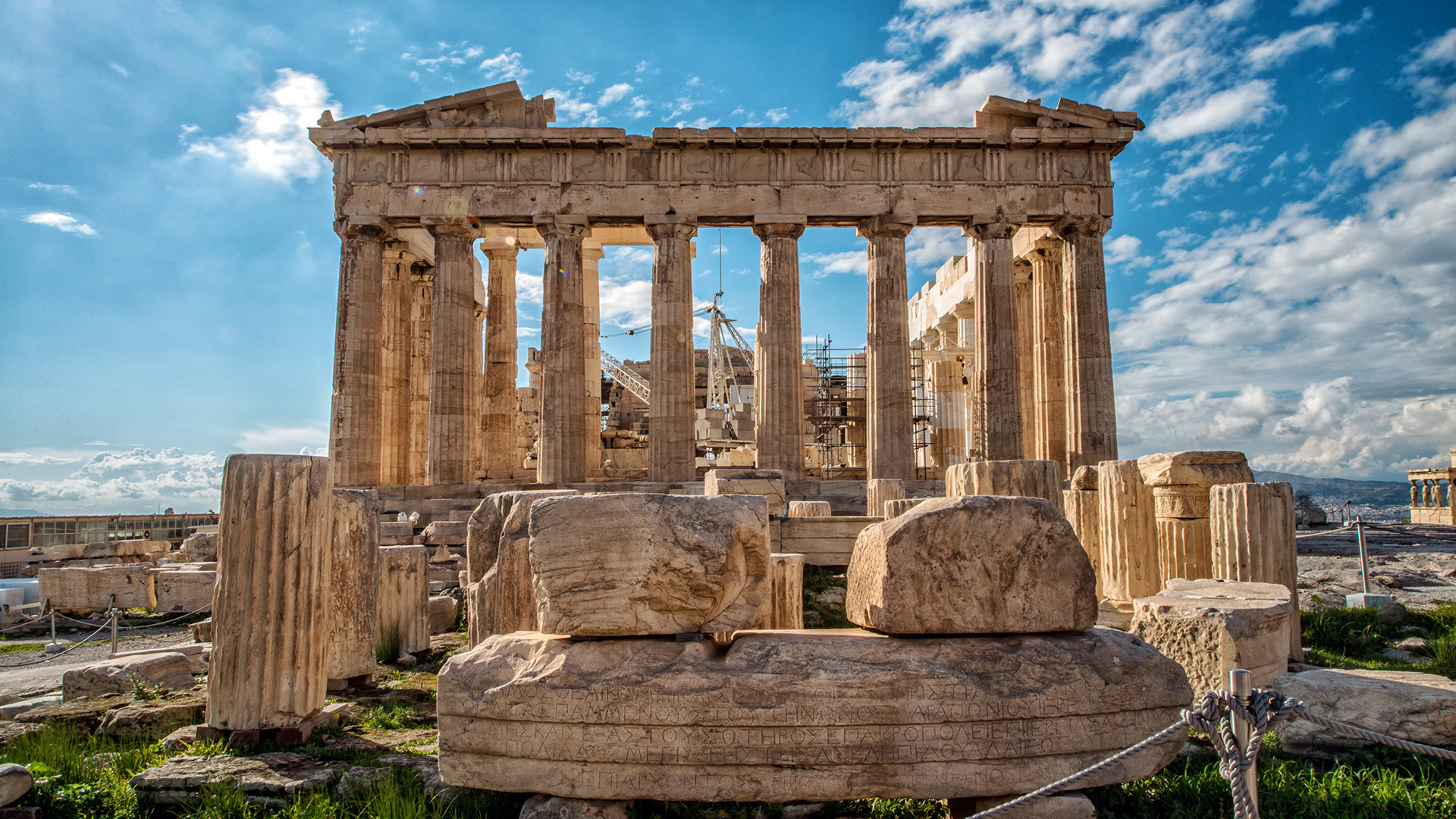
The Acropolis is the most iconic landmark in Athens, featuring ancient ruins and temples, including the Parthenon.
Historical
2-3 hours
€20 (combined ticket for multiple sites)
Ancient Agora of Athens
The heart of ancient Athens, featuring the Temple of Hephaestus and the Stoa of Attalos.
Historical
1-2 hours
€8 (included in the combined ticket)
Plaka
A charming, historic neighborhood with narrow streets, neoclassical houses, and vibrant nightlife.
Cultural
2-3 hours
Free to explore
Acropolis Museum
A modern museum showcasing artifacts from the Acropolis and its surroundings.
Museum
1-2 hours
€10
Temple of Olympian Zeus
An ancient temple dedicated to Zeus, once the largest temple in Greece.
Historical
30 minutes to 1 hour
€6 (included in the combined ticket)
Must-Try Local Dishes
Moussaka
A baked dish with layers of eggplant, minced meat, and béchamel sauce.
Dinner
Vegetarian versions available
Souvlaki
Grilled meat skewers, often served with pita bread and tzatziki.
Snack
Can be made with chicken, pork, or vegetarian options
Tzatziki
A yogurt-based dip with cucumber, garlic, and herbs.
Snack
Vegetarian and vegan options available
Baklava
A sweet pastry made with layers of filo, nuts, and honey syrup.
Dessert
Vegetarian
Popular Activities
Hiking in the mountains
Rock climbing
Scuba diving
Beach visits
Spa treatments
Café hopping
Museum visits
Theater performances
Best Time to Visit
April to June, September to October
The best time to visit Athens is during the spring and autumn months when the weather is pleasant and the tourist crowds are smaller.
18°C to 32°C
64°F to 90°F
Practical Information
Language
- Official: Greek
- Widely spoken: English, French, German
- English: Moderately spoken
Currency
Euro (EUR)
Time Zone
GMT+2 (EET)
Electricity
230VV, 50HzHz
Safety Information
Overall Safety Rating: Generally safe
Athens is generally safe for travelers, but petty crime and pickpocketing can occur in tourist areas. Be cautious with your belongings and avoid poorly lit areas at night.
Important Precautions:
- • Keep valuables secure
- • Use licensed taxis or ride-sharing apps
- • Be cautious with ATMs and credit cards
Getting there
By air
- Eleftherios Venizelos International Airport • 30 km from city center
By train
Athens Central Railway Station
By bus
KTEL Bus Station
Getting around
Public transport
Clean, efficient, and air-conditioned. Easy to navigate with clear signage in English.
Taxis
Available • Apps: Beat, Uber
Rentals
Car, Bike, Scooter
Neighborhoods
Plaka
Monastiraki
Psiri
Koukaki
Kolonaki
Day trips
Cape Sounion
65 km from Athens • Half day to full day
A scenic coastal area featuring the Temple of Poseidon with stunning views of the Aegean Sea.
Delphi
180 km from Athens • Full day
An ancient archaeological site and home to the famous Oracle of Delphi.
Meteora
350 km from Athens • Overnight
A unique landscape featuring rock formations and medieval monasteries perched atop cliffs.
Festivals
Athens Festival • May to October
Athens Epidaurus Festival • June to August
Athens International Film Festival • October
Pro tips
- Visit major attractions early in the morning or late in the afternoon to avoid crowds and heat
- Use the metro for easy and efficient travel around the city
- Explore local neighborhoods for an authentic Greek experience
- Try local street food for a quick and delicious meal
- Learn a few basic Greek phrases to enhance your experience and connect with locals
From $25
per person
Price varies by option
Secure booking
Free cancellation available
Instant confirmation