Chichibu Pilgrimage Shared Walking Tour
Active
6h
For a full refund, cancel at least 24 hours before the scheduled departure time.
Instant confirmation
Mobile or paper ticket accepted
About this experience
The tour will be available for 9 January and 6 February only.
Experience Chichibu's Hidden Temple Gems: This exclusive tour offers a perfect blend of cultural immersion, spiritual reflection, and mindful wellness. You'll begin your journey at Shimabuji Temple, where you'll be welcomed by dressing in the traditional pilgrim’s vest and learning the essential sacred rituals to prepare you for the route ahead. Next, at Jōsenji Temple, you'll savor a healthy, seasonal Shōjin Ryōri (traditional Buddhist vegetarian lunch) that nourishes both the body and mind. Find calm and connection at Daijiji Temple, through a guided mindful meditation session, leaving you refreshed after connecting with the serene surroundings and the healing Obinzuru-sama statue. Finally, achieve focus and inner balance with Sutra Copying (Shakyō) at Jōrakuji Temple, a beautiful, meditative practice. This rejuvenating day in Chichibu is ideal for anyone seeking deep cultural insight and a truly spiritual recharge.
Available options
Chichibu Pilgrimage Shared Walking Tour
What's included
Oizuru Rental Fee
Snacks
Lunch
Gosyuincho
Detailed itinerary
1
Chichibu Pilgrimage Temple No. 1: Shimabu-ji | Start your Chichibu Pilgrimage at Shimabu-ji, Temple No. 1 of the 34 sacred sites, where a warm welcome awaits every traveler. Here you’ll put on a traditional oizuru (pilgrim’s white vest) and learn the basic rituals that mark the beginning of your journey. Friendly local practitioners will guide you through the customs and share stories of the pilgrimage’s long history. You’ll also receive your own goshuincho (temple stamp book) to collect seals along the route—a heartfelt keepsake of your first step into Chichibu’s living Buddhist tradition.
2
Chichibu Pilgrimage Temple No. 3: Jōsen-ji | The third stop on the pilgrimage, is a place of deep spiritual healing nestled serenely within tranquil rice fields, offering a perfect pause to refresh the body and mind. It is widely known as the "Kannon of Conception", where devotees pray to the Stone of Conception (Komochi-ishi) for the blessing of children. Visitors can also sample the Water of Longevity (Chōmei-sui), a sacred spring believed to cure ailments and grant long life. As a central part of your experience here, you will partake in Shōjin Ryōri (traditional Buddhist vegetarian cuisine), enjoying a humble yet profoundly nourishing meal in the temple's quiet setting, allowing you to cleanse your spirit and prepare for the journey ahead.
3
Chichibu Pilgrimage Temple No. 10: Daiji-ji | The 10th temple on the Chichibu Pilgrimage, is a place where tradition and tranquility meet. Here, you can join a zazen (seated meditation) session, letting yourself fully enjoy the quiet and the gentle presence of nature around you. You’ll also encounter the famous Obinzuru‑sama statue—legend says that touching the part of the statue corresponding to an area of your body may bring healing. This combination of meditation and cultural discovery makes Daijiji a memorable and refreshing stop on your pilgrimage journey.
4
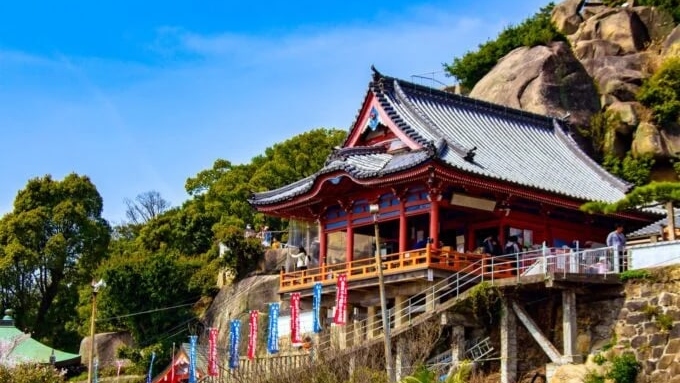
Chichibu Pilgrimage Temple No. 11: Joraku-ji | The 11th stop on the sacred Chichibu Pilgrimage, is a must-see sanctuary dramatically perched on a hill, offering one of the best panoramic views of the city below. Known as the "Temple of Healing and Longevity," its main deity, the Eleven-Headed Kannon, is primarily revered for granting healing from illness and long life. This stop provides a unique cultural opportunity: Sutra Copying (Shakyō). This meditative practice involves carefully tracing Buddhist scriptures with a brush, a tranquil activity meant to clear the mind, deepen spiritual connection, and allow travelers to leave a personal offering at the temple. By visiting Jōrakuji, you connect with a profound tradition of faith while gaining a spectacular viewpoint high above Chichibu and participating in a deeply reflective Japanese Buddhist practice.
What's not included
Own transportation fee to Chichibu is not included.
Available languages
Guide guide
EN
Written guide
EN
Important information
Public transportation options are available nearby
Not recommended for travelers with spinal injuries
Not recommended for pregnant travelers
Not recommended for travelers with poor cardiovascular health
Suitable for all physical fitness levels
Meeting point
Please meet at the in front of the station gate.
About Saitama Prefecture
Saitama Prefecture, located just north of Tokyo, offers a mix of urban convenience and natural beauty. Known for its parks, museums, and as a gateway to the mountains, it's a perfect blend of modern living and traditional charm.
Top Attractions
Kawagoe
Known as 'Little Edo,' Kawagoe features well-preserved Edo-period buildings, traditional sweets, and a vibrant atmosphere.
Historical
Half day to full day
Budget to Moderate
Chichibu
A mountainous region known for its hiking trails, hot springs, and beautiful landscapes.
Nature
Full day to overnight
Budget to Moderate
Saitama Super Arena
A multi-purpose arena hosting concerts, sports events, and exhibitions.
Entertainment
2-4 hours
Variable
Must-Try Local Dishes
Kawagoe Mochi
A traditional sweet made from rice flour, often filled with red bean paste or other sweet fillings.
Dessert
Vegetarian
Saitama Gyu (Beef)
High-quality beef from Saitama, often grilled or served in hot pots.
Dinner
Contains meat
Soba Noodles
Buckwheat noodles served hot or cold, often with a dipping sauce or in a broth.
Lunch
Vegetarian (check for dipping sauce ingredients)
Popular Activities
Hiking in Chichibu-Tama-Kai National Park
Canyoning in Mitake Gorge
Onsen (hot spring) visits
Strolling through Kawagoe's historical streets
Visiting temples and shrines in Nikko and Kamakura
Exploring traditional candy shops in Kawagoe
Boating on Lake Chuzenji in Nikko
Skiing and snowboarding in the mountains of Chichibu
Best Time to Visit
Spring (March to May) and Autumn (September to November)
Spring offers cherry blossoms and pleasant weather, while autumn provides cool temperatures and beautiful fall colors. These are the most popular times to visit.
10-25°C (50-77°F)
50-77°F
Practical Information
Language
- Official: Japanese
- Widely spoken: English (limited)
- English: Limited
Currency
Japanese Yen (JPY)
Time Zone
GMT+9
Electricity
100VV, 50/60HzHz
Safety Information
Overall Safety Rating: Generally safe
Saitama is generally safe with low crime rates. However, petty theft and pickpocketing can occur in crowded areas and on public transportation.
Important Precautions:
- • Keep valuables secure and be aware of your surroundings in crowded areas.
- • Use licensed taxis and official tour operators.
- • Be cautious of strangers offering help or services, especially in tourist areas.
Getting there
By air
- Narita International Airport • 80 km (50 miles)
- Haneda Airport • 30 km (19 miles)
By train
Tokyo Station, Ueno Station
By bus
Tokyo Station Bus Terminal, Buster Terminal Tokyo
Getting around
Public transport
Efficient and punctual train network covering the entire prefecture and connecting to Tokyo.
Taxis
Available • Apps: JapanTaxi, DiDi
Rentals
Car, Bike, Scooter
Neighborhoods
Omiya
Kawagoe
Chichibu
Day trips
Nikko
100 km (62 miles) • Full day
A UNESCO World Heritage site known for its beautiful shrines, temples, and natural landscapes.
Kamakura
60 km (37 miles) • Full day
A coastal town known for its ancient temples, shrines, and the Great Buddha.
Kumagaya
50 km (31 miles) • Half day
A city known for its historical sites and the Kumagaya Onsen hot spring.
Festivals
Kawagoe Festival • Early October
Saitama Gold Theater Festival • Annual (dates vary)
Chichibu Night Festival • Early December
Pro tips
- Use an IC card like Suica or Pasmo for easy and discounted public transportation.
- Visit Kawagoe during festivals for a more authentic and vibrant experience.
- Explore the rural areas of Saitama for stunning natural landscapes and outdoor activities.
- Try local specialties like Kawagoe Mochi and Saitama Gyu for a taste of the region's cuisine.
- Book accommodations and popular attractions in advance, especially during peak travel seasons.
From $25
per person
Price varies by option
Secure booking
Free cancellation available
Instant confirmation