Private Luxury Tour: Premium Olive Oil Tasting & Ancient Corinth
Active
7h - 8h
For a full refund, cancel at least 24 hours before the scheduled departure time.
Instant confirmation
Mobile or paper ticket accepted
About this experience
Step into history and tradition on a private luxury tour that immerses you in the heart of Ancient Corinth and Greece’s olive oil legacy. Walk through the legendary ruins of Corinth, where ancient civilizations once thrived, and admire the breathtaking Corinth Canal, an engineering marvel that connects two seas.
Explore the world of premium Greek olive oil with an expert-led tasting session, where you will learn to recognize its finest qualities and uncover the secrets behind its production. Visit a traditional olive mill, where time-honored techniques and modern craftsmanship come together to create Greece’s most treasured product.
This is more than just a tour—it’s an immersive journey through history, tradition, and flavor, perfect for travelers who appreciate culture, expert knowledge, and authentic experiences.
Secure your spot today and discover Greece like never before!
Available options
Private Luxury Tour: Premium Olive Oil Tasting & Ancient Corinth
Pickup included
What's included
WiFi on board
Bottled water
Expert English-speaking tour Drivers with extensive historical knowledge.
Private Air-conditioned vehicle
Convenient hotel/cruise ship pick-up and drop-off service.
Groups of 5-7 people are transported in comfortable mini vans.
Groups of 1-4 people are transported in luxurious sedan vehicles.
Detailed itinerary
1
The journey begins at the iconic Isthmus of Corinth, a narrow land bridge that has connected the Peloponnese with mainland Greece for millennia. The Corinth Canal, a marvel of 19th-century engineering, cuts through the rock to create a shortcut for maritime trade. The panoramic views and historical importance of this site provide an excellent introduction to the adventure.
2
The eastern port of Kenchreai, a key commercial hub during the Roman era, serves as the next destination. This historic site is where Apostle Paul arrived in 53 A.D. Today, the remnants of Roman harbor facilities, temples, and early Christian structures bring to life the vibrant history of ancient Corinth.
3
Step into the heart of Greece’s olive oil tradition with an unforgettable tasting and farm experience. Stroll through a picturesque olive grove, surrounded by ancient trees, and uncover the secrets of Greek olive cultivation. Visit a traditional olive mill, where time-honored methods meet modern expertise, and learn how premium extra virgin olive oil is crafted—from harvest to bottle.
Elevate your palate with a guided olive oil tasting, using a professional tasting glass, just like the experts. Discover the difference between high-quality oils, learn how to protect their freshness and health benefits, and savor two exquisite olive oils paired with fresh bread, premium olives, rich olive paste, and a mini Greek salad.
More than just a tasting—this is a journey through flavor, culture, and wellness, showcasing why extra virgin olive oil is the cornerstone of Mediterranean longevity.
4
The Archaeological Site of Ancient Corinth highlights the grandeur of one of Greece’s most influential city-states. The Agora, the heart of political and commercial life, featured public buildings, fountains, and stoas bustling with activity.
The Fountain of Glauke, carved into rock, was a key water source for the city. It consists of a large rectangular basin with four openings that once channeled water into underground cisterns. According to legend, it is named after Glauke, daughter of King Creon, who, as myth tells, sought refuge here after being fatally cursed by Medea.
The Peirene Fountain, another important water source, reflects advanced Corinthian engineering, while the Roman Odeon and Theater highlight the city’s cultural achievements. Corinth thrived as an economic and naval hub, maintaining significance through the Roman era. The site stands as a testament to its rich past, offering visitors insight into the city’s impressive history.
5
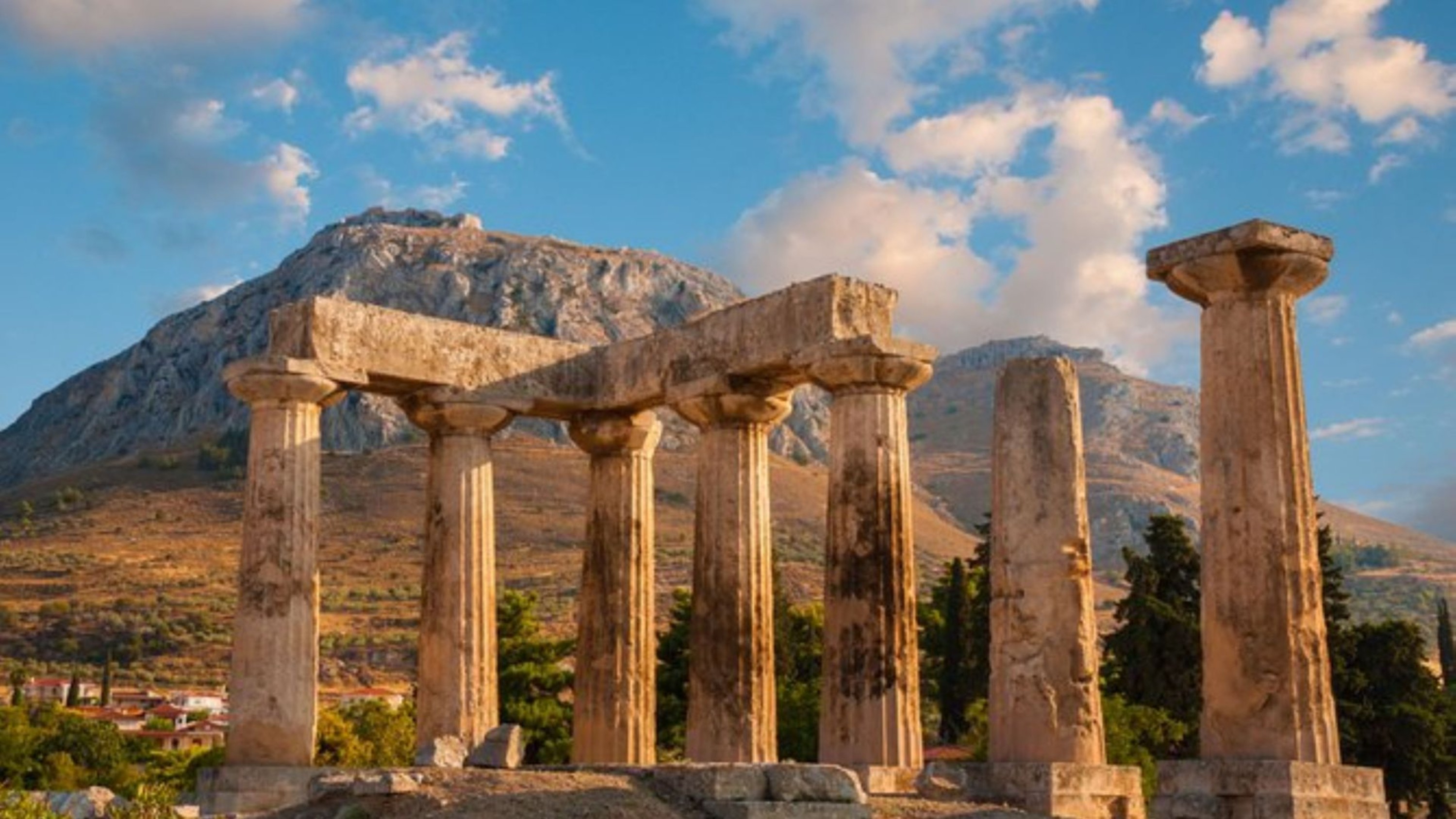
The Temple of Apollo in Ancient Corinth is one of the most significant and well-preserved Doric temples in Greece. Built in the 6th century BCE, this impressive structure once dominated the city’s religious and cultural landscape. With its massive monolithic columns, the temple stands as a testament to the architectural mastery of the ancient Corinthians. Overlooking the fertile Corinthian plain, it was dedicated to Apollo, the god of music, prophecy, and healing. Despite centuries of history and transformation, the ruins of the temple continue to captivate visitors, offering a glimpse into the grandeur of ancient Greek civilization.
6
The Bema of Apostle Paul in Ancient Corinth is a significant historical and religious site. This elevated platform in the Agora served as a place for public addresses and legal rulings. During the Roman period, it functioned as a tribunal where governors issued judgments.
According to tradition, Paul the Apostle was brought before Gallio, the Roman proconsul, around 51 AD. Accused of spreading new religious teachings, Paul was dismissed by Gallio, allowing him to continue his mission. This event, recorded in Acts 18:12-17, marks Corinth as a key site in early Christian history.
Today, the Bema is both an archaeological and spiritual landmark, drawing visitors seeking connection to the biblical narrative. Modern mosaics depicting Paul’s trial and journey enhance the atmosphere, making it a profound site of reflection within the ancient ruins of Corinth.
7
The Archaeological Museum of Corinth offers an extensive collection of artifacts, from prehistoric relics to Roman-era treasures. Statues, pottery, and items from the Sanctuary of Asklepios are displayed in a beautifully curated space, offering a glimpse into Corinth’s rich history.
8
The Acrocorinth Castle, perched atop a towering hill overlooking Ancient Corinth, is one of Greece’s most impressive fortified sites. With origins dating back to antiquity, the fortress was continuously expanded and modified by successive civilizations, including the Byzantines, Franks, Venetians, and Ottomans. Its massive walls, strategic position, and breathtaking panoramic views made it a key defensive stronghold throughout history. Within its extensive fortifications lie remnants of ancient temples, medieval towers, and Ottoman-era structures, reflecting its long and diverse past. Today, Acrocorinth stands as a remarkable testament to the region’s historical significance, offering visitors a journey through centuries of conquest, trade, and legend.
What's not included
Licensed guide to accompany you into archaeological sites.
Entrance fees for archaeological sites and museums.
Entrance fees for olive oil tasting.
Meal in Ancient Corinth - Lunch stops are scheduled, but meal costs are not included.
Optional airport pick-up, available at an additional cost.
Kindly note that gratuities and tips are not included in the price and are left to your discretion.
Available languages
Guide guide
EN
Written guide
EN
Important information
Public transportation options are available nearby
Suitable for all physical fitness levels
It is recommended to wear comfortable footwear for walking and exploring the different sites.
Make sure to bring a hat and sunscreen, as Greece often experiences warm and sunny weather.
The tour duration includes the time spent traveling between locations.
About Athens
Athens, the capital of Greece, is a city rich in history and culture, often considered the cradle of Western civilization. It is home to iconic ancient landmarks, vibrant neighborhoods, and a thriving modern scene.
Top Attractions
Acropolis of Athens
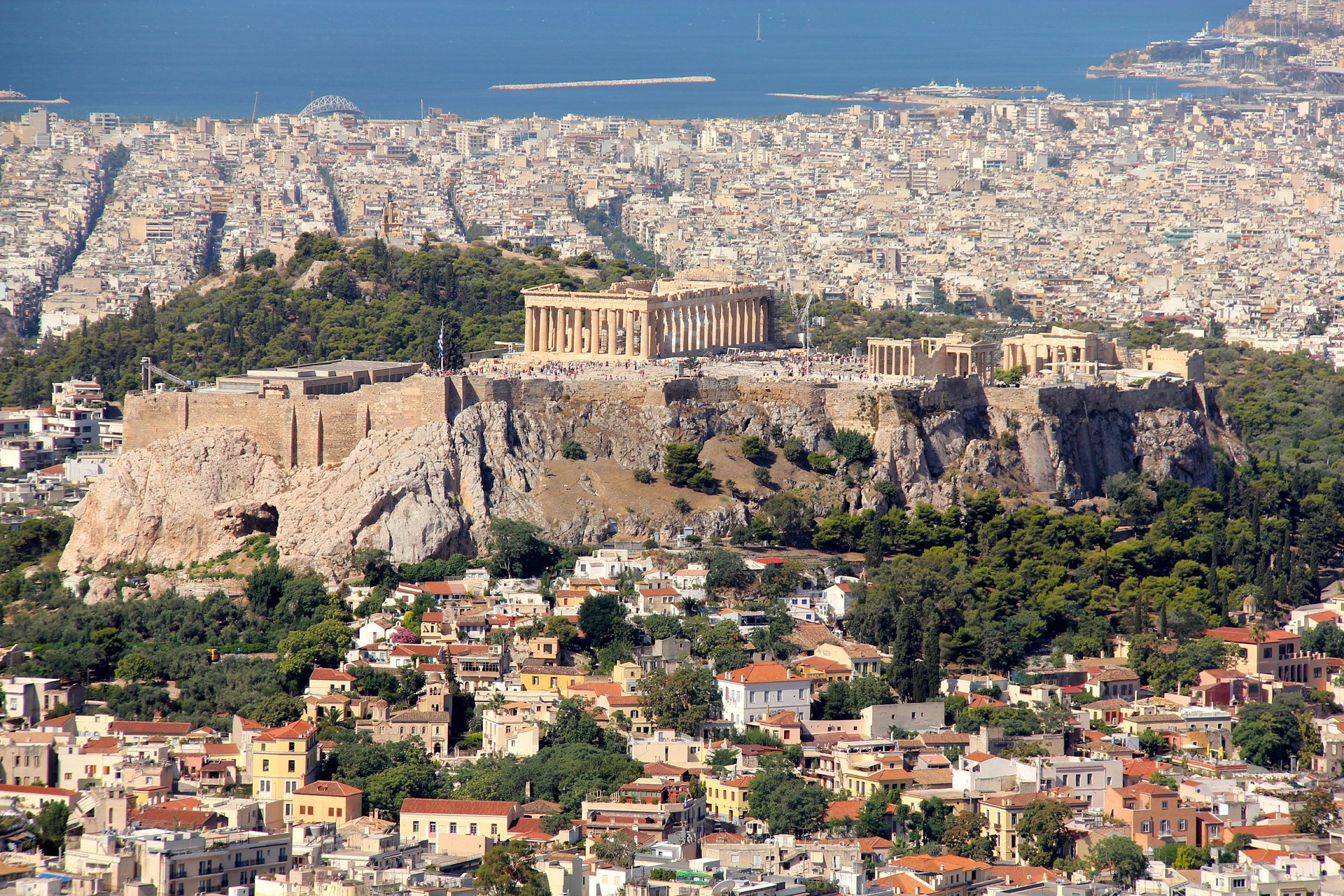
The Acropolis is the most iconic landmark in Athens, featuring ancient ruins and temples, including the Parthenon.
Historical
2-3 hours
€20 (combined ticket for multiple sites)
Ancient Agora of Athens
The heart of ancient Athens, featuring the Temple of Hephaestus and the Stoa of Attalos.
Historical
1-2 hours
€8 (included in the combined ticket)
Plaka
A charming, historic neighborhood with narrow streets, neoclassical houses, and vibrant nightlife.
Cultural
2-3 hours
Free to explore
Acropolis Museum
A modern museum showcasing artifacts from the Acropolis and its surroundings.
Museum
1-2 hours
€10
Temple of Olympian Zeus
An ancient temple dedicated to Zeus, once the largest temple in Greece.
Historical
30 minutes to 1 hour
€6 (included in the combined ticket)
Must-Try Local Dishes
Moussaka
A baked dish with layers of eggplant, minced meat, and béchamel sauce.
Dinner
Vegetarian versions available
Souvlaki
Grilled meat skewers, often served with pita bread and tzatziki.
Snack
Can be made with chicken, pork, or vegetarian options
Tzatziki
A yogurt-based dip with cucumber, garlic, and herbs.
Snack
Vegetarian and vegan options available
Baklava
A sweet pastry made with layers of filo, nuts, and honey syrup.
Dessert
Vegetarian
Popular Activities
Hiking in the mountains
Rock climbing
Scuba diving
Beach visits
Spa treatments
Café hopping
Museum visits
Theater performances
Best Time to Visit
April to June, September to October
The best time to visit Athens is during the spring and autumn months when the weather is pleasant and the tourist crowds are smaller.
18°C to 32°C
64°F to 90°F
Practical Information
Language
- Official: Greek
- Widely spoken: English, French, German
- English: Moderately spoken
Currency
Euro (EUR)
Time Zone
GMT+2 (EET)
Electricity
230VV, 50HzHz
Safety Information
Overall Safety Rating: Generally safe
Athens is generally safe for travelers, but petty crime and pickpocketing can occur in tourist areas. Be cautious with your belongings and avoid poorly lit areas at night.
Important Precautions:
- • Keep valuables secure
- • Use licensed taxis or ride-sharing apps
- • Be cautious with ATMs and credit cards
Getting there
By air
- Eleftherios Venizelos International Airport • 30 km from city center
By train
Athens Central Railway Station
By bus
KTEL Bus Station
Getting around
Public transport
Clean, efficient, and air-conditioned. Easy to navigate with clear signage in English.
Taxis
Available • Apps: Beat, Uber
Rentals
Car, Bike, Scooter
Neighborhoods
Plaka
Monastiraki
Psiri
Koukaki
Kolonaki
Day trips
Cape Sounion
65 km from Athens • Half day to full day
A scenic coastal area featuring the Temple of Poseidon with stunning views of the Aegean Sea.
Delphi
180 km from Athens • Full day
An ancient archaeological site and home to the famous Oracle of Delphi.
Meteora
350 km from Athens • Overnight
A unique landscape featuring rock formations and medieval monasteries perched atop cliffs.
Festivals
Athens Festival • May to October
Athens Epidaurus Festival • June to August
Athens International Film Festival • October
Pro tips
- Visit major attractions early in the morning or late in the afternoon to avoid crowds and heat
- Use the metro for easy and efficient travel around the city
- Explore local neighborhoods for an authentic Greek experience
- Try local street food for a quick and delicious meal
- Learn a few basic Greek phrases to enhance your experience and connect with locals
From $25
per person
Price varies by option
Secure booking
Free cancellation available
Instant confirmation