Private Luxury Tour: Ancient Messene – Glory of the Peloponnese
Active
9h - 10h
For a full refund, cancel at least 24 hours before the scheduled departure time.
Instant confirmation
Mobile or paper ticket accepted
About this experience
Step into the timeless wonders of Ancient Messene, a city that rivals Delphi and Olympia, yet remains a hidden treasure of Greek history. Nestled in a breathtaking valley, surrounded by mountains and olive groves, Messene is one of the best-preserved ancient cities in the world. Here, you won’t just see ruins—you’ll walk through an entire city, where temples, theaters, stadiums, and sanctuaries stand as if time never touched them.
Feel the echoes of the past as you step through its monumental Arcadian Gate, stand in the vast theater where orators and actors once captivated thousands, and explore the Asklepieion, a sacred healing sanctuary of ancient medicine. With every step, you’ll uncover the mysteries, myths, and legends that shaped this magnificent city.
This exclusive luxury tour offers a once-in-a-lifetime chance to experience the grandeur, mystery, and spirit of Ancient Messene. Book now and walk in the footsteps of history!
Available options
Private Luxury Tour: Ancient Messene – Glory of the Peloponnese
Pickup included
What's included
Private transportation
WiFi on board
Bottled water
Air-conditioned vehicle
Convenient hotel/cruise ship pick-up and drop-off service.
Groups of 5-7 people are transported in comfortable mini vans.
Groups of 1-4 people are transported in luxurious sedan vehicles.
Expert English-speaking Tour Drivers with extensive historical knowledge.
Detailed itinerary
1
The journey begins at the iconic Isthmus of Corinth, a narrow land bridge that has connected the Peloponnese with mainland Greece for millennia. The Corinth Canal, a marvel of 19th-century engineering, cuts through the rock to create a shortcut for maritime trade. The panoramic views and historical importance of this site provide an excellent introduction to the adventure.
2
The Mavrozoumena Bridge is an ancient stone bridge located in Greece, known for its traditional arched design and historical significance. Spanning the Mavrozoumena River, this bridge has stood the test of time, reflecting the craftsmanship of past generations. Surrounded by lush natural scenery, it serves as both a historical landmark and a picturesque spot for visitors. Legends and folklore are often associated with the bridge, adding to its mystique. Whether admired for its architectural beauty or its cultural heritage, the Mavrozoumena Bridge remains a captivating site in the Greek landscape.
3
One of the most impressive fortifications of the ancient world, the Arcadian Gate served as the main northern entrance to Ancient Messene. This massive circular gateway, built with enormous stone blocks, was a key defensive and ceremonial landmark, marking the transition from the outside world into the sacred city.
For those participating in the Mysteries of Andania, the Arcadian Gate was a significant threshold. After their ritual purification at the Divari Spring in Polichni, initiates and priests would pass through this grand entrance as part of the sacred procession leading to the heart of Ancient Messene.
Today, the Arcadian Gate stands as a breathtaking reminder of Messene’s power, spirituality, and architectural mastery, inviting visitors to walk in the footsteps of ancient pilgrims and warriors.
4
Ancient Messene is one of Greece’s most well-preserved archaeological sites, offering a glimpse into a glorious past. Founded in 369 BCE by Epaminondas, it became a thriving cultural, religious, and political center. Unlike many ancient cities, Messene remained untouched by modern development, preserving its monumental structures and urban layout.
Key highlights include the grand theater, the Asklepieion, the stadium, and the massive fortifications. The city was also central to the Mysteries of Andania, a sacred initiation ritual held within its heart.
Ancient Messene is also the final resting place of Petros Themelis, the visionary archaeologist who dedicated his life to restoring this magnificent city. His tomb lies beneath an olive tree, overlooking the site—a fitting tribute to the man who brought Messene back to light.
Today, visitors can walk through history, exploring temples, sanctuaries, and public spaces, all set against a breathtaking natural backdrop.
5
One of the most significant stops on our tour of Ancient Messene is the resting place of Petros Themelis, the renowned archaeologist whose life’s work brought this ancient city back to light. His meticulous excavations and restorations revealed the grandeur of Messene, showcasing its well-preserved stadium, theater, and fortifications. His tomb, harmoniously integrated into the site he dedicated his life to, stands as a tribute to his invaluable contribution to Greek heritage. Visiting this site offers a moment of reflection on the enduring legacy of those who preserve history for future generations.
6
The Ancient Theater of Messene is one of the most impressive theaters of antiquity, built in the 3rd century BCE with a capacity of around 10,000 spectators. It was a center of political and cultural life, hosting theatrical performances, political assemblies, and religious ceremonies.
The theater’s exceptional acoustics and grand design highlight the city’s importance in the Hellenistic period. Its location offers stunning views, enhancing the experience of standing where ancient crowds once gathered.
Today, the theater is not just an archaeological site—it has been revived as a cultural venue, hosting concerts, performances, and events, allowing visitors to experience the magic of live art in a setting that has echoed with voices for over 2,000 years.
7
The Asklepieion of Ancient Messene was the city’s center of healing and worship, dedicated to Asklepios, the god of medicine. Built in the 3rd century BCE, it served as both a sanctuary and a medical center, where the sick sought divine intervention and treatment. Rituals, herbal remedies, and incubation sleep were part of the healing process.
The site featured a large colonnaded courtyard, altars, and temples, creating a peaceful environment for those seeking cures. It was also a cultural hub, hosting festivals, theatrical performances, and philosophical gatherings.
Today, visitors can explore the ruins of this sacred healing sanctuary, walking through the same spaces where ancient patients once prayed for health and recovery. The Asklepieion remains a testament to the advanced medical practices and deep spiritual traditions of the ancient world.
8
The Bouleuterion of Ancient Messene was the city’s political center, where the Council (Boule) gathered to debate and make decisions on public affairs. Built in the 3rd century BCE, this assembly hall played a crucial role in the governance of the city, reflecting the democratic traditions of ancient Greece.
The structure featured a rectangular meeting chamber with stone seating, designed to accommodate the city’s council members. Here, laws were discussed, policies were shaped, and important civic matters were addressed. Inscriptions and architectural remains indicate that the Bouleuterion was also used for public speeches and official ceremonies.
Today, visitors can explore the ruins of this symbol of ancient democracy, standing where statesmen once shaped the future of Messene. The site serves as a reminder of the city’s political organization and its commitment to civic engagement in the ancient world.
9
The Agora of Ancient Messene was the vibrant commercial and social center of the city, where merchants, politicians, and citizens gathered for trade, political discussions, and daily life. Spanning a vast area, it was surrounded by stoas, shops, administrative buildings, and temples, making it a focal point of economic and civic activity.
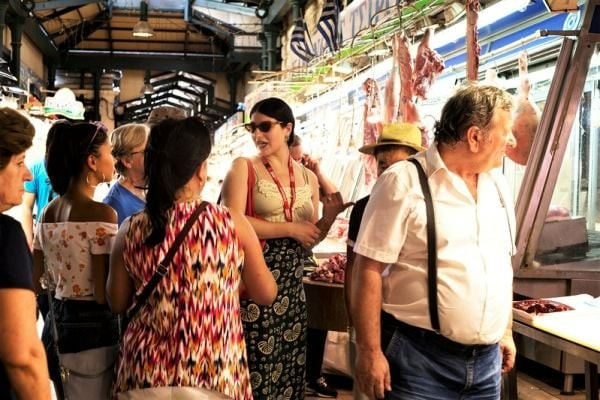
One of the most intriguing structures within the Agora is the Meat Market Stoa, a long colonnaded building that housed butcher stalls. Here, vendors sold fresh meat and other goods to the city’s inhabitants, supplying both everyday meals and offerings for religious ceremonies. The presence of inscriptions and weighing stations indicates that the market was well-regulated, ensuring fair trade and quality products.
Today, visitors can walk through the remains of the Agora and Meat Market Stoa, envisioning the lively atmosphere of ancient Messene, where commerce, politics, and daily life intertwined in the heart of this flourishing city.
10
The Sebasteion (Caesareion) of Ancient Messene was a grand sanctuary dedicated to the Roman emperors, reflecting the city’s loyalty to Rome. Built during the Roman period, it served as a place of imperial worship, where emperors were honored as divine figures, a common practice in Greek cities under Roman rule.
The sanctuary featured majestic columns, altars, and statues of emperors, blending Greek and Roman architectural styles. It was used for ceremonies, festivals, and political gatherings, reinforcing the emperor’s authority while also functioning as a public space.
Today, visitors can explore the ruins of this monument of power and devotion, standing where Messenians once paid tribute to their rulers. The site highlights the fusion of Greek heritage with Roman influence, showcasing how Ancient Messene adapted to the evolving political landscape of its time.
11
The Basilica of Ancient Messene is a significant monument that marks the transition from pagan antiquity to early Christianity. Built in the 5th century CE, during the Byzantine period, this large Christian church was constructed over older classical structures, symbolizing the spread of Christianity in the region.
The basilica featured a three-aisled design, characteristic of early Christian architecture, with marble columns, mosaic floors, and an elevated apse where religious ceremonies took place. Its location within the ruins of Ancient Messene highlights the city’s continued importance even after the decline of Greco-Roman traditions.
Today, visitors can explore the remains of this early Christian monument, standing as a bridge between two historical eras. The basilica serves as a reminder of Messene’s enduring presence through antiquity and its role in the religious transformations of the Mediterranean world.
12
The Ekklesiasterion of Ancient Messene was the central meeting place of the citizen assembly, where political, social, and legal matters were discussed and decided. Built in the Hellenistic period, this structure functioned as a space for democratic participation, much like the Pnyx in Athens, allowing free male citizens to voice their opinions and vote on important issues.
Architecturally, the Ekklesiasterion featured stone seating arranged in a semicircle, resembling a small theater, to accommodate large gatherings. It was an essential part of the city's governance, where laws were debated, officials were elected, and major decisions affecting the community were made.
Today, the ruins of the Ekklesiasterion offer a glimpse into the democratic traditions of Ancient Messene, where citizens actively engaged in self-governance. Walking through the site, visitors can imagine the voices of ancient debates that once echoed in this hall of civic duty.
13
The Palaistra of Ancient Messene was a key part of the city’s athletic and educational complex, serving as a training ground for young men preparing for competitions and military service. Built in the Hellenistic period, it was closely connected to the Gymnasium and Stadium, forming a hub for physical and intellectual development.
The rectangular courtyard, surrounded by Doric colonnades, provided space for wrestling, boxing, and other athletic exercises. Training in the Palaistra was not just about physical strength but also about discipline, endurance, and mental resilience—qualities valued in both sports and warfare. It was also a space for social interaction and philosophical discussions, reinforcing the Greek ideal of a sound mind in a sound body.
Today, visitors can explore the ruins of this historic training ground, walking through the same spaces where ancient athletes once prepared for glory in the grand stadium of Messene.
14
The Stadium of Ancient Messene is one of the best-preserved ancient stadiums in Greece, showcasing the city’s deep connection to athletics and competition. Built in the 3rd century BCE, it hosted sporting events, military training, and public ceremonies, serving as a key part of civic and cultural life.
Surrounded by impressive colonnades and monumental entrances, the stadium could accommodate thousands of spectators who gathered to watch athletes compete in races, wrestling, and other contests. The nearby Gymnasium provided training facilities for young men, emphasizing both physical and intellectual education.
Today, the stadium stands as a breathtaking example of ancient Greek engineering and remains a site where visitors can walk along the same track where competitors once strived for glory. Its majestic setting, framed by hills and ruins, evokes the spirit of ancient Greek athletics, where honor and excellence were celebrated.
15
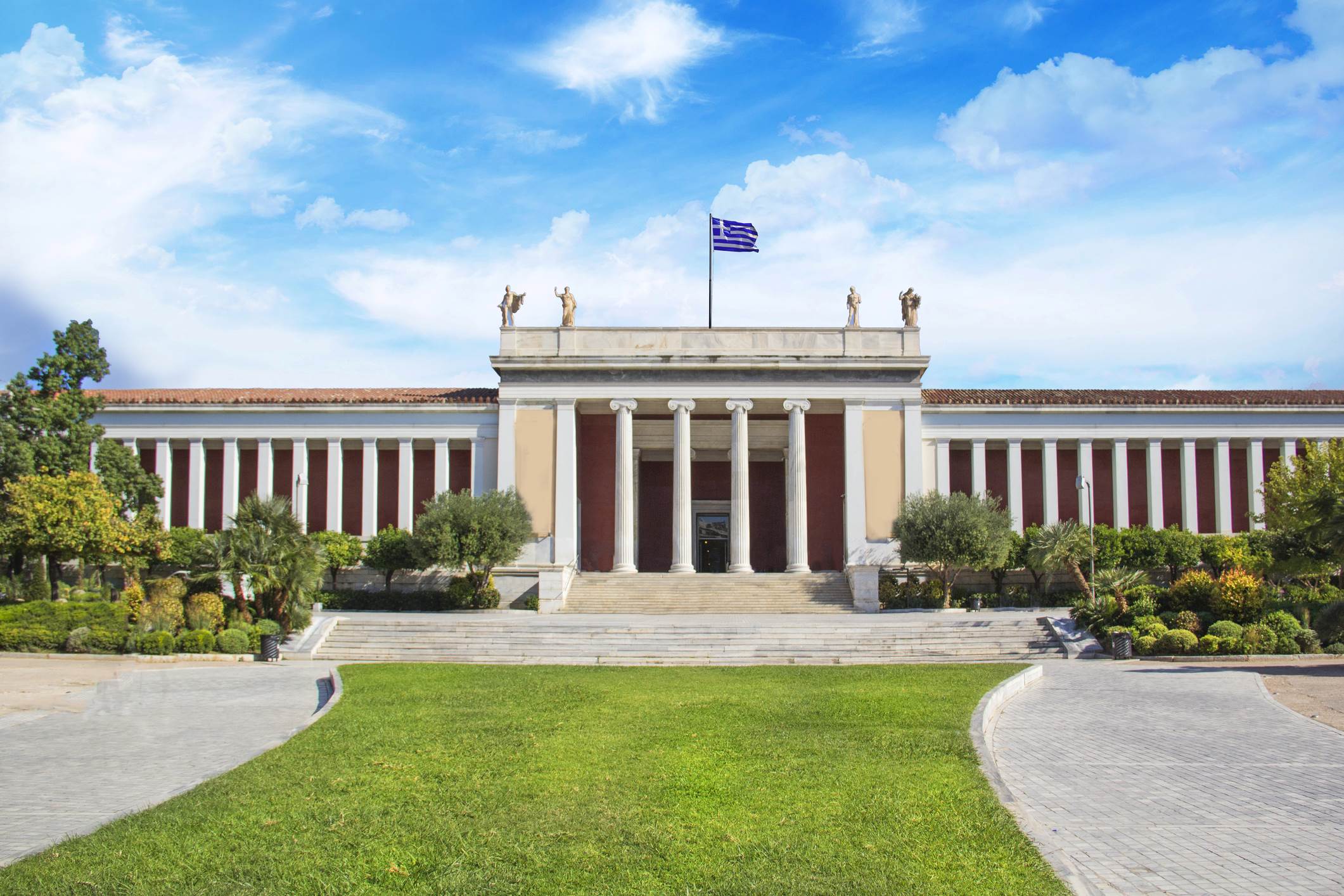
he Archaeological Museum of Ancient Messene houses some of the most important artifacts uncovered in the city, offering visitors a deeper understanding of its rich history, culture, and daily life. Located near the archaeological site, the museum showcases a stunning collection of statues, inscriptions, pottery, and everyday objects, spanning from the Classical to the Byzantine period.
Among its highlights are statues of gods and emperors, inscriptions detailing civic and religious life, and artifacts from the Asklepieion, Agora, and the Mysteries of Andania. The museum also features funerary reliefs, architectural fragments, and coins, shedding light on the city’s economic, social, and religious significance throughout the centuries.
Today, the museum serves as the perfect complement to a visit to the archaeological site, allowing visitors to explore the artistic and spiritual legacy of one of Greece’s most well-preserved ancient cities.
16
In the heart of Messenia, the charming village of Zevgolatio offers an authentic Greek dining experience in a traditional taverna next to the historic old train station. Surrounded by a rustic, picturesque setting, this hidden gem invites you to savor the true flavors of the Greek countryside.
Here, you’ll enjoy fresh, locally sourced meats, raised by the tavern’s owners, grilled to perfection over an open flame. Seasonal vegetables and herbs, handpicked from their own gardens, complement each dish, creating a farm-to-table experience that captures the essence of Messinian hospitality.
Before leaving, don’t miss the chance to purchase the famous Zevgolatio pasteli, a traditional Greek sesame and honey bar made from pure, high-quality ingredients. This beloved local delicacy, known for its rich flavor and natural sweetness, is the perfect souvenir to take a taste of Messenia home with you.
What's not included
Licensed guide to accompany you into archaeological sites.
Entrance fees for archaeological sites and museums.
Optional airport pick-up, available at an additional cost.
Meal in Zevgolatio - Lunch stops are scheduled, but meal costs are not included.
Kindly note that gratuities and tips are not included in the price and are left to your discretion.
Available languages
Guide guide
EN
Written guide
EN
Reviews breakdown
Tripadvisor
5.0
3 reviews
5★
3
4★
0
3★
0
2★
0
1★
0
Important information
Public transportation options are available nearby
Suitable for all physical fitness levels
It is recommended to wear comfortable footwear for walking and exploring the different sites.
Make sure to bring a hat and sunscreen, as Greece often experiences warm and sunny weather.
The tour duration includes the time spent traveling between locations
About Athens
Athens, the capital of Greece, is a city rich in history and culture, often considered the cradle of Western civilization. It is home to iconic ancient landmarks, vibrant neighborhoods, and a thriving modern scene.
Top Attractions
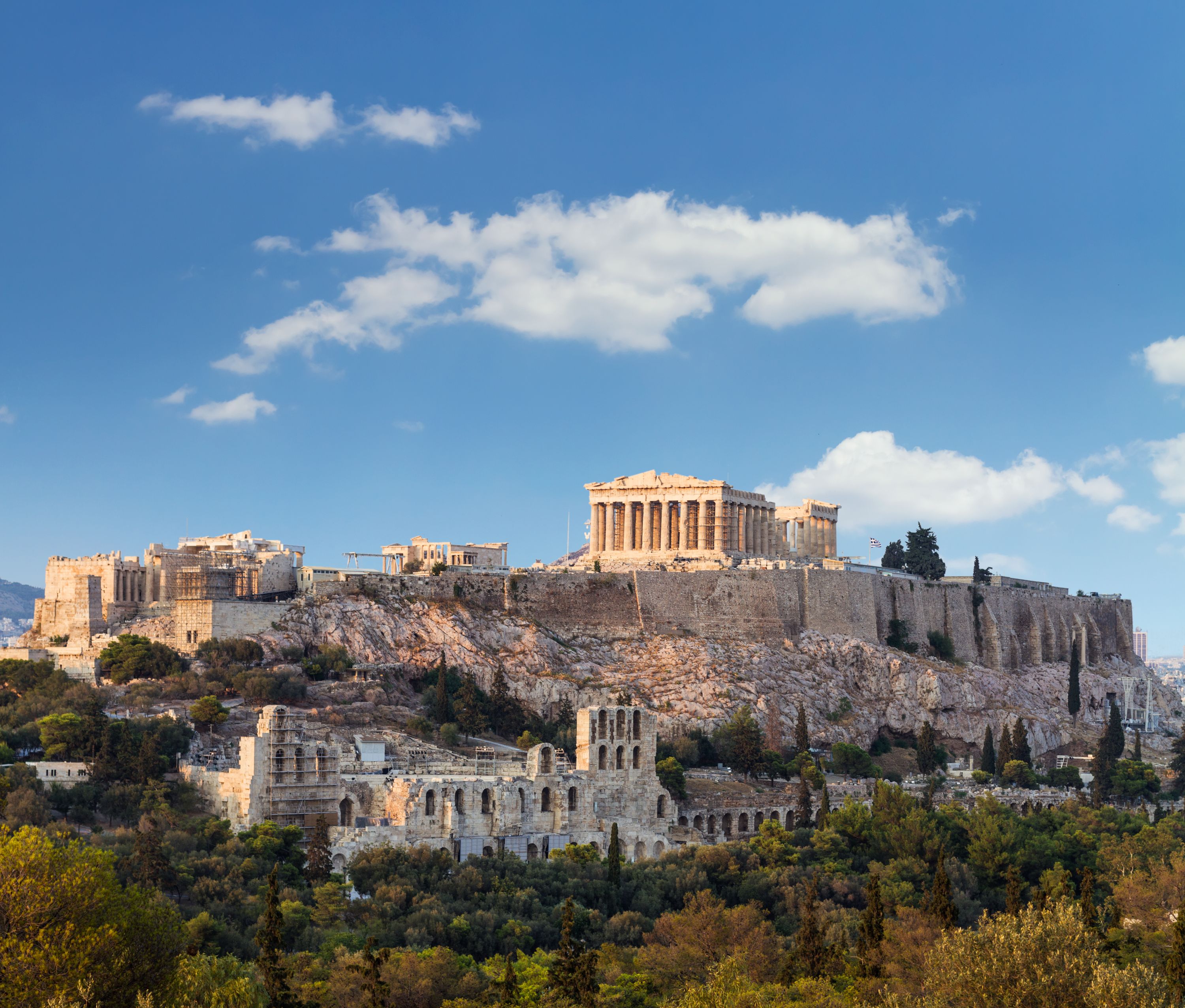
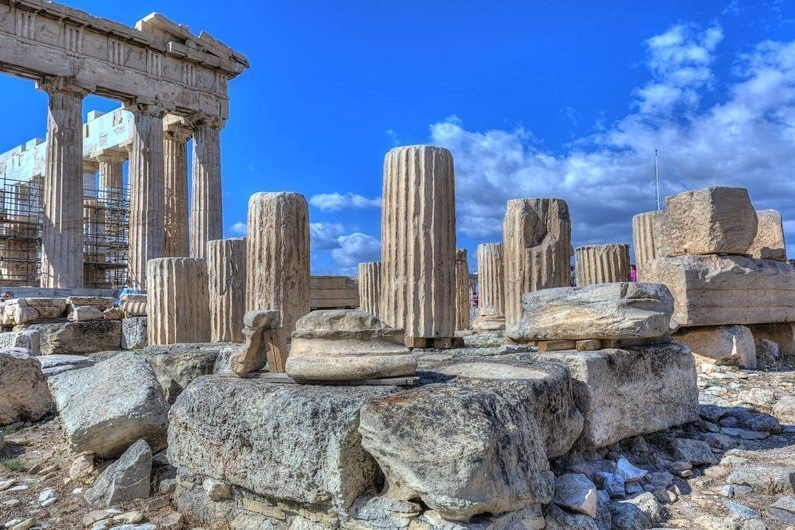
Acropolis of Athens
The Acropolis is the most iconic landmark in Athens, featuring ancient ruins and temples, including the Parthenon.
Historical
2-3 hours
€20 (combined ticket for multiple sites)
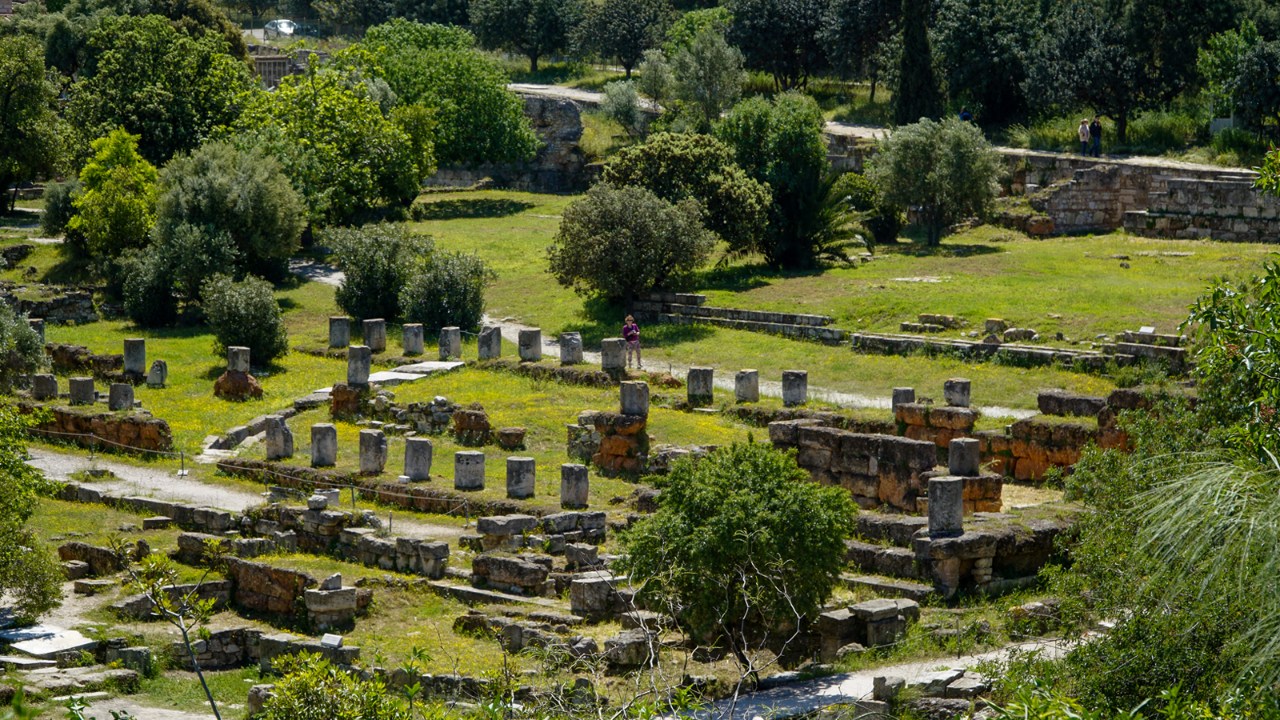
Ancient Agora of Athens
The heart of ancient Athens, featuring the Temple of Hephaestus and the Stoa of Attalos.
Historical
1-2 hours
€8 (included in the combined ticket)
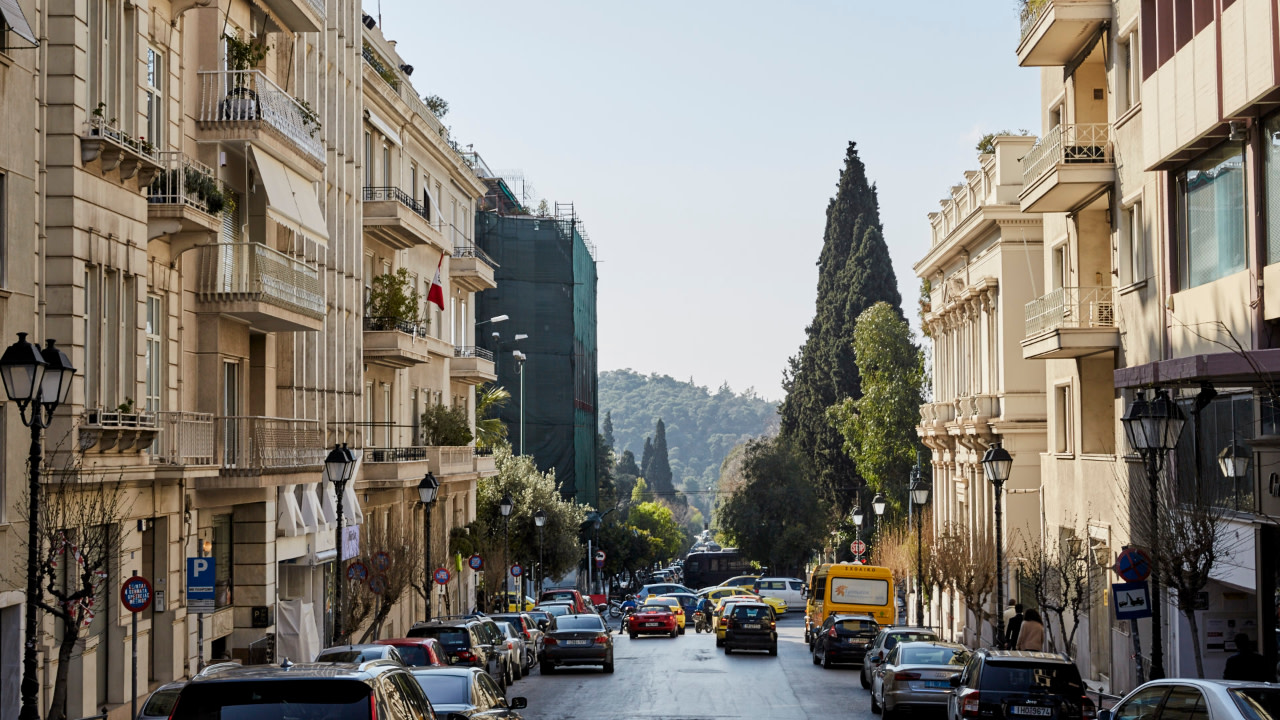
Plaka
A charming, historic neighborhood with narrow streets, neoclassical houses, and vibrant nightlife.
Cultural
2-3 hours
Free to explore
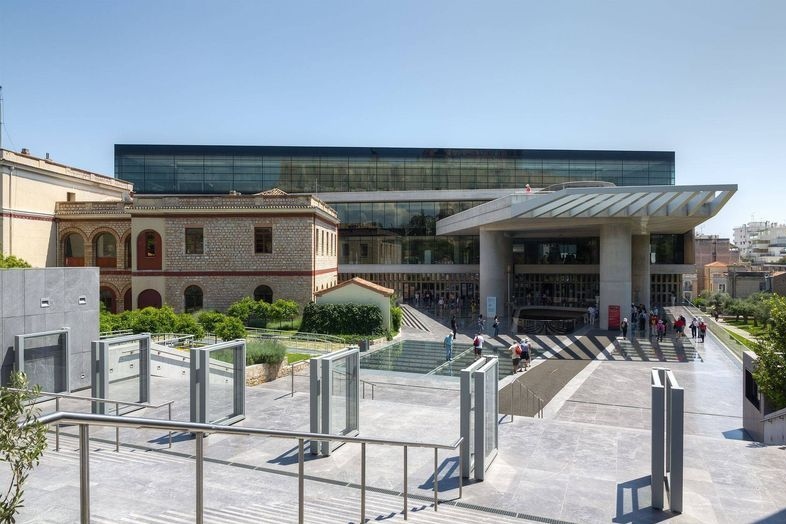
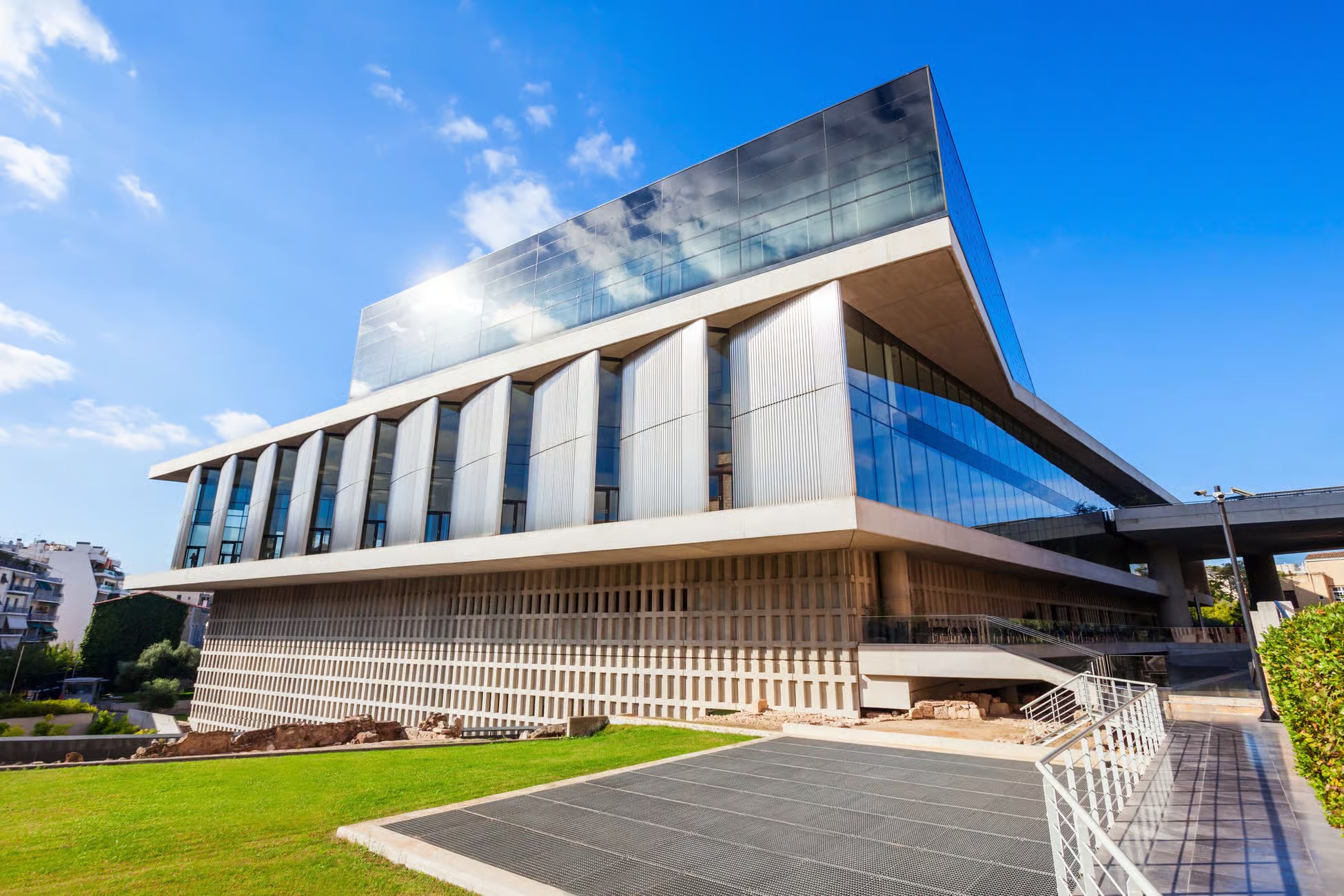
Acropolis Museum
A modern museum showcasing artifacts from the Acropolis and its surroundings.
Museum
1-2 hours
€10
Temple of Olympian Zeus
An ancient temple dedicated to Zeus, once the largest temple in Greece.
Historical
30 minutes to 1 hour
€6 (included in the combined ticket)
Must-Try Local Dishes
Moussaka
A baked dish with layers of eggplant, minced meat, and béchamel sauce.
Dinner
Vegetarian versions available
Souvlaki
Grilled meat skewers, often served with pita bread and tzatziki.
Snack
Can be made with chicken, pork, or vegetarian options
Tzatziki
A yogurt-based dip with cucumber, garlic, and herbs.
Snack
Vegetarian and vegan options available
Baklava
A sweet pastry made with layers of filo, nuts, and honey syrup.
Dessert
Vegetarian
Popular Activities
Hiking in the mountains
Rock climbing
Scuba diving
Beach visits
Spa treatments
Café hopping
Museum visits
Theater performances
Best Time to Visit
April to June, September to October
The best time to visit Athens is during the spring and autumn months when the weather is pleasant and the tourist crowds are smaller.
18°C to 32°C
64°F to 90°F
Practical Information
Language
- Official: Greek
- Widely spoken: English, French, German
- English: Moderately spoken
Currency
Euro (EUR)
Time Zone
GMT+2 (EET)
Electricity
230VV, 50HzHz
Safety Information
Overall Safety Rating: Generally safe
Athens is generally safe for travelers, but petty crime and pickpocketing can occur in tourist areas. Be cautious with your belongings and avoid poorly lit areas at night.
Important Precautions:
- • Keep valuables secure
- • Use licensed taxis or ride-sharing apps
- • Be cautious with ATMs and credit cards
Getting there
By air
- Eleftherios Venizelos International Airport • 30 km from city center
By train
Athens Central Railway Station
By bus
KTEL Bus Station
Getting around
Public transport
Clean, efficient, and air-conditioned. Easy to navigate with clear signage in English.
Taxis
Available • Apps: Beat, Uber
Rentals
Car, Bike, Scooter
Neighborhoods
Plaka
Monastiraki
Psiri
Koukaki
Kolonaki
Day trips
Cape Sounion
65 km from Athens • Half day to full day
A scenic coastal area featuring the Temple of Poseidon with stunning views of the Aegean Sea.
Delphi
180 km from Athens • Full day
An ancient archaeological site and home to the famous Oracle of Delphi.
Meteora
350 km from Athens • Overnight
A unique landscape featuring rock formations and medieval monasteries perched atop cliffs.
Festivals
Athens Festival • May to October
Athens Epidaurus Festival • June to August
Athens International Film Festival • October
Pro tips
- Visit major attractions early in the morning or late in the afternoon to avoid crowds and heat
- Use the metro for easy and efficient travel around the city
- Explore local neighborhoods for an authentic Greek experience
- Try local street food for a quick and delicious meal
- Learn a few basic Greek phrases to enhance your experience and connect with locals
From $25
per person
Price varies by option
Secure booking
Free cancellation available
Instant confirmation