Athens Historical Promenade: Private Walking Tour
Active
4h - 5h
For a full refund, cancel at least 24 hours before the scheduled departure time.
Instant confirmation
Mobile or paper ticket accepted
About this experience
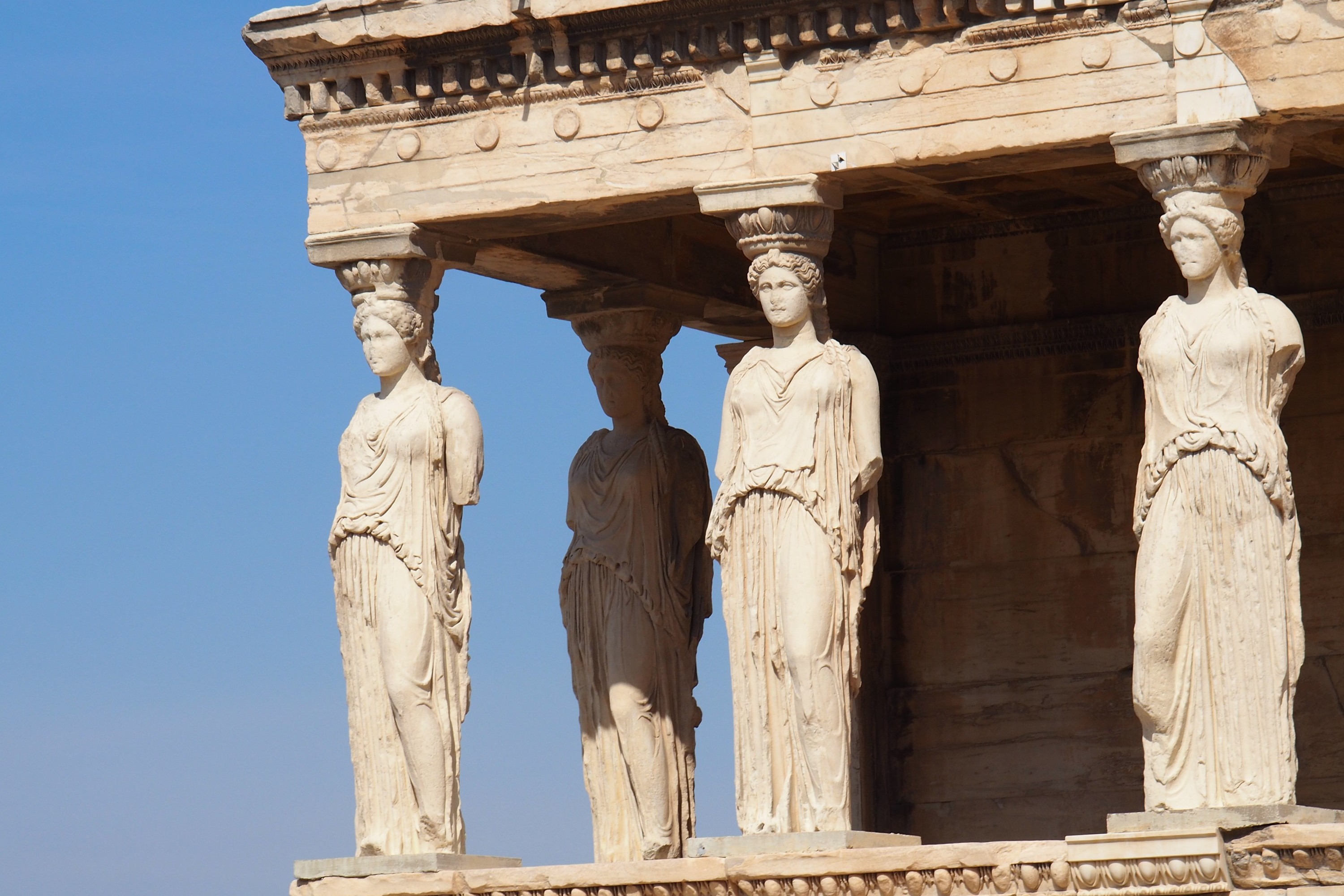
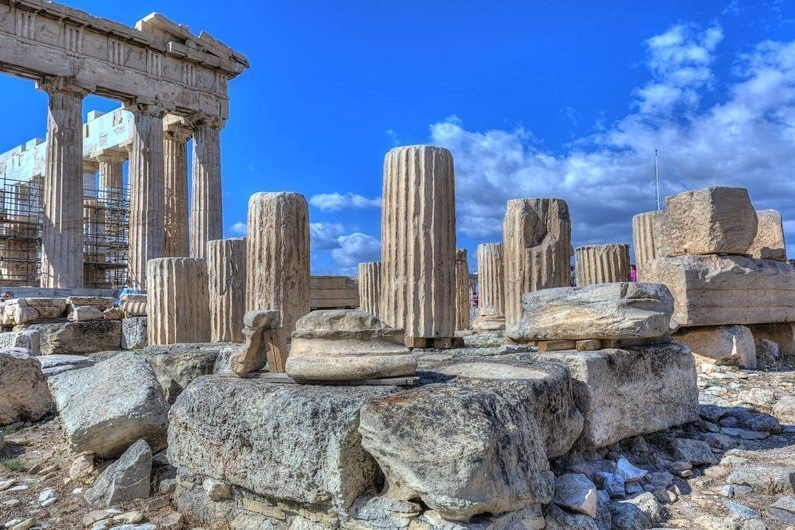
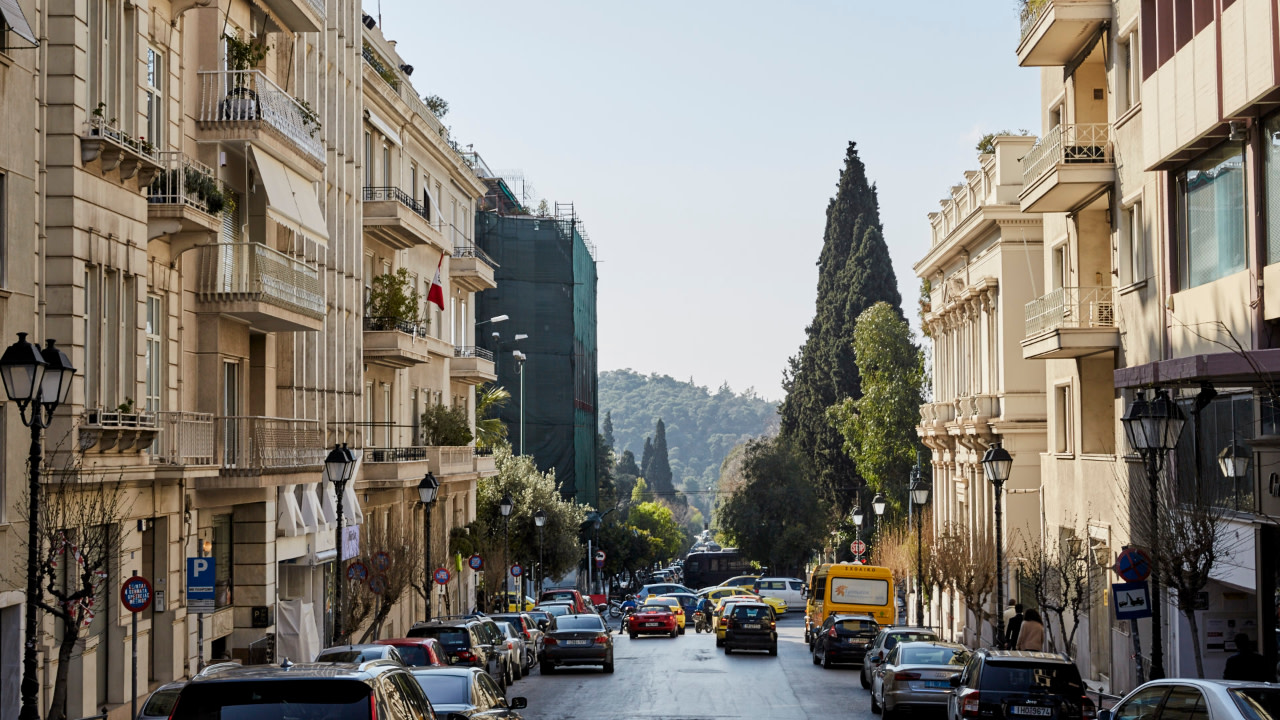
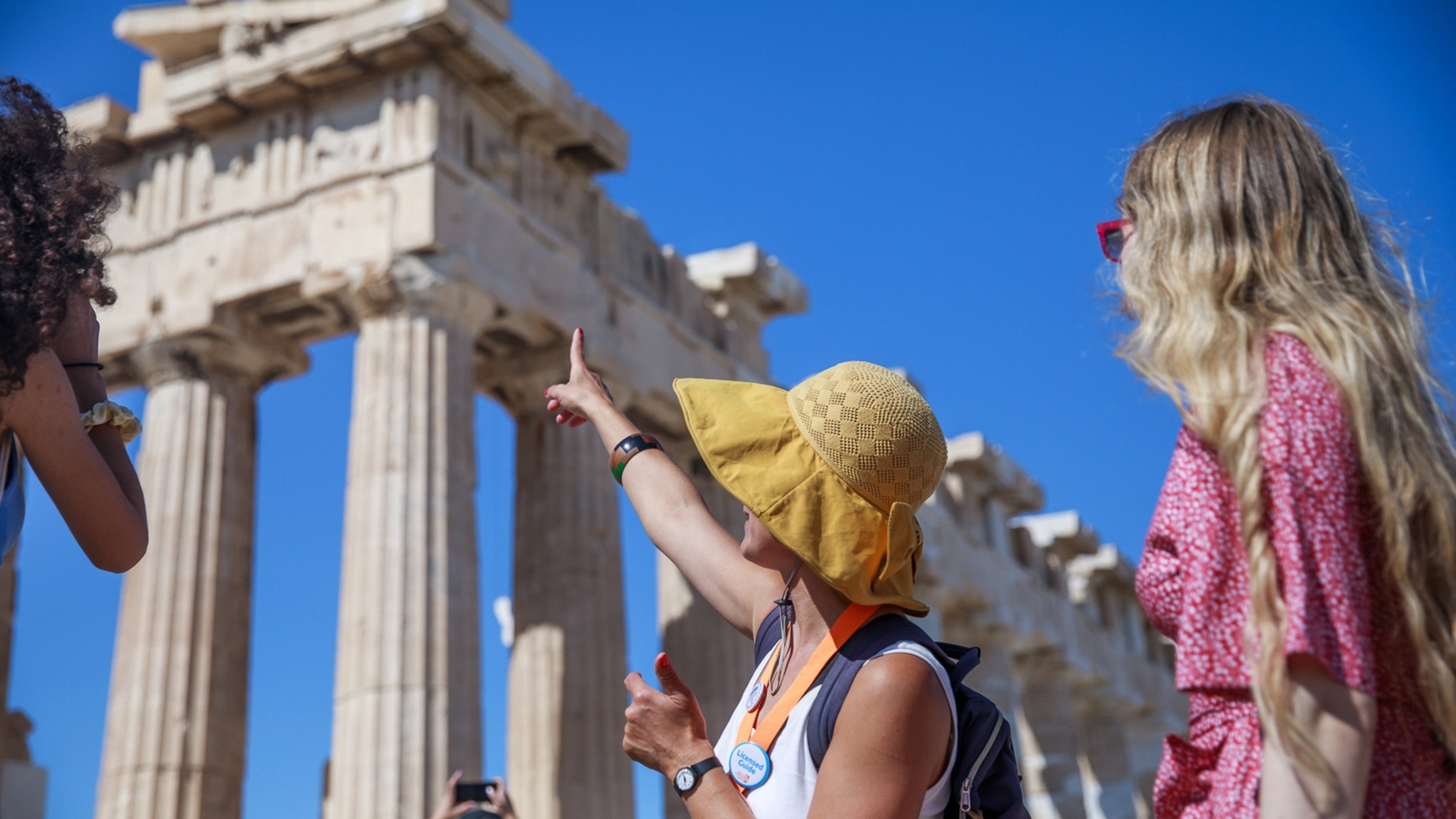
If you enjoy walking and want to experience the history of Athens by visiting some of its most prominent highlights then this tour is for you. Led by an active archaeologist specializing in the historical topography of Athens, this activity promises to be unforgettable.
Available options
Athens Historical Promenade: Private Walking Tour
Pickup included
What's included
Licenced Tour Guide
Detailed itinerary
1
Stop 1
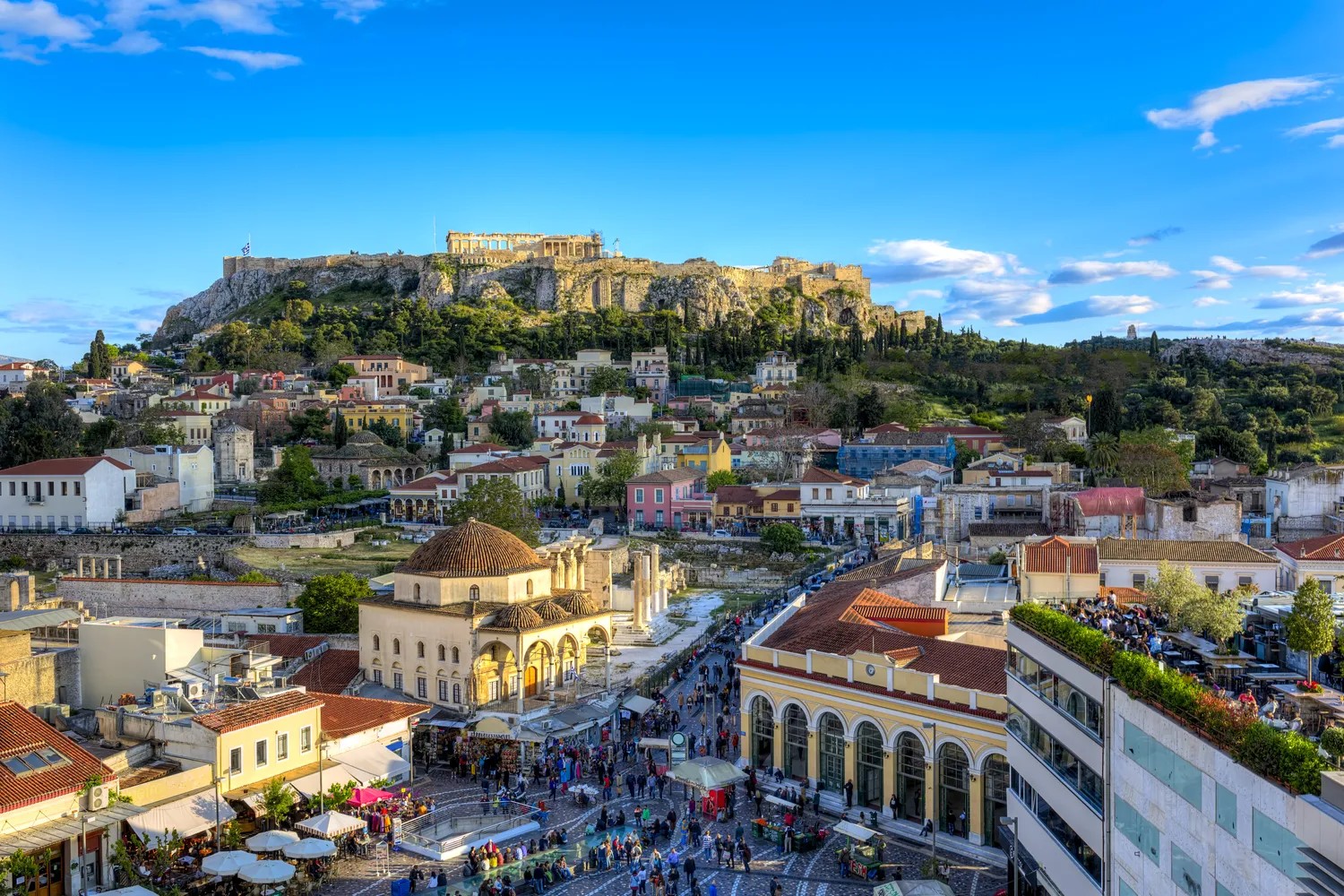
Monastiraki Square is one of the most picturesque parts of the city named after a small monastery that once stood there. The only surviving part of the monastery today is the 11th-century church of Panagia Pantanassa, which stands next to the much later Tzistarakis Mosque. However, this part of the city has a much older history, as evidenced by the archaeological remains unearthed beneath the surface, accessible through the nearby Metro Station. The streets to the east of the square are filled with shops selling a variety of products, and visitors can enjoy delicious meals, including the famous Greek Gyros.
2
Stop 2
Pass by
Stretching to the north and northeast of the Acropolis hill the area of Plaka constitutes the historical center of Athens. As the only part of the city that has been inhabited without interruption since antiquity, the Plaka area forms a unique palimpsest. It combines a network of ancient, Byzantine, Ottoman and later monuments with the intensity expected in the heart of the modern capital. Walking through the picturesque alleys of the Plaka district, which offer a unique blend of colors, flavors and perfumes filling the air, will certainly be an unforgettable experience.
3
Stop 3
This vast rectangular enclosure, shaped after a Roman Forum, was built thanks to the generosity of the Roman emperor Hadrian (117-138 CE) for the people of Athens. Although labeled as a library, it served several other functions and held a central position in the intellectual life of the city during imperial times. The west façade of the structure adorned with a row of elegant Corinthian-style columns is one of the main attractions in the historical center of Athens. Travelers will be able to view this monument from the outside.
4
Stop 4
This mosque is the oldest, largest and historically most significant in the city. Its construction around 1458 is associated with the visit to Athens of Sultan Mehmed II, also known as the Conqueror. The existence of this mosque is a testament to the significant position Athens enjoyed as a provincial city of the Ottoman Empire. Travelers will be able to view the exterior of the mosque.
5
Stop 5
Built with the contributions of Julius Caesar and Octavian Augustus, the Roman Agora served as the primary commercial center for the city of Athens from the time of Jesus Christ until the Greek War of Independence (1821). The rectangular enclosure was accessible through two monumental gateways from the east and west. To the east of the precinct a cluster of auxiliary buildings served the needs of the numerous visitors to the area. The most notable of these structures is the Tower of the Winds, an octagonal building that served as both a weathervane and a clock. In the same area, the public latrines of Roman times are located.Travelers will be able to view this building from the outside.
6
This is the oldest surviving house in Athens, dating back to the 18th century. This two-story building comprises typical features of a noble house from the Ottoman period. The surviving building has incorporated elements of older structures, which may be linked to the dwelling place of the Athenian Saint Philothei (1522-1589). After its recent restoration, the building now serves as a museum. Travelers will be able to view the exterior of the building.
7
Stop 7
This spectacular monument stands at the eastern foot of the Acropolis hill. Due to its cylindrical form, it has been popularly known as the Lantern of Demosthenes or the Lantern of Diogenes. In reality, the monument served as a high pedestal, built in 334 BC by the wealthy Athenian Lysicrates, a victorious sponsor in the dramatic contests. At the top of the monument stood the trophy itself, a tripod cauldron. This monument is the best-preserved of the numerous similar monuments that once lined the road leading to the Theater of Dionysus.
8
Stop 8
The Arch of Hadrian, one of the most prominent landmarks in Athens, was likely constructed by the Athenians themselves to honor the Roman Emperor Hadrian, who was a great benefactor of their city. Its inauguration coincided with Hadrian’s visit to the city in 132 CE and the dedication of the adjacent Temple of Zeus, which was completed with Hadrian’s sponsorship. The Arch also served as a marker separating the eastern extension of the city from the old city of Athens.
9
Stop 9
Pass by
If the ancient Greeks had created the Guinness World Records Book, the Temple of Olympian Zeus would likely have been included in its pages. Construction began in the late 6th century BCE and was completed approximately 650 years later, in the 2nd century CE, thanks to the generosity of the Roman Emperor Hadrian. Built on a platform 108 meters long and 41 meters wide and consisting of 104 columns in the Corinthian style, it was the largest temple in Athens and one of the largest in the entire Greek world. Even in its current fragmentary state, the temple continues to impress visitors with its massive dimensions and the elegance of its sixteen surviving columns. Travelers will be able to observe the site from the outside.
10
Stop 10
When the traveler Pausanias visited Athens in the 2nd century CE, he was impressed by the size and grandeur of the Panathenaic Stadium. The emotions evoked by this structure are still felt by modern visitors. Originally constructed in the 4th century BCE, the stadium was later renovated in marble in the 2nd century CE. In the late 19th century, it was reconstructed to hold the first modern Olympic Games. Since then, it has remained one of the most prominent landmarks in Athens, seamlessly integrated into the modern capital’s life. Travelers visiting Athens must not miss the chance to see the Panathenaic Stadium. Travelers will be able to view this magnificent structure from the outside.
11
Stop 11
The Zappeion Mansion is one of the most emblematic buildings in Athens constructed in the Neoclassical style. Its unique architectural plan includes a gateway adorned with massive Corinthian columns and a spacious circular atrium surrounded by a colonnade in the Ionic order. Constructed with funds donated by Evangelos Zappas, a wealthy Greek of the Diaspora, it served as the Olympic Village during the first Olympic Games of 1896. Since then, the structure has hosted innumerable events including many artistic and commercial exhibitions. Apart from the building itself, visitors can enjoy strolling through the spacious gardens that surround the Zappeion Hall. Travelers will have the opportunity to not only view the Zappeion Hall from the outside but also enter its lobby.
12
Stop 12
Pass by
The church, constructed in the Neo-Gothic style, was inaugurated in 1843 to serve the Protestant community of Athens. It is one of the most elegant and interesting buildings in the city.
13
Stop 13
Covering 160 acres the National Gardens are the largest green space in the city. Initially constructed under the direct supervision of Queen Amalia in the mid-19th century to serve as the private gardens of the royal family, they comprise over 7,000 trees and 40,000 bushes, which were transported from all corners of the world. The area also features ponds with ducks and swans, as well as a small zoo. Today, the Gardens are a favorite destination for those seeking to enjoy a relaxing stroll, parents looking to entertain their kids, and individuals interested in studying the more than 500 plant species found in this area. Travelers will have the opportunity to walk through the gardens.
14
Stop 14
Syntagma Square is the most central part of Athens. To the east the square is delimited by the Parliament Hall, the oldest and largest neoclassical building in the city. It was inaugurated in 1843 as the Palace of Greece’s first king, Otto. In front of the Parliament Hall stands the Monument of the Unknown Soldier, which honors all Greeks who died in battle but were never recovered. The monument is guarded by the Presidential Guard, known as the Evzones. Every visitor to the city should witness the changing of the Guard ceremony, which takes place every hour, around the clock. Travelers will have the opportunity to view the exterior of the Parliament Hall.
15
Stop 15
Pass by
The Grande Bretagne is the most renowned hotel in Athens. The current multi-story building replaced an older three-story structure in the late 1950s designed by the famous 19th-century Danish architect Theophil Hansen. The Grande Bretagne has not only been one of the most aristocratic and luxurious hotels in the city, but it is also connected to several significant events in Greek history. Celebrities of all kinds, including kings, princes, politicians, actors and many other artists, have stayed in the rooms of this hotel.
16
Stop 16
This elegant building was constructed to house the family of the German archaeologist Heinrich Schliemann, the famous excavator of Troy and Mycenae. Designed by the pioneering architect Ernst Ziller it combines Neoclassical and Renaissance architectural elements. Internally, it is decorated with mural paintings inspired by the art of Pompeii in Italy. Since 1998, it has been home to the Numismatic Museum of Greece. Travelers will have the opportunity to view the facade of the building.
17
The Catholic Cathedral of Athens is dedicated to St. Denis, a noble Athenian and member of the Areopagus Council who was converted to Christianity by the Apostle Paul himself. The Cathedral is a three-aisled basilica designed by Leo von Klenze and L. Kaftanzoglou, constructed in the Neo-Renaissance style and decorated with impressive frescoes and stained glass panels. These elements imbue a visit to the Cathedral with a strong mystagogic character. Travelers will have the opportunity to enter the Cathedral.
18
Stop 18
Pass by
The building that houses Greece’s oldest hospital specializing in the treatment of eye diseases was inaugurated in 1854. Designed by the famous Danish architect Christian Hansen, it is remarkable for its architectural order, inspired by Byzantine archetypes. The structure continues to be home to one of the most advanced eye hospitals in Greece. Travelers will be able to view the building from the outside.
19
Stop 19
The Academy, along with the University and the National Library, is part of the famous Athenian Trilogy. Constructed in the second half of the 19th century according to plans by the Danish architect Th. Hansen, the Academy is considered one of the most beautiful Neoclassical buildings worldwide. It stands on a platform accessible via a staircase flanked by the seated statues of Socrates and Plato. Closer to the building, two colossal columns support the statues of Athena, the goddess of wisdom, and Apollo with a lyre. The entrance to the building takes the form of a monumental propylon (gateway) adorned with gilded columns of the Ionic order. The triangular pediment crowning the propylon is decorated with a sculptural composition depicting the birth of Athena. Travelers will be able to view the building from the outside.
20
Stop 20
The frugal Neoclassical building that houses the headquarters of the University was constructed in the mid-19th century based on plans by Christian Hansen. Along its façade runs a stoa (portico) of square pillars, with a gateway in the middle comprising two Ionic-style columns. The most distinctive feature of the building is the painted frieze that decorates the wall behind the stoa, depicting the revival of arts, letters and sciences in Greece during King Otto’s reign. In the spacious plaza in front of the University visitors can see the statues of Adamantios Korais and Rigas Pheraios, key figures of the Greek Enlightenment, as well as the martyr Patriarch Gregory V and Ioannis Kapodistrian, the first governor of Greece, after whom the University is named. Travelers will be able to view the building from the outside.
21
Stop 21
Pass by
The third building of the Athenian Trilogy housed the National Library from its inauguration in 1902 until 2017. Named the “Vallianion” after the Vallian brothers who financed its construction, the building was designed by Th. Hansen. Its Doric-style propylon (gateway) emulates the façade of the Hephaisteion Temple in the Athenian Agora, while the two helicoidal staircases are inspired by Renaissance architecture. Currently, the building is closed to the public for restoration work. Travelers will be able to view the building from the outside.
22
Stop 22
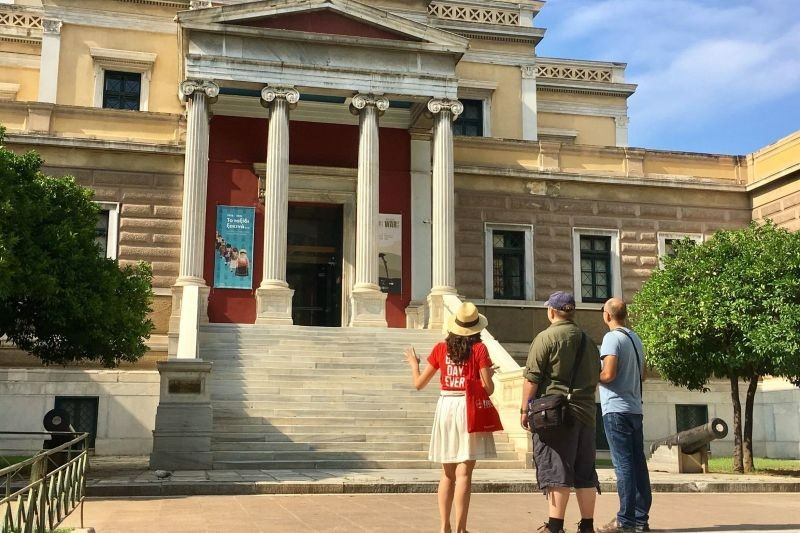
Kolokotroni Square is named after the hero of the Greek War of Independence (1821-1833), whose statue depicts him mounted on his horse. The Neoclassical building behind the statue served as Parliament Hall for over fifty years. Since the early 1960s, it has been home to the National Historical Museum. Travelers will be able to view the exterior of the building.
23
Stop 23
Pass by
Hermou Street is the backbone of the city center of Athens, stretching between the Greek Parliament Hall (the heart of the modern city) and the archaeological site of Kerameikos (the heart of the ancient city). A major part of the street is dedicated to pedestrians and lined with all sorts of retail stores, making Hermou Street a favorite strolling place for both locals and travelers.
24
Stop 24
The church is located right in the middle of Hermou Street. It is an exquisite Byzantine temple dating back to the 11th century. The eastern wall of the temple is decorated with terracotta ornaments that imitate Arabic letters, while the interior walls feature mural paintings in the Byzantine style created by the workshop of the renowned Greek painter Photis Kontoglou. Visiting Kapnikarea Church is like stepping back in time to medieval Greece, when the rulers of the Byzantine Empire were fighting to halt the Arab expansion to the West. Travelers will have the opportunity to not only observe the exterior of the building, but also enter the church.
What's not included
Lunch
Bottled water
Available languages
Guide guide
EL
EN
Important information
Wheelchair accessible
Infants and small children can ride in a pram or stroller
Service animals allowed
Public transportation options are available nearby
Not recommended for travelers with poor cardiovascular health
Travelers should have at least a moderate level of physical fitness
Meeting point
Your guide will be waiting for you in front Panagia's Church, located in the middle of Monastiraki Square. You will be able to recognize him by the board he will be holding with the name ILISOS written on it.
About Athens
Athens, the capital of Greece, is a city rich in history and culture, often considered the cradle of Western civilization. It is home to iconic ancient landmarks, vibrant neighborhoods, and a thriving modern scene.
Top Attractions
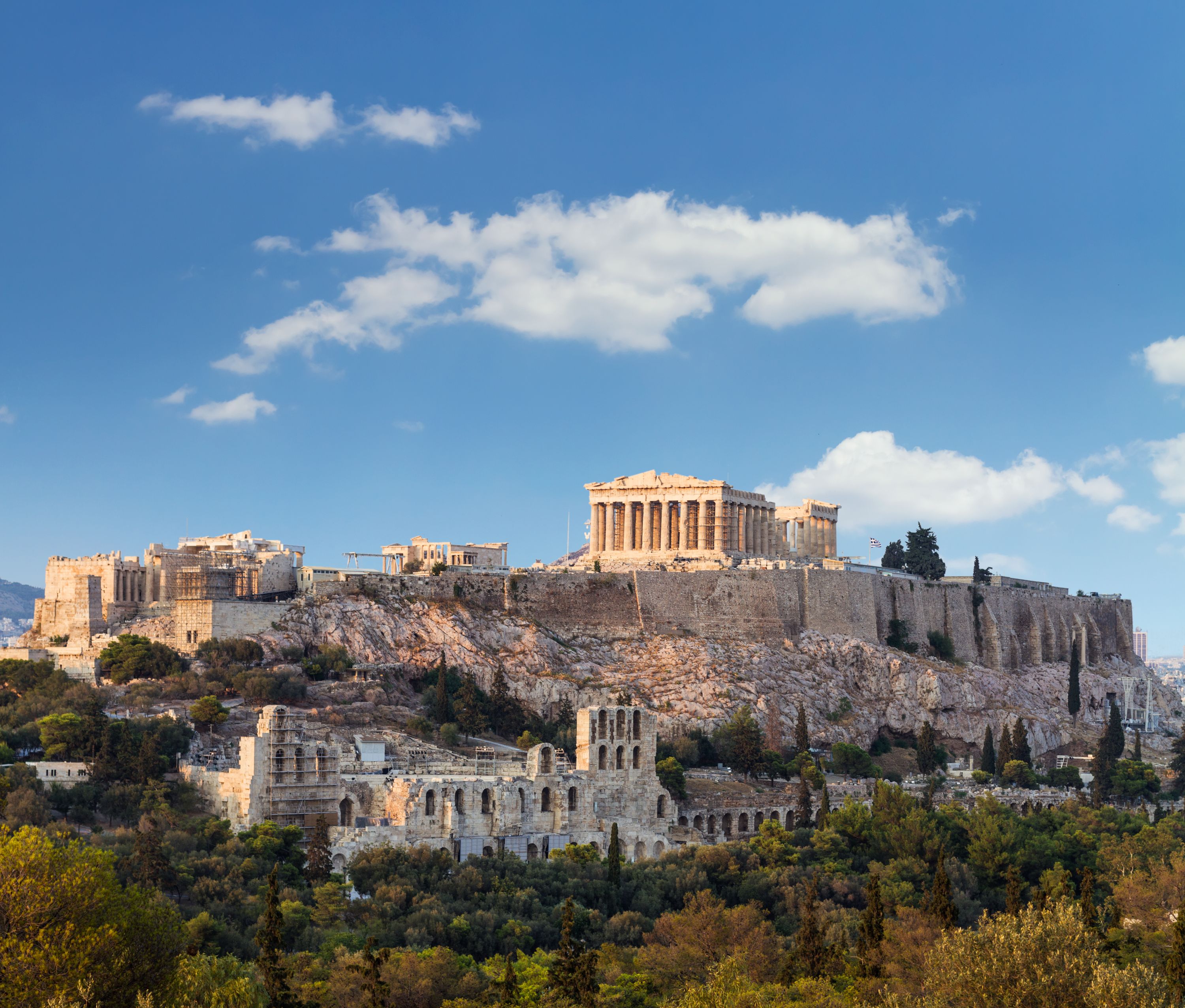
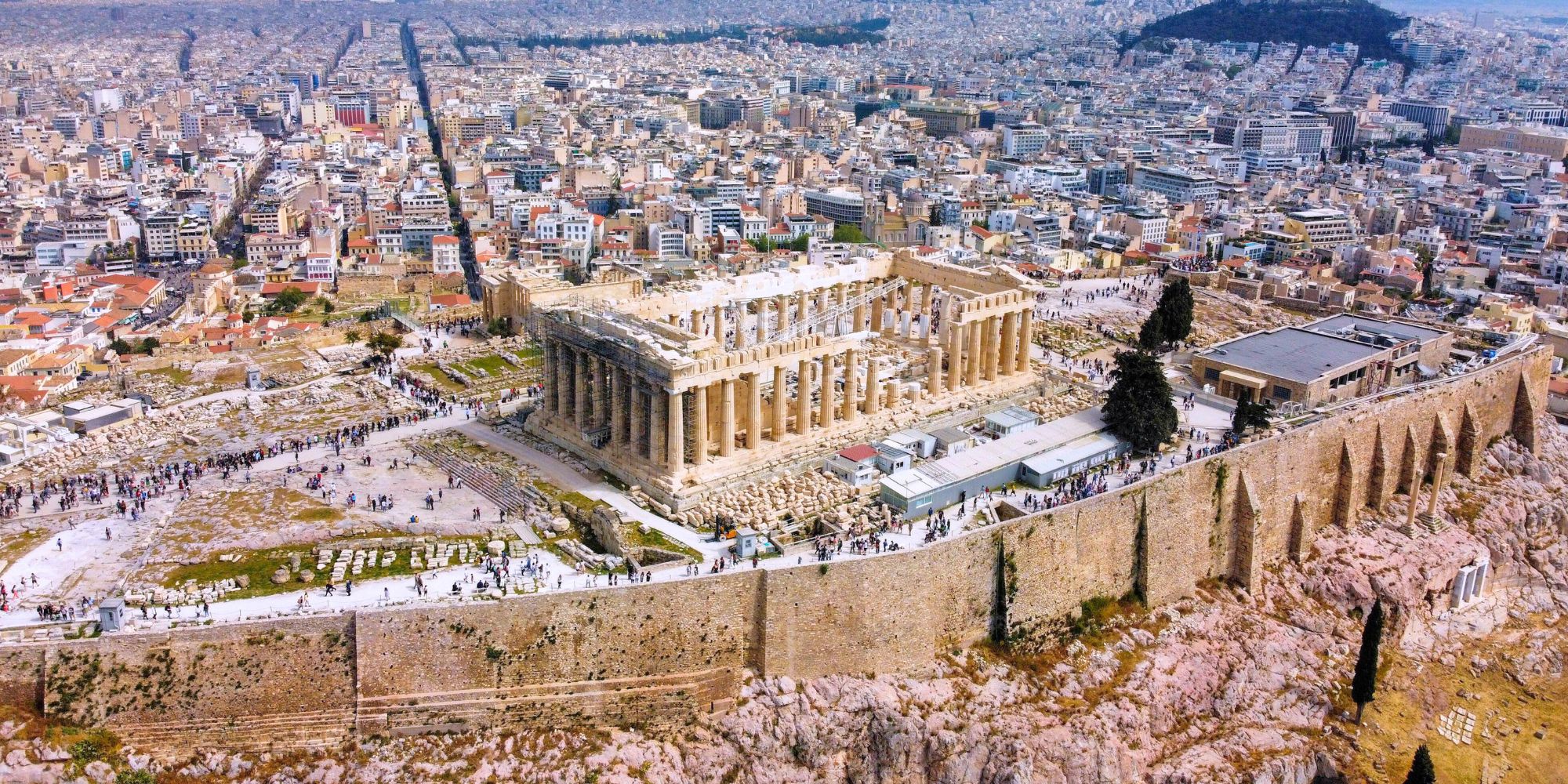
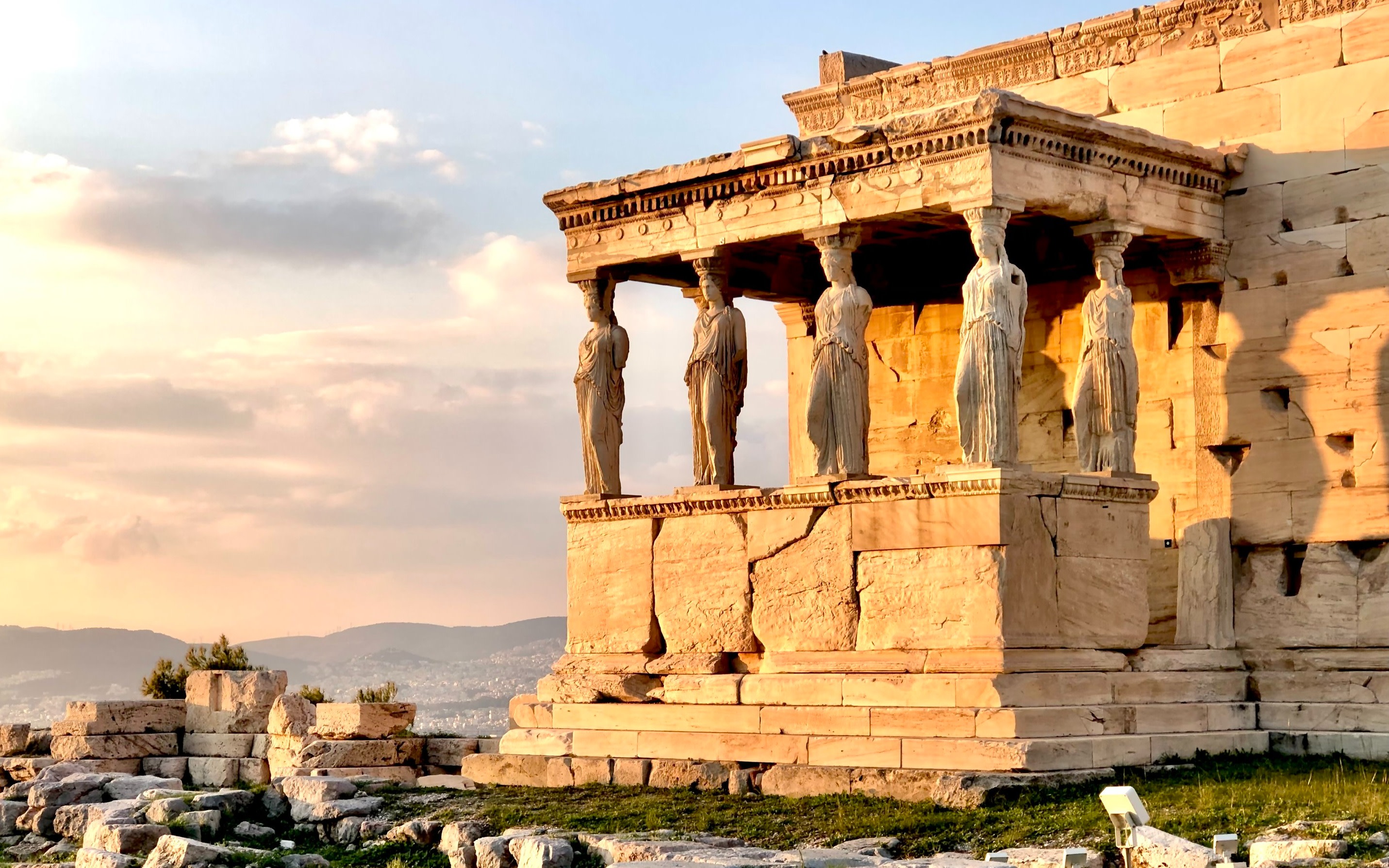
Acropolis of Athens
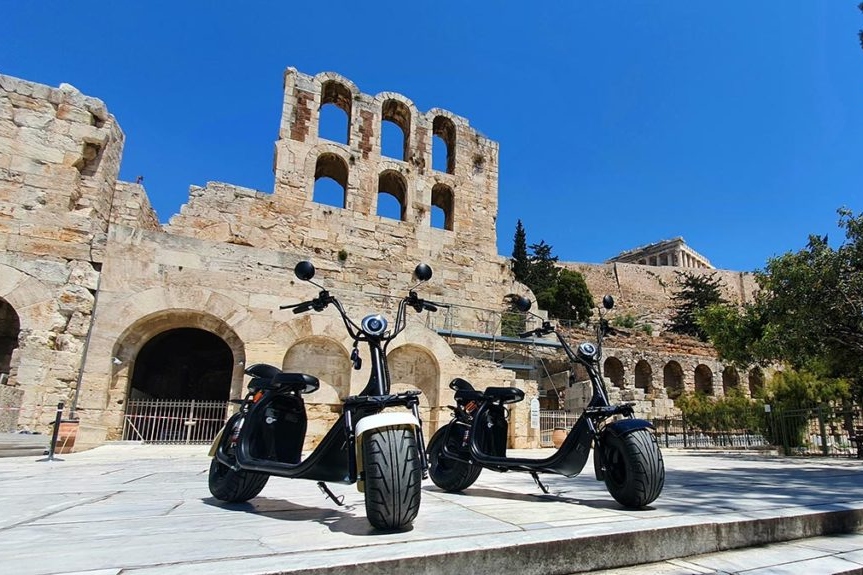
The Acropolis is the most iconic landmark in Athens, featuring ancient ruins and temples, including the Parthenon.
Historical
2-3 hours
€20 (combined ticket for multiple sites)
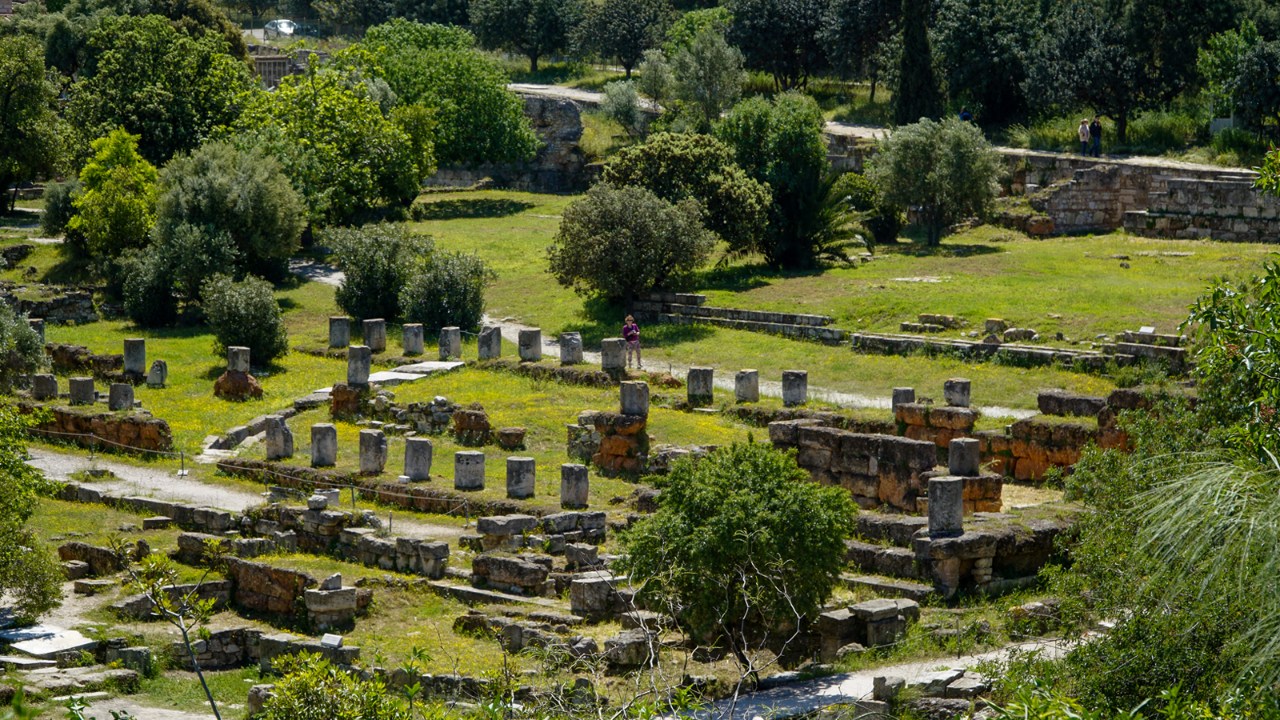
Ancient Agora of Athens
The heart of ancient Athens, featuring the Temple of Hephaestus and the Stoa of Attalos.
Historical
1-2 hours
€8 (included in the combined ticket)
Plaka
A charming, historic neighborhood with narrow streets, neoclassical houses, and vibrant nightlife.
Cultural
2-3 hours
Free to explore
Acropolis Museum
A modern museum showcasing artifacts from the Acropolis and its surroundings.
Museum
1-2 hours
€10
Temple of Olympian Zeus
An ancient temple dedicated to Zeus, once the largest temple in Greece.
Historical
30 minutes to 1 hour
€6 (included in the combined ticket)
Must-Try Local Dishes
Moussaka
A baked dish with layers of eggplant, minced meat, and béchamel sauce.
Dinner
Vegetarian versions available
Souvlaki
Grilled meat skewers, often served with pita bread and tzatziki.
Snack
Can be made with chicken, pork, or vegetarian options
Tzatziki
A yogurt-based dip with cucumber, garlic, and herbs.
Snack
Vegetarian and vegan options available
Baklava
A sweet pastry made with layers of filo, nuts, and honey syrup.
Dessert
Vegetarian
Popular Activities
Hiking in the mountains
Rock climbing
Scuba diving
Beach visits
Spa treatments
Café hopping
Museum visits
Theater performances
Best Time to Visit
April to June, September to October
The best time to visit Athens is during the spring and autumn months when the weather is pleasant and the tourist crowds are smaller.
18°C to 32°C
64°F to 90°F
Practical Information
Language
- Official: Greek
- Widely spoken: English, French, German
- English: Moderately spoken
Currency
Euro (EUR)
Time Zone
GMT+2 (EET)
Electricity
230VV, 50HzHz
Safety Information
Overall Safety Rating: Generally safe
Athens is generally safe for travelers, but petty crime and pickpocketing can occur in tourist areas. Be cautious with your belongings and avoid poorly lit areas at night.
Important Precautions:
- • Keep valuables secure
- • Use licensed taxis or ride-sharing apps
- • Be cautious with ATMs and credit cards
Getting there
By air
- Eleftherios Venizelos International Airport • 30 km from city center
By train
Athens Central Railway Station
By bus
KTEL Bus Station
Getting around
Public transport
Clean, efficient, and air-conditioned. Easy to navigate with clear signage in English.
Taxis
Available • Apps: Beat, Uber
Rentals
Car, Bike, Scooter
Neighborhoods
Plaka
Monastiraki
Psiri
Koukaki
Kolonaki
Day trips
Cape Sounion
65 km from Athens • Half day to full day
A scenic coastal area featuring the Temple of Poseidon with stunning views of the Aegean Sea.
Delphi
180 km from Athens • Full day
An ancient archaeological site and home to the famous Oracle of Delphi.
Meteora
350 km from Athens • Overnight
A unique landscape featuring rock formations and medieval monasteries perched atop cliffs.
Festivals
Athens Festival • May to October
Athens Epidaurus Festival • June to August
Athens International Film Festival • October
Pro tips
- Visit major attractions early in the morning or late in the afternoon to avoid crowds and heat
- Use the metro for easy and efficient travel around the city
- Explore local neighborhoods for an authentic Greek experience
- Try local street food for a quick and delicious meal
- Learn a few basic Greek phrases to enhance your experience and connect with locals
From $25
per person
Price varies by option
Secure booking
Free cancellation available
Instant confirmation