Tuk Tuk Tour in Alicante
Active
1h
For a full refund, cancel at least 24 hours before the scheduled departure time.
Instant confirmation
Mobile or paper ticket accepted
About this experience
Guided tours take you to discover the history of Alicante’s old town, visit the imposing Castle of Santa Barbara and other emblematic places, offering a unique and entertaining experience. Ideal for all audiences, this tuk tuk tour is
perfect for those who want to know the best of the city in no time.
Available options
Tuk Tuk Tour in Alicante
What's included
Bottled water
Detailed itinerary
1
Stop 1
Casa Carbonell, a modernist building built in the 1920s. According to legend, it was commissioned by a textile industrialist after being humiliated by its humble appearance when arriving from Alcoy during an epidemic.
2
Stop 2
The Consistorial House of Alicante, built in the 18th century, is a prominent example of the Valencian civil baroque. Its main facade features two symmetrical towers that frame the building. On the left tower is the clock, which uses the Roman spelling “IIII” instead of the usual “IV”, a common convention in watchmaking dating back to historical traditions
3
In the past, this square was known as Plaza de la Horca, as it was the place where public executions took place. Being located next to the old wall and one of its main gates, it was a strategic point to scarce the population: executions were done in full view of all those entering or leaving the city.
4
This square, formerly known as Plaza de las Barcas, owes its current name to the celebrated writer Gabriel Miró, whose statue has presided over the space since 1929. It is a place with great sentimental value for
Alicantens and an oasis of shade and tranquility in the heart of the city.
5
Stop 5
Pass by
This pedestrian street has become famous for its decoration with large colored mushrooms, an artistic intervention that has made it a children's and photographic icon.
6
Opened in 1847, the Teatro Principal is the cultural heart of Alicante. Its neoclassical facade with Ionic columns is one of the architectural icons of the city.
7
This picturesque neighborhood, nestled on the slopes of Mount Benacantil, preserves the Arab layout of narrow streets, whitewashed houses and steep steps.
8
Stop 8
It is the oldest temple in the city, built on an ancient mosque after the Reconquista. Its Gothic façade and Baroque details tell of its evolution over the centuries.
9
Stop 9
Located on top of Mount Benacantil, this castle has been a strategic fortress since Islamic times. It is one of the largest medieval fortresses in Spain. Its origin dates back to the 9th century, during the domination
Muslim.
10
Plaza de España is one of Alicante’s main open spaces, located right next to the Central Market. It is a busy area, both for its commercial activity and its proximity to cultural institutions and traditional neighborhoods.
11
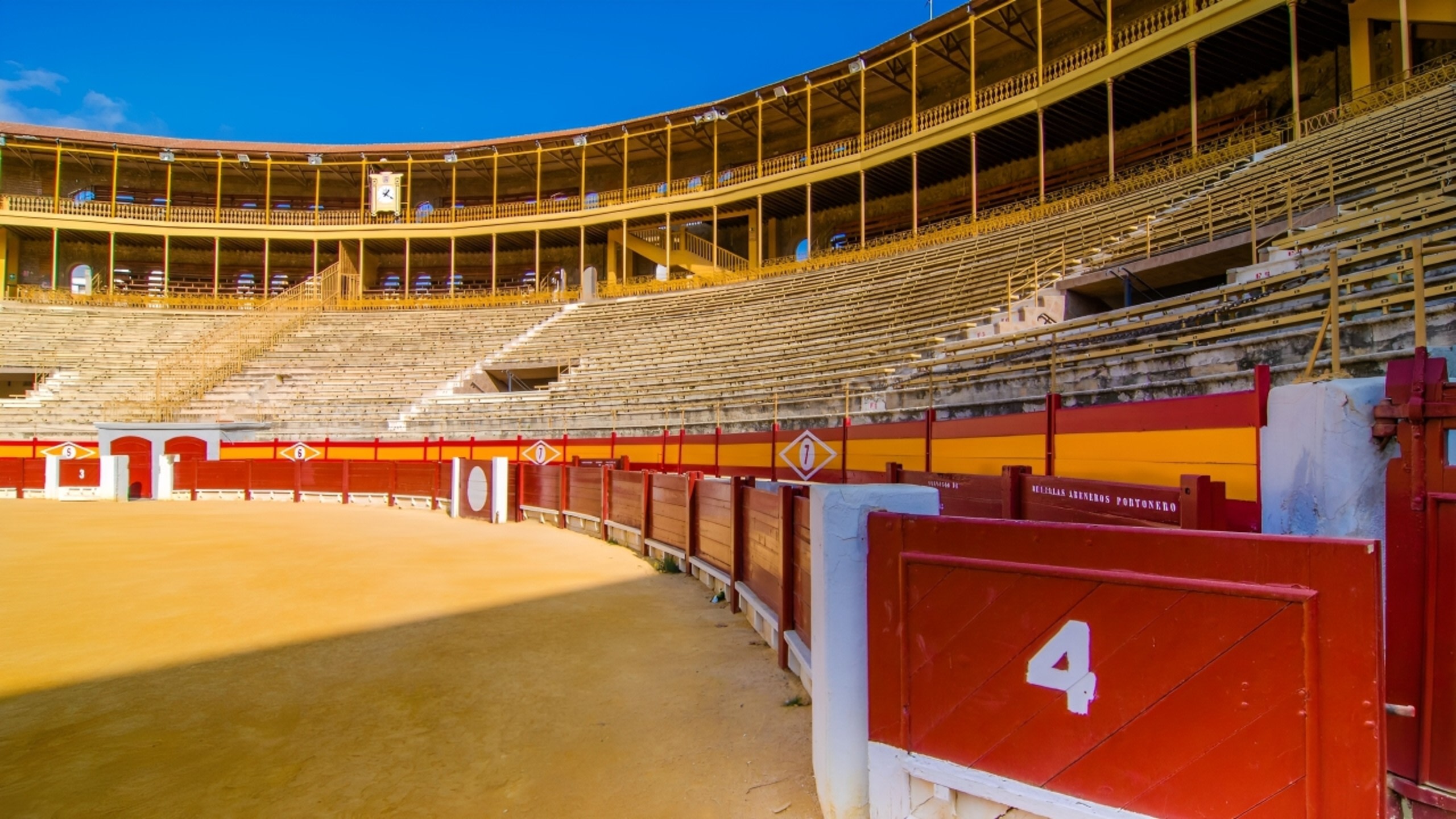
In this same area is the historic Plaza de Toros de Alicante, opened in 1847 and one of the oldest in the Valencian Community. He has witnessed bullfighting shows, concerts and popular events.
Although its use has evolved, it remains a building of great relevance to urban heritage.
12
It is the starting point of mascletàs during the Bonfires of San Juan. Here thousands of people gather every June to celebrate Alicante’s big festival.
13
At the foot of the castle and next to the historic center, this urban beach is one of the best known in the Valencian Community. Its name comes from the old postigo (secondary gate) that communicated the city with the coast. Today is an ideal place to relax after the tour,
with its promenade, palm trees and calm waters.
What's not included
Gratuities
Available languages
Guide guide
RU
EN
HU
ES
Reviews breakdown
Viator
2.4
7 reviews
5★
1
4★
2
3★
0
2★
0
1★
4
Tripadvisor
3.7
6 reviews
5★
4
4★
0
3★
0
2★
0
1★
2
Important information
Wheelchair accessible
Infants and small children can ride in a pram or stroller
Service animals allowed
Public transportation options are available nearby
Specialized infant seats are available
Transportation options are wheelchair accessible
Suitable for all physical fitness levels
People weighing more than 110kg are not allowed
Meeting point
On the side next to Casa Carbonell
Important notes
Show the booking code to the driver at the start of the tour.
About Alicante
Alicante is a vibrant coastal city in Spain known for its stunning Mediterranean beaches, historic landmarks, and lively cultural scene. The city offers a blend of modern amenities and traditional charm, making it a popular destination for travelers seeking both relaxation and adventure.
Top Attractions
Castle of Santa Bárbara
This impressive fortress offers panoramic views of Alicante and the Mediterranean Sea. It dates back to the 9th century and is a must-visit for history and architecture enthusiasts.
Historical/Architecture
2-3 hours
Free
Postiguet Beach
A popular urban beach with golden sand and clear blue waters. It's perfect for swimming, sunbathing, and water sports.
Beach
Half-day to full day
Free
Explanada de España
A beautiful palm-lined promenade along the waterfront, featuring a distinctive tiled pavement and stunning views of the Mediterranean Sea.
Architecture/Landscape
1-2 hours
Free
Museo de Arte Contemporáneo de Alicante (MACA)
A modern art museum showcasing contemporary Spanish and international art. It's a great place to appreciate the city's cultural scene.
Museum
1-2 hours
Free
Tabarca Island
A small island off the coast of Alicante, known for its crystal-clear waters, pristine beaches, and rich marine life. It's a popular spot for diving and snorkeling.
Nature/Adventure
Full day
Boat trip and activities vary in price
Must-Try Local Dishes
Paella
A traditional Spanish rice dish cooked with saffron, vegetables, and various meats or seafood.
Main course
Can be made vegetarian or vegan.
Turrón
A traditional Spanish sweet made from honey, sugar, and almonds.
Dessert
Contains nuts.
Horchata
A refreshing drink made from tiger nuts, water, and sugar.
Drink
Vegan and gluten-free.
Marineras
A type of seafood dish typically made with mussels, clams, and other shellfish cooked in a white wine sauce.
Tapas
Contains shellfish.
Popular Activities
Hiking
Diving
Snorkeling
Water sports
Beach activities
Spa treatments
Sunbathing
Strolling along the promenade
Best Time to Visit
June to September
This is the peak tourist season with warm weather and long sunny days. The beaches are crowded, and the city hosts various festivals and events.
25°C to 35°C
77°F to 95°F
Practical Information
Language
- Official: Spanish
- Widely spoken: English, Valencian
- English: Moderately spoken
Currency
Euro (EUR)
Time Zone
GMT+1 (Central European Time, CET)
Electricity
230VV, 50HzHz
Safety Information
Overall Safety Rating: Generally safe
Alicante is generally a safe city for travelers, with low crime rates and a welcoming atmosphere. However, as with any destination, it's important to be aware of your surroundings and take precautions to protect yourself and your belongings.
Important Precautions:
- • Be aware of your surroundings, especially in crowded areas.
- • Keep your belongings secure and out of sight.
- • Use licensed taxis or ride-sharing services.
Getting there
By air
- Alicante-Elche Airport • 10 km from city center
By train
Alicante-Terminal Station
By bus
Alicante Bus Station
Getting around
Public transport
The tram system is efficient and user-friendly, connecting major attractions and neighborhoods.
Taxis
Available • Apps: Cabify, Uber
Rentals
Car, Bike, Scooter
Neighborhoods
El Centro
Santa Cruz
Playa de San Juan
Albufereta
Day trips
Benidorm
45 km • Full day
A popular resort town known for its beaches, nightlife, and theme parks. It's a great destination for families and groups of friends.
Guadalest Valley
50 km • Full day
A scenic valley with a historic village, castle, and stunning views of the surrounding mountains and reservoirs. It's a great destination for history and nature enthusiasts.
Altea
30 km • Half day to full day
A charming coastal town known for its whitewashed houses, narrow streets, and beautiful beaches. It's a great destination for relaxation and cultural exploration.
Festivals
Hogueras de San Juan • June 19-24
Feria de Alicante • June 4-13
Nit de l'Albà • August 15
Pro tips
- Visit the Castle of Santa Bárbara for the best views of the city and sea.
- Try traditional paella at a local restaurant for an authentic taste of Alicante.
- Explore the narrow streets of the old town for unique shops, cafes, and historic sites.
- Take a day trip to Tabarca Island for a taste of the Mediterranean's pristine beauty.
- Enjoy the lively atmosphere of the city's festivals and events, such as the Hogueras de San Juan.
From $25
per person
Price varies by option
Secure booking
Free cancellation available
Instant confirmation