Ghosts Legends and Mysteries of Rome Walking Tour
Active
1h
For a full refund, cancel at least 24 hours before the scheduled departure time.
Instant confirmation
Mobile or paper ticket accepted
About this experience
Explore a different side of the Eternal City on this Rome ghost tour at night, blending dark history, macabre legends, and true crime stories. Led by an expert local guide, you’ll stroll through atmospheric streets while learning about haunted locations, ruthless popes, assassinations, and secret poison plots that shaped Rome’s past.
Discover the sinister history of Castel Sant’Angelo, once a fortress and prison, and uncover the shocking truth about Giulia Tofana, whose poison empire changed the lives of countless Romans.
Perfect for visitors seeking unique things to do in Rome, this evening walking tour combines history with suspense, dark humor, and dramatic storytelling — all in the refreshing night air of the historic city center.
For adults & teens (12+ only)
It's a tip-based tour. The guides work on the ‘Pay-What-You-Want’ tour model which means they work for your tips alone. At the end of the experience you can give your guide what you think the tour was worth.
Available options
Ghost Tour En Español
Tour en español: Descubre el lado oscuro de Roma con un guía que mezcla hechos, leyendas y humor. Escucha historias más macabras de Roma.
Ghosts Legends and Mysteries of Rome Walking Tour
What's included
Urban legends and ghost stories
Walking tour
Licensed tour guide
Haunted places
Detailed itinerary
1
Castel Sant'Angelo in Rome, originally built as Emperor Hadrian's mausoleum, later served as a fortress, papal residence, and prison. Its striking cylindrical structure and rooftop statue of the Archangel Michael make it one of Rome's most iconic landmarks along the Tiber River.
2
Stop 2
Pass by
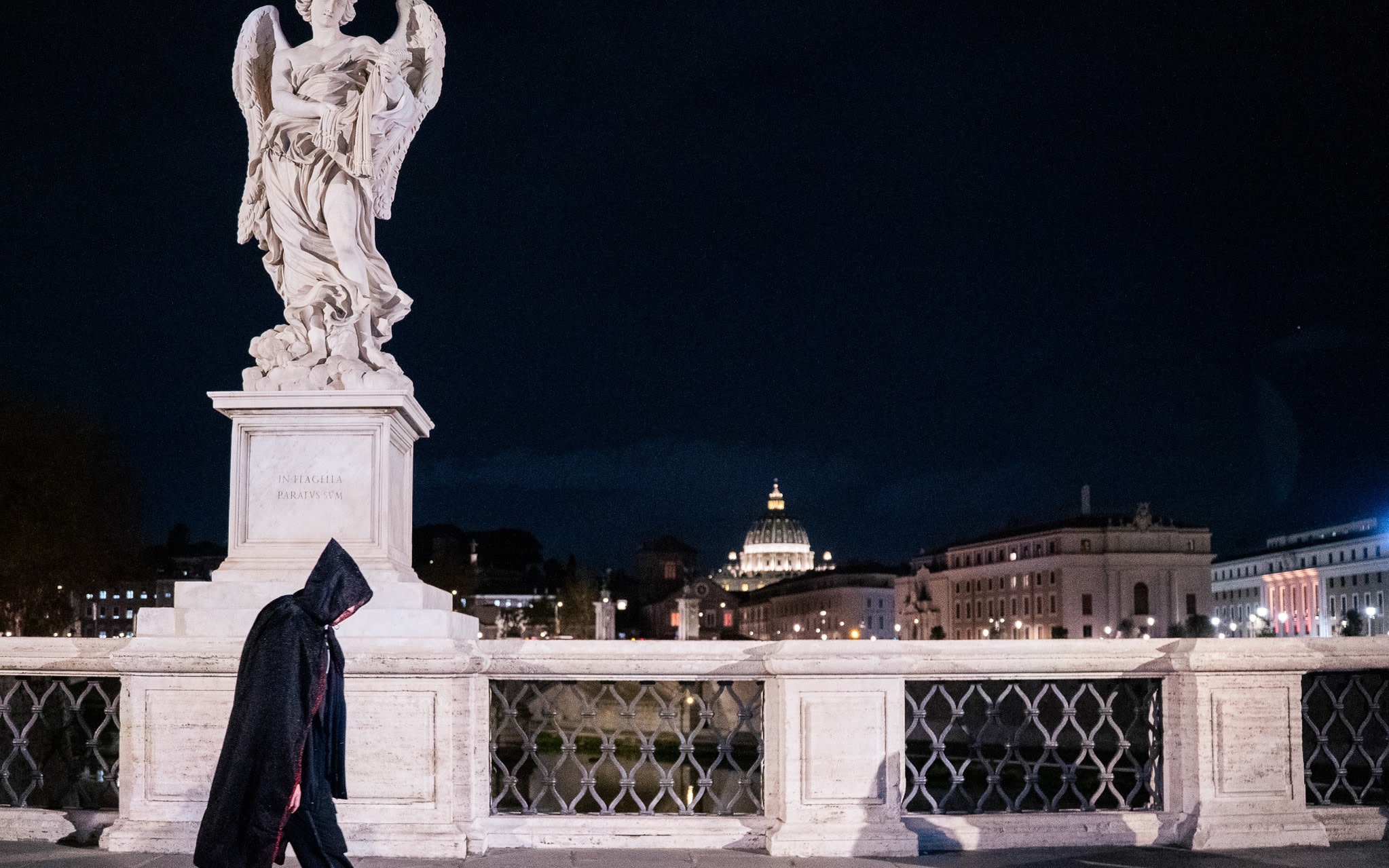
Ponte Sant'Angelo looms over the Tiber like a bridge between worlds, its ten angelic statues carved by Bernini and his students standing sentinel, each bearing symbols of Christ's suffering. By night, shadows shroud the angels’ faces, their expressions both solemn and haunting, as if guarding secrets of the souls that once crossed into the fortress beyond—Castel Sant'Angelo, a place of refuge, power, and whispered mysteries.
3
Stop 3
The house of the kindest executioner in Rome.
4
The Haunted Arch, and the place of prayer for the most controversial exorcist in Rome.
5
Stop 5
The house of the 16th-century artistic genius Benvenuto Cellini, who, unfortunately, was more notorious as a rapist and murderer.
6
Stop 6
The haunted house of the witch Giulia Tofana, and the stories of the holy inquisition.
7
Stop 7
Corte Savella, the only prison in Rome authorized to execute convicts inside its walls - the place where Beatrice Cenci was tortured before her execution.
8
Stop 8
Via Giulia is a picturesque, historic street in Rome, designed by Bramante in the early 16th century for Pope Julius II, and lined with Renaissance palaces, ivy-covered facades, and hidden courtyards. Known for its quiet elegance, it embodies the charm of old Rome and was once a central artery of the city’s aristocratic life.
9
Santa Maria dell'Orazione e Morte is a chilling Baroque church in Rome, built by a secretive confraternity dedicated to retrieving and burying abandoned corpses. Its shadowed interior brims with skulls, bones, and eerie symbols of death, evoking an atmosphere where the line between the living and the dead feels unsettlingly thin.
10
Fontana del Mascherone is an eerie Baroque fountain on Via Giulia in Rome, featuring a massive stone mask that mysteriously spouts water from its grimacing mouth. This is a crime scene where John Paul Getty III was kidnapped.
11
Stop 11
Campo de' Fiori is a lively, historic square in Rome, renowned for its bustling morning market filled with vibrant produce, flowers, and local goods. By night, the piazza transforms, surrounded by bars and restaurants, while the shadow of Giordano Bruno’s statue serves as a reminder of the square’s darker past as a site of executions during the Inquisition.
What's not included
Tips. It's a tip-based tour. The guides work for your tips alone.
Available languages
Guide guide
EN
ES
Reviews breakdown
Viator
4.6
14 reviews
5★
10
4★
2
3★
2
2★
0
1★
0
Tripadvisor
4.9
128 reviews
5★
125
4★
0
3★
1
2★
1
1★
1
Important information
Infants and small children can ride in a pram or stroller
Service animals allowed
Public transportation options are available nearby
Not recommended for travelers with poor cardiovascular health
Suitable for all physical fitness levels
The tour includes CSA topics, graphic information. Not recommended for children under 12 years old.
Meeting point
The meeting point is right in front of the Castle Sant'Angelo entrance, by the bridge Sant'Angelo. The guide will hold a tour sign with the name of the tour.
About Rome
Rome, the capital of Italy, is a city of ancient ruins, artistic masterpieces, and vibrant culture. Known as the Eternal City, it is a living museum where every corner tells a story of its rich history spanning over 2,500 years.
Top Attractions
Colosseum
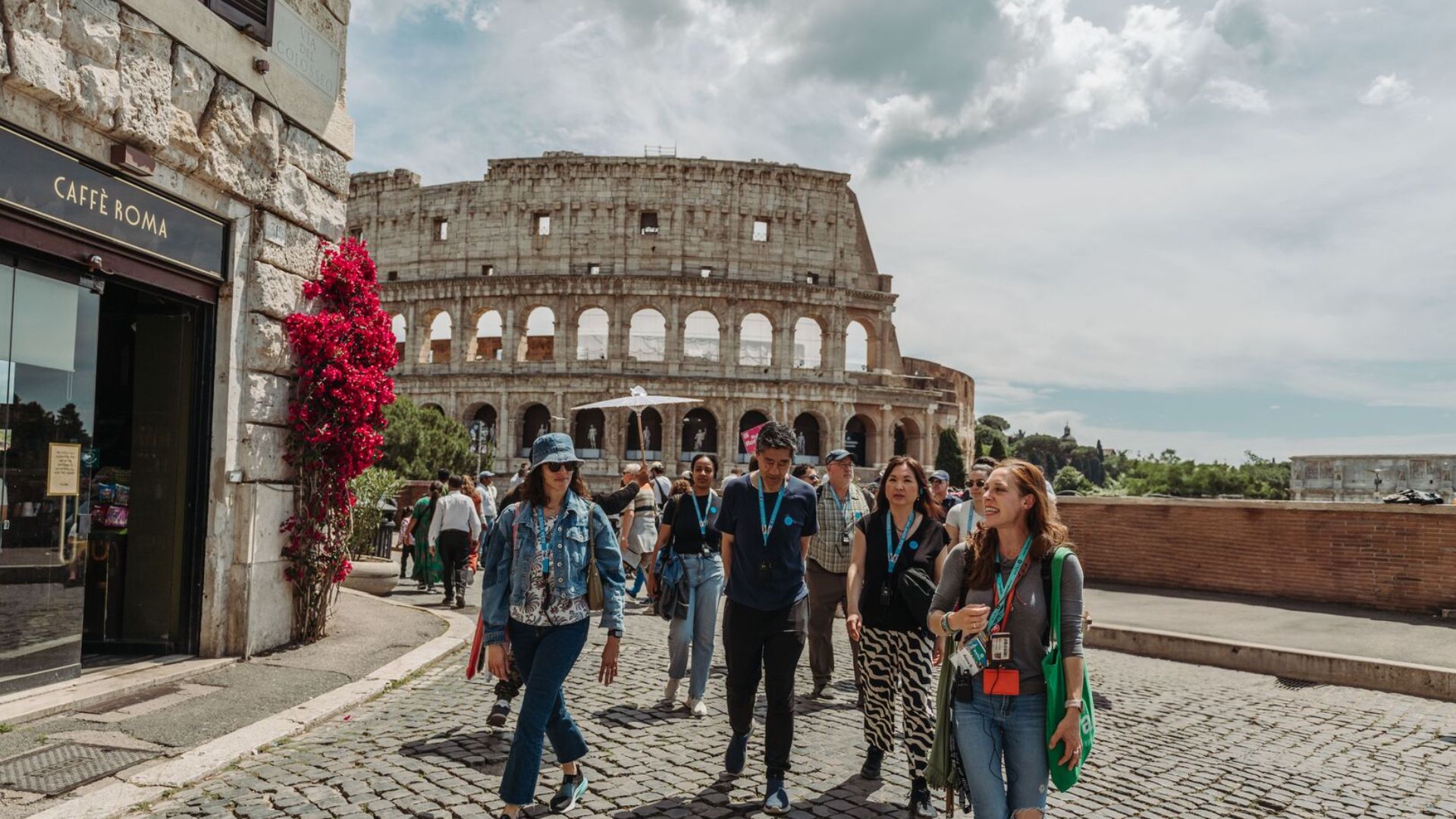
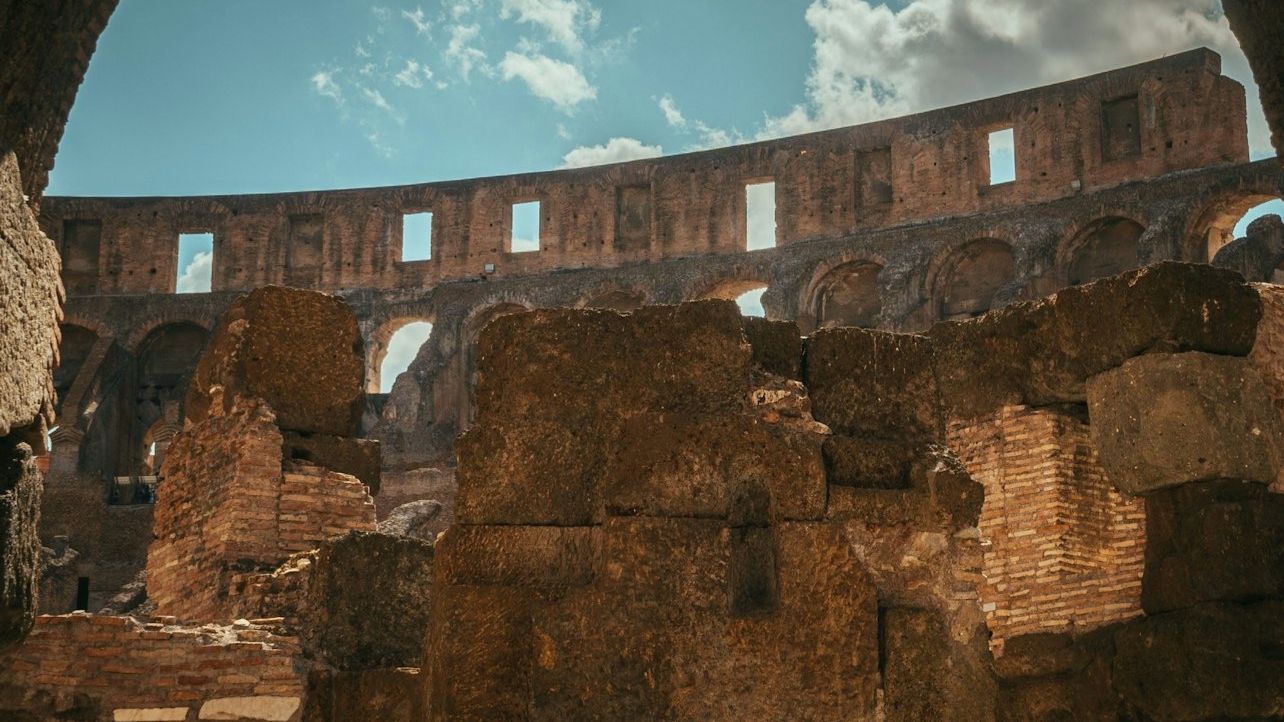
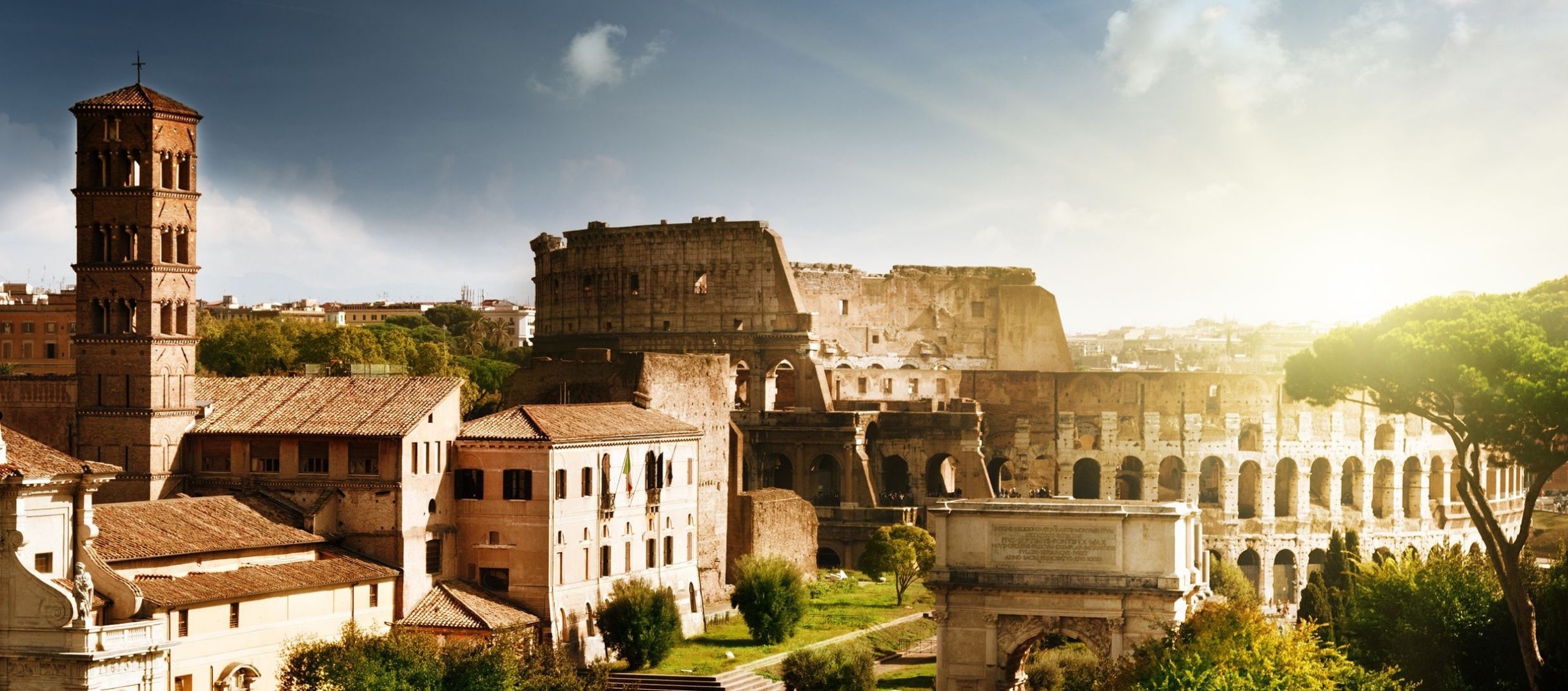
The Colosseum is an iconic symbol of Rome and one of the most famous ancient amphitheaters in the world. It was used for gladiatorial contests and public spectacles.
Historical
1-2 hours
€16 (combined ticket with Roman Forum and Palatine Hill)
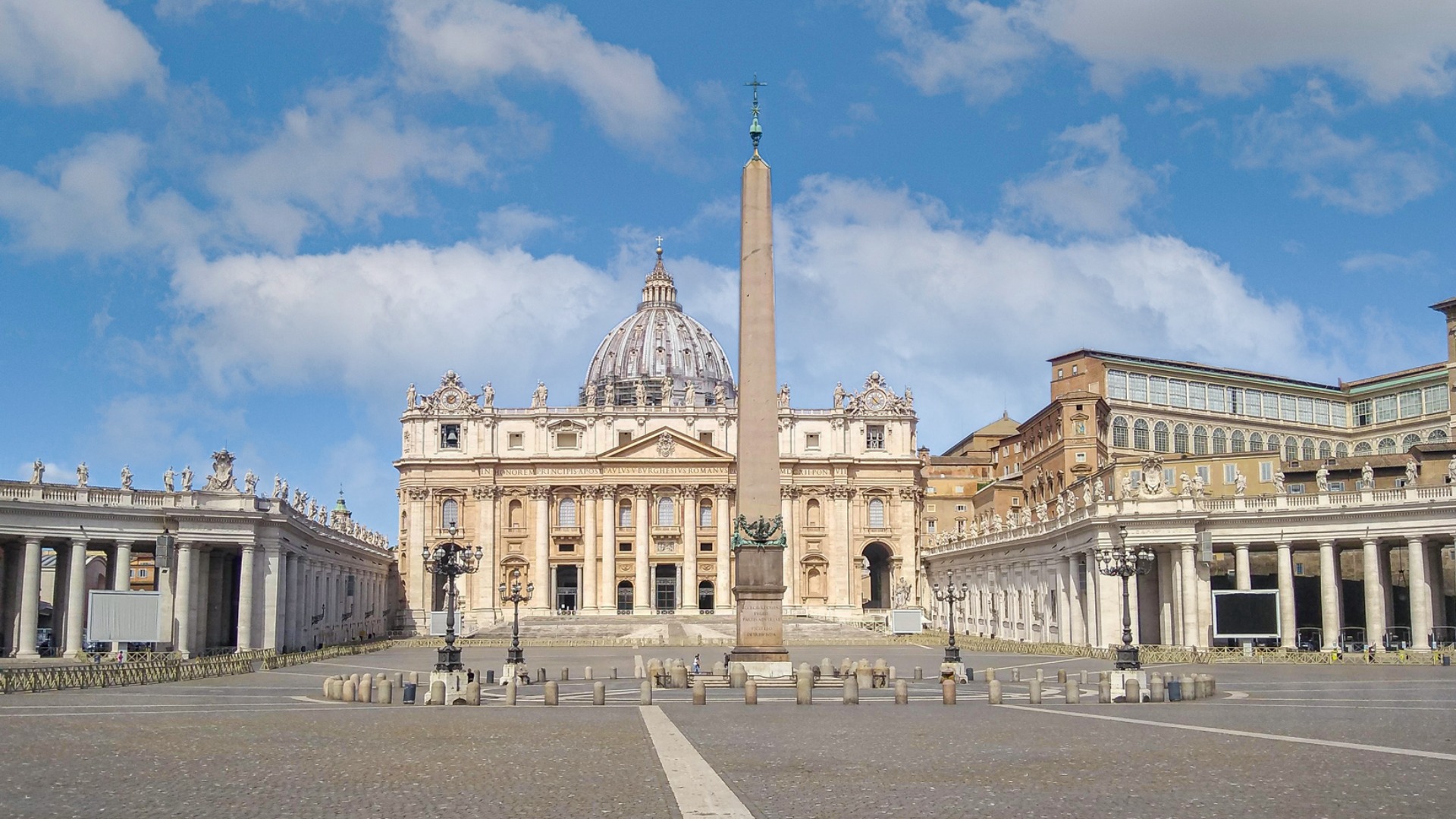
Vatican City
Vatican City is an independent city-state enclaved within Rome. It is the spiritual and administrative center of the Roman Catholic Church.
Religious
Half day
€17 (Vatican Museums and Sistine Chapel), Free (St. Peter's Basilica)
Roman Forum
The Roman Forum was the political, commercial, and legal hub of the Roman Republic and Empire. It is a sprawling ruin of temples, basilicas, and arches.
Historical
1-2 hours
€16 (combined ticket with Colosseum and Palatine Hill)
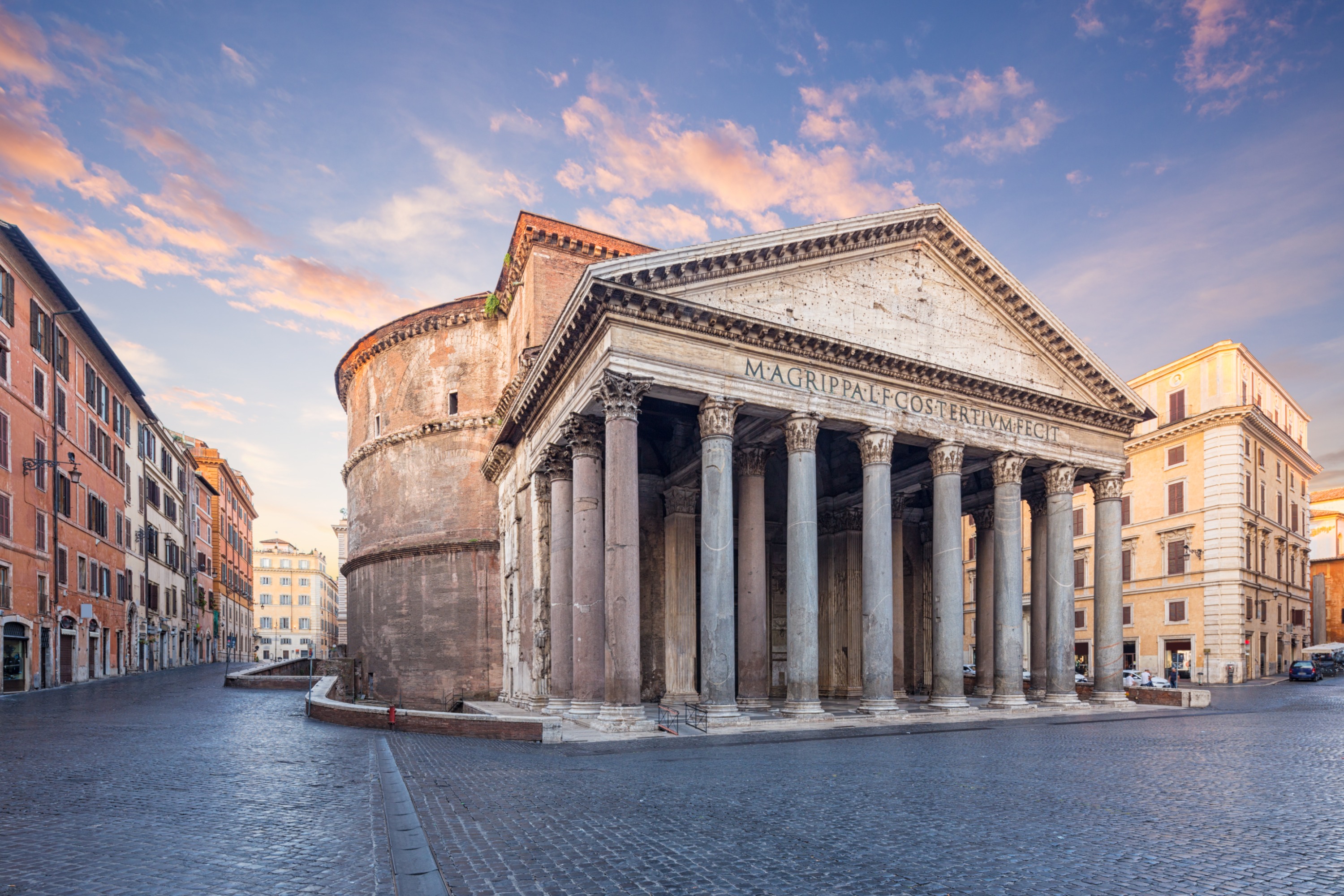
Pantheon
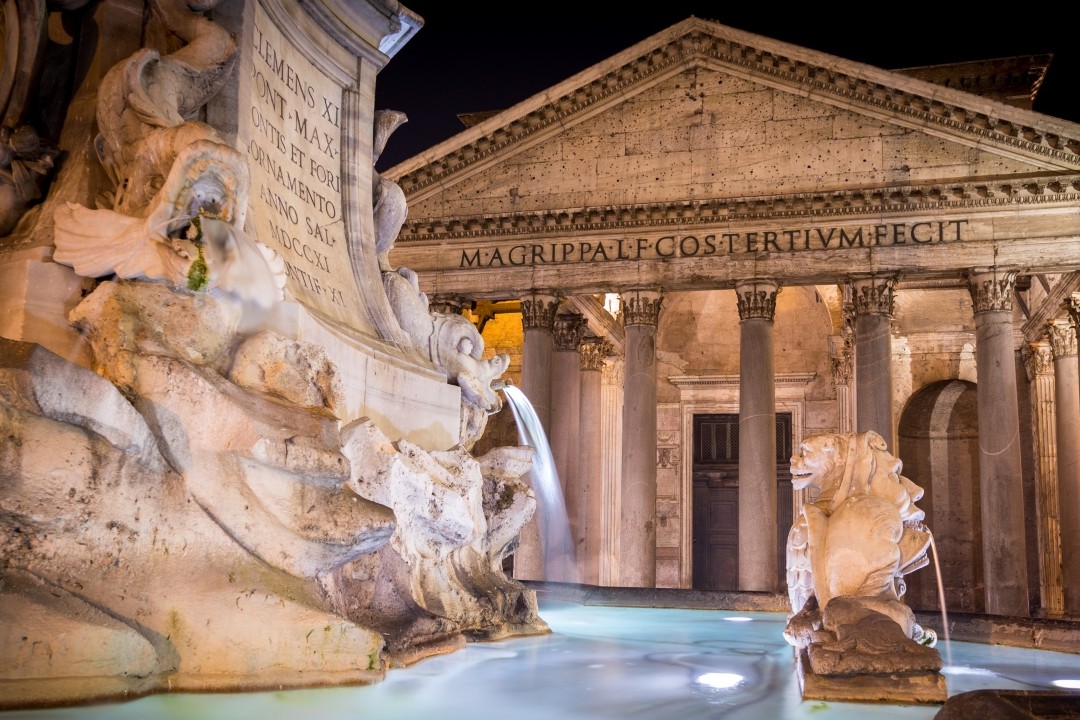
The Pantheon is a former Roman temple, now a church, known for its large dome and oculus. It is one of the best-preserved ancient buildings in Rome.
Historical
30 minutes to 1 hour
Free
Trevi Fountain
The Trevi Fountain is a Baroque masterpiece and the largest fountain in Rome. It is a popular spot for visitors to throw coins and make wishes.
Architecture
15-30 minutes
Free
Must-Try Local Dishes
Cacio e Pepe
A simple yet delicious pasta dish made with Pecorino Romano cheese and black pepper.
Pasta
Vegetarian
Carbonara
A rich pasta dish made with eggs, Pecorino Romano, guanciale (cured pork cheek), and black pepper.
Pasta
Contains pork and eggs
Supplì
Fried rice balls filled with mozzarella and tomato sauce.
Snack
Vegetarian (some variations may contain meat)
Carciofi alla Romana
Artichokes braised with garlic, mint, and olive oil.
Vegetable
Vegetarian
Popular Activities
Hiking in the Appian Way Regional Park
Biking along the Tiber River
Rock climbing in the nearby mountains
Picnicking in Villa Borghese Gardens
Boating on Lake Albano
Enjoying a spa day at a luxury hotel
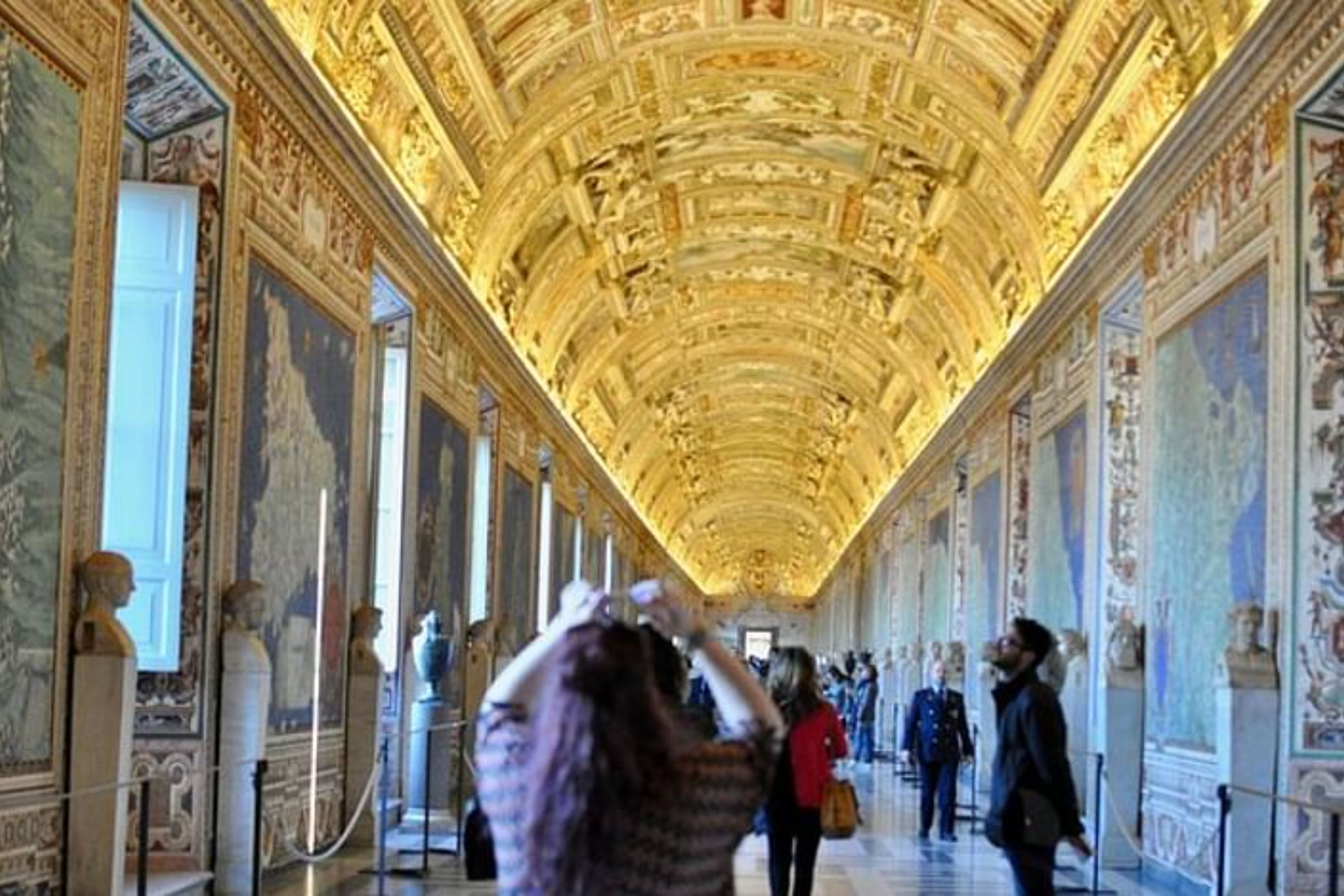
Visiting the Vatican Museums
Attending an opera at the Teatro dell'Opera di Roma
Best Time to Visit
April to June, September to October
Spring and fall offer pleasant weather and fewer crowds compared to the summer peak. Ideal for sightseeing and outdoor activities.
15-30°C
59-86°F
Practical Information
Language
- Official: Italian
- Widely spoken: English, Spanish, French
- English: Moderately spoken
Currency
Euro (EUR)
Time Zone
GMT+1 (CET), GMT+2 (CEST during daylight saving time)
Electricity
230VV, 50HzHz
Safety Information
Overall Safety Rating: Generally safe
Rome is generally safe for tourists, but pickpocketing and scams can be a problem in crowded areas. Be aware of your surroundings and take precautions to protect your belongings.
Important Precautions:
- • Keep valuables secure and out of sight
- • Use official taxis or ride-sharing services
- • Be cautious of strangers approaching you with petitions or bracelets
Getting there
By air
- Leonardo da Vinci International Airport • 35 km from city center
- Ciampino Airport • 15 km from city center
By train
Roma Termini, Roma Tiburtina
By bus
Tiburtina Bus Station, Roma Termini
Getting around
Public transport
The metro system is efficient and covers major tourist areas. It operates from 5:30 AM to 11:30 PM.
Taxis
Available • Apps: Uber, FreeNow
Rentals
Car, Bike, Scooter
Neighborhoods
Trastevere
Monti
Prancipio
Testaccio
Day trips
Ostia Antica
30 km from Rome • Half day
An ancient Roman port city with well-preserved ruins, including a theater, baths, and mosaics. It offers a glimpse into daily life in ancient Rome.
Tivoli
30 km from Rome • Full day
A picturesque town known for its stunning villas and gardens, including the famous Villa d'Este with its elaborate fountains and gardens.
Orvieto
120 km from Rome • Full day
A charming hilltop town known for its stunning cathedral, underground caves, and local wine. It offers a mix of history, culture, and scenic views.
Festivals
Natale di Roma • April 21
Festa de' Noantri • July
Rome Film Festival • October
Pro tips
- Visit major attractions early in the morning or late in the afternoon to avoid crowds
- Use public transport or walk instead of taking taxis to save money and experience the city like a local
- Try local specialties and ask for recommendations from locals and restaurant staff
- Dress modestly when visiting religious sites and be respectful of local customs and traditions
- Be aware of pickpockets and scams, especially in crowded areas and tourist hotspots
From $25
per person
Price varies by option
Secure booking
Free cancellation available
Instant confirmation