Walk Through History: Discover the War Memorial of Korea
Active
2h
For a full refund, cancel at least 24 hours before the scheduled departure time.
Instant confirmation
Mobile or paper ticket accepted
About this experience
Led by a local historian with over 10 years of guiding experience, this tour offers a deeper look into Korea’s modern history beyond museum displays.
Hear stories of real people behind the war and gain insights that only a local storyteller can share — the kind of context and meaning that might be hard to grasp when exploring on your own.
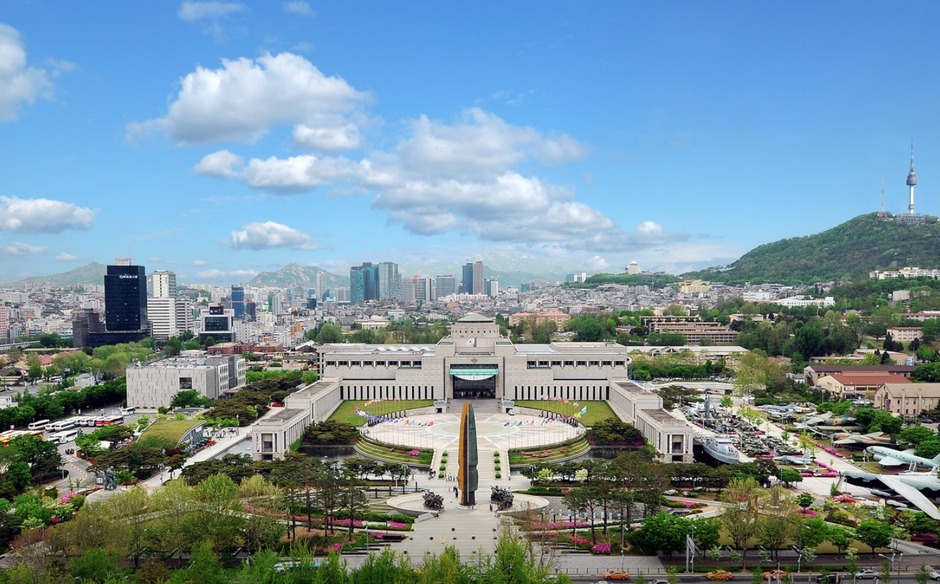
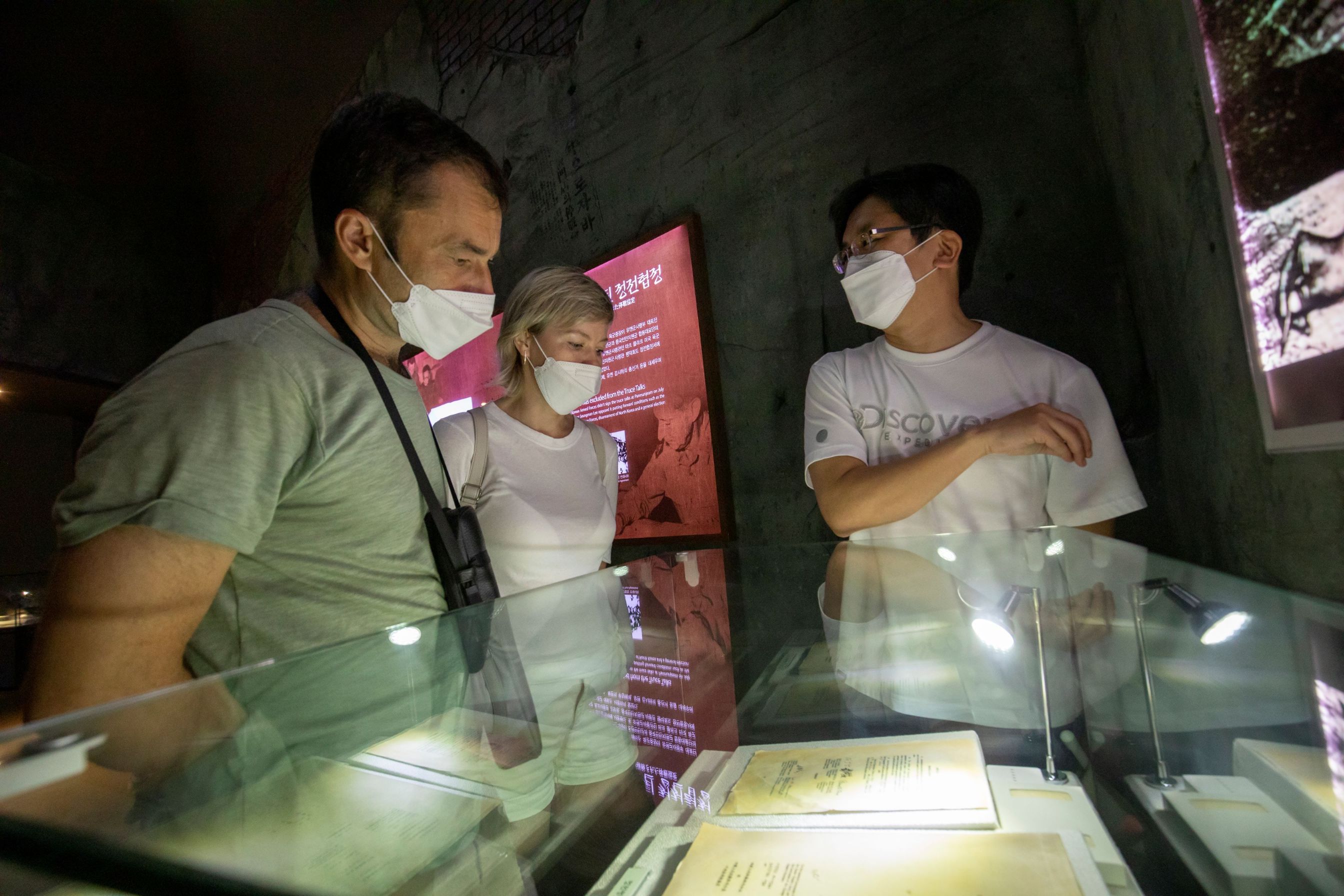
Our visit begins at the Korean War Experience Halls, where immersive exhibits and historical footage reveal how the war began and changed countless lives.
On the third floor, the UN Forces Hall honors 21 nations that fought for South Korea’s freedom, while the North Korean Provocation Hall shows post-war tensions that remain unresolved.
We finish with a short stop at either the Indoor Weapons Hall or the Outdoor Exhibition Area, depending on the weather.
Available options
Walk Through History: Discover the War Memorial of Korea
What's included
English guide included.
Detailed itinerary
1
Stop 1
e begin our tour at the main gate of the War Memorial of Korea, then make our way to the Korean War Experience Halls 1 and 2, where you can understand how the war began and how it shaped millions of lives across the peninsula.
Next, we head to the UN Forces Hall on the third floor, which honors the 21 nations that fought under the UN flag and highlights their sacrifice and solidarity.
Depending on the weather, we conclude our visit at either the Large-Scale Weapons Exhibition Hall or the Outdoor Exhibition Area, where tanks, aircraft, and other military equipment are displayed.
Available languages
Guide guide
EN
Important information
Wheelchair accessible
Public transportation options are available nearby
Travelers should have at least a moderate level of physical fitness
Meeting point
Our meeting point is at the main entrance of the War Memorial of Korea (Yongsan)
About Seoul
Seoul, the capital of South Korea, is a dynamic metropolis where ancient palaces stand alongside futuristic skyscrapers. Known for its vibrant street life, cutting-edge technology, and rich cultural heritage, Seoul offers a unique blend of tradition and modernity that captivates every traveler.
Top Attractions
Gyeongbokgung Palace
The largest of the Five Grand Palaces built during the Joseon Dynasty, Gyeongbokgung is a must-visit for its historical significance and beautiful architecture.
Historical
2-3 hours
3,000 KRW (free for those wearing hanbok)
Bukchon Hanok Village
A traditional Korean village nestled between Gyeongbokgung Palace and Changdeokgung Palace, offering a glimpse into traditional Korean life.
Cultural
1-2 hours
Free (some cultural experiences may have fees)
Namsan Seoul Tower
Located atop Namsan Mountain, this iconic tower offers panoramic views of Seoul and is a popular spot for couples to lock love locks.
Viewpoint
2-3 hours
10,000 KRW (observatory), 1,500 KRW (cable car)
Myeongdong
A bustling shopping district known for its street food, fashion, and beauty products, offering a vibrant and energetic atmosphere.
Shopping
Half-day
Varies widely, from budget to luxury
Hongdae
A lively and youthful neighborhood near Hongik University, famous for its nightlife, street performances, and trendy cafes.
Entertainment
Evening or night
Varies widely, from budget to upscale
Must-Try Local Dishes
Kimchi
Fermented spicy cabbage, a staple in Korean cuisine, often served with every meal.
Side dish
Vegetarian (check for seafood in some varieties)
Bibimbap
A mixed rice bowl with vegetables, meat, and gochujang (spicy paste), often served with a fried egg.
Main dish
Can be made vegetarian or vegan
Bulgogi
Marinated grilled beef, often served with rice and side dishes.
Main dish
Contains meat
Tteokbokki
Spicy stir-fried rice cakes, a popular street food often served with fish cakes and boiled eggs.
Snack
Vegetarian (check for seafood in some varieties)
Popular Activities
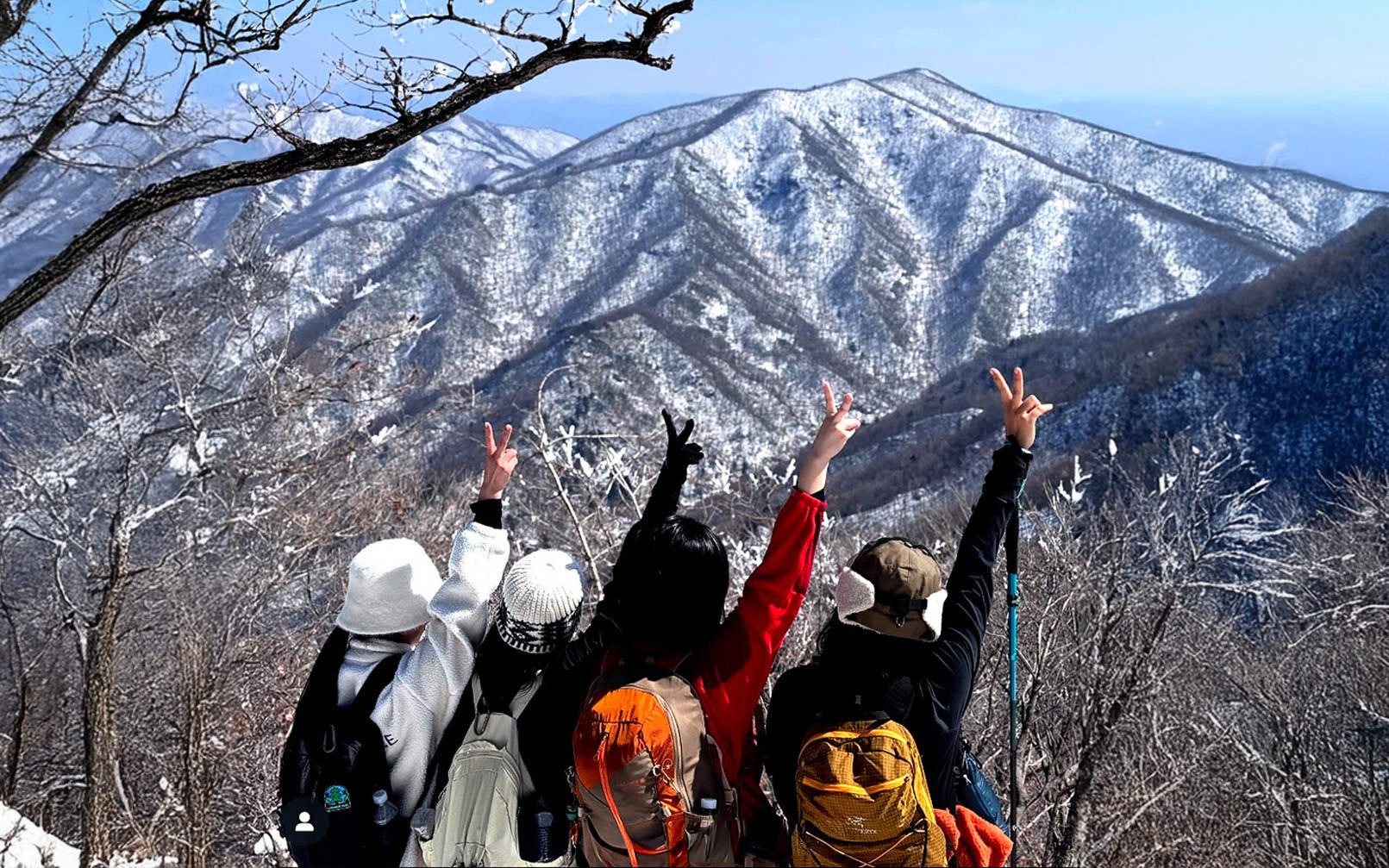
Hiking in Bukhansan National Park
Biking along the Han River
Water sports at Seokchon Lake
Visiting traditional tea houses
Enjoying a jjimjilbang (Korean spa) experience
Strolling through scenic gardens and parks
Participating in a traditional hanbok photo shoot
Attending a traditional Korean performance
Best Time to Visit
April to June, September to November
Spring and autumn offer comfortable temperatures and beautiful scenery, with cherry blossoms in spring and vibrant foliage in autumn. These are the busiest times with higher tourist volumes.
10°C to 25°C
50°F to 77°F
Practical Information
Language
- Official: Korean
- Widely spoken: English (in tourist areas and by younger generations)
- English: Moderately spoken in tourist areas, limited in other places
Currency
South Korean Won (KRW)
Time Zone
Korea Standard Time (KST, GMT+9)
Electricity
220VV, 60HzHz
Safety Information
Overall Safety Rating: Generally safe
Seoul is generally a safe city for travelers, with low crime rates and a strong police presence. However, as with any major city, it is important to be aware of your surroundings and take precautions to ensure a safe and enjoyable trip.
Important Precautions:
- • Be cautious of your surroundings and belongings, especially in crowded areas
- • Use reputable transportation services and avoid unlicensed taxis
- • Be wary of strangers offering help or assistance, as they may be trying to scam you
Getting there
By air
- Incheon International Airport • 52 km from city center
- Gimpo International Airport • 15 km from city center
By train
Seoul Station, Yongsan Station
By bus
Seoul Express Bus Terminal, Central City Bus Terminal, East Seoul Bus Terminal
Getting around
Public transport
The subway system is efficient, clean, and easy to navigate. It operates from 5:30 AM to 12:00 AM, with frequent trains.
Taxis
Available • Apps: KakaoTaxi, T-money
Rentals
Car, Bike, Scooter
Neighborhoods
Jongno
Gangnam
Hongdae
Itaewon
Insadong
Day trips
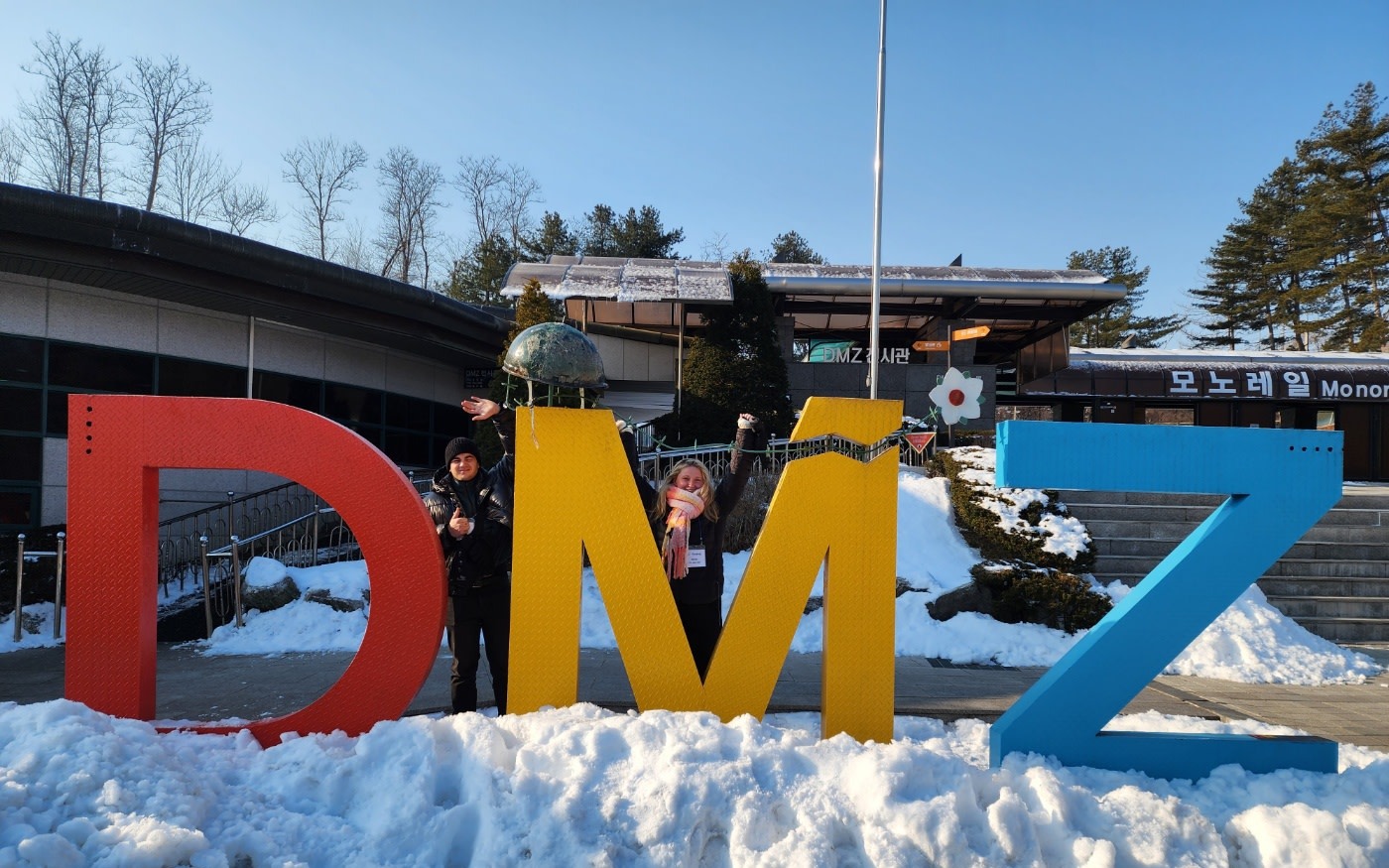
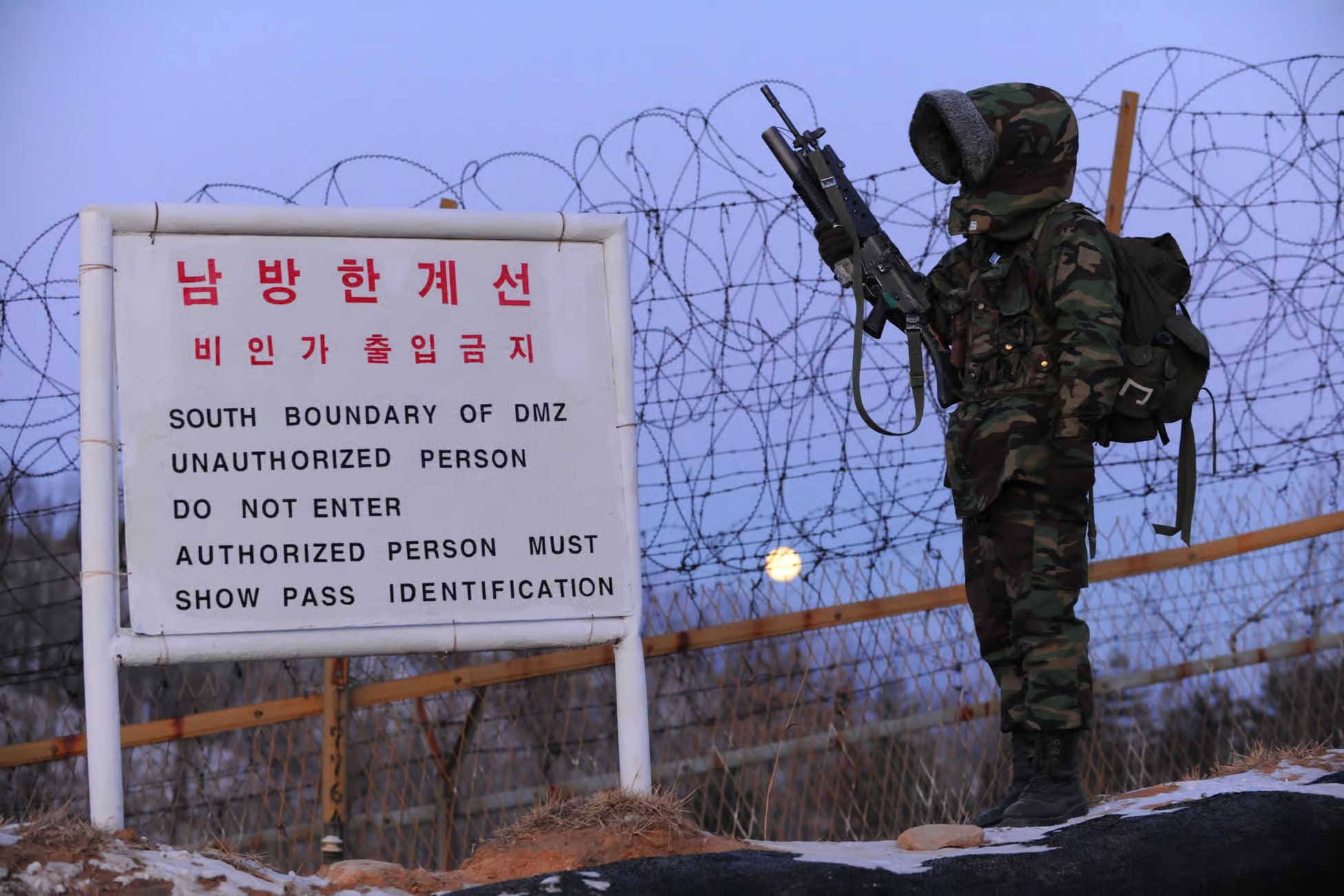
DMZ (Korean Demilitarized Zone)
50 km from Seoul • Half day to full day
A unique and fascinating day trip, the DMZ offers a glimpse into the history and current status of the Korean Peninsula, with tours visiting various historical sites and observation points.
Nami Island
56 km from Seoul • Half day to full day
A picturesque island known for its beautiful landscapes, walking trails, and filming locations for popular K-dramas like 'Winter Sonata'.
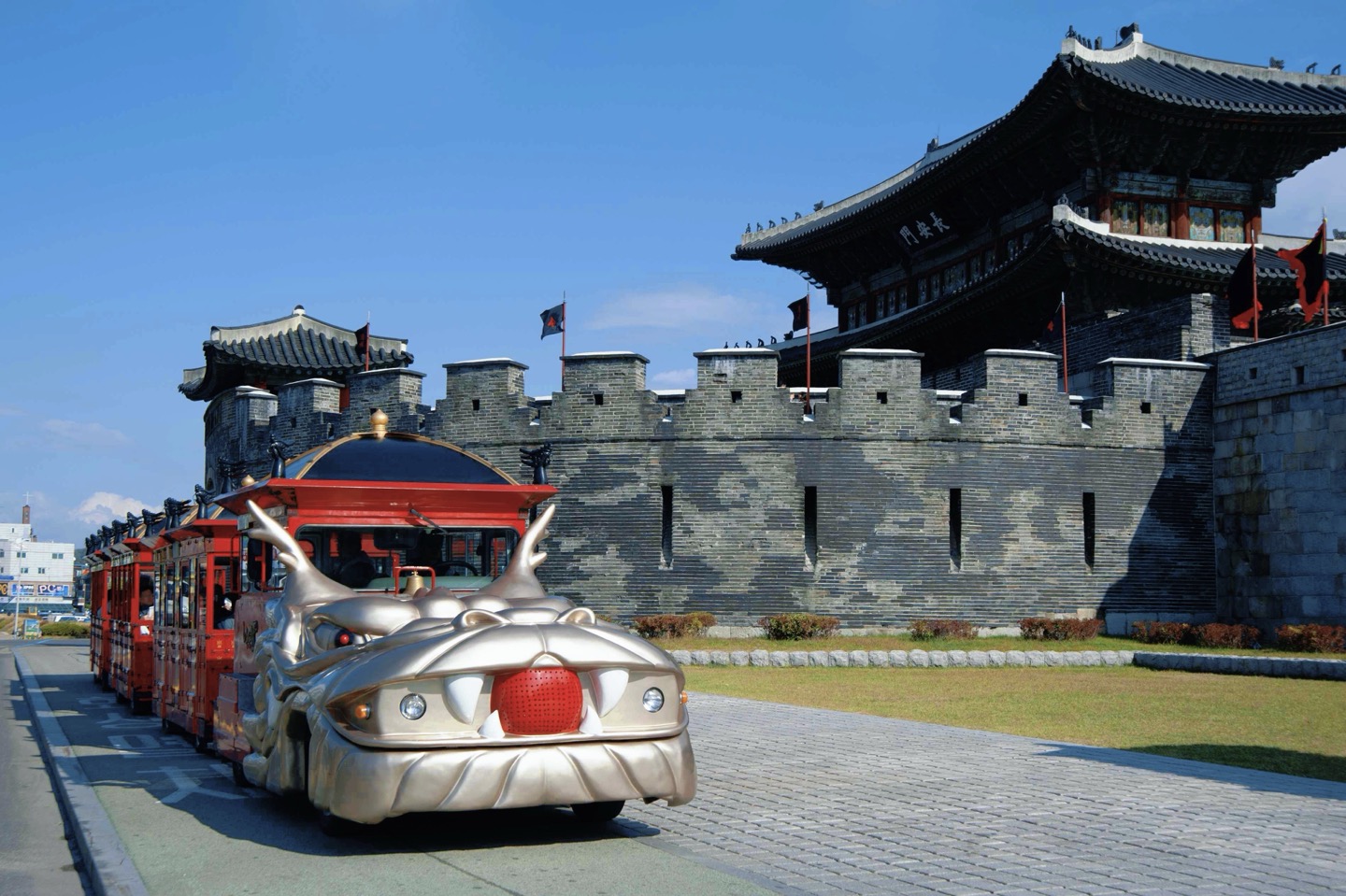
Suwon
30 km from Seoul • Full day
A historic city known for its well-preserved fortress, traditional markets, and cultural attractions, offering a mix of history, culture, and local cuisine.
Festivals
Seoul International Fireworks Festival • Mid-October (annual)
Seoul Lantern Festival • Late November to early December (annual)
Cherry Blossom Festival • Late March to early April (annual)
Pro tips
- Learn a few basic Korean phrases to enhance your experience and show respect for the local culture
- Use a T-money card for convenient and discounted public transportation
- Try street food and local specialties for an authentic and delicious culinary experience
- Visit popular attractions early in the morning or late in the afternoon to avoid crowds
- Explore Seoul's diverse neighborhoods and hidden gems for a more unique and immersive experience
From $25
per person
Price varies by option
Secure booking
Free cancellation available
Instant confirmation