Shangri-La Scenic Area Private Tour
Active
10h
For a full refund, cancel at least 24 hours before the scheduled departure time.
Instant confirmation
Mobile or paper ticket accepted
About this experience
Discover the beauty and charm of Shangri-La from Lijiang on a fully customizable private tour with an experienced English-speaking guide. This tour allows you to explore signature spots designed to give you an in-depth understanding of Shangri-La's history, culture and natural wonders while catering to your personal interest and pace.
Shangri-La is located in the northwestern part of Yunnan Province in Diqing Tibetan Autonomous Prefecture. Formerly known as Zhongdian County, it was renamed to Shangri-La in 2001. Appeared in James Hilton's novel Lost Horizon in 1933, it had become a dream place for people around the world. In Tibetan, Shangri-La means 'the Sun and Moon in one's heart'. It is a pure land that perfectly preserves the area’s natural ecology and traditional culture. The grasslands surrounded by snow-capped mountains are full of bright sunshine and fresh air. There are also clear and tranquil lakes as well as magnificent temples and friendly Tibetans.
Available options
Private Guide from Lijiang
Private Guide<br/>Depart Lijiang<br/>Private Vehicle<br/>Pickup included
Private Vehicle (No Guide)
No Tour Guide<br/>Depart Shangri-La<br/>Private Vehicle<br/>Pickup included
Private Vehicle + Tour Guide
Private Guide<br/>Depart Shangri-La<br/>Private Vehicle<br/>Pickup included
Private Vehicle from Lijiang
No Tour Guide<br/>Depart Lijiang<br/>Private Vehicle<br/>Pickup included
What's included
Private Guide (option)
Customized Itinerary
Private Vehicle with Hotel Pickup/Dropoff
Detailed itinerary
1
Dukezong Ancient Town: enchanting thousand-year-old streets, traditional white-painted Tibetan houses, and vibrant prayer flags, delivers a vivid snapshot of Tibetan culture. This town is designed in an eight-petal lotus shape, reflecting the geomatic features of this mountainous area. Known as 'moonlight city' for its silver glow at night, the town was an essential stop on the Ancient Tea Horse Road. Visitors can immerse themselves in a rich cultural tapestry through local crafts, performances, and teahouses within this town.
2
Balagezong Grand Canyon features a range of natural attractions including steep cliffs, U-shaped gorges, and diverse ecosystems. This place provides a perfect blend of cultural and ecological tourism with activities like rafting through meandering rivers and exploring ancient, culturally rich Tibetan villages such as Diqing Bala Village.
3
Stop 3
The birthplace of Naxi Dongba teaching.According to legend, the gods of the Naxi people used to create the terraces in order to let the local Naxi people learn how to cultivate the farmland. Therefore, the descendants were praised as the "fairy people". Dubbed "China’s Cotton Castle," this natural limestone terrace resembles a frozen waterfall. The turquoise pools, formed by calcium-rich springs, glow under sunlight—perfect for photography.
4
renowned for its ecological significance and breathtaking natural beauty. It is home to Bita Lake known for its legends and pristine conditions, and Shudu Lake, celebrated for its clear waters and vibrant wildlife. The park offers an array of activities such as hiking and bird-watching across different terrains from lakes to lush pastures, perfect during the colorful seasons of spring and summer. The highest point in the park is 4,670 meters above sea level, and the lowest point is 2,347 meters above sea level. There are many unique small scenic spots such as fault cliffs, forest brooks, and deep canyons staggered, including relatively primitive and complete forest shrubs, alpine meadows, wetland lakes, geological relics, river canyon ecosystems, etc.
5
A seasonal plateau lake—lakes in summer (with grazing livestock), golden grasslands in autumn, and swamps in winter-spring.
6
Stands out for its architectural resemblance to Lhasa's iconic architecture Potala Palace. It serves as a central cultural and spiritual site in Shangri-La. Its unique designs together with valuable religious artifacts and detailed murals depicting Buddha's life, offers insights into Tibetan Buddhism. The monastery's setting on Foping Mountain affords visitors stunning landscape views, enriching their visit with both spiritual and visual delight. Because of the temple's many cultural and religious treasures as used in Tibetan Buddhism, this site is absolutely worth a visit.
What's not included
Tips and gratuities
Meals and beverages
Personal expenses
Admission Tickets to Paid Attractions
Available languages
Guide guide
CMN
EN
Important information
Infants and small children can ride in a pram or stroller
Infants are required to sit on an adult’s lap
Suitable for all physical fitness levels
About Lijiang
Lijiang is a picturesque ancient town in southwest China, renowned for its well-preserved Ming and Qing dynasty architecture. The town is famous for its intricate system of canals and waterways, earning it the nickname 'City of the Water.' Lijiang is also a gateway to the stunning landscapes of Jade Dragon Snow Mountain and offers a unique blend of ethnic Naxi culture.
Top Attractions
Old Town of Lijiang
A UNESCO World Heritage site, the Old Town of Lijiang is famous for its well-preserved Ming and Qing dynasty architecture and intricate system of canals and waterways.
Historical
Half day to full day
Free to explore, ¥50 for some historical sites
Jade Dragon Snow Mountain
A stunning mountain range with peaks reaching over 5,000 meters, offering breathtaking views and various outdoor activities.
Nature
Full day
Cable car: ¥150, Blue Moon Valley: ¥80, Impression Lijiang Show: ¥150-300
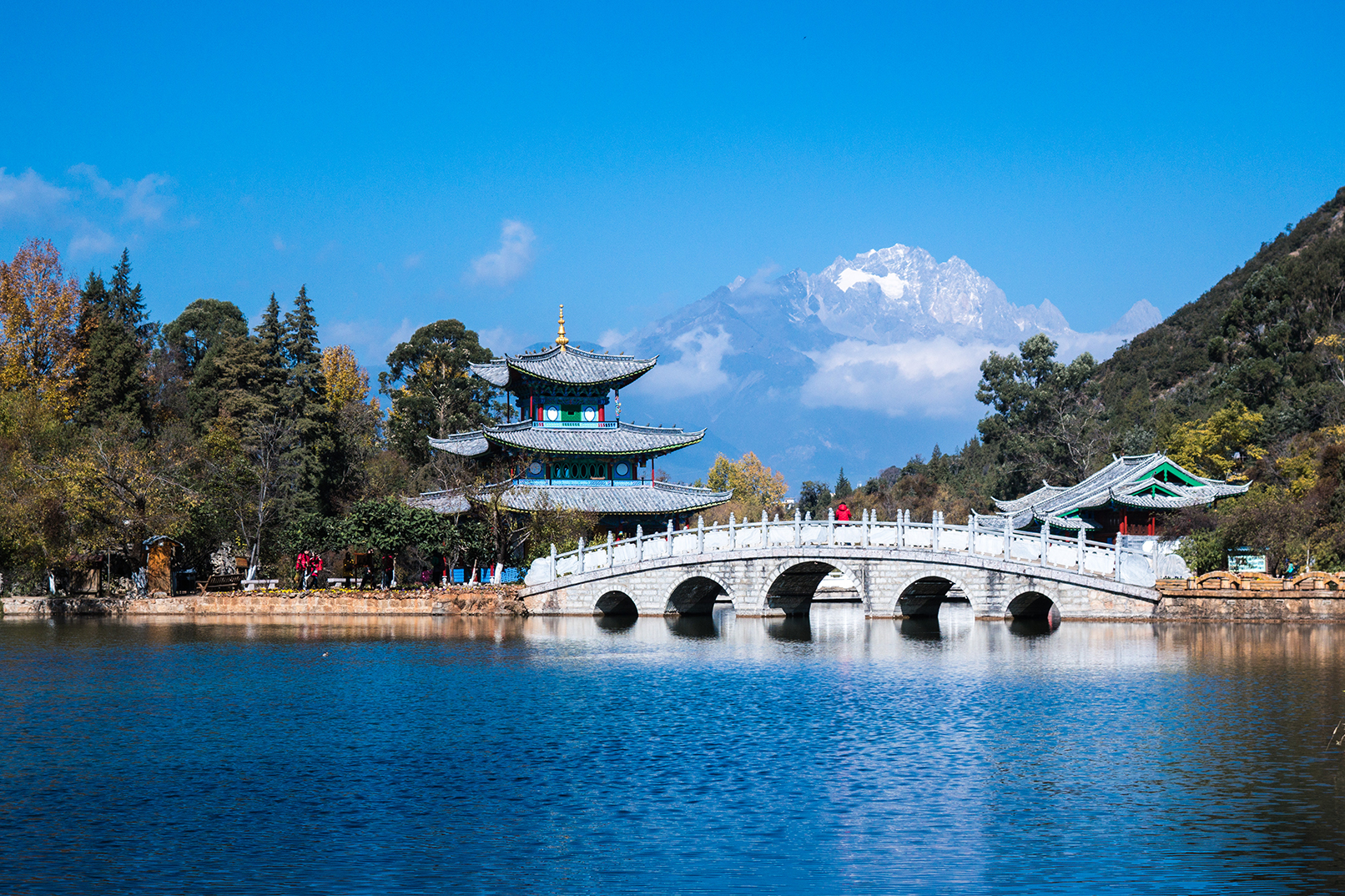
Black Dragon Pool Park
A beautiful park featuring a large pond reflecting the Jade Dragon Snow Mountain, surrounded by lush gardens and traditional architecture.
Nature
1-2 hours
¥30
Must-Try Local Dishes
Crossing the Bridge Noodles
A traditional Naxi dish consisting of a clear soup with a variety of ingredients, including mushrooms, vegetables, and meat, served with rice noodles.
Lunch/Dinner
Vegetarian and non-vegetarian versions available
Yunnan Rice Noodles
A popular breakfast dish made with rice noodles, often served with a rich broth, meat, and vegetables.
Breakfast/Lunch
Vegetarian and non-vegetarian versions available
Steamed Fish from Lijiang
A local specialty featuring fish steamed with a variety of spices and herbs, often served with chili oil and garlic.
Dinner
Contains fish
Popular Activities
Hiking in Jade Dragon Snow Mountain
Tiger Leaping Gorge trek
Mountain biking
Tea tasting at local tea houses
Boat rides on canals
Spa treatments
Visiting Mu Palace
Exploring Dongba Culture Museum
Best Time to Visit
April to June, September to October
These months offer the best weather with mild temperatures and minimal rainfall. The landscapes are lush and vibrant, making it ideal for sightseeing and outdoor activities.
15°C to 25°C
59°F to 77°F
Practical Information
Language
- Official: Chinese
- Widely spoken: Naxi, English (limited)
- English: Limited
Currency
Chinese Yuan (CNY)
Time Zone
GMT+8
Electricity
220VV, 50HzHz
Safety Information
Overall Safety Rating: Generally safe
Lijiang is generally safe for tourists, with low crime rates. However, petty crimes like pickpocketing can occur in crowded areas.
Important Precautions:
- • Be cautious of your belongings in crowded areas.
- • Use reputable tour operators and taxis.
- • Avoid street money changers and use official exchange counters.
Getting there
By air
- Lijiang Sanyi International Airport • 25 km from city center
By train
Lijiang Railway Station
By bus
Lijiang Long-Distance Bus Station
Getting around
Public transport
Buses are affordable and convenient, but schedules and routes can be confusing for tourists.
Taxis
Available • Apps: Didi
Rentals
Car, Bike, Scooter
Neighborhoods
Old Town
Shangri-La Road
Yulong Snow Mountain Scenic Area
Day trips
Shangri-La
150 km • Full day
A picturesque town known for its Tibetan culture, stunning landscapes, and historic sites.
Dali
200 km • Full day
A historic city known for its ancient towns, cultural heritage, and beautiful landscapes.
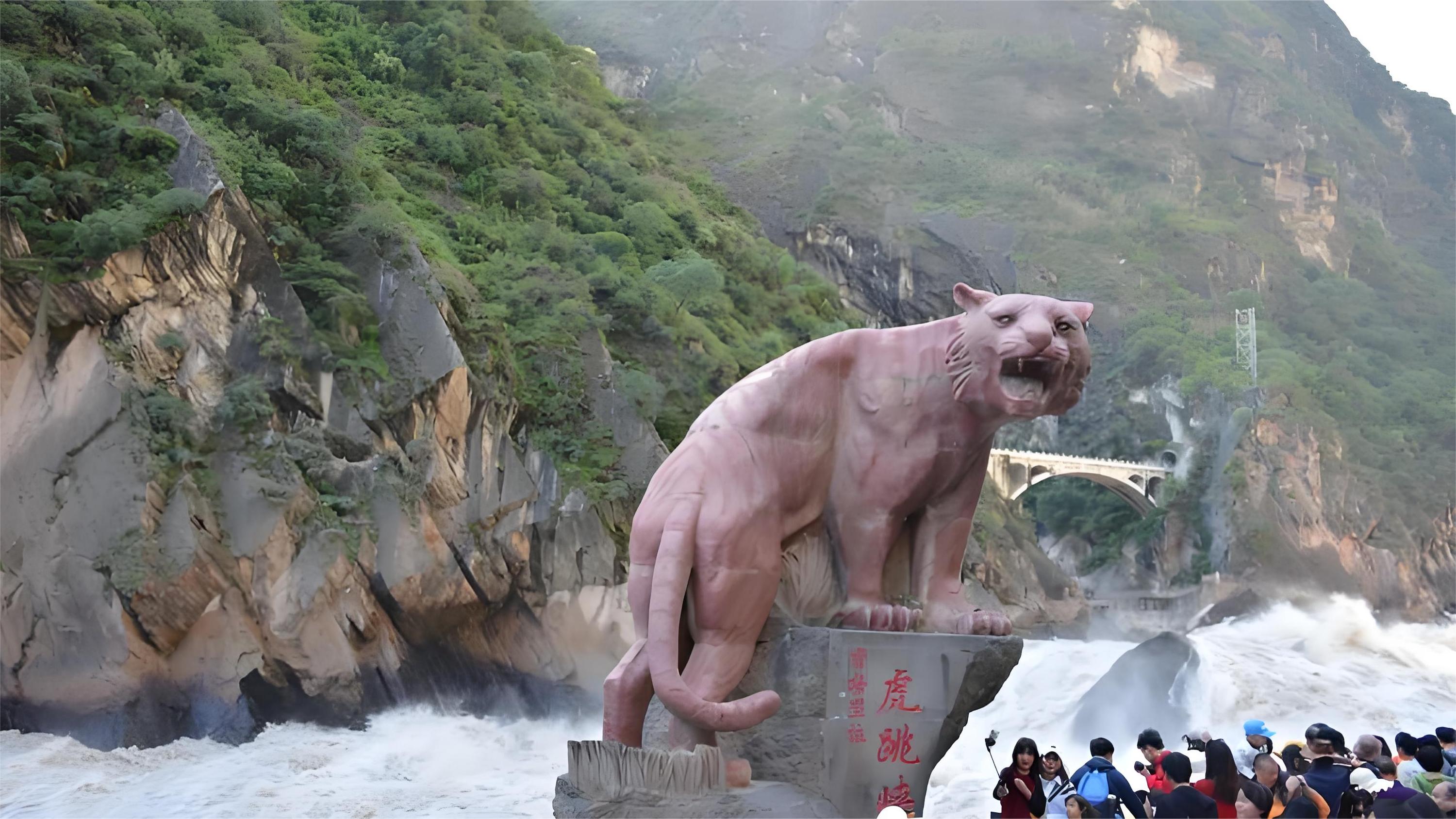
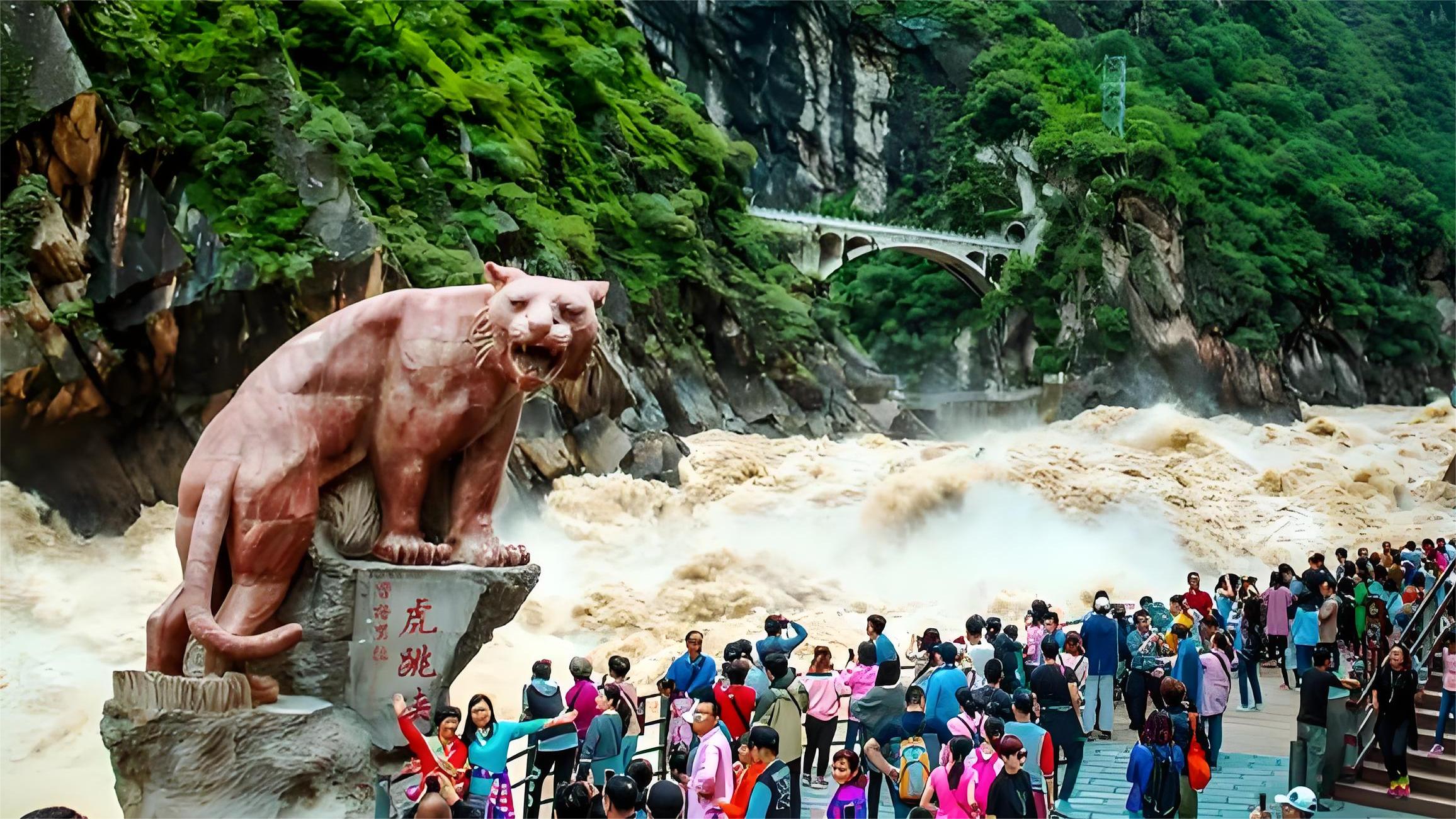
Tiger Leaping Gorge
100 km • Full day
One of the deepest gorges in the world, offering stunning views and challenging hikes.
Festivals
Lijiang Lusheng Festival • March
Naxi New Year • January (lunar calendar)
Lijiang Snow and Ice Festival • December to February
Pro tips
- Visit the old town early in the morning or late in the afternoon to avoid crowds and enjoy the serene atmosphere.
- Try the local specialty, Crossing the Bridge Noodles, at a reputable restaurant for an authentic experience.
- Book tickets for popular attractions like the Impression Lijiang Show in advance to avoid long lines.
- Carry a map or use a reliable navigation app, as street signs can be confusing and English is not widely spoken.
- Bring layers of clothing, as temperatures can vary significantly throughout the day and year.
From $25
per person
Price varies by option
Secure booking
Free cancellation available
Instant confirmation



![[Private Group] 5-Day Tour of Niding Forest in Shangri-La, Yunnan](https://res.klook.com/image/upload/activities/xgx8jcebwitmzzhsazwc.jpg)


![[Private Tour] Yunnan Shangri-La Luxury 5-Day Tour](https://res.klook.com/image/upload/activities/fjlkfglqxotuodwjdttq.jpg)
![[Private Tour] 6-Day Yunnan Dali Lijiang Shangri-La Vacation](https://res.klook.com/image/upload/activities/zcslbcsvve5xhhnk84fm.jpg)