Athens Shore Excursion: Acropolis & City Tour from Piraeus Port
Active
6h
For a full refund, cancel at least 24 hours before the scheduled departure time.
Instant confirmation
Mobile or paper ticket accepted
About this experience
Explore the highlights of Athens on a shore excursion from the port of Piraeus. Including the opportunity to purchase tickets to enter the Acropolis, the New Acropolis Museum,( Cost approximately 30 EUR / 33 USD - we send a link after you have booked to reserve your tickets) and the Ancient Agora.
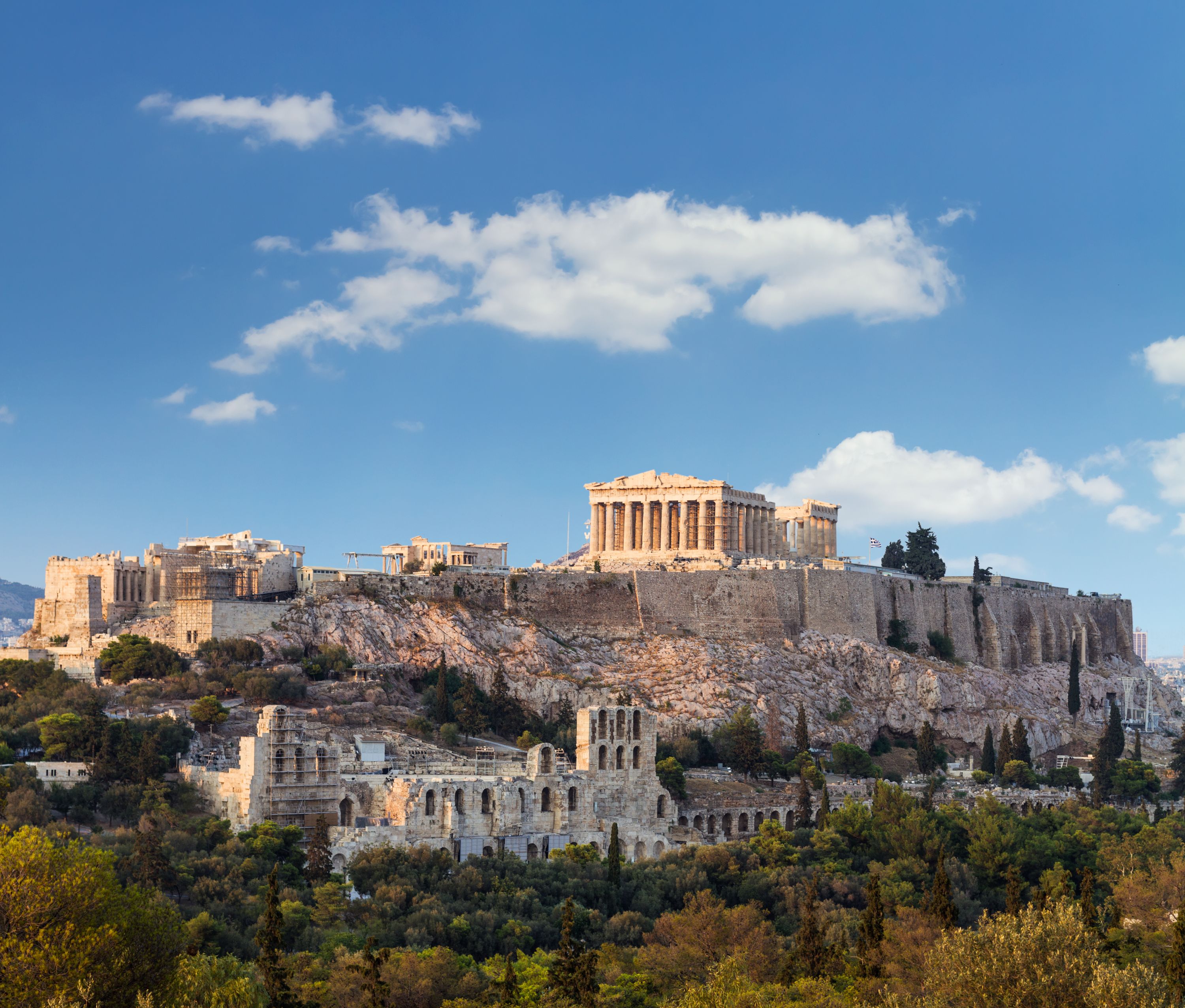
Head to the sacred hill of the Acropolis to explore its monuments and enjoy the view from the Parthenon. Drive by the Temple of Zeus and visit the Panathenaic Stadium, home of the first modern Olympic Games in 1896. Continue to Lycabettus Hill for a panoramic view of the city. Pass through Kolonaki on your way to Syntagma Square to see the Changing of the Guard at the Parliament and the Tomb of the Unknown Soldier.
Visit the New Acropolis Museum and the Ancient Agora to complete your journey through Athens’ ancient and modern wonders.
Available options
Athens Shore Excursion: Acropolis & City Tour from Piraeus Port
What's included
Water bottles provided by your driver
Professional drivers with a profound knowledge of the ancient and modern Greek history
Detailed itinerary
1
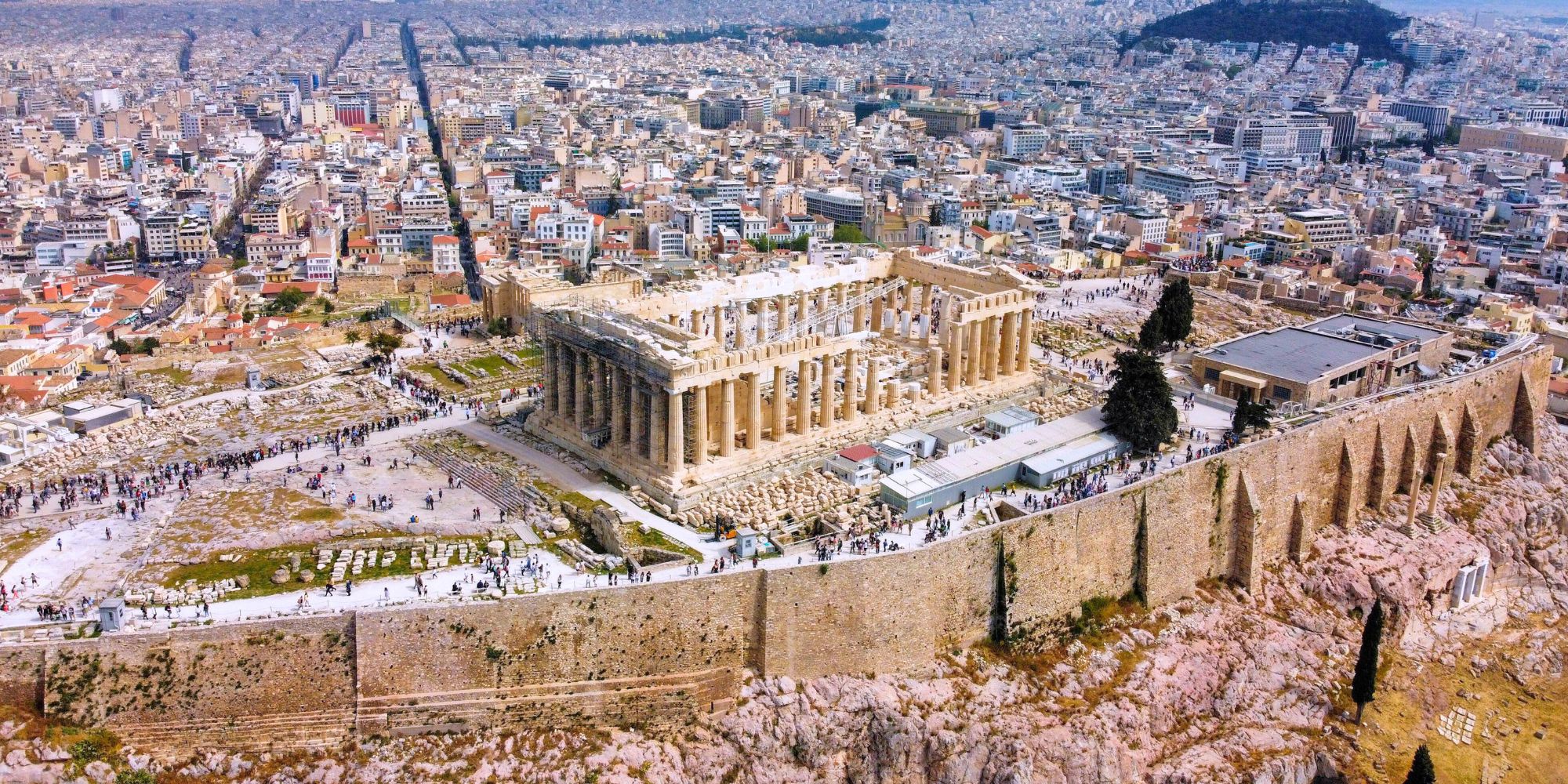
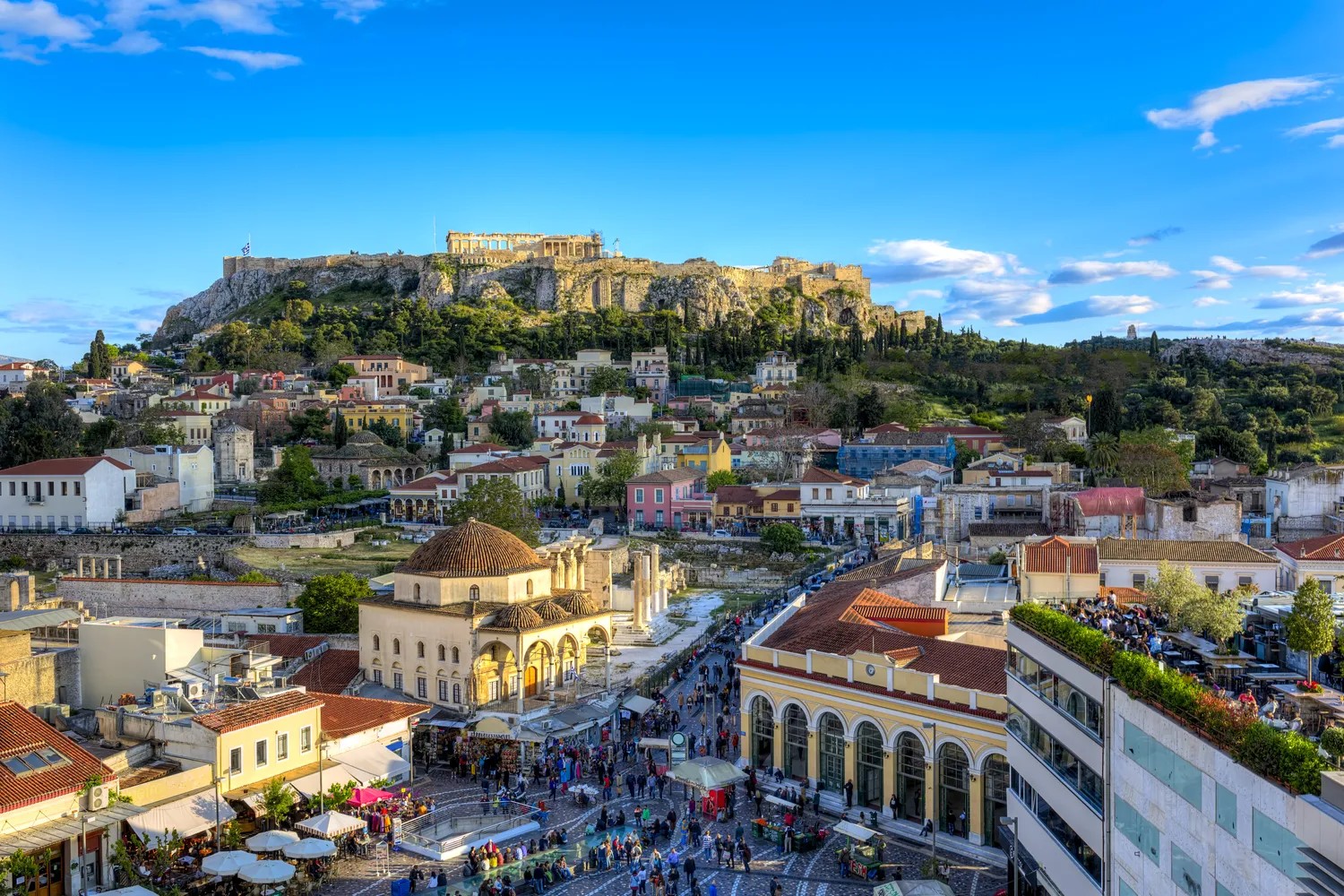
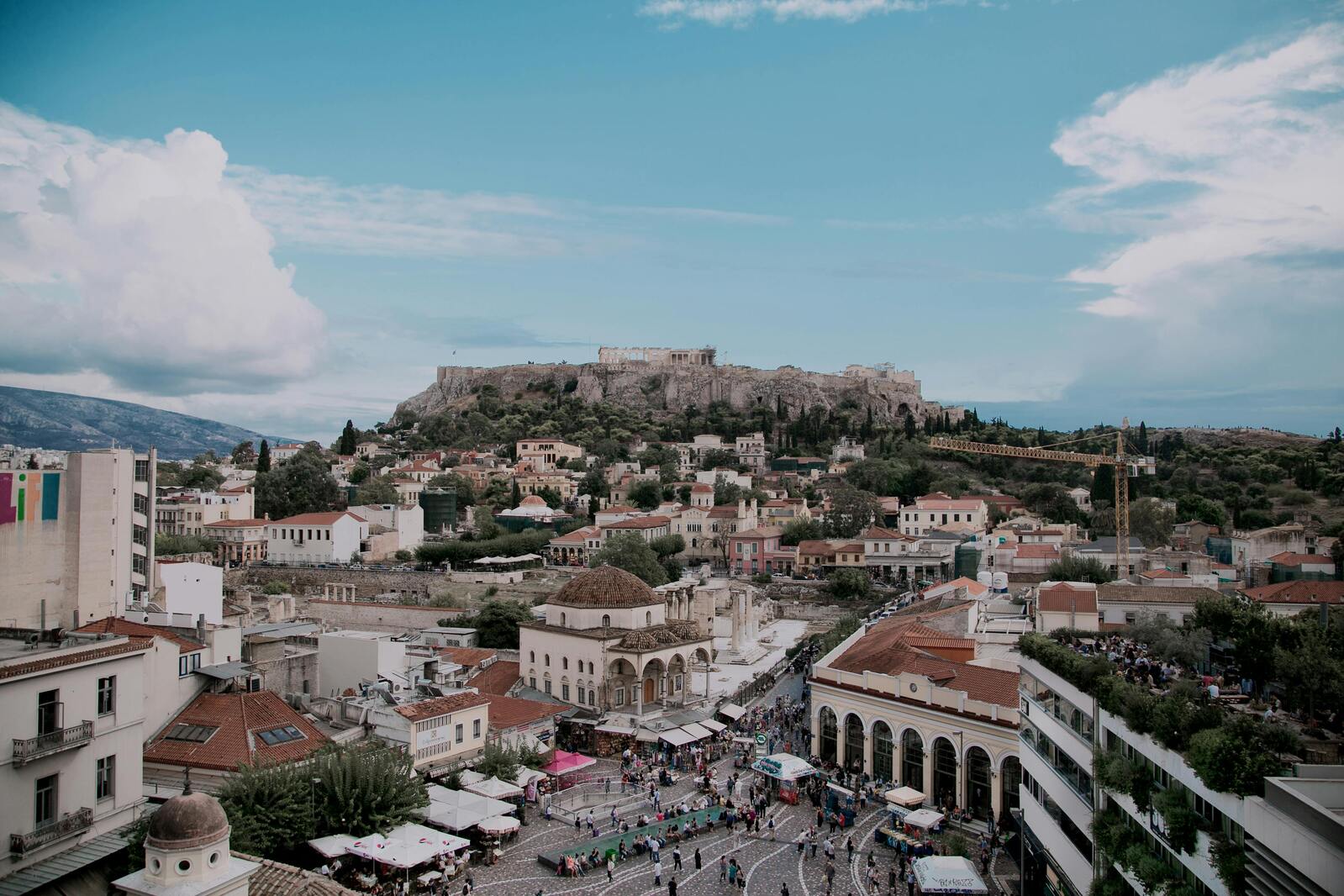
The Acropolis of Athens is one of the most iconic and historically significant landmarks in the world. Perched on a rocky hill in the heart of Athens, the Acropolis offers breathtaking views of the city and is a symbol of ancient Greek civilization. A visit to this UNESCO World Heritage site is a must for anyone interested in history, culture, and architecture.
Sightseeing Experience (2 hours)
During your 2-hour guided tour of the Acropolis, you'll have the opportunity to explore some of its most famous structures, which have stood for over 2,400 years.
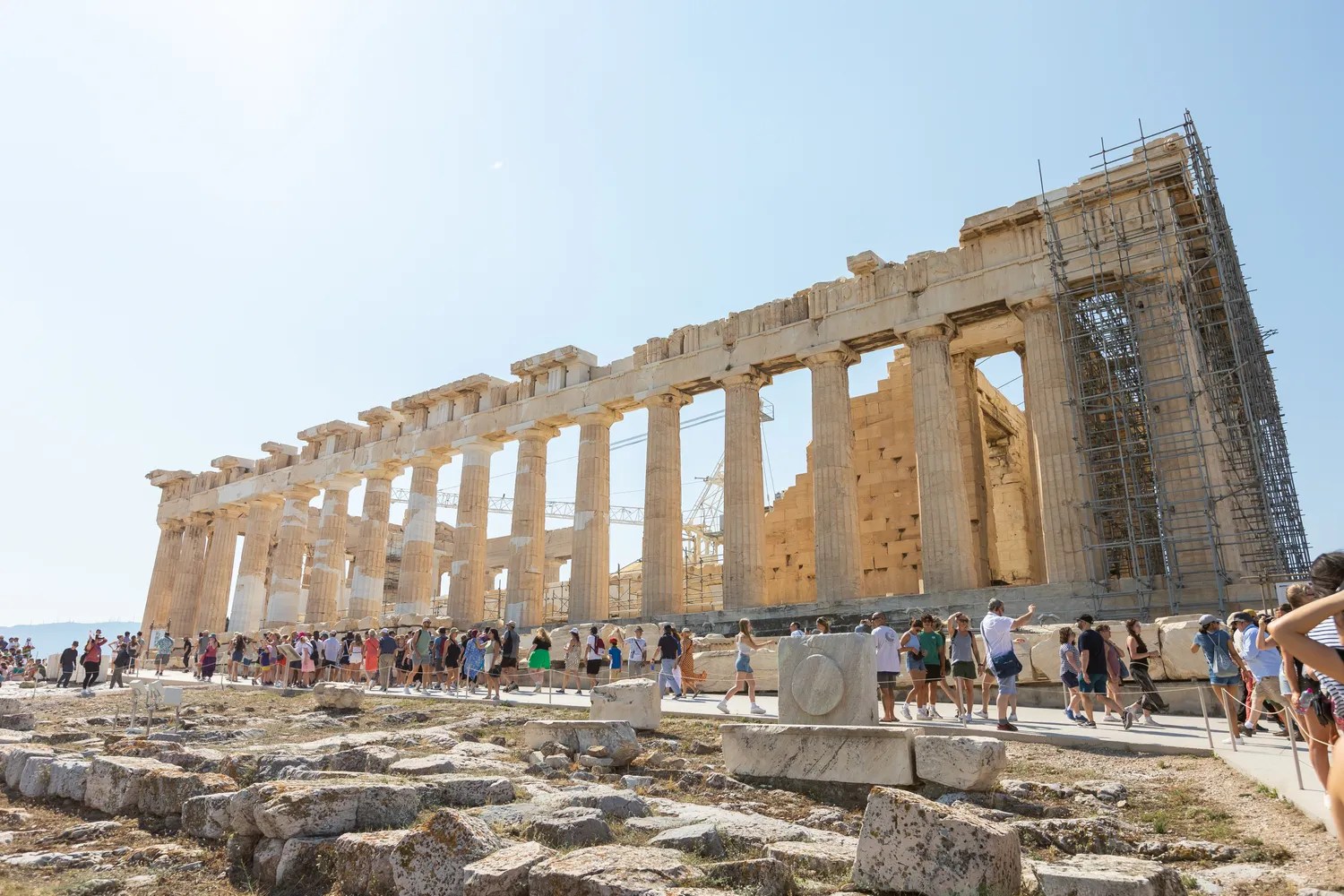
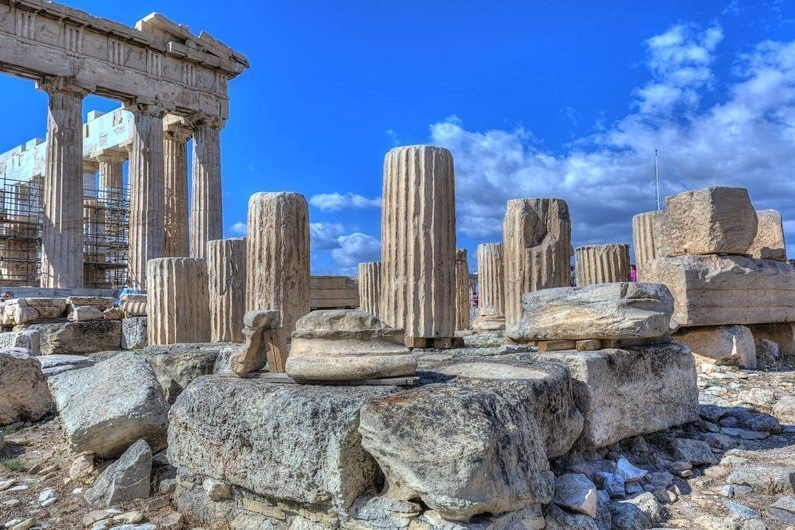
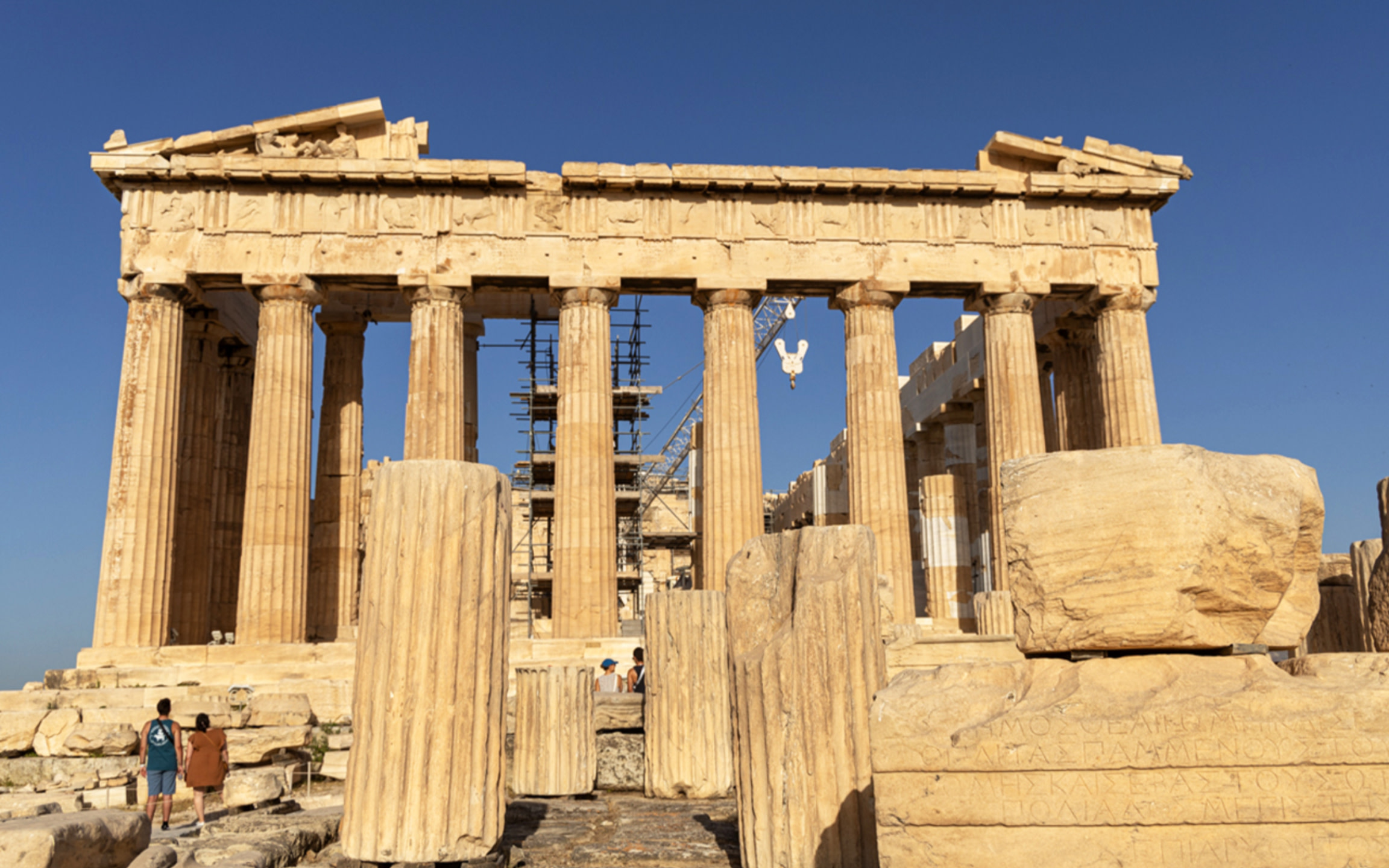
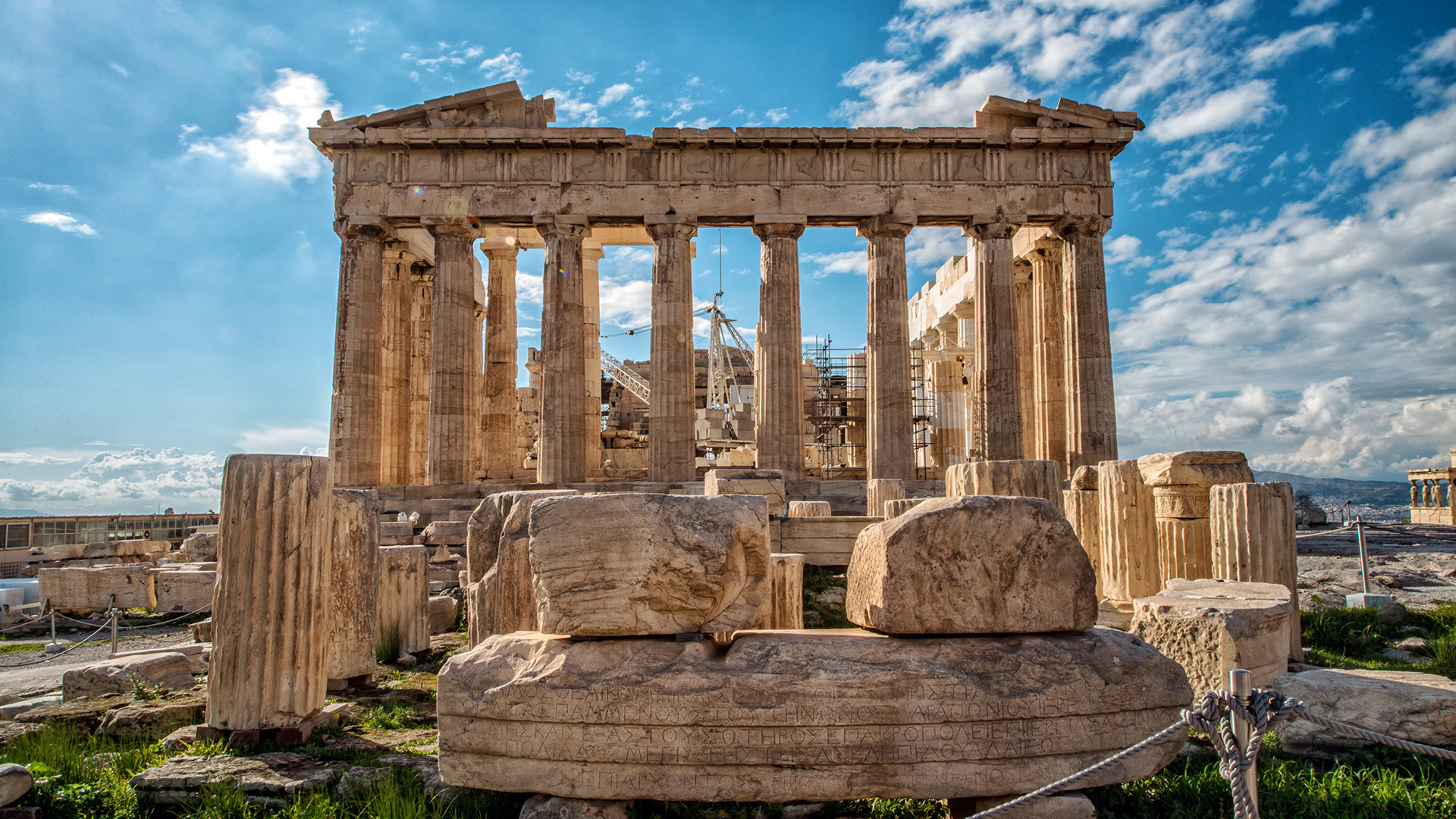
Parthenon: The centerpiece of the Acropolis, this magnificent temple was dedicated to the goddess Athena, the patroness of Athens. Built between 447 and 438 BC, the Parthenon is a prime example of Doric architecture. Its proportions and stunning sculptures, such as the Parthenon Marbles (many of which are housed in the British Museum), have made it an enduring symbol of Ancient Greece.
2
Stop 2
Pass by
A visit to the Parthenon will give you a chance to experience one of the most significant ancient monuments in the world, albeit in a brief, yet impactful, timeframe. Here’s what to expect during your quick visit:
Key Highlights of the Parthenon
Architectural Marvel:
The Parthenon is a shining example of Doric architecture, renowned for its perfect proportions and harmonious design. It was constructed between 447 and 438 BC, and though time has worn down its structure, its grandeur is still striking. The temple is dedicated to Athena, the goddess of wisdom and warfare, and was designed by the architects Ictinus and Callicrates under the direction of the famous sculptor Phidias.
3
Stop 3
Pass by
A visit to the Temple of Athena Nike offers a quick yet rich encounter with one of the Acropolis’ most elegant and historically significant temples. Here’s what you can expect during your brief stop:
Key Highlights of the Temple of Athena Nike
Architectural Beauty: The Temple of Athena Nike is a small but exquisite example of Ionic architecture. Built around 427–424 BC, it was dedicated to Athena (goddess of wisdom and warfare) and Nike (goddess of victory). Its compact size and graceful proportions make it one of the most charming structures on the Acropolis.
4
Stop 4
Pass by
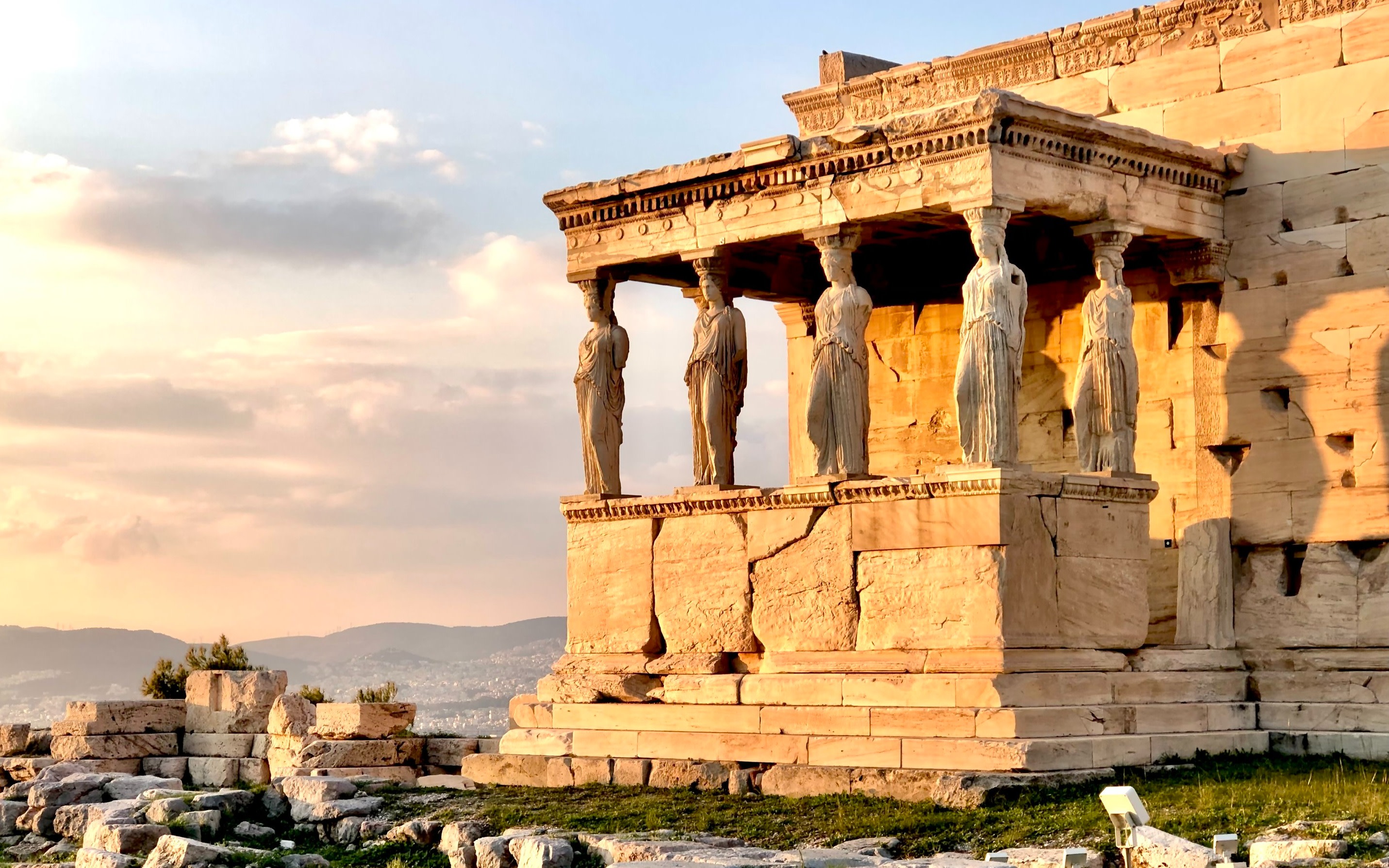
A visit to the Erechtheion offers a unique opportunity to explore one of the most fascinating and historically significant temples on the Acropolis. Here's what to expect during your visit:
Architectural Complexity: The Erechtheion was built between 421 and 406 BC and is renowned for its asymmetrical design. This was necessary due to the uneven terrain of the Acropolis hill. Unlike other temples on the site, which follow a more traditional rectangular shape, the Erechtheion unique layout makes it stand out. Its intricate design also reflects the sacred nature of the site, as it housed multiple shrines dedicated to various gods.
5
Stop 5
Pass by
A visit to the Odeon of Herodes Atticus will give you a brief yet immersive experience of this historic and awe-inspiring structure. Here’s what you can expect during your shortstop:
Key Highlights of the Odeon of Herodes
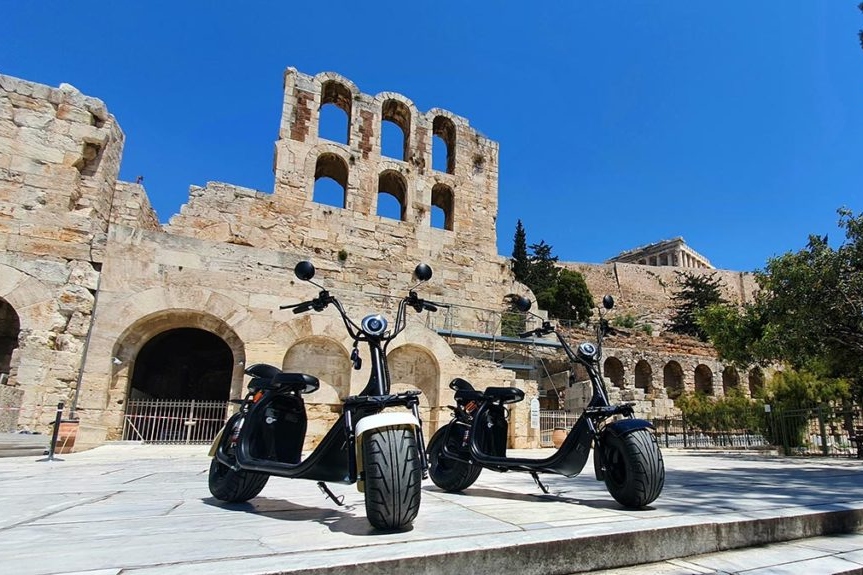
Historical Significance: The Odeon of Herodes Atticus is a theater built in 161 AD by the wealthy Roman senator Herodes Atticus in memory of his wife, Regilla. It was originally a wooden-roofed structure used for musical performances, poetry readings, and other cultural events. It holds great historical and cultural value as one of the best-preserved ancient theaters.
6
Stop 6
Pass by
A guided tour of the Acropolis Museum is a fantastic opportunity to delve deeper into the history, art, and archaeology of the Acropolis and its surrounding areas. Here’s what you can expect during your visit:
Key Highlights of the Acropolis Museum
Introduction to the Acropolis Site: Your guide will begin by giving you an overview of the Acropolis hill, its significance, and the historical context of the monuments you’ve already visited. You'll gain a deeper understanding of how the Parthenon, Erechtheion, and other temples fit into the broader narrative of ancient Greek civilization
7
Stop 7
A visit to the Temple of Zeus (also known as the Olympieion) will give you a chance to admire one of the grandest and most imposing ancient ruins in Athens. Here's what to expect during your visit:
Key Highlights of the Temple of Zeus (30 minutes)
Historical Significance: The Temple of Zeus was dedicated to Zeus, the king of the Greek gods, and was one of the largest temples in ancient Greece. Construction began in the 6th century BC, under the reign of the Athenian tyrant Peisistratos, but it wasn't completed until the reign of Emperor Hadrian in 131 AD. The temple was built to honor Zeus and symbolize the power and greatness of both Athens and the Roman Empire, as Hadrian wanted to align himself with the gods.
8
Stop 8
A visit to the Panathenaic Stadium offers a great opportunity to explore this iconic venue at your own pace, with some time for both sightseeing and a break. Here's what you can expect during your visit:
Key Highlights of the Panathenaic Stadium
Historical Significance: The Panathenaic Stadium is one of the oldest and most important sports venues in the world, dating back to 330 BC. It was originally constructed for the Panathenaic Games, a festival held in honor of the goddess Athena. These ancient games were a precursor to the modern Olympics, and the stadium was used for footraces and other athletic competitions.In 1896, the stadium was completely restored to host the first modern Olympic Games, and it has since become a symbol of Olympic history.
What's not included
Entrance fees.
Lunch or snacks.
Acropolis of Athens
Panathenaic Stadium (10 euros per person)
Temple of Olympian Zeus (20 euros per person)
Available languages
Guide guide
EN
Reviews breakdown
Viator
3.0
2 reviews
5★
1
4★
0
3★
0
2★
0
1★
1
Important information
Wheelchair accessible
Infants and small children can ride in a pram or stroller
Service animals allowed
Public transportation options are available nearby
Infants are required to sit on an adult’s lap
Specialized infant seats are available
Transportation options are wheelchair accessible
All areas and surfaces are wheelchair accessible
Travelers should have at least a moderate level of physical fitness
Guests who are ending their cruise here can bring luggage and this will be stowed securely in the luggage compartment of the vehicle. Guests can leave the tour in Athens, and we will try and take you to as close to your hotel or accommodation as possible. For guests with flights from Athens airport can take a taxi from Athens centre to the airport, at their own expense approx. 60 EURs or 40 USD. The driver-Guide will assist with luggage and arranging the taxi. At the end of the tour remaining guests will return to Piraeus to re-join their ship
Meeting point
Our Guide will meet you at the disembarkation point of the cruise ship or the tender. They will be displaying a sign 'Your Shore Time'.
Important notes
Please meet our representative from 'Your Shore Time' at the drop off point at the cruise terminal - after taking the free Shuttle from your cruise ship
About Athens
Athens, the capital of Greece, is a city rich in history and culture, often considered the cradle of Western civilization. It is home to iconic ancient landmarks, vibrant neighborhoods, and a thriving modern scene.
Top Attractions
Acropolis of Athens
The Acropolis is the most iconic landmark in Athens, featuring ancient ruins and temples, including the Parthenon.
Historical
2-3 hours
€20 (combined ticket for multiple sites)
Ancient Agora of Athens
The heart of ancient Athens, featuring the Temple of Hephaestus and the Stoa of Attalos.
Historical
1-2 hours
€8 (included in the combined ticket)
Plaka
A charming, historic neighborhood with narrow streets, neoclassical houses, and vibrant nightlife.
Cultural
2-3 hours
Free to explore
Acropolis Museum
A modern museum showcasing artifacts from the Acropolis and its surroundings.
Museum
1-2 hours
€10
Temple of Olympian Zeus
An ancient temple dedicated to Zeus, once the largest temple in Greece.
Historical
30 minutes to 1 hour
€6 (included in the combined ticket)
Must-Try Local Dishes
Moussaka
A baked dish with layers of eggplant, minced meat, and béchamel sauce.
Dinner
Vegetarian versions available
Souvlaki
Grilled meat skewers, often served with pita bread and tzatziki.
Snack
Can be made with chicken, pork, or vegetarian options
Tzatziki
A yogurt-based dip with cucumber, garlic, and herbs.
Snack
Vegetarian and vegan options available
Baklava
A sweet pastry made with layers of filo, nuts, and honey syrup.
Dessert
Vegetarian
Popular Activities
Hiking in the mountains
Rock climbing
Scuba diving
Beach visits
Spa treatments
Café hopping
Museum visits
Theater performances
Best Time to Visit
April to June, September to October
The best time to visit Athens is during the spring and autumn months when the weather is pleasant and the tourist crowds are smaller.
18°C to 32°C
64°F to 90°F
Practical Information
Language
- Official: Greek
- Widely spoken: English, French, German
- English: Moderately spoken
Currency
Euro (EUR)
Time Zone
GMT+2 (EET)
Electricity
230VV, 50HzHz
Safety Information
Overall Safety Rating: Generally safe
Athens is generally safe for travelers, but petty crime and pickpocketing can occur in tourist areas. Be cautious with your belongings and avoid poorly lit areas at night.
Important Precautions:
- • Keep valuables secure
- • Use licensed taxis or ride-sharing apps
- • Be cautious with ATMs and credit cards
Getting there
By air
- Eleftherios Venizelos International Airport • 30 km from city center
By train
Athens Central Railway Station
By bus
KTEL Bus Station
Getting around
Public transport
Clean, efficient, and air-conditioned. Easy to navigate with clear signage in English.
Taxis
Available • Apps: Beat, Uber
Rentals
Car, Bike, Scooter
Neighborhoods
Plaka
Monastiraki
Psiri
Koukaki
Kolonaki
Day trips
Cape Sounion
65 km from Athens • Half day to full day
A scenic coastal area featuring the Temple of Poseidon with stunning views of the Aegean Sea.
Delphi
180 km from Athens • Full day
An ancient archaeological site and home to the famous Oracle of Delphi.
Meteora
350 km from Athens • Overnight
A unique landscape featuring rock formations and medieval monasteries perched atop cliffs.
Festivals
Athens Festival • May to October
Athens Epidaurus Festival • June to August
Athens International Film Festival • October
Pro tips
- Visit major attractions early in the morning or late in the afternoon to avoid crowds and heat
- Use the metro for easy and efficient travel around the city
- Explore local neighborhoods for an authentic Greek experience
- Try local street food for a quick and delicious meal
- Learn a few basic Greek phrases to enhance your experience and connect with locals
From $25
per person
Price varies by option
Secure booking
Free cancellation available
Instant confirmation