KIYOTO’s Kyoto E-Cycling: Highlights & Hidden Gems
Active
3h - 7h
For a full refund, cancel at least 24 hours before the scheduled departure time.
Instant confirmation
Mobile or paper ticket accepted
About this experience
Hi, I'm Kiyoto from Kyoto! Named after this beautiful city—quite unusual, right?
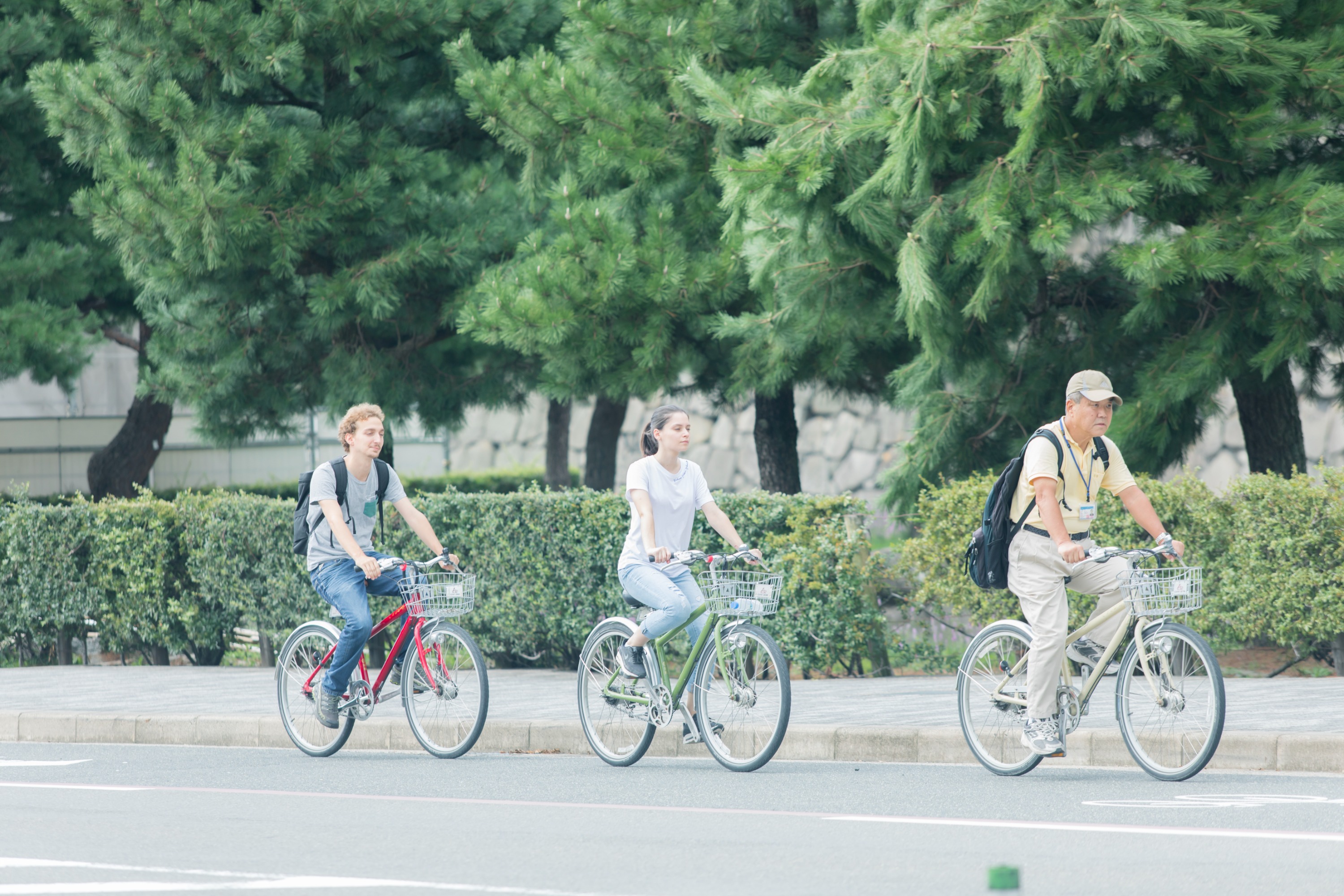
I love showing visitors Kyoto's best—from landmarks to hidden gems in vibrant neighborhoods—like you're hanging out with your friends.
Forget guidebooks—let's create an unforgettable adventure!
I partner with passionate guides I personally train and approve to offer the best day trips beyond typical sightseeing.
If you want to explore off-the-beaten-path pottery shops and family-run izakayas, you're covered. Discover Japanese dishes and sweets you might miss alone!
Immerse in Kyoto's scenic beauty, customs, history, and culture through our guides' stories. First timer or seasoned explorer, I guarantee a magical experience.
Ready to discover the heart of Kyoto together? Let's enjoy wonderful times like a close-knit family in a small group!
Available options
1 DAY Private cycling tour
Private: Customize your day with a local guide and explore Kyoto at your own pace.<br/>Duration: 7 hours: Explore Kyoto your way — from famous sights to secret spots, shape the day with your guide for a full cultural experience<br/>Fully customizable: Tailor your day to your preferences! Ask your local guide for great recommendations that you might not find on your own!
5h: Early Birds Beat the Crowd
Duration: 5 hours: Enjoy Kyoto before the crowds! Visit serene temples, quiet backstreets, and take in the aroma of freshly baked morning bread.<br/>Popular in peak season!
5h Group
Duration: 5 hours: Discover Kyoto beyond the surface — stroll peaceful gardens, old streets, and secret shrines that reveal the city’s soul.<br/>Major sights and Hidden gems: -Nanzenji
-Philosopher's Path
-Delicious local mochi shop
-Kamo River
-Backstreets around city center
& our secret spots!<br/>Popular throughout the year!
5h: Private cycling tour
Private: Customize your day with a local guide and explore Kyoto at your own pace.<br/>Duration: 5 hours: Discover Kyoto beyond the surface — stroll peaceful gardens, old streets, and secret shrines that reveal the city’s soul.<br/>Fully customizable: Tailor your day to your preferences! Ask your local guide for great recommendations that you might not find on your own!
3h Group
Duration: 3 hours: It covers both major tourist spots and hidden gems known only to locals: peaceful temples and the delightful taste of mochi!<br/>Major sights: -Tranquil quarter of geisha with our guide's insight
-Maruyama Park
-peaceful canal
-Kamo River
- & our secret spots!<br/>For those with limited time!
What's included
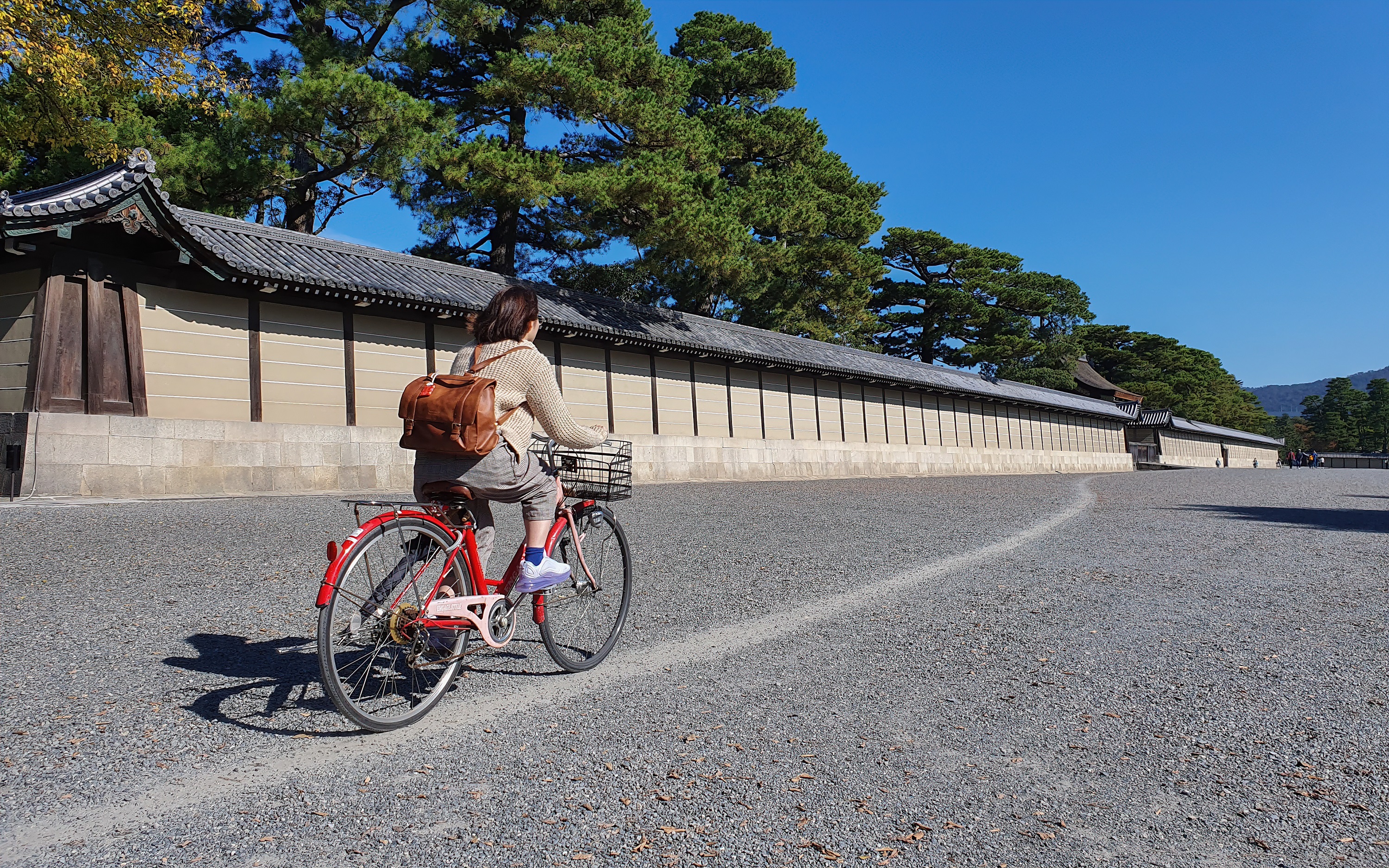
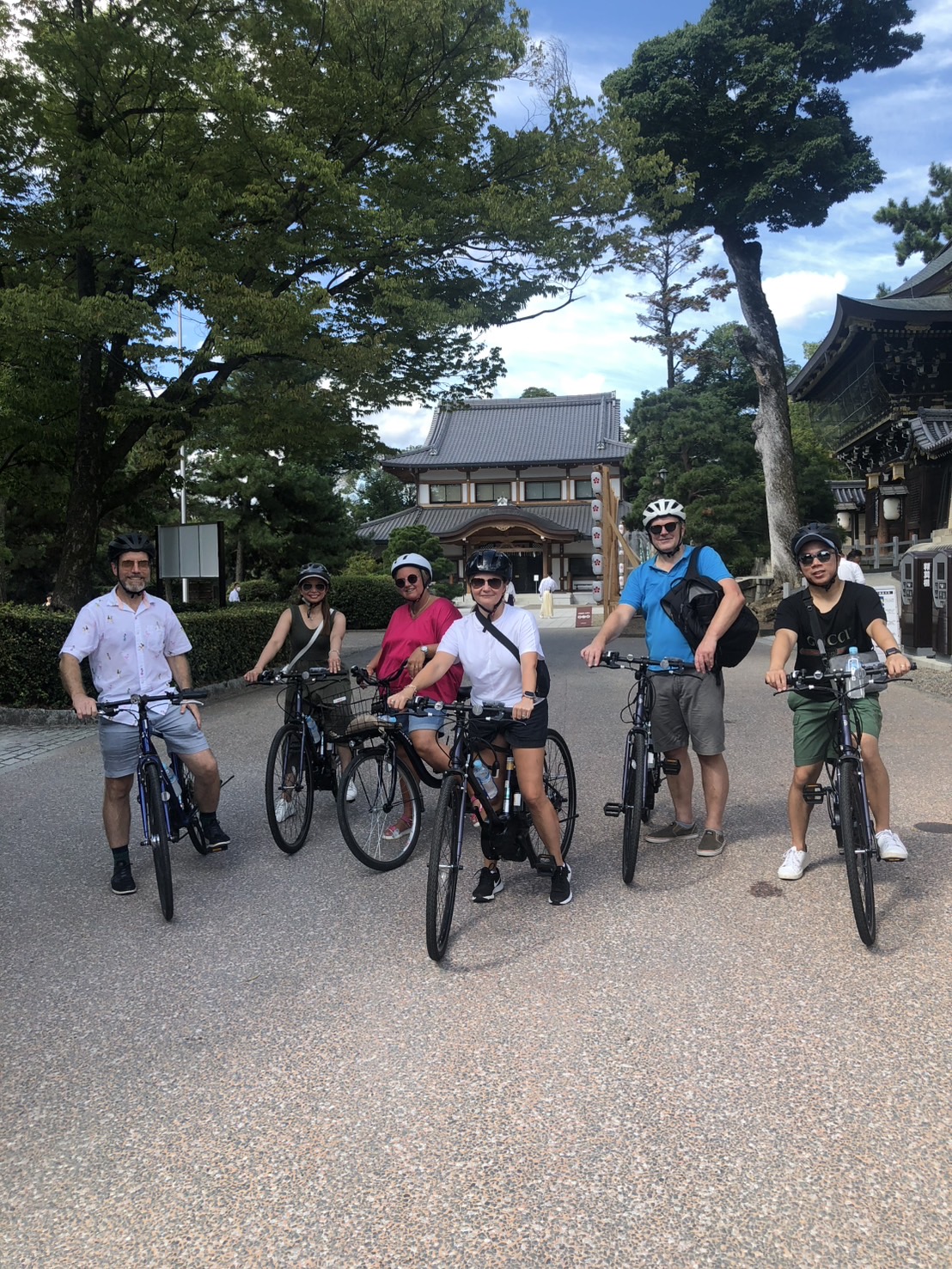
Electric Bike (Normal cycle available as well)
A passionate, fun tour guide with a knack for snapping amazing photos
A kind guide who cherishes the spirit of Japanese "omotenashi" hospitality
Detailed itinerary
1
Higashi Hongan-ji is a major Jodo Shinshu Buddhist temple located in central Kyoto, established in 1602. Its vast grounds and impressive main hall attract many visitors. The main hall, called the Goeido, is one of the largest wooden structures in Japan — truly a sight to behold.
2
Stop 2
Fushimi Inari Shrine is the head shrine of over 30,000 Inari shrines across Japan, located in southern Kyoto. It’s famous for the thousands of bright red torii gates forming a tunnel along the mountain trails. People visit to pray for business success and family safety, and the hike to the summit is a must-do.
3
Komyo-in Temple is a sub-temple of Tofuku-ji, known for its tranquil garden. The autumn leaves are stunning, blending beautifully with the moss-covered grounds. It’s a perfect peaceful spot to escape the city’s hustle and just relax.
4
Stop 4
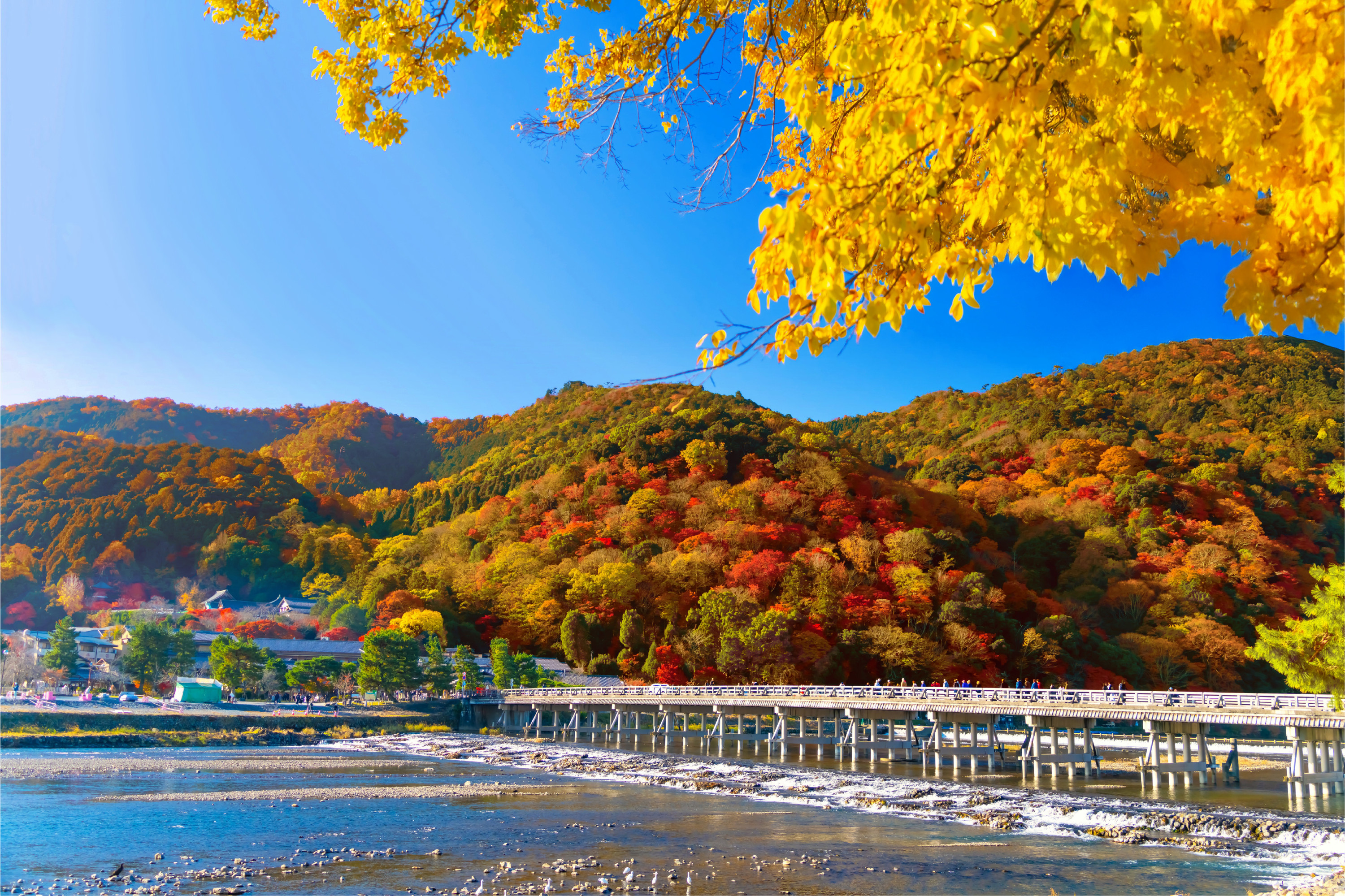
Tofuku-ji’s Tsutenkyo Bridge is a famous spot for autumn colors. The long bridge spans a valley, offering panoramic views of fiery red and orange maple trees. It’s a popular place every fall, symbolizing Kyoto’s breathtaking autumn scenery.
5
You'll feel like you've stepped into a living postcard of ancient Japan!
Its elegant silhouette against the backdrop of Kyoto's historic Higashiyama district is simply breathtaking.
Picture-Perfect Moments
Don't forget your camera! The pagoda and its surroundings offer countless opportunities for stunning photos.
Whether it's cherry blossoms in spring, vibrant autumn leaves, or the soft glow of evening light, every season brings a new magical backdrop for your memories.
6
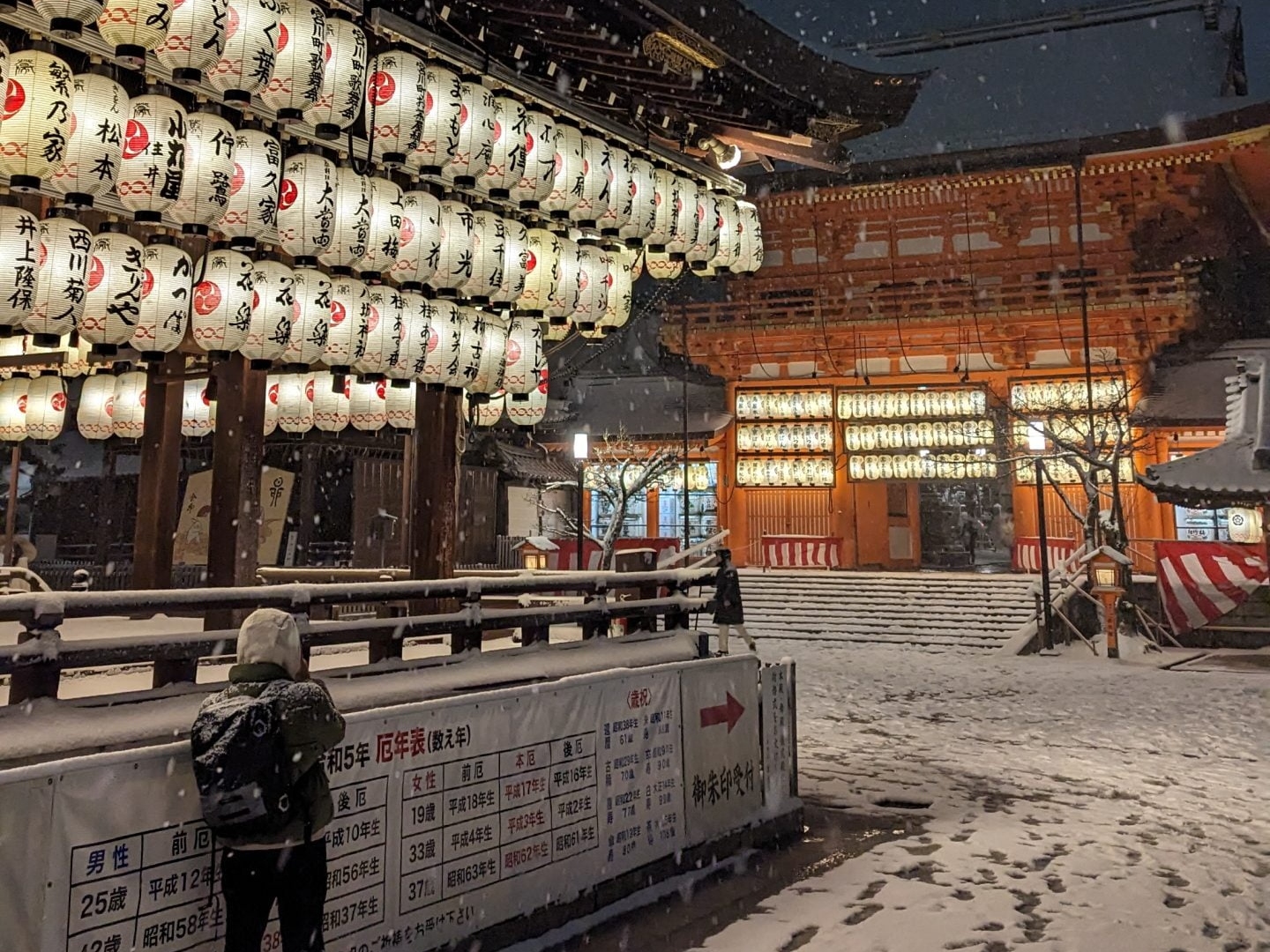
Yasui Konpiragu Shrine is known for gods of breaking bad relationships and making good ones. Many come to pray for cutting off bad ties or bringing in good connections. The stone monument with a hole to crawl through is famous — a powerful spiritual spot for sure.
7
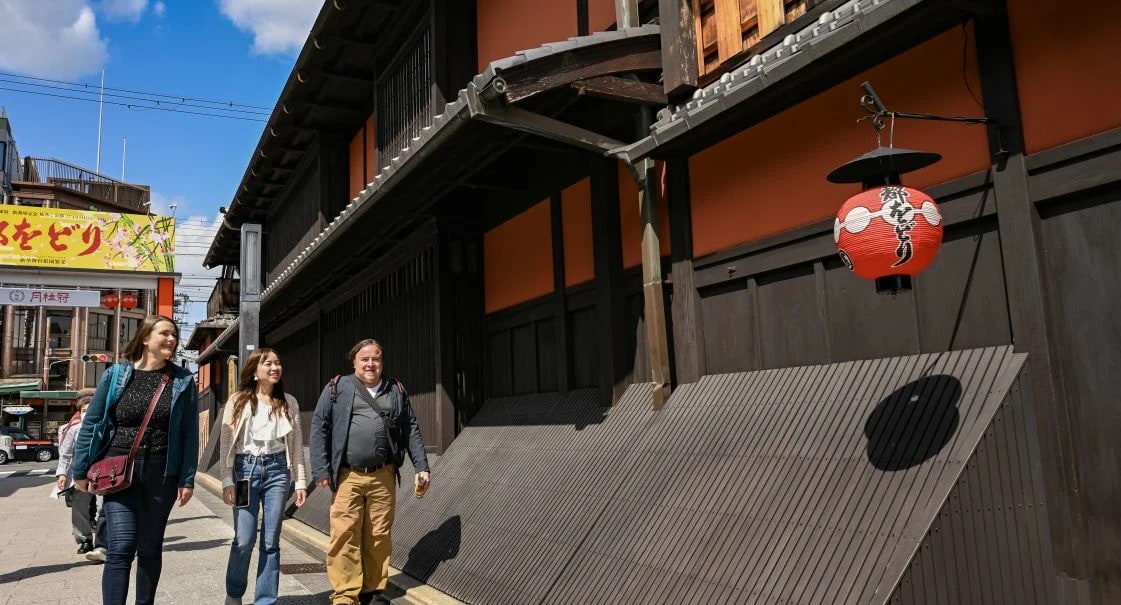
Hanamikoji Street is a charming alley in Kyoto's Gion district.
It's lined with traditional tea houses and restaurants, offering a glimpse of geisha culture.
Visitors can enjoy the historic atmosphere and possibly spot geisha or maiko in the evening.
8
A hidden gem that'll make your heart skip a beat.
Irresistible Charm of Tatsumi Bridge
Nestled along the picturesque Shirakawa River, Tatsumi Bridge is a small but absolutely stunning wooden bridge that'll take your breath away. With its vibrant vermilion railings and traditional Japanese design, it's like stepping into a living postcard!
Cherry Blossom Magic
Can you imagine anything more magical? In spring, the bridge transforms into a pink paradise as cherry blossoms burst into bloom, creating a dreamy tunnel of petals. It's so romantic, you'll feel like you're in a movie!
Photo Ops Galore
Get your camera ready because Tatsumi Bridge is a photographer's dream come true. The combination of the charming bridge, flowing river, and traditional tea houses in the background creates picture-perfect scenes that'll make your Instagram followers green with envy.
9
Gion Shirakawa is a picturesque historic district, featuring traditional machiya houses, willow-lined canals, and a serene atmosphere where geisha occasionally stroll.
It's a quintessential Japanese landscape that captures the elegant essence of old Kyoto.
10
The Shirakawa Shinsui Terrace is a riverside walkway along the Shirakawa River in Kyoto’s Higashiyama area. It’s a great spot to enjoy the soothing sound of flowing water up close. The stone-paved paths and benches make it a perfect place to relax while taking in seasonal scenery. Nearby cafes and shops add to the charm, making it ideal for sightseeing and breaks.
11
The Great Torii of Heian Shrine in Kyoto is a massive vermilion gate standing 24.2m tall. Built in 1929 to commemorate Emperor Showa's enthronement, it's made of reinforced concrete and marks the approach to the shrine.
12
Stop 12
Nanzen-ji, located in the Sakyo Ward of Kyoto, is a prominent temple of the Rinzai sect, known for its rich history and beautiful gardens. Established in 1291 by Emperor Kameyama, it has become one of the most significant Zen temples in Japan.
13
Nanzen-ji Aqueduct, known as Suirakukaku, is a significant historical structure located within the grounds of Nanzen-ji Temple.
Completed in 1888, this brick aqueduct was built to transport water from Lake Biwa to Kyoto, showcasing a blend of modern engineering and traditional Japanese aesthetics.
14
Stop 14
Philosopher's Path is a picturesque walkway located in the Sakyo Ward of Kyoto, stretching approximately 2 kilometers along the banks of the Biwa Canal.
This scenic route connects the southern end at Wakaoji Shrine to the northern end at Ginkaku-ji (Silver Pavilion) and is renowned for its beautiful cherry blossoms in spring and vibrant autumn leaves.
15
Honen-in Temple is a peaceful Zen temple nestled in a forest, said to be founded by Honen Shonin in the 13th century. Surrounded by nature, the temple grounds offer a calm atmosphere with beautiful seasonal changes. It’s a quiet spot, perfect if you want some serious tranquility.
16
Stop 16
Shimogamo Jinja Shrine, officially known as Kamomioya Shrine, is located in the Sakyo Ward of Kyoto, Japan. It is one of the oldest Shinto shrines in the region, with roots tracing back to around 90 BC. The shrine is dedicated to two main deities: Kamo Taketsunumi (the god of land development) and his mother, Tamayori-hime, who is also associated with fertility and protection for women.
17
The Kamogawa Delta, where the Kamo and Takano Rivers meet, is a popular spot for locals and tourists. Known for its stepping stones shaped like turtles and birds, it offers scenic views, seasonal beauty like cherry blossoms, and opportunities to relax in nature. Featured in novels and anime, it’s a cultural landmark. Easily accessible from Demachiyanagi Station, it’s perfect for a peaceful stroll or sightseeing.
18
Kyoto Gyoen is a large park area surrounding the old Imperial Palace, offering beautiful nature all year round. It’s a popular spot for locals to relax, with historic buildings sprinkled around. Famous for cherry blossoms and autumn leaves, it’s a peaceful oasis right in the city.
19
Ebisugawa Tobiishi are stepping stones across the Ebisugawa, a tributary of the Kamo River. It’s a fun spot where locals and tourists hop across the stones or snap photos. The stones blend naturally with the flowing river, and the scenery changes beautifully with the seasons.
20
Stop 20
Teramachi Street runs north-south through central Kyoto and is a lively shopping street filled with traditional Japanese goods, cafes, and fashion shops. It’s a bustling area loved by both locals and visitors, perfect for a stroll to soak up Kyoto’s vibe.
21
Sanjo Street is one of the main east-west streets in Kyoto city, lined with restaurants, cafes, and historic buildings. It’s close to Kawaramachi and the Kamo River, making it a convenient hub for sightseeing. The area is lively both day and night.
What's not included
Food and drink
Paid entrance to temples and shrines
Gratuities
Available languages
Guide guide
JA
EN
Reviews breakdown
Viator
5.0
13 reviews
5★
13
4★
0
3★
0
2★
0
1★
0
Tripadvisor
4.8
33 reviews
5★
31
4★
1
3★
0
2★
0
1★
1
Important information
Public transportation options are available nearby
Travelers should have at least a moderate level of physical fitness
Participants must be able to ride a bicycle.
We have kids’ bikes (non-electric). Availability is limited; please request at booking.
Kids’ seats are available for children who cannot ride on their own. Limited units; please request when booking.
Meeting point
About Kyoto
Kyoto, once the imperial capital of Japan, is a city rich in history, culture, and tradition. Known for its numerous classical Buddhist temples, as well as gardens, imperial palaces, Shinto shrines, and traditional wooden houses, Kyoto offers a unique blend of ancient and modern Japan. The city is a must-visit for travelers seeking to experience the heart of Japanese heritage.
Top Attractions
Kinkaku-ji (Golden Pavilion)
A Zen Buddhist temple covered in gold leaf, Kinkaku-ji is one of Kyoto's most iconic landmarks. The temple's top two floors are completely covered in gold leaf, reflecting beautifully on the surrounding pond.
Historical/Religious
1-2 hours
¥400
Fushimi Inari Taisha
Famous for its thousands of vermilion torii gates, Fushimi Inari Taisha is a Shinto shrine dedicated to Inari, the god of rice. The trails leading up the mountain offer stunning views of Kyoto.
Religious
2-4 hours (depending on how far you hike)
Free
Kiyomizu-dera
A historic wooden temple with a large veranda supported by massive wooden pillars, Kiyomizu-dera offers panoramic views of Kyoto. The temple is particularly famous for its spring and autumn foliage.
Religious
1-2 hours
¥400
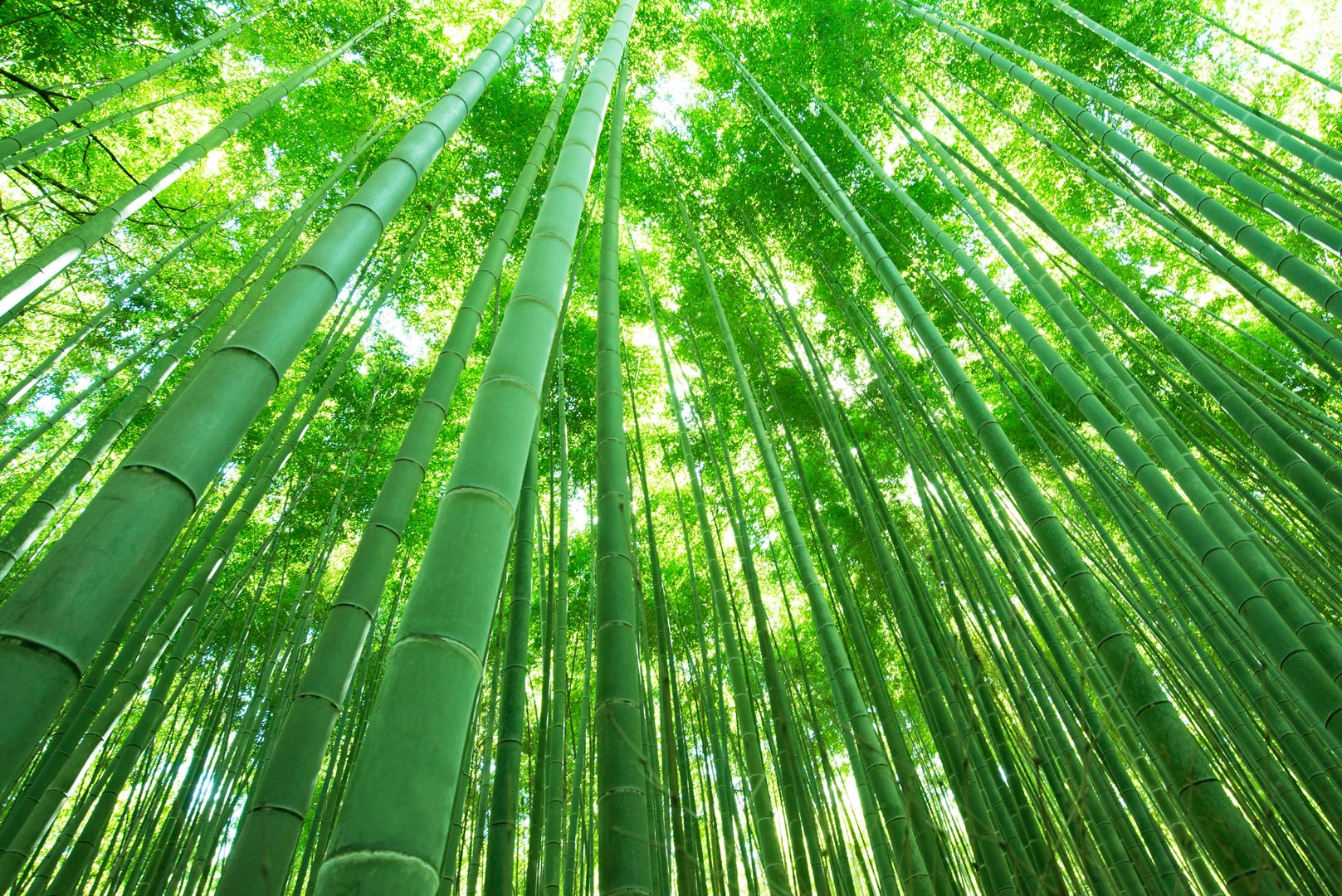
Arashiyama Bamboo Grove
A stunning grove of bamboo, Arashiyama is one of Kyoto's most famous natural attractions. The towering bamboo stalks create a surreal and peaceful atmosphere.
Nature
1-2 hours
Free (Tenryu-ji Temple costs ¥500)
Gion
Kyoto's most famous geisha district, Gion is known for its traditional wooden machiya houses, teahouses, and the chance to spot geishas and maikos (apprentice geishas).
Cultural
1-2 hours (longer if dining or attending a cultural event)
Free to explore (dining and cultural events can be expensive)
Must-Try Local Dishes
Kaiseki Ryori
A traditional multi-course Japanese meal that emphasizes seasonality and presentation. Each dish is carefully prepared and artfully presented.
Dinner
Often includes fish, meat, and vegetables, but vegetarian options are available.
Yudofu (Tofu Hot Pot)
A Kyoto specialty featuring tofu simmered in a light kombu (kelp) broth, often served with vegetables and condiments.
Lunch/Dinner
Vegetarian-friendly, can be made vegan if broth is vegetable-based.
Matcha Desserts
Kyoto is famous for its high-quality matcha (green tea) powder, used in various desserts like ice cream, parfaits, and wagashi (traditional sweets).
Dessert
Vegetarian and vegan options available.
Obanzai
Home-style Kyoto dishes made with fresh, local ingredients, often featuring vegetables, fish, and tofu.
Lunch/Dinner
Can be adapted to various dietary preferences.
Popular Activities
Hiking in the mountains
Cycling through the countryside
Rafting on the Hozu River
Onsen (hot spring) visits
Tea ceremonies
Scenic walks in gardens and parks
Temple and shrine visits
Traditional tea ceremonies
Best Time to Visit
March to May (Spring), October to November (Autumn)
Spring and autumn offer pleasant weather and are the best times to visit for cherry blossoms and autumn foliage. These seasons also see the highest tourist volumes.
15°C to 25°C (Spring), 10°C to 20°C (Autumn)
59°F to 77°F (Spring), 50°F to 68°F (Autumn)
Practical Information
Language
- Official: Japanese
- Widely spoken: English (limited)
- English: Limited/Rare
Currency
Japanese Yen (JPY)
Time Zone
JST (UTC+9)
Electricity
100VV, 50/60HzHz
Safety Information
Overall Safety Rating: Very safe
Kyoto is a very safe city with a low crime rate. Violent crime is rare, and petty crime is uncommon. However, as with any tourist destination, it's important to take basic precautions to protect yourself and your belongings.
Important Precautions:
- • Keep valuables secure and out of sight
- • Be cautious of your surroundings, especially in crowded areas
- • Use reputable tour operators and taxis
Getting there
By air
- Kansai International Airport • 115 km from Kyoto
- Osaka International Airport (Itami) • 40 km from Kyoto
By train
Kyoto Station
By bus
Kyoto Station Bus Terminal
Getting around
Public transport
Buses are the most extensive and affordable way to get around Kyoto. They cover most areas of the city and are especially useful for reaching temples and shrines.
Taxis
Available • Apps: JapanTaxi, INDRIVER
Rentals
Car, Bike, Scooter
Neighborhoods
Gion
Higashiyama
Arashiyama
Downtown Kyoto (Shijo-Kawaramachi)
Day trips
Nara
40 km from Kyoto • Half day to full day
Nara is a historic city known for its ancient temples, shrines, and the famous Nara Park, home to hundreds of free-roaming deer.
Uji
20 km from Kyoto • Half day
Uji is a small city known for its historic temples, beautiful riverside scenery, and high-quality matcha (green tea).
Kurama and Kibune
25 km from Kyoto • Full day
Kurama and Kibune are two neighboring villages in the mountains north of Kyoto, known for their hot springs, hiking trails, and scenic beauty.
Festivals
Gion Matsuri • July (main events on July 17th and 24th)
Jidai Matsuri • October 22nd
Aoi Matsuri • May 15th
Pro tips
- Visit popular attractions like Fushimi Inari Taisha and Kinkaku-ji early in the morning or late in the afternoon to avoid crowds.
- Consider purchasing a Kyoto City Bus Pass or other transportation passes to save money on getting around the city.
- Try local specialties like yudofu (tofu hot pot), matcha desserts, and obanzai (home-style Kyoto dishes).
- Explore the city's many temples and shrines, but don't forget to take time to enjoy the natural beauty of Kyoto's gardens and parks.
- Learn a few basic Japanese phrases to enhance your experience and show respect for local customs and traditions.
From $25
per person
Price varies by option
Secure booking
Free cancellation available
Instant confirmation



![[W/Lunch] Kyoto Highlights Bike Tour with UNESCO Zen Temples](https://res.klook.com/image/upload/activities/jsiiyeytub5brql4wusb.jpg)