Egypt tours (Cairo,Giza, Luxor,Aswan, Alexandria, fayoum)
Active
8d
For a full refund, cancel at least 24 hours before the scheduled departure time.
Instant confirmation
Mobile or paper ticket accepted
About this experience
Day 1:
Cairo International Airport
Transfer to the hotel
Free time at leisure
Day 2:
Visit:
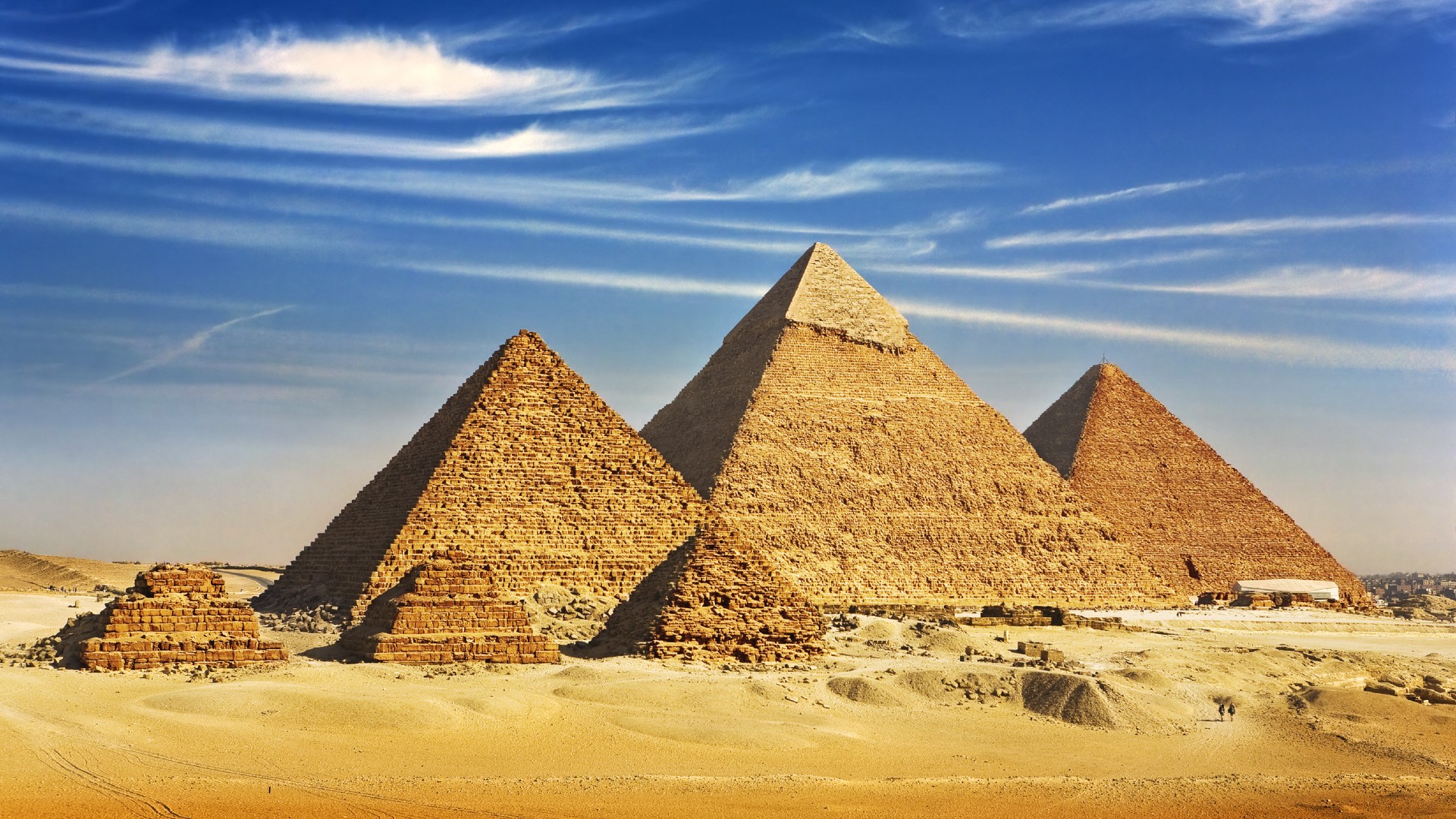
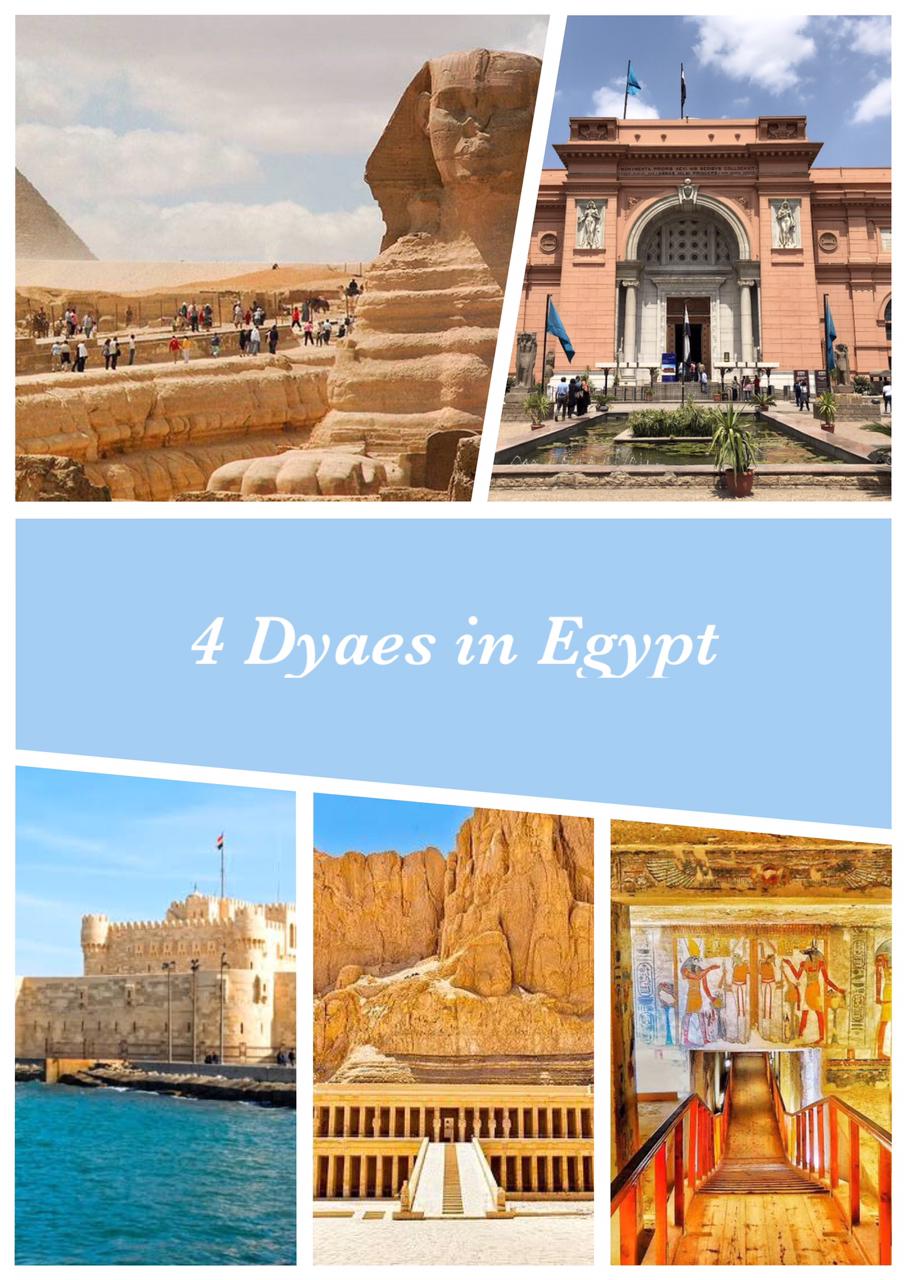
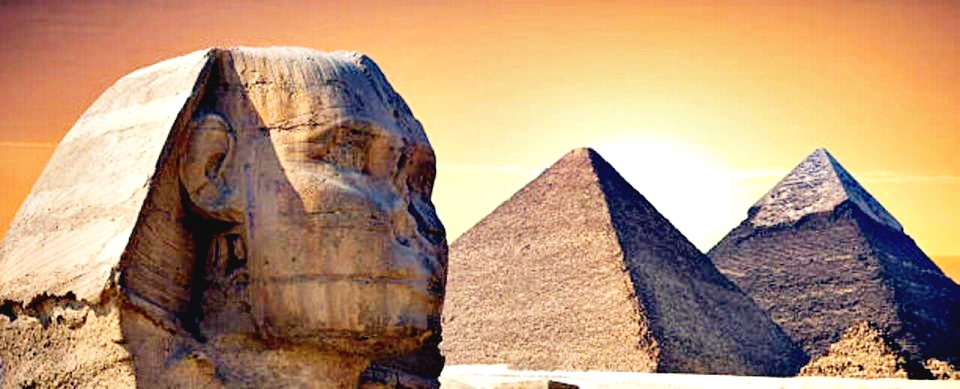
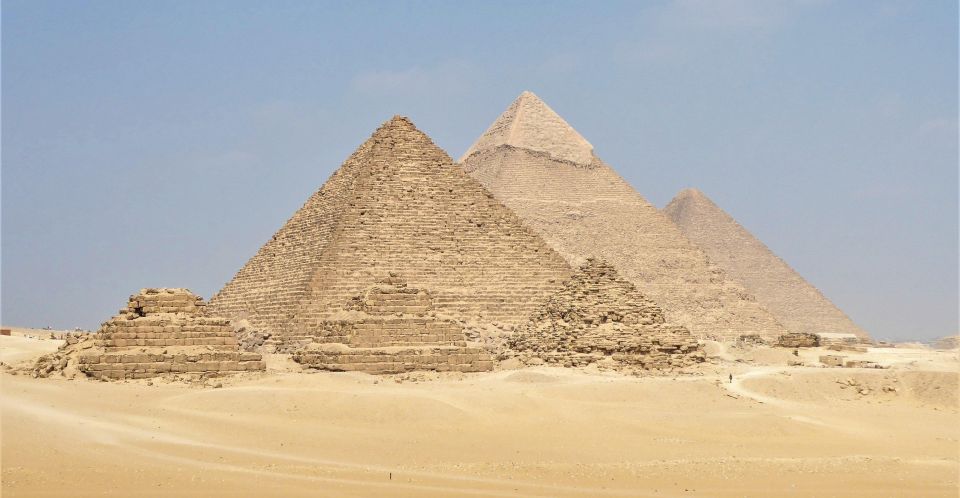
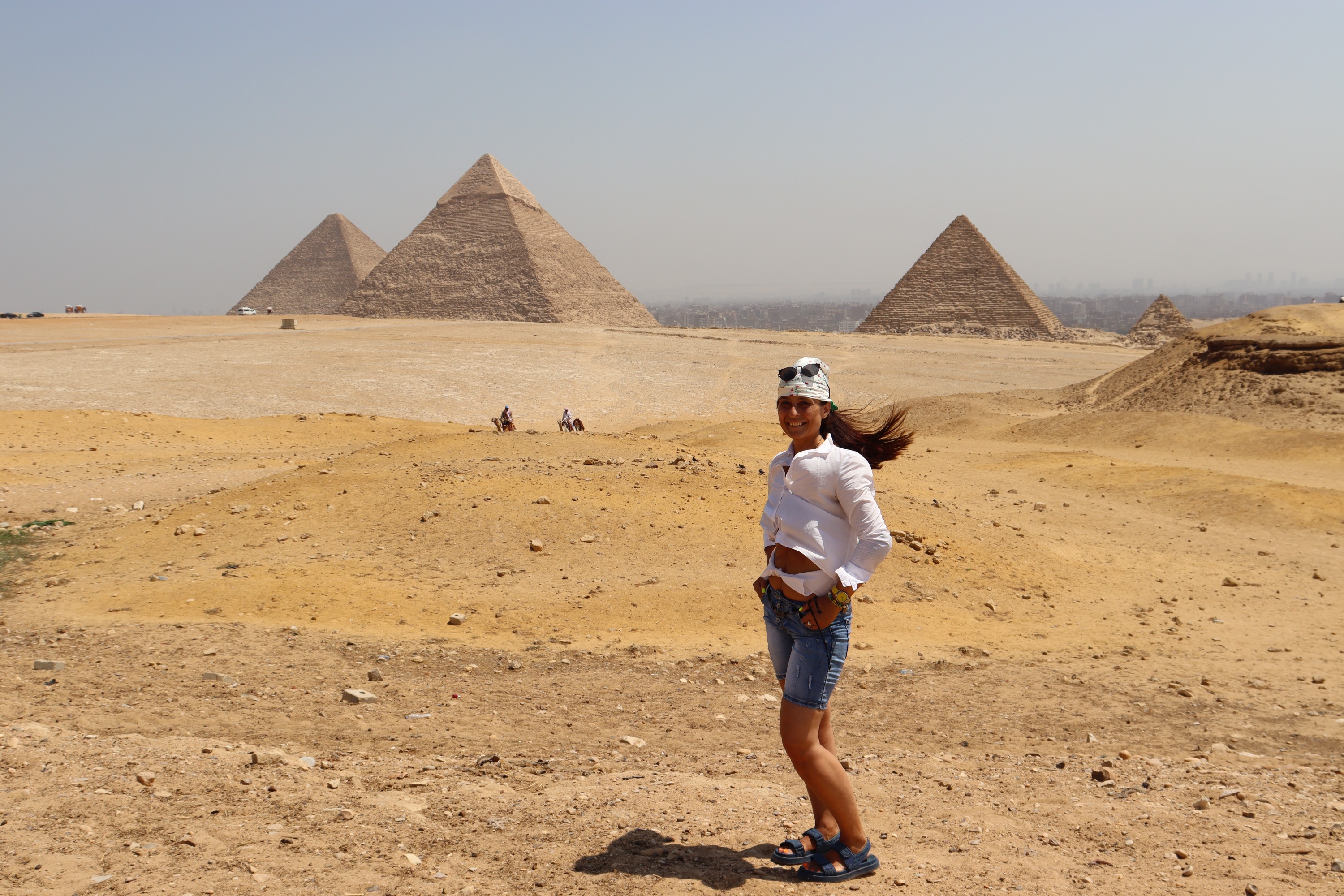
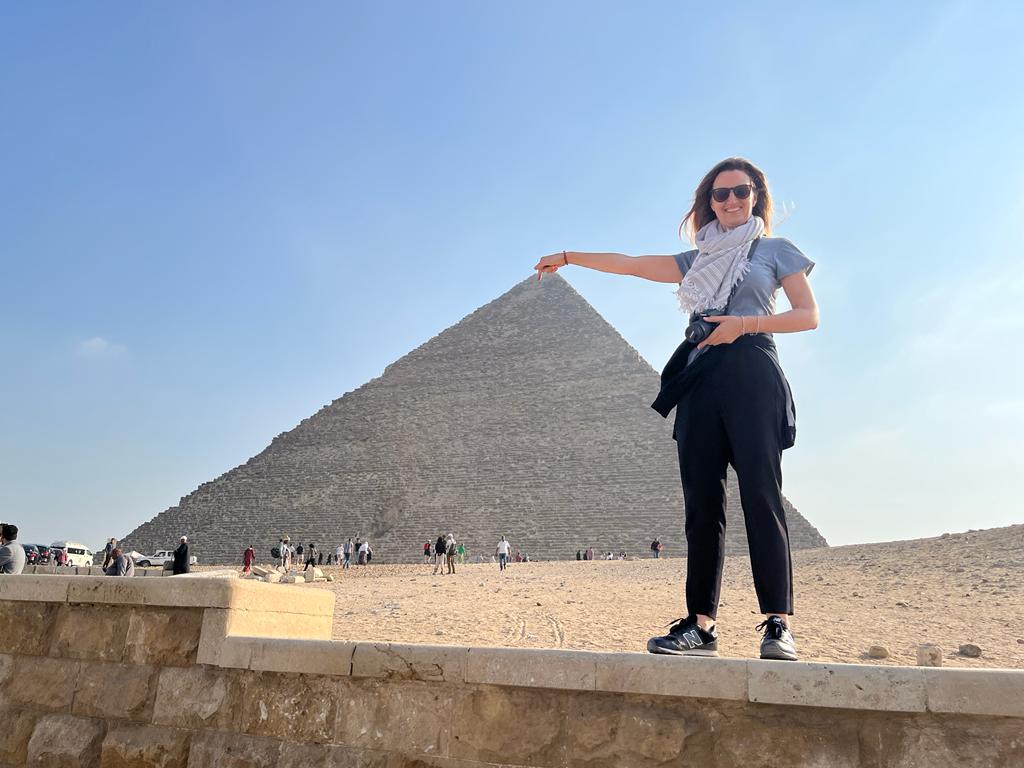
Giza Pyramids & the Great Sphinx
Egyptian Museum
Lunch at a local restaurant
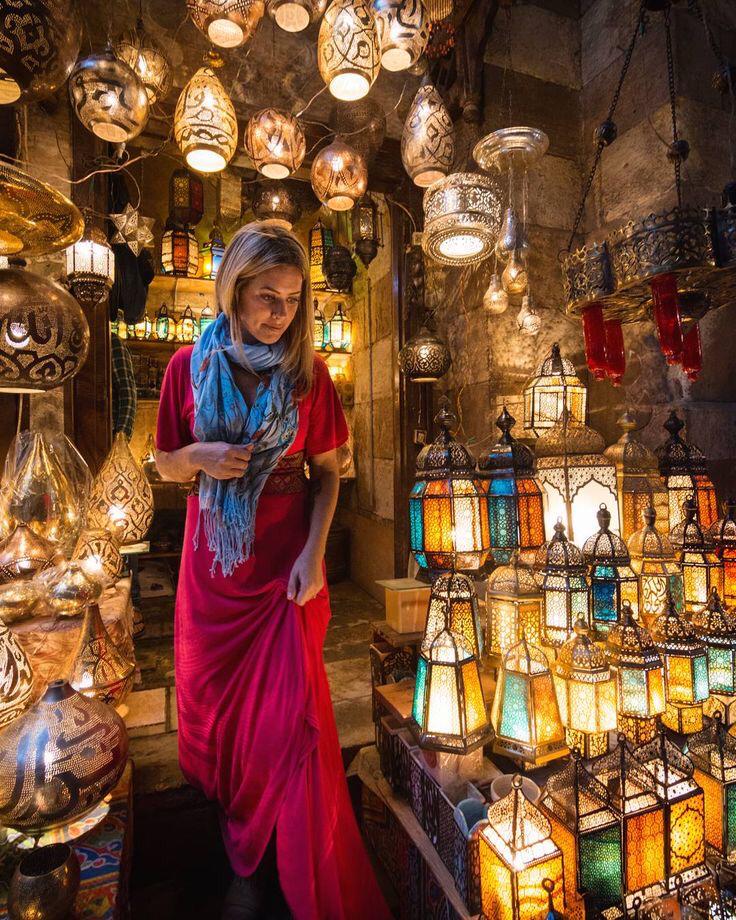
Optional visit to Khan El Khalili Bazaar
Overnight in Cairo
Day 3:
Morning drive to Fayoum
Visit:
Wadi El Hitan
Wadi El Rayan
Lunch during the tour
Return to Cairo in the evening
Overnight in Cairo
Day 4:
Transfer to Cairo Airport
Flight to Luxor
Meet & assist upon arrival
Transfer to the Nile Cruise
Lunch on board
Visit:
Karnak Temple
Luxor Temple
Dinner & overnight on board
Day 5:
Visit:
Valley of the Kings
Temple of Queen Hatshepsut
Colossi of Memnon
Lunch on board
Sailing to Edfu
Dinner & overnight on board
Day 6:
Visit Edfu Temple
Sailing to Kom Ombo
Visit Kom Ombo Temple
Sailing to Aswan
Dinner & overnight on board
Day 7:
Visit:
High Dam
Philae Temple
Unfinished Obelisk
optional Nubian Village tour (optional)
Dinner & overnight on board
Day 8:
Check-out from the Nile Cruise
Transfer to Aswan Airport
Available options
Cairo, Alexandria, fayoum
Lunch + snacks<br/>Car + guide+ lunch <br/>Pickup included
What's included
Accomodations in Cairo (3 stars hotel)
breakfast, Lunch and dinner
Bottled water
Tour guide (English language)
Air-conditioned vehicle
nile cruise
Certified tour guide
Detailed itinerary
1
Day 1: Arrival in Cairo Meet & assist at Cairo International Airport Assistance with arrival procedures Transfer to the hotel Free time at leisure Overnight in Cairo
2
Day 2: Cairo City Tour Breakfast at the hotel Visit: Giza Pyramids & the Great Sphinx Egyptian Museum Lunch at a local restaurant Optional visit to Khan El Khalili Bazaar Overnight in Cairo
3
Stop 3
Day 3: Full Day Tour to Fayoum Breakfast at the hotel Morning drive to Fayoum Visit: Wadi El Hitan (Valley of the Whales) Wadi El Rayan (Waterfalls) Lunch during the tour Return to Cairo in the evening Overnight in Cairo
4
Day 4: Cairo → Luxor (Domestic Flight) Breakfast at the hotel Transfer to Cairo Airport Flight to Luxor Meet & assist upon arrival Transfer to the Nile Cruise Lunch on board Visit: Karnak Temple Luxor Temple Dinner & overnight on board
5
Day 5: Luxor → Edfu Breakfast on board Visit: Valley of the Kings Temple of Queen Hatshepsut Colossi of Memnon Lunch on board Sailing to Edfu Dinner & overnight on board
6
Stop 6
Pass by
Luxor temple
7
Day 6: Edfu → Kom Ombo → Aswan Breakfast on board Visit Edfu Temple (Temple of Horus) Sailing to Kom Ombo Visit Kom Ombo Temple Sailing to Aswan Dinner & overnight on board
8
Stop 8
Pass by
Day 7: Aswan Sightseeing Breakfast on board Visit: High Dam Philae Temple Unfinished Obelisk Lunch on board Free time or optional Nubian Village tour Dinner & overnight on board
9
Stop 9
Pass by
Day 8: abo simple (optional) Final Departure Breakfast on board Check-out from the Nile Cruise Transfer to Aswan or Luxor Airport Final departure
What's not included
tipping
Personal items
Tickets are not included
Available languages
Guide guide
AR
EN
Reviews breakdown
Tripadvisor
5.0
15 reviews
5★
15
4★
0
3★
0
2★
0
1★
0
Important information
Wheelchair accessible
Infants and small children can ride in a pram or stroller
Public transportation options are available nearby
Infants are required to sit on an adult’s lap
Specialized infant seats are available
Transportation options are wheelchair accessible
All areas and surfaces are wheelchair accessible
Not recommended for travelers with poor cardiovascular health
Suitable for all physical fitness levels
About Cairo
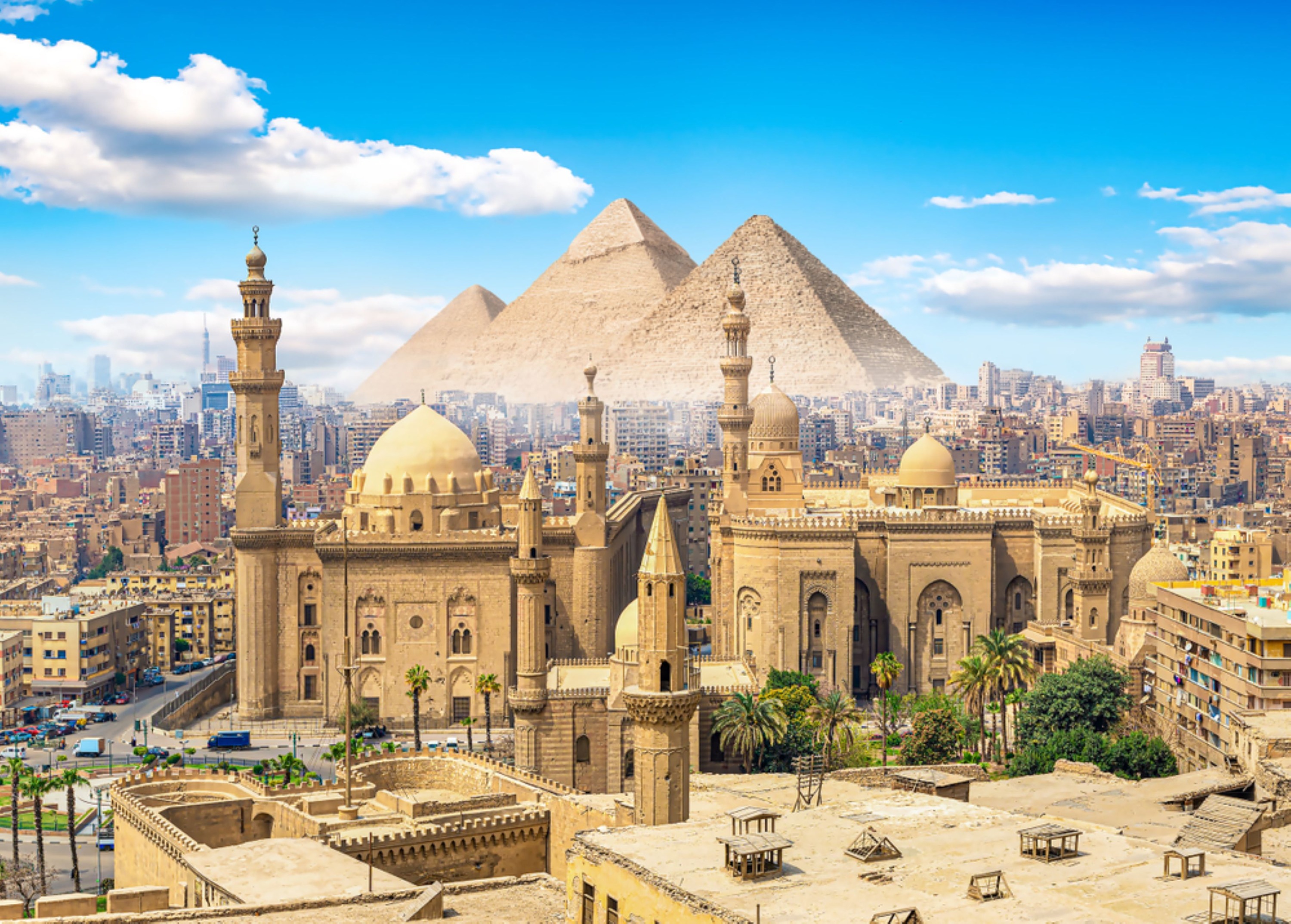
Cairo, the capital of Egypt, is a vibrant metropolis where ancient history and modern life intertwine. As one of the largest cities in Africa, it offers a wealth of historical landmarks, bustling markets, and rich cultural experiences that attract millions of visitors each year.
Top Attractions
The Great Pyramids of Giza
The iconic pyramids are one of the most famous landmarks in the world and a must-visit for any traveler to Cairo. They are part of the Giza Necropolis, which also includes the Great Sphinx.
Historical
Half day to full day
Moderate (around $10-20 for entrance fees)
Egyptian Museum
This museum houses the largest collection of ancient Egyptian artifacts in the world, including the treasures of Tutankhamun. It's a must-visit for anyone interested in Egypt's rich history.
Museum
2-3 hours
Moderate (around $10-15 for entrance fees)
Khan el-Khalili Bazaar
One of the oldest and most famous markets in the Middle East, Khan el-Khalili offers a vibrant shopping experience with a wide range of goods, from spices and perfumes to jewelry and souvenirs.
Cultural
1-2 hours
Moderate (prices vary depending on items)
Coptic Cairo
This area is home to some of the oldest Christian churches in Egypt, including the Hanging Church and the Church of St. Sergius and Bacchus. It's a fascinating place to explore for those interested in the history of Christianity in Egypt.
Historical
1-2 hours
Low (around $5-10 for entrance fees)
Nile River Cruise
A Nile River cruise offers a unique way to see Cairo from a different perspective. Many cruises include dinner and entertainment, making it a memorable experience.
Cultural
2-3 hours
Moderate to Expensive (depending on the cruise package)
Must-Try Local Dishes
Koshari
A popular street food made with a mix of rice, lentils, chickpeas, pasta, and fried onions, topped with a spicy tomato sauce.
Main Dish
Vegetarian
Ful Medames
A traditional breakfast dish made with mashed fava beans, garlic, lemon juice, and olive oil, often served with bread.
Breakfast
Vegetarian, Vegan
Molokhia
A green leafy vegetable soup made with jute leaves, garlic, and coriander, often served with rice or bread.
Main Dish
Vegetarian, Vegan
Kofta
Grilled minced meat skewers made with a mix of ground beef, lamb, or chicken, seasoned with spices and herbs.
Main Dish
Contains meat
Popular Activities
Desert safaris
Quad biking in the desert
Hot air balloon rides over the Nile
Nile River cruises
Beach relaxation in Alexandria or Hurghada
Spa and wellness treatments
Exploring ancient temples and ruins
Visiting museums and galleries
Best Time to Visit
October to April
This period offers the most pleasant weather for sightseeing and outdoor activities. The temperatures are mild, making it ideal for exploring the city's historical sites.
15-28°C
59-82°F
Practical Information
Language
- Official: Arabic
- Widely spoken: English, French
- English: Moderately spoken in tourist areas, limited in other parts of the city
Currency
Egyptian Pound (EGP)
Time Zone
EET (GMT+2)
Electricity
220VV, 50HzHz
Safety Information
Overall Safety Rating: Exercise caution
Cairo is generally safe for tourists, but pickpocketing, scams, and harassment can occur, especially in crowded areas. It's important to stay vigilant, be aware of your surroundings, and take precautions to protect yourself and your belongings.
Important Precautions:
- • Be aware of your surroundings and keep your belongings secure, especially in crowded areas.
- • Avoid walking alone at night, especially in poorly lit or deserted areas.
- • Be cautious when using taxis, and always agree on a fare or use the meter before starting your journey.
Getting there
By air
- Cairo International Airport • 20 km from city center
By train
Ramses Station
By bus
Cairo Bus Station, Turgoman Bus Station
Getting around
Public transport
The metro is the fastest and most efficient way to get around Cairo. It has three lines and is relatively affordable.
Taxis
Available • Apps: Uber, Careem
Rentals
Car, Bike, Scooter
Neighborhoods
Downtown Cairo
Islamic Cairo
Zamalek
Giza
Day trips
Alexandria
220 km from Cairo • Full day
Alexandria is a beautiful coastal city with a rich history, offering a mix of ancient landmarks, beaches, and vibrant culture.
Luxor
670 km from Cairo • Overnight
Luxor is often referred to as the world's greatest open-air museum, offering a wealth of ancient Egyptian landmarks and temples.
Aswan
870 km from Cairo • Overnight
Aswan is a charming city on the Nile, known for its beautiful landscapes, ancient temples, and relaxing atmosphere.
Festivals
Cairo International Film Festival • Late November to early December
Cairo Jazz Festival • Late January to early February
Cairo Fashion Festival • April
Pro tips
- Learn a few basic Arabic phrases to enhance your experience and connect with locals.
- Hire a guide for major attractions, such as the Great Pyramids of Giza and the Egyptian Museum, to gain a deeper understanding of their history and significance.
- Bargain when shopping at markets and bazaars, as it's expected and can help you get a better deal.
- Dress modestly and respectfully, especially when visiting religious sites, to show respect for local customs and traditions.
- Be prepared for heavy traffic and crowded streets, especially during peak hours and in popular tourist areas.
From $25
per person
Price varies by option
Secure booking
Free cancellation available
Instant confirmation