Osaka Namba Walking Tour by Local Guide
Active
2h
For a full refund, cancel at least 24 hours before the scheduled departure time.
Instant confirmation
Mobile or paper ticket accepted
About this experience
Explore hidden local spots and lesser-known photo locations in Osaka’s Namba and Dotonbori.
Led by a Kansai native, this flexible walking tour introduces the history and culture of the area while adapting to your interests and the time of day.
・Visit hidden local spots and unique photo locations unknown to most visitors
・Experience a more authentic side of Osaka beyond standard tourist routes
・Flexible route customized to your interests and travel style
・Time-of-day optimized course (daytime or evening) to showcase changing atmospheres
・Led by a Kansai-born local guide, fully in English
・Enjoy a relaxed, friendly, and engaging walking experience
・Receive personal recommendations on food, activities, and ways to enjoy Osaka & Kansai
Available options
Standard rate
What's included
Visit to vibrant neighborhoods
Smartphone photos
Friendly young local guide
Professional camera photos data
Learn about daily life and Japanese culture
Detailed itinerary
1
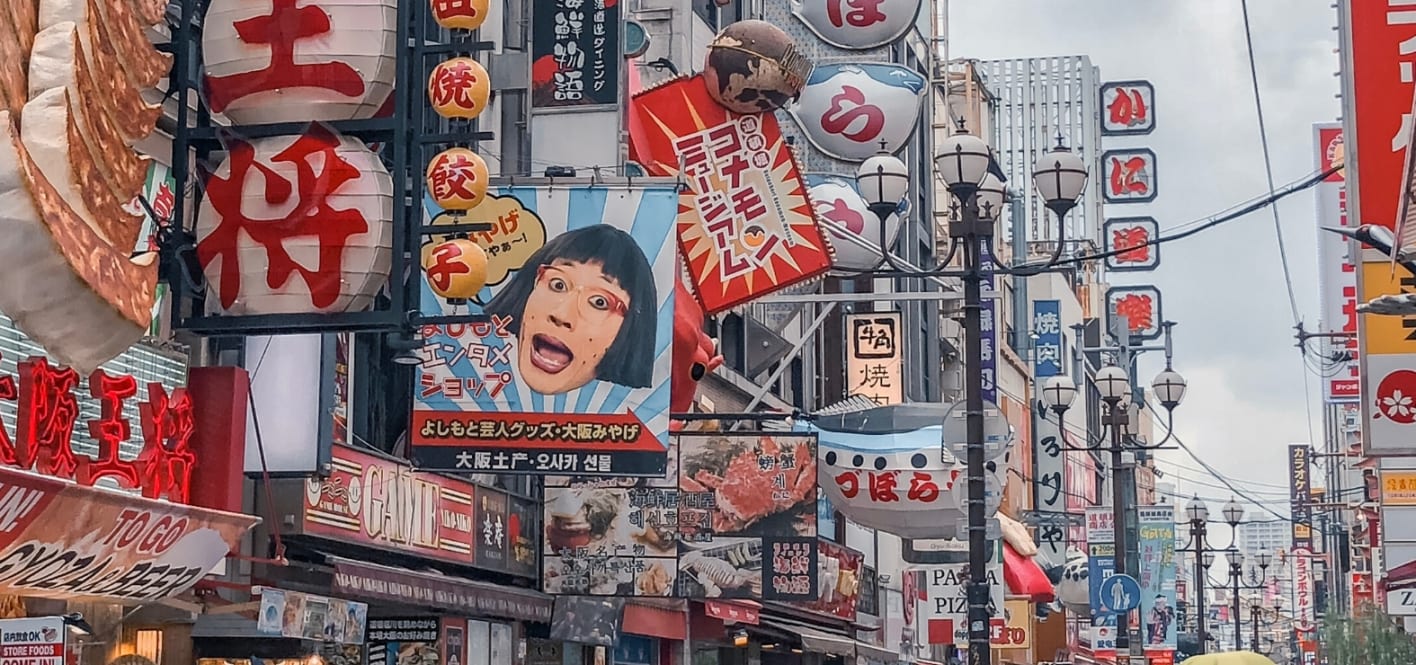
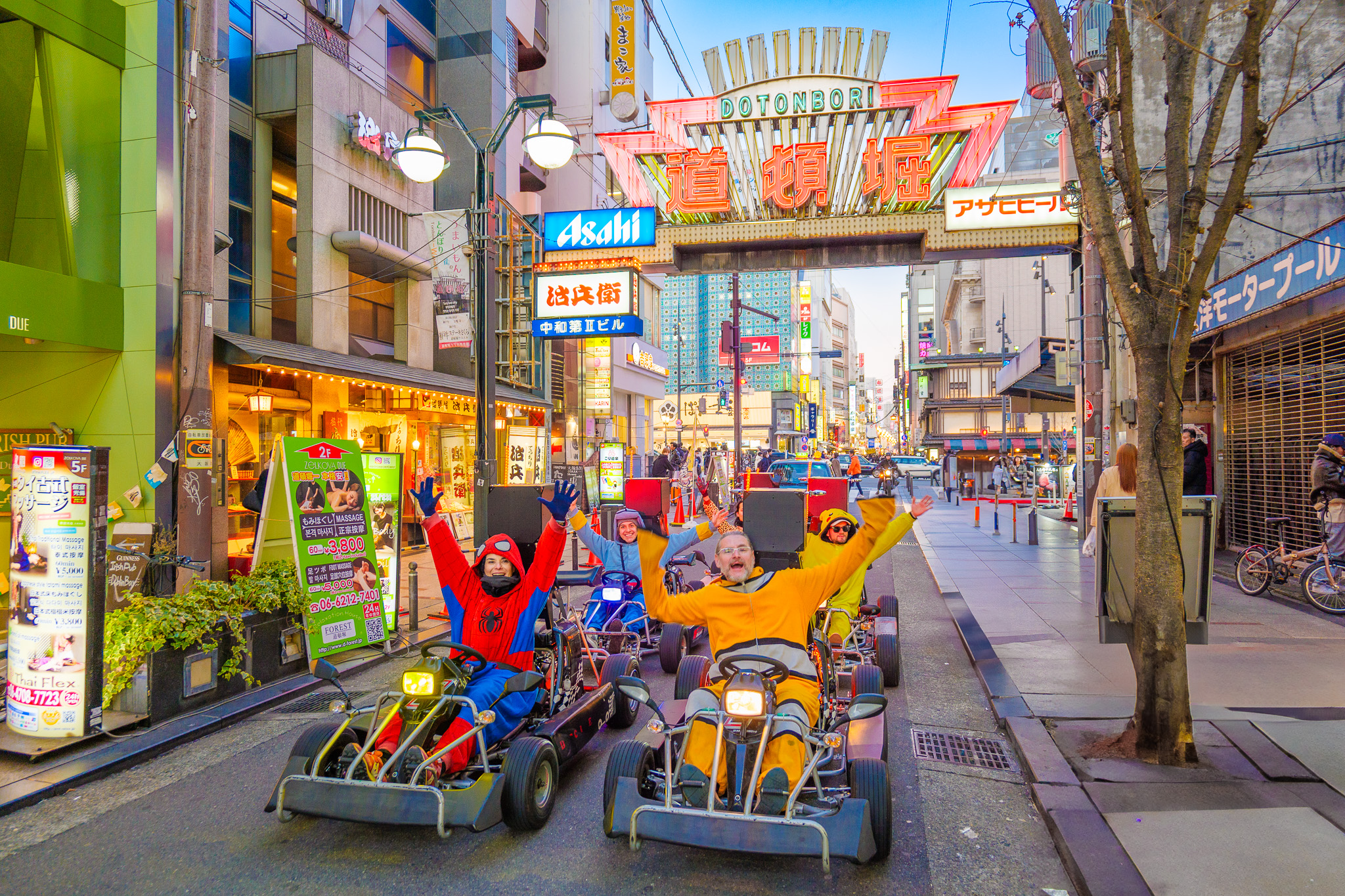
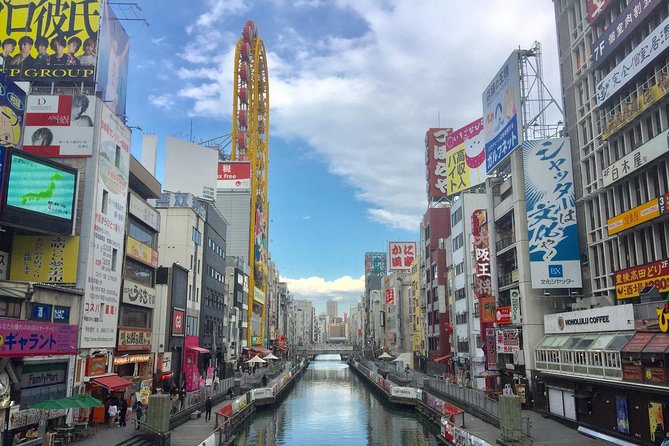
This walking tour explores Dotonbori, Osaka’s famous entertainment district, while uncovering the history and culture behind its lively streets. Known for its bright neon lights and energetic atmosphere, Dotonbori also has roots dating back to the Edo period, when merchant culture flourished.
As you walk along the Dotonbori Canal, your guide explains how the area developed and why it became one of Osaka’s iconic downtown neighborhoods. You will visit well-known three-dimensional signboards and popular photo spots, learning the stories behind them.
The tour also takes you into nearby side streets, where you can experience local dining areas and traditional Osaka scenery. You will learn about Osaka’s food culture, the idea of “kuidaore” (the love of eating well), and the warmth of the local people.
With time for photos, this tour is ideal for first-time visitors and repeat travelers, offering a chance to experience Osaka beyond the surface.
2
Stop 2
This walking tour explores Shinsaibashi, Osaka’s leading shopping district, where history meets modern trends. Developed during the Edo period, the area grew into a symbol of Osaka’s merchant culture and remains a lively commercial center today.
Walking through the Shinsaibashi Shopping Arcade, your guide explains how the district developed and what makes Osaka’s business culture unique. You will also explore nearby side streets, where you can experience a calmer atmosphere and local daily life beyond the main shopping area.
With time for photos, this tour offers a deeper look at Shinsaibashi as both a historic and actively used district.
3
The Glico Sign is an iconic landmark of Dotonbori and one of the most recognizable sights in Osaka. The image of a runner crossing the finish line represents challenge and progress, and has symbolized the city for decades.
On this tour, your guide explains when the Glico Sign was created, how it became famous, and how its design has changed over time, reflecting different eras of Osaka.
More than just a photo spot, the Glico Sign represents what makes Osaka unique. While enjoying the neon lights and canal views, you will learn about Dotonbori’s development as an entertainment district and the difference between the tourist image and the local perspective.
Plenty of time is provided for photos in front of the sign, including tips for classic Osaka-style poses.
4
This walking tour explores the Namba area, a gateway to Osaka where transportation, commerce, and entertainment come together. Historically a key hub near the sea and rivers, Namba has long attracted people and goods, and its past is still visible in today’s lively streets.
As you walk around the station area, your guide explains how Namba developed into one of Osaka’s central districts. Learning about its role as a transportation hub and its connection to merchant and entertainment culture offers a new way to see the area.
The tour also leads you into side streets, where you can experience local daily life and a more traditional Osaka atmosphere. The contrast between modern complexes and old-style neighborhoods is one of Namba’s unique charms.
Along the way, you will visit photo-friendly spots while learning about the character and lifestyle of Osaka’s people. Suitable for both first-time visitors and repeat travelers, this tour reveals Namba where history and modern life intersect
5
Stop 5
This walking tour explores Kuromon Market, known as “Osaka’s kitchen,” where you can experience the city’s food culture and local life. With nearly 200 years of history, the market developed as a place where chefs and merchants sourced fresh ingredients, a role it still reflects today.
As you walk through the market streets, your guide explains why Kuromon earned its nickname and how Osaka’s food culture has evolved. Learning about the specialties of shops selling seafood, meat, vegetables, and dried goods offers a deeper experience beyond casual food browsing.
You will also feel the market’s lively atmosphere through the sounds, aromas, and food prepared right in front of you, gaining insight into Osaka’s passion for good food. The market’s mood changes throughout the day, adding to its charm.
Along the way, you will visit photo-friendly spots and have time to enjoy light snacks or shop for souvenirs. This tour offers a chance to experience Osaka’s food culture with all five senses
What's not included
The cost of food and drinks is not included.
Public transportation is not used during this tour.
Available languages
Guide guide
EN
Important information
Wheelchair accessible
Infants and small children can ride in a pram or stroller
Service animals allowed
Public transportation options are available nearby
Transportation options are wheelchair accessible
Suitable for all physical fitness levels
Meeting point
3mins walk from namba station, Exit No.25
About Osaka
Osaka is a vibrant, bustling city known for its rich culinary scene, historic sites, and modern entertainment. As Japan's second-largest metropolitan area, it offers a dynamic mix of traditional culture and contemporary urban life.
Top Attractions
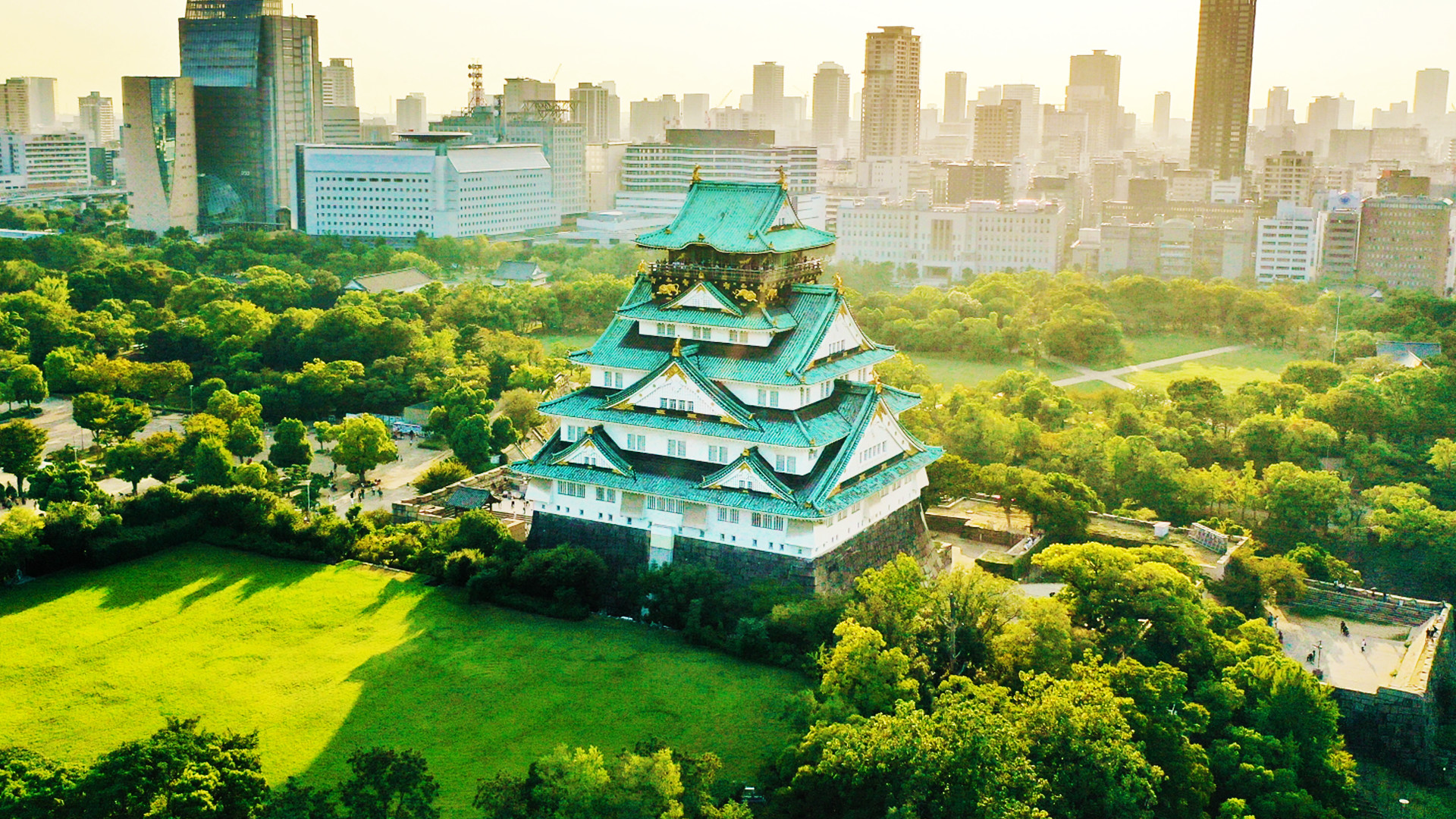
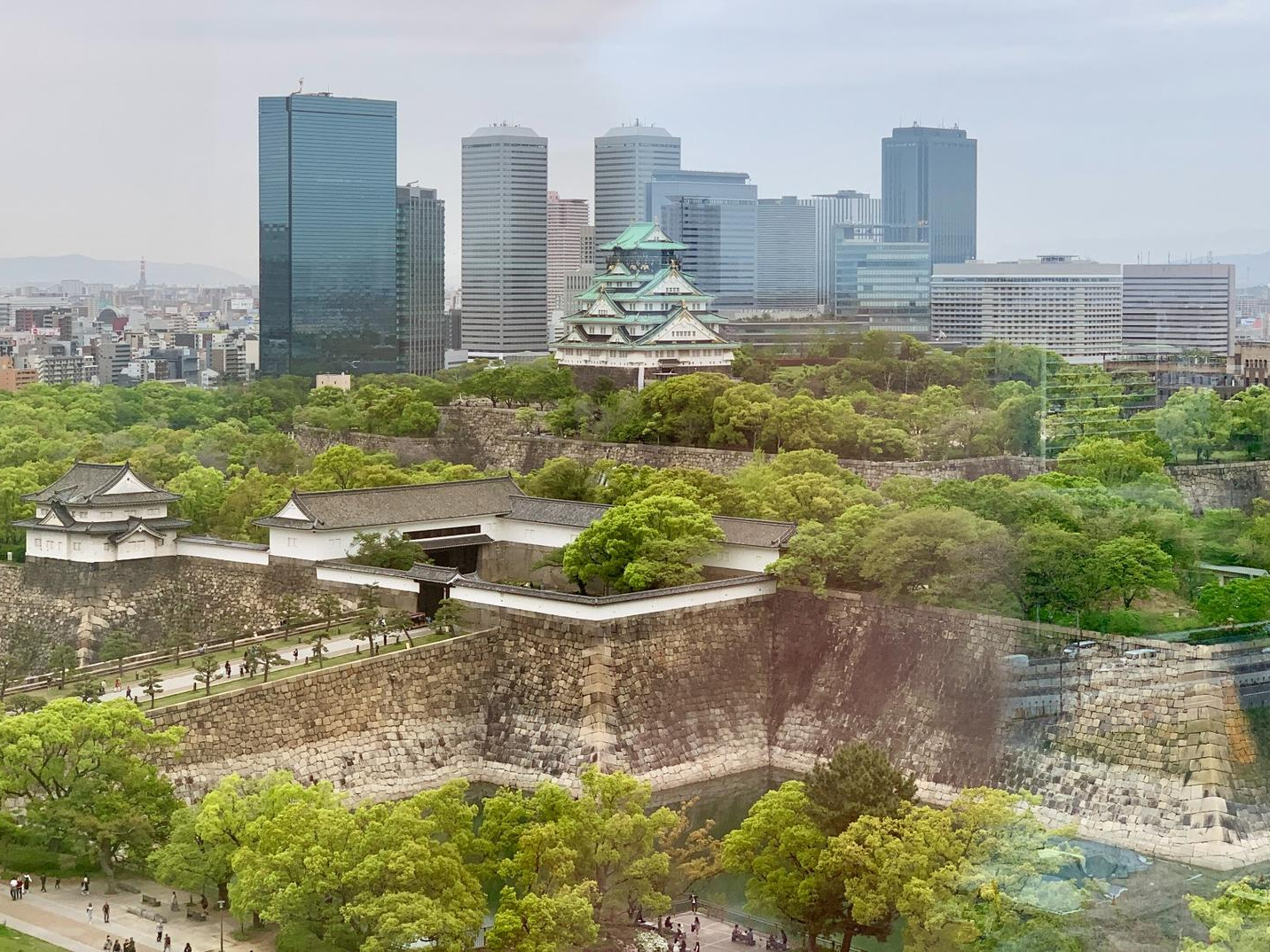
Osaka Castle
A iconic symbol of Osaka, this castle was originally built in the 16th century and has been beautifully restored. It offers a glimpse into Japan's feudal history and features a museum and scenic park.
Historical
2-3 hours
600 JPY
Dotonbori
A lively and colorful entertainment district known for its neon lights, street food, and vibrant nightlife. Dotonbori is a must-visit for foodies and those looking to experience Osaka's energetic atmosphere.
Entertainment
2-3 hours
Free (food and shopping vary)
Universal Studios Japan
A popular theme park featuring attractions based on famous movies and characters, including Harry Potter, Super Nintendo World, and Jurassic Park. It's a great destination for families and thrill-seekers.
Entertainment
Full day
8,400-10,600 JPY (varies by season and tickets)
Osaka Aquarium Kaiyukan
One of the largest aquariums in the world, featuring a wide variety of marine life, including whales, sharks, and penguins. The aquarium is known for its impressive exhibits and educational programs.
Nature
2-3 hours
2,600 JPY
Shinsekai
A retro district with a nostalgic atmosphere, featuring the iconic Tsutenkaku Tower and a variety of local eateries. Shinsekai is known for its unique blend of old and new, offering a glimpse into Osaka's past.
Cultural
1-2 hours
Free (food and shopping vary)
Must-Try Local Dishes
Takoyaki
Octopus-filled batter balls, cooked to perfection and topped with savory sauces and bonito flakes. A must-try street food in Osaka.
Snack
Contains seafood, can be made vegetarian upon request
Okonomiyaki
A savory pancake made with cabbage, batter, and various toppings, cooked on a griddle. Often referred to as 'Japanese pizza.'
Dinner
Can be made vegetarian or vegan upon request
Kushikatsu
Deep-fried skewers of various meats, vegetables, and seafood, served with a dipping sauce. A specialty of the Shinsekai district.
Dinner
Contains seafood and meat, can be made vegetarian upon request
Ramen
Noodle soup dish with various broths, toppings, and noodle types. Osaka is known for its rich and flavorful ramen.
Lunch/Dinner
Can be made vegetarian or vegan upon request
Popular Activities
Hiking in the nearby mountains
Cycling tours
Kayaking and water sports
Onsen (hot spring) visits
Tea ceremonies
Gardens and parks
Temple and shrine visits
Traditional workshops (e.g., calligraphy, ikebana)
Best Time to Visit
March to May, September to November
These months offer pleasant weather with mild temperatures and lower humidity, making it ideal for sightseeing and outdoor activities. Cherry blossoms in March and April add to the appeal.
15-25°C
59-77°F
Practical Information
Language
- Official: Japanese
- Widely spoken: English (limited)
- English: Limited
Currency
Japanese Yen (JPY)
Time Zone
JST (GMT+9)
Electricity
100VV, 50/60HzHz
Safety Information
Overall Safety Rating: Very safe
Osaka is generally very safe, with low crime rates and a strong emphasis on public safety. However, as with any major city, it's important to be aware of your surroundings and take precautions to protect your belongings.
Important Precautions:
- • Keep valuables secure and out of sight
- • Be cautious of pickpockets in crowded areas
- • Use licensed taxis and reputable tour operators
Getting there
By air
- Kansai International Airport • 50 km from city center
- Itami Airport • 20 km from city center
By train
Osaka Station, Shin-Osaka Station
By bus
Osaka Station Bus Terminal, Umeda Bus Terminal
Getting around
Public transport
The Osaka Metro system is efficient, clean, and easy to navigate. It consists of eight lines that connect major attractions, shopping districts, and neighborhoods.
Taxis
Available • Apps: JapanTaxi, DiDi
Rentals
Car, Bike, Scooter
Neighborhoods
Umeda
Namba
Shin-Osaka
Tennoji
Day trips
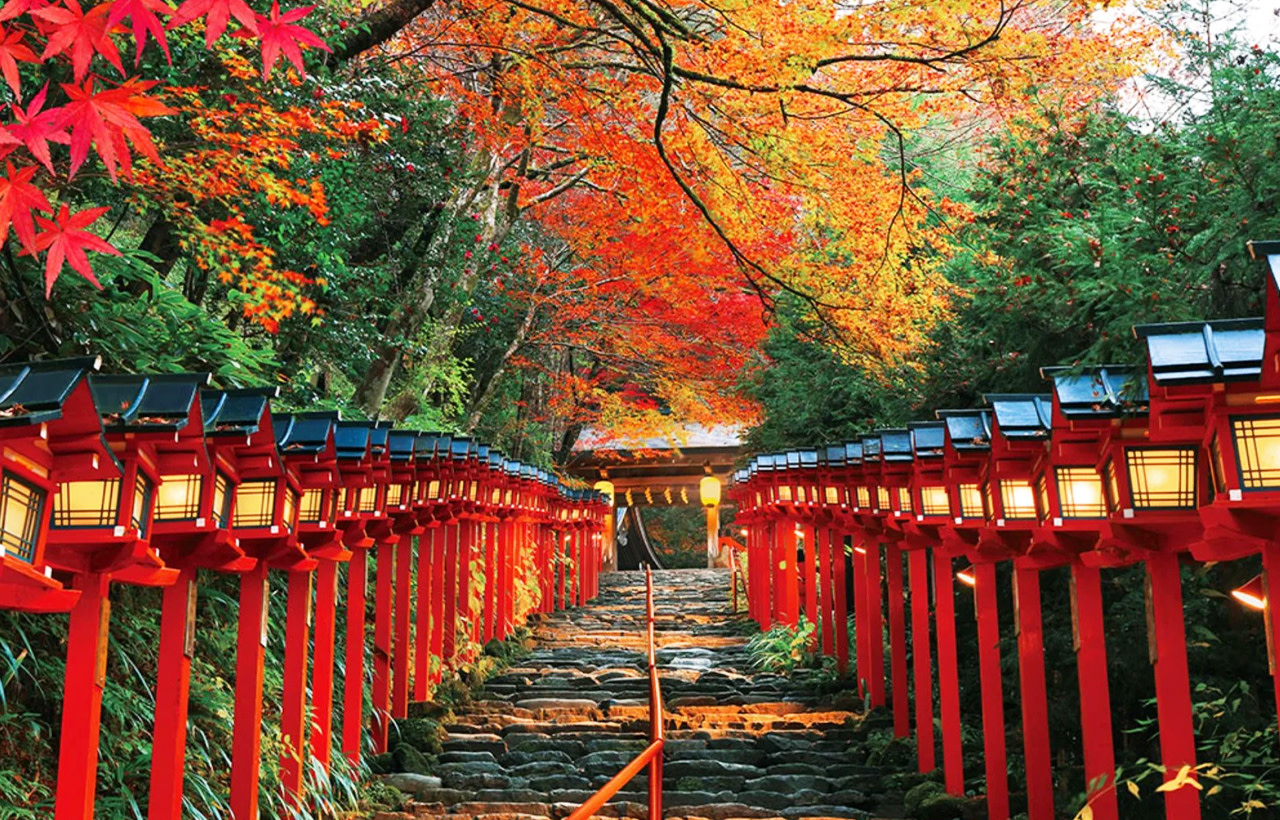
Kyoto
50 km • Full day
A historic city known for its temples, shrines, and traditional architecture. Kyoto offers a glimpse into Japan's rich cultural heritage and is a must-visit for history and culture enthusiasts.
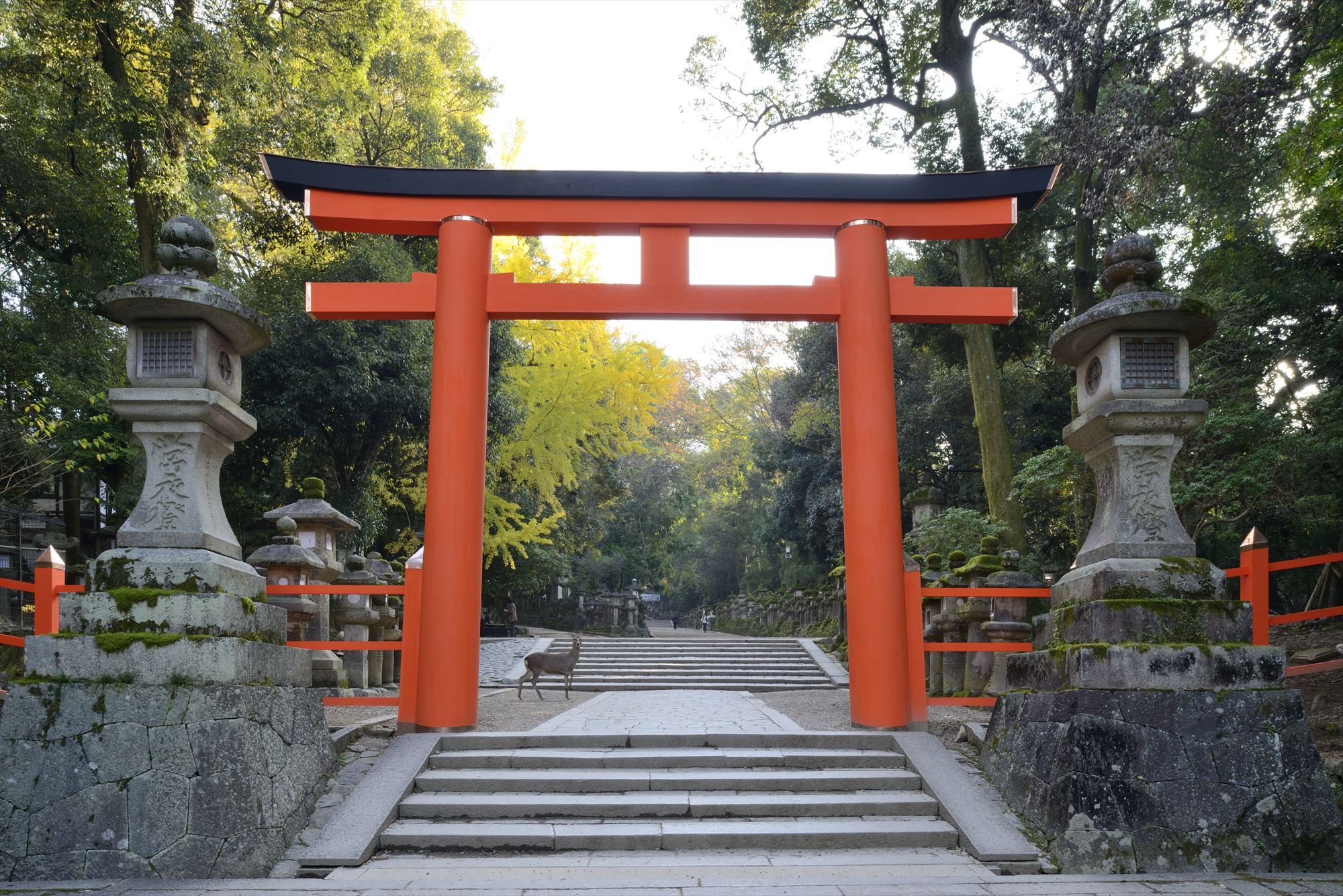
Nara
40 km • Half day to full day
A historic city known for its ancient temples, shrines, and the famous Nara Park, home to hundreds of free-roaming deer. Nara offers a mix of history, culture, and nature.
Kobe
30 km • Full day
A port city known for its historic sites, scenic views, and delicious beef. Kobe offers a mix of culture, history, and culinary delights.
Festivals
Tenjin Matsuri • July 24-25
Kishiwada Danjiri Matsuri • September 14-15
Osaka Castle Illumination • December (specific dates vary)
Pro tips
- Use an IC card, such as ICOCA or Suica, for easy and convenient payments on public transportation, vending machines, and convenience stores
- Try local specialties, such as takoyaki, okonomiyaki, and kushikatsu, at street food stalls and local restaurants
- Visit popular attractions early in the morning or late in the afternoon to avoid crowds and long lines
- Explore the city's unique neighborhoods, such as Dotonbori, Shinsekai, and Den Den Town, to experience the diverse culture and atmosphere of Osaka
- Take advantage of the city's extensive public transportation system, including the Osaka Metro, JR trains, and buses, to easily navigate and explore the city
From $25
per person
Price varies by option
Secure booking
Free cancellation available
Instant confirmation