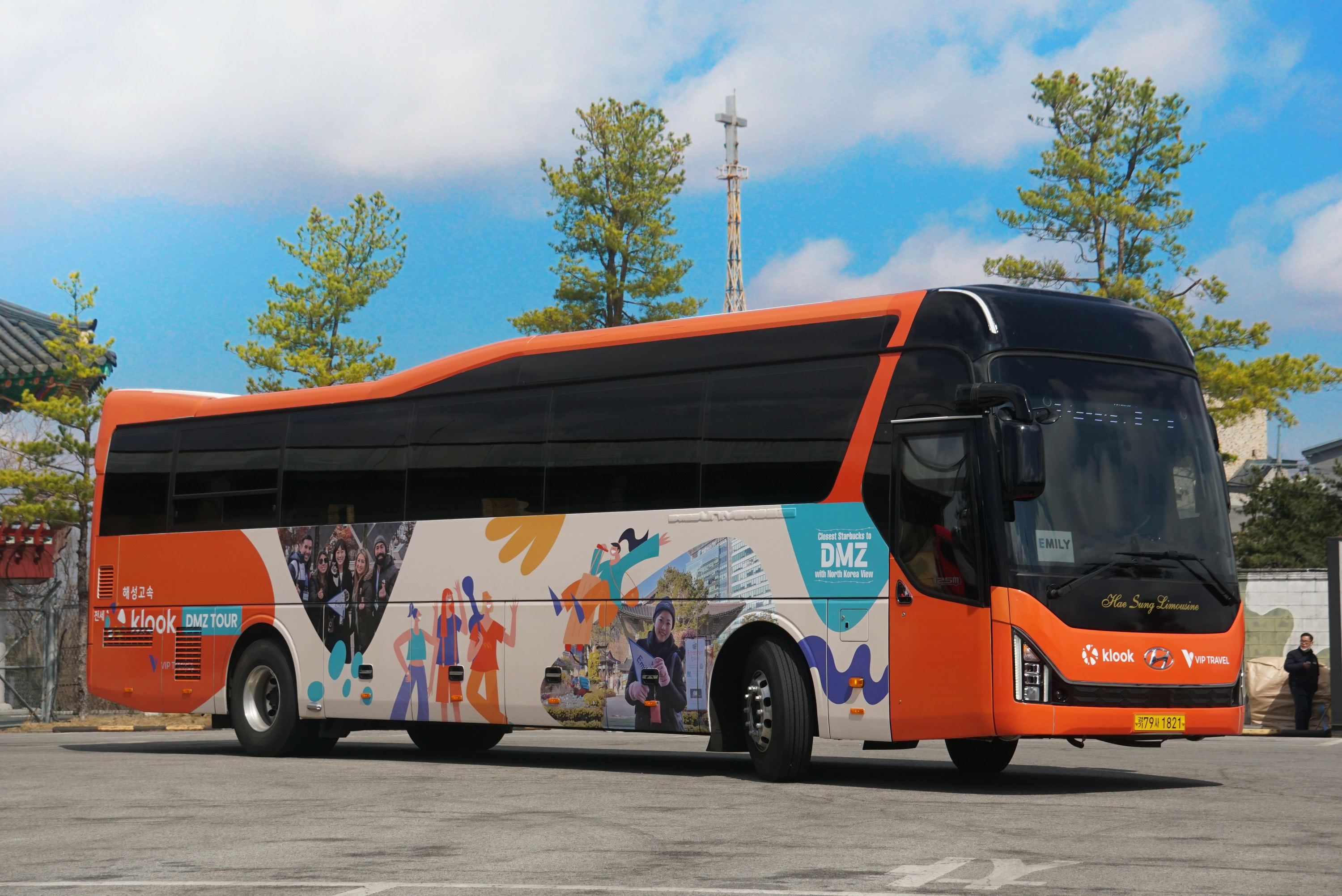
Private DMZ Tour with a Veteran Who Served There
Active
6h - 7h
For a full refund, cancel at least 24 hours before the scheduled departure time.
Instant confirmation
Mobile or paper ticket accepted
About this experience
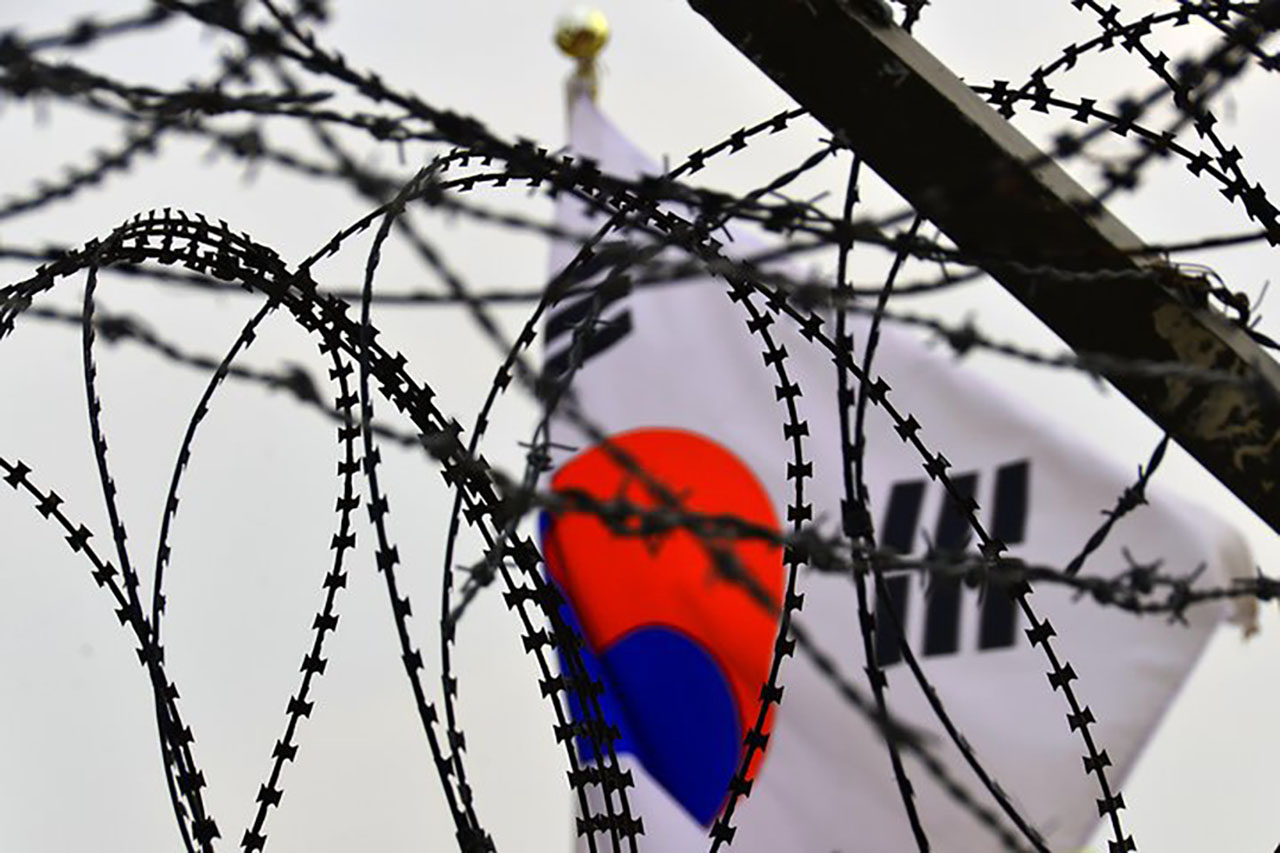
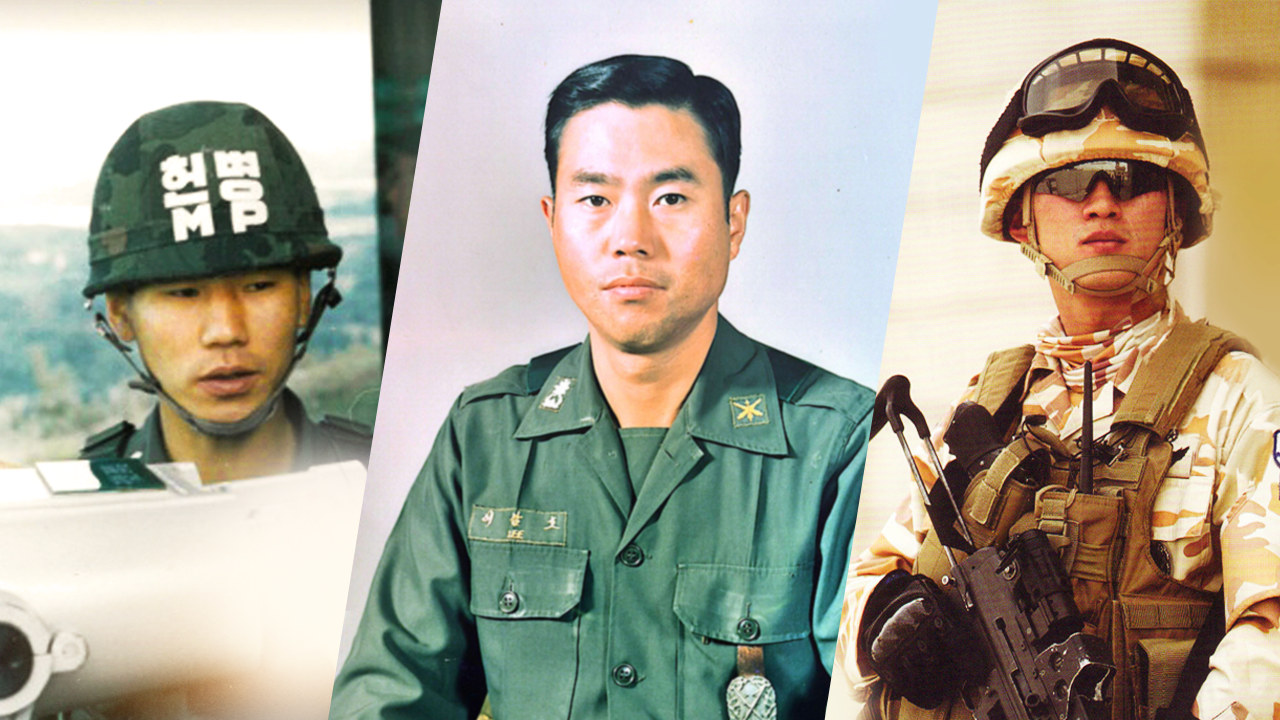
What sets this tour apart is the rare perspective of your guide, Jayce — a former South Korean soldier who spent 19 months at a General Outpost inside the Eastern DMZ, one of the closest positions to North Korea. He didn’t just study this place; he lived it.
On this tour, you won’t hear generic explanations or scripted commentary. Instead, Jayce brings the DMZ to life through gripping firsthand stories — the long silent nights on watch, the sudden alerts that shook the outpost, and the emotional moments that revealed the true cost of Korea’s division. His experiences make each stop deeper, more meaningful, and unforgettable.
If you want a DMZ tour with real insight, real emotion, and real stories from someone who stood on the front line, this is the experience you’ve been searching for. You’ll walk away with a perspective few visitors gain — and an understanding that stays with you long after the tour ends.
This isn’t just another DMZ tour.
It’s the one that leaves an impact.
Available options
Private DMZ Tour with a Veteran Who Served There
Pickup included
What's included
Admission fee
Coffee and/or Tea
Gas
Detailed itinerary
1
Stop 1
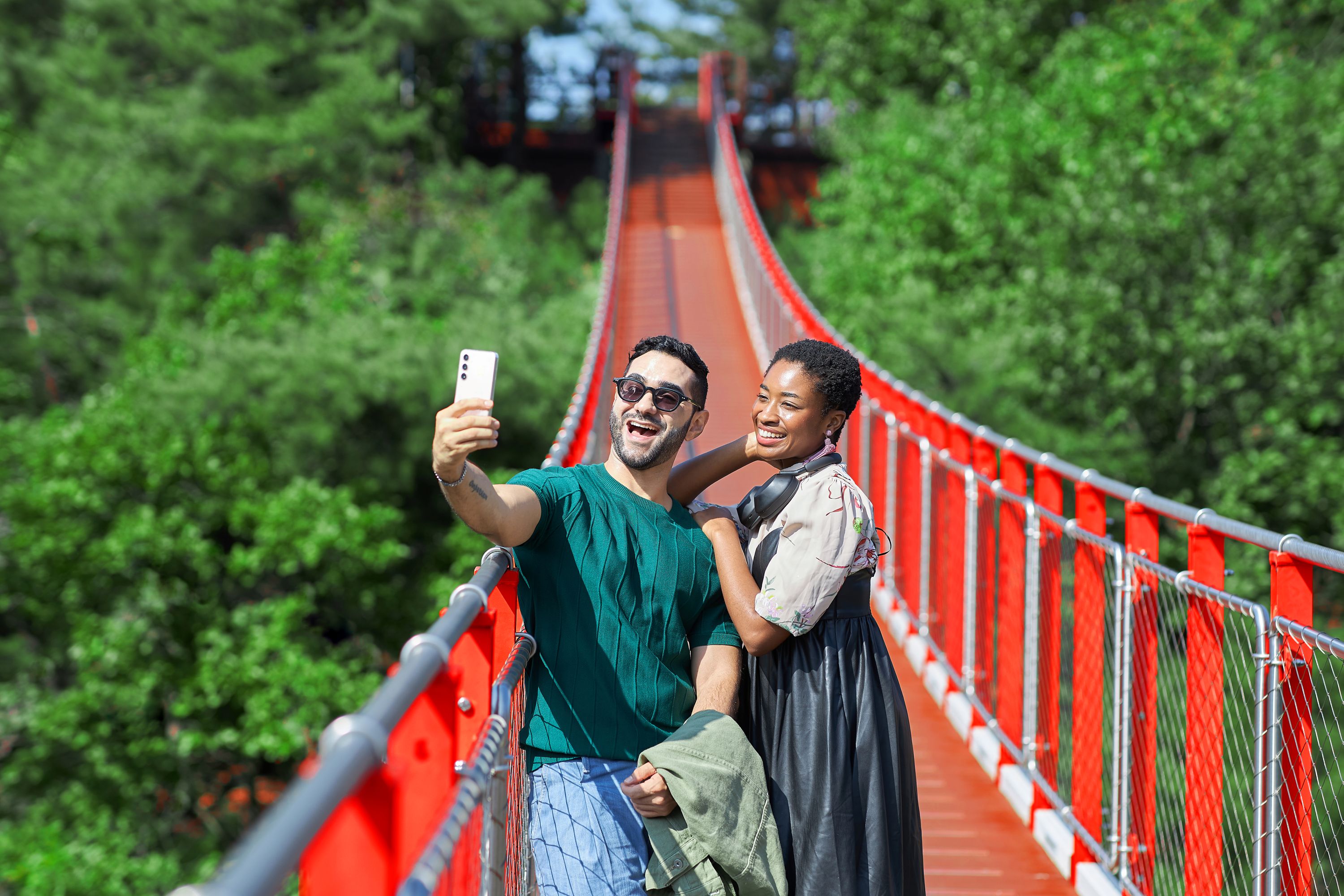
Located near the DMZ in Paju, Imjingak Peace Nuri Park stands as a symbol of Korea’s hope for reunification. This expansive riverside park features landmarks such as the Freedom Bridge, remnants of the Korean War, and art installations created from barbed wire and peace messages. Visitors can wander across wide green fields dotted with wind-powered sculptures while reflecting on Korea’s divided history and its aspirations for lasting peace.
2
Stop 2
Situated on Mount Dora, the Dora Observatory offers a rare opportunity to look across the Demilitarized Zone (DMZ) into North Korea. From its viewing platform, visitors can see Kaesong City, North Korean propaganda villages, and the surrounding landscape through high-powered binoculars. It is one of the closest places where civilians can safely observe North Korea, providing a powerful perspective on the peninsula’s division.
3
Stop 3
Discovered in 1978, the Third Infiltration Tunnel is a vivid reminder of Cold War tensions. Secretly dug by North Korea, the tunnel stretches more than 1.6 kilometers toward Seoul and could have allowed thousands of soldiers to pass through within an hour. Visitors can walk a portion of the tunnel wearing safety helmets and learn about its discovery at the DMZ Exhibition Hall, which highlights ongoing efforts toward peace and security.
4
Tongilchon, or Unification Village, is a small farming community located just south of the DMZ. Established to promote peace and coexistence, it is known for its clean air, organic crops, and unique position within the Civilian Control Zone. Visitors can sample local specialties such as soybean products and ginseng, shop for regional goods, and experience everyday life near the border.
5
Odusan Unification Tower offers one of the most unique and accessible vantage points for viewing North Korea across the Han River. From the observatory, visitors can clearly see North Korean villages, fields, and daily life unfolding just beyond the border. Inside the tower, exhibits explore the history and development of Korea’s division, the human stories behind the separation, and the nation’s enduring hopes for peaceful reunification. As you walk through the halls and take in the sweeping riverside views, the site provides a thoughtful and meaningful space to reflect on the past, present, and future of the Korean Peninsula.
What's not included
Gratuity
Meals
Personal expenses
Available languages
Guide guide
EN
Important information
Infants and small children can ride in a pram or stroller
Public transportation options are available nearby
Infants are required to sit on an adult’s lap
Specialized infant seats are available
Not recommended for pregnant travelers
Not recommended for travelers with poor cardiovascular health
Travelers should have at least a moderate level of physical fitness
Important notes
Our guide ask you to show us your ticket
About Seoul
Seoul, the capital of South Korea, is a dynamic metropolis where ancient palaces stand alongside futuristic skyscrapers. Known for its vibrant street life, cutting-edge technology, and rich cultural heritage, Seoul offers a unique blend of tradition and modernity that captivates every traveler.
Top Attractions
Gyeongbokgung Palace
The largest of the Five Grand Palaces built during the Joseon Dynasty, Gyeongbokgung is a must-visit for its historical significance and beautiful architecture.
Historical
2-3 hours
3,000 KRW (free for those wearing hanbok)
Bukchon Hanok Village
A traditional Korean village nestled between Gyeongbokgung Palace and Changdeokgung Palace, offering a glimpse into traditional Korean life.
Cultural
1-2 hours
Free (some cultural experiences may have fees)
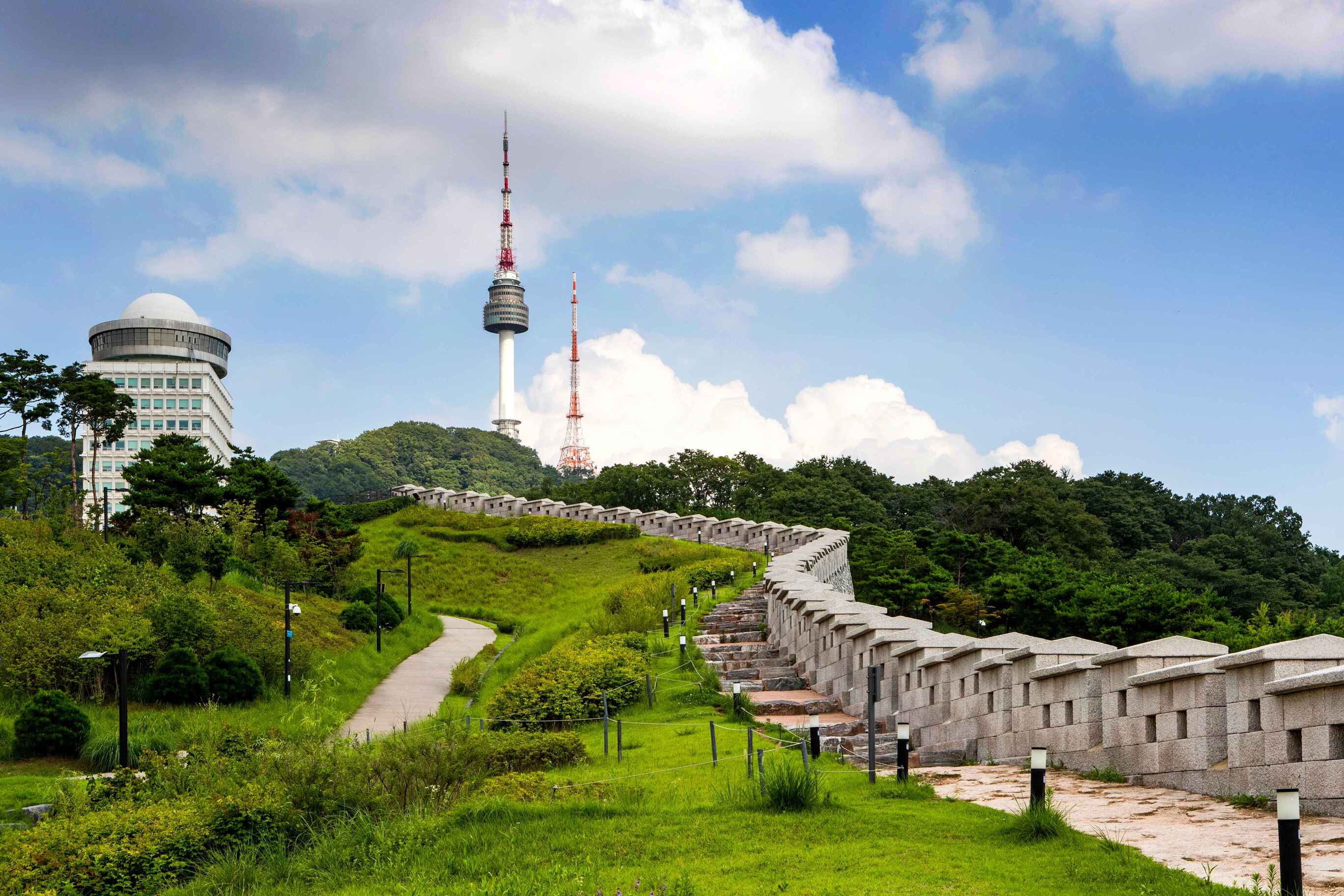
Namsan Seoul Tower
Located atop Namsan Mountain, this iconic tower offers panoramic views of Seoul and is a popular spot for couples to lock love locks.
Viewpoint
2-3 hours
10,000 KRW (observatory), 1,500 KRW (cable car)
Myeongdong
A bustling shopping district known for its street food, fashion, and beauty products, offering a vibrant and energetic atmosphere.
Shopping
Half-day
Varies widely, from budget to luxury
Hongdae
A lively and youthful neighborhood near Hongik University, famous for its nightlife, street performances, and trendy cafes.
Entertainment
Evening or night
Varies widely, from budget to upscale
Must-Try Local Dishes
Kimchi
Fermented spicy cabbage, a staple in Korean cuisine, often served with every meal.
Side dish
Vegetarian (check for seafood in some varieties)
Bibimbap
A mixed rice bowl with vegetables, meat, and gochujang (spicy paste), often served with a fried egg.
Main dish
Can be made vegetarian or vegan
Bulgogi
Marinated grilled beef, often served with rice and side dishes.
Main dish
Contains meat
Tteokbokki
Spicy stir-fried rice cakes, a popular street food often served with fish cakes and boiled eggs.
Snack
Vegetarian (check for seafood in some varieties)
Popular Activities
Hiking in Bukhansan National Park
Biking along the Han River
Water sports at Seokchon Lake
Visiting traditional tea houses
Enjoying a jjimjilbang (Korean spa) experience
Strolling through scenic gardens and parks
Participating in a traditional hanbok photo shoot
Attending a traditional Korean performance
Best Time to Visit
April to June, September to November
Spring and autumn offer comfortable temperatures and beautiful scenery, with cherry blossoms in spring and vibrant foliage in autumn. These are the busiest times with higher tourist volumes.
10°C to 25°C
50°F to 77°F
Practical Information
Language
- Official: Korean
- Widely spoken: English (in tourist areas and by younger generations)
- English: Moderately spoken in tourist areas, limited in other places
Currency
South Korean Won (KRW)
Time Zone
Korea Standard Time (KST, GMT+9)
Electricity
220VV, 60HzHz
Safety Information
Overall Safety Rating: Generally safe
Seoul is generally a safe city for travelers, with low crime rates and a strong police presence. However, as with any major city, it is important to be aware of your surroundings and take precautions to ensure a safe and enjoyable trip.
Important Precautions:
- • Be cautious of your surroundings and belongings, especially in crowded areas
- • Use reputable transportation services and avoid unlicensed taxis
- • Be wary of strangers offering help or assistance, as they may be trying to scam you
Getting there
By air
- Incheon International Airport • 52 km from city center
- Gimpo International Airport • 15 km from city center
By train
Seoul Station, Yongsan Station
By bus
Seoul Express Bus Terminal, Central City Bus Terminal, East Seoul Bus Terminal
Getting around
Public transport
The subway system is efficient, clean, and easy to navigate. It operates from 5:30 AM to 12:00 AM, with frequent trains.
Taxis
Available • Apps: KakaoTaxi, T-money
Rentals
Car, Bike, Scooter
Neighborhoods
Jongno
Gangnam
Hongdae
Itaewon
Insadong
Day trips
DMZ (Korean Demilitarized Zone)
50 km from Seoul • Half day to full day
A unique and fascinating day trip, the DMZ offers a glimpse into the history and current status of the Korean Peninsula, with tours visiting various historical sites and observation points.
Nami Island
56 km from Seoul • Half day to full day
A picturesque island known for its beautiful landscapes, walking trails, and filming locations for popular K-dramas like 'Winter Sonata'.
Suwon
30 km from Seoul • Full day
A historic city known for its well-preserved fortress, traditional markets, and cultural attractions, offering a mix of history, culture, and local cuisine.
Festivals
Seoul International Fireworks Festival • Mid-October (annual)
Seoul Lantern Festival • Late November to early December (annual)
Cherry Blossom Festival • Late March to early April (annual)
Pro tips
- Learn a few basic Korean phrases to enhance your experience and show respect for the local culture
- Use a T-money card for convenient and discounted public transportation
- Try street food and local specialties for an authentic and delicious culinary experience
- Visit popular attractions early in the morning or late in the afternoon to avoid crowds
- Explore Seoul's diverse neighborhoods and hidden gems for a more unique and immersive experience
From $25
per person
Price varies by option
Secure booking
Free cancellation available
Instant confirmation






![[Paju DMZ Private Guided Tour] 3rd Tunnel & Camp Greaves and more](https://res.klook.com/image/upload/activities/gggvsx4xkuach09dhyiu.jpg)