Guided tour of the Aljafería Palace
Active
2h - 2h
For a full refund, cancel at least 24 hours before the scheduled departure time.
Instant confirmation
Mobile or paper ticket accepted
About this experience
“O Alcazar of joy! Oh golden hall!
With you I fulfilled my longings.
If in my kingdom only that had,
Nothing else I would miss.”
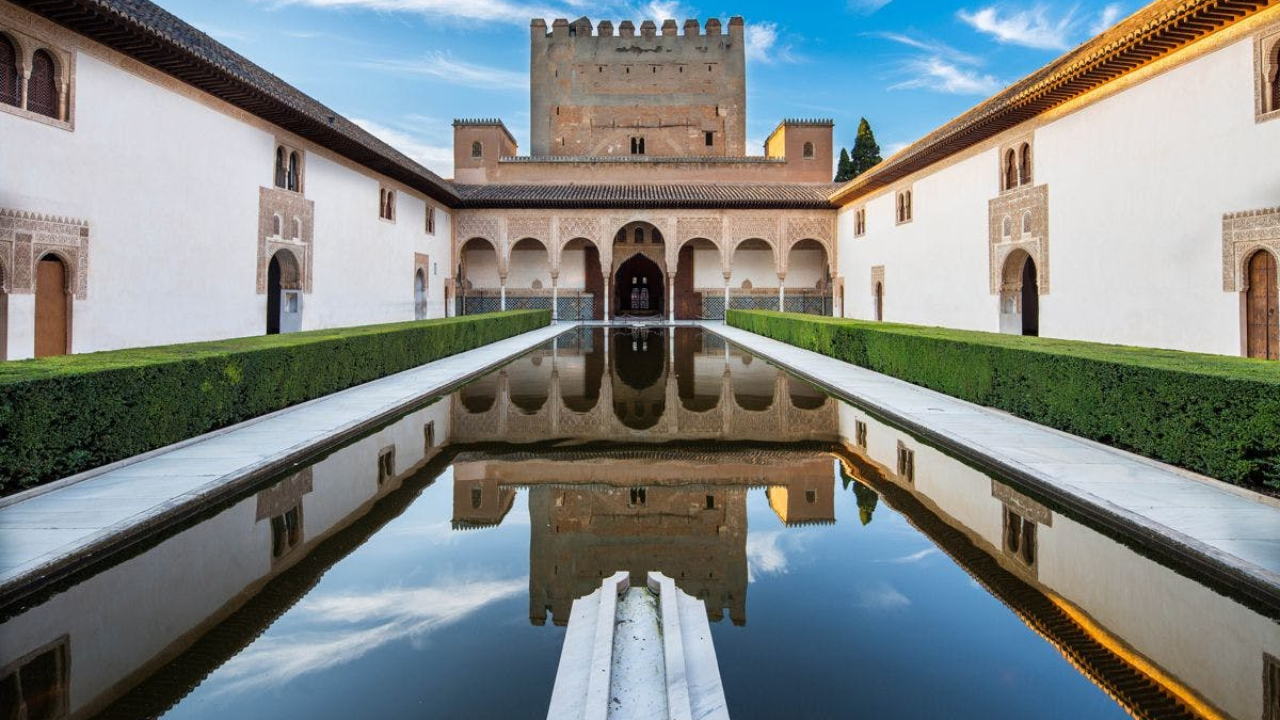
This is how Al-Muqtádir, king of the taifa of Saraqusta, described his newly built recreational home, the Aljafería Palace.
Since it was built in the s. IX, has had different owners and uses as a palace of the Catholic Monarchs, court and jail of the Holy Office or military barracks, until today as the seat of the Courts of Aragon.
This palace is an indispensable part of Spanish-Muslim art and is declared a UNESCO World Heritage Site within the “Mudejar Architecture of Aragon” complex.
In this visit we will see all the rooms open to the public and we will immerse ourselves in them thanks to digital recreations, photographs, sounds and smells that will transport us over the centuries.
Discover its long and complex history and by extension that of Aragon in the most complete visit to this monument.
Available options
Guided tour of the Aljafería Palace
What's included
For groups of more than 10 people radio guides will be used so that you can listen to the guide easily.
Detailed itinerary
1
You will meet the guide in front of the ticket offices of the Aljafería Palace from there we will move inside to learn about the long and complex history of this monument.
Available languages
Guide guide
ES
Important information
Infants and small children can ride in a pram or stroller
Service animals allowed
Public transportation options are available nearby
Suitable for all physical fitness levels
Meeting point
We will meet in front of the Aljafería Palace next to the ticket offices. The guide will go with a blue folder and pink backpack.
About Zaragoza
Zaragoza, the capital of Aragón, is a vibrant city rich in history and culture. Known for its impressive architecture, including the iconic Basilica of Our Lady of the Pillar, the city offers a blend of Roman, Moorish, and modern influences. Its strategic location along the Ebro River and the ancient Via Tolosa makes it a key historical and commercial hub.
Top Attractions
Basilica of Our Lady of the Pillar
This stunning baroque basilica is one of the most important pilgrimage sites in Spain. It is dedicated to the Virgin Mary and houses the Holy Chapel, where the image of the Virgin is kept.
Religious
1-2 hours
Free entry to the basilica, €3 for the Holy Chapel and museum
Aljafería Palace
This 11th-century palace is a masterpiece of Islamic architecture and was originally built as a fortified palace for the kings of the Taifa of Zaragoza.
Historical
1-2 hours
€5
La Seo Cathedral
This cathedral is a blend of different architectural styles, including Romanesque, Gothic, and Baroque. It is dedicated to the Savior of Zaragoza and is one of the city's most important historical landmarks.
Historical
1-2 hours
€5
Caesaraugusta Roman Ruins
These well-preserved Roman ruins offer a glimpse into Zaragoza's ancient past. The site includes the remains of Roman baths, a forum, and a theater.
Historical
1-2 hours
€6
Goya Museum
This museum is dedicated to the works of Francisco Goya, one of Spain's most famous artists. It houses a collection of his paintings, drawings, and engravings.
Museum
1-2 hours
€6
Must-Try Local Dishes
Ternasco
A traditional roast lamb dish, often served with potatoes and vegetables.
Main course
Contains meat
Migas
A traditional dish made with breadcrumbs, garlic, and pork, often served with eggs and chorizo.
Main course
Contains meat
Fardeles
A traditional dish made with blood sausage, bacon, and rice, often served with a tomato sauce.
Main course
Contains meat
Borrajas
A traditional dish made with borraja (a type of herb), often served with garlic and vinegar.
Side dish
Vegetarian
Popular Activities
Hiking in the natural parks
Rock climbing in Bardena Negre
Cycling along the Ebro River
Visiting the spas and thermal baths
Strolling through the city's parks and gardens
Enjoying a meal at a traditional restaurant
Visiting the city's museums and historic sites
Attending a local festival or event
Best Time to Visit
March to May, September to November
These months offer comfortable temperatures and fewer crowds, making it perfect for sightseeing and outdoor activities. The weather is ideal for exploring the city's historic sites and enjoying local festivals.
15-25°C
59-77°F
Practical Information
Language
- Official: Spanish
- Widely spoken: English, French
- English: Moderately spoken
Currency
Euro (EUR)
Time Zone
GMT+1 (Central European Time)
Electricity
230VV, 50HzHz
Safety Information
Overall Safety Rating: Generally safe
Zaragoza is generally a safe city, with low crime rates. However, as with any tourist destination, it's important to be aware of your surroundings and take precautions to protect your belongings.
Important Precautions:
- • Be aware of your surroundings, particularly in crowded areas.
- • Keep your belongings secure and out of sight.
- • Use licensed taxis or ride-sharing apps.
Getting there
By air
- Zaragoza Airport • 12 km from city center
By train
Zaragoza-Delicias Station
By bus
Zaragoza Bus Station
Getting around
Public transport
The bus network is comprehensive and covers most of the city. Buses are an affordable and efficient way to get around.
Taxis
Available • Apps: Cabify, Uber
Rentals
Car, Bike, Scooter
Neighborhoods
El Tubo
El Gancho
Las Delicias
Day trips
Monastery of Piedra
100 km from Zaragoza • Full day
This stunning monastery is set in a beautiful natural park with waterfalls, gardens, and hiking trails. It's a perfect day trip for nature lovers.
Bardena Negre
130 km from Zaragoza • Full day
This unique natural park is known for its dramatic landscapes, including cliffs, canyons, and badlands. It's a great place for hiking and wildlife spotting.
Calatayud
80 km from Zaragoza • Full day
This historic town is known for its well-preserved Roman and Moorish ruins, as well as its traditional olive oil production.
Festivals
Fiestas del Pilar • October 12
Semana Santa • March or April (dates vary)
Zaragoza Film Festival • October
Pro tips
- Visit the Basilica of Our Lady of the Pillar early in the morning or late in the afternoon to avoid crowds.
- Try the local tapas and wine at the many bars and restaurants in El Tubo.
- Take a day trip to the Monastery of Piedra to see the stunning waterfalls and gardens.
- Explore the city's neighborhoods, such as El Gancho and Las Delicias, for a more local experience.
- Visit the city's markets, such as the Mercado Central, for fresh produce, meats, cheeses, and local specialties.
From $25
per person
Price varies by option
Secure booking
Free cancellation available
Instant confirmation