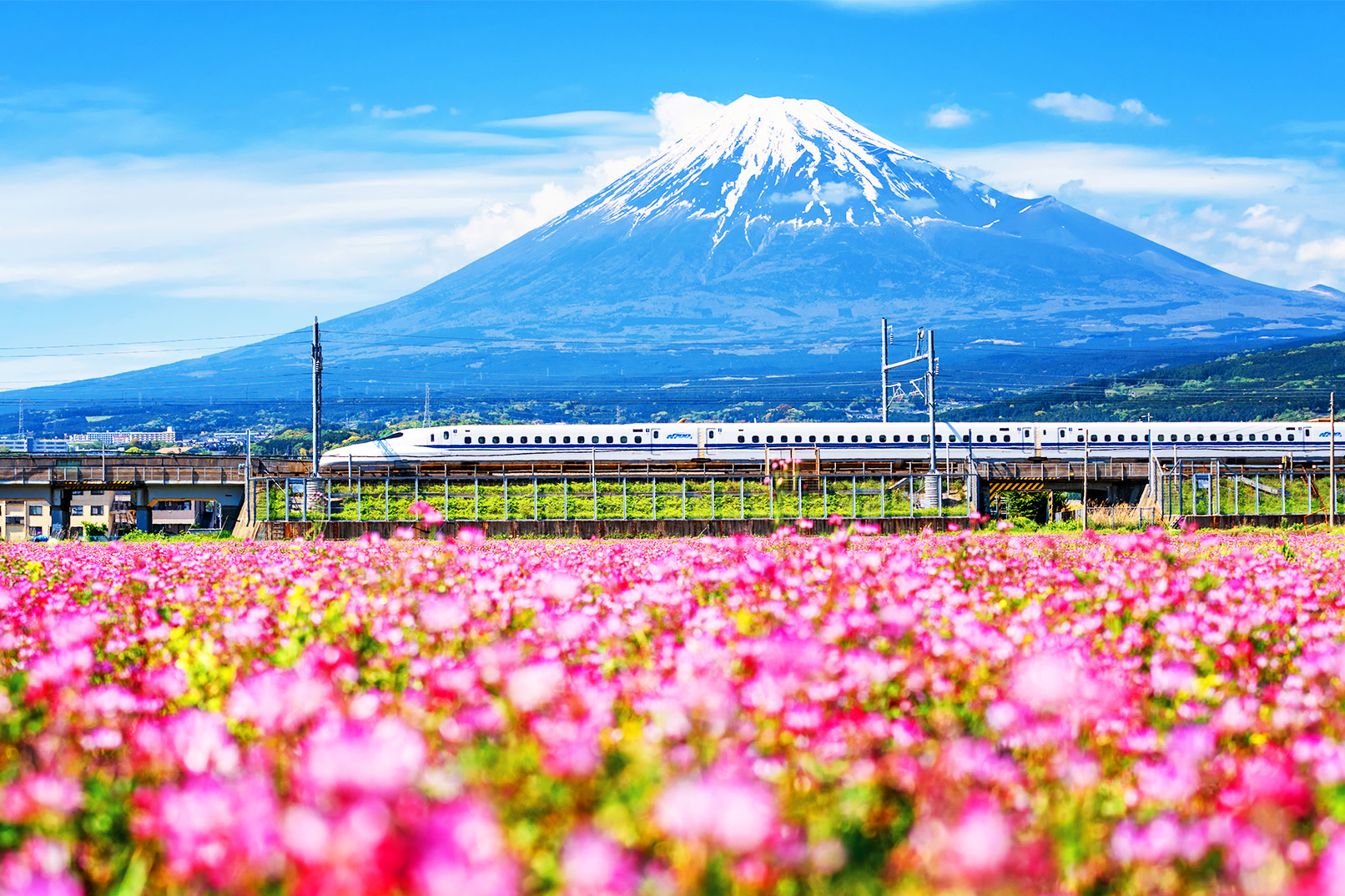
Wonderful Peaks & Peace: Mt. Fuji, Fuji Stupa & Hakone Tour
Active
10h
For a full refund, cancel at least 24 hours before the scheduled departure time.
Instant confirmation
Mobile or paper ticket accepted
About this experience
The area surrounding Mount Fuji is a captivating blend of natural beauty and cultural landmarks. To the north lies the Fuji Five Lakes region (Fujigoko), where serene lakes such as Kawaguchi and Yamanaka offer stunning views of the mountain's towering presence. The Aokigahara Forest, also known as the "Sea of Trees," stretches to the west, offering a dense, mysterious landscape with hiking trails and caves formed by ancient lava flows. The slopes of the mountain are dotted with lush forests, hot springs in the Hakone area to the south, and traditional villages that offer a glimpse into rural Japanese life. The region is rich in cultural heritage, with ancient shrines, such as the Fujisan Hongu Sengen Taisha, located at the base of the mountain. Together, these natural and cultural features make the surroundings of Mount Fuji a serene and spiritually significant destination.
Available options
Mt.Fuji 5th station admission
optional admission for Mt.Fuji<br/>Pickup included
Mount Fuji Full Day Private Tour
Pickup included
What's included
WiFi on board
guide
Air-conditioned vehicle
Pick up and Drop
highway fee
Detailed itinerary
1
Stop 1
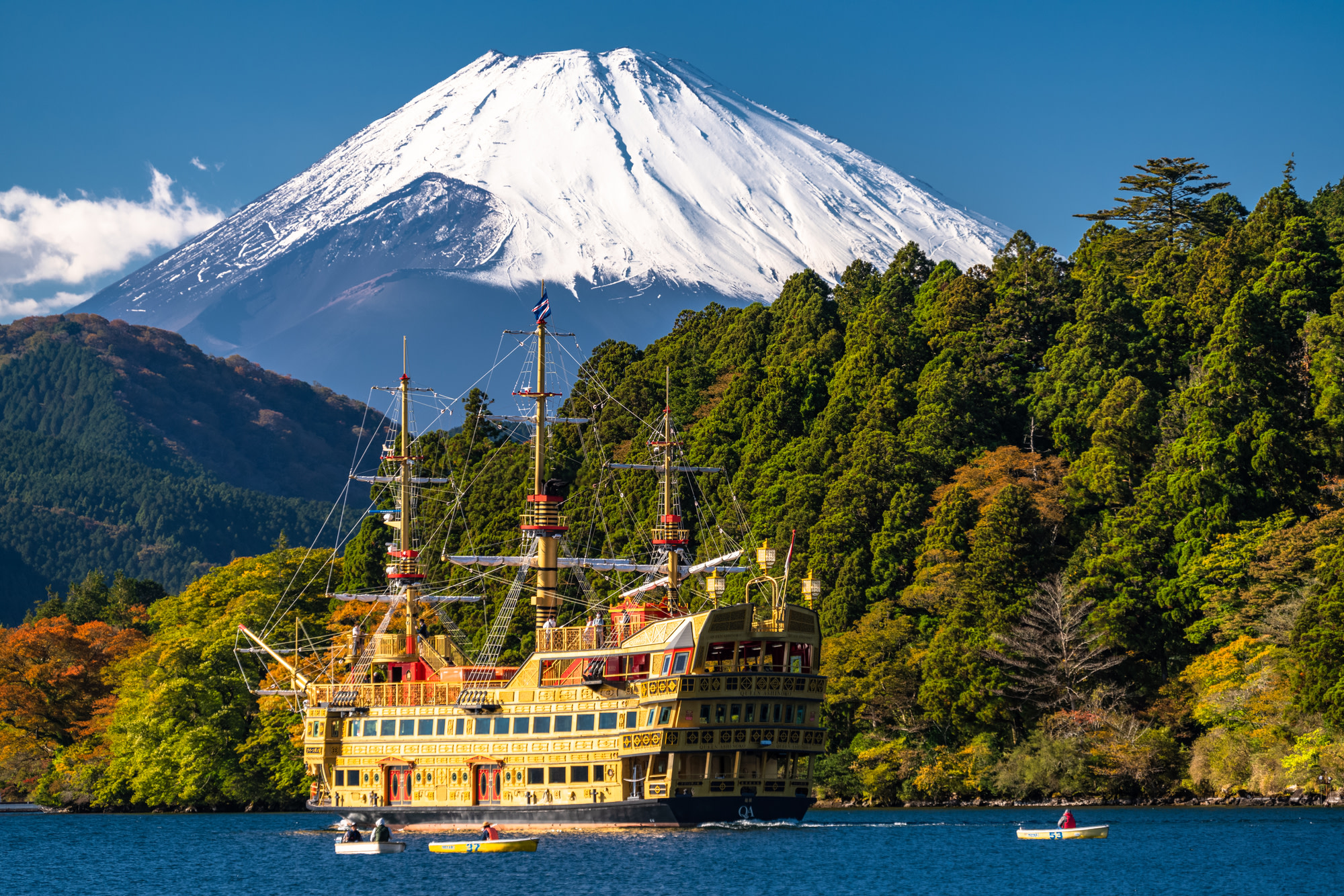
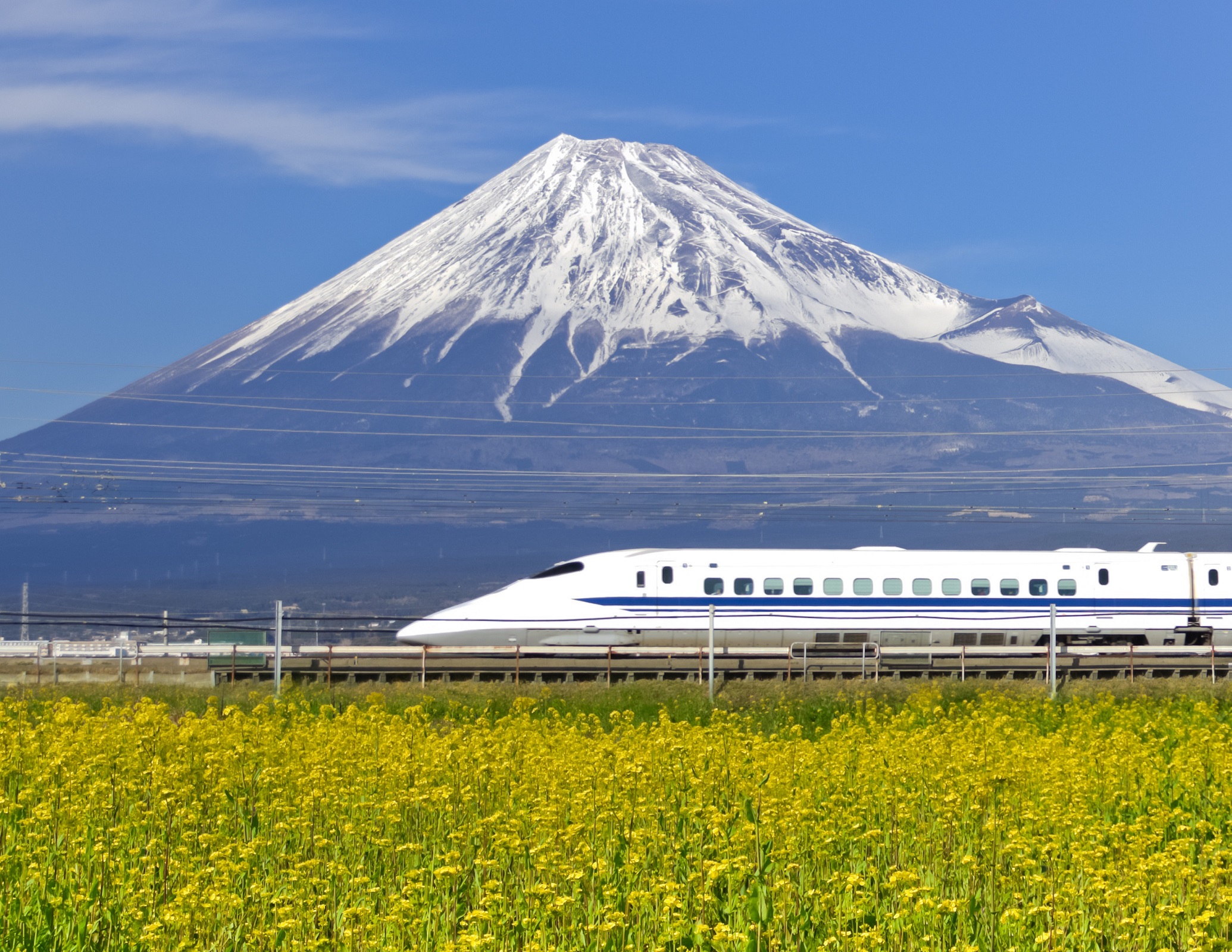
Standing at 3,776 meters, Mt. Fuji is the tallest peak in Japan, the result of volcanic activity that began approximately 100,000 years ago. Today, Mt. Fuji and the surrounding area are a popular recreational destination for hiking, camping and relaxation.
2
The five-story Chureito Pagoda is located on a hill in Arakurayama Sengen Park in Yamanashi Prefecture. It is part of the Arakura Fuji Sengen Shrine, to which it was added in 1963 as a peace memorial. It is reached via 398 steps and is impressive when the weather is clear View of Mount Fuji.
3
Kitaguchi Hongu Fuji Sengen Shrine is one of approximately 1,300 Asama shrines in Japan that enshrine the deity of volcanoes in general and Mount Fuji in particular. The shrine is part of the Mt. Fuji UNESCO World Cultural Heritage site, designated in 2013.
The shrine is located amidst a dense old-growth forest, which today continues to denote ties to the spirit world. The precincts cover 99,000 square meters, making Kitaguchi Hongu Fuji Sengen one of the largest forest shrines in Japan. The long, atmospheric approach to the main shrine is lined with mossy stone lanterns and shaded by tall cedar trees. Of note on the shrine grounds are four trees believed to be approximately 1,000 years old, with a girth of 23 meters.
4
Oshino Hakkai are the eight springs found in Oshino, Yamanashi, Japan. The aquifer water from Mount Fuji comes out to the ground to form these springs. They are a Natural monument of Japan, part of the Mount Fuji World Heritage Site, and one of Yamanashi Prefecture's important tourist attractions
5
Stop 5
Lake Kawaguchi is located in the town of Fujikawaguchiko in southern Yamanashi Prefecture near Mount Fuji, Japan. It is the second largest of the Fuji Five Lakes in terms of surface area, and is located at the lowest elevation
6
Stop 6
oishi Park on the north shore of Kawaguchiko is a park with a superb view of lake and Mt.Fuji at once. Various flowers bloom on the promenade along the lakeside according to the season. On a sunny day, there are many photographers who take pictures of Mt. Fuji, lake and flowers from early morning. There is a large free parking lot and is popular as a rest area of the touring of a bicycle and the motorcycle.
Flowers which bloom in profusion every season, the scenery of wide lake and magnificent view of Mt.Fuji are the charm of only Oishi park. You will feel calm if you stroll slowly in the promenade where flowers bloom while looking at Mt.Fuji.
7
Lake Yamanakako is the largest of the Fuji Five Lakes, and is shaped like a whale when viewed from the air. Due to its high altitude and its relatively shallow water depth, Lake Yamanakako freezes completely in the winter. During the winter months, one can enjoy ice fishing for wakasagi (Japanese pond smelt).
8
Stop 8
If you are doing a Mt. Fuji area trip, don’t forget to see the Narusawa Ice Cave. It is located within the Aokigahara forest and has mesmerizing ice pillars and an ice wall that is visible throughout the year. Walking (carefully!) in the cave is also a peaceful and beautiful experience itself.
What's not included
Tips and Gratitude
Optional admission fee for Mt. Fuji 5th station
Available languages
Guide guide
HI
EN
Reviews breakdown
Tripadvisor
5.0
7 reviews
5★
7
4★
0
3★
0
2★
0
1★
0
Important information
Wheelchair accessible
Infants are required to sit on an adult’s lap
Specialized infant seats are available
Not recommended for travelers with spinal injuries
Not recommended for pregnant travelers
Not recommended for travelers with poor cardiovascular health
Suitable for all physical fitness levels
About Tokyo
Tokyo, the capital of Japan, is a bustling metropolis that beautifully blends traditional culture with cutting-edge technology. Known for its neon-lit streets, historic temples, and world-class cuisine, Tokyo offers a unique experience that caters to every type of traveler.
Top Attractions
Senso-ji Temple
Senso-ji is Tokyo's oldest temple and one of its most significant. The temple's massive lantern and five-story pagoda are iconic landmarks.
Historical/Religious
1-2 hours
Free (small fee for some areas)
Meiji Shrine
Meiji Shrine is a Shinto shrine dedicated to the deified spirits of Emperor Meiji and his wife, Empress Shoken. It is surrounded by a beautiful forest.
Historical/Religious
1-2 hours
Free
Shibuya Crossing
Shibuya Crossing is the world's busiest pedestrian crossing and a symbol of Tokyo's bustling urban life. It's a must-see for its chaotic yet orderly nature.
Cultural
30 minutes to 1 hour
Free (¥2,200 for Shibuya Sky)
Tokyo Skytree
Tokyo Skytree is the tallest tower in Japan and the second tallest freestanding structure in the world. It offers breathtaking views of the city.
Architecture
2-3 hours
¥2,100 to ¥3,100 (USD $15 to $22)
Odaiba
Odaiba is a man-made island in Tokyo Bay known for its shopping, dining, and entertainment options. It's a great place for families and tech enthusiasts.
Entertainment
Half day to full day
Varies by attraction
Must-Try Local Dishes
Sushi
Fresh raw fish served on vinegared rice, a staple of Japanese cuisine.
Dinner
Contains fish, can be vegetarian with substitutes.
Ramen
Noodle soup with various broths and toppings, a popular comfort food.
Lunch/Dinner
Vegan and vegetarian options available.
Tempura
Deep-fried seafood and vegetables, known for its crispy texture.
Lunch/Dinner
Contains seafood and deep-fried ingredients.
Okonomiyaki
Savory pancake with various ingredients, often topped with sauce and bonito flakes.
Lunch/Dinner
Contains seafood and can be made vegetarian.
Popular Activities
Hiking in the nearby mountains
Parasailing at Odaiba
Onsen (hot spring) visits
Tea ceremonies
Traditional tea ceremonies
Kimono rentals and photo shoots
Boat tours on the Sumida River
Beach activities at Odaiba
Best Time to Visit
March to May (Spring) and September to November (Autumn)
These seasons offer comfortable temperatures and beautiful scenery, with cherry blossoms in spring and vibrant foliage in autumn. However, these are also the busiest times for tourism.
10°C to 25°C (50°F to 77°F)
50°F to 77°F
Practical Information
Language
- Official: Japanese
- Widely spoken: English, Chinese, Korean
- English: Moderately spoken in tourist areas, limited elsewhere
Currency
Japanese Yen (JPY)
Time Zone
GMT+9
Electricity
100VV, 50/60HzHz
Safety Information
Overall Safety Rating: Very safe
Tokyo is generally very safe, with low crime rates and a strong emphasis on public order. However, petty crimes like pickpocketing can occur in crowded areas.
Important Precautions:
- • Be cautious of your belongings in crowded areas.
- • Use licensed taxis and check fares before getting in.
- • Be aware of your surroundings, especially at night.
Getting there
By air
- Narita International Airport • 60 km (37 miles) from city center
- Haneda Airport • 15 km (9 miles) from city center
By train
Tokyo Station, Shinjuku Station
By bus
Tokyo Station Bus Terminal, Shinjuku Expressway Bus Terminal
Getting around
Public transport
Tokyo's subway system is efficient, clean, and punctual. It consists of multiple lines operated by Tokyo Metro and Toei Subway.
Taxis
Available • Apps: JapanTaxi, DiDi
Rentals
Car, Bike, Scooter
Neighborhoods
Shibuya
Shinjuku
Asakusa
Ginza
Akihabara
Day trips
Nikko
120 km (75 miles) from Tokyo • Full day
Nikko is a city known for its beautiful shrines, temples, and natural scenery. It's a UNESCO World Heritage site and offers a peaceful retreat from the bustling city.
Kamakura
50 km (31 miles) from Tokyo • Half day to full day
Kamakura is a coastal town known for its historic temples, shrines, and the Great Buddha statue. It's a great place to experience traditional Japanese culture.
Hakone
90 km (56 miles) from Tokyo • Full day or overnight
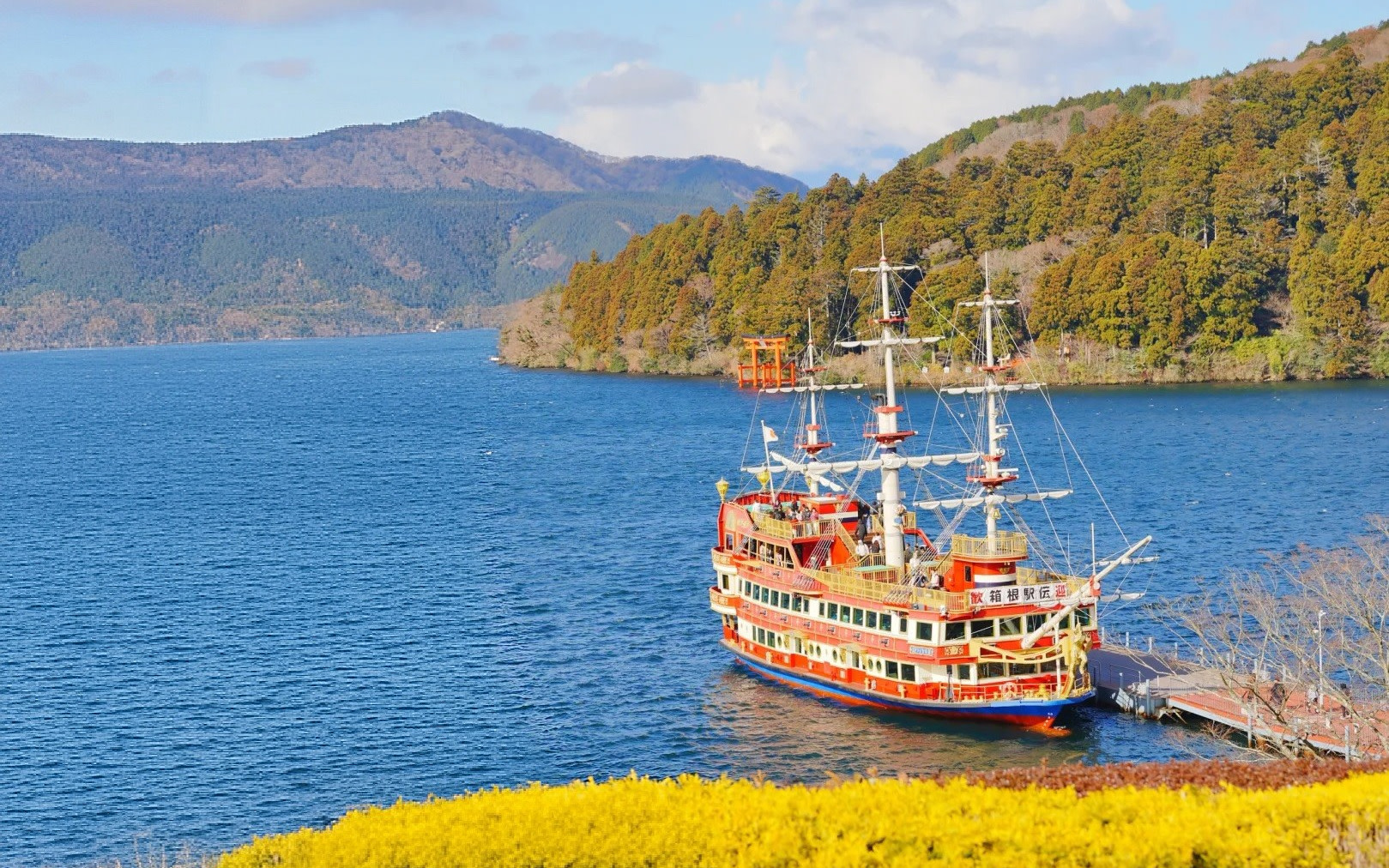
Hakone is a hot spring resort town known for its onsen (hot springs), scenic views of Mount Fuji, and the Open-Air Museum. It's a popular destination for relaxation and nature.
Festivals
Sannō Matsuri • Mid-June (every 2 years)
Kanda Matsuri • Mid-May (every 2 years)
Sumida River Fireworks Festival • Last Saturday of July
Pro tips
- Use IC cards like Suica or Pasmo for convenient and discounted public transport.
- Download useful apps like Google Maps, Japan Transit Planner, and Japan Travel by Navitime.
- Learn a few basic Japanese phrases to enhance your experience and show respect for the local culture.
- Carry cash, as some smaller shops and restaurants may not accept credit cards.
- Visit popular attractions early in the morning or late in the afternoon to avoid crowds.
From $25
per person
Price varies by option
Secure booking
Free cancellation available
Instant confirmation


![[One-Day Tour Exploring the Magnificent Views of Mount Fuji] Arakurayama Sengen Park & Lake Kawaguchi Oishi Park & Oshino Hakkai & Instagram-Famous Lawson & Nikawa Tokeiten (Departure from Tokyo)](https://res.klook.com/image/upload/activities/iuqnww3unmcff9wf1zvx.jpg)
![[Mount Fuji Hakone Day Trip] Owakudani & Lake Ashi Pirate Ship & Lake Yamanaka & Oshino Hakkai & Ropeway Experience Tour (From Tokyo)](https://res.klook.com/image/upload/activities/xresyha7bfmnciibam2l.jpg)
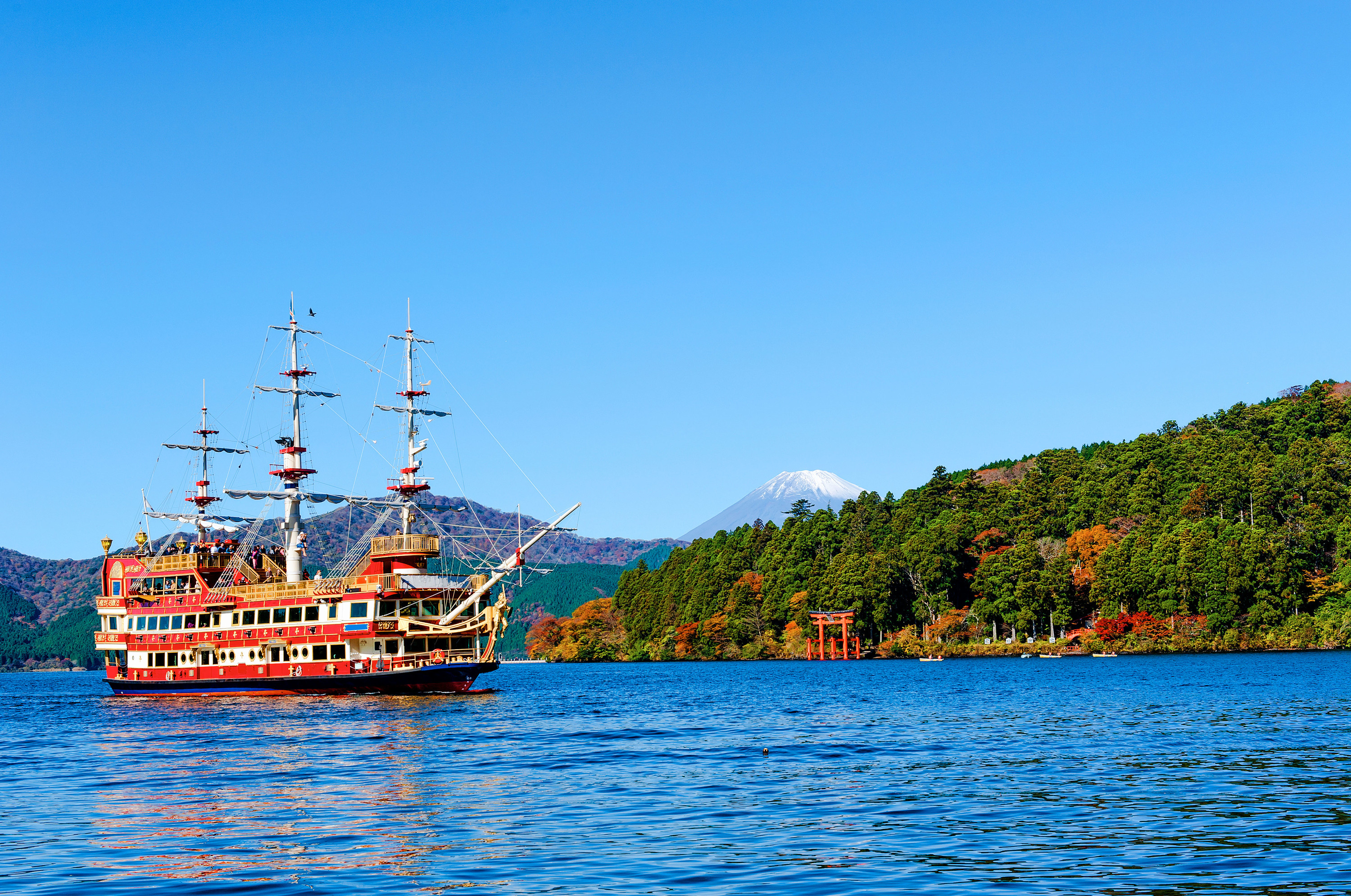
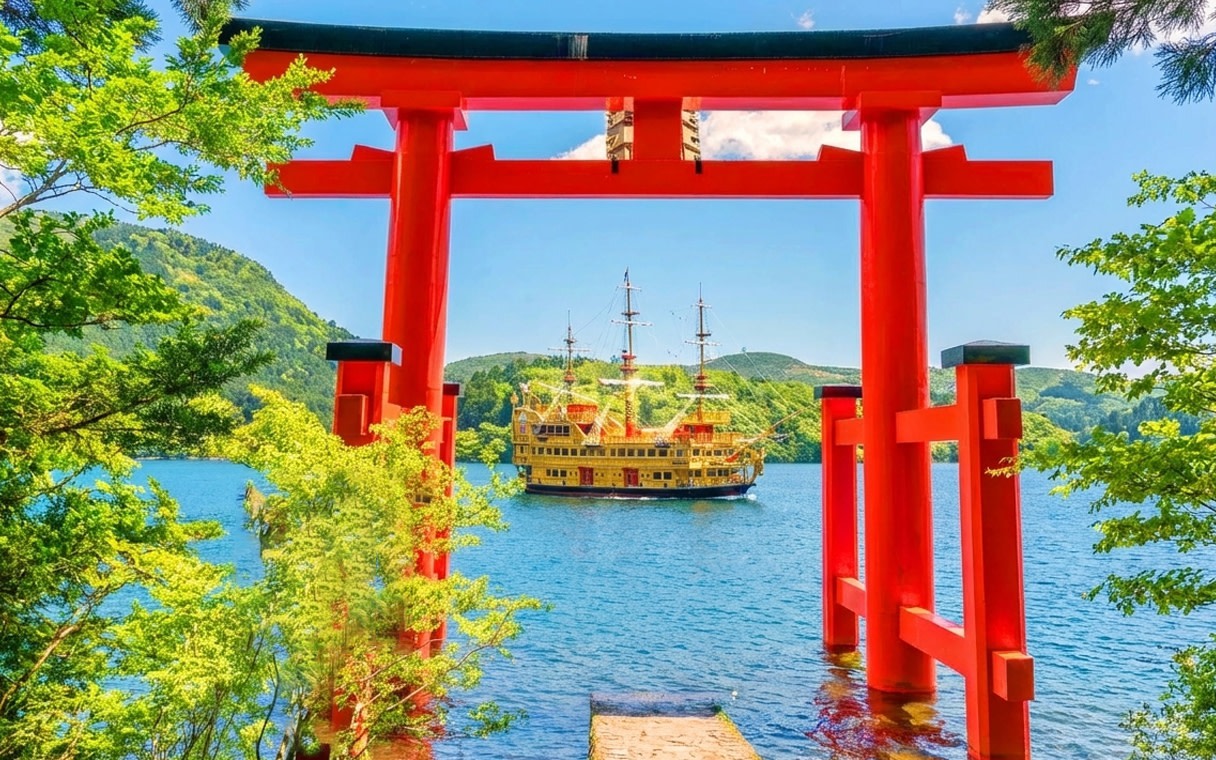
![[Mount Fuji Hakone Day Trip by Land, Sea, and Air] Hakone Shrine & Lake Ashi Floating Torii Gate & Hakone Pirate Ship & Hakone Ropeway (Ropeway Ticket Included) & Owakudani & Yamanakako Swan Lake Beach & Oshino Hakkai | Depart from Tokyo](https://res.klook.com/image/upload/activities/lugmkddvz1mozyecowme.jpg)
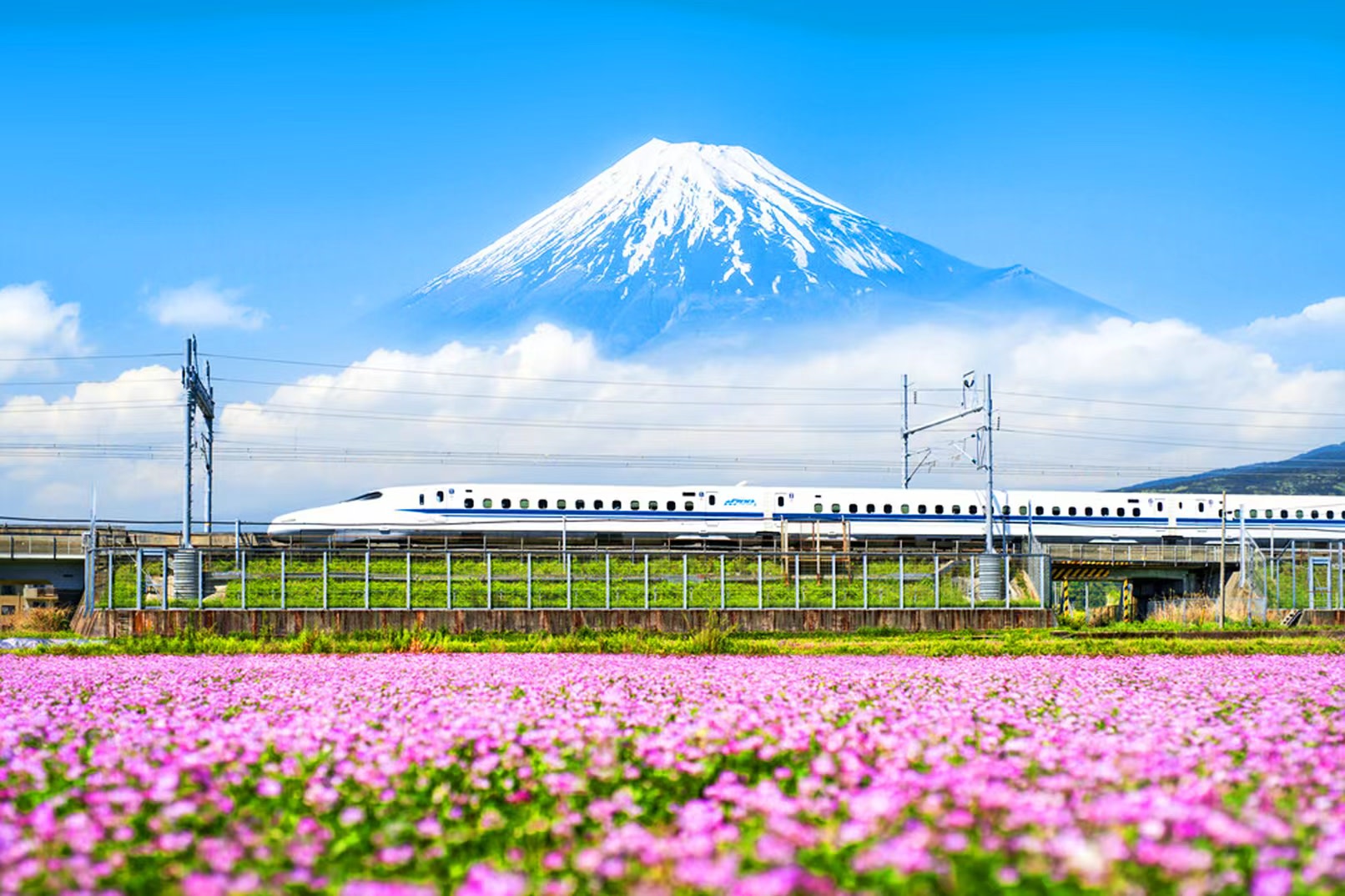
![[Departure from Tokyo] Hakone Shrine, Owakudani, Gotemba Outlets, Mt. Fuji Scenery Day Trip](https://res.klook.com/image/upload/activities/lpdjtouvnsrsvwo69kt0.jpg)
![[One-Day Tour Exploring Scenic Spots of Mt. Fuji] Iyashi no Sato Nenba in Lake Saiko & Arakurayama Sengen Park & Lake Kawaguchi Oishi Park & Oshino Hakkai (From Tokyo)](https://res.klook.com/image/upload/activities/qvv9zfzwdh5me8payfeq.jpg)