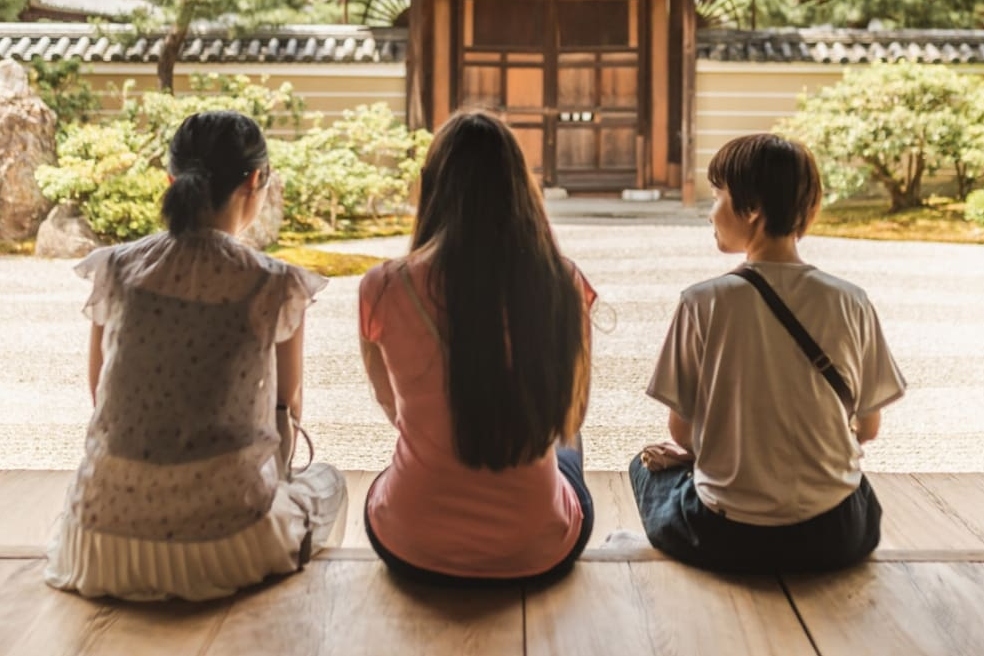
Explore Hidden Temples and Shrines in Kyoto
Active
8h
For a full refund, cancel at least 24 hours before the scheduled departure time.
Instant confirmation
Mobile or paper ticket accepted
About this experience
Discover Kyoto’s quiet beauty on a private full-day tour through hidden temples, peaceful gardens, and local streets.
Visit Kitano Tenmangu Shrine and the traditional Kamishichiken district, then continue to the elegant Ginkaku-ji (Silver Pavilion) and the Philosopher’s Path.
Enjoy a local lunch before exploring Nanzen-ji Temple and its graceful Suirokaku Aqueduct, where Zen tradition meets Meiji-era design.
End your journey at Kennin-ji Temple and Gion, where geiko and maiko still preserve Kyoto’s timeless culture.
A calm, personal experience for travelers seeking the authentic and spiritual side of Kyoto.
Available options
Explore Hidden Temples and Shrines in Kyoto
Pickup included
What's included
Private transportation
Entrance fee
Air-conditioned vehicle
Fuel surcharge
Parking Fees
Detailed itinerary
1
Begin your morning at one of Kyoto’s most historic shrines, dedicated to the god of learning. Stroll through Kamishichiken, Kyoto’s oldest geisha district, where tradition still lives.
2
Located next to Kitano Tenmangu Shrine, Kamishichiken is the oldest geisha district in Kyoto, dating back to the 15th century.
The name means “Upper Seven Houses,” coming from the seven tea houses originally built with leftover wood from the shrine’s reconstruction.
Today, Kamishichiken remains a quiet and elegant neighborhood where geiko (geisha) and maiko (apprentice geisha) still perform traditional dances and tea ceremonies.
Unlike the busy Gion area, this district offers a calm, authentic atmosphere — a rare chance to see the refined side of Kyoto’s entertainment culture.
3
Stop 3
Built in the late 15th century by Shogun Ashikaga Yoshimasa, Ginkaku-ji — the Silver Pavilion — is one of Kyoto’s most elegant Zen temples.
Originally designed as a peaceful mountain villa, it later became a center of Higashiyama Culture, which shaped Japan’s art, tea ceremony, and garden design.
Unlike the golden brilliance of Kinkaku-ji, Ginkaku-ji represents simplicity, quiet beauty, and “wabi-sabi” — finding perfection in imperfection.
Surrounded by moss gardens, raked sand, and scenic paths, it offers a calm, reflective experience that captures the true spirit of Kyoto.
4
Stop 4
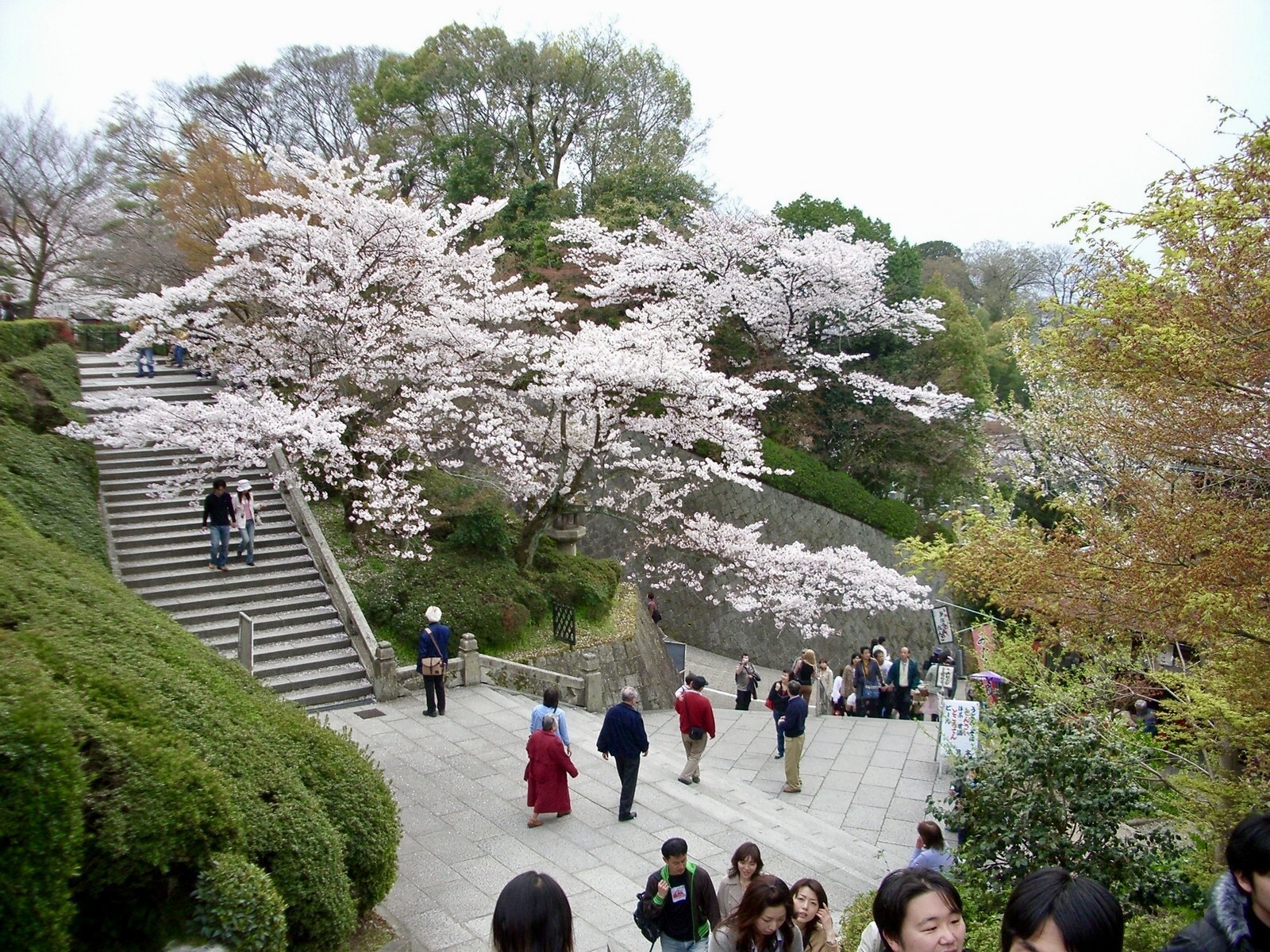
The Philosopher’s Path, or Tetsugaku-no-michi, is a charming stone walkway that follows a canal lined with cherry trees between Ginkaku-ji (Silver Pavilion) and Nanzen-ji Temple.
It’s named after the famous philosopher Nishida Kitaro, who used to stroll this route daily while meditating on life and nature.
In spring, the path is covered in soft pink blossoms; in summer, it’s shaded by green leaves; and in autumn, it glows with fiery colors.
Today, it’s one of Kyoto’s most tranquil places — a perfect escape from the crowds, where travelers can slow down, reflect, and feel the quiet beauty of Japanese simplicity and Zen spirit.
5
Stop 5
Established in 1202 by the monk Eisai, Kennin-ji is Kyoto’s oldest Zen temple and a cornerstone of Japan’s Rinzai Zen tradition.
Eisai was the monk who introduced both Zen Buddhism and green tea from China to Japan.
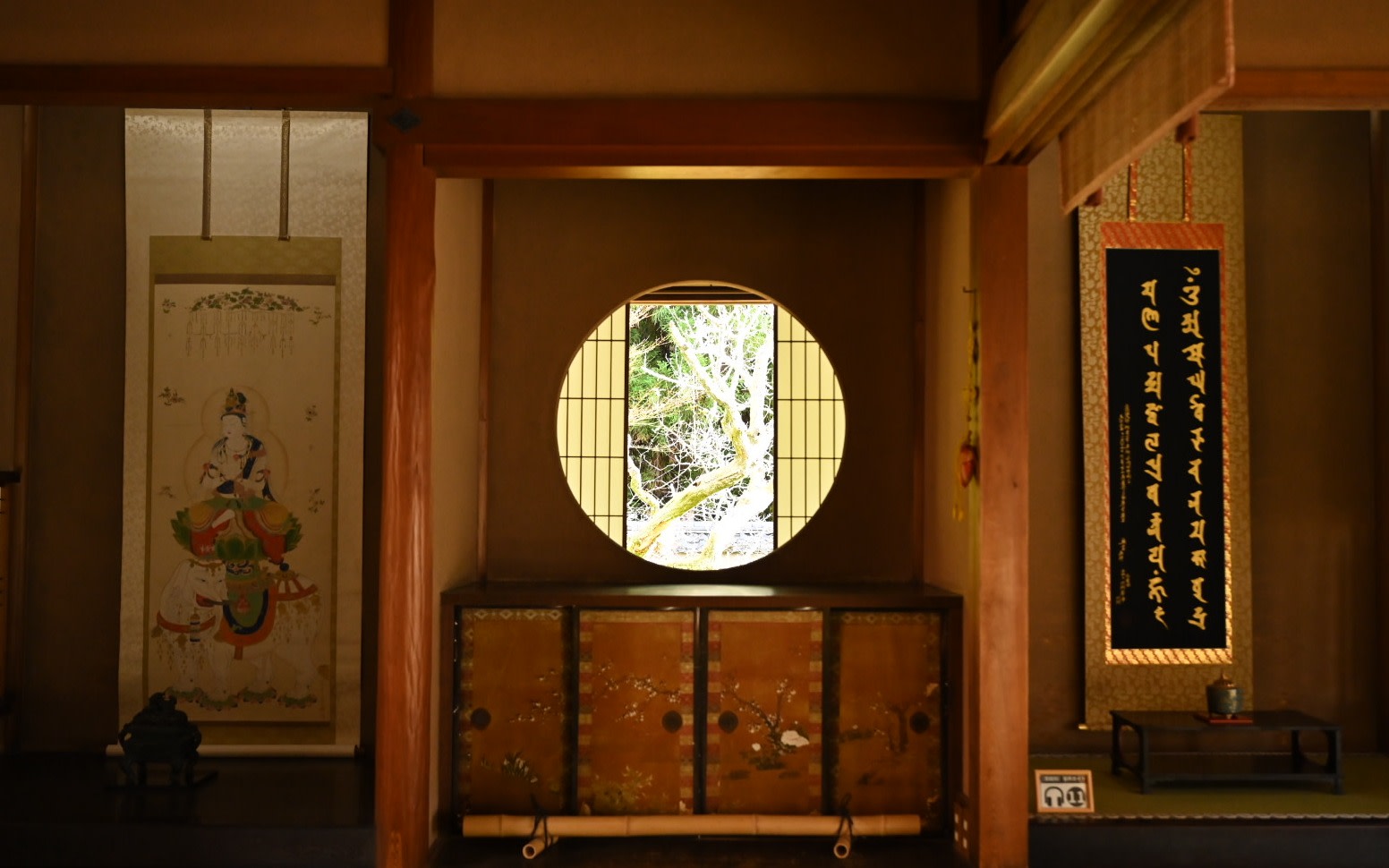
Inside the temple, visitors can admire the masterpiece “Wind and Thunder Gods” by artist Tawaraya Sotatsu and the breathtaking Twin Dragon ceiling painting.
Located at the edge of Gion, Kennin-ji offers a serene contrast to the busy streets outside — a perfect place to feel the harmony of spiritual calm and artistic beauty that defines Kyoto.
6
The Gion District is Kyoto’s most famous and picturesque geisha quarter, located between Yasaka Shrine and the Kamo River.
With its preserved wooden teahouses (ochaya), narrow stone lanes, and soft lantern light at dusk, Gion feels like stepping back in time.
Here, geiko (Kyoto-style geisha) and maiko (apprentices) still perform elegant dances and tea ceremonies, continuing centuries-old traditions of grace and hospitality.
Strolling through the Hanami-koji or Shirakawa area in the evening, visitors can experience the refined atmosphere of old Kyoto — a world where culture, beauty, and serenity quietly meet.
7
Stop 7
Founded in 1291 by Emperor Kameyama, Nanzen-ji is one of Japan’s most important Zen temples and the head temple of the Nanzen-ji branch of the Rinzai sect.
Originally built as an imperial villa, it became a symbol of Zen philosophy, simplicity, and discipline.
The temple complex features the iconic Sanmon Gate, elegant rock gardens, and the famous Suirokaku Aqueduct — a red-brick waterway from the Meiji Era that still carries water from Lake Biwa to Kyoto today.
Nanzen-ji beautifully blends ancient spirituality with modern engineering, offering a peaceful balance of tradition, nature, and innovation in the heart of Kyoto.
8
Hidden within the grounds of Nanzen-ji Temple, the Suirokaku Aqueduct is one of Kyoto’s most striking and unexpected sights.
Built in 1889 during the Meiji Era, this red-brick structure was part of the Lake Biwa Canal Project, designed to carry water from Lake Biwa to Kyoto for power, irrigation, and daily use.
With its elegant Roman-style arches blending harmoniously into the temple’s quiet greenery, the aqueduct perfectly symbolizes the meeting of tradition and modernity.
Even today, real water still flows through it — a living reminder of Kyoto’s transformation from ancient capital to modern city.
What's not included
Lunch/Personal Expenses
Tips/Gratuities is welcomed
Available languages
Guide guide
EN
Important information
Wheelchair accessible
Infants and small children can ride in a pram or stroller
Service animals allowed
Public transportation options are available nearby
Infants are required to sit on an adult’s lap
Specialized infant seats are available
Transportation options are wheelchair accessible
All areas and surfaces are wheelchair accessible
Travelers should have at least a moderate level of physical fitness
Important notes
Admission fees for the four main sites included in the tour itinerary are covered.
If travelers wish to visit any additional temples, museums, or attractions beyond the listed locations, the entrance fees for those places will be at their own expense.
About Izumisano
Izumisano is a city in Osaka Prefecture, Japan, known for its proximity to Kansai International Airport and the scenic Mount Koya. It offers a mix of urban convenience and natural beauty, making it an appealing destination for travelers seeking both relaxation and adventure.
Top Attractions
Kansai International Airport
One of Japan's major international gateways, known for its modern design and efficient operations.
Architecture
1-2 hours
Free to explore
Mount Koya
A sacred mountain and UNESCO World Heritage site, known for its ancient temples and natural beauty.
Nature
Full day
Moderate
Izumisano City Museum
A local museum showcasing the history and culture of Izumisano.
Museum
1-2 hours
Free or low cost
Must-Try Local Dishes
Takoyaki
Octopus-filled dough balls, a popular street food in Osaka.
Snack
Contains seafood
Okonomiyaki
Savory pancake made with cabbage and various toppings.
Dinner
Vegetarian options available
Popular Activities
Hiking in Mount Koya
Exploring local markets
Visiting temples and shrines
Enjoying local cuisine
Temple stays in Mount Koya
Visiting local museums
Best Time to Visit
March to May, September to November
Spring and autumn offer pleasant weather with mild temperatures and lower humidity, making it ideal for outdoor activities and sightseeing.
10-25°C
50-77°F
Practical Information
Language
- Official: Japanese
- Widely spoken: English (limited)
- English: Limited
Currency
Japanese Yen (JPY)
Time Zone
GMT+9
Electricity
100VV, 50/60HzHz
Safety Information
Overall Safety Rating: Very safe
Izumisano is a very safe city with low crime rates. However, standard precautions should be taken to ensure a safe and enjoyable trip.
Important Precautions:
- • Keep valuables secure
- • Use reputable taxi services
- • Be cautious of crowded areas
Getting there
By air
- Kansai International Airport • 5 km from city center
By train
Izumisano Station
By bus
Izumisano Station Bus Terminal
Getting around
Public transport
The train system is efficient and covers most of the city and surrounding areas. It is the most convenient way to get around.
Taxis
Available • Apps: JapanTaxi, DiDi
Rentals
Car, Bike, Scooter
Neighborhoods
City Center
Mount Koya Area
Day trips
Osaka
30 km • Full day
Japan's second-largest city, known for its vibrant culture, historic sites, and modern attractions.
Nara
50 km • Full day
A city known for its ancient temples, shrines, and the famous Nara Park with its free-roaming deer.
Festivals
Izumisano Matsuri • Late October
Pro tips
- Use an IC card like ICOCA for easy payments on public transport.
- Visit Mount Koya for a unique cultural experience.
- Try local specialties like takoyaki and okonomiyaki.
- Stay in a temple lodging for an authentic experience.
- Explore the local shopping district for souvenirs and crafts.
From $25
per person
Price varies by option
Secure booking
Free cancellation available
Instant confirmation


![[Kyoto & Nara Twin Ancient Capital World Heritage Tour] Kiyomizu-dera Temple & Fushimi Inari Taisha Shrine & Nara Park Day Trip (Osaka/Kyoto Departure)](https://res.klook.com/image/upload/activities/nmgput2ls6getj63uymy.jpg)

![[Kyoto|Classic Japanese-Style Temple Day Trip] Departure from Osaka/Kyoto](https://res.klook.com/image/upload/activities/jm3lkszhk5e3uvcwtv0e.jpg)
![[Kyoto Sea and Sky Secret Realm Day Trip] Amanohashidate & Ine Boathouse Day Trip | Departure from Osaka/Kyoto](https://res.klook.com/image/upload/activities/s7wapx0nii23dsm03y40.jpg)