Cusco Day Tour in Maras and Moray Chinchero Walk with Alpacas
Active
8h
For a full refund, cancel at least 24 hours before the scheduled departure time.
Instant confirmation
Mobile or paper ticket accepted
About this experience
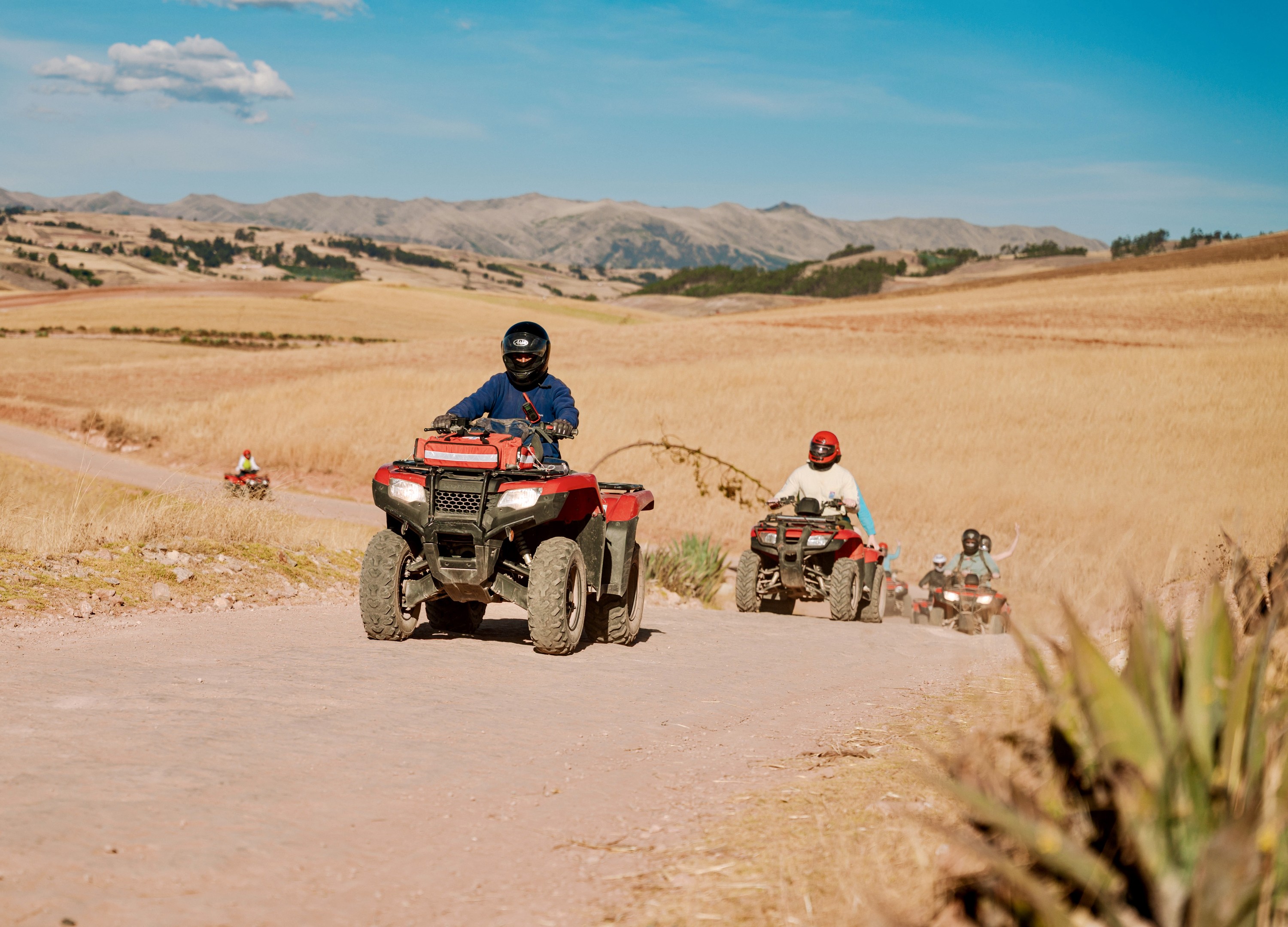
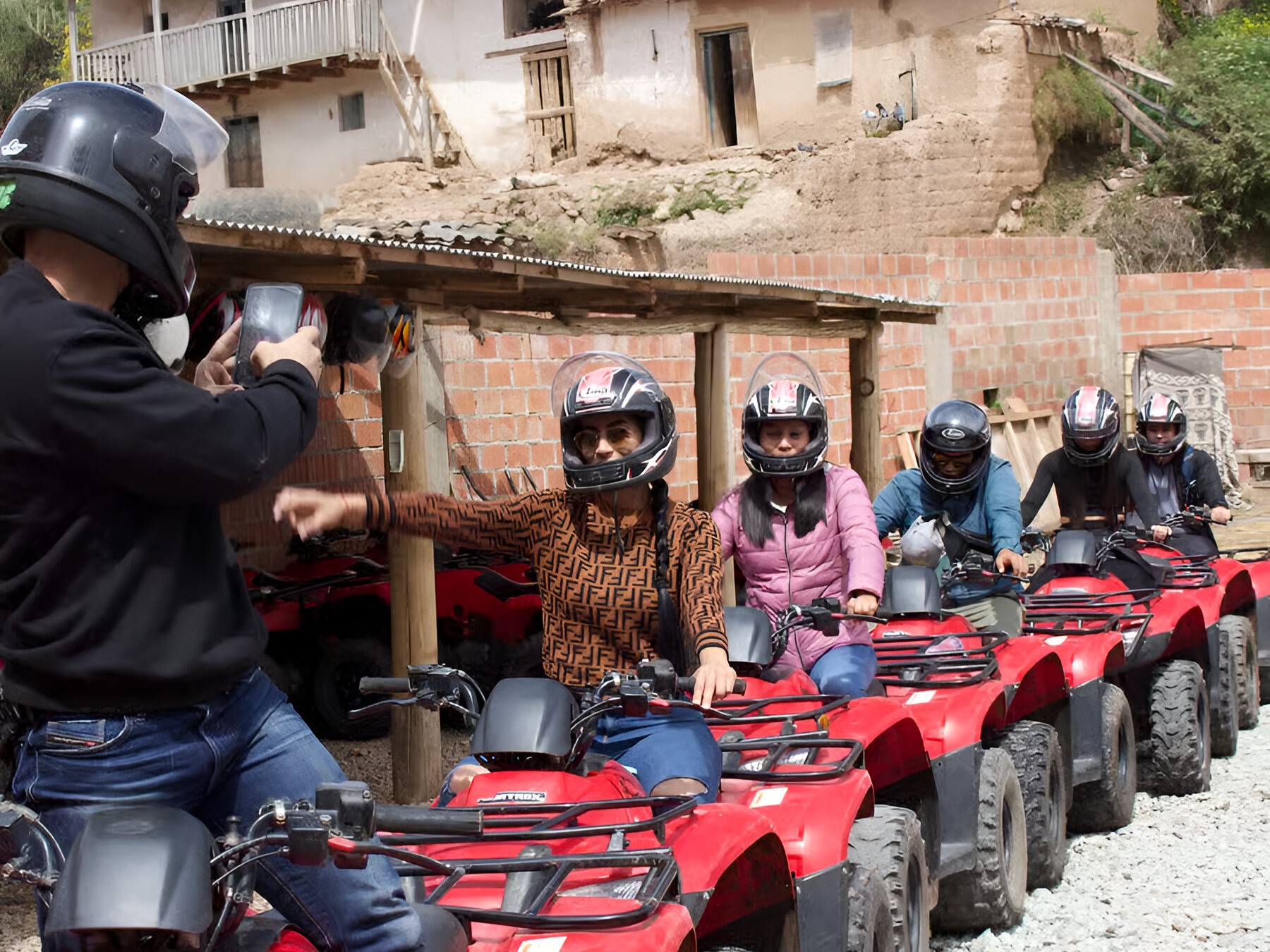
This exclusive tour uniquely combines a visit to the agricultural terraces of Moray, the stunning Maras salt mines, an authentic experience at a traditional Andean chichería, and a peaceful alpaca walk—making it the only tour of its kind in the region. Unlike standard operators that focus solely on archaeological sites, this experience offers a deeper cultural immersion, allowing visitors to explore historical wonders while engaging with the living traditions of local communities. Led by knowledgeable local guides, it’s the perfect choice for travelers seeking an authentic, off-the-beaten-path journey through the heart of the Andes.
Available options
Cusco Day Tour in Maras and Moray Chinchero Walk with Alpacas
Pickup included
What's included
Private transportation
tour guide
Detailed itinerary
1
Stop 1
The Maras Salt Mines, or Salineras de Maras, are a breathtaking marvel nestled in the Sacred Valley of the Incas near Cusco, Peru. With over 3,000 shimmering salt ponds carved into the mountainside, this ancient site has been in continuous use since pre-Inca times. Fed by a mysterious underground spring rich in salt, the water flows through a network of channels into the ponds, where it evaporates under the Andean sun, leaving behind brilliant white crystals. The salt is still harvested by hand, just as it was centuries ago—a living tradition passed down through generations. The sight of thousands of glistening pools cascading down the red slopes is both surreal and unforgettable, making the Salineras not only a cultural treasure but also one of the most visually striking and awe-inspiring destinations in all of Peru.
2
The Andean chichería in Maras represents a living expression of the cultural heritage of the Sacred Valley, where ancestral tradition is seamlessly blended with an authentic visitor experience. These establishments, typically run by local families, offer chicha de jora—a fermented corn beverage crafted through time-honored methods passed down through generations. More than just a place to drink, the chichería serves as a communal space that fosters social connection and cultural continuity. In a rustic, genuine setting, guests are invited to taste this millennia-old drink alongside local products such as toasted corn, and to engage in traditional games like sapo, turning the experience into a full immersion into Andean identity. For the modern observer—and especially for business leaders who value sustainability and authenticity—the chichería of Maras stands as an inspiring example of local enterprise, cultural preservation, and responsible tourism.
3
Stop 3
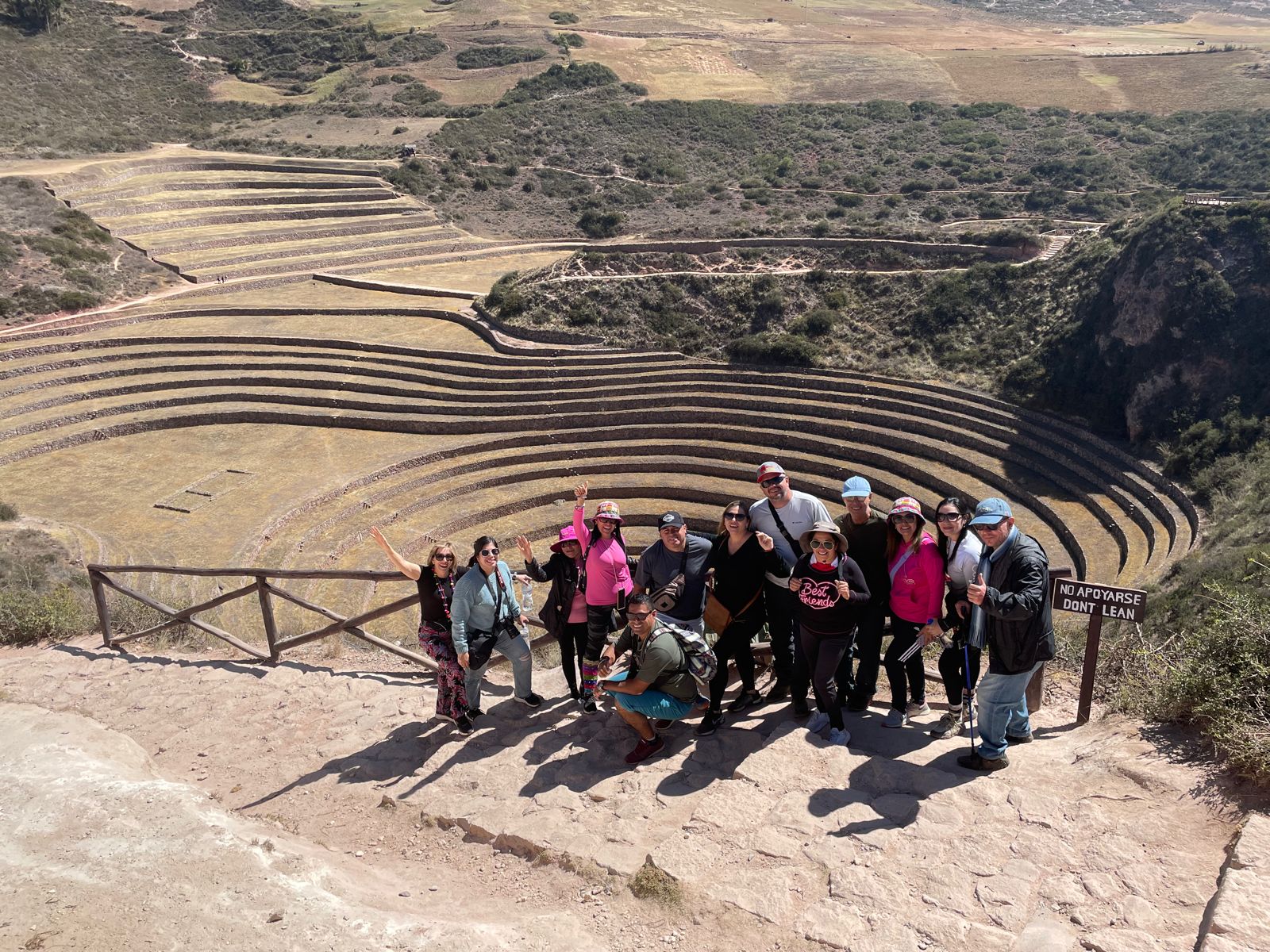
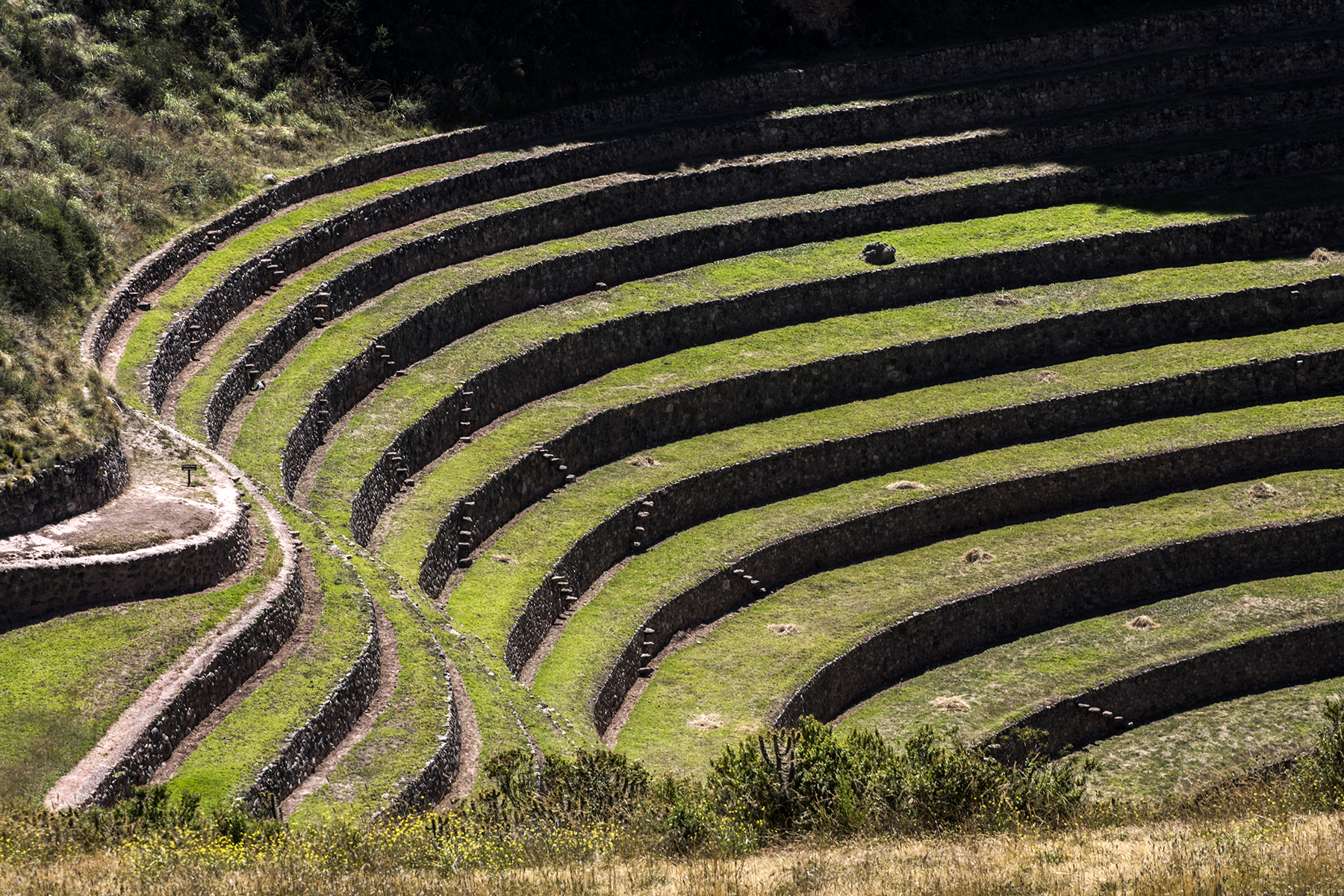
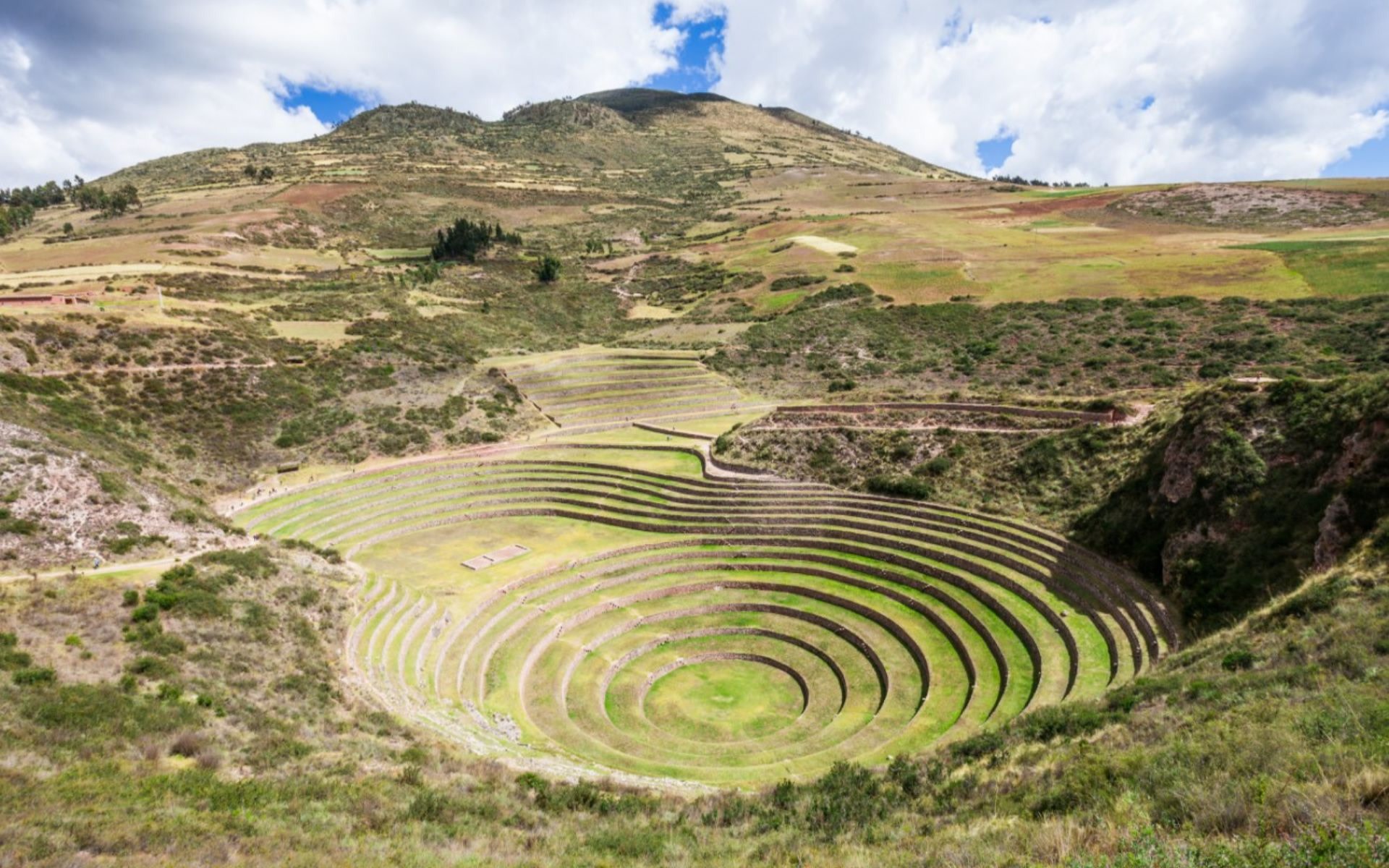
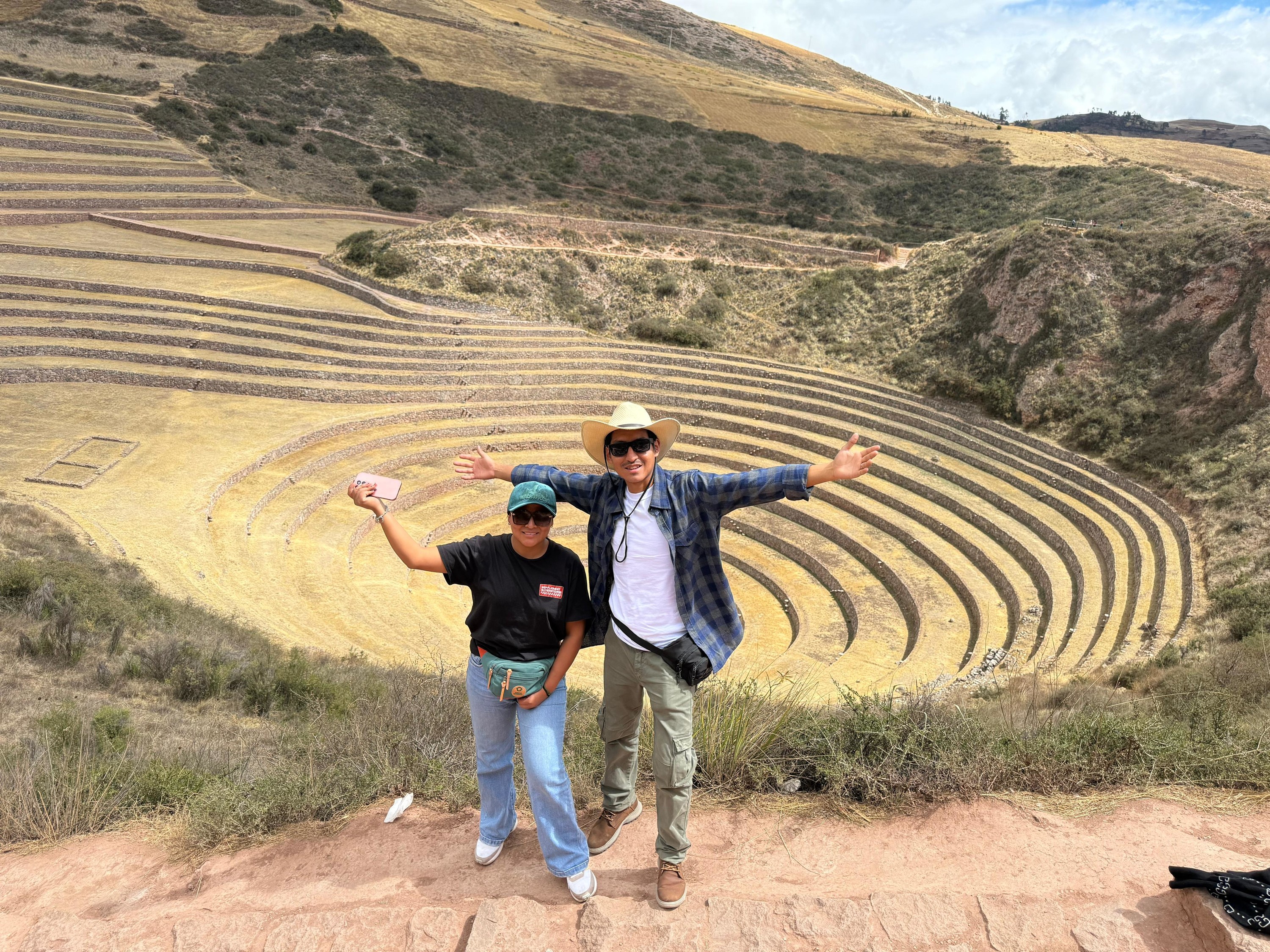
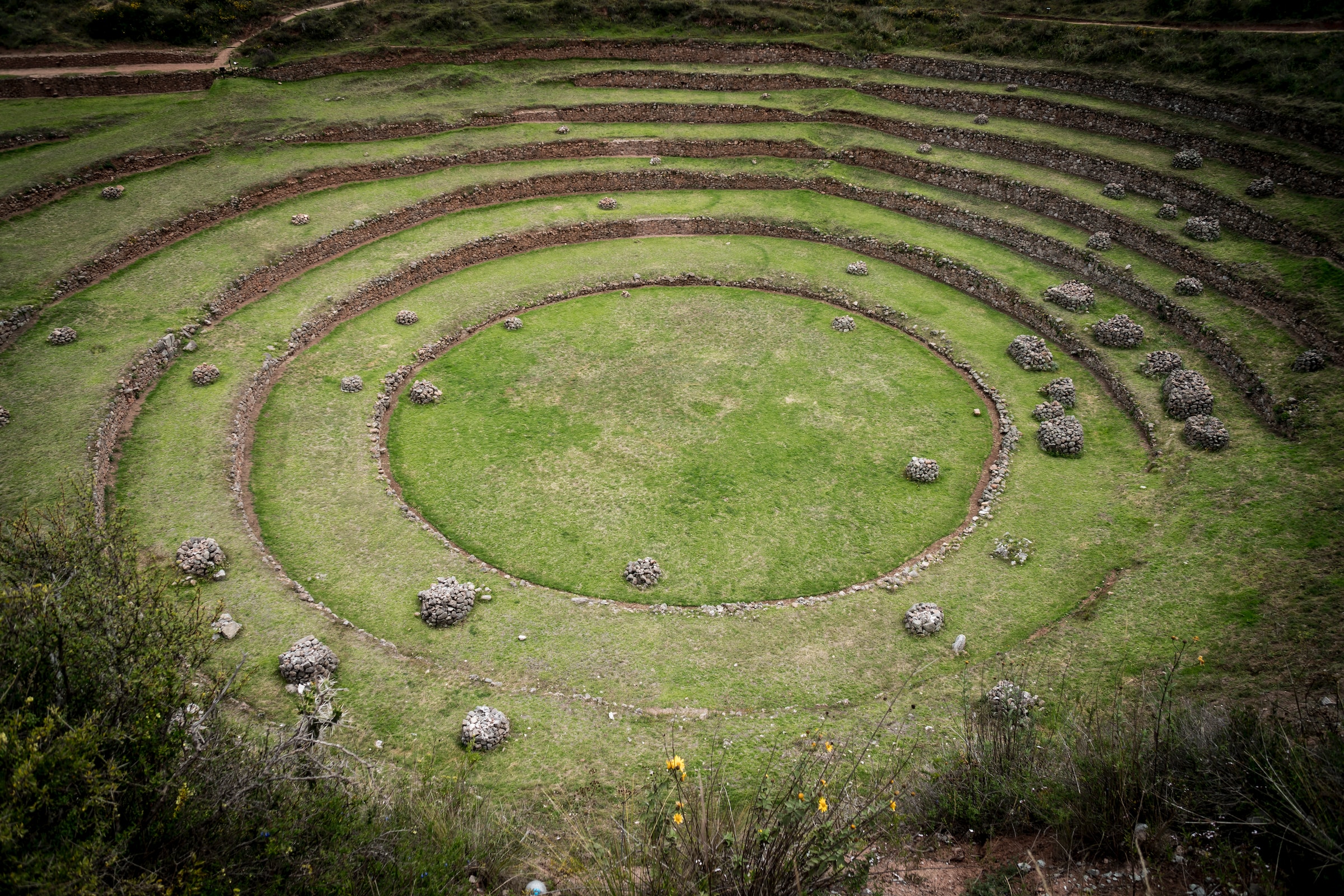
Moray is a striking example of ancient innovation and ecological intelligence, located in the heart of the Sacred Valley of the Incas. This archaeological site consists of a series of concentric circular terraces, resembling a natural amphitheater, which the Incas are believed to have used as an agricultural research station. Each level of the terraces creates a unique microclimate, with temperature variations of up to 15°C (27°F) between the top and bottom, allowing for experimentation with different crops and conditions.
From a leadership and strategic perspective, Moray stands as a powerful symbol of adaptive thinking, sustainability, and systems design. It reflects how a deep understanding of the environment can drive innovation—principles that remain as relevant today in modern enterprise as they were in ancient civilization. For professionals, Moray offers a compelling reminder that successful solutions often arise from harmonizing technology, culture, and nature.
4
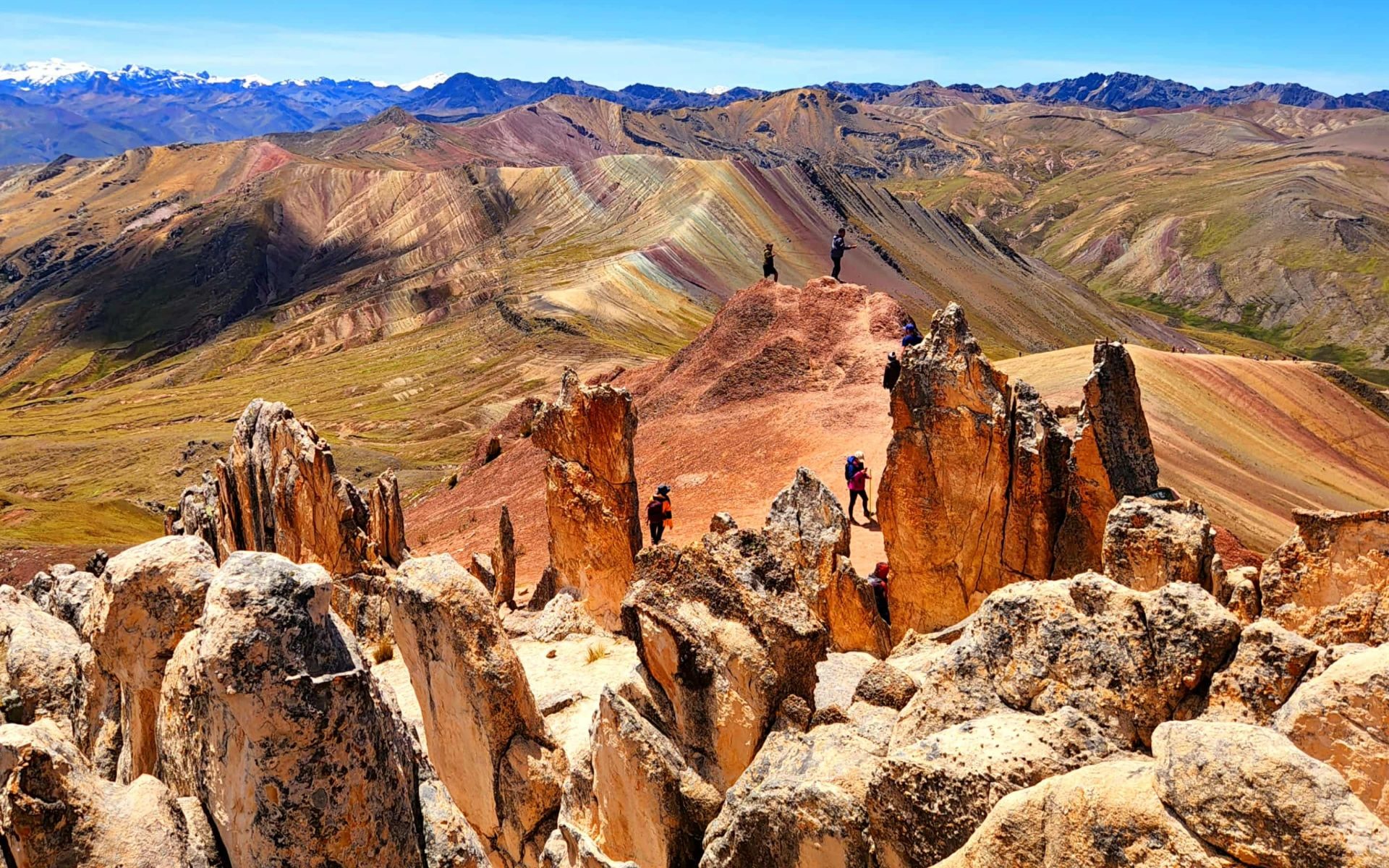
The alpaca walk at the Machuqlq’a Archaeological Center is a unique experience that very few tourists get to enjoy, as it is not commonly combined with the traditional Sacred Valley tours. This exclusive trek allows you to explore the ancient pre-Inca structures of Machuqlq’a in complete tranquility, away from the crowds that typically fill more popular sites. Accompanied by alpacas—iconic animals of the region—you’ll walk through stunning landscapes, with views of mountains, agricultural terraces, and remnants of Incan architecture. This walk is perfect for those seeking an authentic experience, off the beaten path, offering a rare opportunity to connect with history, nature, and local communities in an intimate and peaceful way.
5
The Chinchero textile Center is an authentic space where the ancestral textile traditions of the Andean region are preserved and promoted. Located in the picturesque town of Chinchero in the Sacred Valley, this center offers visitors the chance to closely observe the artisanal process of textile creation, a skill passed down through generations by the local communities. The artisans, mostly women, use traditional techniques, including hand spinning, dyeing with natural colors derived from plants, minerals, and insects, and weaving on waist looms. The products they create are true works of art, such as blankets, ponchos, rugs, and other items, all meticulously handcrafted with a high level of skill and detail. Visitors also have the opportunity to participate in interactive workshops where they can learn about the processes and history behind these textiles, taking home not just a souvenir, but a deep connection to Andean culture.
What's not included
Lunch
entrance tickets to the atraction
Available languages
Guide guide
EN
ES
Important information
Public transportation options are available nearby
Specialized infant seats are available
Not recommended for travelers with spinal injuries
Not recommended for pregnant travelers
Suitable for all physical fitness levels
About Cusco
Cusco, the historic capital of the Inca Empire, is a captivating blend of Indigenous and colonial influences. Known for its well-preserved archaeological sites, vibrant culture, and stunning Andean landscapes, it's a gateway to Machu Picchu and the Sacred Valley. The city's rich history, combined with its lively arts scene and delicious cuisine, makes it a must-visit destination in South America.
Top Attractions
Sacred Valley
The Sacred Valley is a stunning region filled with Inca ruins, traditional villages, and breathtaking landscapes. It's a must-visit for history and nature lovers.
Historical/Nature
Full day
PEN 10-50 (USD 2.50-12.50) depending on the site
Machu Picchu
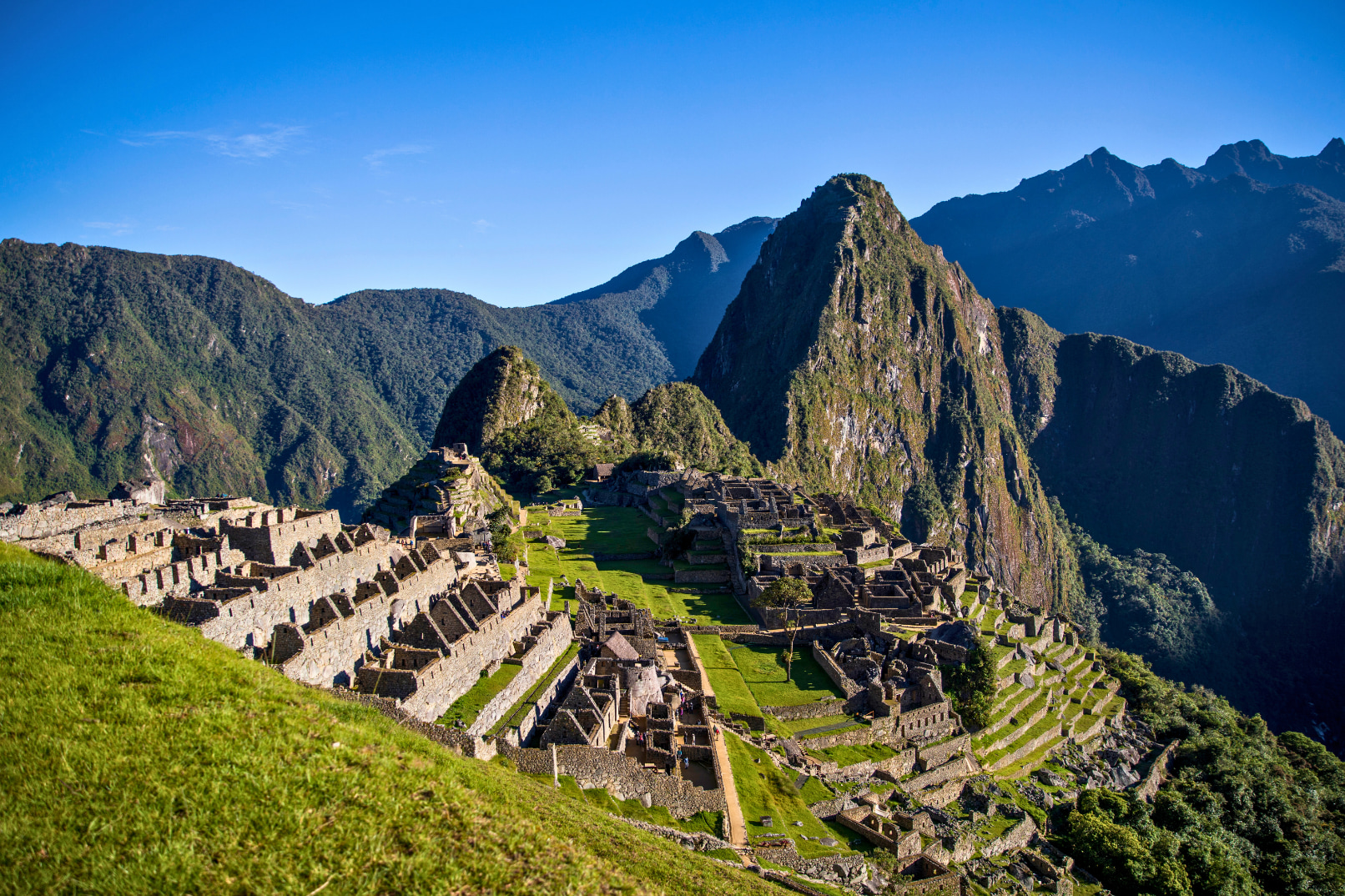
Machu Picchu is the iconic Inca citadel and one of the most famous archaeological sites in the world. Its breathtaking views and rich history make it a must-see.
Historical/Adventure
Full day or overnight
PEN 152 (USD 38) for entrance, train tickets vary
Qorikancha
Qorikancha, or the Temple of the Sun, was the most important temple in the Inca Empire. It's a fascinating blend of Inca and colonial architecture.
Historical/Religious
1-2 hours
PEN 10 (USD 2.50)
Sacsayhuaman
Sacsayhuaman is a massive Inca fortress with impressive stone walls and panoramic views of Cusco. It's a testament to Inca engineering and military might.
Historical
1-2 hours
PEN 10 (USD 2.50)
San Pedro Market
San Pedro Market is a bustling market offering a variety of fresh produce, local crafts, and traditional foods. It's a great place to experience local life.
Cultural/Food
1-2 hours
Free to enter, prices vary for purchases
Must-Try Local Dishes
Cuy al Horno
Roasted guinea pig, a traditional Andean dish.
Main Course
Not vegetarian
Lomo Saltado
Stir-fried beef with onions, tomatoes, and fries.
Main Course
Can be made vegetarian
Aji de Gallina
Shredded chicken in a creamy, spicy sauce.
Main Course
Not vegetarian
Sopa de Quinoa
Quinoa soup, a nutritious and traditional dish.
Soup
Can be made vegetarian
Popular Activities
Hiking
Trekking
Mountain biking
Whitewater rafting
Visiting spas
Exploring parks
Enjoying local cafes
Visiting museums
Best Time to Visit
May to September
This is the dry season, offering the best weather for exploring the city and its archaeological sites. The skies are clear, and temperatures are mild.
5°C to 20°C (41°F to 68°F)
41°F to 68°F
Practical Information
Language
- Official: Spanish
- Widely spoken: Quechua, English (in tourist areas)
- English: Moderately spoken in tourist areas, limited elsewhere
Currency
Peruvian Sol (PEN)
Time Zone
GMT-5
Electricity
220VV, 50HzHz
Safety Information
Overall Safety Rating: Generally safe with common-sense precautions
Cusco is generally safe for tourists, but petty crime can occur, especially in crowded areas. Be cautious with your belongings and avoid walking alone at night in poorly lit areas.
Important Precautions:
- • Keep valuables secure
- • Use reputable tour operators
- • Be cautious with street food
Getting there
By air
- Alejandro Velasco Astete International Airport • 5 km (3 miles) from city center
By train
San Pedro Station
By bus
Cusco Bus Terminal
Getting around
Public transport
Shared taxis (colectivos) are a common and affordable way to get around Cusco. They follow specific routes and can be flagged down.
Taxis
Available • Apps: InDriver, Easy Taxi
Rentals
Car, Bike, Scooter
Neighborhoods
Historic Center
San Blas
San Cristobal
Day trips
Pisac
35 km (22 miles) from Cusco • Full day
Pisac is a charming town known for its vibrant market and impressive Inca ruins. It's a great day trip from Cusco.
Ollantaytambo
60 km (37 miles) from Cusco • Full day or overnight
Ollantaytambo is a picturesque town with well-preserved Inca ruins and a gateway to Machu Picchu. It's a must-visit for history and adventure lovers.
Tipon
25 km (16 miles) from Cusco • Half day
Tipon is a beautiful archaeological site with well-preserved Inca terraces and water channels. It's a peaceful and less crowded alternative to other Inca sites.
Festivals
Inti Raymi • June 24
Cusco Festival of Music and Dance • August
Pro tips
- Acclimatize to the altitude before engaging in strenuous activities
- Dress in layers to accommodate changing temperatures
- Learn a few basic phrases in Spanish or Quechua to enhance your experience
- Visit the San Pedro Market early in the morning for the best selection and prices
- Book tickets and train tickets in advance for Machu Picchu and other popular attractions
From $25
per person
Price varies by option
Secure booking
Free cancellation available
Instant confirmation