Nikko Private Customized Day Tour
Active
9h
For a full refund, cancel at least 24 hours before the scheduled departure time.
Instant confirmation
Mobile or paper ticket accepted
About this experience
Our drivers have extensive geographic knowledge of Nikko.
Starting from Tokyo, we provide high-end exclusive chartered car reservation services for VIPs visiting Nikko individually or in groups.
According to the time and requirements of VIPs, we provide professional Nikko customized tour services, allowing tourists to travel easily and comfortably.
Extra charges will apply when the requested journey is beyond the fixed distance and time.
Within the time frame of a one-day tour, you can change the attractions or customize a one-day tour itinerary.
The drivers of HIACE(14 seats)and COASTER(18 seats)can only speak Japanese.COASTER(18 seats)can be expanded to 25 seats at most.
We can provide buses with more than 42 seats.If you need, you can send a message for consultation.
We accept inquiries in Japanese, Korean and Chinese.For questions about car rentals and sightseeing, please do not hesitate to send us a message!
Available options
14 Seats Toyota Hiace
Duration: 9 hours<br/>Private Customized Day Tour<br/>Toyota Hiace<br/>Pickup included
18 Seats Toyota Coaster
Duration: 9 hours<br/>Private Customized Day Tour<br/>Toyota Coaster<br/>Pickup included
10 Seats Toyota Hiace
Duration: 9 hours<br/>Private Customized Day Tour<br/>Toyota Hiace<br/>Pickup included
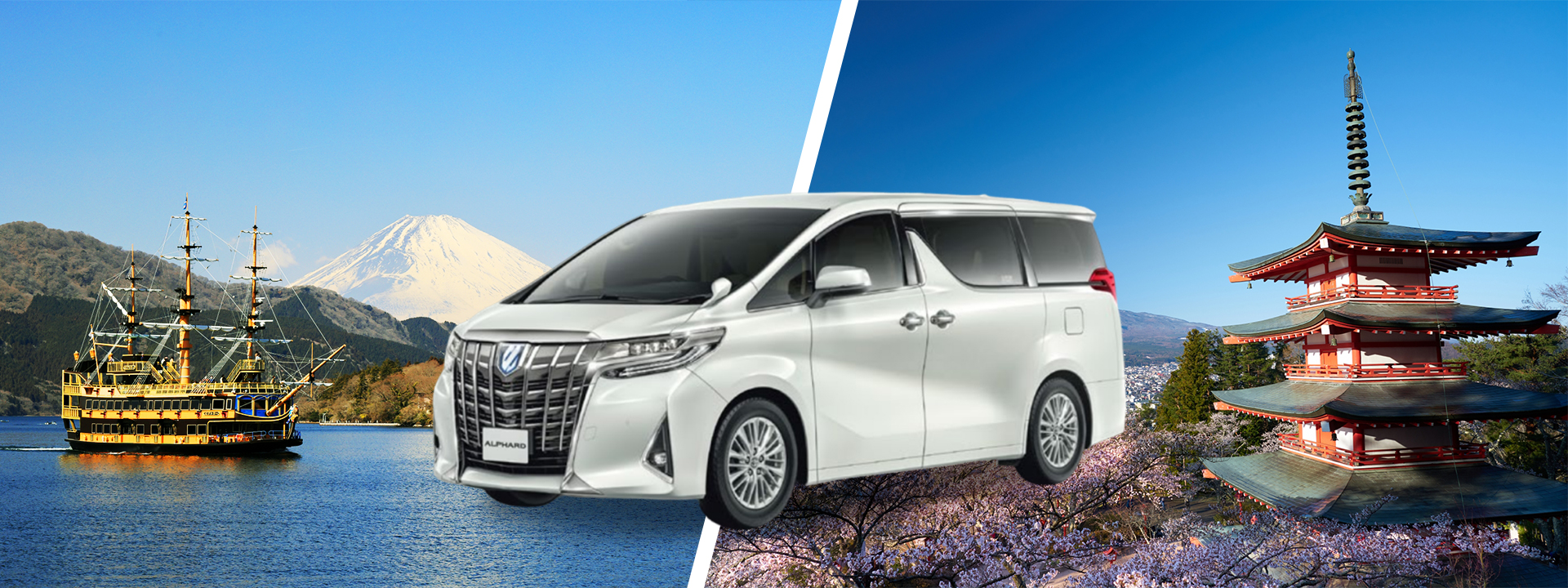
7 Seats Toyota Alphard
Duration: 9 hours<br/>Private Customized Day Tour<br/>Toyota Alphard<br/>Pickup included
What's included
Fuel fee
Passenger insurance
Driver
Pick-up / Drop-off (within Tokyo 23 wards)
Parking fee
Toll fee
Car with luxury van or HIACE or COASTER
Detailed itinerary
1
Stop 1
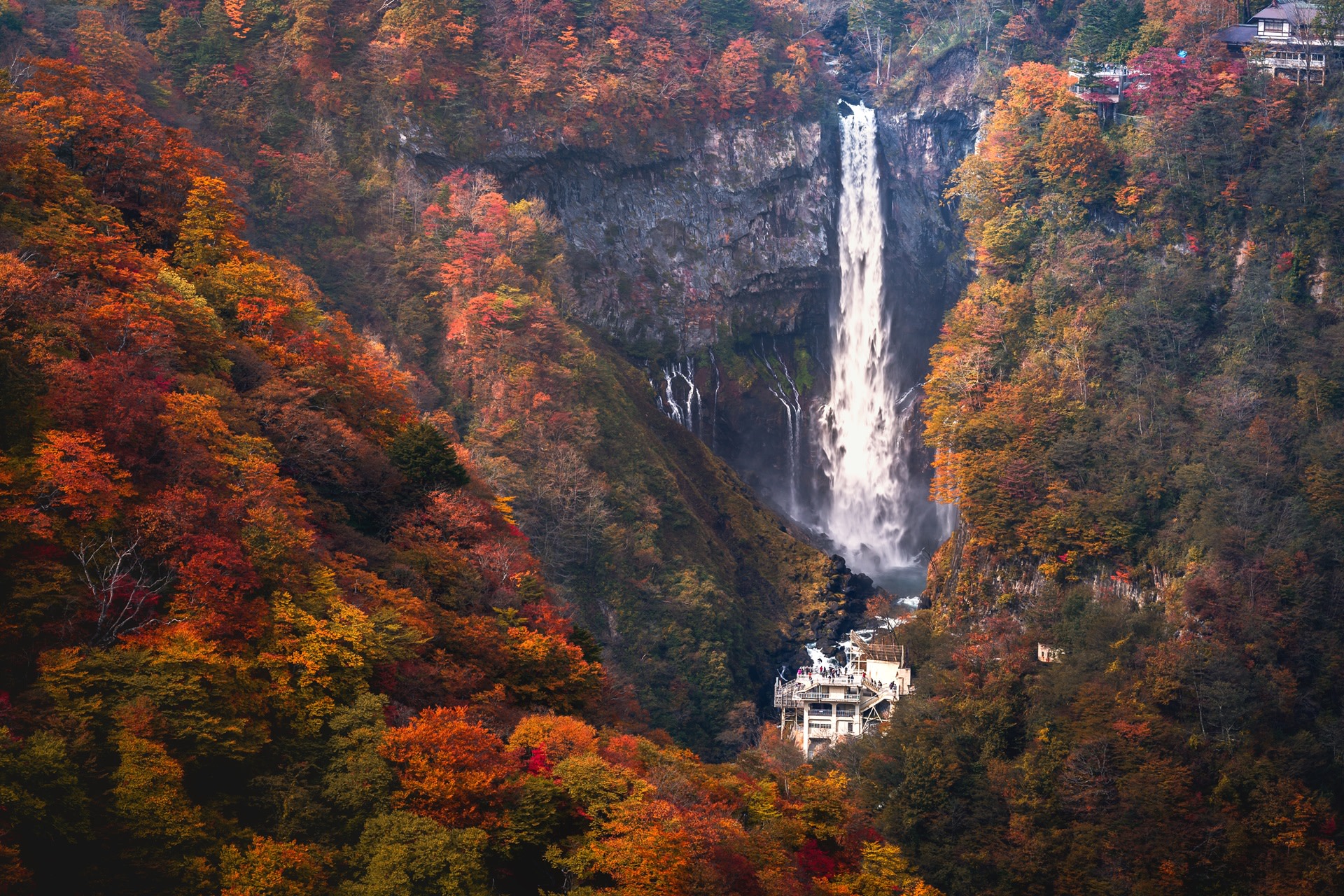
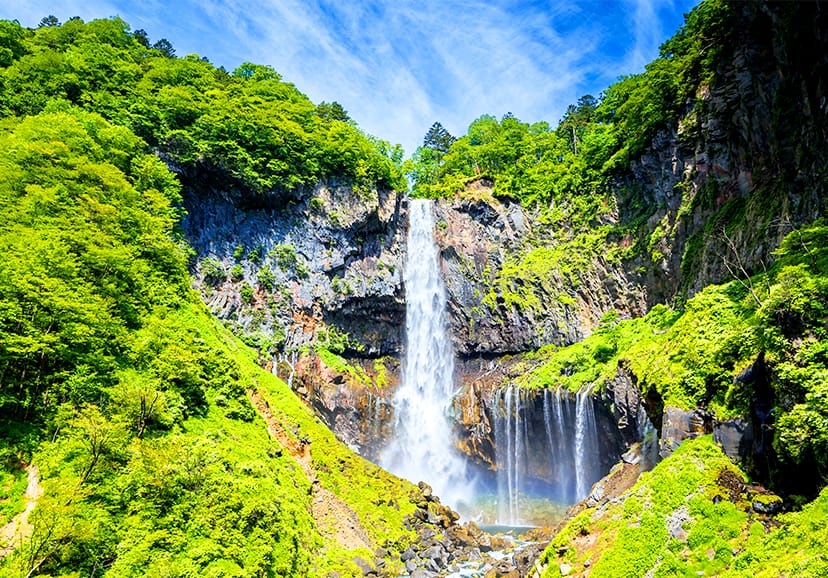
This is the most famous of the 48 waterfalls scattered around Nikko. The water of Lake Chuzenji falls straight down from the 97-meter-high bank to form a magnificent waterfall. You can feel the majesty of nature and the gorgeous beauty of the shape at the same time. Take the elevator down to the viewing platform to see the waterfall pool from a close distance. The explosion sound and splashing water are very impressive. In May, you can see the fresh green, in June, white-bellied hairy-legged swallows fly around the waterfall, and in January and February, the frozen slender small waterfalls called the 12 waterfalls make the entire waterfall form a blue ice that emits a bluish-white light. The scenery displayed here is different in each season and it is very touching.
2
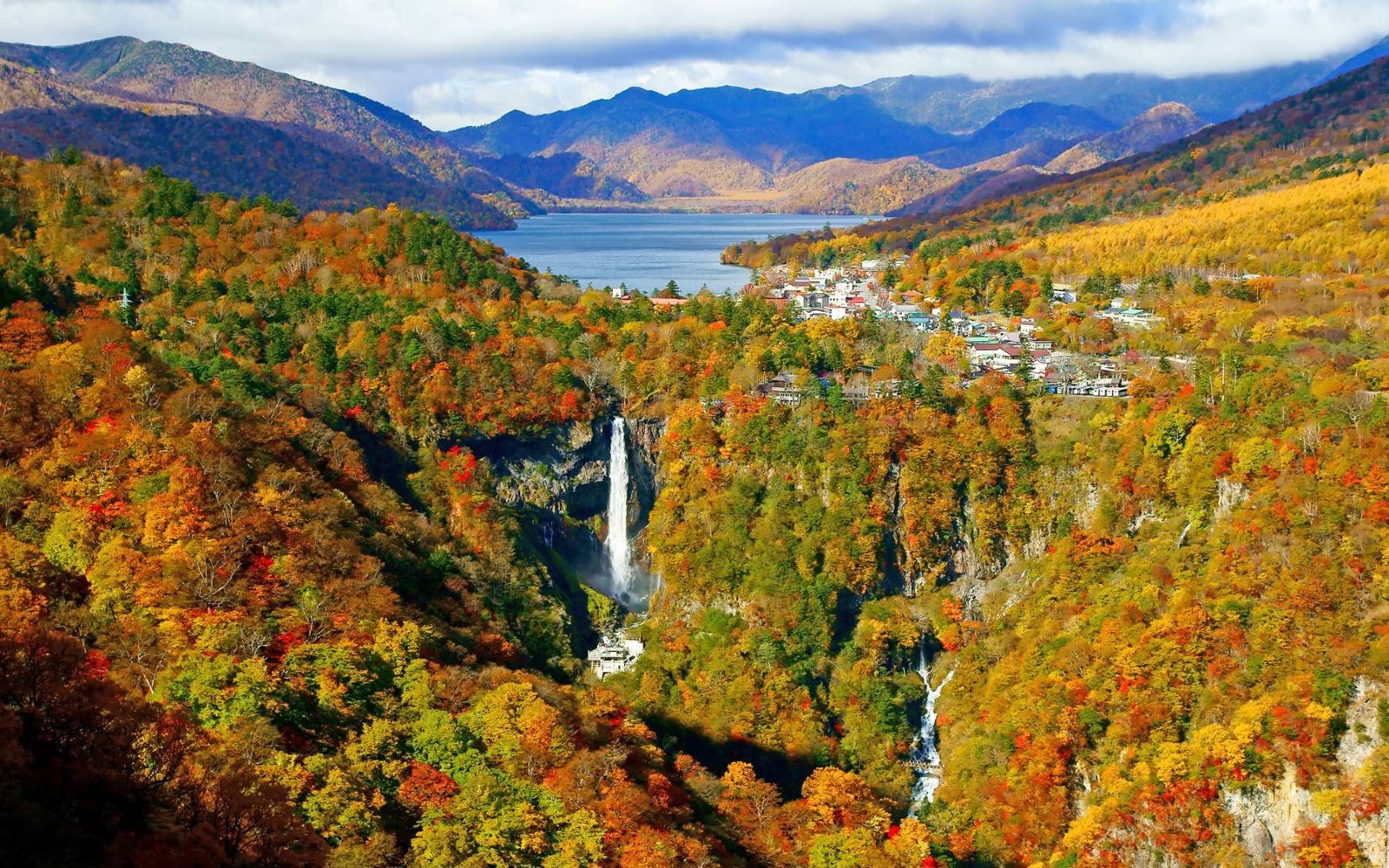
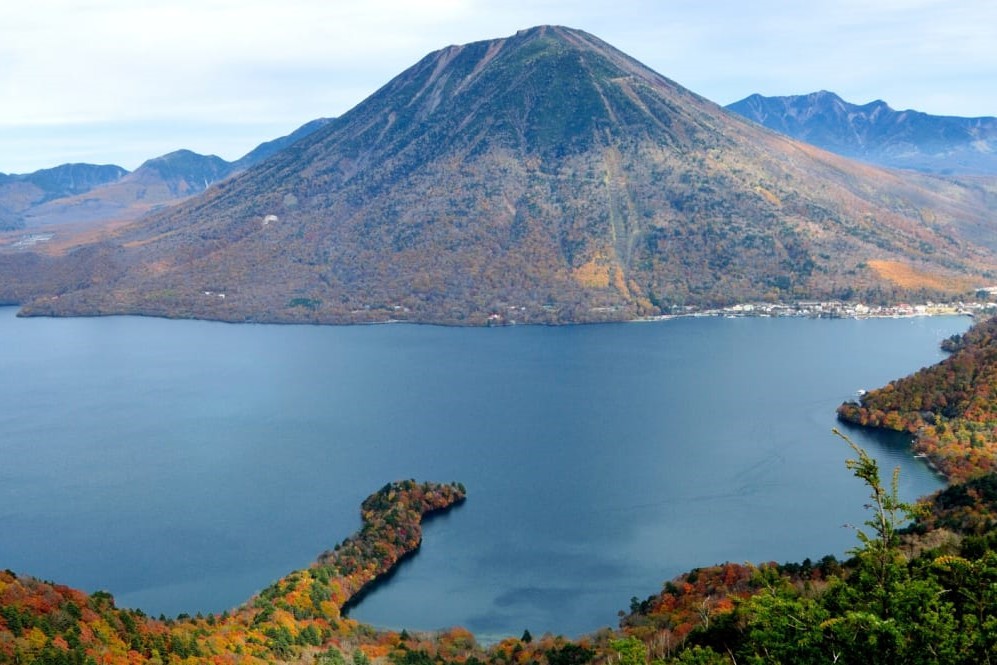
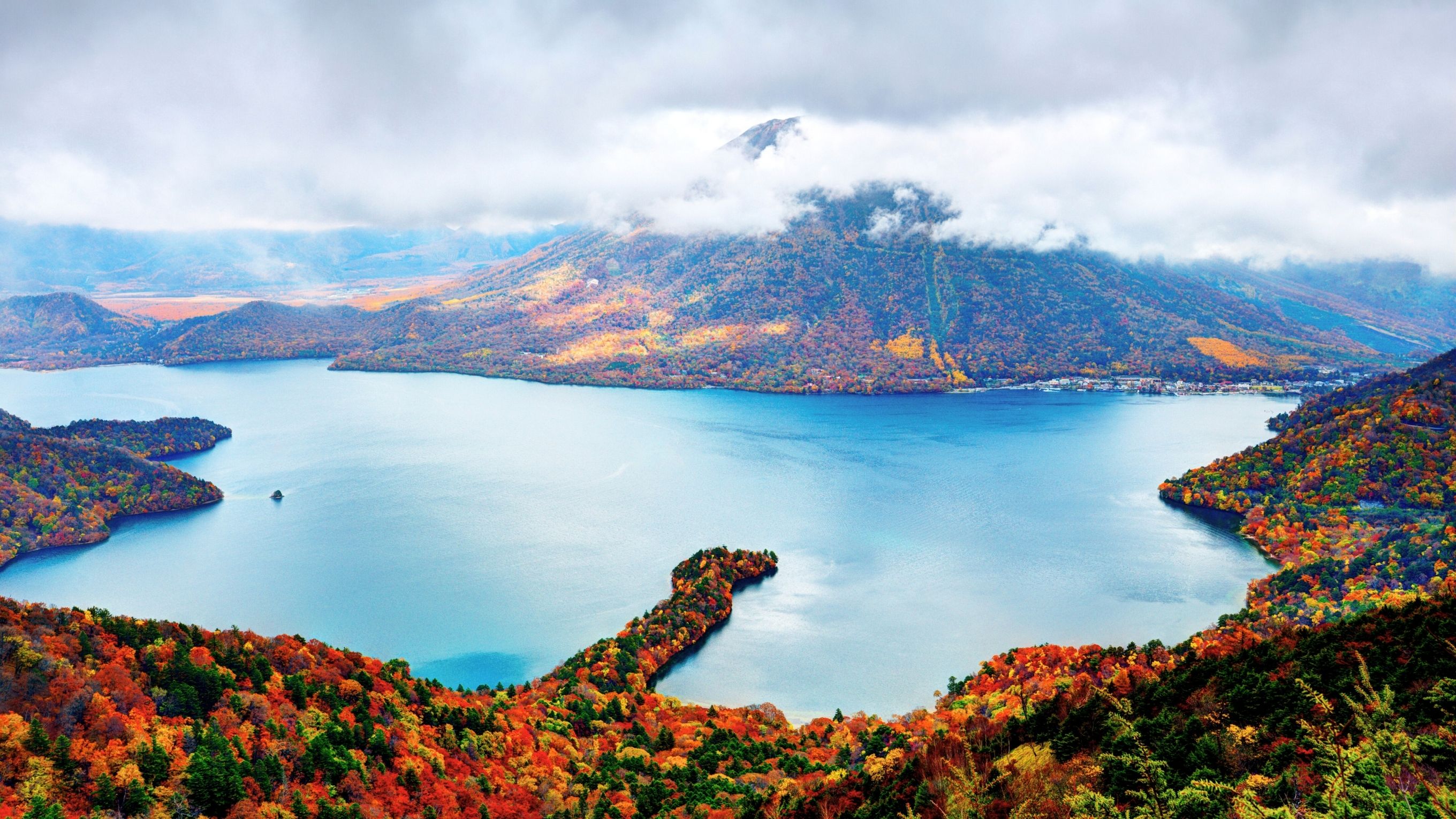
Lake Chuzenji is located in Nikko National Park, Tochigi Prefecture, Honshu, Japan, at an altitude of 1,237 meters (4,060 feet). It is a tourist attraction (shrine, yachting, fishing, skiing). On the north shore stands the 2,490-meter (8,169-foot) tall volcano. The lakeshore is 23 kilometers (14 miles) long and winding, surrounded by low mountains. The lake is fed by small rivers in the northwest. When the Dagu River flows eastward, it forms the Huayan Falls with a height of 96 meters (316 feet). Lake Chuzenji has an area of 11.62 square kilometers, a circumference of 25 kilometers, an altitude of 1,269 meters, and a depth of 163 meters. Yukawa is the main source of lake water, and it flows to the Otani River (a tributary of the Kinugawa River) through Kegon Falls (Kagetaki). Lake Chuzenji is Japan's representative alpine lake and the largest lake in Nikko National Park. It was created by a lava valley erupted by a volcano and has crystal clear water.
3
After reaching the summit of Mt. Nantai, the founder of Mount Nikko, Shodo Shonin, built Chuzenji Temple in 784 and used it as a place of training. At the time, the temple was located near the entrance to Mt. Nantai, but after the Oyama tsunami in 1902, it was moved to Lake Chuzenji's Utagahama. It is the 18th of the 33 Bando Kannon temples, and is home to distinctive Buddhist statues such as Tachiki Kannon and Hanori Daikokuten. You can also try your hand at copying sutras, copying Buddhas, and making rosary beads.
4
Iroha-zaka is a slope between Mabe and Lake Chuzenji in Nikko City, Tochigi Prefecture, on National Route 120. The Iroha-zaka Highway is considered one of the most difficult mountain roads in Japan because of its many difficult sharp turns. In autumn, the leaves around it are dyed beautifully red, making it a famous autumn leaf spot. In the past, it was a route for people to climb and visit Mount Nantai and Chuzenji Temple. It was named "Iroha-zaka" in the early Showa period (the first half of the 1900s). There are 48 bends, which just fits the 48 characters of "Iroha Uta", so the cable car guide announcement began to call this slope this way. In 1954, due to road reconstruction, the first Iroha-zaka was basically completed. In 1965, the second Iroha-zaka dedicated to the uphill was built, and the number of bends increased to 50, but the number of bends in the first Iroha-zaka was reduced by two, which was consistent with "Iroha..." again.
5
Stop 5
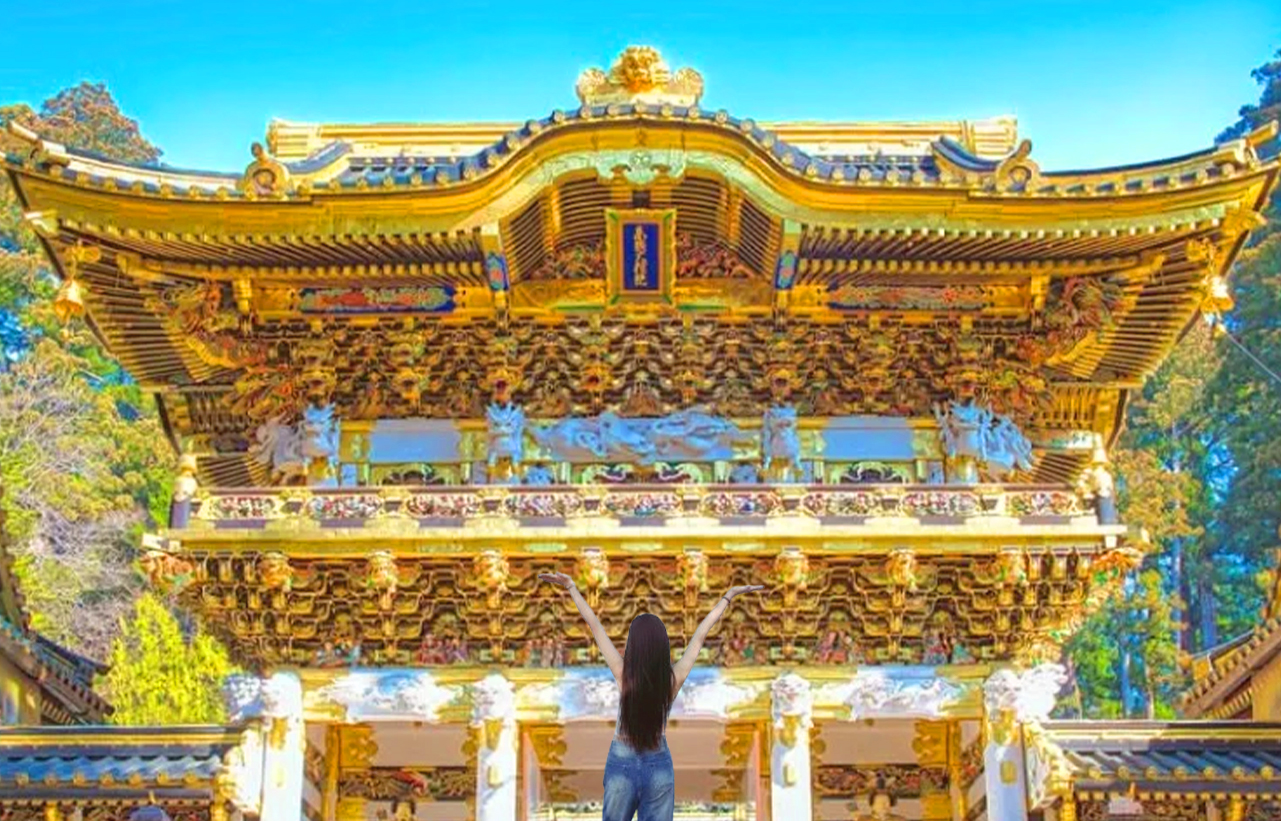
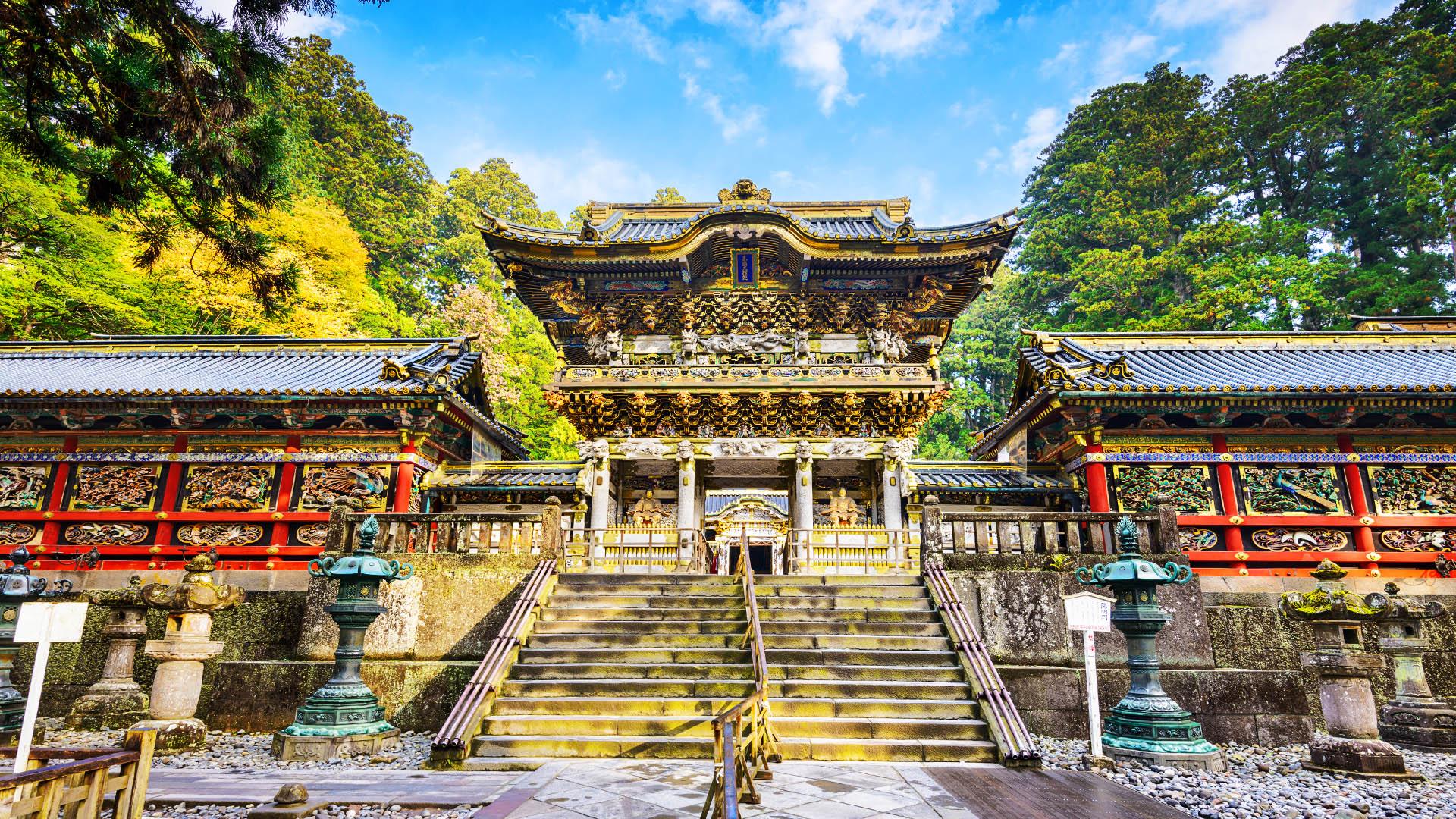
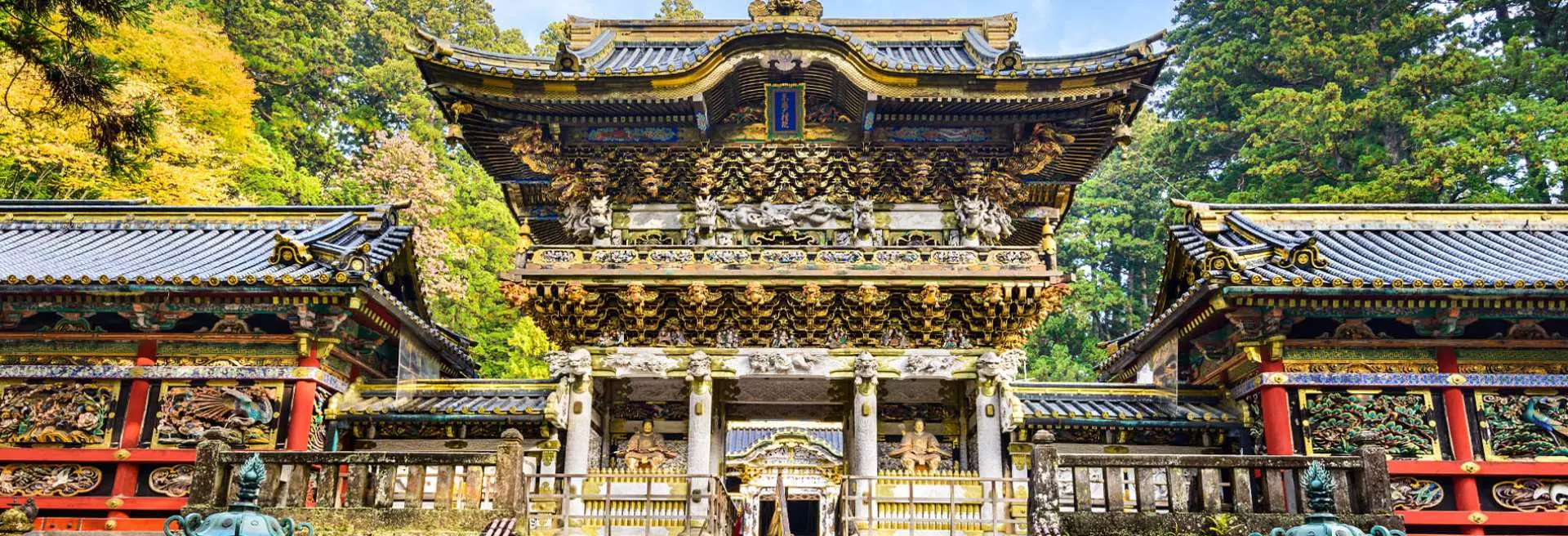
Nikko Toshogu Shrine is a shrine located in Nikko City, Tochigi Prefecture, Japan. It is the head shrine of Toshogu Shrine, and the main deity is Tosho Daigonen (Tokugawa Ieyasu). Nikko Toshogu Shrine is known as one of the "Three Great Toshogu Shrines in Japan" along with Kunozan Toshogu Shrine and Senba Toshogu Shrine. Nikko Toshogu Shrine was built in 1617 to commemorate Tokugawa Ieyasu, the founder of the Edo Shogunate. There are a large number of animal wooden sculptures in the precincts, symbolizing peace, among which "Three Monkeys" and "Sleeping Cat" are the most famous. In December 1999, "Temple and Shrine of Nikko" including Nikko Toshogu Shrine was selected as a World Cultural Heritage.
6
Nikko’s Shinkyo Bridge is a sacred river crossing which officially belongs to nearby Futarasan Jinja Shrine. One of Nikko’s best-known sightseeing spots, the elegant arc of this bridge crosses the Daiya-gawa River and its vermilion and black lacquer contrasts beautifully with the natural scenery about it.The name “Shinkyo” or 神橋 simply means “sacred bridge” and the bridge is considered to be one of Japan’s three most beautiful bridges along with the Kintaikyo Bridge in Yamaguchi Prefecture and the Saruhashi Bridge in Yamanashi Prefecture. The bridge, which is 28 meters long, 7.4 meters wide, and stands 10.6 meters above the river, is both a nationally designated Important Cultural Property and a UNESCO designated World Heritage Site.
What's not included
Guest's meal fee
Guest's tour guide fee
Guest's attraction ticket fee
Available languages
Guide guide
CMN
JA
EN
Written guide
CMN
JA
EN
Reviews breakdown
Tripadvisor
5.0
1 reviews
5★
1
4★
0
3★
0
2★
0
1★
0
Important information
Wheelchair accessible
Infants and small children can ride in a pram or stroller
Service animals allowed
Public transportation options are available nearby
Infants are required to sit on an adult’s lap
Specialized infant seats are available
Transportation options are wheelchair accessible
All areas and surfaces are wheelchair accessible
Not recommended for travelers with spinal injuries
Not recommended for pregnant travelers
Not recommended for travelers with poor cardiovascular health
Suitable for all physical fitness levels
About Tokyo
Tokyo, the capital of Japan, is a bustling metropolis that beautifully blends traditional culture with cutting-edge technology. Known for its neon-lit streets, historic temples, and world-class cuisine, Tokyo offers a unique experience that caters to every type of traveler.
Top Attractions
Senso-ji Temple
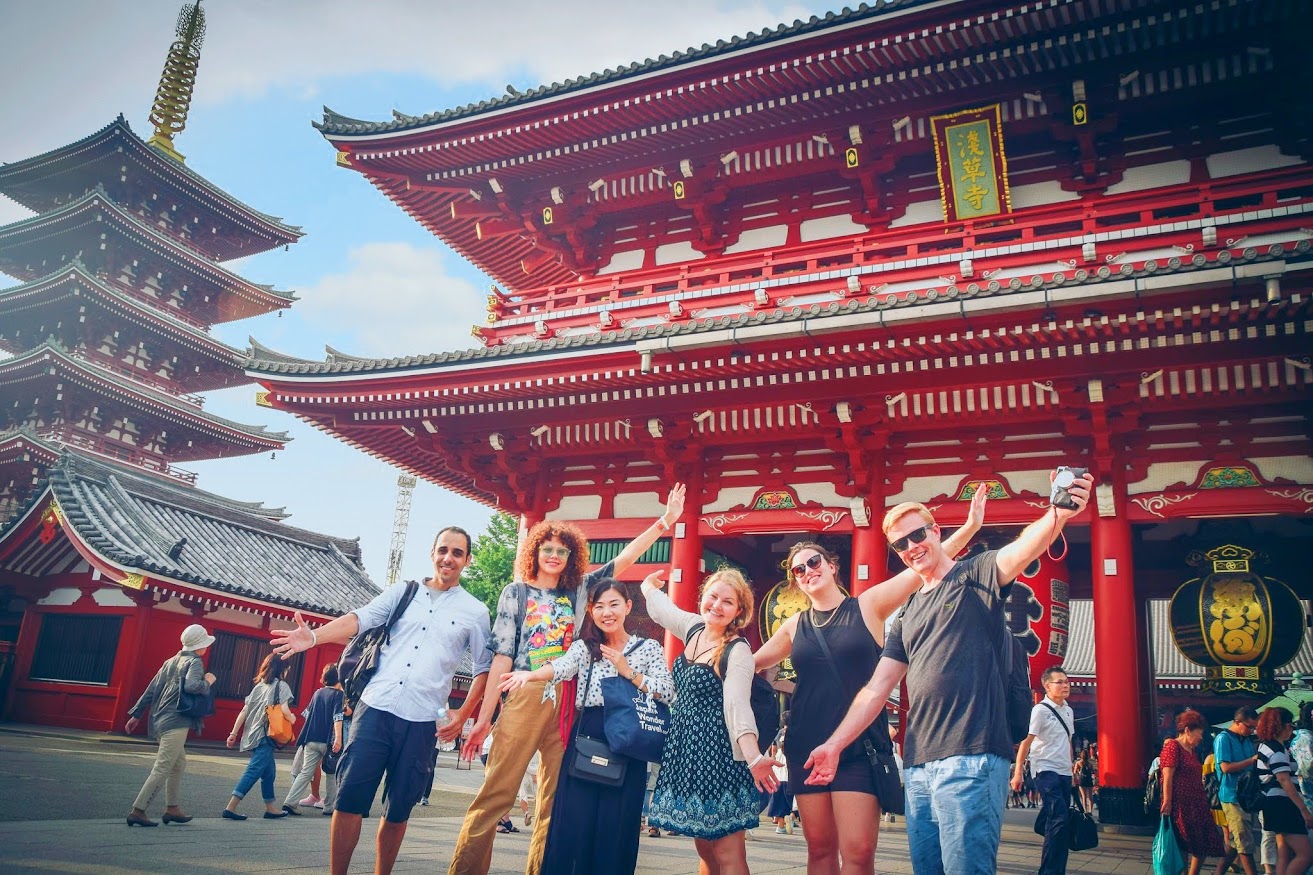
Senso-ji is Tokyo's oldest temple and one of its most significant. The temple's massive lantern and five-story pagoda are iconic landmarks.
Historical/Religious
1-2 hours
Free (small fee for some areas)
Meiji Shrine
Meiji Shrine is a Shinto shrine dedicated to the deified spirits of Emperor Meiji and his wife, Empress Shoken. It is surrounded by a beautiful forest.
Historical/Religious
1-2 hours
Free
Shibuya Crossing
Shibuya Crossing is the world's busiest pedestrian crossing and a symbol of Tokyo's bustling urban life. It's a must-see for its chaotic yet orderly nature.
Cultural
30 minutes to 1 hour
Free (¥2,200 for Shibuya Sky)
Tokyo Skytree
Tokyo Skytree is the tallest tower in Japan and the second tallest freestanding structure in the world. It offers breathtaking views of the city.
Architecture
2-3 hours
¥2,100 to ¥3,100 (USD $15 to $22)
Odaiba
Odaiba is a man-made island in Tokyo Bay known for its shopping, dining, and entertainment options. It's a great place for families and tech enthusiasts.
Entertainment
Half day to full day
Varies by attraction
Must-Try Local Dishes
Sushi
Fresh raw fish served on vinegared rice, a staple of Japanese cuisine.
Dinner
Contains fish, can be vegetarian with substitutes.
Ramen
Noodle soup with various broths and toppings, a popular comfort food.
Lunch/Dinner
Vegan and vegetarian options available.
Tempura
Deep-fried seafood and vegetables, known for its crispy texture.
Lunch/Dinner
Contains seafood and deep-fried ingredients.
Okonomiyaki
Savory pancake with various ingredients, often topped with sauce and bonito flakes.
Lunch/Dinner
Contains seafood and can be made vegetarian.
Popular Activities
Hiking in the nearby mountains
Parasailing at Odaiba
Onsen (hot spring) visits
Tea ceremonies
Traditional tea ceremonies
Kimono rentals and photo shoots
Boat tours on the Sumida River
Beach activities at Odaiba
Best Time to Visit
March to May (Spring) and September to November (Autumn)
These seasons offer comfortable temperatures and beautiful scenery, with cherry blossoms in spring and vibrant foliage in autumn. However, these are also the busiest times for tourism.
10°C to 25°C (50°F to 77°F)
50°F to 77°F
Practical Information
Language
- Official: Japanese
- Widely spoken: English, Chinese, Korean
- English: Moderately spoken in tourist areas, limited elsewhere
Currency
Japanese Yen (JPY)
Time Zone
GMT+9
Electricity
100VV, 50/60HzHz
Safety Information
Overall Safety Rating: Very safe
Tokyo is generally very safe, with low crime rates and a strong emphasis on public order. However, petty crimes like pickpocketing can occur in crowded areas.
Important Precautions:
- • Be cautious of your belongings in crowded areas.
- • Use licensed taxis and check fares before getting in.
- • Be aware of your surroundings, especially at night.
Getting there
By air
- Narita International Airport • 60 km (37 miles) from city center
- Haneda Airport • 15 km (9 miles) from city center
By train
Tokyo Station, Shinjuku Station
By bus
Tokyo Station Bus Terminal, Shinjuku Expressway Bus Terminal
Getting around
Public transport
Tokyo's subway system is efficient, clean, and punctual. It consists of multiple lines operated by Tokyo Metro and Toei Subway.
Taxis
Available • Apps: JapanTaxi, DiDi
Rentals
Car, Bike, Scooter
Neighborhoods
Shibuya
Shinjuku
Asakusa
Ginza
Akihabara
Day trips
Nikko
120 km (75 miles) from Tokyo • Full day
Nikko is a city known for its beautiful shrines, temples, and natural scenery. It's a UNESCO World Heritage site and offers a peaceful retreat from the bustling city.
Kamakura
50 km (31 miles) from Tokyo • Half day to full day
Kamakura is a coastal town known for its historic temples, shrines, and the Great Buddha statue. It's a great place to experience traditional Japanese culture.
Hakone
90 km (56 miles) from Tokyo • Full day or overnight
Hakone is a hot spring resort town known for its onsen (hot springs), scenic views of Mount Fuji, and the Open-Air Museum. It's a popular destination for relaxation and nature.
Festivals
Sannō Matsuri • Mid-June (every 2 years)
Kanda Matsuri • Mid-May (every 2 years)
Sumida River Fireworks Festival • Last Saturday of July
Pro tips
- Use IC cards like Suica or Pasmo for convenient and discounted public transport.
- Download useful apps like Google Maps, Japan Transit Planner, and Japan Travel by Navitime.
- Learn a few basic Japanese phrases to enhance your experience and show respect for the local culture.
- Carry cash, as some smaller shops and restaurants may not accept credit cards.
- Visit popular attractions early in the morning or late in the afternoon to avoid crowds.
From $25
per person
Price varies by option
Secure booking
Free cancellation available
Instant confirmation