Tokyo Highlights Private Full Day City Tour With English Guide
Active
9h - 10h
For a full refund, cancel at least 24 hours before the scheduled departure time.
Instant confirmation
Mobile or paper ticket accepted
About this experience
Discover Tokyo like never before with our private and fully customizable tour! Unlike crowded group tours, this exclusive experience allows you to explore the city at your own pace with a professional guide and driver ensuring a smooth and hassle-free journey.
From the bustling streets of Shibuya and Shinjuku to the serene temples of Asakusa, this tour is designed to match your interests. Whether you want to indulge in Tokyo’s famous street food, shop in high-end districts, or explore cultural landmarks, we customize the itinerary to make your experience truly one of a kind.
With comfortable private transportation and the freedom to visit places off the beaten path, this tour offers the perfect blend of convenience, flexibility, and authentic local experiences. Enjoy your Tokyo adventure with zero stress and maximum fun—all at an affordable rate!
Available options
Tokyo Highlights Private Full Day City Tour With English Guide
Pickup included
What's included
gasoline
Air-conditioned vehicle
highway tolls
Detailed itinerary
1
A visit to Tsukiji Outer Market is best combined with a fresh sushi breakfast or lunch at one of the local restaurants, which typically open from 5:00 in the morning to around noon or early afternoon. Because most of the fish served and sold at Tsukiji Outer Market is delivered directly from Toyosu Market, it is one of the best places in Tokyo to enjoy fresh seafood.
2
Stop 2
A bird's-eye view of Tokyo from the tallest structure in Japan
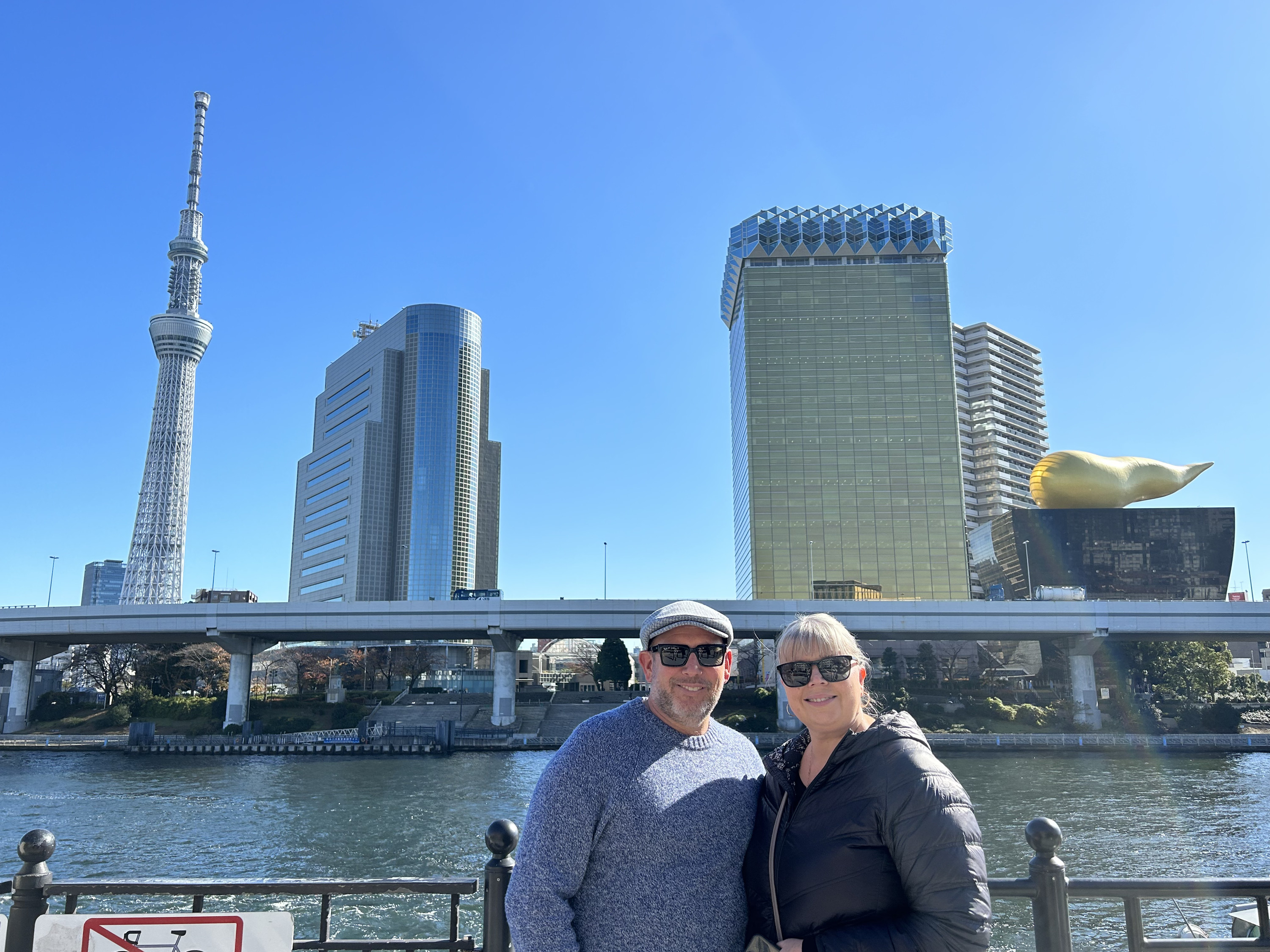
Towering above the capital's skyline, Tokyo Skytree soars 634 meters high and gives incredible, panoramic views of Tokyo. On a clear day, you can't quite see infinity, but it's one of the few spots you can see Mt. Fuji from Tokyo.
Don't Miss
Spectacular views of the whole Kanto region
Standing on the glass floor section to feel like you are floating in mid-air
Shopping for snacks and sweets shaped like the tower itself in the surrounding mall — Tokyo Solamachi
NOTE {if you want to go to up kindly book your tickets through Tokyo Sky Tree official web sites.
3
Stop 3
visitors can view the Nijubashi, two bridges that form an entrance to the inner palace grounds. The stone bridge in front is called Meganebashi (Eyeglass Bridge) for its looks. The bridge in the back was formerly a wooden bridge with two levels, from which the name Nijubashi (Double Bridge) is derived.
The inner grounds of the palace are generally not open to the public. Only on January 2 (New Year's Greeting) and February 23 (Emperor's Birthday), visitors are able to enter the inner palace grounds and see the members of the Imperial Family, who make several public appearances on a balcony.
4
Stop 4
Linking Odaiba and Shibaura Pier, the colorful Rainbow Bridge and its light displays have become a major tourist attraction
Sometimes a bridge isn't just for getting you from one place to another. The Rainbow Bridge, which links the mainland to the artificial islet of Odaiba , is also a tourist attraction in its own right. Built in the 1990s, the structure has enabled this part of Tokyo Bay to flourish, and is surrounded by top tourist attractions.
Don't Miss
Panoramic views of the Odaiba waterfront
Having a picnic on the bridge's benches or at nearby Seaside Park
5
Stop 5
The busiest crossing in Tokyo
Shibuya Crossing is one of Tokyo's most recognizable sights, pictured in countless films, magazines and blogs. During its busiest times, an estimated 1,000 to 2,500 people forge their way across this intersection every two minutes, enough to quickly fill up a football stadium.
The phenomenon gave rise to its nickname "scramble," as pedestrians cross from all directions. Shibuya Crossing walks the line between manic chaos and perfect synchronization. Your explorations of Tokyo will eventually bring you here to make your crossing and take advantage of Shibuya's wealth of shopping, dining and entertainment options.
Don't Miss
Visiting Hachiko, the station's iconic dog statue
People-watching as thousands of pedestrians from around the world merge
Tokyo's top shopping at Shibuya 109, Center Gai, Tokyu, Marui and more
6
Stop 6
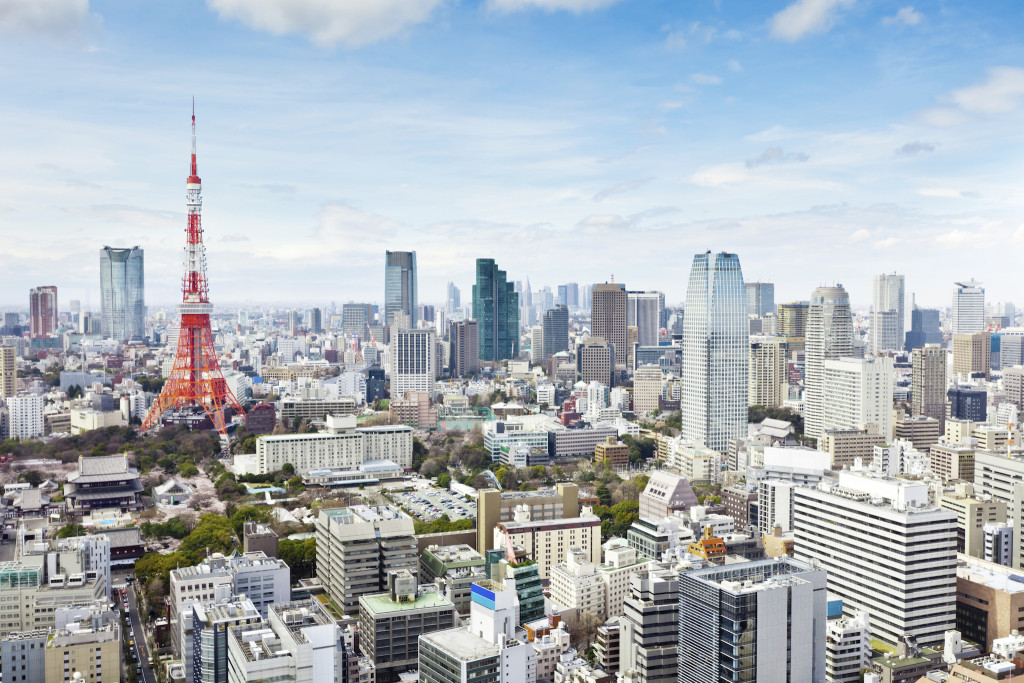
Standing 333 meters high in central Tokyo, Tokyo Tower (東京タワー) is the world's tallest, self-supported steel tower and 3 meters taller than its model, the Eiffel Tower. A symbol of Japan's post-war rebirth as a major economic power, Tokyo Tower was the country's tallest structure from its completion in 1958 until 2012 when it was surpassed by the Tokyo Skytree. In addition to being a popular tourist spot, Tokyo Tower serves as a broadcast antenna.
The tower's main deck at 150 meters is reached via elevator or a 600-step staircase (both paid). Thanks to the tower's central location, the observatory offers an interesting view of the city despite being only at a relatively moderate height. There are also some "lookdown windows" in the floor to stand on, a souvenir shop and a cafe.
7
Stop 7
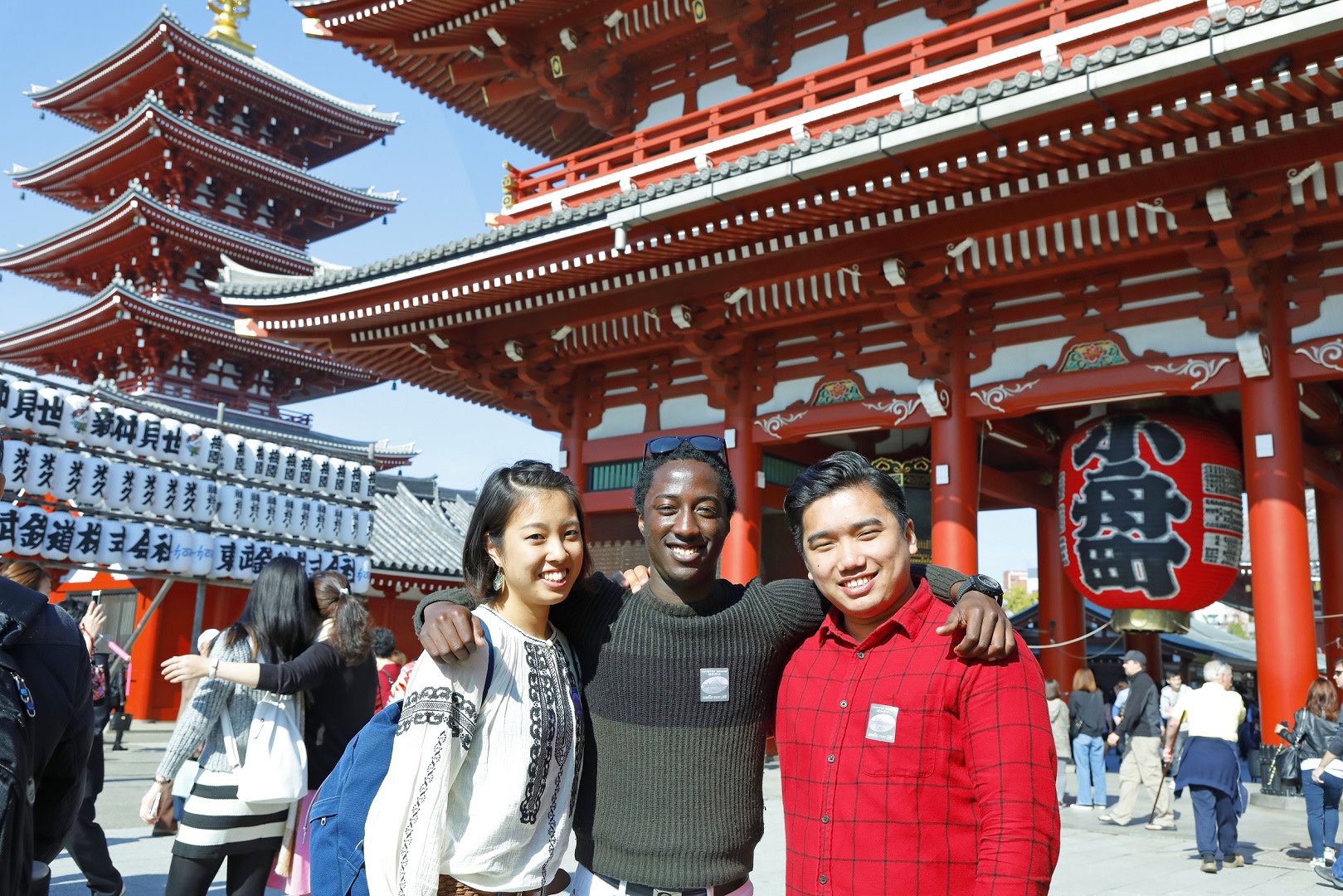
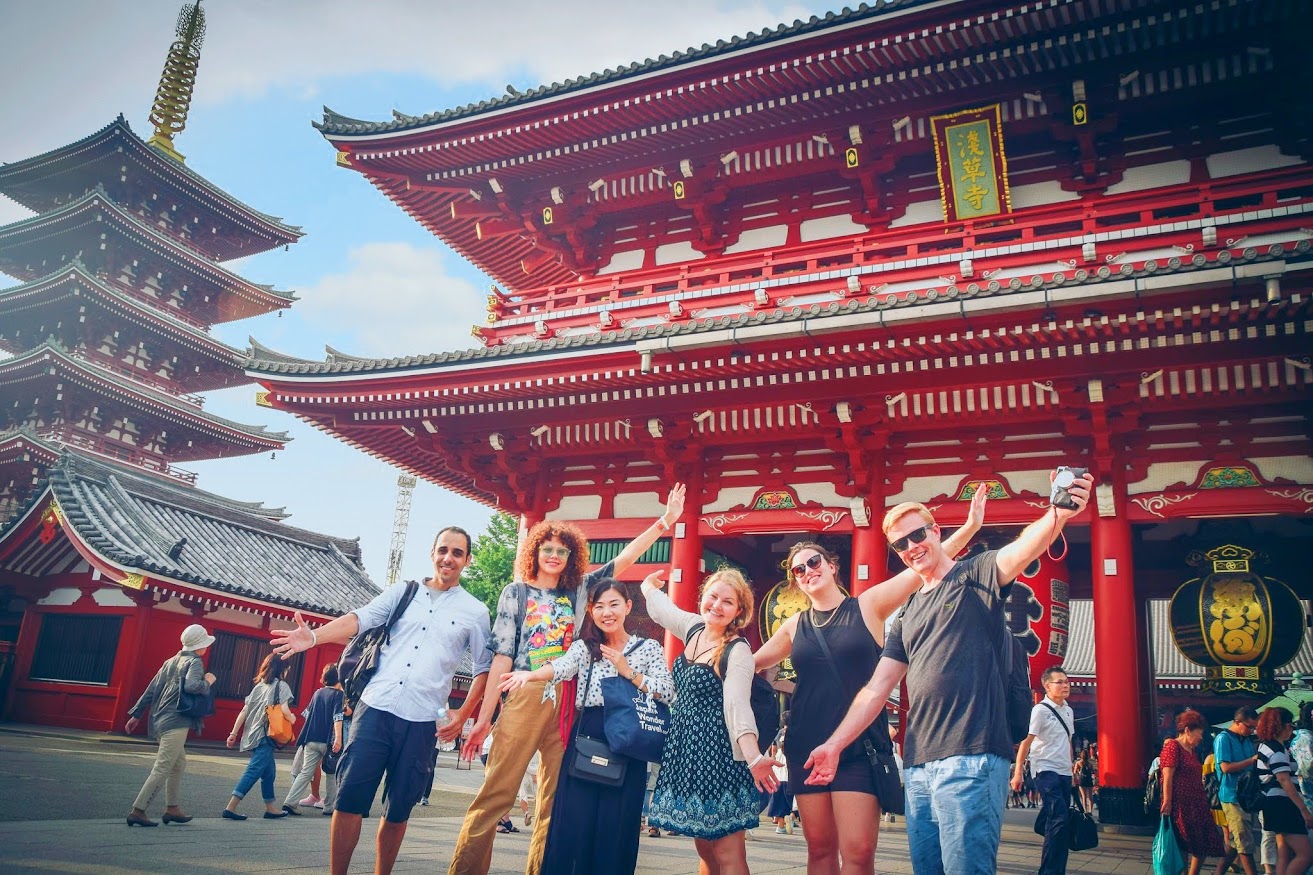
Sensoji (浅草寺, Sensōji, also known as Asakusa Kannon Temple) is a Buddhist temple located in Asakusa. It is one of Tokyo's most colorful and popular temples.
The legend says that in the year 628, two brothers fished a statue of Kannon, the goddess of mercy, out of the Sumida River, and even though they put the statue back into the river, it always returned to them. Consequently, Sensoji was built nearby for the goddess of Kannon. The temple was completed in 645, making it Tokyo's oldest temple.
8
Stop 8
The shrine was completed and dedicated to the Emperor Meiji and the Empress Shoken in 1920, eight years after the passing of the emperor and six years after the passing of the empress. The shrine was destroyed during the war but was rebuilt shortly thereafter.
9
Stop 9
Pass by
Calbee chips, candy floss and crepes await you at Harajuku's Takeshita-Dori Street, a pedestrian shopping jungle that is quite the sensory overload with food and fashion options popular among Tokyo's trend-setting youth.
What's not included
WiFi on board
Available languages
Guide guide
HI
EN
Important information
Wheelchair accessible
Infants and small children can ride in a pram or stroller
Public transportation options are available nearby
Specialized infant seats are available
Transportation options are wheelchair accessible
All areas and surfaces are wheelchair accessible
Suitable for all physical fitness levels
This product is not accessible for wheelchair
Remaining time is use for Lunch and Treveling
About Tokyo
Tokyo, the capital of Japan, is a bustling metropolis that beautifully blends traditional culture with cutting-edge technology. Known for its neon-lit streets, historic temples, and world-class cuisine, Tokyo offers a unique experience that caters to every type of traveler.
Top Attractions
Senso-ji Temple
Senso-ji is Tokyo's oldest temple and one of its most significant. The temple's massive lantern and five-story pagoda are iconic landmarks.
Historical/Religious
1-2 hours
Free (small fee for some areas)
Meiji Shrine
Meiji Shrine is a Shinto shrine dedicated to the deified spirits of Emperor Meiji and his wife, Empress Shoken. It is surrounded by a beautiful forest.
Historical/Religious
1-2 hours
Free
Shibuya Crossing
Shibuya Crossing is the world's busiest pedestrian crossing and a symbol of Tokyo's bustling urban life. It's a must-see for its chaotic yet orderly nature.
Cultural
30 minutes to 1 hour
Free (¥2,200 for Shibuya Sky)
Tokyo Skytree
Tokyo Skytree is the tallest tower in Japan and the second tallest freestanding structure in the world. It offers breathtaking views of the city.
Architecture
2-3 hours
¥2,100 to ¥3,100 (USD $15 to $22)
Odaiba
Odaiba is a man-made island in Tokyo Bay known for its shopping, dining, and entertainment options. It's a great place for families and tech enthusiasts.
Entertainment
Half day to full day
Varies by attraction
Must-Try Local Dishes
Sushi
Fresh raw fish served on vinegared rice, a staple of Japanese cuisine.
Dinner
Contains fish, can be vegetarian with substitutes.
Ramen
Noodle soup with various broths and toppings, a popular comfort food.
Lunch/Dinner
Vegan and vegetarian options available.
Tempura
Deep-fried seafood and vegetables, known for its crispy texture.
Lunch/Dinner
Contains seafood and deep-fried ingredients.
Okonomiyaki
Savory pancake with various ingredients, often topped with sauce and bonito flakes.
Lunch/Dinner
Contains seafood and can be made vegetarian.
Popular Activities
Hiking in the nearby mountains
Parasailing at Odaiba
Onsen (hot spring) visits
Tea ceremonies
Traditional tea ceremonies
Kimono rentals and photo shoots
Boat tours on the Sumida River
Beach activities at Odaiba
Best Time to Visit
March to May (Spring) and September to November (Autumn)
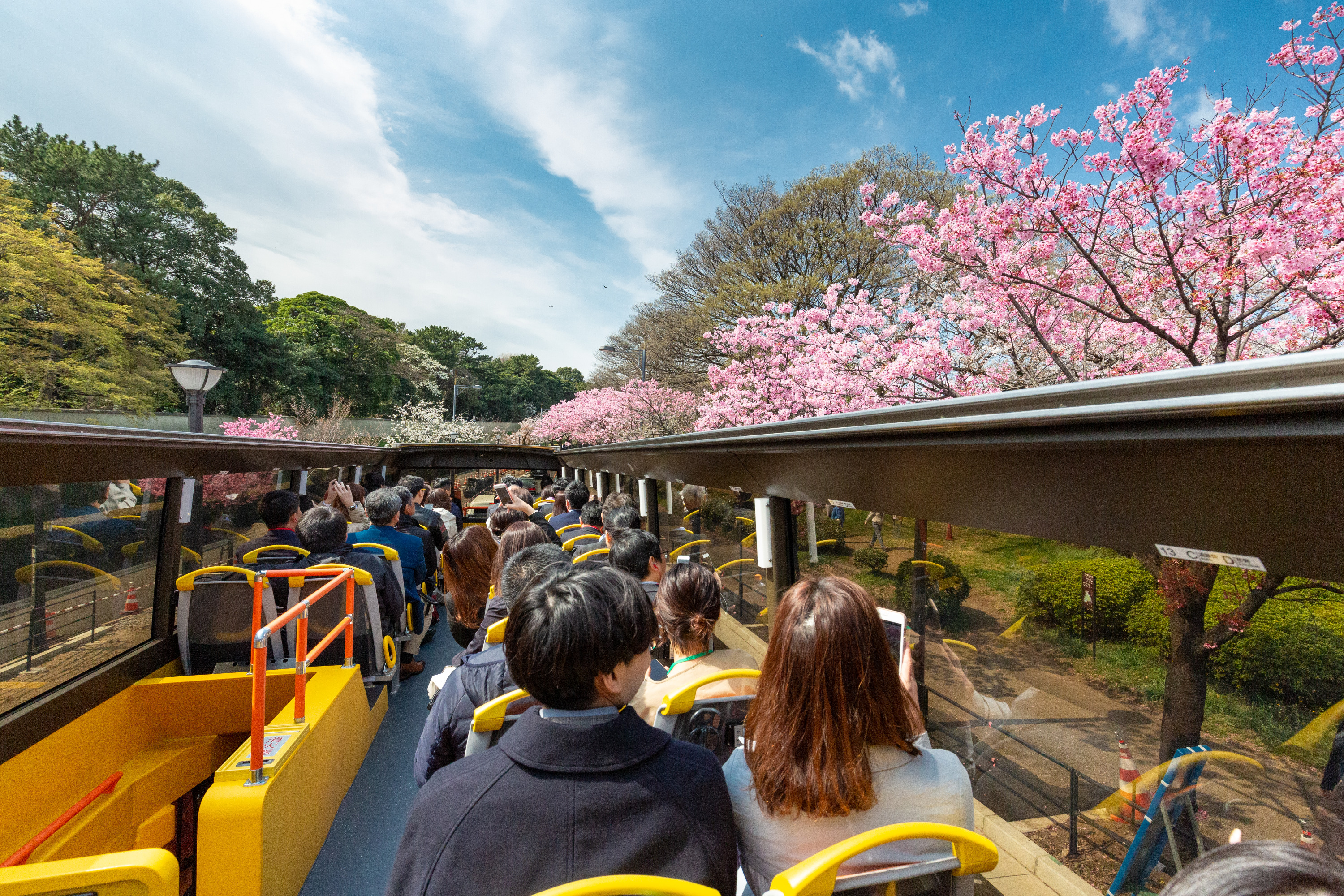
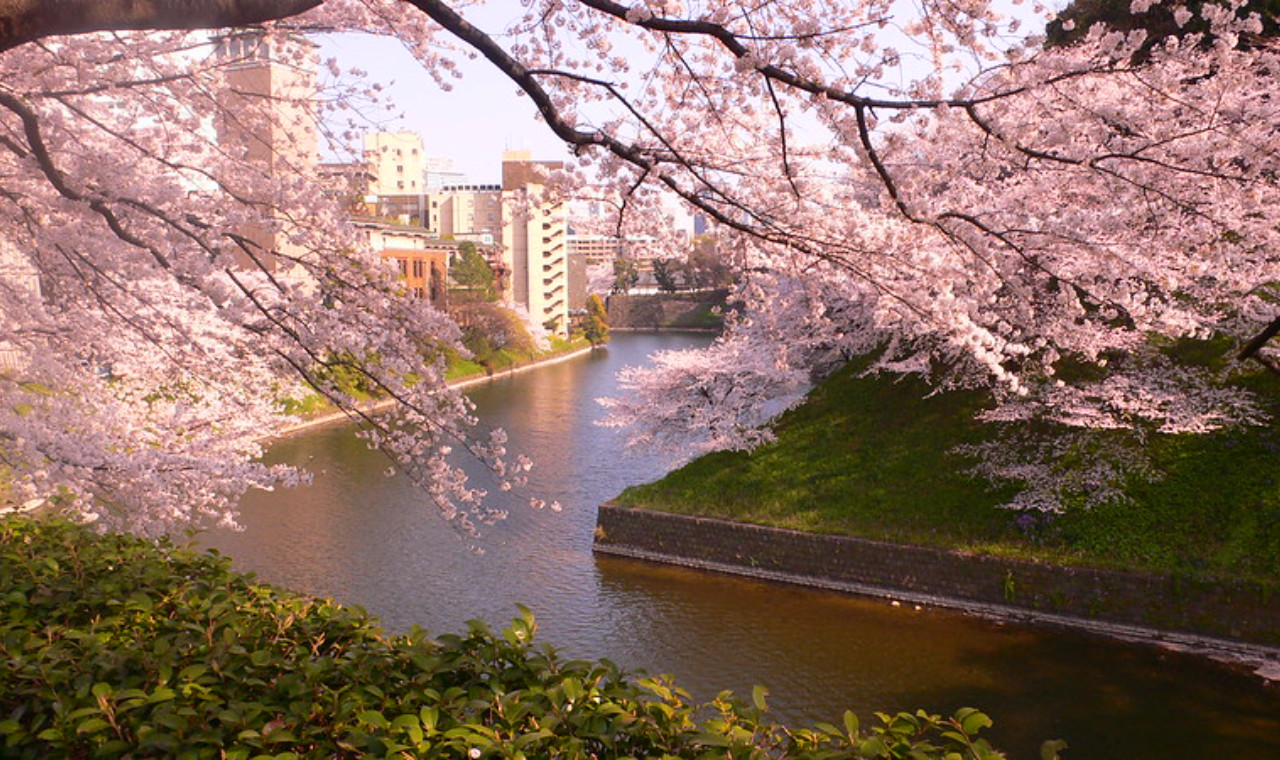
These seasons offer comfortable temperatures and beautiful scenery, with cherry blossoms in spring and vibrant foliage in autumn. However, these are also the busiest times for tourism.
10°C to 25°C (50°F to 77°F)
50°F to 77°F
Practical Information
Language
- Official: Japanese
- Widely spoken: English, Chinese, Korean
- English: Moderately spoken in tourist areas, limited elsewhere
Currency
Japanese Yen (JPY)
Time Zone
GMT+9
Electricity
100VV, 50/60HzHz
Safety Information
Overall Safety Rating: Very safe
Tokyo is generally very safe, with low crime rates and a strong emphasis on public order. However, petty crimes like pickpocketing can occur in crowded areas.
Important Precautions:
- • Be cautious of your belongings in crowded areas.
- • Use licensed taxis and check fares before getting in.
- • Be aware of your surroundings, especially at night.
Getting there
By air
- Narita International Airport • 60 km (37 miles) from city center
- Haneda Airport • 15 km (9 miles) from city center
By train
Tokyo Station, Shinjuku Station
By bus
Tokyo Station Bus Terminal, Shinjuku Expressway Bus Terminal
Getting around
Public transport
Tokyo's subway system is efficient, clean, and punctual. It consists of multiple lines operated by Tokyo Metro and Toei Subway.
Taxis
Available • Apps: JapanTaxi, DiDi
Rentals
Car, Bike, Scooter
Neighborhoods
Shibuya
Shinjuku
Asakusa
Ginza
Akihabara
Day trips
Nikko
120 km (75 miles) from Tokyo • Full day
Nikko is a city known for its beautiful shrines, temples, and natural scenery. It's a UNESCO World Heritage site and offers a peaceful retreat from the bustling city.
Kamakura
50 km (31 miles) from Tokyo • Half day to full day
Kamakura is a coastal town known for its historic temples, shrines, and the Great Buddha statue. It's a great place to experience traditional Japanese culture.
Hakone
90 km (56 miles) from Tokyo • Full day or overnight
Hakone is a hot spring resort town known for its onsen (hot springs), scenic views of Mount Fuji, and the Open-Air Museum. It's a popular destination for relaxation and nature.
Festivals
Sannō Matsuri • Mid-June (every 2 years)
Kanda Matsuri • Mid-May (every 2 years)
Sumida River Fireworks Festival • Last Saturday of July
Pro tips
- Use IC cards like Suica or Pasmo for convenient and discounted public transport.
- Download useful apps like Google Maps, Japan Transit Planner, and Japan Travel by Navitime.
- Learn a few basic Japanese phrases to enhance your experience and show respect for the local culture.
- Carry cash, as some smaller shops and restaurants may not accept credit cards.
- Visit popular attractions early in the morning or late in the afternoon to avoid crowds.
From $25
per person
Price varies by option
Secure booking
Free cancellation available
Instant confirmation


![MSC Bellissima/Spectrum of the Seas Caribbean Sea [Okinawa Port Day Trip] Boutique Small Group + Port Transfer/Chinese Tour Guide](https://res.klook.com/image/upload/activities/tiylcztq2iht7j3bhmij.jpg)
![[Ibaraki/Tochigi Day Trip] Ashikaga Light Show, Seaside Torii Gate, Nakaminato Seafood Market, Hitachi Seaside Park Flower Field (Departure from Tokyo)](https://res.klook.com/image/upload/activities/ur8ejyzld8dmgdrmnguv.jpg)