Full-Day Custom Private Tour of Rio
Active
8h
For a full refund, cancel at least 24 hours before the scheduled departure time.
Instant confirmation
Mobile or paper ticket accepted
About this experience
8-hour fully customized tour of Rio with a private local guide. Have private transportation at your disposal to take you to all the sites you want to see in Rio. Great for experienced travelers who want to make the most of their visit. Whether you're looking to go to the main attractions, or the places that aren't so touristy, your private guide will be there to recommend the best spots and ways to beat the crowds. Tour is limited to a maximum of four people and includes pickup and drop-off from your accommodation in Rio, or the cruise port or airport.
Available options
ENGLISH, SPANISH & PORTUGUESE
Larger Vehicles: 1 person - Compact Car
2 to 3 people -Sedan
4 to 5 people - SUV
6 to 10 people – Van
<br/>English, Spanish & Portuguese: This tour version can be conducted in English, Spanish or Portuguese upon your convenience.<br/>Pickup included
What's included
Local guide
Tolls and parking fees
Landing and facility fees
Fuel surcharge
Transportation in a private car
Detailed itinerary
1
Stop 1
The second most visited attraction in Rio, Sugarloaf is a monolithic solid granite block over 1,200 feet above sea level located at the very entrance of Guanabara Bay in Rio. The access to the monument is at Urca neighborhood. The monument can be reached by taking 2 cable cars straight to the summit of Sugarloaf.
2
Stop 2
A wonderful estate that belonged to the most acclaimed landscape designer in Brazil.
3
Stop 3
Former home to a preeminent female art supporter, Laurinda Santos Lobo, the Parque das Ruínas is now a cultural center that keeps her legacy of supporting artists everywhere.
4
Stop 4
Inaugurated in 1909, the Theatro Municipal is one of the most importante theaters of Brazil and Latin America. The Theatro Municipal has drawn international artists and important names from Brazilian culture, including dancers, musicians, opera singers, and performing artists. Since the 1930s, the Theatro Municipal of Rio de Janeiro has maintained its artistic independence, and is the only Brazilian institution to have its own choir, a symphony orchestra, and ballet company. We do not enter, but we take time enjoying the architecture aspects of this building.
5
Stop 5
The garden was created in 1808 by order of the Portuguese prince Dom João VI as a temporary site for acclimatizing exotic plant species from all over the world broth there by the Portuguese. During the walk we will also be able to see the majestic imperial palm trees and the orchid and Bromeliad greenhouses.
Rio’s Botanic Garden is also one of the best spots to observe the city wildlife, such as capuchin and marmosets monkeys, toucans, red throated guan and several other animal species.
6
Stop 6
The Paço Imperial or Imperial Palace, previously known as the Royal Palace of Rio de Janeiro and Palace of the Viceroys, is a historic building.The Paço Imperial was built in the 18th century to serve as residence for the governors of colonial Brazil. From 1808, it was used as a royal residence by King John VI of Portugal as King of Portugal and later also as King of Brazil.
7
Stop 7
The CCBB in Rio de Janeiro is a building of neoclassical lines that in the past was connected to finance and business. Its foundation stone was launched in 1880, materializing the project of Francisco Joaquim Bethencourt da Silva (1831-1912), architect of the Imperial House, founder of the Society of Fine Arts and the Lyceum of Arts and Crafts
8
Stop 8
The diverse fauna and lush vegetation of the park can be observed.
9
Stop 9
This worldwide famous beach is also the area where most hotels are located in Rio.
10
Stop 10
Simply put, the most beautiful beach, with the most beautiful people, in the south side of Rio. Don´t miss the opportunity to see Tom Jobim´s statue and take great shots of the beach and Dois Irmãos´hill.
11
Stop 11
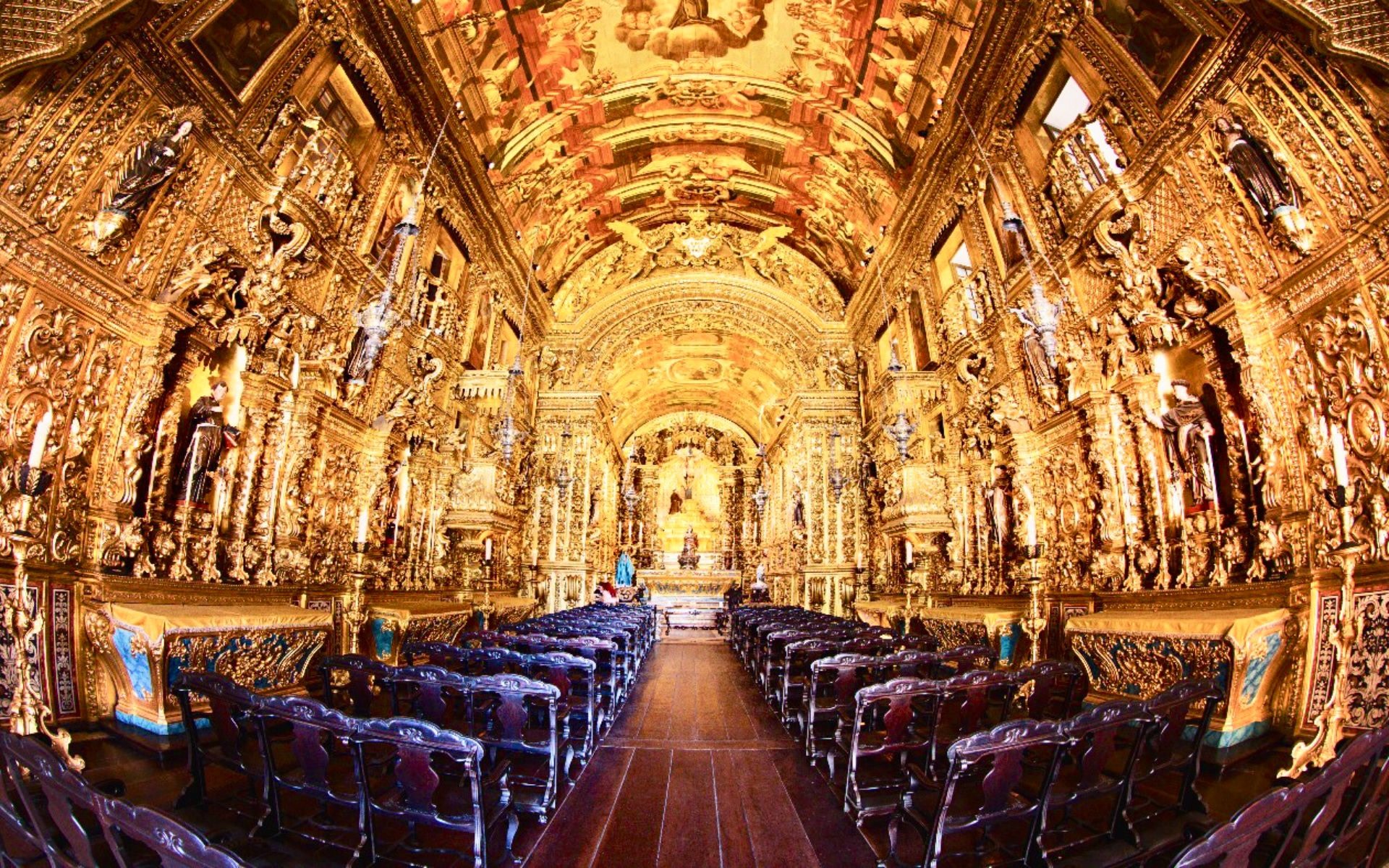
A place of monastic simplicity that is one of the most beautiful architectural complexes in Brazil where there is a surprising contrast between the austere, purposefully simple appearance of the exterior and the richness of the interior highlighting gilded Baroque engravings with plants motifs. See for yourself the exuberant Rococo style in the engraving on the high altar, followed by a view of the dome and the Chapel of the Santíssimo Sacramento.
12
Stop 12
Inaugurated in 1950 the stadium had 200.00 people capacity.
13
This flat trail located at the base of Sugaloaf Moutain is a place for a short walk looking for marmoset monkeys with Sugarloaf and the Red Beach as background.
14
Stop 14
The stage for the city's main Carnival Parade.
15
This fort, located at the very end of Copacabana Beach, is a well-kept secret.
The fort was built in 1776 as a lookout to spot incoming ships. To reach the summit of the 183m (600-ft.) hill we’ll walk for 20 minutes on an 800 meters cobblestone road that crosses the natural preserve area kept by the Brazilian Army.
Several species of the Brazilian fauna live in the area. It is not uncommon to spot mamorset monkeys, tropical birds and lizards on the way up.
Once we reach the summit, a series of spectacular views will be discovered. From the hill top we’ll have a vantage point of view of the entire extension of Copacabana Beach, Corcovado Mountain, Sugarloaf Mountain and the entrance of Guanabara Bay.
16
Stop 16
This large park is located near the Botanic Gardens in the south part of the city. During the 16th century the place was a sugar mill owned by the governor of Rio de Janeiro province. In 1840 an English nobleman became the new owner and hired the landscape designer John Tyndale to design the romantic style garden at the property.
17
A large rock at the end of Ipanema Beach considered one of the best spots in Rio to observe the sunset during the summer.
18
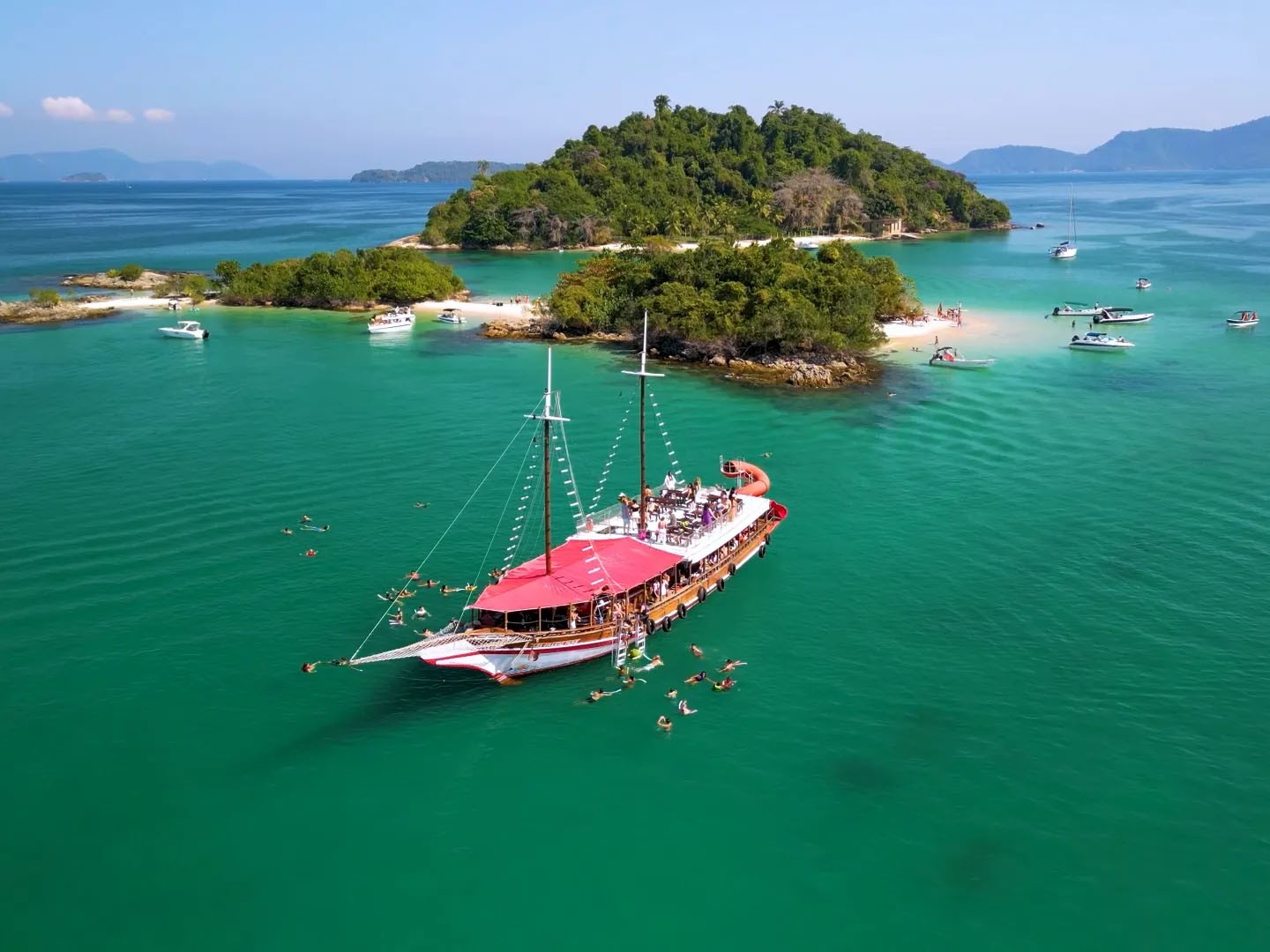
A completely secluded and wild beach reachable by boat or hiking trail only.
19
Stop 19
One of the nicest areas in Rio this tidal lagoon connects with the sea and it is surrounded by a bike lane.
20
The seaside avenue in Copacabana is the most famous beach area in Rio.
21
Stop 21
Also known as Arcos da Lapa the aqueduct used to supply the city with water from the rivers born at Tijuca Forest. Now it is used as a passageway for the tram that connects Downtown Rio and Santa Teresa neighborhoods.
22
A beautiful beach in the west part of town.
23
Stop 23
The square is located in the historical centre of Rio de Janeiro and is surrounded by the Palácio Tiradentes, the Legislative Assembly of Rio de Janeiro; and the Paço Imperial. The Praça XV Station is a ferry terminal servicing a number of destinations in the city of Rio de Janeiro and Niteroi
24
Stop 24
A very large park area crossed by an expressway.
25
Stop 25
This is the place from where most bot tour departure from in Rio.
26
Stop 26
The round shape of this mountain next to Sugarloaf reminded the Portuguese a ship used to carry sugar.
This is the first step to reach Sugarloaf Mountain by cable car.
27
Stop 27
Named after the Portuguese judge Antônio Telles Barreto de Menezes the place preserves its colonial architecture.
28
Stop 28
This picturesque and well preserved colonial style area born in the mid-1800s is now an artsy neighborhood full of bars, cafés and good restaurants that offer a myriad food options including the best Acai and cheese bread in Rio.
The place offers great photo opportunities with its painted murals, street art, cobblestone streets and a variety of souvenirs shops, including the only one in Rio listed on Lonely Planet for having only items made by local artists.
29
This vantage viewpoint offers the very best view of Rio skyline.
30
The Luiz Gonzaga Northeast Traditions Centre is the place where the traditional São Cristovão Fair is held. About 700 permanent tents offer a sample of Brazilian Northeast culture, such as typical food, handcrafts, forró players, dance, singers and also folk literature. The fair attracts visitors from all over the country and abroad. Every month about 450 thousand tourists and local people visit it. It is a place for dancing, handcraft shopping, and also a place to try some of the local specialties at one of the many typical Northeastern restaurants.
31
Stop 31
Drive through this neighborhood that was once the home for most embassies in Brazil when Rio was the country capital.
32
Stop 32
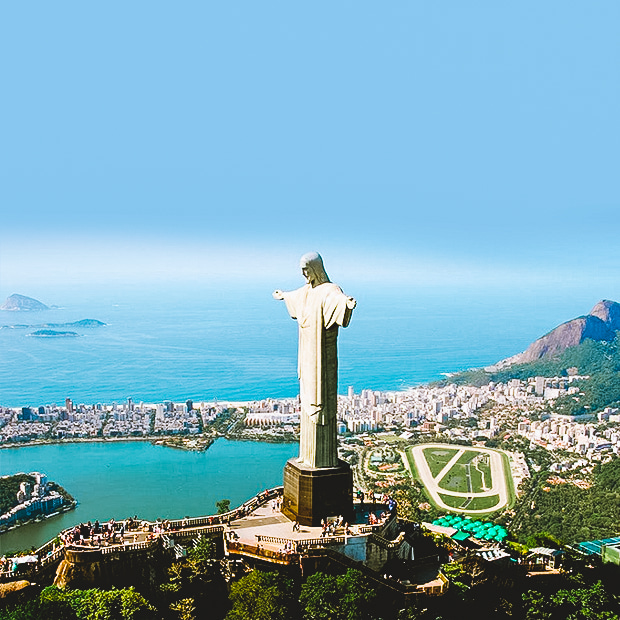
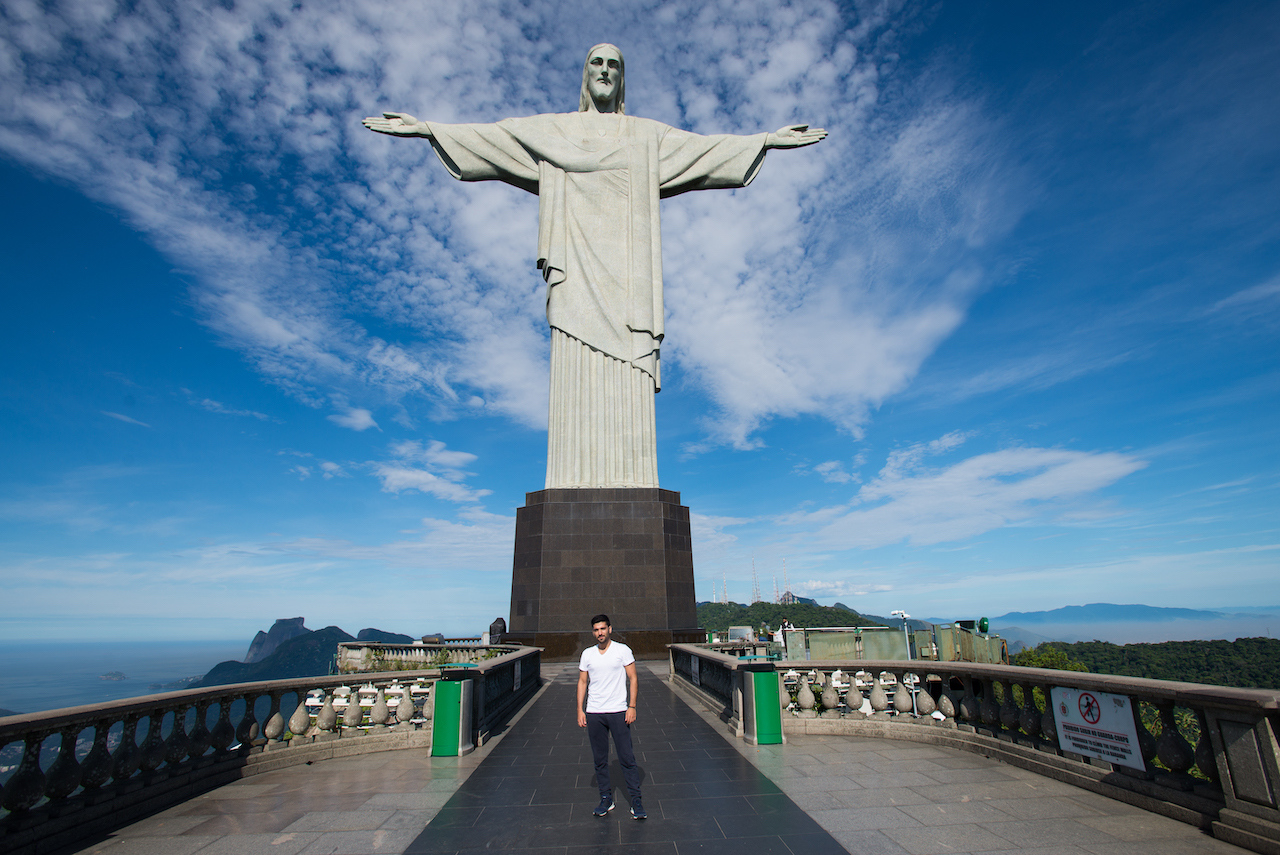
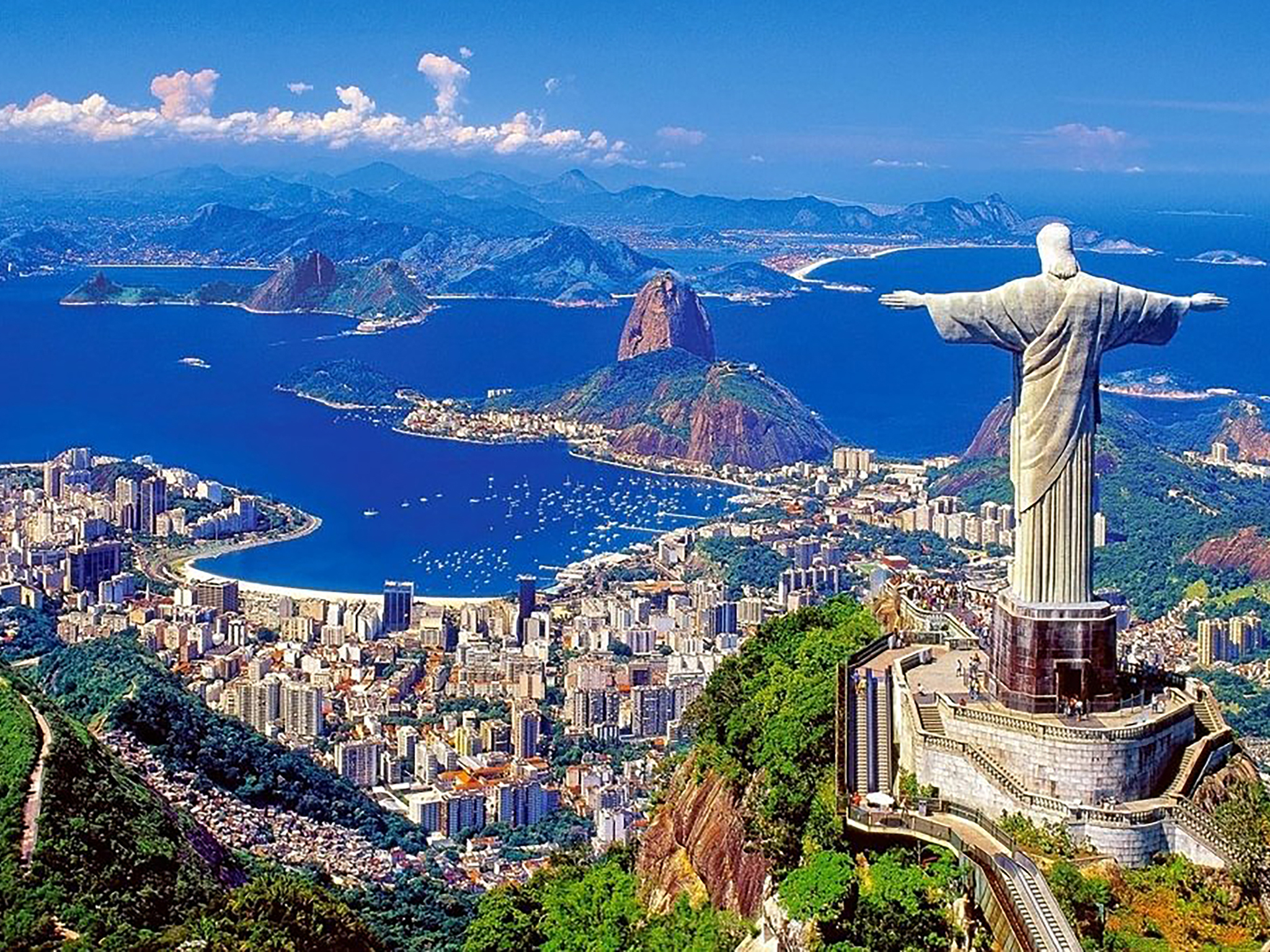
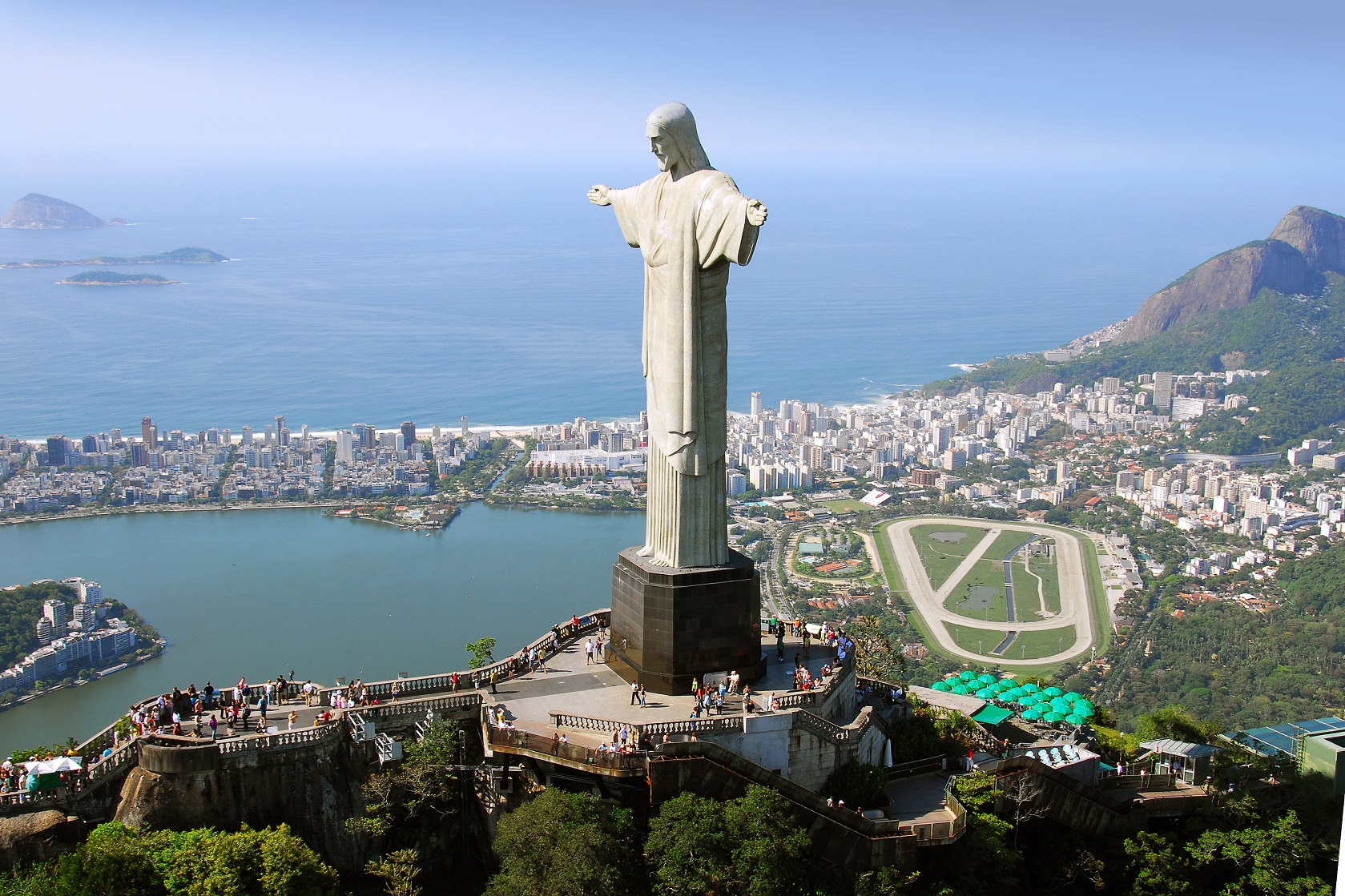
The most iconic monument in Brazil was inaugurated in 1931 and is considered the largest Art Deco statue in the world. From the monument Rio can be seen at its entire splendor.
33
A less busy beach located at the very far end of Copacabana.
34
Stop 34
Selaron’s Staircase is a set of world-famous steps. They are the work of Chilean-born artist Jorge Selaron who claimed that the staircase is his tribute to the Brazilian people.
The steps straddle both the Lapa and Santa Teresa neighborhoods. There are 250 steps which are covered in over 2000 tiles collected from over 60 countries around the world.
35
Stop 35
Pass by
Each morning farmers set it up on a different street.
These are the places where the locals go to do their grocery shopping, and tourists are welcome to walk around the several stands sampling fruits, street food and vegetables offered in the market. The fruit in Brazil really taste different. More than once I had people telling me “So that is what mango is supposed to taste like! I feel I’ve been cheated all my life…”.
36
Stop 36
Pass by
The laity of the Order of the Third Order of San Francisco settled in Rio de Janeiro in 1619, occupying a chapel inside the church of the Franciscan convent of Santo Antônio, located on the top of a hill (the Morro de Santo Antônio). In the middle of the seventeenth century, the Franciscan convent gave them a plot of land next to the convent's church to build their own temple there. The Church of St. Francis of Penance was built, with interruptions, between 1657 and 1733.
37
Nice vantage viewpoint at the end of Leblon Beach.
38
Stop 38
Pass by
A seaside granite mountain at the end of Leblon Beach.
39
This was once the home of Princess Isabel, the daughter of Brazil’s second emperor. Today the beautiful building houses the headquarter of Rio de Janeiro State government.
40
Stop 40
Pass by
A small and picturesque neighborhood is located at the foot of Sugarloaf Mountain.
41
Stop 41
Pass by
An area full of new developments and one of the most beautiful beaches in Rio.
42
The only nude beach in Rio.
43
Stop 43
Pass by
Very isolated and completely undeveloped beach area covered by the lush restinga vegetation and reachable only by private transportation.
44
Surrounded by rocky clifs, this beach is reachable by a small hiking trail.
45
Stop 45
Pass by
At the very end of Copacabana Beach Leme Beach is the best place for a picture of Copacabana.
46
Stop 46
Pass by
A 10 miles long beach in the west side of Rio.
47
Stop 47
Pass by
At the foot of Urca Mountain lies a small and beautiful beach with red sand and surrounded by mountains in both sides.
48
Icon of Brazilian’s modern architecture, the Gustavo Capanema Palace, also known as MEC (Ministry of Education and Culture), stands out for its architectural composition and for its unique positioning within the surrounding urban context.
49
Stop 49
Pass by
Erected to celebrate of the arrival of the first Chinese immigrants to Brazil.
50
The ruins of a fort and a church lies in this island.
51
A national park in the mountains at the end of Guanabara Bay and 50 miles away from Rio.
52
On a clear day the views of the mountains and Guanabara Bay are absolutely amazing from this viewpoint.
53
One of the highest mountains of Serra dos Orgaos this peak rises towards the sky as if it was a finger pointing up.
54
Stop 54
Pass by
Most well-kept secret of Rio this awsome beach is souronded by vegetation and is also a surfer’s paradise.
55
Stop 55
Pass by
A nine miles long bridge connecting the two sides of the road.
56
Part of Little Africa, Pedra do Sal is considered by some the birth place of Samba.
57
The small and quiet island is hidden gem where the best seafood place in Rio can be found.
58
At the very end of Recreio dos Bandeirantes lies this calm waters beach.
59
A large preserved area at Recreio dos Bandeirantes.
60
A small alley in the downtown district with preserved colonial Architecture.
61
The Museum is located where nearly one million captive Africans disembarked between 1811 and 1831 and tell us a bit more about the African heritage in Brazil.
62
The Von Martius Visitor Center in the Guapimirim Venue is housed in a 19th century mansion, restored to preserve its original features. The mansion belonged to the former Fazenda Barreira do Soberbo, being its owner during the Empire the medical doctor Henrique José Dias, who dedicated himself to planting cinchona (Cinchona calissaia).
This historical mansion houses a permanent exhibition with photos and information about the park, a model of the entire PARNASO area, as well as an interesting collection of works by botanist Von Martius.
63
One of the most beautiful waterfalls ever. Nice place to sunbathe and swim in the large pool formed by rocks and boulders.
64
Stop 64
Pass by
A hang-gliding take off spot is at the top of this mountain in Sao Conrrado.
65
The place of entry for millions of enslaved African for over 100 years.
66
An architectural complex that made Niterói the second city in the world with the largest number of works designed by architect Oscar Niemeyer.
67
This solid granite wall rises above the entrance of Sugarloaf cable car. Here we’re very likely to observe climbers trying to reach the mountain summit.
68
The scenery is spectacular from this viewpoint overlooking Prainha.
69
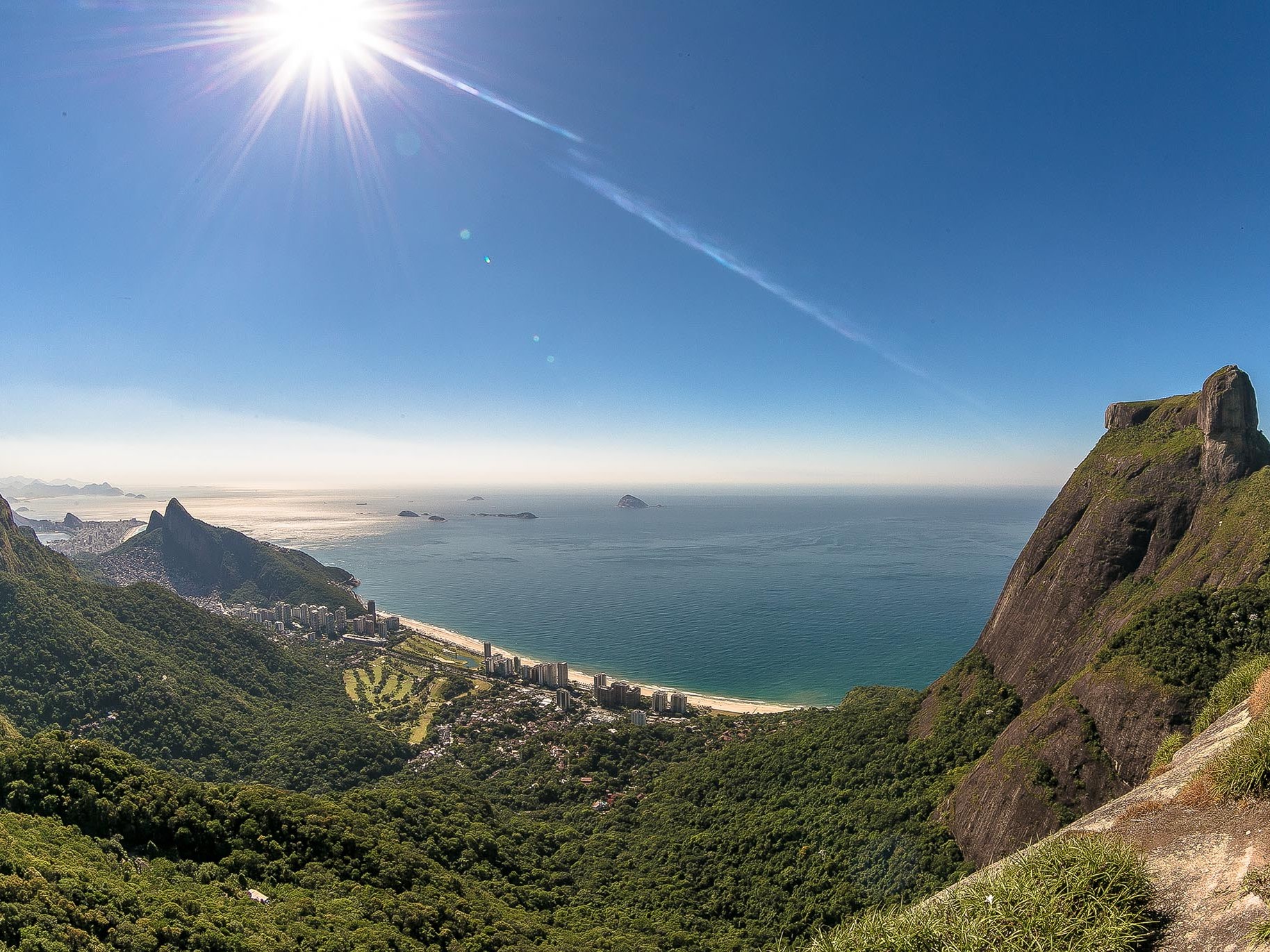
Nice viewpoint at the foot of Gavea mountain overlooking the ocean.
70
The two miles very steep hiking trail starts at Pedra Branca State Park. At the summit you’ll take the famous picture hanging from the cliff.
71
As the name suggests this is a small hidden beach on the way to Prainha.
72
Most definitively the best spot to take a picture of Copacabana Beach.
73
A city park behind the most beautiful beach in Rio.
74
Beautiful and colorful colonial houses can be found in this old commercial part of the city.
75
Large square surrounded by 2 museums near Little Africa.
76
The first cathedral in Rio de Janeiro.
77
A war hero and the patron of the Brazilian Army.
78
Magnificent waterfall inside Serra dos Orgaos National Park.
79
Originally positioned next to the pier, it was used to supply the vessels, as well as the residents with fresh water from the mountains of Rio.
80
Also known as Pontal de Sernambetiba the rock island divides the sandy oceanfront into two separate beaches, Recreio and Macumba.
81
This hiking trail staring at Claudio Coutinho Trail also grants access to Urca Mountain.
82
Central part of Santa Teresa District.
83
Rio downtown is full of buildings and places where you can get in touch with all this history.
84
The area also known as Porto Maravilha houses a variety of museums and cultural centers. There is also a sequence of gratifies that make up an artistic pathway painted by 20 different artists and the famous street Etnias Mural painted by Eduardo Kobra.
85
Inspired by the Olympic rings representing the five continents and their people, the mural signed by Eduardo Kobra was named Etnias (ethnic groups).
86
Marking the initial occupation of the city of Rio de Janeiro by the Portuguese, the area has significant historical and architectural importance.
87
The place where all cruise ships dock in Rio de Janeiro.
88
Stop 88
The largest aquarium in South America houses about three thousand sea animals in 28 tanks.
89
Built by the Veneravel Ordem Terceira de Sao Francisco da Penitencia in 1704 this church is considered one of the main Baroque style examples in Rio.
90
The visitors center was created in 2013 and houses an environmental education center and can be visited when going to the Christ Monument by minibus.
91
This hang gliding take off spot in Sao Conrado offers great views.
92
Stop 92
The Fort seats at the tip of the Copacabana Beach and offers some of the best views in of Copacabana.
93
Along with Perigoso, Inferno and Funda beaches this is a very secluded beach reachable only by hiking trail.
94
Tijuca Forest is the largest reforested urban forest in the world. The forest takes 10% of the city area and houses the Tijuca National Park.
95
One of the many waterfalls in Rio.
96
Located in the new headquarters of the Brazilian Soccer Confederation in Barra da Tijuca, this is a must for soccer lovers. The fans can follow the history of the Brazilian Team from their first games to the most important titles. There are nineteen facilities with technological resources that allow the interactivity of the public with the attractions. The collection also has relics such as uniforms, trophies and photographs.
97
Confeitaria Colombo inaugurated in 1824 and is a icon of what was the Belle Epóque in Rio de Janeiro.
The Belgian crystal mirrors framed by hand-carved frames, the lamps and the beautiful stained glass skylight ceiling are stunning and the food is very representative of Brazilian culinary.
What's not included
Customer’s admission tickets for the attractions visited on the tour
Meals or drinks (if any)
Available languages
Guide guide
PT
EN
ES
Reviews breakdown
Viator
4.8
19 reviews
5★
17
4★
1
3★
1
2★
0
1★
0
Tripadvisor
5.0
158 reviews
5★
156
4★
2
3★
0
2★
0
1★
0
Important information
Specialized infant seats are available
Wheelchair accessible
Infants and small children can ride in a pram or stroller
Public transportation options are available nearby
Transportation options are wheelchair accessible
Suitable for all physical fitness levels
Children must be accompanied by an adult
A maximum of 4 people per booking
Pricing is per group pricing
Please advise any specific dietary requirements at time of booking
Vegetarian option is available, please advise at time of booking if required
All tours are private and conducted in air conditioned vehicle.
Your admission tickets for the attractions visited on the tour and any meals or drinks are not included. Admission fees will be paid directly at the attractions.
Important notes
• Children must be accompanied by an adult
• Infant seats are available on request if advised at time of booking
• Please advise any specific dietary requirements at time of booking
• Vegetarian option is available, please advise at time of booking if required
• All tours are private and conducted in air conditioned vehicle.
• Your admission tickets for the attractions visited on the tour and any meals or drinks are not included. Admission fees will be paid directly at the attractions.
• Tour is conducted in an air-conditioned vehicle driven by your tour guide.
About Rio de Janeiro
Rio de Janeiro, known as the 'Marvelous City,' is famous for its natural settings, Carnival, samba, bossa nova, and Balneario beaches such as Copacabana and Ipanema. It's a vibrant city with a rich cultural heritage and stunning landscapes, including the iconic Christ the Redeemer statue and Sugarloaf Mountain.
Top Attractions
Christ the Redeemer
One of the New Seven Wonders of the World, this iconic statue offers breathtaking views of Rio de Janeiro.
Historical/Religious
2-3 hours
R$84 (including train ticket)
Sugarloaf Mountain
A famous peak offering stunning views of Rio de Janeiro and its beaches.
Nature
2-3 hours
R$88 (round-trip cable car)
Copacabana Beach
One of the most famous beaches in the world, known for its vibrant atmosphere and beautiful sunsets.
Beach
Half day or full day
Free
Tijuca National Park
The world's largest urban forest, offering hiking trails, waterfalls, and diverse wildlife.
Nature
Half day or full day
Free (some attractions may have fees)
Santa Teresa
A historic and bohemian neighborhood known for its cobblestone streets, art galleries, and scenic views.
Cultural
Half day
Free to explore
Must-Try Local Dishes
Feijoada
A hearty stew made with black beans and various cuts of pork, often served with rice, collard greens, and orange slices.
Dinner
Contains pork, not suitable for vegetarians or vegans.
Pão de Queijo
Cheese bread made with tapioca flour, giving it a unique texture and flavor.
Snack
Vegetarian, but contains dairy.
Moqueca
A traditional fish stew cooked in coconut milk and dendê oil, with various seafood and vegetables.
Dinner
Can be made vegetarian or vegan with vegetable broth and tofu.
Açaí
A thick, creamy fruit pulp from the açaí palm, often served with granola and condensed milk.
Dessert/Drink
Can be made vegan with plant-based milk.
Popular Activities
Hiking in Tijuca National Park
Surfing in Arpoador
Paragliding in Pedra Bonita
Beach lounging in Ipanema
Spa treatments in Copacabana
Yoga in Botafogo
Visiting museums in Centro
Attending a samba show
Best Time to Visit
December to March
This is the peak tourist season with warm weather and the famous Carnival in February/March. Expect crowded beaches and higher prices.
25-30°C
77-86°F
Practical Information
Language
- Official: Portuguese
- Widely spoken: English (limited)
- English: Limited
Currency
Brazilian Real (BRL)
Time Zone
GMT-3 (Brasília Time)
Electricity
110V/220VV, 60HzHz
Safety Information
Overall Safety Rating: Exercise caution
Rio de Janeiro is generally safe for tourists, but petty crime and violence can occur. Exercise caution, especially in less touristy areas and at night.
Important Precautions:
- • Avoid walking alone at night in unsafe areas
- • Use common sense and stay alert to your surroundings
- • Keep valuables secure and out of sight
Getting there
By air
- Rio de Janeiro-Galeão International Airport • 20 km (12 miles) from city center
- Santos Dumont Airport • 12 km (7.5 miles) from city center
By train
Central do Brasil
By bus
Rodoviária Novo Rio, Terminal Rodoviário da Gavea
Getting around
Public transport
Efficient and air-conditioned, the metro is a great way to avoid traffic.
Taxis
Available • Apps: Uber, 99 Taxis
Rentals
Car, Bike, Scooter
Neighborhoods
Copacabana
Ipanema
Santa Teresa
Lapa
Botafogo
Day trips
Petrópolis
65 km (40 miles) • Full day
A charming colonial town in the mountains, known for its historic architecture and cool climate.
Paraty
170 km (105 miles) • Full day or overnight
A historic coastal town with cobblestone streets, colonial architecture, and beautiful beaches.
Búzios
170 km (105 miles) • Full day or overnight
A picturesque beach town known for its stunning beaches, clear waters, and vibrant nightlife.
Festivals
Carnival • February/March (dates vary)
Rio Carnival Samba Parade • February/March (dates vary)
New Year's Eve (Réveillon) • December 31
Pro tips
- Visit Christ the Redeemer early in the morning to avoid crowds and enjoy the best views
- Take a helicopter tour for a unique perspective of the city
- Explore the less touristy neighborhoods like Santa Teresa and Botafogo for a more authentic experience
- Try local street food like pão de queijo and coxinha for a taste of Brazilian flavors
- Learn some basic Portuguese phrases to enhance your interactions with locals
From $25
per person
Price varies by option
Secure booking
Free cancellation available
Instant confirmation