Essential of Rome in 1 Day: Vatican Musems & Colosseum
Active
8h
If you cancel at least 3 full day(s) before the scheduled departure time, you will receive a full refund.<br>If you cancel within 3 day(s) of the scheduled departure, you will receive a 0% refund.
Instant confirmation
Mobile or paper ticket accepted
About this experience
Unleash your cultural exploration in Rome with our Complete Vatican Museums & Colosseum tour. Dive into a day filled with art and history, guided by our expert art historian. Skip the long queues with our reserved entrance to the Vatican Museums and save even more time with our exclusive access to the Ancient Roman sites. Immerse yourself in the city's finest offerings without the usual crowds.
Maximize your vacation: discover all that Rome has to offer while saving money by combining our top-selling Rome tours into one thrilling day! Listen to engaging commentary from our English-speaking guide as you visit the Eternal City's most significant attractions: the stunning Vatican Museums, the iconic Sistine Chapel, the grand St. Peter’s Basilica, and the historic Colosseum, Roman Forum & Palatine Hill.
With a small group and priority entrance to all sites, we ensure an unforgettable experience that will leave a lasting impression!
Available options
Tour in English Winter Season
Duration: 7 hours
Tour in English Summer Season
Duration: 7 hours
What's included
Reserved visit to the Colosseum, Roman Forum and Palatine Hill
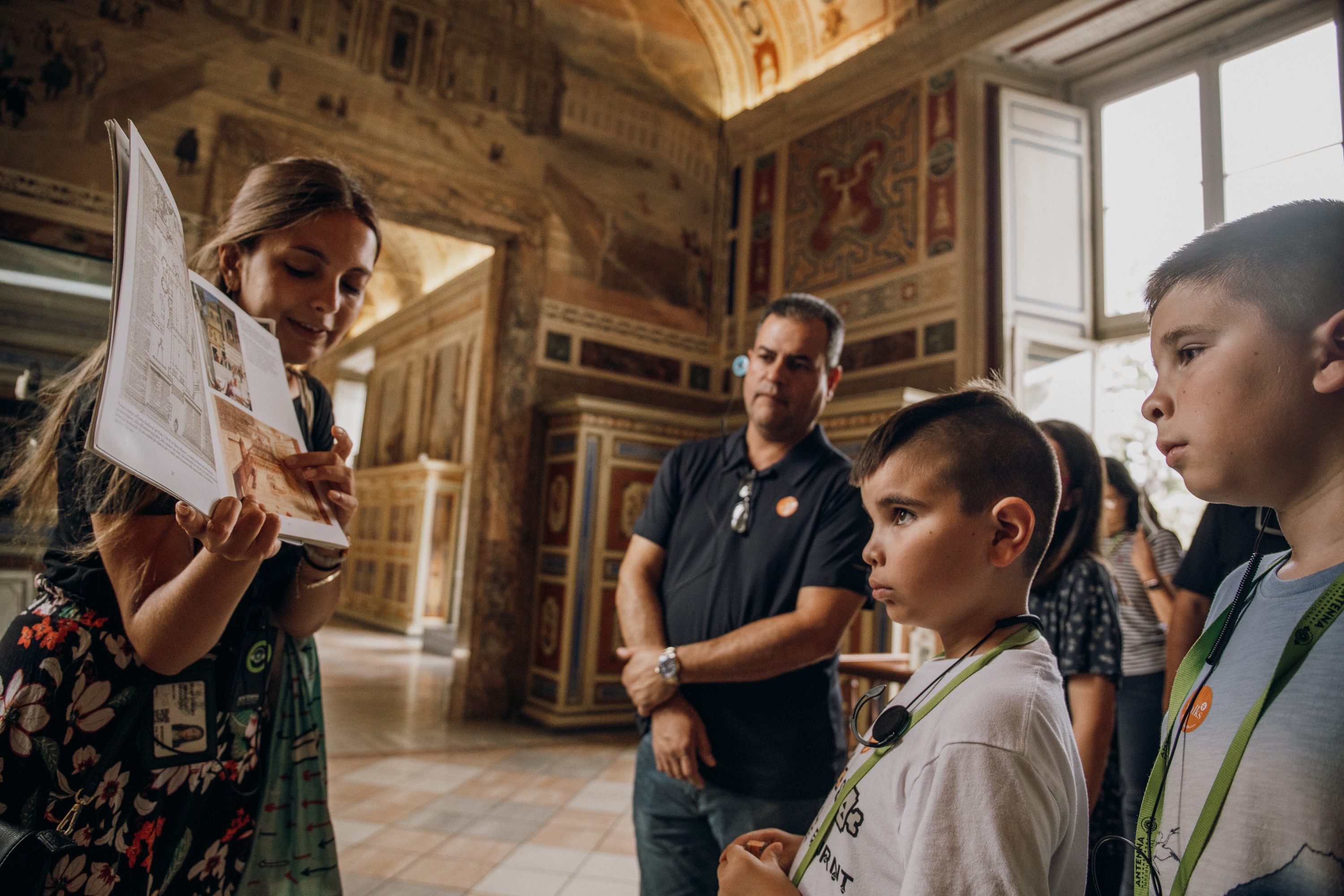
Guided tour of the Sistine Chapel
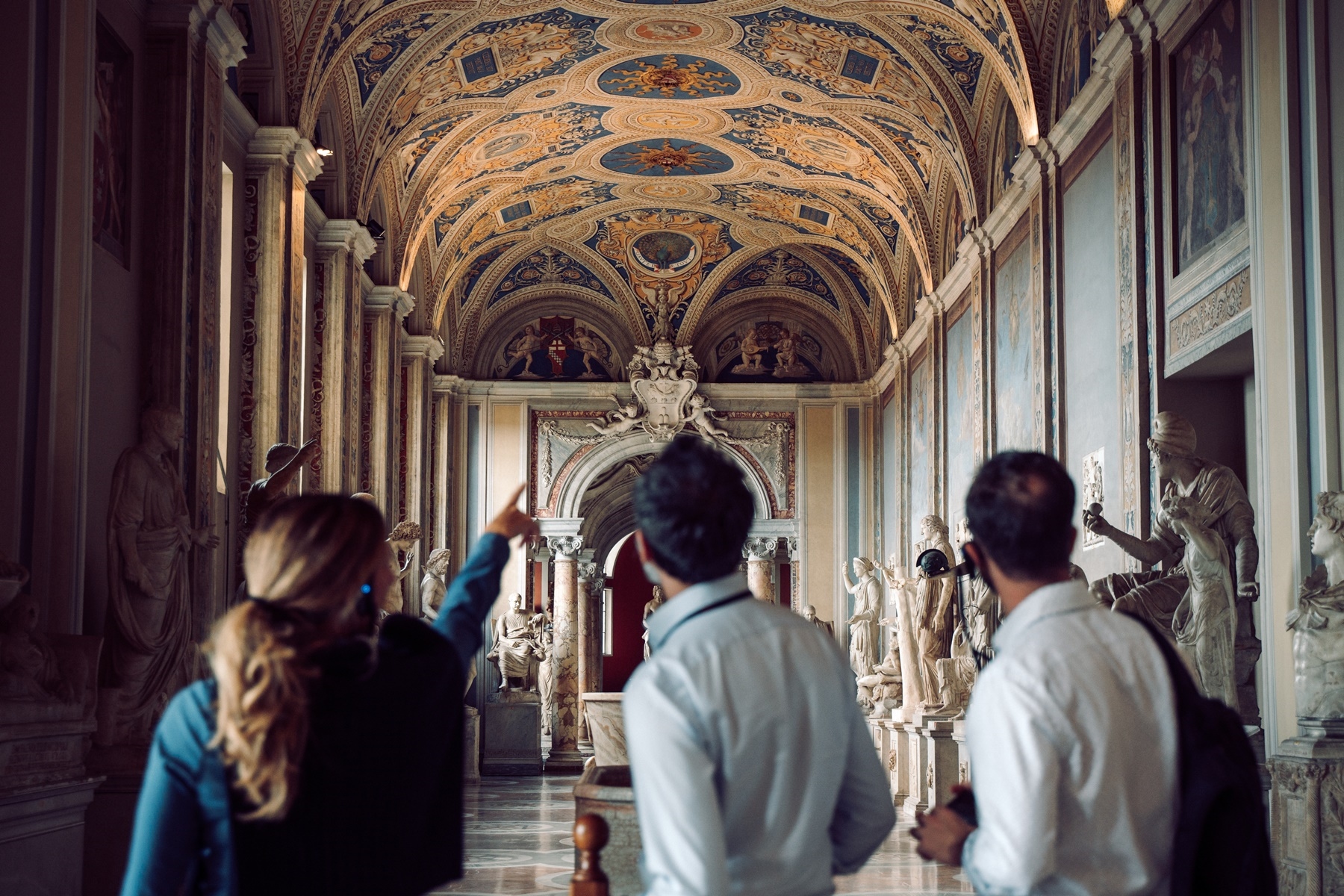
Guided tour guaranteed for the entire itinerary inside the Vatican Museums
Professional English speaking tour guide
Only in English for the highest quality
Guaranteed skip-the-line access to St. Peter's Basilica
Reserved Access and tickets to the Vatican Museums
Detailed itinerary
1
Stop 1
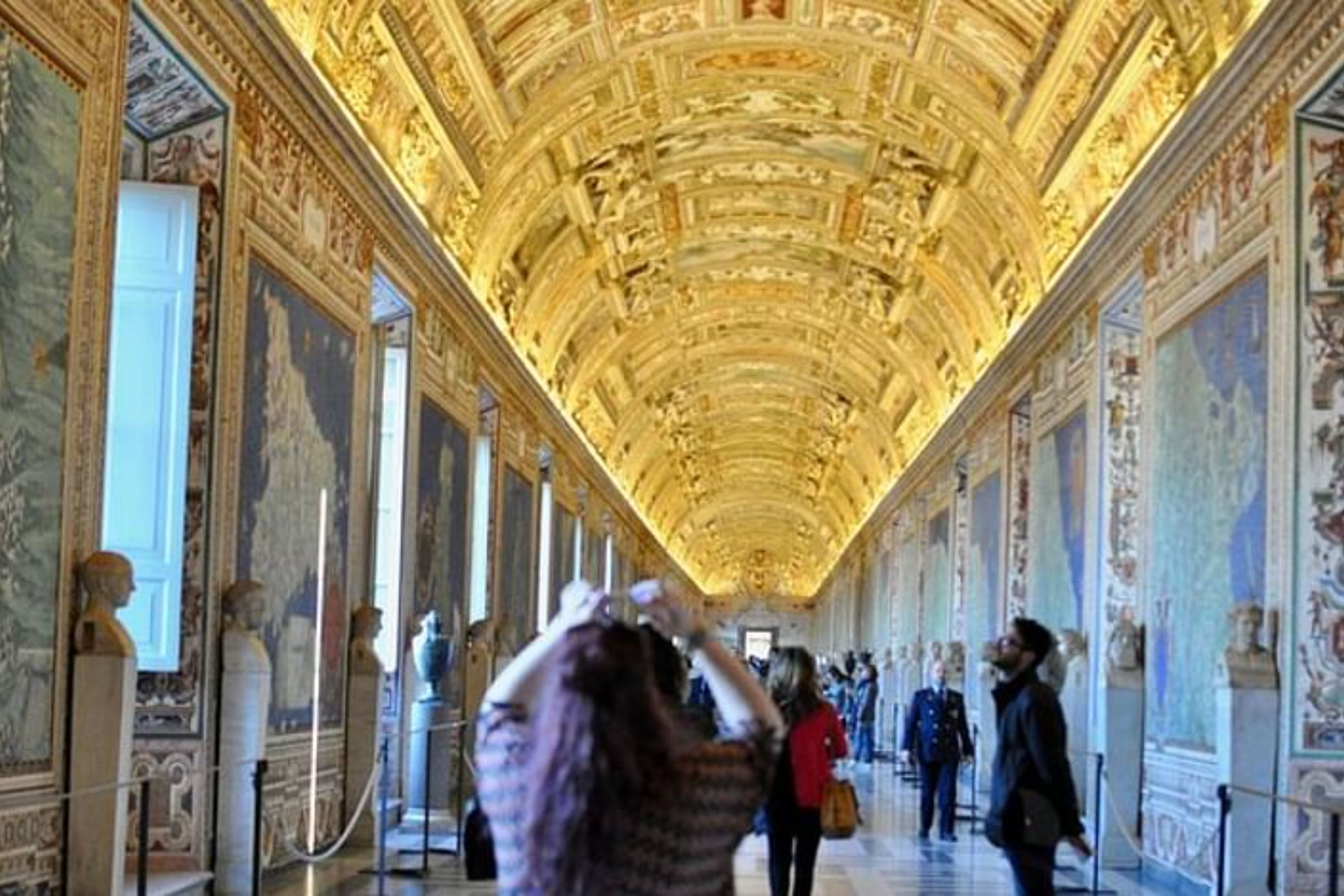
The Sistine Chapel is a chapel in the Apostolic Palace, the pope's official residence in Vatican City. Originally known as the Cappella Magna ('Great Chapel'), the chapel takes its name from Pope Sixtus IV, who had it built between 1473 and 1481. Since that time, the chapel has served as a place of both religious and functionary papal activity. Today, it is the site of the papal conclave, the process by which a new pope is selected. The fame of the Sistine Chapel lies mainly in the frescoes that decorate the interior, most particularly the Sistine Chapel ceiling and The Last Judgment, both by Michelangelo.
2
Stop 2
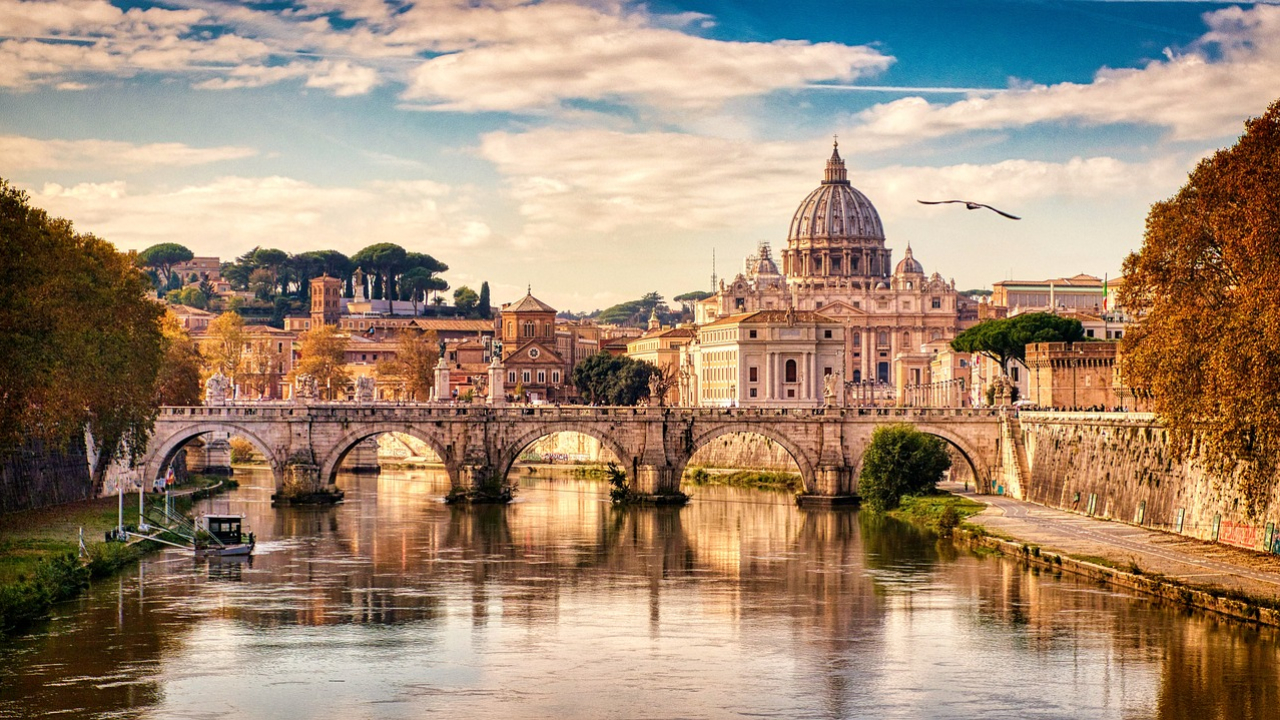
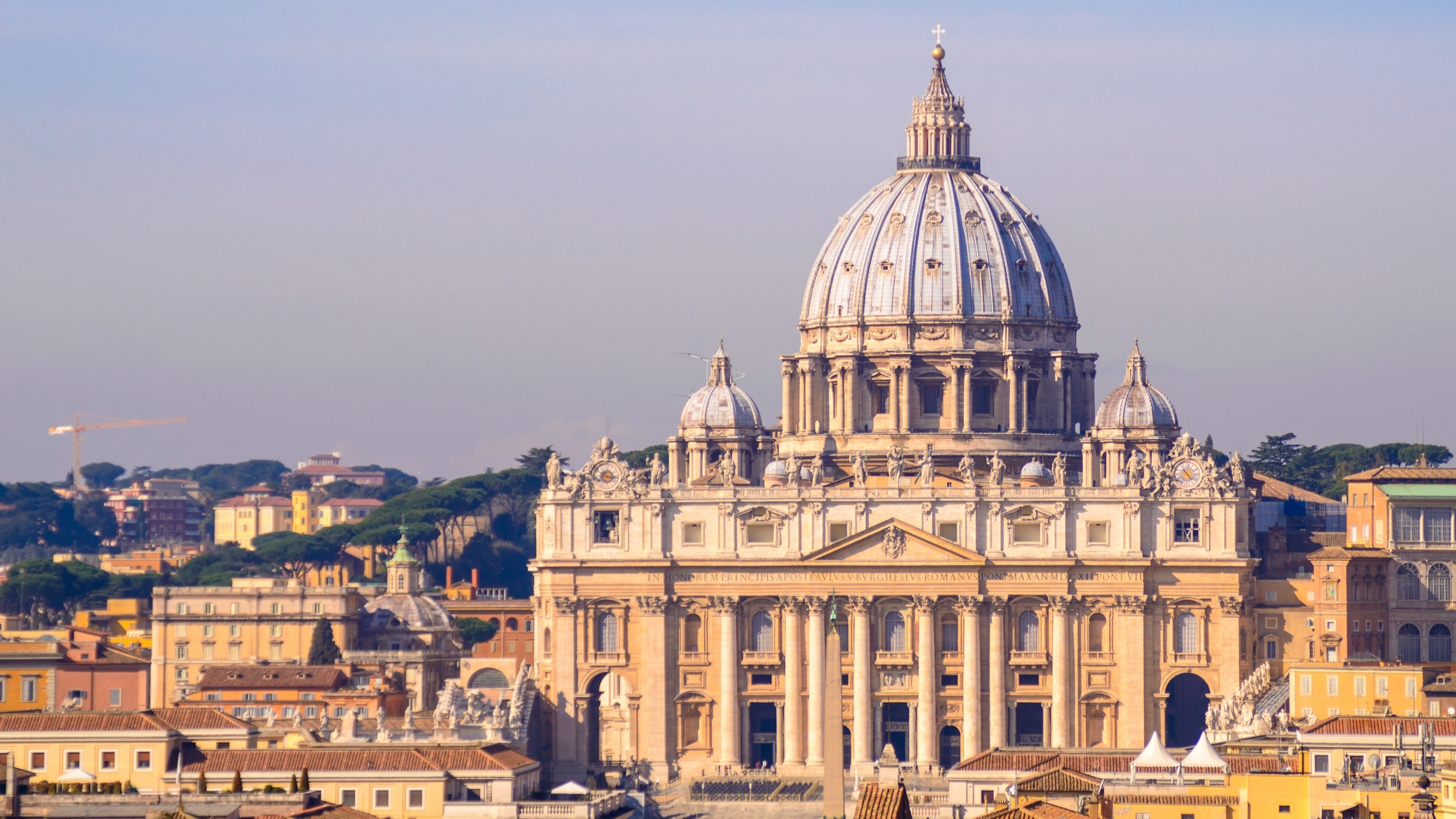
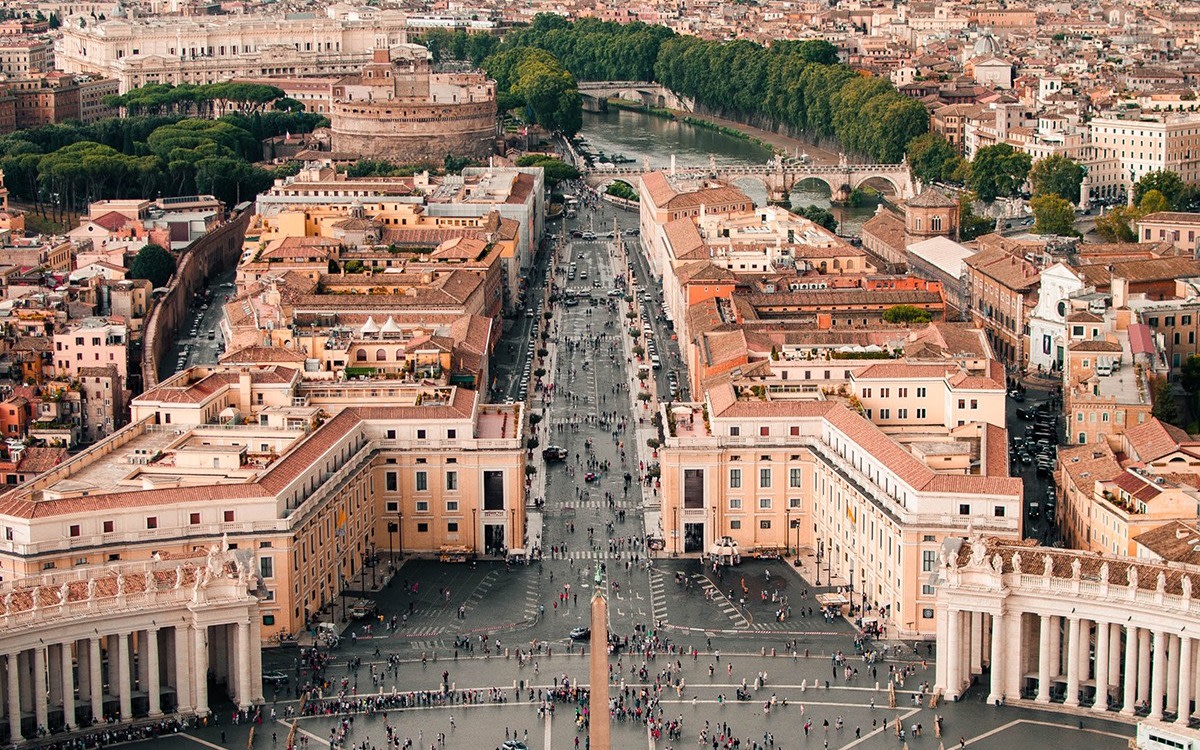
The Papal Basilica of Saint Peter in the Vatican, or simply Saint Peter's Basilica is a church built in the Renaissance style located in Vatican City, the papal enclave that is within the city of Rome, Italy. It was initially planned by Pope Nicholas V and then Pope Julius II to replace the aging Old St. Peter's Basilica, which was built in the fourth century by Roman emperor Constantine the Great.
3
Stop 3
This museum houses a large collection of artifacts from Ancient Egypt and also many Egyptian works of Roman production in nine rooms. The Carlo Grassi Collection of bronzes is part of the collection. Such material includes papyruses, sarcophagi, mummies, sculptures and reproductions of the Book of the Dead
4
Stop 4
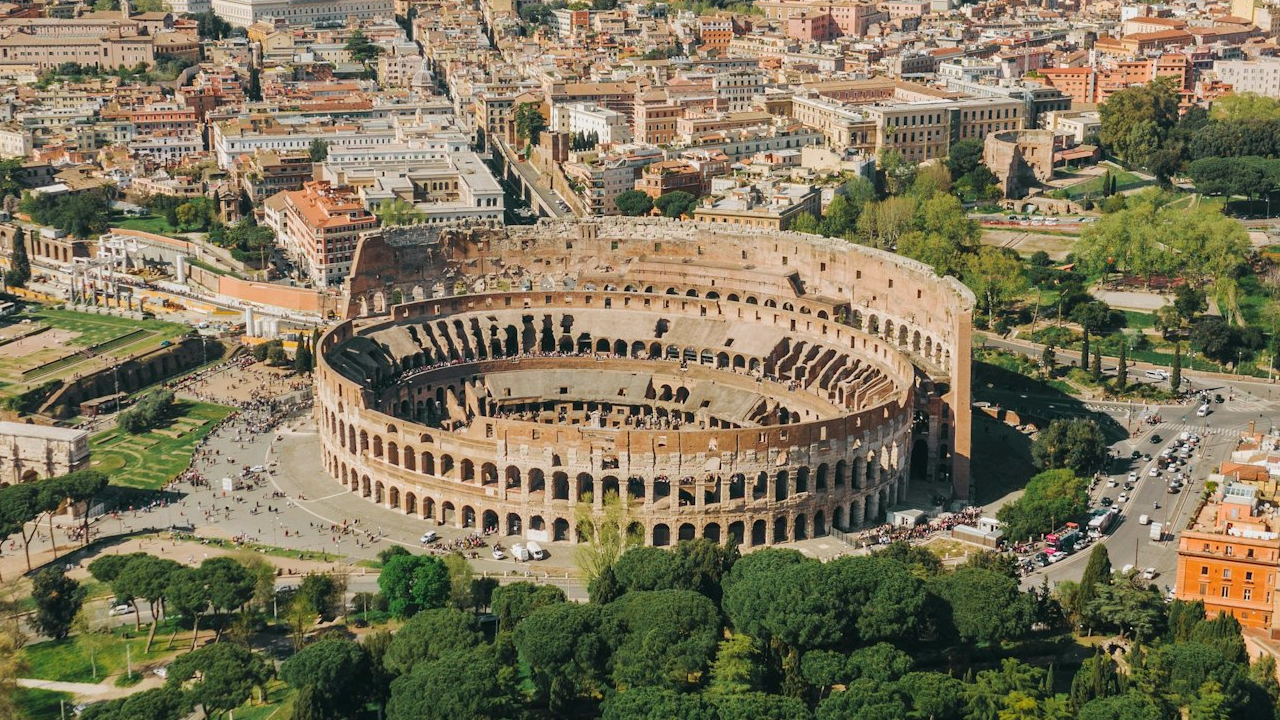
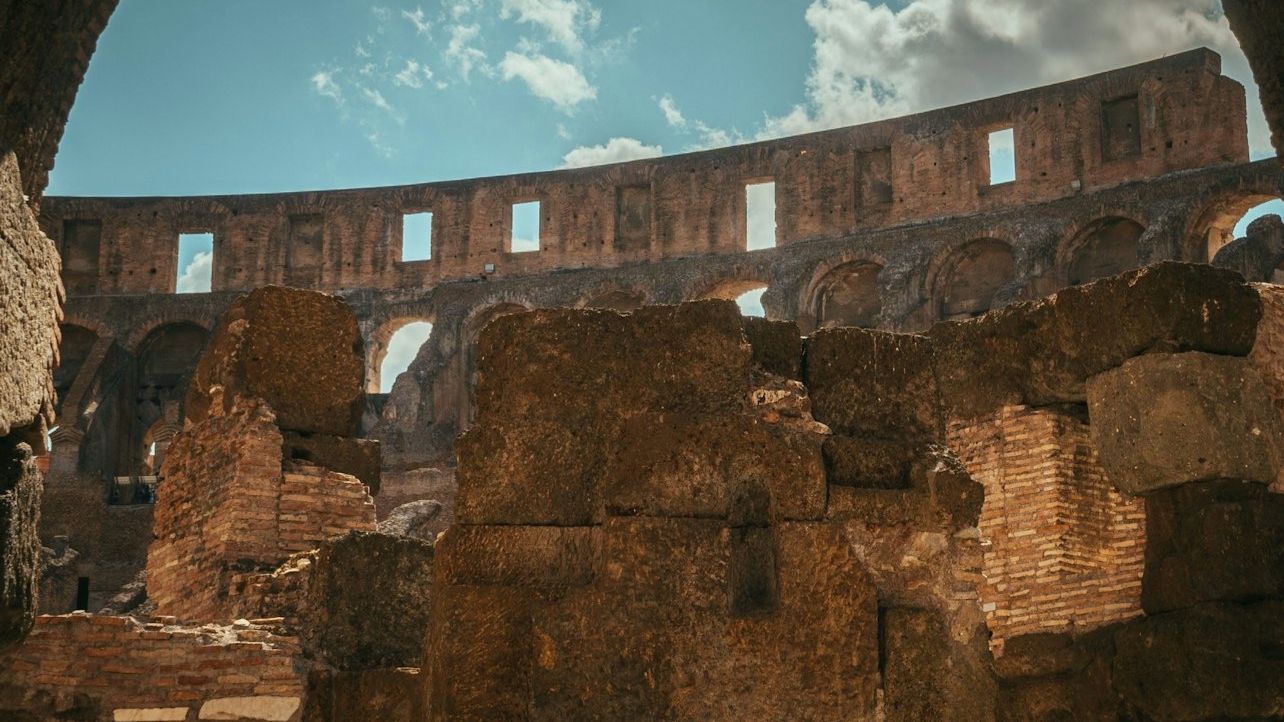
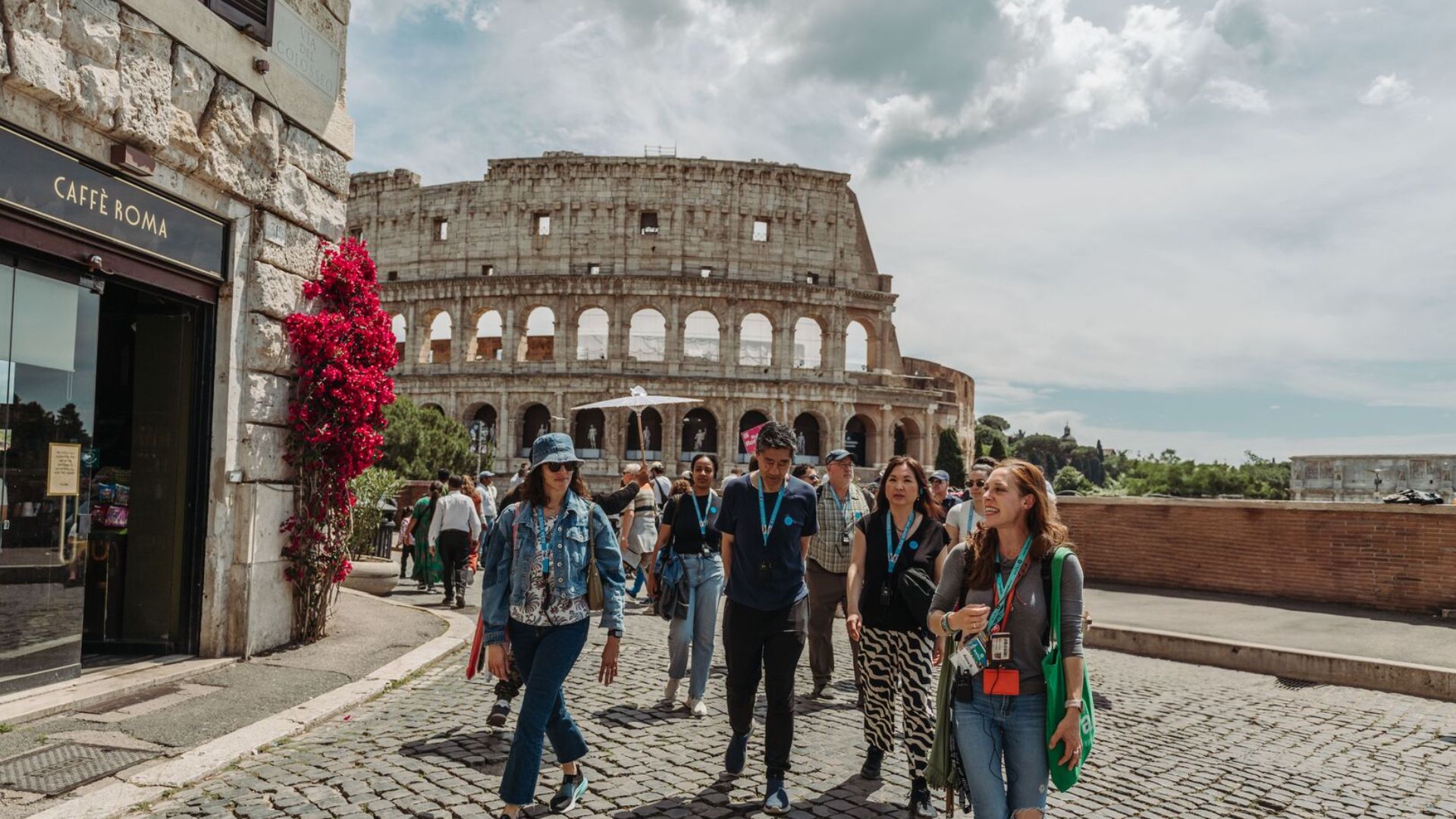
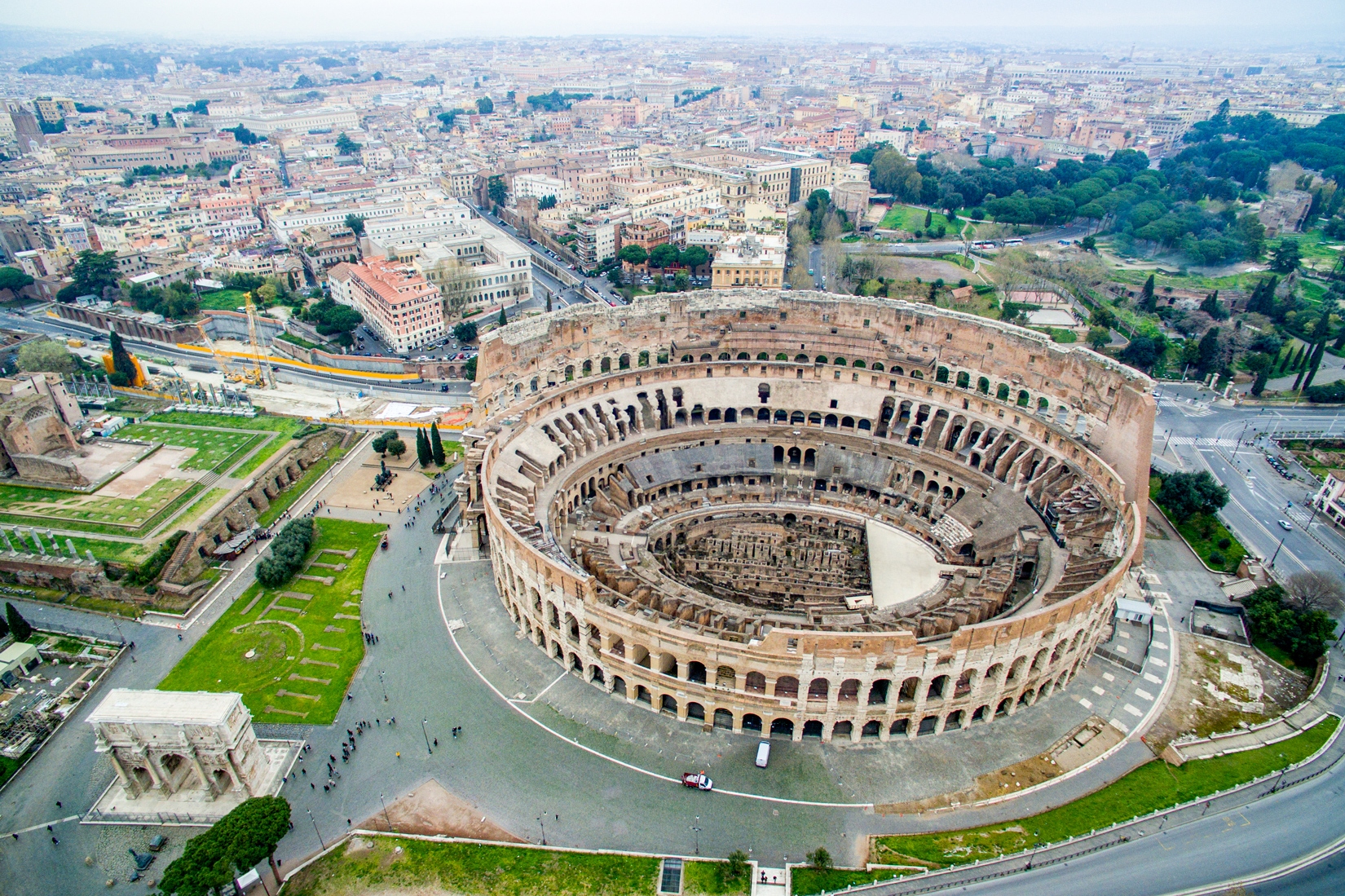
The Colosseum is an elliptical amphitheatre in the centre of the city of Rome, Italy, just east of the Roman Forum. It is the largest ancient amphitheatre ever built, and is still the largest standing amphitheatre in the world, despite its age. Construction began under the emperor Vespasian and was completed in 80 AD under his successor and heir, Titus further modifications were made during the reign of Domitian. The three emperors who were patrons of the work are known as the Flavian dynasty, and the amphitheatre was named the Flavian Amphitheatre by later classicists and archaeologists for its association with their family name (Flavius).
5
Stop 5
The Roman Forum, also known by its Latin name Forum Romanum (Italian: Foro Romano), is a rectangular forum (plaza) surrounded by the ruins of several important ancient government buildings at the center of the city of Rome. Citizens of the ancient city referred to this space, originally a marketplace, as the Forum Magnum, or simply the Forum.
For centuries the Forum was the center of day-to-day life in Rome: the site of triumphal processions and elections; the venue for public speeches, criminal trials, and gladiatorial matches; and the nucleus of commercial affairs. Here statues and monuments commemorated the city's great men. The teeming heart of ancient Rome, it has been called the most celebrated meeting place in the world, and in all history. Located in the small valley between the Palatine and Capitoline Hills, the Forum today is a sprawling ruin of architectural fragments and intermittent archaeological excavations attracting 4.5 million or more sightseers yearly.
6
Stop 6
The Palatine Hill, which relative to the seven hills of Rome is the centremost, is one of the most ancient parts of the city and has been called "the first nucleus of the Roman Empire. The site is now mainly a large open-air museum while the Palatine Museum houses many finds from the excavations here and from other ancient Italian sites.
Imperial palaces were built there, starting with Augustus. Before imperial times the hill was mostly occupied by the houses of the rich.
The hill originally had two summits separated by a depression; the highest part was called Palatium and the other Germalus. Using the Forma Urbis its perimeter enclosed 63 acres; while the Regionary Catalogues of the 4th century enclose 131 acres
What's not included
Hotel Pick up and Drop off
Transportation from the Vatican to the Colosseum
Optional Gratuities
Starting in 2025, there will no longer be a guided tour of St. Peter's Basilica
We are sorry to inform you that pets are not permitted on our tours
Available languages
Guide guide
EN
Reviews breakdown
Tripadvisor
3.8
11 reviews
5★
7
4★
1
3★
0
2★
0
1★
3
Important information
Infants and small children can ride in a pram or stroller
Public transportation options are available nearby
Not recommended for pregnant travelers
Not recommended for travelers with poor cardiovascular health
Travelers should have at least a moderate level of physical fitness
This tour visits religious sites, and there is a dress code to be observed. Visitors must be dressed appropriately: no sleeveless blouses, no miniskirts, no shorts, and no hats are allowed
Please provide the full names of all travelers when booking. Failure to present a voucher with all travelers' full names at the ticket office prior to entry may result in denied entry to the Colosseum and Roman Forum.
Due to heightened security measures, you may experience delays in clearing security checks when entering the Colosseum
Due to exceptional religious events, St. Peter's Basilica might be closed without any notice
Entry to the Vatican Museums is based on strictly timed tickets. For this reason, late arrivals cannot be guaranteed access. All visitors must have a photo ID for the security check
Bags (Colosseum): Bulky bags, trolleys or backpacks are not allowed at the Colosseum. No glass bottles are allowed. There is no cloakroom in the Colosseum
Important: If you have a pacemaker you will need to show a certificate, otherwise you will not be admitted without being screened
For the Colosseum tour: The schedule is subject to changes pending more precise information from the Colosseum management
Each traveler must present a valid passport or ID document that matches the name provided at the time of booking for successful entry to the Colosseum and Roman Forum
Please note that starting from March 2025, only for the Colosseum tour the meeting point will change and will be at Via IV Novembre 139, Rome.
Starting in 2025, there will no longer be a guided tour of St. Peter's Basilica, but entry will still be guaranteed
Please be advised that the tour itinerary may change, but the guided tour is always guaranteed
Due to the Jubilee, some monuments may be under restoration. Please pay attention to any messages we may send regarding potential changes
Meeting point
At 2:45 pm meet our guide at :
TOWNS OF ITALY TOURIST HUB & COOKING SCHOOL | ROME
Via Quattro Novembre, 139
00187 Rome
The guide will be displaying a white Towns of Italy sign.
Important notes
At 9:00 am meet your guide in Viale Vaticano 100, on top of the stairs next to Caffè Vaticano. Your guide will have a white logo sign that says "Towns of Italy."
2 hours break to move from Vatican to reach the Colosseum area on your own. At 2:45 (April to 26th October) at 1:15 pm (from 27th October to March) meet your guide at Arco di Constantino (next to Colosseum) to start the Colosseum visit.
Please note that starting from March 2025, only for the Colosseum the meeting point will change and will be at Via IV Novembre 139, Rome.
Please reach the meeting point on time, late arrivals cannot be accommodated. Please be advised that the tour itinerary may change, but the guided tour is always guaranteed.
About Rome
Rome, the capital of Italy, is a city of ancient ruins, artistic masterpieces, and vibrant culture. Known as the Eternal City, it is a living museum where every corner tells a story of its rich history spanning over 2,500 years.
Top Attractions
Colosseum
The Colosseum is an iconic symbol of Rome and one of the most famous ancient amphitheaters in the world. It was used for gladiatorial contests and public spectacles.
Historical
1-2 hours
€16 (combined ticket with Roman Forum and Palatine Hill)
Vatican City
Vatican City is an independent city-state enclaved within Rome. It is the spiritual and administrative center of the Roman Catholic Church.
Religious
Half day
€17 (Vatican Museums and Sistine Chapel), Free (St. Peter's Basilica)
Roman Forum
The Roman Forum was the political, commercial, and legal hub of the Roman Republic and Empire. It is a sprawling ruin of temples, basilicas, and arches.
Historical
1-2 hours
€16 (combined ticket with Colosseum and Palatine Hill)
Pantheon
The Pantheon is a former Roman temple, now a church, known for its large dome and oculus. It is one of the best-preserved ancient buildings in Rome.
Historical
30 minutes to 1 hour
Free
Trevi Fountain
The Trevi Fountain is a Baroque masterpiece and the largest fountain in Rome. It is a popular spot for visitors to throw coins and make wishes.
Architecture
15-30 minutes
Free
Must-Try Local Dishes
Cacio e Pepe
A simple yet delicious pasta dish made with Pecorino Romano cheese and black pepper.
Pasta
Vegetarian
Carbonara
A rich pasta dish made with eggs, Pecorino Romano, guanciale (cured pork cheek), and black pepper.
Pasta
Contains pork and eggs
Supplì
Fried rice balls filled with mozzarella and tomato sauce.
Snack
Vegetarian (some variations may contain meat)
Carciofi alla Romana
Artichokes braised with garlic, mint, and olive oil.
Vegetable
Vegetarian
Popular Activities
Hiking in the Appian Way Regional Park
Biking along the Tiber River
Rock climbing in the nearby mountains
Picnicking in Villa Borghese Gardens
Boating on Lake Albano
Enjoying a spa day at a luxury hotel
Visiting the Vatican Museums
Attending an opera at the Teatro dell'Opera di Roma
Best Time to Visit
April to June, September to October
Spring and fall offer pleasant weather and fewer crowds compared to the summer peak. Ideal for sightseeing and outdoor activities.
15-30°C
59-86°F
Practical Information
Language
- Official: Italian
- Widely spoken: English, Spanish, French
- English: Moderately spoken
Currency
Euro (EUR)
Time Zone
GMT+1 (CET), GMT+2 (CEST during daylight saving time)
Electricity
230VV, 50HzHz
Safety Information
Overall Safety Rating: Generally safe
Rome is generally safe for tourists, but pickpocketing and scams can be a problem in crowded areas. Be aware of your surroundings and take precautions to protect your belongings.
Important Precautions:
- • Keep valuables secure and out of sight
- • Use official taxis or ride-sharing services
- • Be cautious of strangers approaching you with petitions or bracelets
Getting there
By air
- Leonardo da Vinci International Airport • 35 km from city center
- Ciampino Airport • 15 km from city center
By train
Roma Termini, Roma Tiburtina
By bus
Tiburtina Bus Station, Roma Termini
Getting around
Public transport
The metro system is efficient and covers major tourist areas. It operates from 5:30 AM to 11:30 PM.
Taxis
Available • Apps: Uber, FreeNow
Rentals
Car, Bike, Scooter
Neighborhoods
Trastevere
Monti
Prancipio
Testaccio
Day trips
Ostia Antica
30 km from Rome • Half day
An ancient Roman port city with well-preserved ruins, including a theater, baths, and mosaics. It offers a glimpse into daily life in ancient Rome.
Tivoli
30 km from Rome • Full day
A picturesque town known for its stunning villas and gardens, including the famous Villa d'Este with its elaborate fountains and gardens.
Orvieto
120 km from Rome • Full day
A charming hilltop town known for its stunning cathedral, underground caves, and local wine. It offers a mix of history, culture, and scenic views.
Festivals
Natale di Roma • April 21
Festa de' Noantri • July
Rome Film Festival • October
Pro tips
- Visit major attractions early in the morning or late in the afternoon to avoid crowds
- Use public transport or walk instead of taking taxis to save money and experience the city like a local
- Try local specialties and ask for recommendations from locals and restaurant staff
- Dress modestly when visiting religious sites and be respectful of local customs and traditions
- Be aware of pickpockets and scams, especially in crowded areas and tourist hotspots
From $25
per person
Price varies by option
Secure booking
Free cancellation available
Instant confirmation