Paris World Fairs Walking Tour Top Sights Along the Seine River
Active
2h
For a full refund, cancel at least 24 hours before the scheduled departure time.
Instant confirmation
Mobile or paper ticket accepted
About this experience
Uncover the fascinating history of Paris through the lens of its legendary World’s Fairs from the late 19th and early 20th centuries. This immersive small-group walking tour takes you along the Seine River, where remnants of these grand international exhibitions still shape the city’s skyline.
From the iconic Eiffel Tower, built for the 1889 Exposition Universelle, to hidden architectural gems and forgotten stories, you’ll experience Paris as it was during an era of groundbreaking innovation, political shifts, and artistic revolutions. Our expert guide will bring history to life, revealing how these fairs introduced the world to new technologies, artistic movements, and cultural exchanges that continue to influence modern Paris.
This tour is perfect for history lovers, architecture enthusiasts, and curious travelers looking for a unique perspective on Paris beyond the usual landmarks.
Relive the magic of the Expositions Universelles—where Paris became the center of the world!
Available options
Small Group Tour - Maximum 15
What's included
Learn about the inventions, politics, and artistic breakthroughs of the time
Certified local guide
Stroll along the Seine and discover hidden traces of Paris’s World’s Fair legacy
See how these historic events transformed Paris into the city we know today
Small group of 15 people max
Detailed itinerary
1
The Champs-Élysées – Clemenceau metro station (Line 1), opened for the 1900 Paris Exposition Universelle, symbolizes the city's embrace of modern transport. Strategically located near the Grand Palais and Petit Palais, it remains a gateway to Paris’s cultural heritage.
2
Stop 2
The Grand Palais, built for the 1900 Exposition Universelle, is an architectural gem near the Champs-Élysées, famed for its iconic glass-domed roof. Blending industrial and classical styles, it hosts major art exhibitions, fashion shows, and cultural events, symbolizing Paris’s legacy of innovation and creativity.
3
Stop 3
The Petit Palais, built for the 1900 Exposition Universelle, now houses the Musée des Beaux-Arts de la Ville de Paris. It features stunning art from antiquity to the early 20th century and boasts grand architecture, frescoes, and a serene courtyard. Free to visit, it's a must-see for art and architecture lovers.
4
Stop 4
The Pont Alexandre III, built for the 1900 Exposition Universelle, is one of Paris’s most ornate bridges. A symbol of Franco-Russian ties, it features gilded sculptures, intricate ironwork, and Art Nouveau lamps, with stunning views of the city.
5
Stop 5
Pass by
The Seine River played a central role in Paris’ World’s Fairs, as the backdrop for grand exhibitions showcasing architectural marvels, technological innovations, and artistic breakthroughs from the late 19th and early 20th centuries. Along its banks, iconic landmarks such as the Eiffel Tower and Grand Palais were built, forever shaping the city’s landscape. The river connected the exhibition sites, symbolizing progress, cultural exchange, and the modern transformation of Paris. Today, traces of these fairs remain, offering a glimpse into a pivotal era that defined the City of Light.
6
Stop 6
Pass by
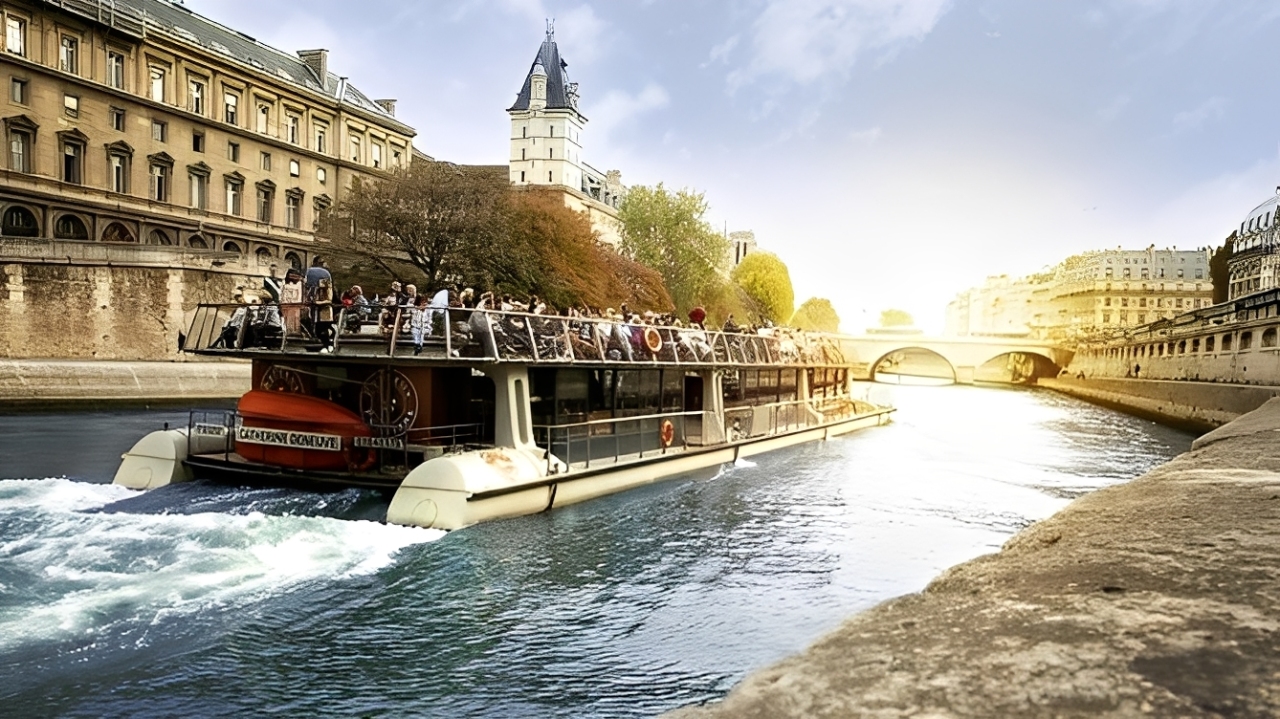
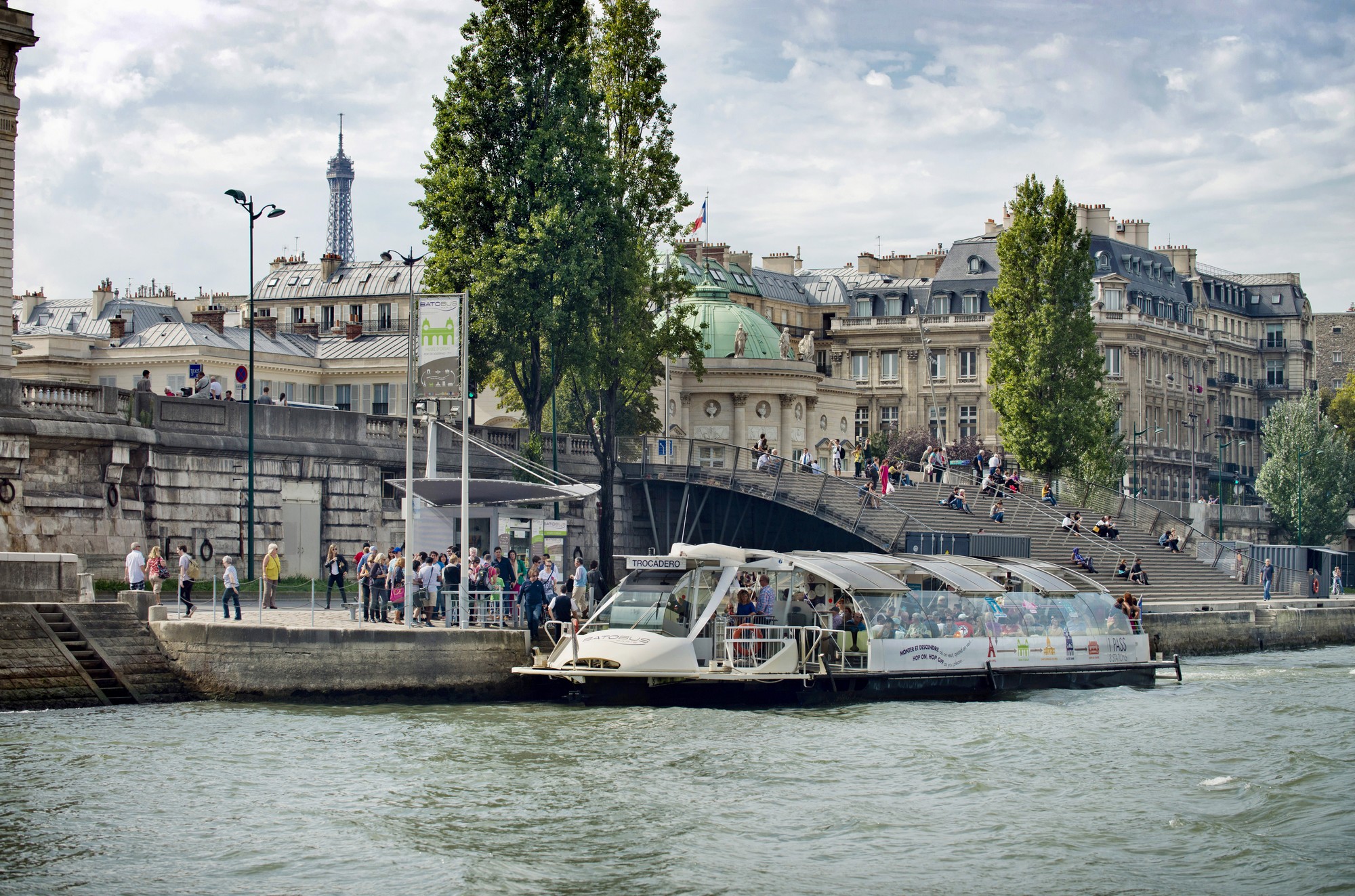
The Bateaux Mouches originated as visitor transport for the 1867 Exposition Universelle and later became a symbol of Parisian sightseeing. Now a famous brand, they still glide past iconic landmarks, offering a timeless view of Paris, including during the 2024 Olympics.
7
The Pont de l'Alma, built for the 1855 Exposition Universelle, symbolizes Paris’s World’s Fair legacy. Though rebuilt, it retains the Zouave statue, once a flood gauge. The bridge once connected exhibition sites, reflecting the city’s evolution through innovation.
8
The Flamme de la Liberté, near Pont de l'Alma, is a full-scale replica of the Statue of Liberty’s flame. Though now an unofficial memorial to Princess Diana, its origins trace back to the 1878 Exposition Universelle, where the Statue of Liberty was first showcased before its journey to New York. Donated by the International Herald Tribune in 1989, the flame symbolizes Franco-American friendship and reflects the spirit of innovation and cultural exchange celebrated in Paris’s World’s Fairs.
9
The Debilly Footbridge, built for the 1900 Exposition Universelle, spans 120m over the Seine, linking the Quai Branly to Avenue de New York.
10
Stop 10
Originally inaugurated in 1937 for the Exposition Universelle, the former Palace of Modern Art Museums has evolved into Europe’s largest center for contemporary art.
11
Stop 11
Built for the 1937 International Exposition, the Palais de Chaillot was designed by architects Léon Azéma, Jacques Carlu, and Louis-Hippolyte Boileau. Along with the Palais de Tokyo and the Palais d'Iéna, it was one of the three structures intended to outlast the event.
12
The Trocadéro Fountain, built in 1937 in the Trocadéro Gardens, replaced the original 1878 Exposition Universelle fountain. Featuring a grand water display with jets, columns, and cannons, it remains a must-see attraction, offering stunning Eiffel Tower views.
13
The Pont d'Iéna, a historic bridge connecting the Eiffel Tower to Trocadéro, played a key role in several Expositions Universelles in Paris. Originally commissioned by Napoleon I, it became a symbolic entryway for millions of visitors attending the World’s Fairs of 1867, 1878, 1889, and 1900, showcasing Paris as a global hub of innovation and culture. Today, this iconic bridge is once again in the spotlight as it takes center stage for the Paris 2024 Olympic Games. Serving as a key location for ceremonies and events, the Pont d'Iéna continues to reflect the city’s legacy of grand international gatherings, bridging the past with the present in a celebration of history, progress, and unity.
14
Stop 14
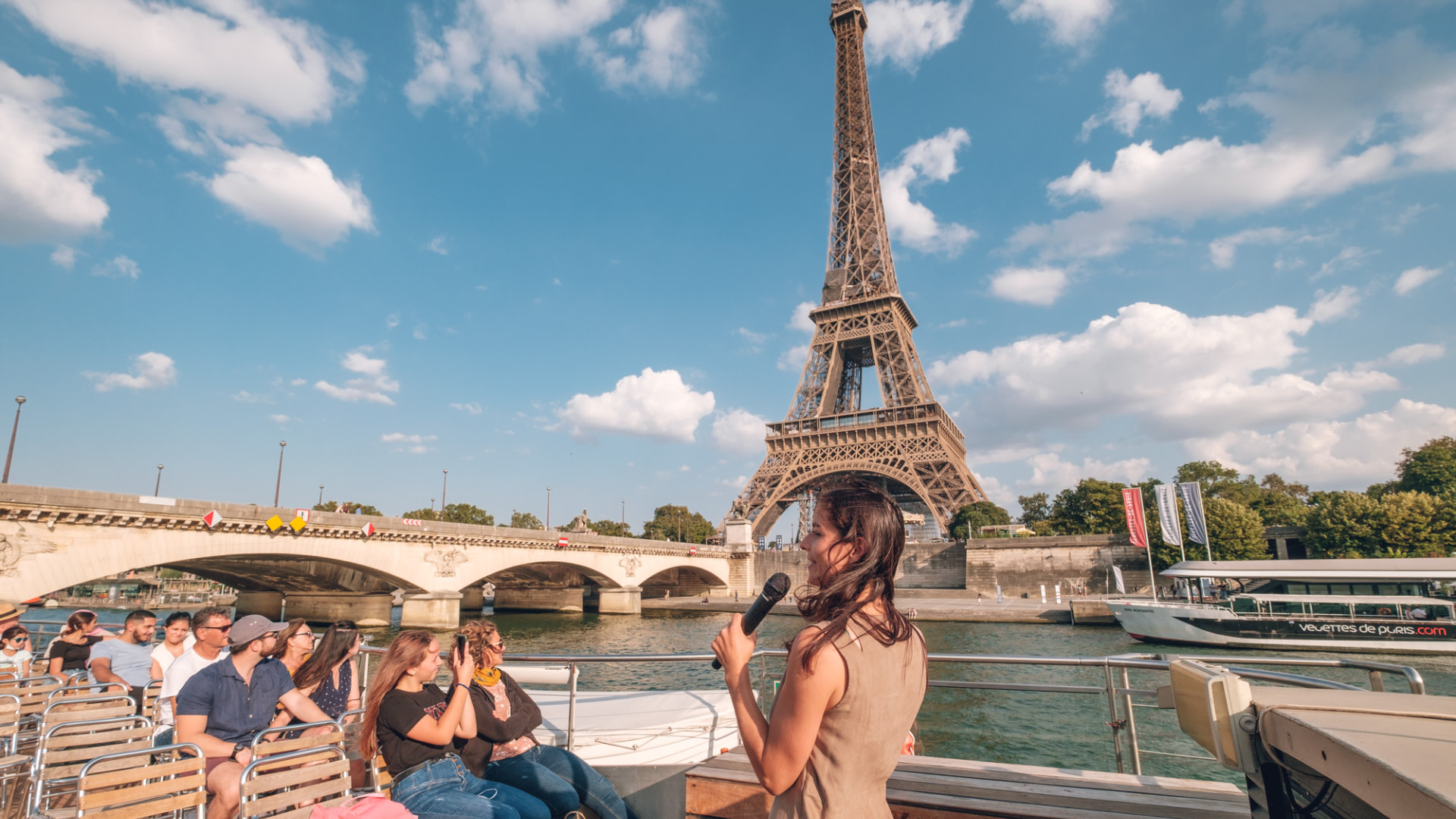
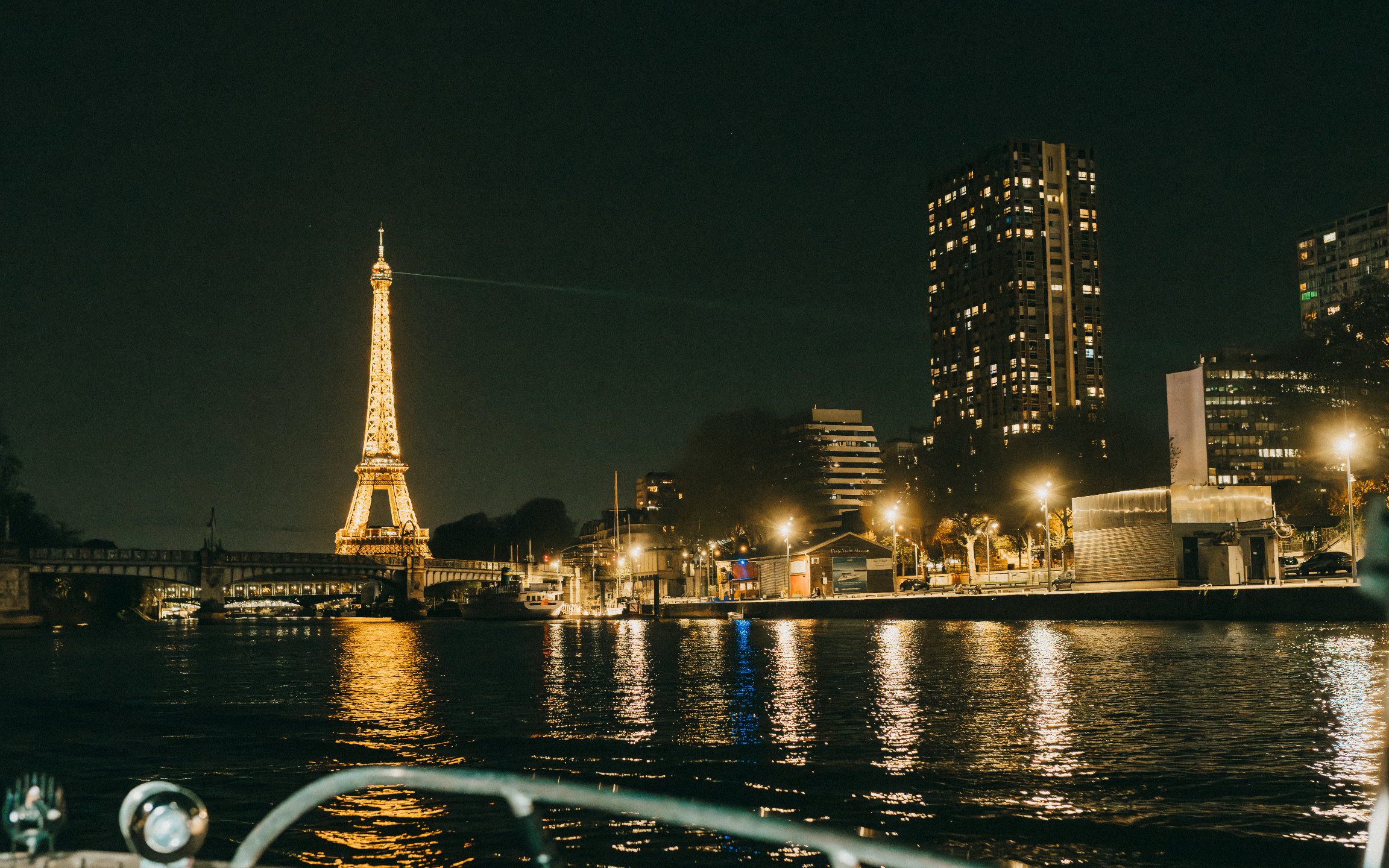
Built for the 1889 Exposition Universelle, the Eiffel Tower was a symbol of progress, showcasing France’s engineering brilliance. Originally met with criticism, it soon became the icon of Paris and a testament to innovation. Over a century later, as Paris hosts the 2024 Olympics, the tower remains a global landmark, embodying the city’s enduring spirit of creativity and ambition. Just as it once welcomed visitors to a world of new possibilities, it now stands as a beacon for the Olympic Games, celebrating history, excellence, and the unifying power of international events.
What's not included
Gratuities
Food and drinks
Transport to/from the meeting point
Available languages
Guide guide
EN
Reviews breakdown
Tripadvisor
5.0
7 reviews
5★
7
4★
0
3★
0
2★
0
1★
0
Important information
Not recommended for travelers with poor cardiovascular health
Not recommended for pregnant travelers
Public transportation options are available nearby
Travelers should have at least a moderate level of physical fitness
Meeting point
Meet your guide at the exit of the Champs-Élysées - Clemenceau Metro Station
(Lines 1 or 13), at the foot of the Statue of General Charles de Gaulle.
Look for a guide wearing a red lanyard with "Paris Trip" printed on it.
About Paris
Paris, the capital of France, is a city steeped in history, art, and romance. Known for its iconic landmarks, world-class museums, and charming neighborhoods, Paris offers a unique blend of timeless elegance and modern vibrancy. From the Eiffel Tower to the Louvre, the city is a treasure trove of cultural and historical gems.
Top Attractions
Eiffel Tower
The Eiffel Tower is Paris's most iconic landmark and a symbol of France. Built in 1889 for the World's Fair, it offers breathtaking views of the city.
Architecture
2-3 hours
€17.10-€26.80 (depending on the level)
Louvre Museum
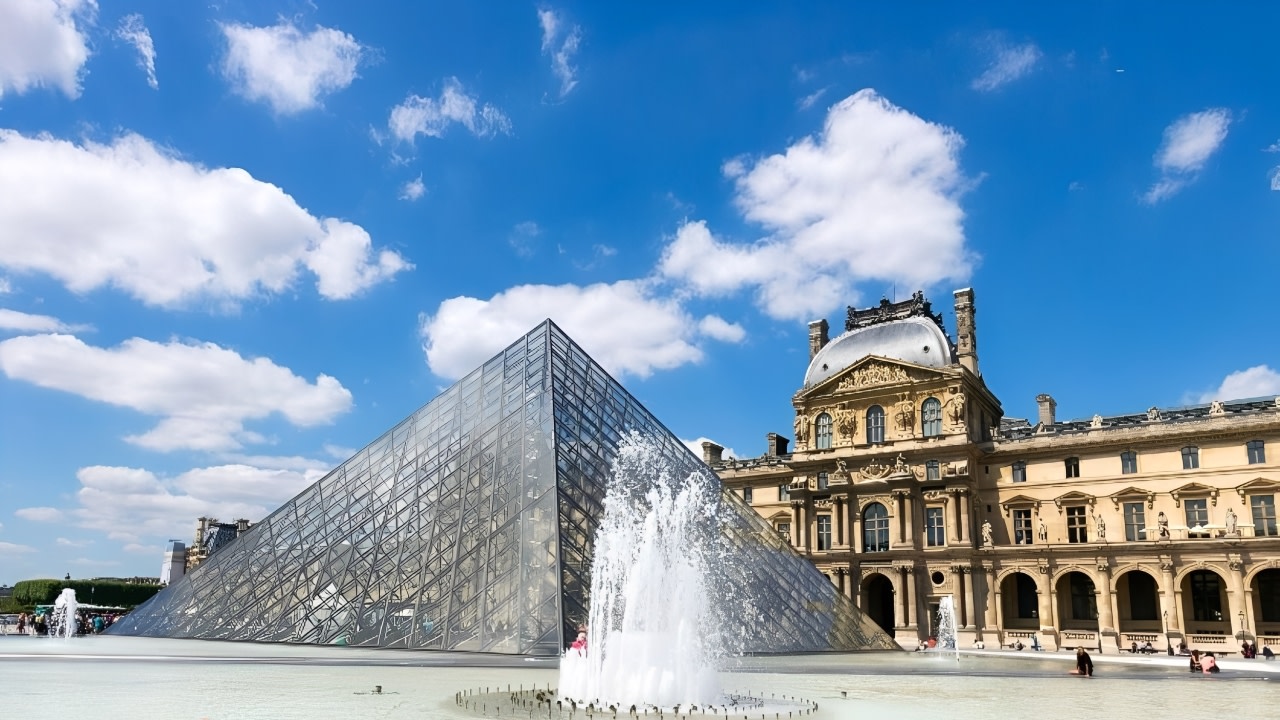
The Louvre is the world's largest art museum and a historic monument in Paris. It houses thousands of works of art, including the Mona Lisa and the Venus de Milo.
Museum
3-4 hours
€17 (full price), free for under 18s and EU residents under 26
Notre-Dame Cathedral
Notre-Dame is a masterpiece of French Gothic architecture and one of the most famous cathedrals in the world. It has been undergoing restoration since the 2019 fire.
Historical/Religious
1-2 hours
Free (towers and crypts may have reopening fees in the future)
Montmartre
Montmartre is a historic and artistic district known for its bohemian past, charming streets, and the stunning Sacré-Cœur Basilica.
Cultural
Half-day
Free to explore (Sacré-Cœur dome visit €6)
Palace of Versailles
The Palace of Versailles is a grand royal château and garden located just outside of Paris. It was the principal royal residence of France from 1682 to 1790.
Historical
Full day
€18-€28 (depending on the pass)
Must-Try Local Dishes
Croissant
A buttery, flaky pastry made from laminated dough. Best enjoyed fresh from a local bakery.
Breakfast
Contains gluten and dairy
Baguette
A long, thin loaf of French bread with a crispy crust and soft interior. Often served with cheese or ham.
Breakfast/Lunch
Contains gluten
Steak Frites
A classic French dish consisting of steak and French fries, usually served with a side of salad and béarnaise sauce.
Lunch/Dinner
Contains gluten (if served with fries) and meat
Crêpes
Thin pancakes that can be filled with a variety of sweet or savory ingredients, such as Nutella, cheese, or ham.
Snack/Dessert
Can be made gluten-free and vegetarian/vegan options available
Popular Activities
Hot air balloon rides
Rock climbing in Fontainebleau forest
Kayaking on the Seine
Picnicking in the Luxembourg Garden
Boat tours on the Seine
Spa day at a luxury hotel
Visiting museums and galleries
Attending a cabaret show
Best Time to Visit
June to August
Summer is the peak tourist season in Paris, with warm weather and long daylight hours. This is the best time to enjoy outdoor activities and festivals. However, it's also the busiest and most expensive time to visit.
15°C to 25°C (59°F to 77°F)
59°F to 77°F
Practical Information
Language
- Official: French
- Widely spoken: English, Spanish, Arabic, Portuguese
- English: Moderately spoken
Currency
Euro (EUR)
Time Zone
GMT+1 (Central European Time, CET), GMT+2 (Central European Summer Time, CEST) during daylight saving time
Electricity
230VV, 50HzHz
Safety Information
Overall Safety Rating: Generally safe
Paris is generally safe for travelers, but pickpocketing and petty theft can be a problem in tourist areas. Be aware of your surroundings and take precautions to protect your belongings.
Important Precautions:
- • Keep valuables secure and out of sight
- • Be cautious of pickpockets in crowded areas and on public transport
- • Use licensed taxis or ride-sharing services
Getting there
By air
- Charles de Gaulle Airport • 25 km (15.5 miles) from city center
- Orly Airport • 14 km (8.7 miles) from city center
By train
Gare du Nord, Gare de Lyon
By bus
Bercy Seine, Porte Maillot
Getting around
Public transport
The Paris Metro is one of the most efficient and extensive subway systems in the world, covering all major attractions and neighborhoods.
Taxis
Available • Apps: Uber, G7
Rentals
Car, Bike, Scooter
Neighborhoods
Le Marais
Montmartre
Latin Quarter
Saint-Germain-des-Prés
Champs-Élysées
Day trips
Versailles
17 km (10.5 miles) from Paris • Full day
The Palace of Versailles is a grand royal château and garden located just outside of Paris. It was the principal royal residence of France from 1682 to 1790 and is famous for its opulent interiors and vast gardens.
Giverny
75 km (47 miles) from Paris • Half day to full day
Giverny is a charming village known as the home of the famous impressionist painter Claude Monet. The village is home to Monet's House and Gardens, which inspired many of his most famous works.
Château de Fontainebleau
55 km (34 miles) from Paris • Full day
The Château de Fontainebleau is a grand royal château and park located just outside of Paris. It was a residence of the French monarchs from Louis VII to Napoleon III and is known for its beautiful architecture and vast forests.
Festivals
Fête de la Musique • June 21st (annual)
Paris Fashion Week • February and September (annual)
Nuit Blanche • First Saturday in October (annual)
Pro tips
- Learn a few basic French phrases to enhance your experience and show respect for the local culture
- Use public transport, walk, or bike to get around the city and avoid traffic and parking issues
- Consider purchasing a Paris Museum Pass or a multi-day public transport pass to save money on attractions and transport
- Explore the city's many neighborhoods and hidden gems, not just the major tourist attractions
- Try local specialties and enjoy the dining experience slowly and leisurely
From $25
per person
Price varies by option
Secure booking
Free cancellation available
Instant confirmation