Discover Bali in 2 Days Private Tour Package
Active
8h - 10h
For a full refund, cancel at least 24 hours before the scheduled departure time.
Instant confirmation
Mobile or paper ticket accepted
About this experience
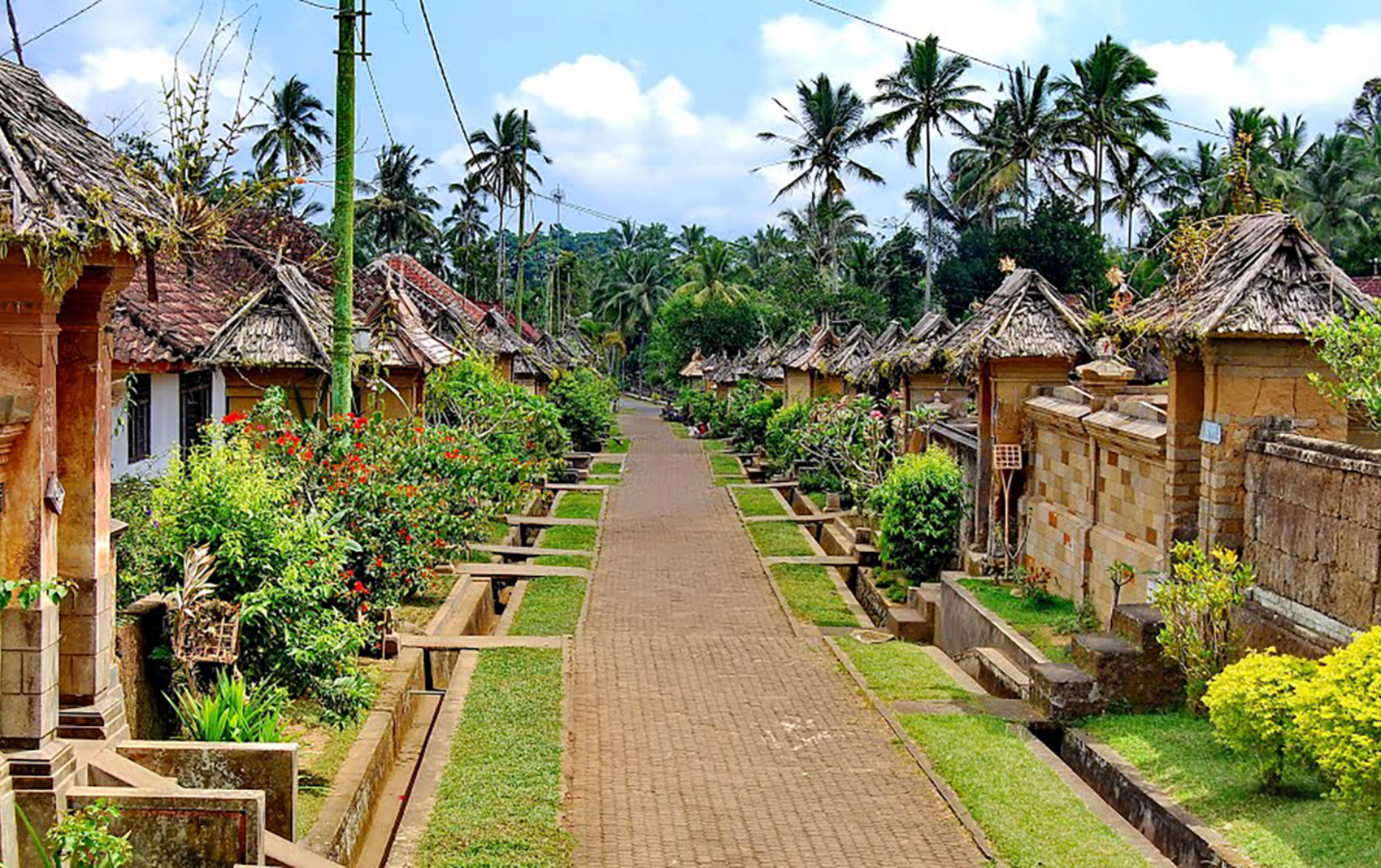
It is an honor to invite you to visit the highlight of Bali. Temples, Rice Terraces, Waterfall, unique tradition and culture and see how the local live their life.
Available options
Visit The Highlight of Bali in 2 Day Private Tours (All Inclusive)
Pickup included
What's included
Bottled water
Private tour
Lunch
All Fees and Taxes
Coffee and/or Tea
Professional English speaking driver/guide
Hotel/port pickup and drop-off
Detailed itinerary
1
Stop 1
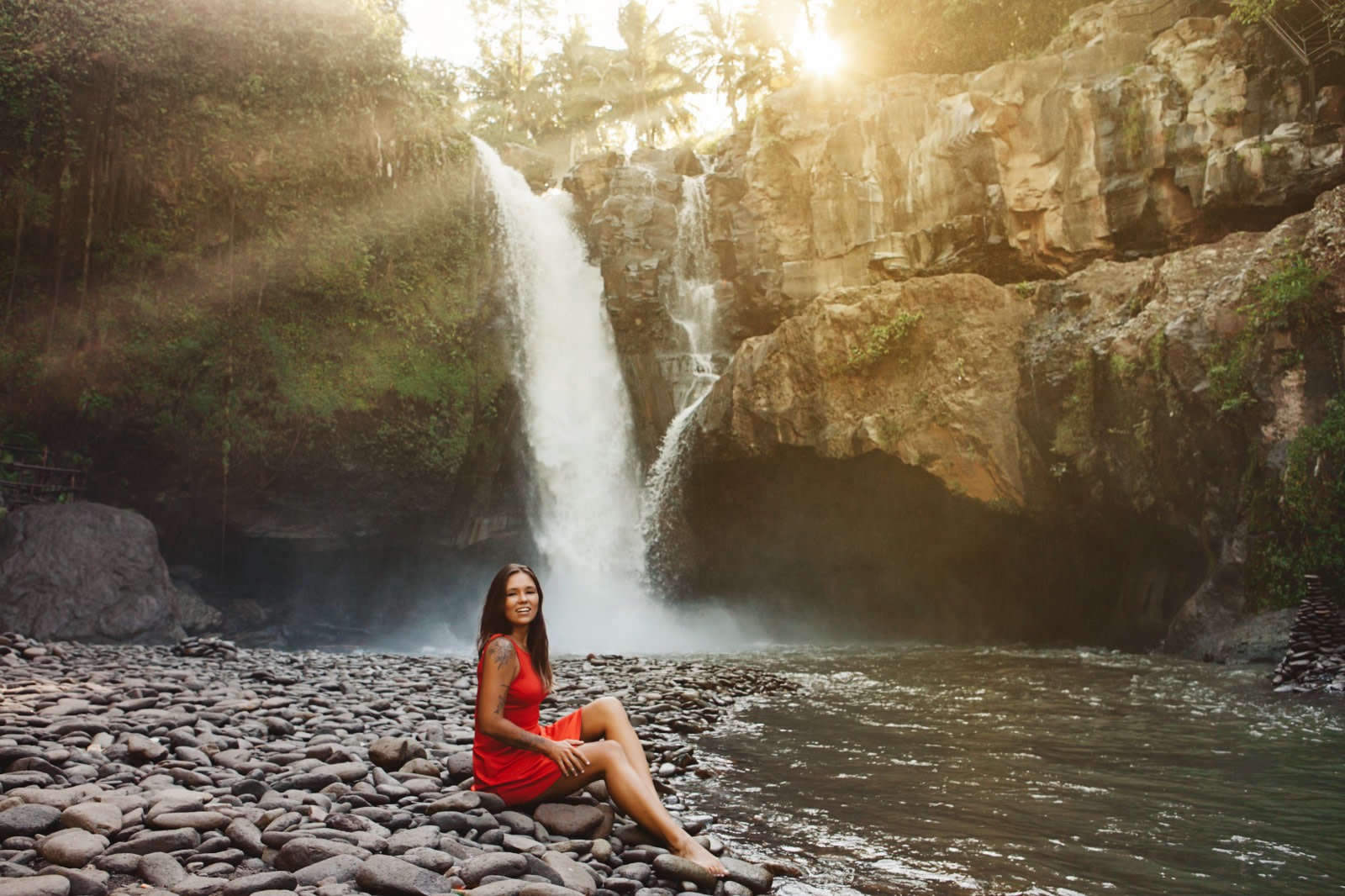
Tegenungan Waterfall is a waterfall in Bali, Indonesia. It is located at the village of Tegenungan Kemenuh, also known as Kemenuh Village on the Petanu River in the Gianyar Regency, north from the capital Denpasar and close to the Balinese artist village of Ubud. The waterfall is isolated but has become a popular tourist attraction. It is one of the few waterfalls in Bali that is not situated in highlands or mountainous territory. The amount and clarity of the water at the site depend on rainfall but it contains green surroundings with fresh water that can be swum in. The waterfall includes varying highs that can be climbed after the descent down stairs to reach it. This attraction also features a viewing point to the jungle and waterfall at the main entrance.
2
Stop 2
Monkey Forest Ubud holds a significant history intertwined with Balinese culture. Dating back to the 14th century, it has been regarded as a sacred place, housing spiritual forces and guardian spirits. The monkeys, seen as sacred animals, symbolize both protection and mischief, fostering a unique connection between humans and wildlife.
In the 20th century, Monkey Forest Ubud gained recognition as a vital conservation area. Efforts were made to preserve its natural beauty, promote responsible tourism, and raise awareness about the cultural and environmental significance. Today, it stands as a cherished sanctuary, where visitors can connect with nature, observe captivating monkey behavior, and support the ongoing conservation efforts.
3
Stop 3
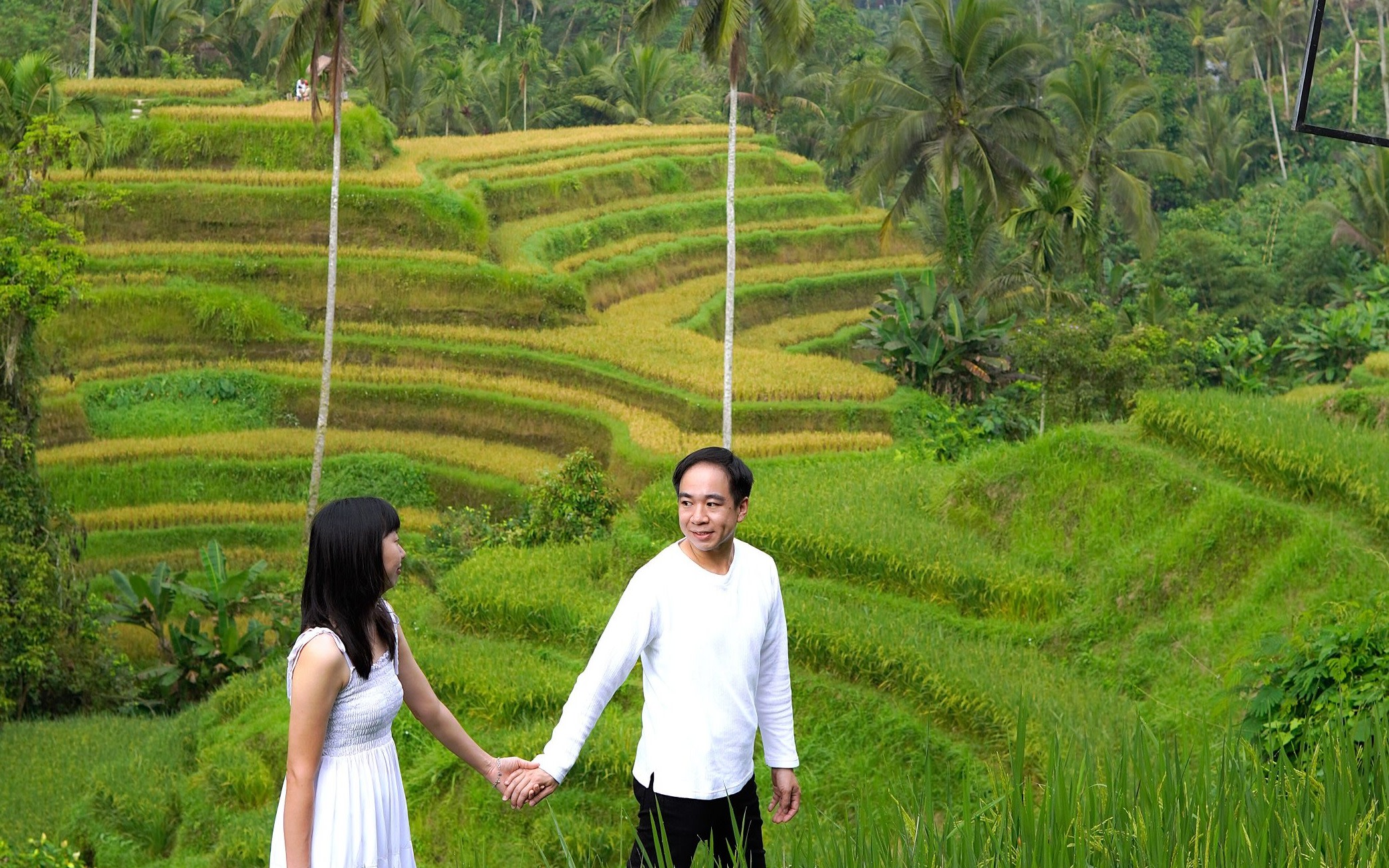
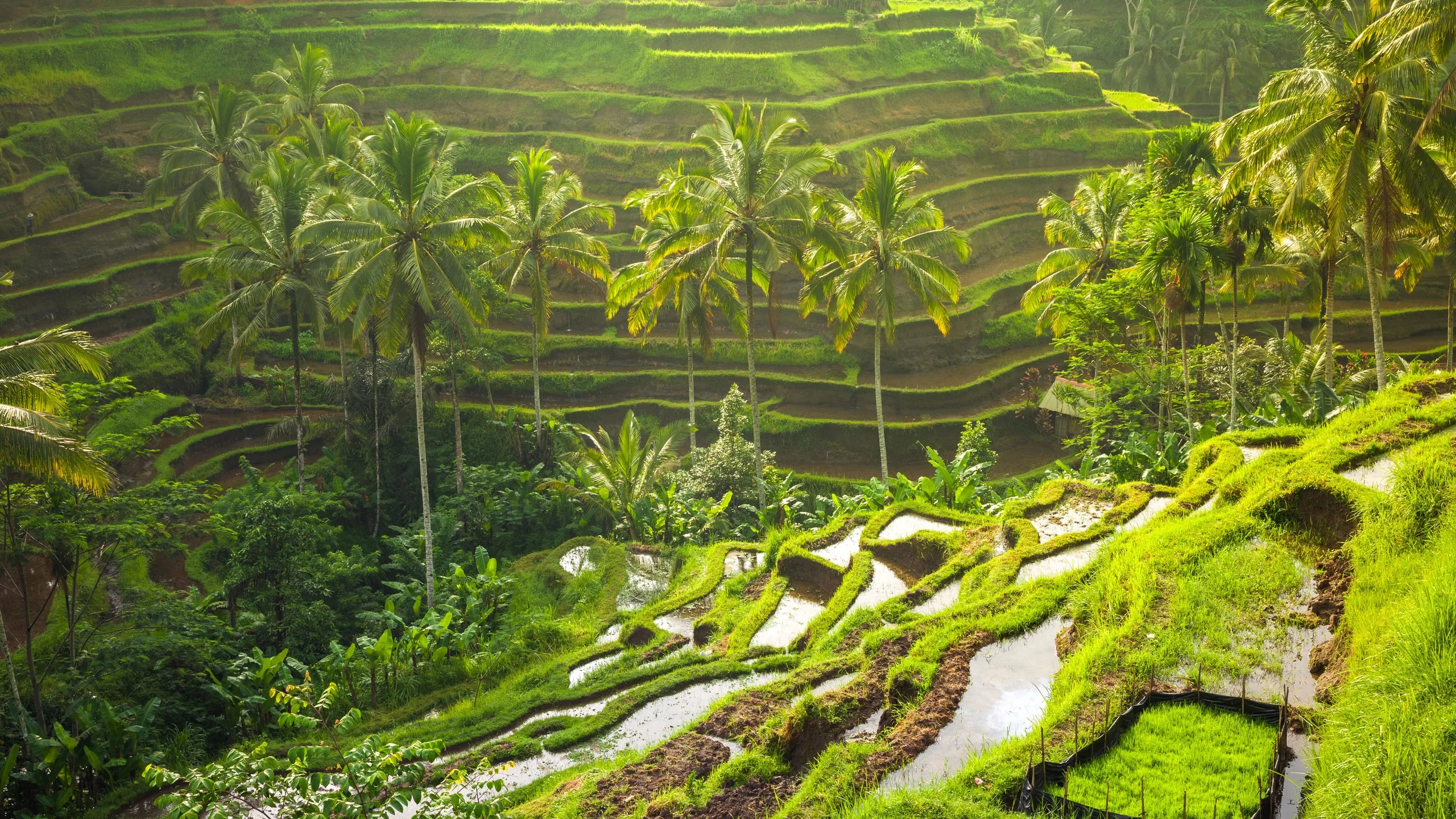
Tegallalang Rice Fields is situated in a valley that offers extraordinarily scenic lookouts over the terraces and surrounding green landscape. Along with the ones in the villages of Pejeng and Campuhan, Tegallalang Rice Fields form the three most stunning-looking terraced landscapes in Ubud region. Since it has been listed in UNESCO World Heritage site, this place has gained popularity among international travelers. Nevertheless, it is still a great place to wind down and ease your mind as it offers a quiet and relaxing atmosphere.
4
Stop 4
One of the busiest water temples in Bali, Tirta Empul is a temple considered sacred by Balinese Hindu community. The temple has several holy springs which are said to have been created by The God Indra and believed to be blessed water that could purify those who bathe there.
Tirta Empul is dedicated to Vishnu, the Hindu God of water. In the Balinese language, Tirta Empul loosely translated means water gushing from the earth, which for this reason Tirta Empul is regarded as a holy spring. The Tirta Empul Temple includes shrines to Shiva, Vishnu, Brahma, as well as one for Indra and Mount Batur. It is considered one of the five most holy temples in all of Bali and is considered one of the holiest water sources in Bali. You can also find other holy water temples in Bali such as Pura Ulun Danu at Lake Beratan, Pura Tirta Tawar at Gianyar, Pura Tirta Harum at Bangli, Pura Tirta Taman Mumbul at Badung, and many more.
5
Campuhan Antapan Waterfall or it's often called Air Terjun Campuhan Antapan, is located in Tabanan regency, Bali province, Indonesia.
Campuhan Antapan Waterfall is in the category of the waterfall. Things to do, as well as the attractions of Campuhan Antapan Waterfall for you such as Seeing mountain view, Swimming, Having picnic, Trekking, Hiking and more.
For the trip to the location of Campuhan Antapan Waterfall, you may be need to walking but not crossing the river or taking a boat.
6
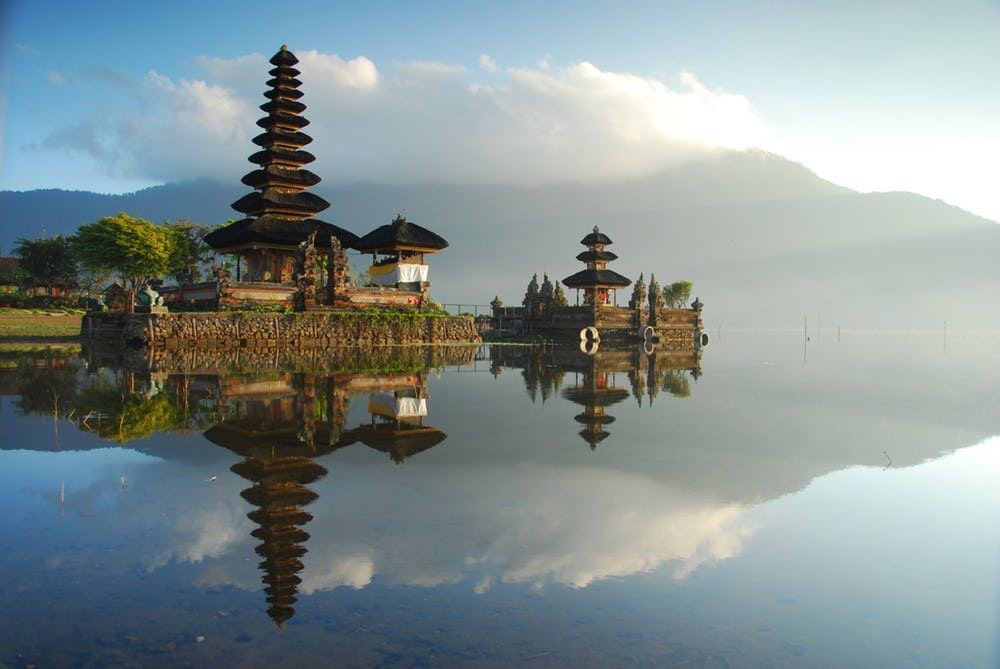
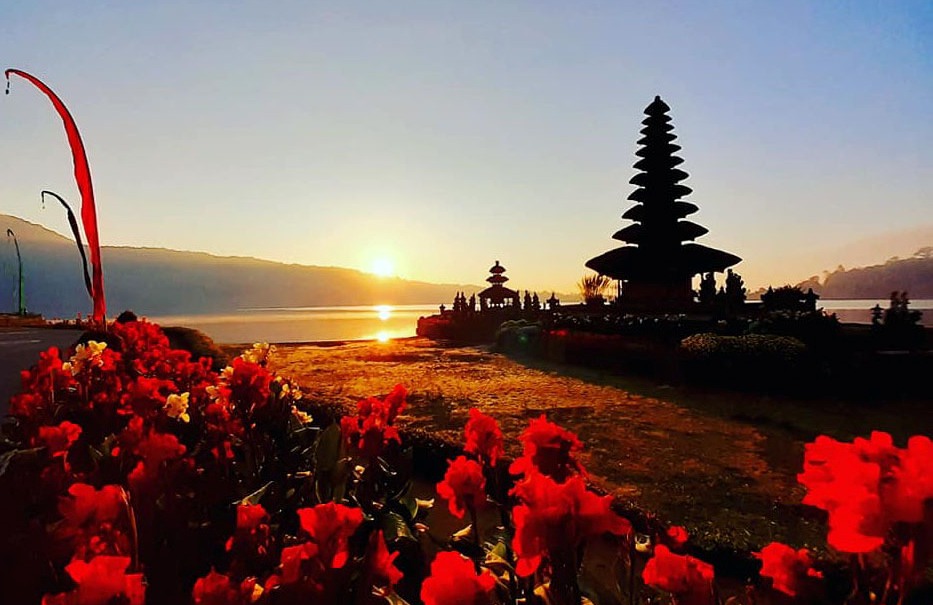
Ulun Danu Beratan Temple is one of nine “Kahyangan Jagat Temple” which are surrounding Bali Island, that makes it become one of the most important Temple for the Balinese, especially for Hindu. It consists of five compounds of temples and one Buddhist Stupa, there are:
Penataran Agung Temple
Dalem Purwa Temple
Taman Beiji Temple
Lingga Petak Temple (in the middle of Lake Beratan)
Prajapati Temple
Buddhist Stupa
These compounds of temples located inside the area of “Daya Tarik Wisata Ulun Danu Beratan” and has been taken care for years by the costumertary Villages along with the government. These temple often being used by the Hindu in Bali or Hindu from another province in Indonesia to pray to the Almighty God on its manifestation as “Tri Murti” (Brahma, Visnu, and Shiva) for the fertility of soil, human wealth, and the preservation of the universe.
7
Stop 7
The Jatiluwih rice terraces in the namesake upland village in West Bali are most famous for their dramatic and exotic landscapes. The cool highlands and the breathtaking scenery of this village at the foot of Mount Batukaru makes for wonderful photo opportunities, and serves as a soothing retreat away from the island’s crowded south.
Once a UNESCO Cultural Heritage Site candidate, the Jatiluwih rice terraces comprise over 600 hectares of rice fields that follow the flowing topography of the Batukaru mountain range. These are maintained by a traditional water management cooperative known as subak, which dates back to the 9th century. The cooperative itself eventually won recognition as a dominant factor in Bali’s ‘cultural landscape’ entry on the heritage list.
8
Stop 8
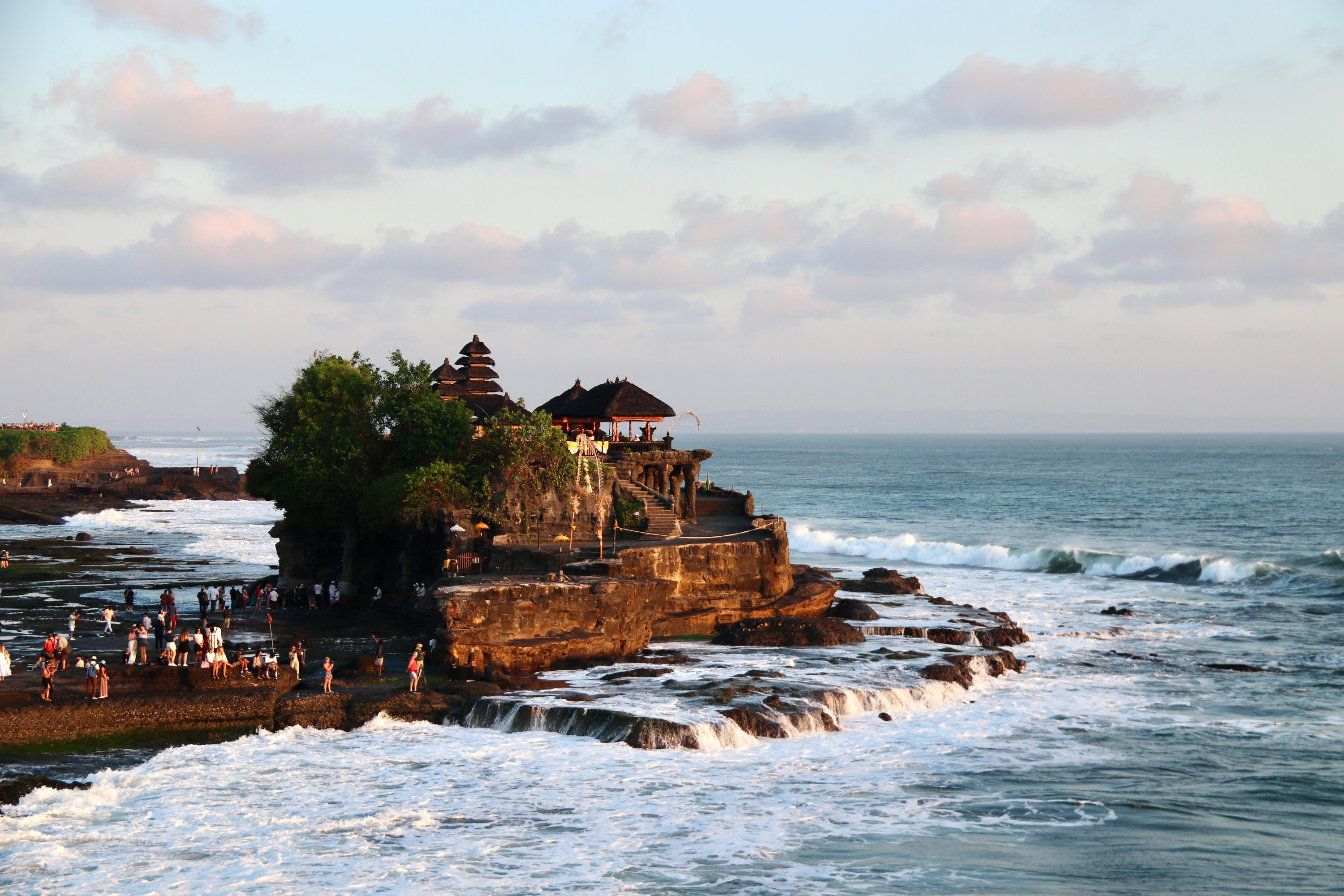
Tanah Lot is claimed to be the work of the 16th-century Dang Hyang Nirartha. During his travels along the south coast he saw the rock-island's beautiful setting and decided to rest there. Some fishermen saw him, and bought him gifts. Nirartha then spent the night on the little island. Later he spoke to the fishermen and told them to build a shrine on the rock, for he felt it to be a holy place to worship the Balinese sea gods. The main deity of the temple is Dewa Baruna or Bhatara Segara, who is the sea god or sea power and these days, Nirartha is also worshipped here.
The Tanah Lot temple was built and has been a part of Balinese mythology for centuries. The temple is one of seven sea temples around the Balinese coast. Each of the sea temples was established within eyesight of the next to form a chain along the south-western coast. In addition to Balinese mythology, the temple was significantly influenced by Hinduism.
Available languages
Guide guide
EN
Reviews breakdown
Viator
5.0
3 reviews
5★
3
4★
0
3★
0
2★
0
1★
0
Tripadvisor
5.0
48 reviews
5★
47
4★
1
3★
0
2★
0
1★
0
Important information
Not recommended for travelers with poor cardiovascular health
Not recommended for pregnant travelers
Infants are required to sit on an adult’s lap
Not recommended for travelers with spinal injuries
Suitable for all physical fitness levels
Children must be accompanied by an adult
Infant meals not included
Please advise any specific dietary requirements at time of booking
Dress code is smart casual
Duration of this tour is 2 days and take around 8-10 hours each day.
Start time may different depend on the location of your hotel
Please always provide your WhatsApp number at the time of booking
The tour does not have to be done consecutively for 2 days. But can be interspersed
This is Full Package Tour, you don't have to spend extra money
Important notes
• Comfortable walking shoes are recommended
• Dress code is smart casual
• Minimum age is 4 year old
• Infant meals not included
• Not wheelchair accessible
• Not recommended for participants with heart complaints or other serious medical conditions
• Not recommended for pregnant women
About Ubud
Ubud is a picturesque town nestled in the lush highlands of Bali, renowned for its vibrant arts scene, traditional dance, and serene landscapes. Known as the cultural heart of Bali, it offers a perfect blend of nature, spirituality, and Balinese heritage, making it a must-visit destination for travelers seeking a deeper cultural experience.
Top Attractions
Sacred Monkey Forest Sanctuary
A sacred nature reserve and temple complex that is home to hundreds of long-tailed macaques. The forest is a spiritual and cultural hub, offering a unique blend of nature and spirituality.
Nature
1-2 hours
80,000 IDR
Tegalalang Rice Terrace
Iconic terraced rice fields offering stunning views and a glimpse into traditional Balinese farming. The terraces are a UNESCO World Heritage Site and a popular spot for photography.
Nature
1-2 hours
50,000 IDR (entry fee for some areas)
Ubud Palace (Puri Saren Agung)
The royal palace of Ubud, showcasing traditional Balinese architecture and hosting daily dance performances. The palace is a cultural landmark and a must-visit for history and architecture enthusiasts.
Historical
1 hour
50,000 IDR
Goa Gajah (Elephant Cave)
An archaeological site featuring an ancient cave, baths, and temple ruins. The site is believed to date back to the 9th century and is a significant cultural and historical landmark.
Historical
1-2 hours
50,000 IDR
Campuhan Ridge Walk
A scenic walking trail offering panoramic views of the surrounding countryside. The trail is a popular spot for hiking and enjoying the natural beauty of Ubud.
Nature
1-2 hours
Free
Must-Try Local Dishes
Babi Guling
Suckling pig roasted with traditional Balinese spices, a must-try for meat lovers.
Dinner
Not vegetarian or vegan
Nasi Campur
A mixed rice dish with a variety of side dishes, offering a taste of Balinese flavors.
Lunch
Can be vegetarian or vegan with modifications
Bebek Betutu
Duck cooked with traditional Balinese spices and wrapped in banana leaves, a slow-cooked delicacy.
Dinner
Not vegetarian or vegan
Mie Goreng
Fried noodles with vegetables, meat, and eggs, a popular Indonesian dish.
Lunch
Can be vegetarian or vegan with modifications
Popular Activities
Hiking
Zip-lining
White-water rafting
Mountain biking
Yoga
Meditation
Spa treatments
Beach relaxation
Best Time to Visit
April to September (Dry Season)
The dry season is the best time to visit Ubud, with clear skies and pleasant weather ideal for exploring the outdoors and attending cultural events. This period also sees the highest number of tourists.
24°C to 30°C
75°F to 86°F
Practical Information
Language
- Official: Indonesian
- Widely spoken: Balinese, English
- English: Moderately spoken in tourist areas, limited in rural areas
Currency
Indonesian Rupiah (IDR)
Time Zone
GMT+8
Electricity
230VV, 50HzHz
Safety Information
Overall Safety Rating: Generally safe
Ubud is generally safe for travelers, with a low crime rate and a welcoming local community. However, it's important to be aware of common scams, traffic safety, and cultural norms to ensure a safe and enjoyable trip.
Important Precautions:
- • Be cautious of fake tour operators and always book through reputable companies
- • Use metered taxis or agree on a fare before starting your journey
- • Keep your belongings secure in crowded areas
Getting there
By air
- Ngurah Rai International Airport (DPS) • 1.5 hours by car (30 km)
By bus
Ubud Bus Terminal
Getting around
Public transport
Local bemos (small minivans) are a cheap and common way to get around, but they can be crowded and may not follow a strict schedule.
Taxis
Available • Apps: Grab, Gojek
Rentals
Car, Bike, Scooter
Neighborhoods
Central Ubud
North Ubud
East Ubud
West Ubud
Day trips
Tirta Empul Temple
20 km (1.5 hours by car) • Half day
A sacred water temple known for its holy purification rituals. Visitors can participate in a traditional cleansing ceremony, where they are sprinkled with holy water from the temple's springs.
Tegallalang Rice Terraces
5 km (15 minutes by car) • Half day
Iconic terraced rice fields offering stunning views and a glimpse into traditional Balinese farming. The terraces are a UNESCO World Heritage Site and a popular spot for photography.
Mount Batur
60 km (1.5 hours by car) • Full day
An active volcano offering stunning sunrise views and hiking opportunities. The hike to the summit is challenging but rewarding, with panoramic views of the surrounding landscape.
Festivals
Nyepi (Bali's New Year) • March (date varies based on the Balinese lunar calendar)
Galungan • Every 210 days (date varies based on the Balinese lunar calendar)
Kuningan • 10 days after Galungan (date varies based on the Balinese lunar calendar)
Pro tips
- Hire a local guide for a deeper understanding of Balinese culture and history
- Visit the Sacred Monkey Forest early in the morning to avoid crowds and see the monkeys at their most active
- Try a traditional Balinese cooking class to learn about the local cuisine and spices
- Explore the rice terraces on foot or by bicycle for a unique perspective and a more immersive experience
- Attend a traditional Balinese dance performance at the Ubud Palace for a cultural experience
From $25
per person
Price varies by option
Secure booking
Free cancellation available
Instant confirmation