4-Nights 5-Days India's Golden Triangle - Jaipur Agra Delhi Tour
Active
5d
For a full refund, cancel at least 24 hours before the scheduled departure time.
Instant confirmation
Mobile or paper ticket accepted
About this experience
This is a perfect 4 nights / 5 days tour for travelers who are planning a short stay in India and want to visit the three magical city’s of Delhi, Agra & Jaipur.
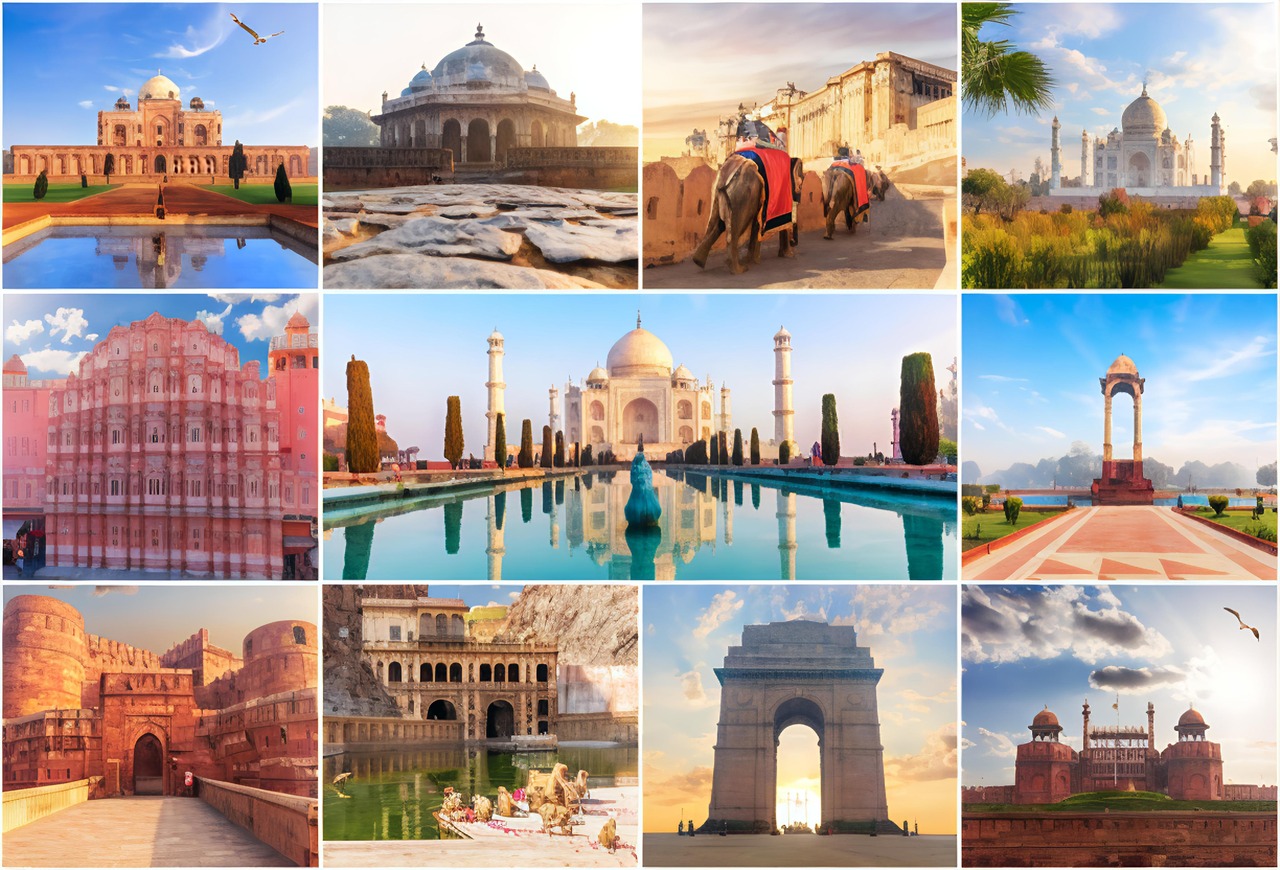
Experience the rich history and culture of India by visiting Agra's UNESCO World Heritage sites, including the iconic Taj Mahal and Agra Fort. In Jaipur, also known as the Pink City of Rajasthan, explore majestic palaces and hilltop forts while learning about India's royal heritage. These cities offer a glimpse into the fascinating Mughal Empire and its influence on Indian society.
In this tour you will see the beauty of Delhi as well as. In Delhi you will discover Red Fort, Humayun Tomb, Qutub Minar etc.
Get ready for a memorable vacation with your loved ones.
Available options
4-Nights 5-Days India's Golden Triangle - Jaipur Agra Delhi Tour
Pickup included
What's included
Bottled water
Hotel/Airport/Railway Station Pick-up & Drop
Professional Informative Tour Guide for Delhi, Agra & Jaipur Monuments
Chauffeur Driven A/C Private Vehicle for sightseeing
Detailed itinerary
1
Stop 1
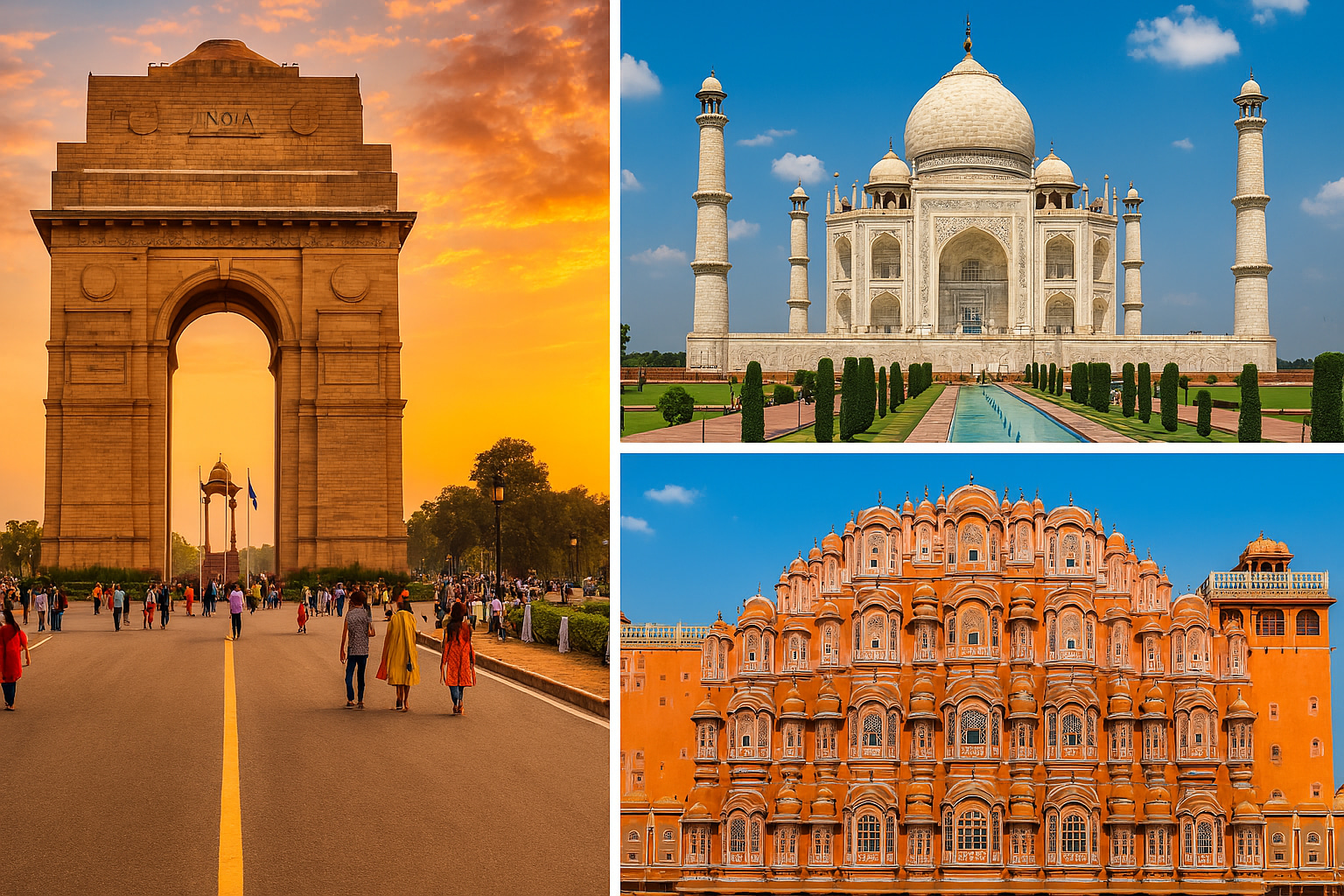
The Hawa Mahal, a famous landmark of Jaipur. The palace of winds built by Sawai Pratap Singh was actually planned for the royal household to be able to visit a site that citizens could also use. The palace is a sight to see with curved latticework arches towering above.
2
Stop 2
The City Palace in another site worth noting while in Jaipur, for its art and structural features. The palace features separated gardens and courtyards that cover a great extending area.
3
Stop 3
The Jantar Mantar monument of Jaipur, contains the largest stone sundial in the world and is a UNESCO World Heritage site. Built by Rajput Kind Sawai Jai Singh, the monument shows the architectural styles of the time. The Jantar Mantar is still used as an astronomical observatory, which today draws in unique travelers from the world over.
4
Stop 4
The Jal Mahal, the water palace that is situated in the midst of the beautiful Man Sagar Lake in Jaipur City. Jal Mahal is an exceptional structure of the Rajput culture. The palace and the lake around it were renovated and enlarged in the 18th century by Maharaja Jai Singh II of Amber. A wonderful five storied building built in red sandstone
5
The place is popular for the amazing 'Boris' (step wells) and Harshat Mata Temple. The village of Abhaneri is believed to be established by the King Raja Chand. Originally Abhaneri was named as Abha Nagri, which means the city of brightness, but due to the mispronunciation of the term, it is changed to the present name.Step wells are the unique concept of India. These big tanks were used as cool places of resort and water reservoir in parched days. It was a ritual to wash hands and feet before visiting the temple. Adjoining the Chand Baori,
6
This magnificent fortified ancient city, 40 km west of Agra, was the short-lived capital of the Mughal Empire, during the reign of Emperor Akbar. the first planned city of the Mughals and also the first one designed in Mughal architecture, an amalgamation of Indian architecture, Persian and Islamic architecture. It was declared a UNESCO World Heritage Site in 1986…..!!
7
Stop 7
Mehtab Bagh (Moonlight Garden ) for a romantic view of Taj Mahal at sunset. Mehtab Bagh : A garden built on the banks of Yamuna River, Mehtab Bagh was constructed by Emperor Babur and was the last of a series of 11 such gardens built along the east bank of the river. Mehtab Bagh was built as an integral part of the Taj complex as the gardens of the Taj are perfectly aligned with Mehtab Bagh, making it the best place to view.You can actually sit in peace and admire the beauty of the monument at sunset
8
Stop 8
Tomb of I'timād-ud-Daulah is a Mughal mausoleum in the city of Agra. Often described as a "jewel box", sometimes called the "Baby Tāj", the tomb of I'timād-ud-Daulah is often regarded as a draft of the Tāj Mahal…
9
Stop 9
Agra Fort which is a massive fort. The Agra Fort another majestic creation by the Mughal Emperor Akbar the great, made of red sand stone and housing many beautiful palaces such as Diwan E Aam, Khas Mahal, Pearl Mosque, Musamman Burj etc This is the same place where Aurangzeb imprisoned his father Shah Jahan.
10
Stop 10
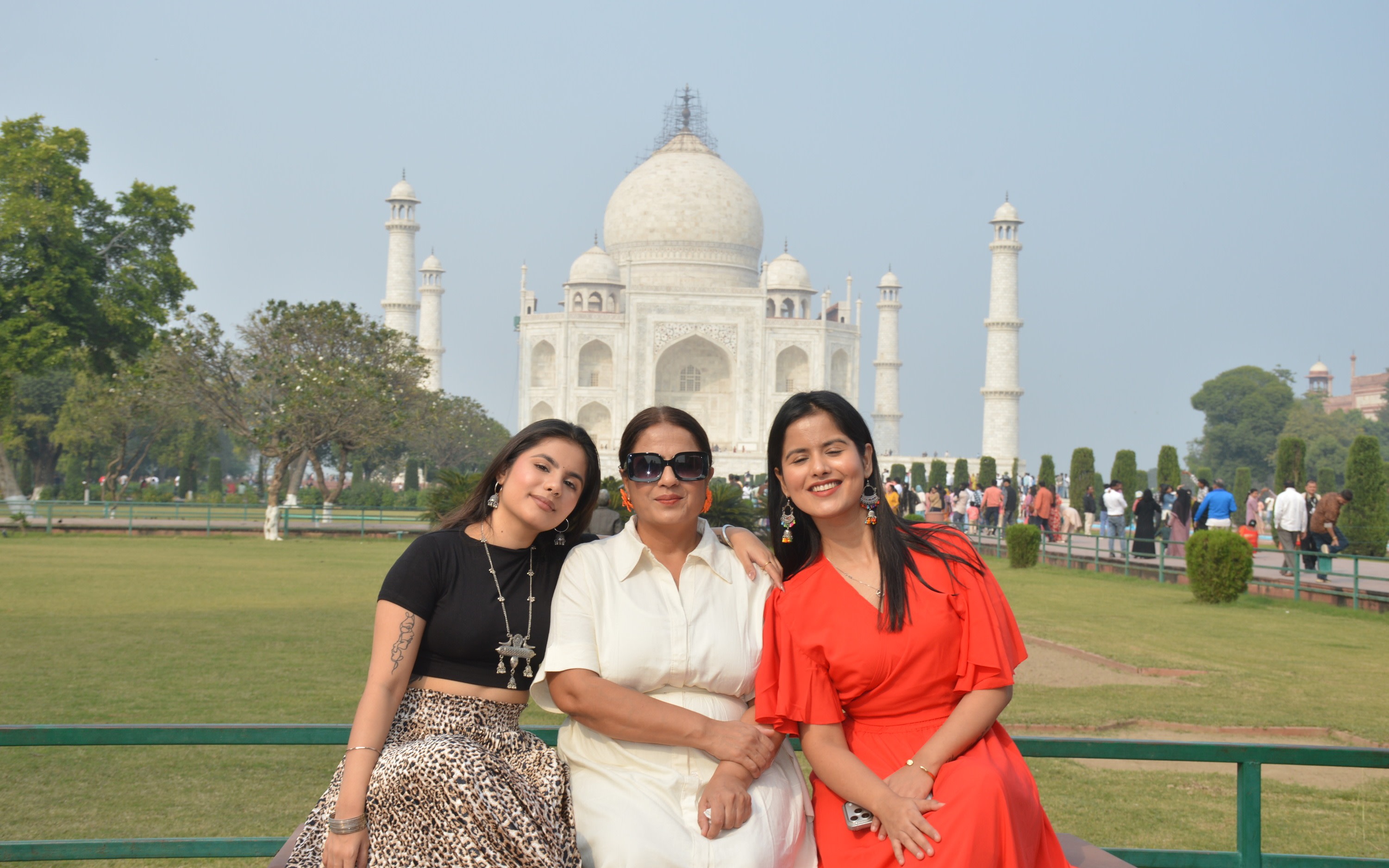
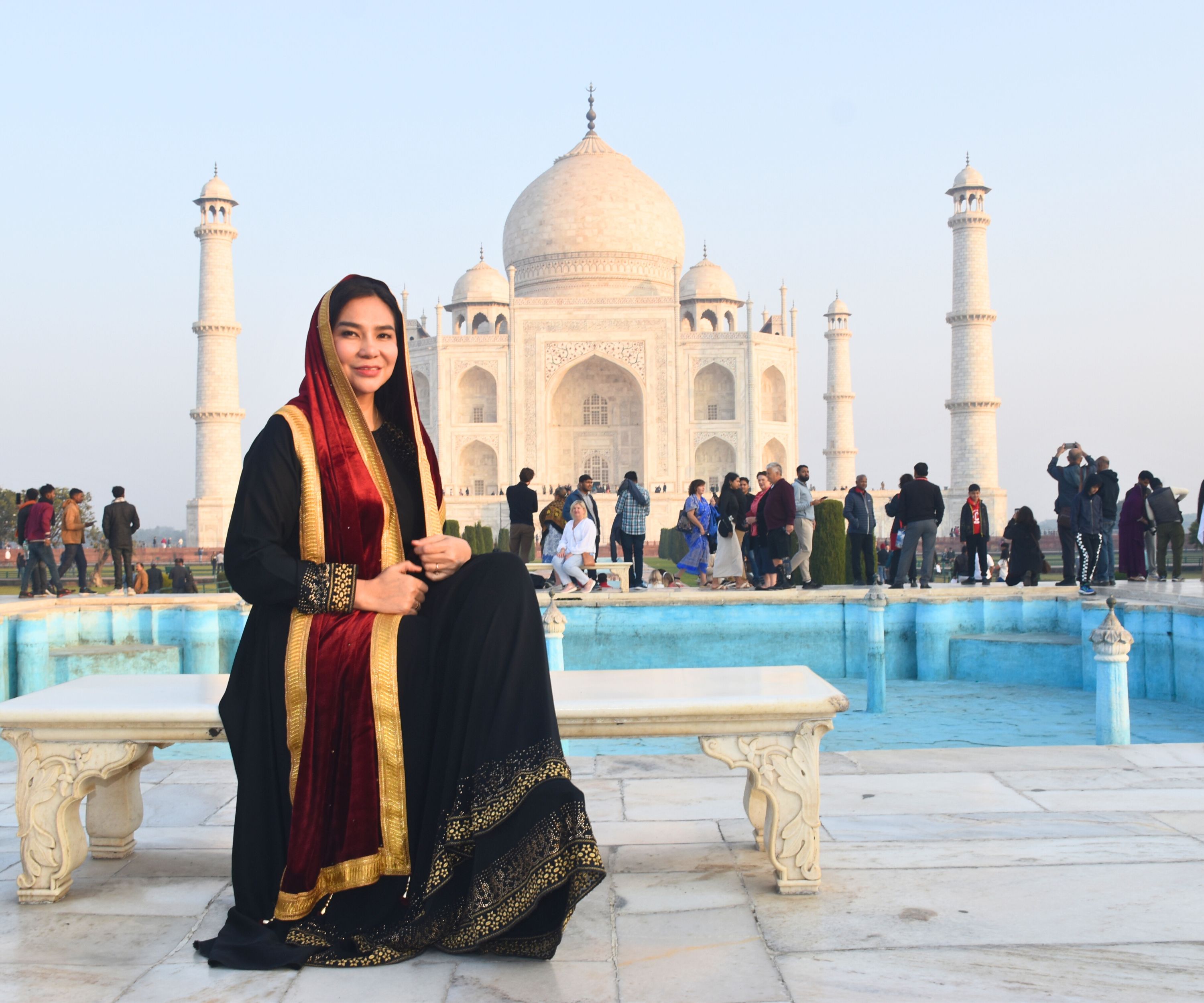
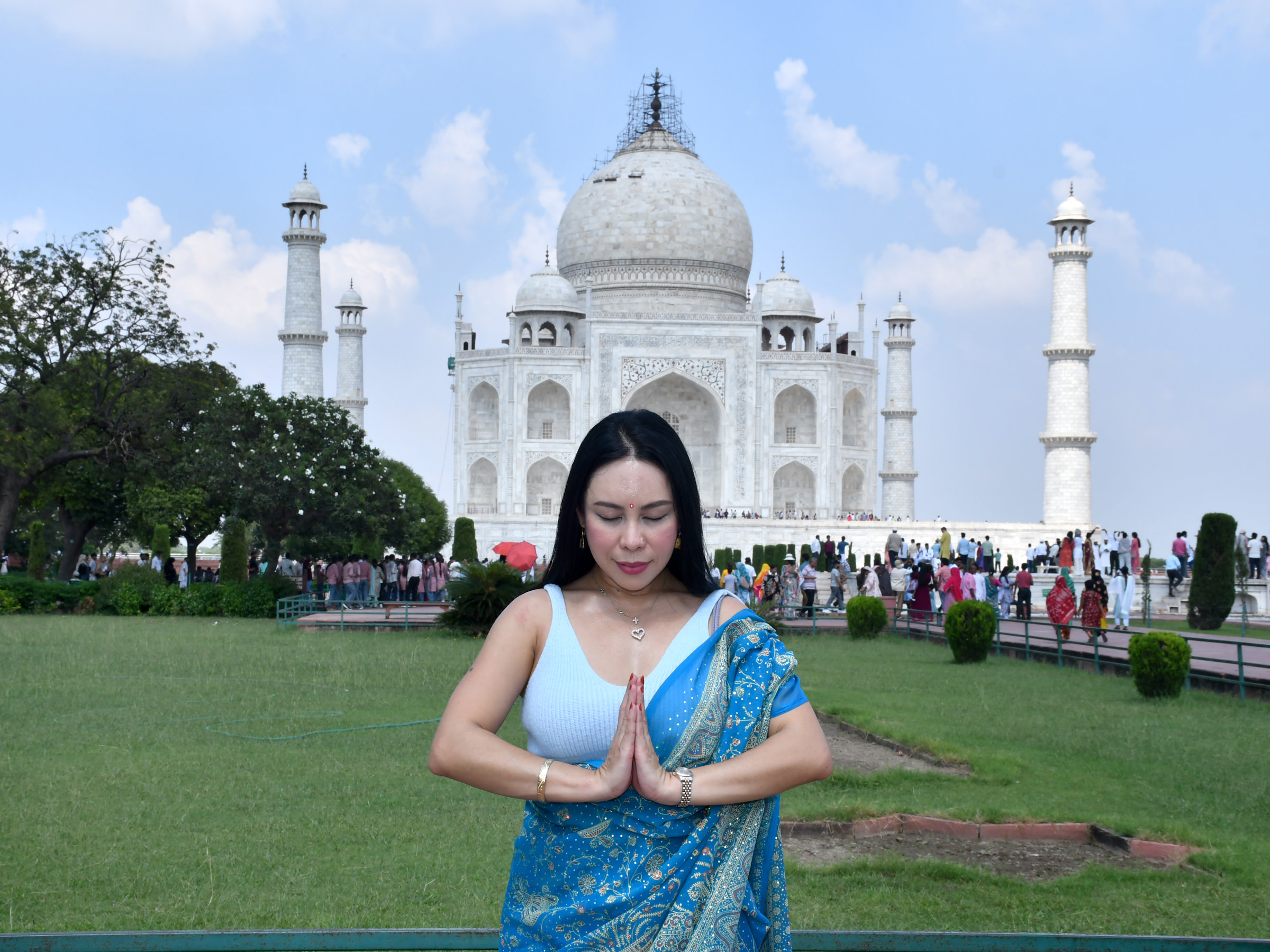
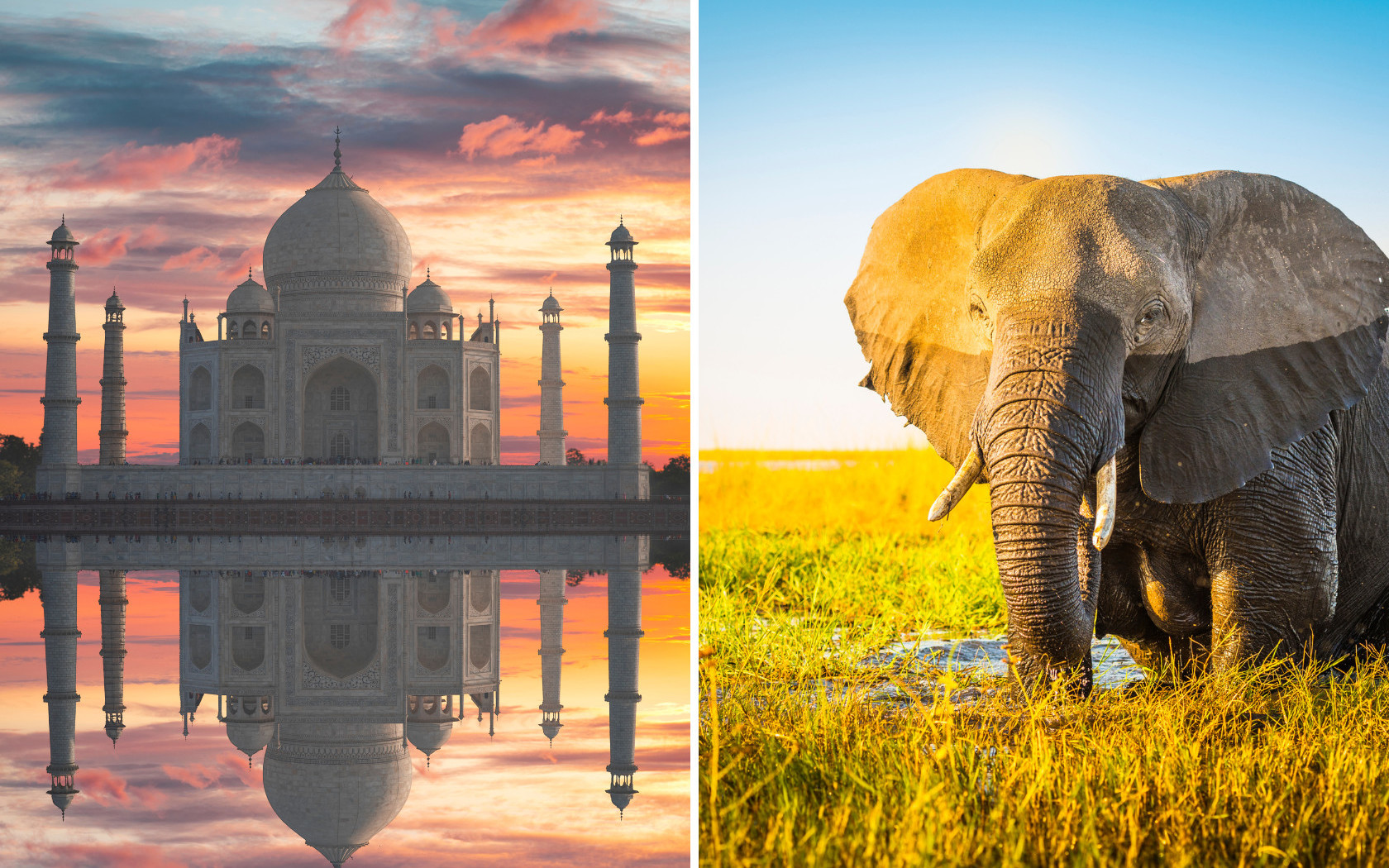
The Taj Mahal which was built in the 17th century by Emperor Shah Jahan for his beloved wife to express his love and took 22 years to complete.Taj Mahal - the Seven Wonders of the World and surely the most extravagant expression of love ever created. You will enjoy the most alluring view of Taj Mahal in the relative quiet early morning, shrouded in mists and bathed with a soft morning glow. As its vast marble surfaces fall into the shadow or reflect the sun, the color changes from soft grey and yellow to pearly cream and dazzling white. The Taj Mahal looks milky white in the soft light of early morning. Not only will you witness the magical effects caused by the reflections of the changing colors of the rising sun
11
Stop 11
The Qutub Minar, also spelled as Qutab Minar, or Qutb Minar, is the second tallest minaret in the world made up of bricks. The minaret forms a part of the Qutab complex, a UNESCO World Heritage Site.Qutab Minar is a soaring, 73 m-high tower of victory, built by Qutab-ud-din Aibak immediately after the defeat of Delhi's last Hindu kingdom.
12
Stop 12
Red Fort, also called Lal Qalʿah, also spelled Lal Kila or Lal Qila, Mughal fort in Old Delhi, India. It was built by Shah Jahān in the mid-17th century and remains a major tourist attraction. The fort was designated a UNESCO World Heritage site.
13
Stop 13
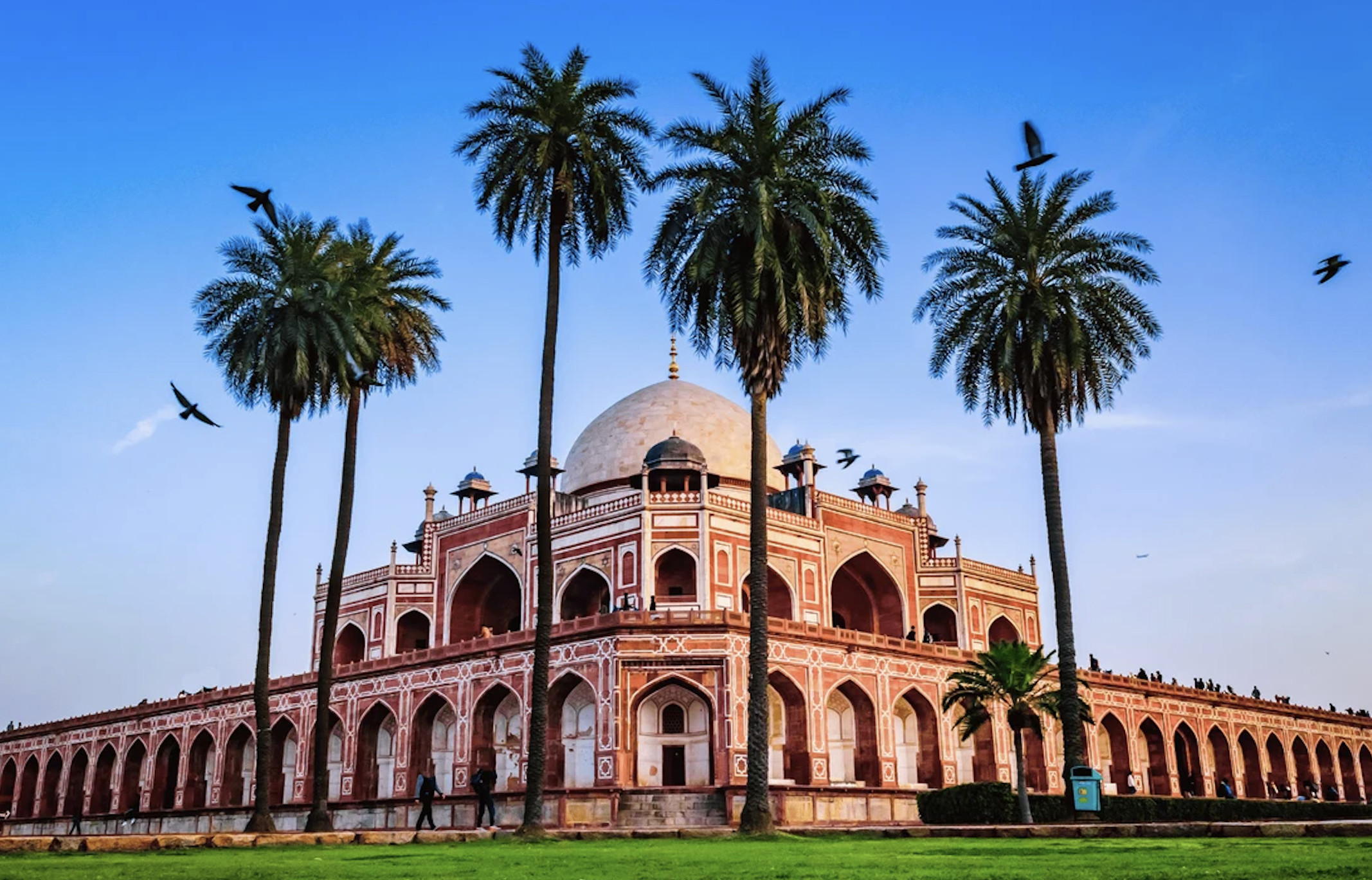
Humayun’s tomb or Maqbara-e-Humayun is the resting tomb of Mughal king, Humayun. This tomb was initiated by his first wife in 16th century. This is the first garden tomb in Asia and is a heritage site too. Humayun's tomb is the tomb of the Mughal Emperor Humayun in Delhi, India. The tomb was commissioned by Humayun's first wife and chief consort, Empress Bega Begum and designed by Mirak Mirza Ghiyas and his son, Sayyid Muhammad, Persian architects chosen by her.
14
Stop 14
The Masjid-i Jahān-Numā, commonly known as the Jama Masjid of Delhi, is one of the largest mosques in India.
constructed by the Mughal emperor Shah Jahān. Jama Masjid, now the second largest mosque on the Indian subcontinent, is also an impressive example of Mughal architecture.
What's not included
Accommodation / Hotels
Personal Meal & Other Activity Expenses
Monuments Entrance Fees / Camera Fees
Driver’s and Guide's Tips
Available languages
Guide guide
DE
EN
FR
ES
Reviews breakdown
Tripadvisor
5.0
34 reviews
5★
34
4★
0
3★
0
2★
0
1★
0
Important information
Specialized infant seats are available
Suitable for all physical fitness levels
Children must be accompanied by an adult
The duration of transfers are approximate, the exact duration will depend on the time of day and traffic conditions
Please provide the lead traveler's name, arrival port details and passport number,Flight Details, hotel details
Please note that the Taj Mahal is closed every Friday
Dress code is smart casual, Please be advised that short shorts or sleeveless tops are not recommended in the temple.
A moderate amount of walking is involved please wear comfortable shoes
A current valid passport is required on the day of travel for all participants
Important notes
• Dress code is smart casual
• Comfortable walking shoes are recommended
• A current valid passport is required on the day of travel
• The duration of transfers are approximate, the exact duration will depend on the time of day and traffic conditions
Hotel pickups commence approximately 30 - 60 minutes prior to this time
Times are subject to change due to local traffic conditions.
About Jaipur
Jaipur, the capital of Rajasthan, is a vibrant city known for its rich history, stunning architecture, and colorful culture. As the first planned city of India, it offers a unique blend of traditional Rajasthani heritage and modern amenities, making it a must-visit destination for travelers.
Top Attractions
Amber Fort
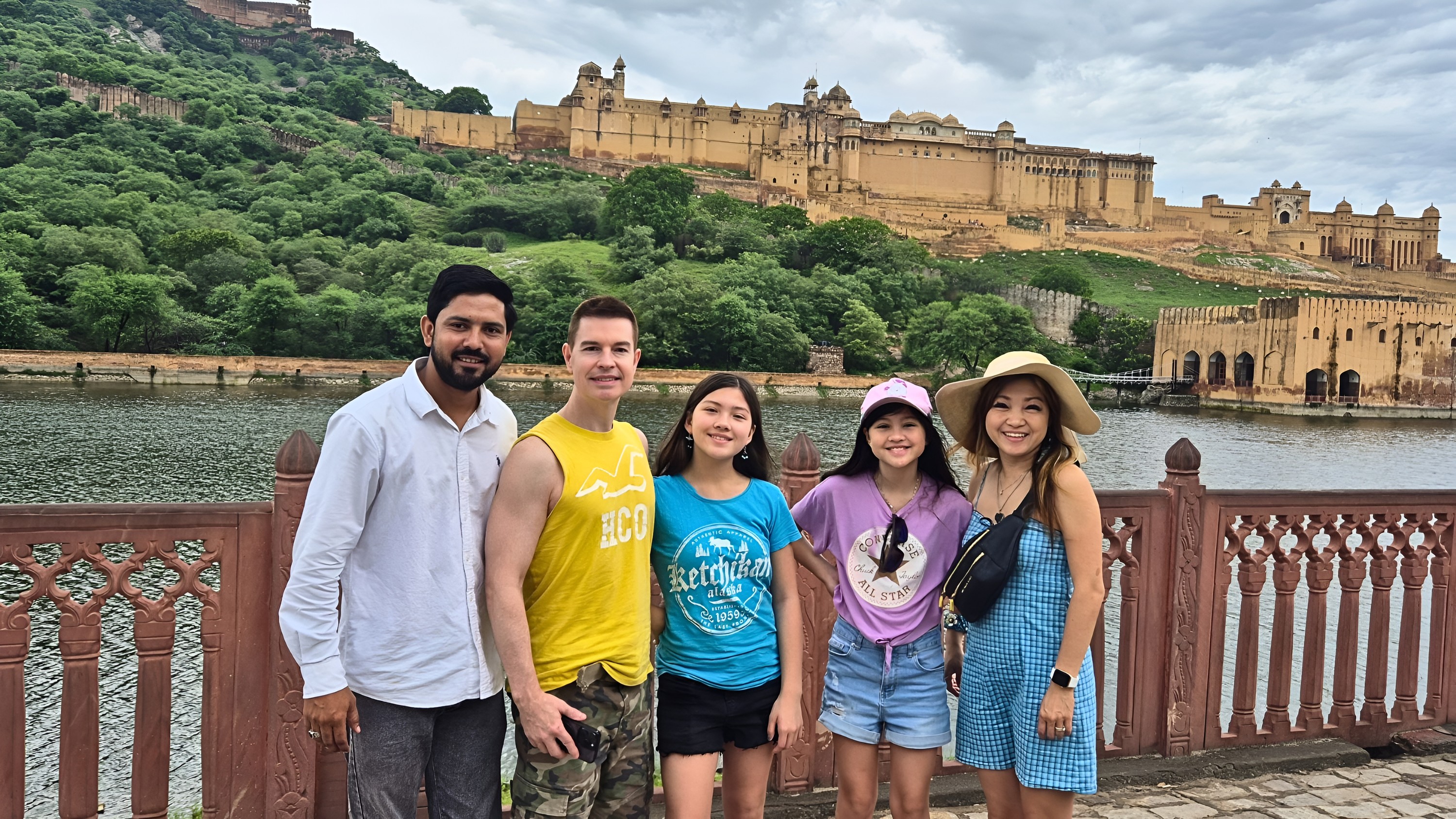
Amber Fort is a majestic fort located on a hilltop overlooking Maota Lake. It is known for its stunning architecture, intricate carvings, and historical significance.
Historical
2-3 hours
INR 250 (foreigners), INR 50 (Indians)
Hawa Mahal
Hawa Mahal, or the Palace of Winds, is a five-story pyramidal structure made of red and pink sandstone. It is famous for its intricate latticework and unique architecture.
Architectural
1 hour
INR 50 (foreigners), INR 10 (Indians)
City Palace
City Palace is a complex of courtyards, gardens, and buildings that served as the seat of the Maharaja of Jaipur. It is known for its stunning architecture and rich history.
Historical
2-3 hours
INR 700 (foreigners), INR 70 (Indians)
Jantar Mantar
Jantar Mantar is a collection of architectural astronomical instruments built by Maharaja Sawai Jai Singh II. It is a UNESCO World Heritage Site and a testament to India's rich scientific heritage.
Historical
1-2 hours
INR 50 (foreigners), INR 10 (Indians)
Nahargarh Fort
Nahargarh Fort is a majestic fort located on the edge of the Aravalli Hills. It offers panoramic views of the city and is known for its historical significance and architectural beauty.
Historical
1-2 hours
INR 50 (foreigners), INR 10 (Indians)
Must-Try Local Dishes
Dal Baati Churma
A traditional Rajasthani dish made of lentils (dal), baked wheat balls (baati), and sweet crumbled wheat (churma).
Main Course
Vegetarian
Laal Maas
A spicy meat curry made with mutton or goat, cooked in a rich gravy made with red chilies and spices.
Main Course
Non-vegetarian
Ghewar
A traditional Rajasthani sweet made of flour, ghee, and sugar, deep-fried to a golden brown color and soaked in sugar syrup.
Dessert
Vegetarian
Popular Activities
Hot air ballooning
Trekking in the Aravalli Mountains
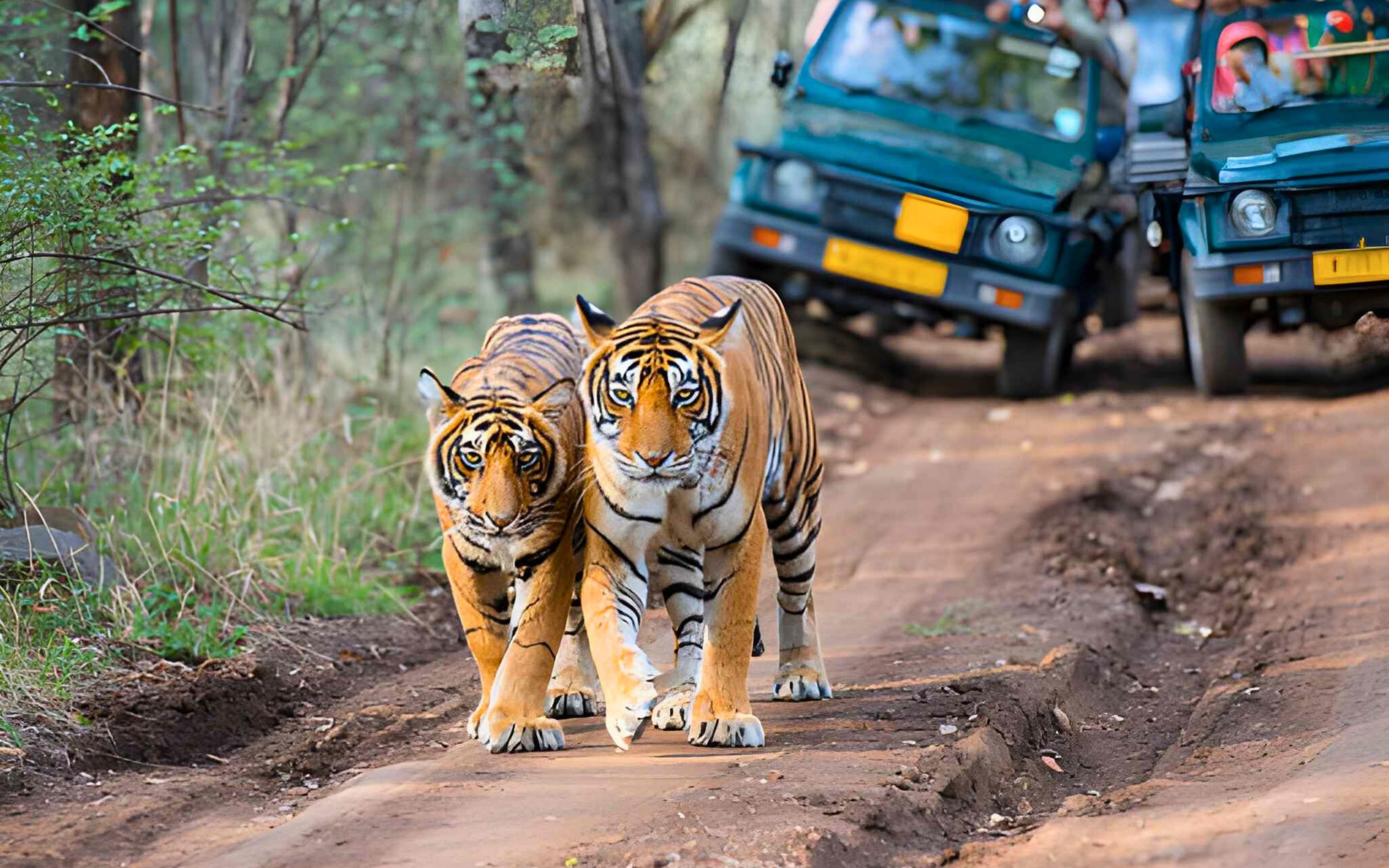
Wildlife safaris in Ranthambore National Park
Spa and wellness treatments
Yoga and meditation retreats
Leisurely walks in the Pink City
Visiting historic forts and palaces
Exploring local markets and bazaars
Best Time to Visit
October to March
This is the best time to visit Jaipur as the weather is pleasant and ideal for sightseeing. The cool temperatures make it comfortable to explore the city's attractions.
15°C to 30°C
59°F to 86°F
Practical Information
Language
- Official: Hindi
- Widely spoken: English, Rajasthani
- English: Moderately spoken
Currency
Indian Rupee (INR)
Time Zone
IST (GMT+5:30)
Electricity
230VV, 50HzHz
Safety Information
Overall Safety Rating: Generally safe
Jaipur is generally safe for travelers, with a low crime rate and friendly locals. However, as with any destination, it is important to take precautions and be aware of your surroundings.
Important Precautions:
- • Use trusted transportation options
- • Be cautious of your belongings in crowded areas
- • Avoid drawing unnecessary attention to yourself
Getting there
By air
- Jaipur International Airport • 13 km from city center
By train
Jaipur Junction
By bus
Sindhi Camp Bus Stand, Narayan Singh Circle Bus Stand
Getting around
Public transport
Buses are the most common mode of public transport in Jaipur. They are affordable but can be crowded.
Taxis
Available • Apps: Ola, Uber
Rentals
Car, Bike, Scooter
Neighborhoods
Pink City
Civil Lines
Bani Park
Day trips
Abu Road
270 km from Jaipur • Full day
Abu Road is a picturesque town nestled in the Aravalli Mountains. It is known for its scenic beauty, lush greenery, and the famous Dilwara Temples.
Ranthambore National Park
180 km from Jaipur • Full day
Ranthambore National Park is a renowned wildlife sanctuary known for its tiger population and diverse flora and fauna. It is a popular destination for wildlife enthusiasts and nature lovers.
Pushkar
150 km from Jaipur • Full day
Pushkar is a sacred town known for its ancient temples, holy lake, and vibrant markets. It is a popular pilgrimage site and a hub for spiritual seekers and travelers.
Festivals
Jaipur Literature Festival • January
Elephant Festival • March
Gangaur Festival • March/April
Pro tips
- Hire a local guide for a more enriching and personalized experience
- Visit major attractions early in the morning or late in the afternoon to avoid crowds and the heat
- Bargain when shopping at local markets and bazaars, but do so respectfully and politely
- Carry small denominations of cash for local shopping and transportation
- Use app-based transportation services for transparency and convenience
From $25
per person
Price varies by option
Secure booking
Free cancellation available
Instant confirmation