E-Bike Tour in the Southern Circuit of Buenos Aires
Active
3h
For a full refund, cancel at least 24 hours before the scheduled departure time.
Instant confirmation
Mobile or paper ticket accepted
About this experience
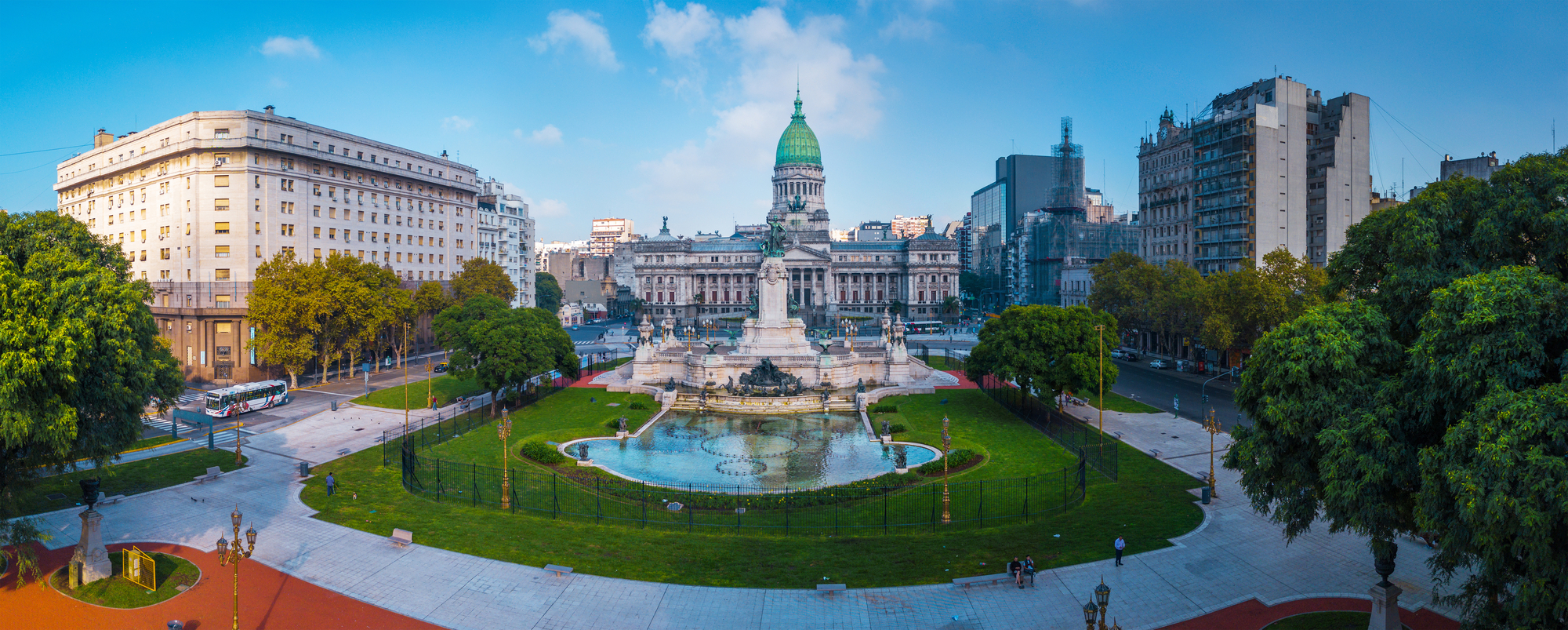
Discover Buenos Aires in a unique and enriching experience that will show you the city in a memorable way.
We will visit some of the most iconic areas of the Federal Capital while immersing ourselves in the culture and folklore of Buenos Aires, accompanying this experience with the tasting of sweets, traditional foods and drinks from our country (medialunas, choripán and coffee).
It is much more than a tour, it is an experience.
Available options
E-Bike Tour in the Southern Circuit of Buenos Aires
What's included
Helmet and padlock
Tasting of a traditional snack and the quintessential Argentinian drink, mate.
Tasting of a classic dish of Argentine cuisine.
Use of bicycle
Detailed itinerary
1
Stop 1
Detail of the construction of the bridge, its connection with tango and the tribute to women that is replicated throughout the Puerto Madero neighborhood.
2
Stop 2
Pass by
Old Post Office Palace and current cultural center recognized for its concert halls and artistic exhibitions.
3
Stop 3
Origins of the City of Buenos Aires, foundation and early years. Main attractions (Cabildo, Cathedral) and characteristic events that happened in its vicinity.
4
Stop 4
Pass by
The oldest Catholic temple in the city of Buenos Aires, built in 1722 by the Jesuit fathers.
5
Visit to the historic block that gave rise to the first National Library, headquarters of the UBA and Colegio Real San Carlos; as well as training several of our heroes and prominent personalities in Argentine politics.
6
Stop 6
Origins of the San Telmo neighborhood and details of what was once a cart stop south of Buenos Aires but which has currently been transformed into one of the most picturesque spots in the city. At this point we will take a break from the bike tour to undertake a walk through the heart of San Telmo, visiting Plaza Dorrego, the Market and even the famous Mafalda sculpture. We will close this segment with the tasting of a classic coffee with croissants in a Buenos Aires bar.
7
Stop 7
Pass by
An old mansion that became the scene of an archaeological discovery dating back to the colonial era where remains of the old tunnels of Buenos Aires were found, as well as cisterns and other materials from the time.
8
With just 2.50 meters of frontage, it is known as the oldest house in the city. This type of housing was designed for freed slaves, to whom their masters assigned a small space to build their homes, adjacent to their property.
9
Stop 9
Reference to the first Spanish settlement in the Río de La Plata and the origins of the current National Historical Museum.
10
Located in an old 19th century mansion, today the museum offers a tour of the cultures of the native peoples, the time of conquest and the establishment of the colonial order, the May Revolution, Buenos Aires society in 1810 and the crossing of the Andes, among other notable episodes in Argentine history.
11
Stop 11
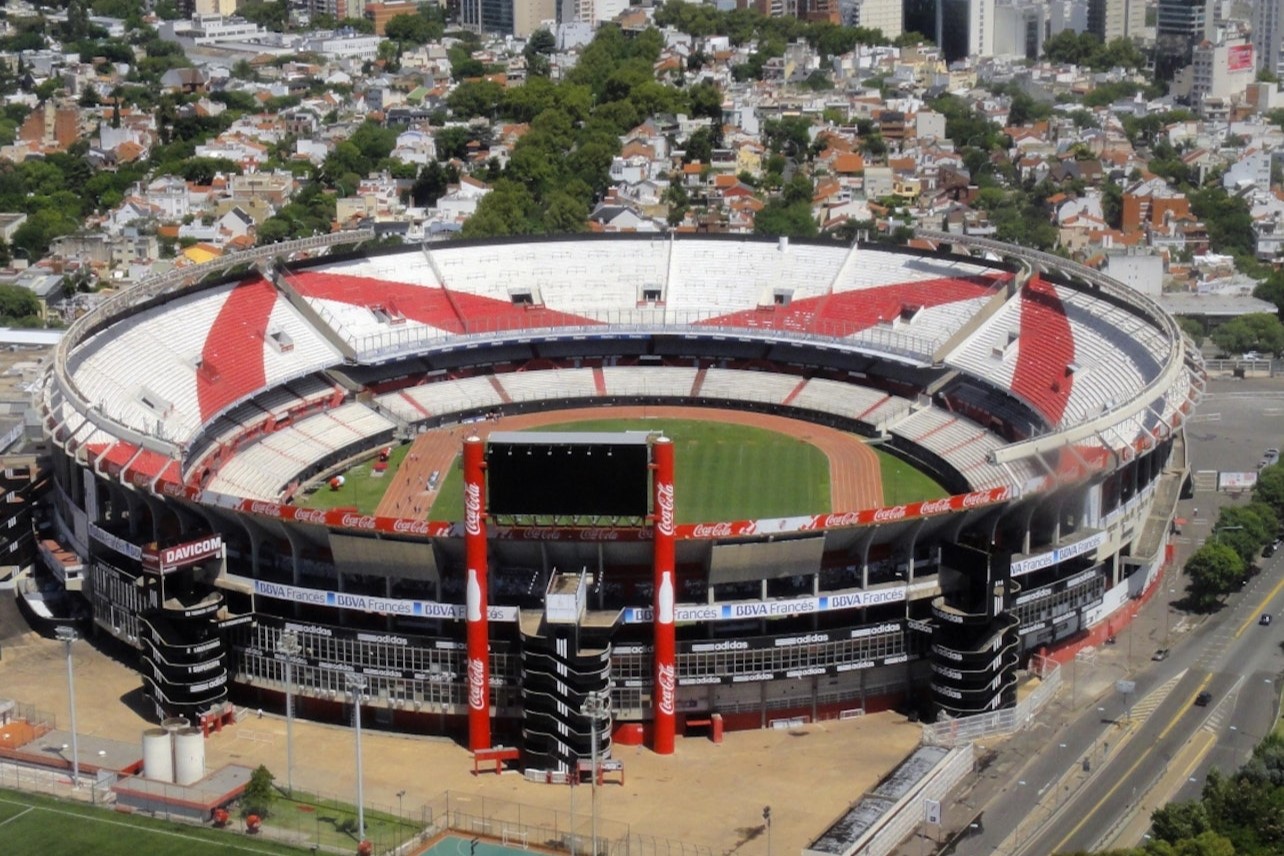
Visit to the traditional Bombonera, historical overview of the origin of the club and some of the most famous athletes it sheltered.
12
A space created in honor of the effort and sacrifice made by so many neighbors who volunteered as firefighters to protect their neighborhood from the constant fires it suffered and still suffers.
13
Stop 13
Origins of the La Boca neighborhood, from the suburbs to one of the areas most heavily visited by international tourism. The origin of tango, its connection with the immigration waves and the stellar figure of Quinquela Martín among all this landscape.
14
Donated by the artist Benito Quinquela Martín with the aim of building a primary school and a museum of Argentine artists there, and so it was. In 1936 the establishment was inaugurated after having been equipped with 18 murals by the Boquense artist and years later the Museum of Argentine Artists was inaugurated in the same building, with a representative collection of national art from the 19th century to the present. While, on the third floor, there is currently the House-Museum of Benito Quinquela Martín, where some of his greatest works are exhibited.
15
We will learn the detail behind the founding of this icon of La Boca and how its history is directly related to the roots of this working-class neighborhood. Finally, we will take you to a classic Buenos Aires restaurant so you can taste some of the delights of Argentine gastronomy.
16
Stop 16
Origins of Puerto Madero. A snapshot of the first years of what was the project for the second port of BA and how its decline began to be retransformed into the most expensive neighborhood in the entire City.
17
Work made in Rome by the Tucuman artist Lola Mora that represents the birth of the Roman goddess Venus, surrounded and assisted by tritons and nereids, water divinities that give the work its name.
18
Historical overview of the origin and development of the most important green lung of the city and a visit to the promenade that pays tribute to the great glories of national sport.
Available languages
Guide guide
EN
ES
Reviews breakdown
Viator
3.0
2 reviews
5★
1
4★
0
3★
0
2★
0
1★
1
Tripadvisor
5.0
1 reviews
5★
1
4★
0
3★
0
2★
0
1★
0
Important information
Public transportation options are available nearby
Not recommended for travelers with spinal injuries
Not recommended for pregnant travelers
Not recommended for travelers with poor cardiovascular health
Suitable for all physical fitness levels
Meeting point
Approach the charging station at the door of the Hilton Puerto Madero Hotel, where our professional guide will be waiting for you to begin our experience.
About Buenos Aires and The Pampas
Buenos Aires, the vibrant capital of Argentina, is known for its European-influenced architecture, rich cultural scene, and passionate tango. The Pampas, a vast fertile plain, offers a glimpse into Argentina's gaucho (cowboy) culture and stunning landscapes. Together, they provide a unique blend of urban sophistication and rural charm.
Top Attractions
Recoleta Cemetery
A famous cemetery where Eva Perón is buried, featuring ornate mausoleums and a rich history.
Historical
1-2 hours
Free
La Boca
A colorful neighborhood known for its vibrant street art, tango performances, and the famous Caminito street.
Cultural
2-3 hours
Free to explore, paid shows
The Pampas
A vast fertile plain offering a glimpse into Argentina's gaucho culture, with estancias (ranches) and beautiful landscapes.
Nature
Full day or overnight
Varies by estancia (ARS 1,000-5,000 approx. USD 13-65)
Teatro Colón
One of the world's most famous opera houses, known for its stunning architecture and acoustics.
Cultural
1-2 hours (tour), longer for performances
Tour: ARS 1,200 (approx. USD 16), Performances: ARS 500-5,000 (approx. USD 6.50-65)
San Telmo Market
A historic market offering antiques, collectibles, and local crafts, with a lively Sunday market atmosphere.
Market
1-3 hours
Free to explore, varies for purchases
Must-Try Local Dishes
Asado
Argentine barbecue featuring various cuts of beef, sausages, and other meats, cooked over an open fire.
Dinner
Not vegetarian or vegan
Empanadas
Savory pastries filled with various ingredients like beef, chicken, or cheese.
Snack or Lunch
Can be vegetarian or vegan
Milanesa
Breaded and fried meat cutlet, similar to schnitzel, often served with mashed potatoes or salad.
Lunch or Dinner
Not vegetarian or vegan
Dulce de Leche
A sweet, caramel-like spread made from milk and sugar, used in various desserts.
Dessert
Vegetarian
Popular Activities
Horseback riding in The Pampas
Kayaking in Tigre Delta
Hiking in Sierra de la Ventana
Wine tasting in Palermo
Spa day in Recoleta
Strolling through Bosques de Palermo
Tango shows in La Boca
Visiting museums in Recoleta
Best Time to Visit
Spring (September to November) and Fall (March to May)
Pleasant weather, fewer crowds, and vibrant city life. Ideal for outdoor activities and exploring both the city and the Pampas.
15-25°C
59-77°F
Practical Information
Language
- Official: Spanish
- Widely spoken: English, Italian, French
- English: Moderately spoken in tourist areas, limited elsewhere
Currency
Argentine Peso (ARS)
Time Zone
GMT-3
Electricity
220VV, 50HzHz
Safety Information
Overall Safety Rating: Exercise caution
Buenos Aires is generally safe for tourists, but petty crime like pickpocketing and scams can occur, especially in crowded areas. Be aware of your surroundings and take precautions.
Important Precautions:
- • Keep valuables secure
- • Avoid flashing expensive items
- • Use reputable taxi services or app-based taxis
Getting there
By air
- Ministro Pistarini International Airport • 35 km from city center
- Aeroparque Jorge Newbery • 4 km from city center
By train
Retiro Station
By bus
Retiro Bus Terminal, Constitución Bus Terminal
Getting around
Public transport
Efficient and affordable, with six lines connecting major neighborhoods.
Taxis
Available • Apps: Uber, Cabify
Rentals
Car, Bike, Scooter
Neighborhoods
Palermo
Recoleta
La Boca
San Telmo
Day trips
Estancia Santa Susana
100 km from Buenos Aires • Full day
A traditional estancia offering horseback riding, gaucho shows, and authentic Argentine asado.
Colonia del Sacramento
100 km from Buenos Aires (by ferry) • Full day
A charming colonial town in Uruguay with cobblestone streets, historic buildings, and a relaxed atmosphere.
Tigre Delta
35 km from Buenos Aires • Half day to full day
A network of islands and waterways offering boat tours, kayaking, and nature walks.
Festivals
Carnaval de Buenos Aires • February or March (dates vary)
Festival Internacional de Cine Independiente de Buenos Aires (BAFICI) • April (dates vary)
La Noche de los Museos • November (dates vary)
Pro tips
- Use the SUBE card for convenient and discounted public transport
- Learn a few basic Spanish phrases to enhance your experience and connect with locals
- Explore beyond the tourist hotspots to discover the city's hidden gems
- Try local specialties like empanadas, milanesa, and dulce de leche
- Visit during the shoulder seasons (spring and fall) for pleasant weather and fewer crowds
From $25
per person
Price varies by option
Secure booking
Free cancellation available
Instant confirmation