


Conquer Tokyo's Best Cherry Blossom Viewing Spots in One Day
Active
12h
For a full refund, cancel at least 24 hours before the scheduled departure time.
Instant confirmation
Mobile or paper ticket accepted
About this experience
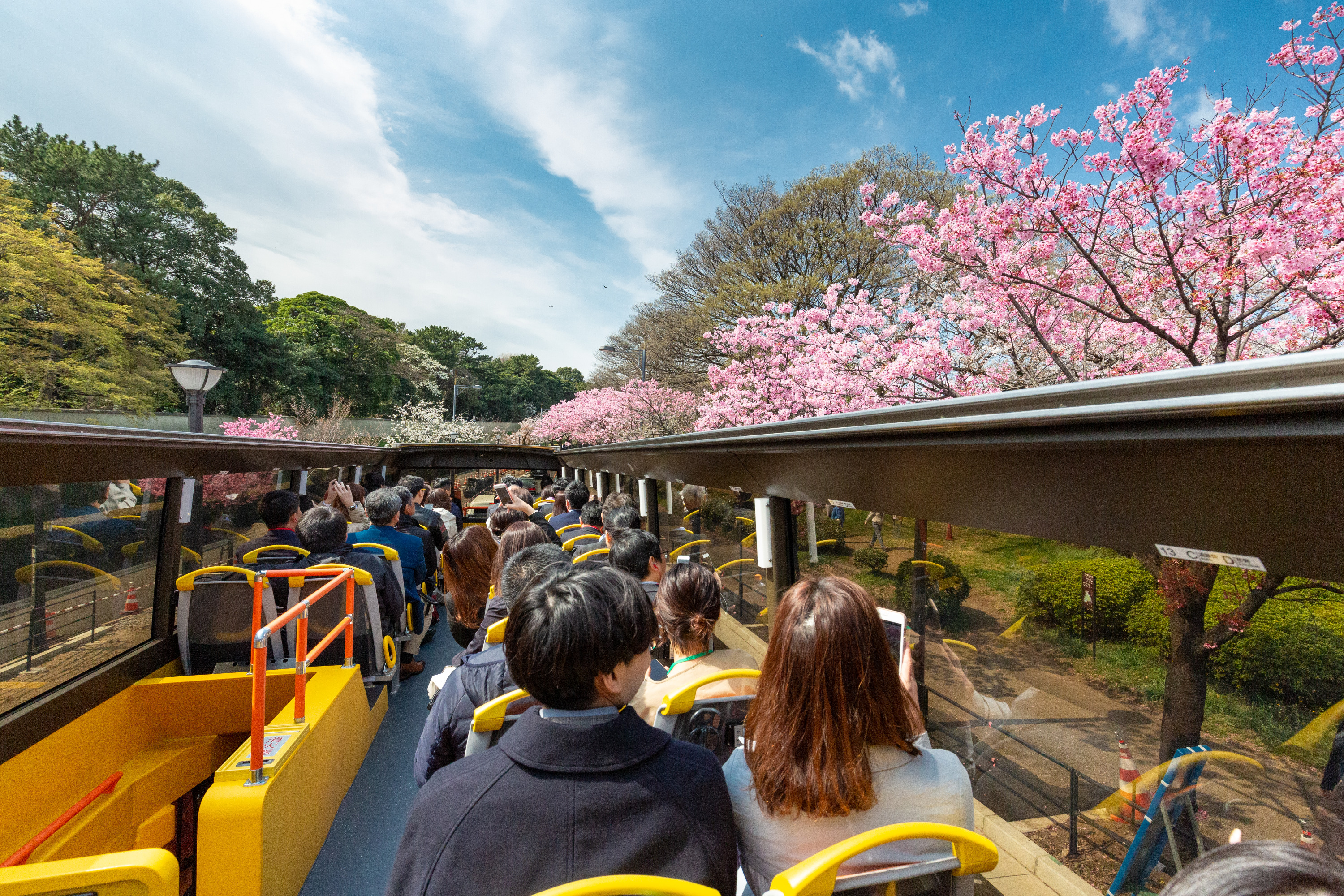
Along with Kyoto, Tokyo is the place with the most famous cherry blossom viewing spots in Japan. Because of the bigness of the city, you can enjoy various types of cherry blossom viewing. It is not possible in other cities! Our tour takes you to various cherry blossom viewing spots that represent Tokyo; cherry blossoms in rich landscapes such as Ueno Park, Chidoriga-fuchi Moat or etc, cherry blossoms in historical gardens such as Rikugien Gardens and Shinjuku Gyoen National Garden, and beautifully lit cherry blossoms such as Nakameguro and Chidorigafuchi. Through cherry blossoms, you will also learn about the city of Tokyo. We plan to visit 12 places, but the number of places may increase or decrease depending on the wishes of all participants. We may extend the stay at a favorite place, or if we progress faster than planned, we may add more stops. In case of rain, we will change the schedule, such as the lunch location.
Available options
Conquer Tokyo's Best Cherry Blossom Viewing Spots in One Day
What's included
All Fees and Taxes
Bottled water
Live Guide
Local Guide
Detailed itinerary
1
Cherry blossom viewing in Ueno Park : Ueno Park is one of Tokyo's leading cherry blossom viewing spots which attract nearly 2 million people. Its charm lies in the mixture of the sacred and the secular, and the rich landscape. Two sacred spaces coexist with one of the most crowded flower viewing party's venues in Tokyo. The richness of the landscape offers its differences in elevation and water surface and creates a variety of cherry blossom scenes. This spot dates back to 1632, making it one of the first cherry blossom viewing spots in Edo (old name of Tokyo).
2
Stop 2
Cherry blossom viewing and appreciation of art on cherry blossom in Tokyo National Museum : Tokyo National Museum with a collection of the finest Japanese art holds an exhibition on traditional arts related to cherry blossoms, "Cherry Blossom Viewing at the Museum," in the cherry blossom season. The gardens, which are open during the cherry blossom viewing period, are also a beautiful combination of historical architecture and cherry blossoms.
3
Cherry blossom viewing in Yanaka Cemetery : Yanaka cemetery was opened in 1874. Many graves of famous people remain here. It has a rustic atmosphere rare in Tokyo downtown and is famous from rows of cherry trees. When the cherry blossoms fall, the ground in the cemetery is completely covered with petals, creating a beautiful sight.
4
Stop 4
Cherry blossom viewing in Rikugi-en Gardens : Rikugi-en Gardens is one of Japan's representative feudal lord gardens, which was built in 1702. The waterfall-like weeping cherry tree near the main gate and the cloud-like weeping cherry tree in the forest are exceptional. These two cherry trees dominate the vast garden like a village-vicinity mountain in early spring.
5
Cherry blossom viewing and lunch in Koishikawa Botanical Gardens : Our tour members have a lunch, except on rainy days. We take participants to a popular bakery to purchase a lunch. Koishikawa Botanical Gardens dates back to the Herbal Garden established by the Tokugawa Shogunate in 1684. The attractive hilly topography gives it a mountain village feel. The cherry blossom grove on the cliff is magnificent. Unlike other cherry blossom spots that prune their branches, the cherry trees here with flower-filled branches hang down close to the ground and express freedom to be bound by nothing. It is also a very cozy place to have a picnic.
6
Cherry blossom viewing in Harima-zaka Cherry Blossom Avenue : This avenue is a beautiful street lined with four rows of cherry blossom trees. Its construction began as part of the earthquake reconstruction plan after the Great Kanto Earthquake of 1923, and as part of the war damage reconstruction project after 1945. But except this section, land acquisition has not progressed, and the road has not been completed. The center of the road was turned into a park, and people take a stroll and hold banquets. This is a rare place where the contradictions in the urban policy have created a famous cherry blossom spot.
7
Stop 7
Cherry blossom viewing in Shinjuku Gyoen National Garden : This garden is one of the cherry blossom viewing spots with the most picturesque scenes in Tokyo nad 1,000 cherry trees of various varieties. Visitors can enjoy the cherry blossoms from February to the end of April. Highlights include the large lawn area filled with picnickers, the water's edge, where the cherry blossoms combine beautifully with the buildings, bridges and borrowed scenery, and the cherry blossom grove, where visitor can experience the best cherry blossom snowstorms in Tokyo.
This spot has a long history dating back to 1591 when it was a feudal lord's mansion, and after the Meiji Restoration in 1868, cherry blossom viewing parties sponsored by the Imperial Family were held here. It has been passed down to the current "Spring Garden Party" for diplomacy by Japanese government.
8
Stop 8
Cherry blossom viewing in Chidoriga-fuchi Moat : It is one of the most beautiful cherry blossom spots in Tokyo. Day and night, the effect of the water surface, the beautiful landscape of the Imperial Palace and the moat, and the combination of the cherry blossoms and Tokyo Tower make it unrivaled.
In 1898, the British Ambassador to Japan planted a cherry tree in front of the British Embassy adjacent to Chidoriga-fuchi Moat. It was the beginning of cherry blossom here.
9
Stop 9
Cherry blossom viewing in Yasukuni Jinja Shrine : This shrine was founded in 1869 to commemorate the souls of government soldiers who died in the civil war, and later came to honor soldiers who died in the line of duty. The first cherry trees were planted in 1870, and there are now 400 trees. Many trees were donated in memory of fallen comrades by fellow comrades or families.
One of the trees at the shrine is the standard tree that marks the date when cherry blossoms bloom in Tokyo, and during cherry blossom season, this plant are broadcast on television every day.
10
Cherry blossom and sunset viewing in Sanada-bori Moat : This is the most beautiful place in Tokyo to see cherry blossoms at sunset, and our tour members enjoy the sunset here.
It is a remnant of the moat of the old castle for Shogun, and the cherry trees are planted on its bank. From the top of the bank, the view stretches into the distance without being obstructed by tall buildings. In the evening, when the setting sun make the cherry blossoms shine softlyt, and the cityscape is blurred by the evening haze.
11
Stop 11
Illuminated cherry blossom viewing at night in Chidoriga-fuchi Moat : It is one of the most beautiful cherry blossom spots in Tokyo. Day and night, the effect of the water surface, the beautiful landscape of the Imperial Palace and the moat, and the combination of the cherry blossoms and Tokyo Tower make it unrivaled.
12
Illuminated cherry blossom viewing at night in Nakameguro : This is one of the most stylish resaturante areas in Tokyo. Cherry blossom trees line the Meguro River that runs through the center of the area. The cherry blossoms cover the river like a canopy and are lit up beautifully at night.
Our tour ends here. The tour members can return to the hotel or stay here to dine at a restaurant in the area afterwards.
What's not included
In the festival area of Mt. Fuji of Komagome are many stalls of Various traditional festival foods. You can have a brunch there at your own expense. The price of each dish ranges from 400 to 1000 JPY.
Private transportation
Available languages
Guide guide
JA
EN
Important information
Not recommended for travelers with spinal injuries
Not recommended for travelers with poor cardiovascular health
Not recommended for pregnant travelers
Public transportation options are available nearby
Travelers should have at least a moderate level of physical fitness
Please wear walking shoes since we walk parks, gardens or walking paths.
Transportation costs are not included. Transportation costs will be around 2,000 yen.
We recommend you to get "Welcome Suica" card as an e-money card for transportation.
Depending on the cherry blossom blooming conditions and the illumination dates, the places that the tour visit will be changed.
Meeting point
Look for the guide wearing a vermilion North Face fleece at the north exit ticket gate of Okachimachi Station on the Yamanote Line.
About Tokyo
Tokyo, the capital of Japan, is a bustling metropolis that beautifully blends traditional culture with cutting-edge technology. Known for its neon-lit streets, historic temples, and world-class cuisine, Tokyo offers a unique experience that caters to every type of traveler.
Top Attractions
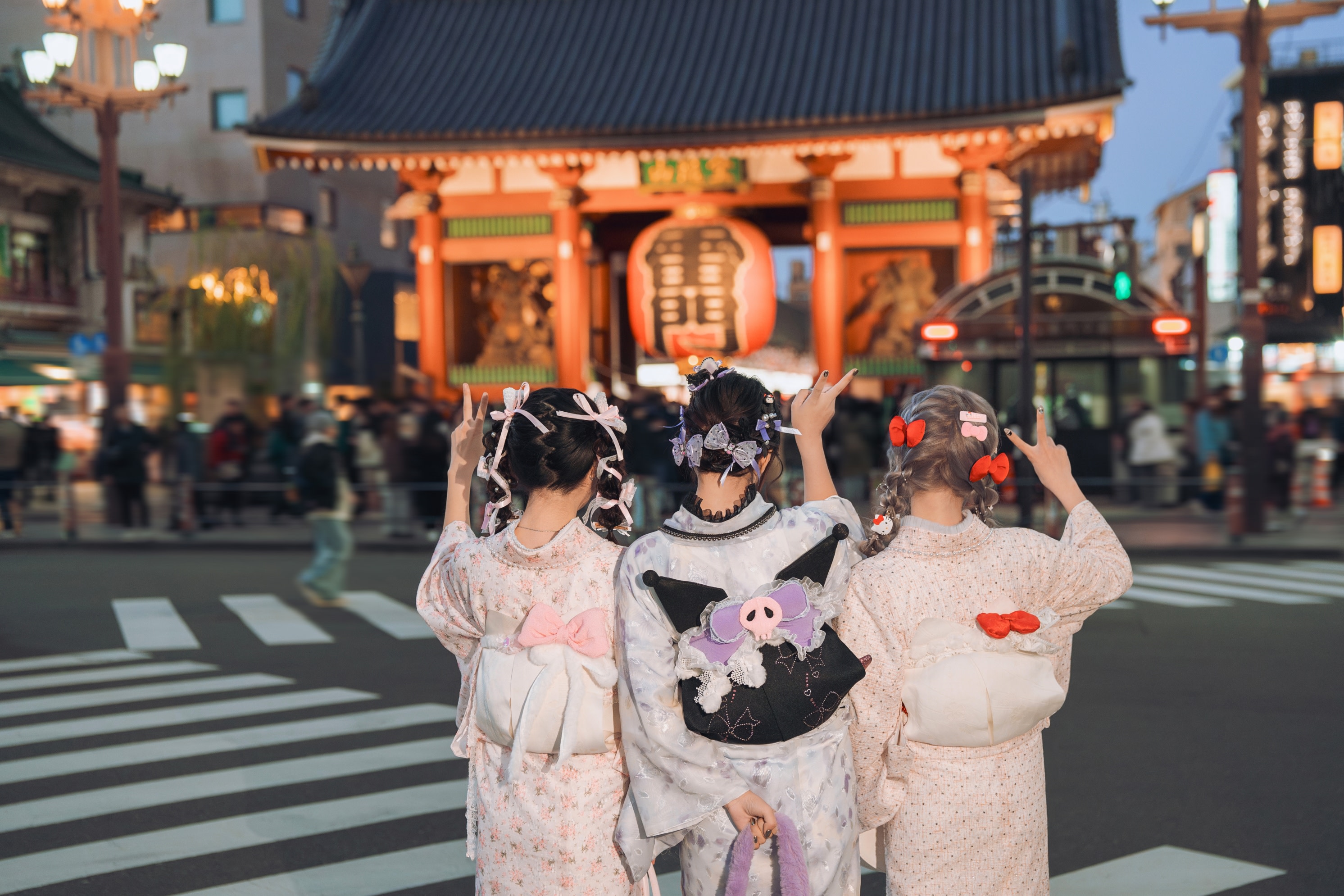
Senso-ji Temple
Senso-ji is Tokyo's oldest temple and one of its most significant. The temple's massive lantern and five-story pagoda are iconic landmarks.
Historical/Religious
1-2 hours
Free (small fee for some areas)
Meiji Shrine
Meiji Shrine is a Shinto shrine dedicated to the deified spirits of Emperor Meiji and his wife, Empress Shoken. It is surrounded by a beautiful forest.
Historical/Religious
1-2 hours
Free
Shibuya Crossing
Shibuya Crossing is the world's busiest pedestrian crossing and a symbol of Tokyo's bustling urban life. It's a must-see for its chaotic yet orderly nature.
Cultural
30 minutes to 1 hour
Free (¥2,200 for Shibuya Sky)
Tokyo Skytree
Tokyo Skytree is the tallest tower in Japan and the second tallest freestanding structure in the world. It offers breathtaking views of the city.
Architecture
2-3 hours
¥2,100 to ¥3,100 (USD $15 to $22)
Odaiba
Odaiba is a man-made island in Tokyo Bay known for its shopping, dining, and entertainment options. It's a great place for families and tech enthusiasts.
Entertainment
Half day to full day
Varies by attraction
Must-Try Local Dishes
Sushi
Fresh raw fish served on vinegared rice, a staple of Japanese cuisine.
Dinner
Contains fish, can be vegetarian with substitutes.
Ramen
Noodle soup with various broths and toppings, a popular comfort food.
Lunch/Dinner
Vegan and vegetarian options available.
Tempura
Deep-fried seafood and vegetables, known for its crispy texture.
Lunch/Dinner
Contains seafood and deep-fried ingredients.
Okonomiyaki
Savory pancake with various ingredients, often topped with sauce and bonito flakes.
Lunch/Dinner
Contains seafood and can be made vegetarian.
Popular Activities
Hiking in the nearby mountains
Parasailing at Odaiba
Onsen (hot spring) visits
Tea ceremonies
Traditional tea ceremonies
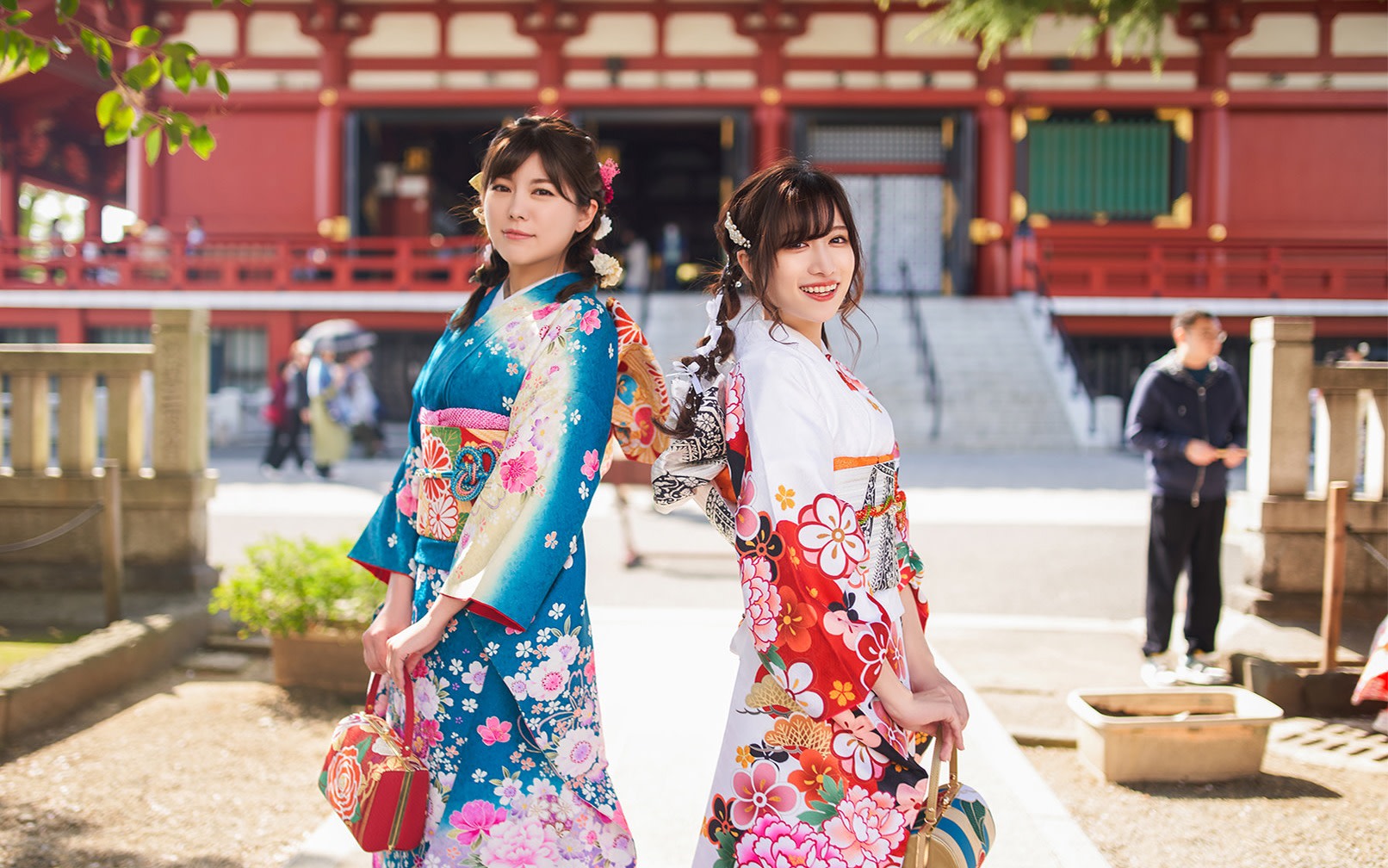
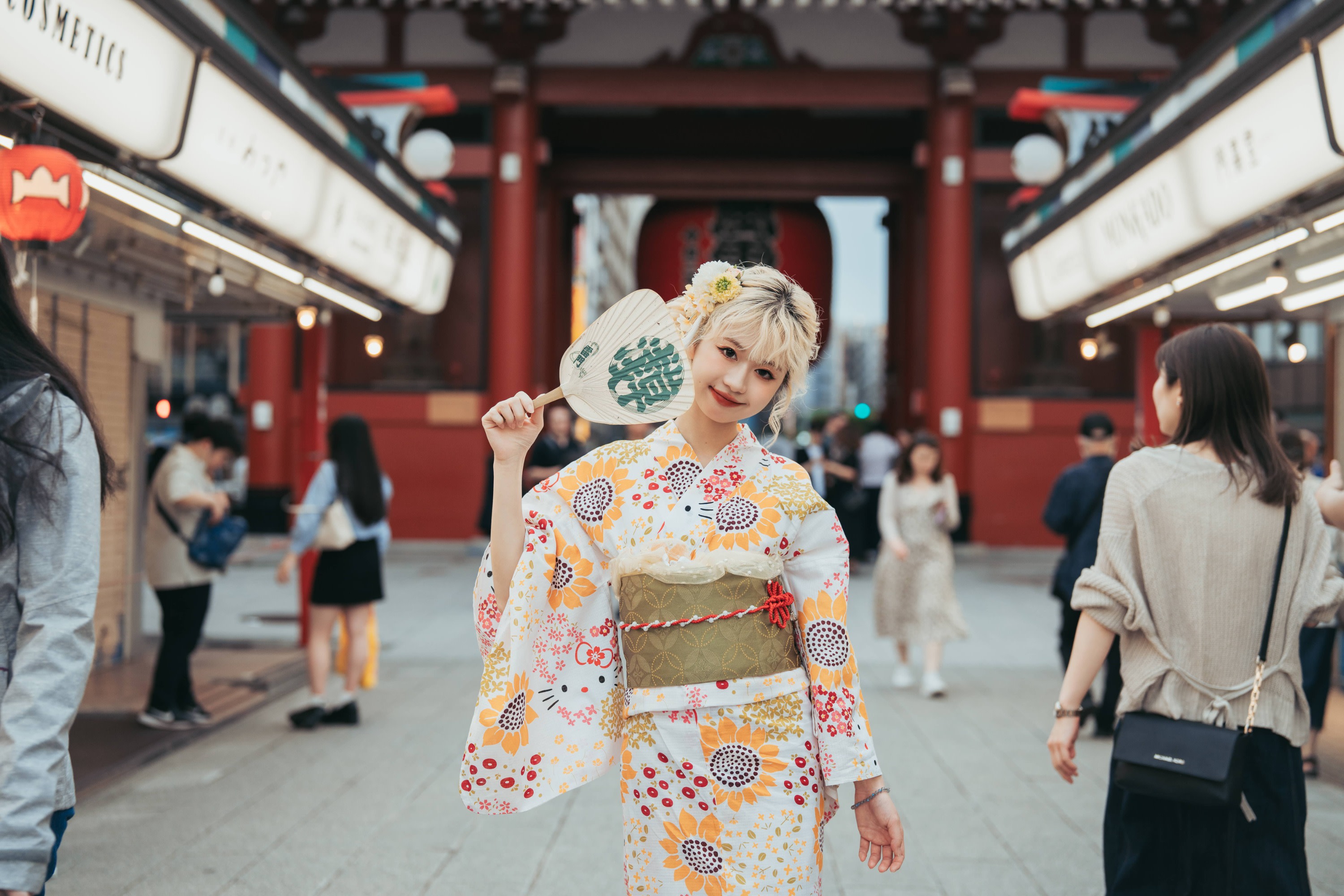
Kimono rentals and photo shoots
Boat tours on the Sumida River
Beach activities at Odaiba
Best Time to Visit
March to May (Spring) and September to November (Autumn)
These seasons offer comfortable temperatures and beautiful scenery, with cherry blossoms in spring and vibrant foliage in autumn. However, these are also the busiest times for tourism.
10°C to 25°C (50°F to 77°F)
50°F to 77°F
Practical Information
Language
- Official: Japanese
- Widely spoken: English, Chinese, Korean
- English: Moderately spoken in tourist areas, limited elsewhere
Currency
Japanese Yen (JPY)
Time Zone
GMT+9
Electricity
100VV, 50/60HzHz
Safety Information
Overall Safety Rating: Very safe
Tokyo is generally very safe, with low crime rates and a strong emphasis on public order. However, petty crimes like pickpocketing can occur in crowded areas.
Important Precautions:
- • Be cautious of your belongings in crowded areas.
- • Use licensed taxis and check fares before getting in.
- • Be aware of your surroundings, especially at night.
Getting there
By air
- Narita International Airport • 60 km (37 miles) from city center
- Haneda Airport • 15 km (9 miles) from city center
By train
Tokyo Station, Shinjuku Station
By bus
Tokyo Station Bus Terminal, Shinjuku Expressway Bus Terminal
Getting around
Public transport
Tokyo's subway system is efficient, clean, and punctual. It consists of multiple lines operated by Tokyo Metro and Toei Subway.
Taxis
Available • Apps: JapanTaxi, DiDi
Rentals
Car, Bike, Scooter
Neighborhoods
Shibuya
Shinjuku
Asakusa
Ginza
Akihabara
Day trips
Nikko
120 km (75 miles) from Tokyo • Full day
Nikko is a city known for its beautiful shrines, temples, and natural scenery. It's a UNESCO World Heritage site and offers a peaceful retreat from the bustling city.
Kamakura
50 km (31 miles) from Tokyo • Half day to full day
Kamakura is a coastal town known for its historic temples, shrines, and the Great Buddha statue. It's a great place to experience traditional Japanese culture.
Hakone
90 km (56 miles) from Tokyo • Full day or overnight
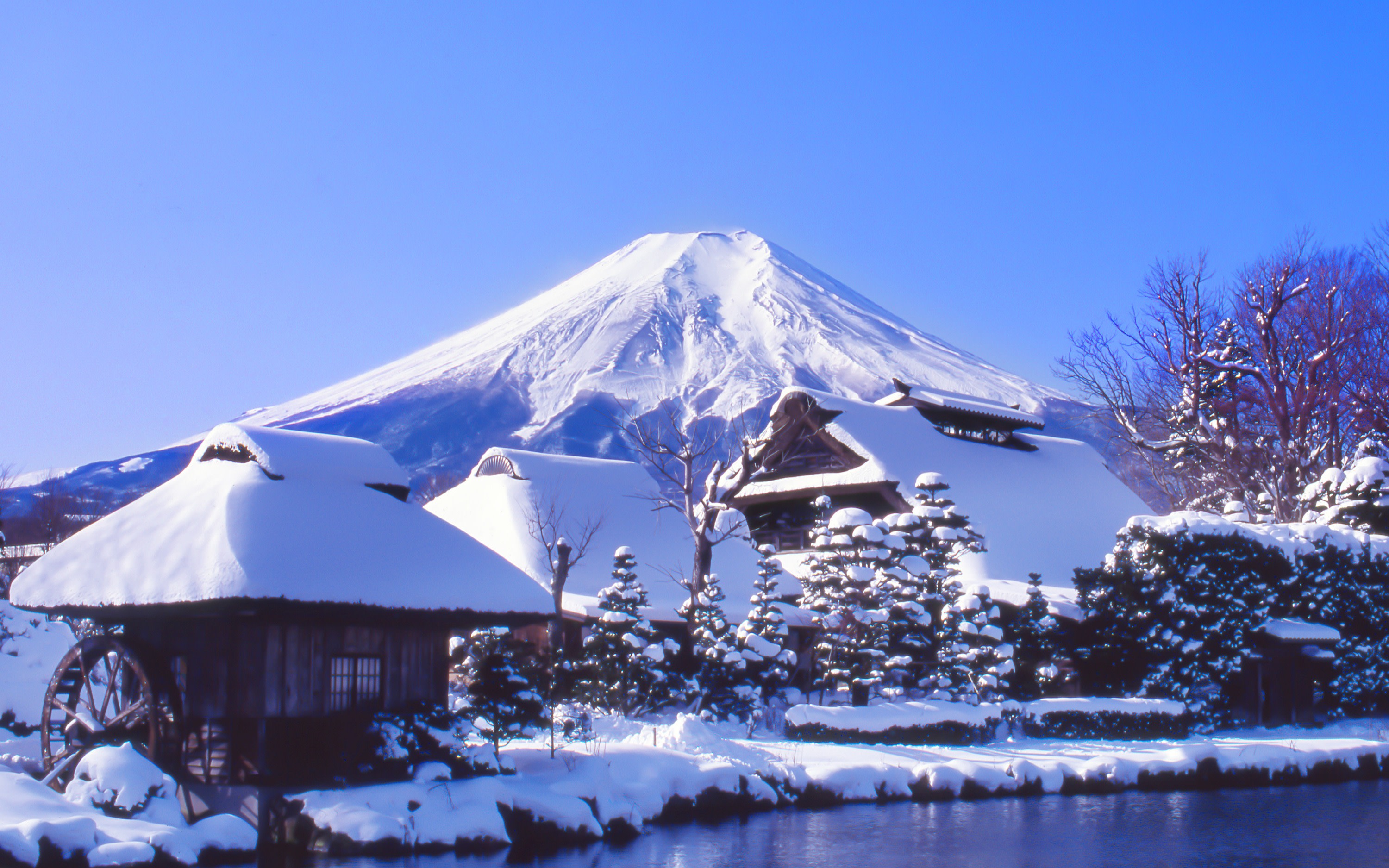
Hakone is a hot spring resort town known for its onsen (hot springs), scenic views of Mount Fuji, and the Open-Air Museum. It's a popular destination for relaxation and nature.
Festivals
Sannō Matsuri • Mid-June (every 2 years)
Kanda Matsuri • Mid-May (every 2 years)
Sumida River Fireworks Festival • Last Saturday of July
Pro tips
- Use IC cards like Suica or Pasmo for convenient and discounted public transport.
- Download useful apps like Google Maps, Japan Transit Planner, and Japan Travel by Navitime.
- Learn a few basic Japanese phrases to enhance your experience and show respect for the local culture.
- Carry cash, as some smaller shops and restaurants may not accept credit cards.
- Visit popular attractions early in the morning or late in the afternoon to avoid crowds.
From $25
per person
Price varies by option
Secure booking
Free cancellation available
Instant confirmation


![[One-Day Tour Exploring the Magnificent Views of Mount Fuji] Arakurayama Sengen Park & Lake Kawaguchi Oishi Park & Oshino Hakkai & Instagram-Famous Lawson & Nikawa Tokeiten (Departure from Tokyo)](https://res.klook.com/image/upload/activities/iuqnww3unmcff9wf1zvx.jpg)
![[Limited Time Special Offer] Mount Fuji Popular Scenic Spot Check-in Day Trip | Departure from Tokyo](https://res.klook.com/image/upload/activities/tyffdzy6b9g2rsxmdx5m.jpg)
![[Mt. Fuji Popular Spots Day Trip with Lunch Option]](https://res.klook.com/image/upload/activities/gmqs86vhrzqatnc9nfwb.jpg)
![[One-Day Tour Exploring Scenic Spots of Mt. Fuji] Iyashi no Sato Nenba in Lake Saiko & Arakurayama Sengen Park & Lake Kawaguchi Oishi Park & Oshino Hakkai (From Tokyo)](https://res.klook.com/image/upload/activities/qvv9zfzwdh5me8payfeq.jpg)
![[Tokyo Kawazu Cherry Blossom Day Trip] Small group tour + night cherry blossom viewing + Spout Fountain Park foot bath + Raikyu Bridge, a secret spot for viewing cherry blossoms.](https://res.klook.com/image/upload/activities/lqutwjuqqpuoxqeznivt.jpg)