Jaipur: Private Full-Day City Sightseeing with Pick-Up & Drop off
Active
5h - 8h
For a full refund, cancel at least 24 hours before the scheduled departure time.
Instant confirmation
Mobile or paper ticket accepted
About this experience
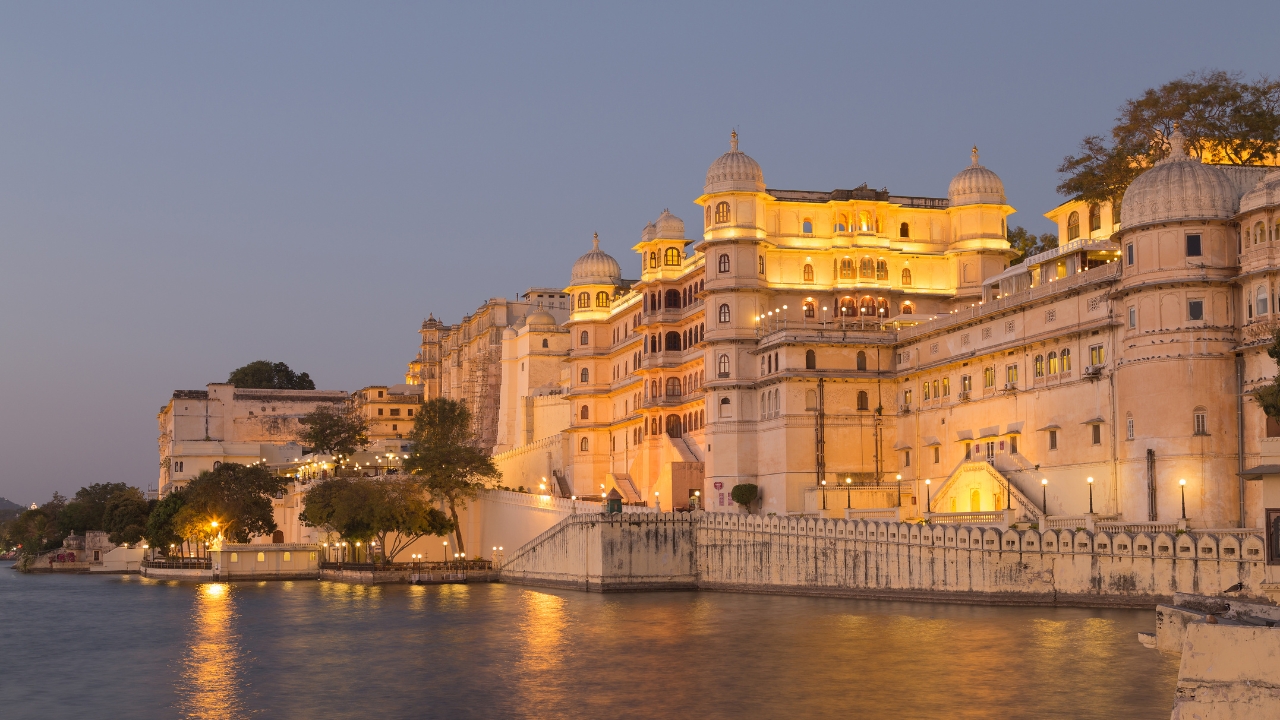
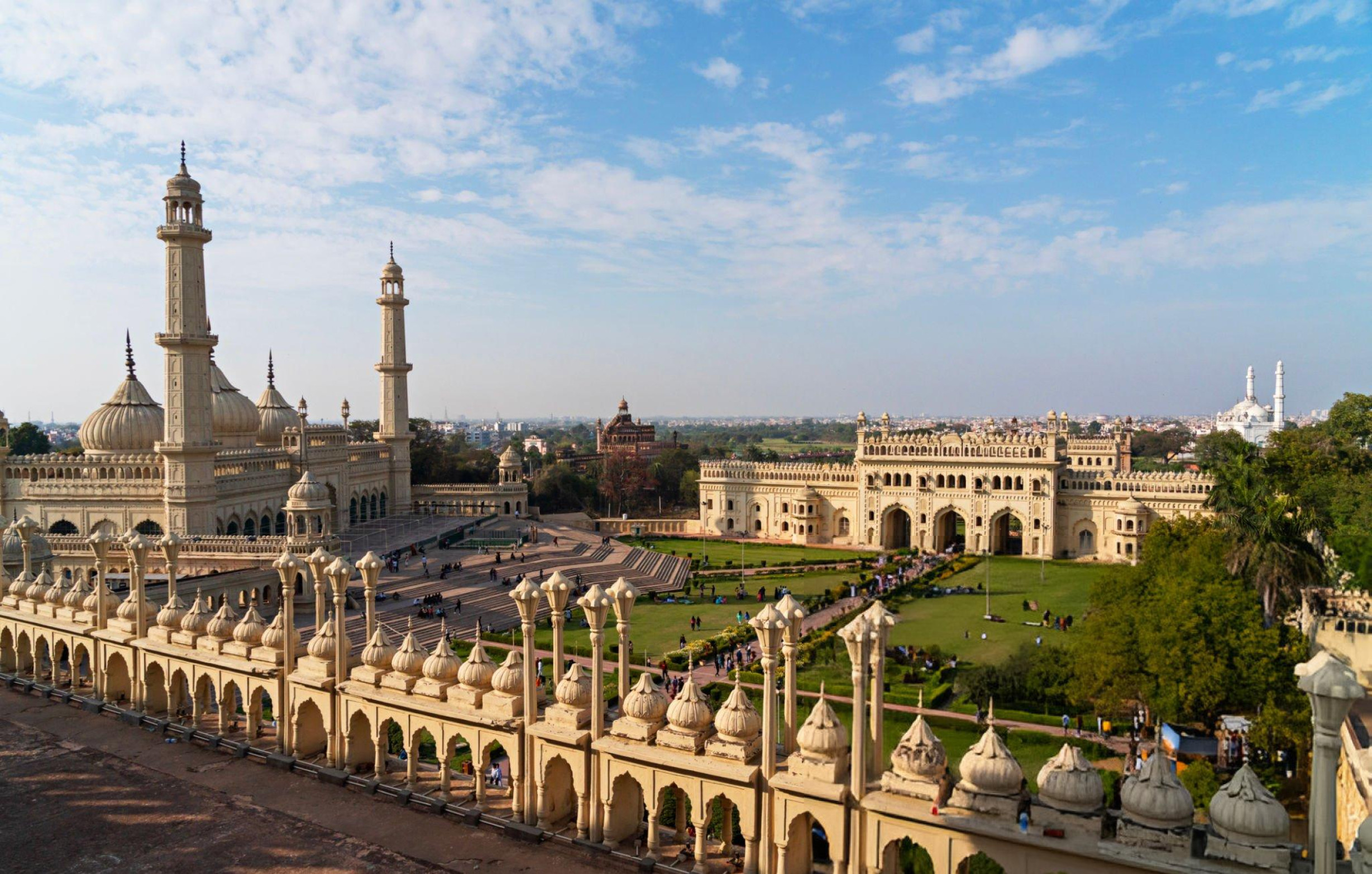
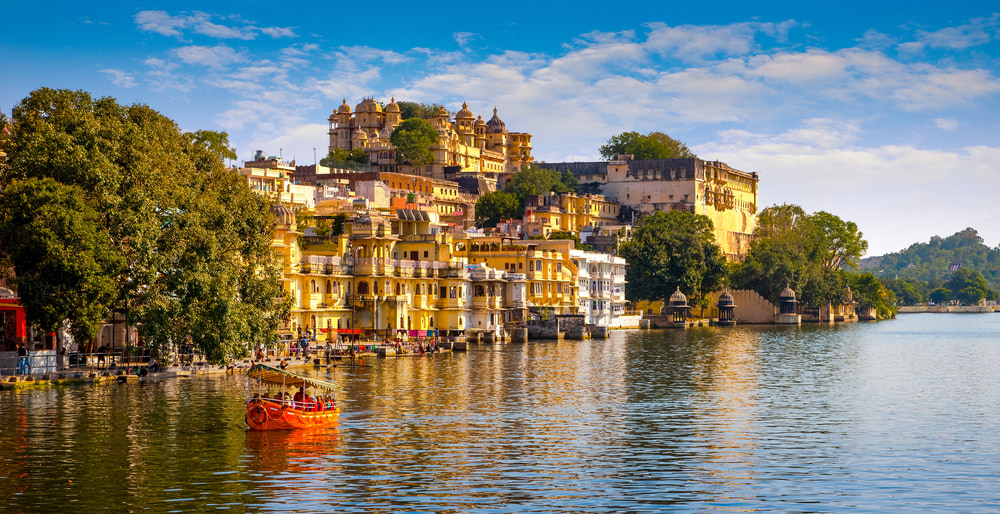
Jaipur, the Pink City of India, is a perfect blend of royal heritage, vibrant culture, and architectural brilliance. Founded in 1727 by Maharaja Sawai Jai Singh II, it is home to magnificent forts, palaces, and bustling bazaars. The Amber Fort stands tall with its grand courtyards and intricate carvings, while the City Palace reflects the opulence of Rajput rulers. The iconic Hawa Mahal, with its 953 windows, offers a glimpse into Jaipur’s royal past. At Jantar Mantar, ancient astronomical instruments showcase scientific ingenuity. Wander through Johari and Bapu Bazaars for exquisite jewelry, textiles, and handicrafts. The beautifully painted Patrika Gate is a modern cultural landmark. Savor Rajasthani cuisine, from dal baati churma to laal maas. Whether exploring historic wonders, shopping for local treasures, or indulging in authentic flavors, Jaipur captivates with its timeless charm.
Available options
Private Tour Without Entrances
Without Hotels<br/>water bottle: water bottles in the vehicle<br/>Toyota Sedan / Toyota SUV<br/>Pick up included : This option Includes only - Private Car + Driver + Guide. Monument Entrance Fees and Meals not included. Pick-Up Included.<br/>Pickup included
Tour live Guide-No car/Driver
Duration: 5 hours<br/>Includes : This option includes - Only Tour Guide Service
Car, Driver Service Not Included<br/>Pickup included
Private Tour with Entrances
Duration: 8 hours<br/>Sedan / SUV CAR<br/>Pick up included : Includes private car, guide, and entrance fees. Pickup included. Meals not included.
<br/>Pickup included
What's included
Hotel or Airport Pick-up and Drop Service
Mineral water bottles in the vehicle
All parking , fuel, state toll taxes
Live tour Guide in your preferred language for a Day
Private Air Conditioned car with Dressed driver
Detailed itinerary
1
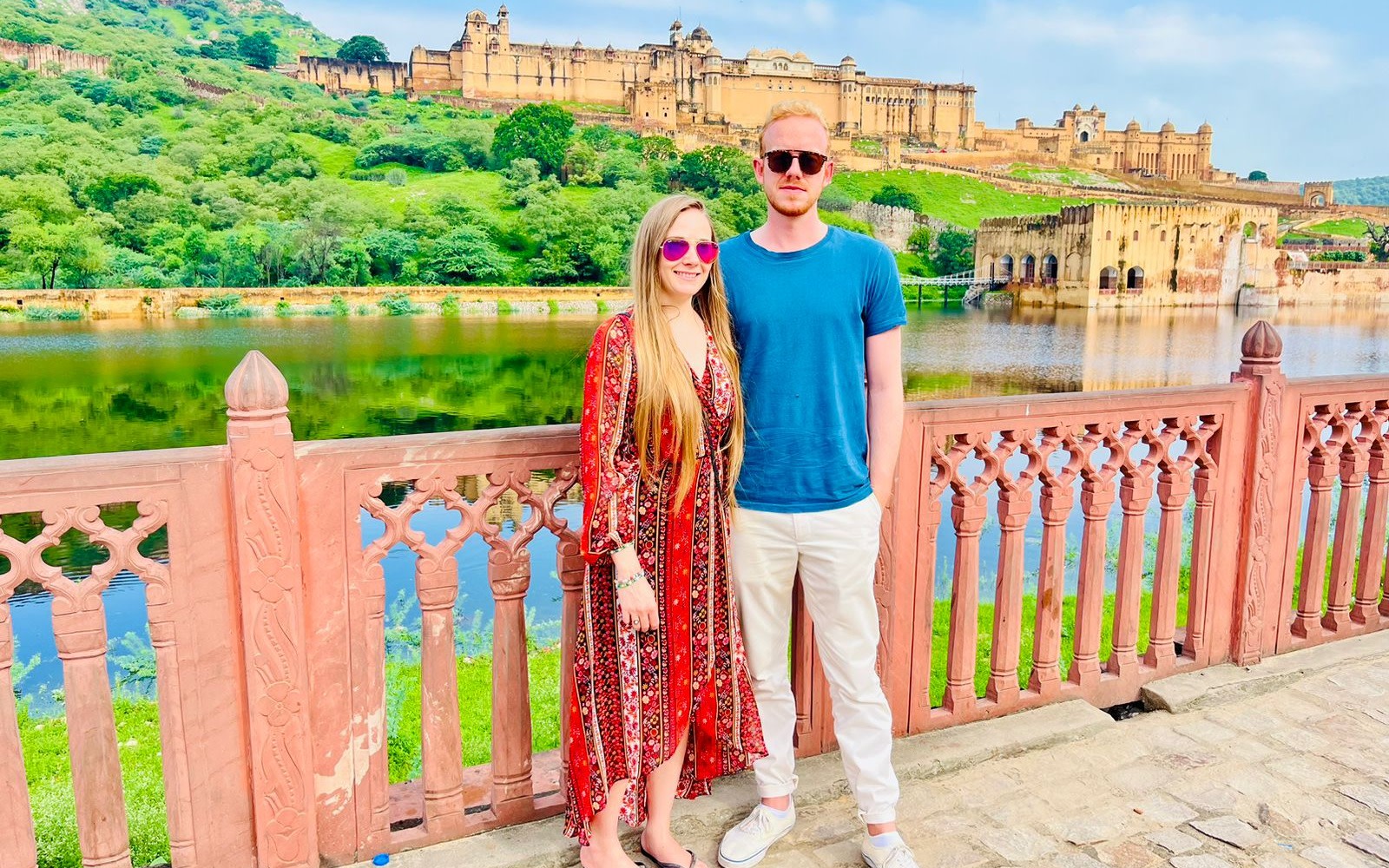
Amber Fort, also known as Amer Fort, is a magnificent fortress located 11 km from Jaipur, Rajasthan. Built in 1592 by Raja Man Singh I, it is an architectural masterpiece combining Rajput and Mughal styles, with intricate carvings, mirror work, and grand courtyards.
Key attractions within the fort include the Sheesh Mahal (Mirror Palace), Diwan-e-Aam (Hall of Public Audience), Ganesh Pol (ornate gateway), and Maota Lake, which enhances the fort’s scenic beauty. Positioned atop a hill, Amber Fort offers breathtaking views of the Aravalli Hills, making it one of Jaipur’s most iconic landmarks. It is also recognized as a UNESCO World Heritage Site as part of the Hill Forts of Rajasthan.
2
Panna Meena Ka Kund is a historic stepwell located near Amber Fort in Jaipur, Rajasthan. Built in the 16th century, this architectural marvel served as a water reservoir and a community gathering space for locals.
The stepwell is famous for its symmetrical stairways, which form a mesmerizing geometric pattern. The precisely arranged steps allowed easy access to water, regardless of the season. The site also features a small pavilion where travelers and villagers once rested.
Today, Panna Meena Ka Kund is a popular stop for visitors exploring Amber Fort, offering a glimpse into ancient water conservation techniques and Rajasthani architecture. Its serene ambiance and picturesque design make it a favorite spot for photography.
3
Gaitor Ki Chhatriyan is a beautiful royal cremation ground of Jaipur’s Rajput kings, located at the foothills of Nahargarh Fort. This serene site is known for its intricately carved cenotaphs (chhatris), built in white marble and sandstone, reflecting a blend of Mughal and Rajput architecture.
The most notable chhatri is that of Maharaja Sawai Jai Singh II, featuring stunning carvings and detailed lattice work. Gaitor Ki Chhatriyan offers a peaceful escape from the city’s bustle, with its ornate domes, delicate pillars, and historical significance, making it a hidden gem in Jaipur.
4
Stop 4
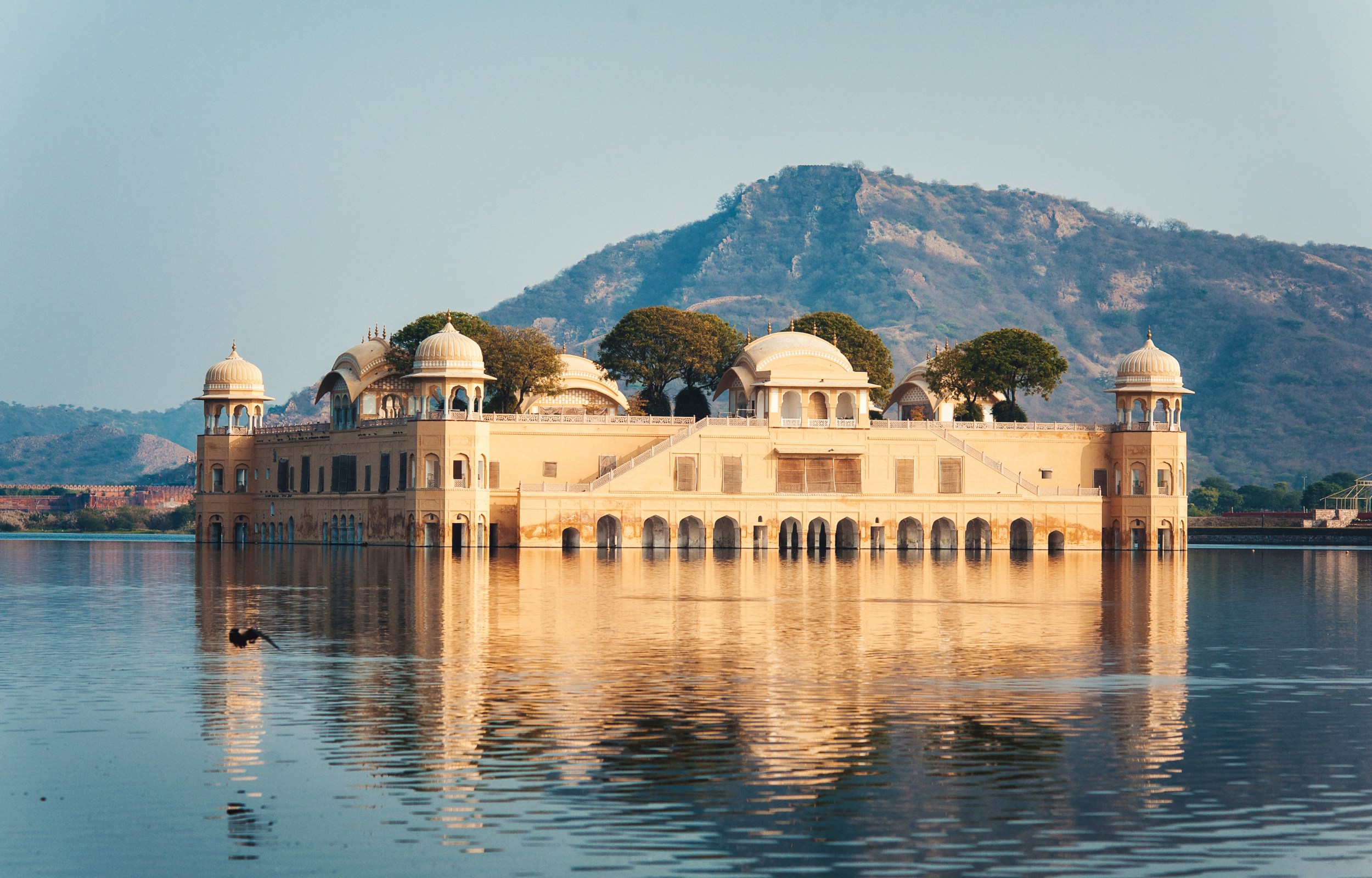
After visiting Amber Fort and lunch break, you will stop at Jal mahal also known as Water Palace. Entrance is prohibited at this monuments, you will stop by at this place to click pictures. The palace and the lake around it were renovated and enlarged in the 18th century by Maharaja Jai Singh II of Amber. Later after Amber fort, you will be taken to the lunch in luxury AC Restaurant, relax and enjoy the flavours of Jaipur.
5
Stop 5
Jantar Mantar in Jaipur is a UNESCO World Heritage Site and an 18th-century astronomical observatory built by Maharaja Sawai Jai Singh II. It features 19 giant instruments, including the world’s largest stone sundial, used for precise celestial measurements. This architectural marvel showcases Jaipur’s scientific and astronomical advancements.
6
Stop 6
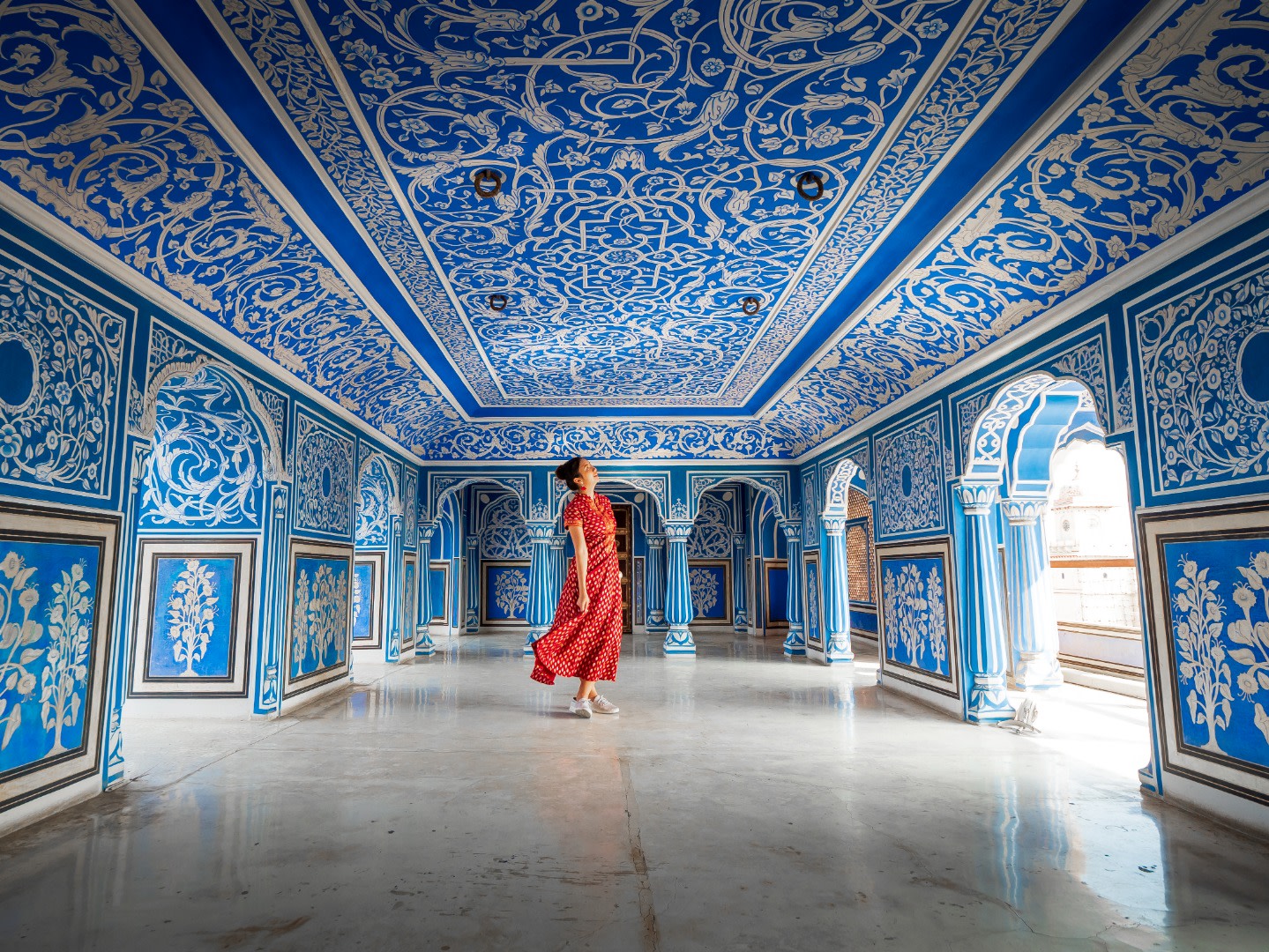
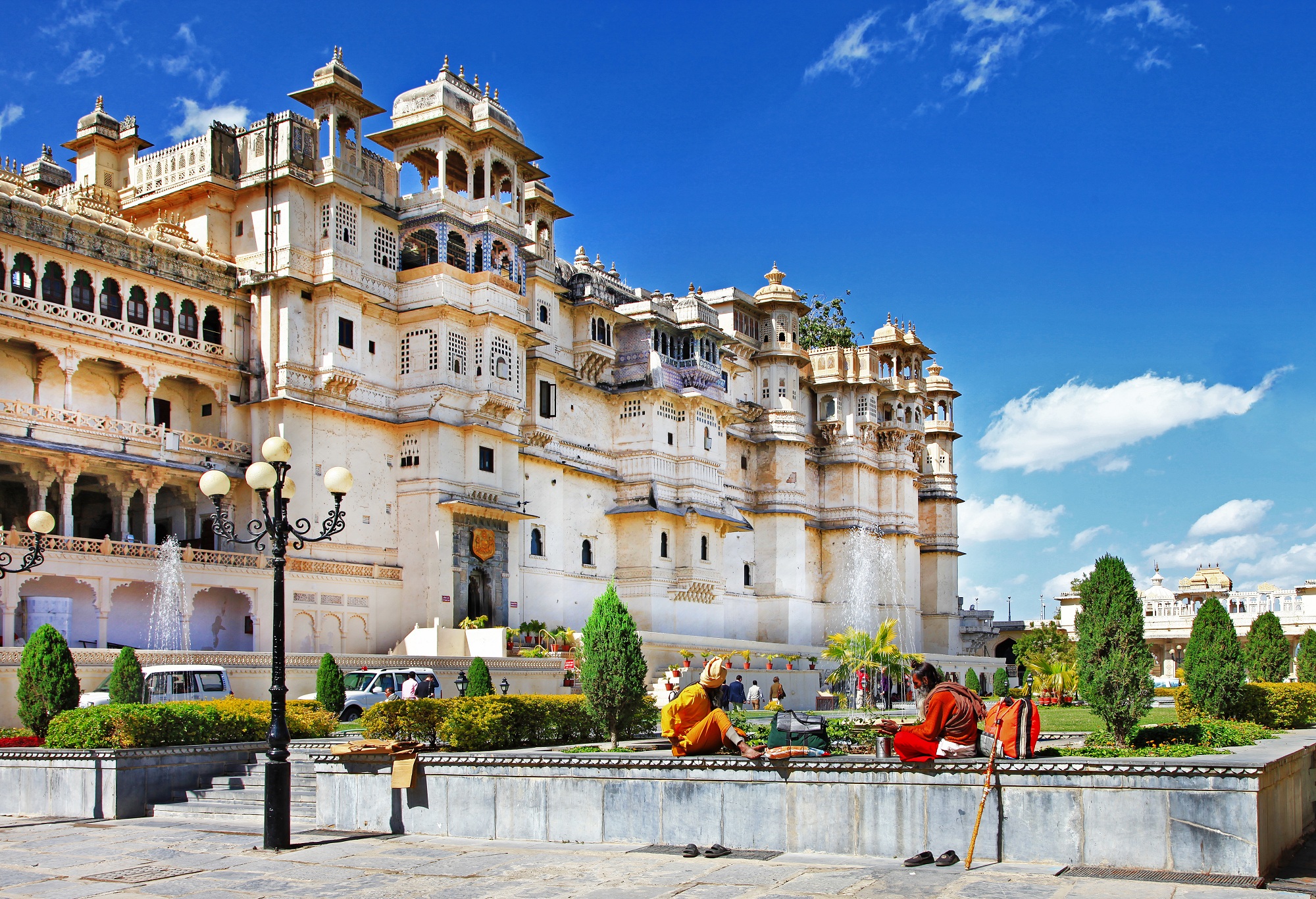
City Palace Jaipur is a magnificent royal residence built by Maharaja Sawai Jai Singh II in the 18th century. It showcases a blend of Rajput, Mughal, and European architecture, with grand courtyards, museums, and the iconic Peacock Gate. The palace remains a part-time residence of Jaipur’s royal family.
7
Stop 7
Pass by
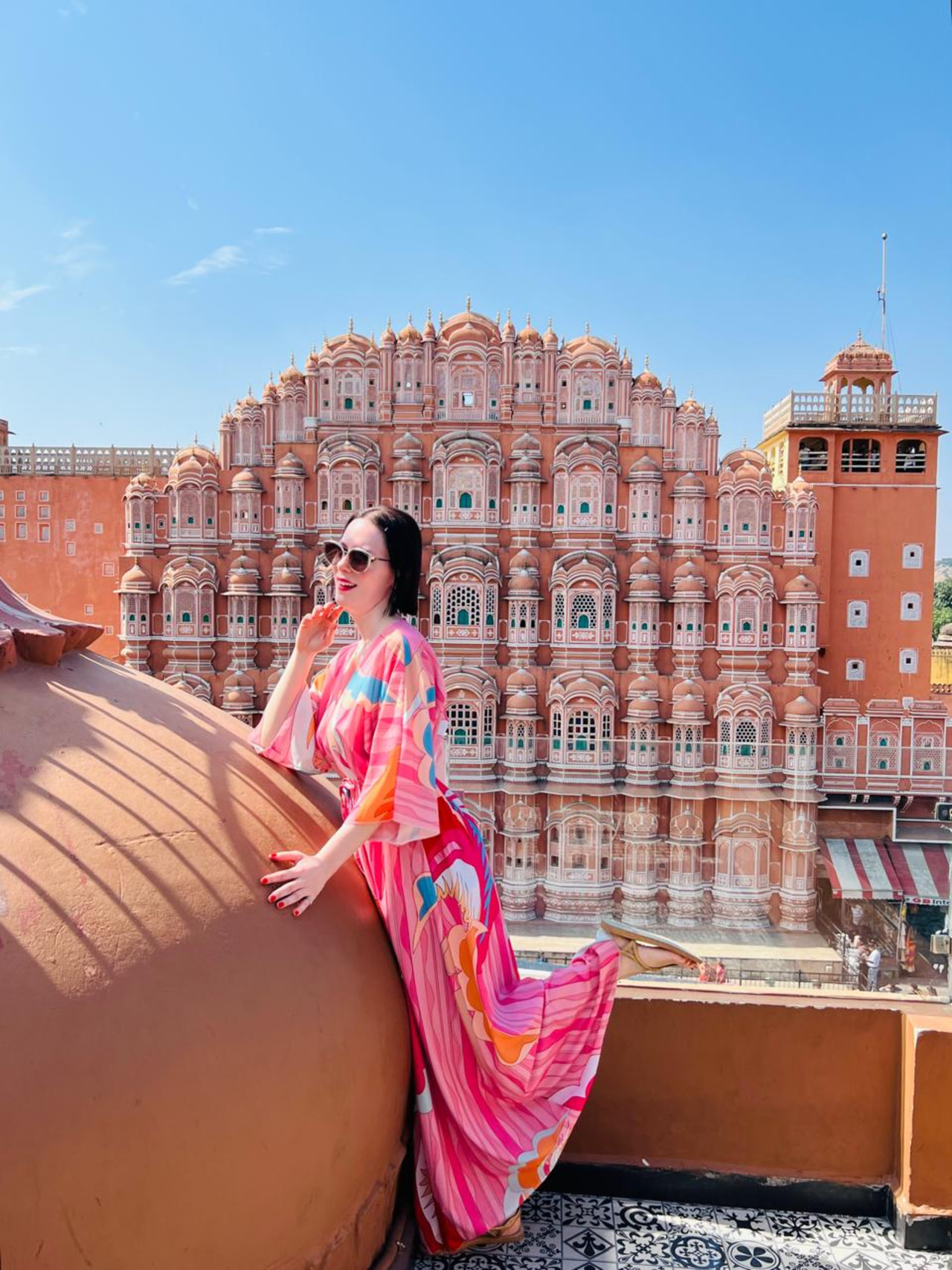
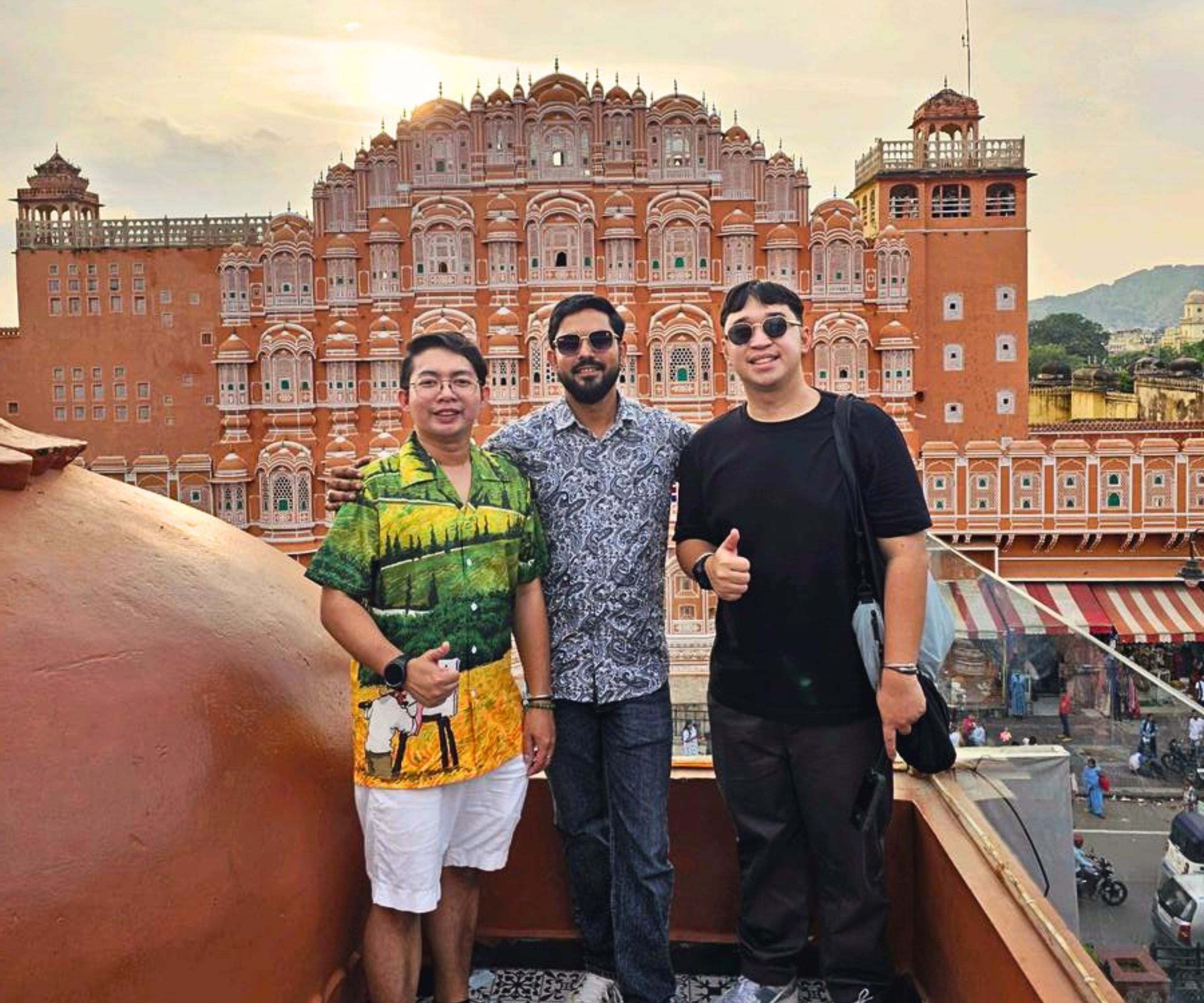
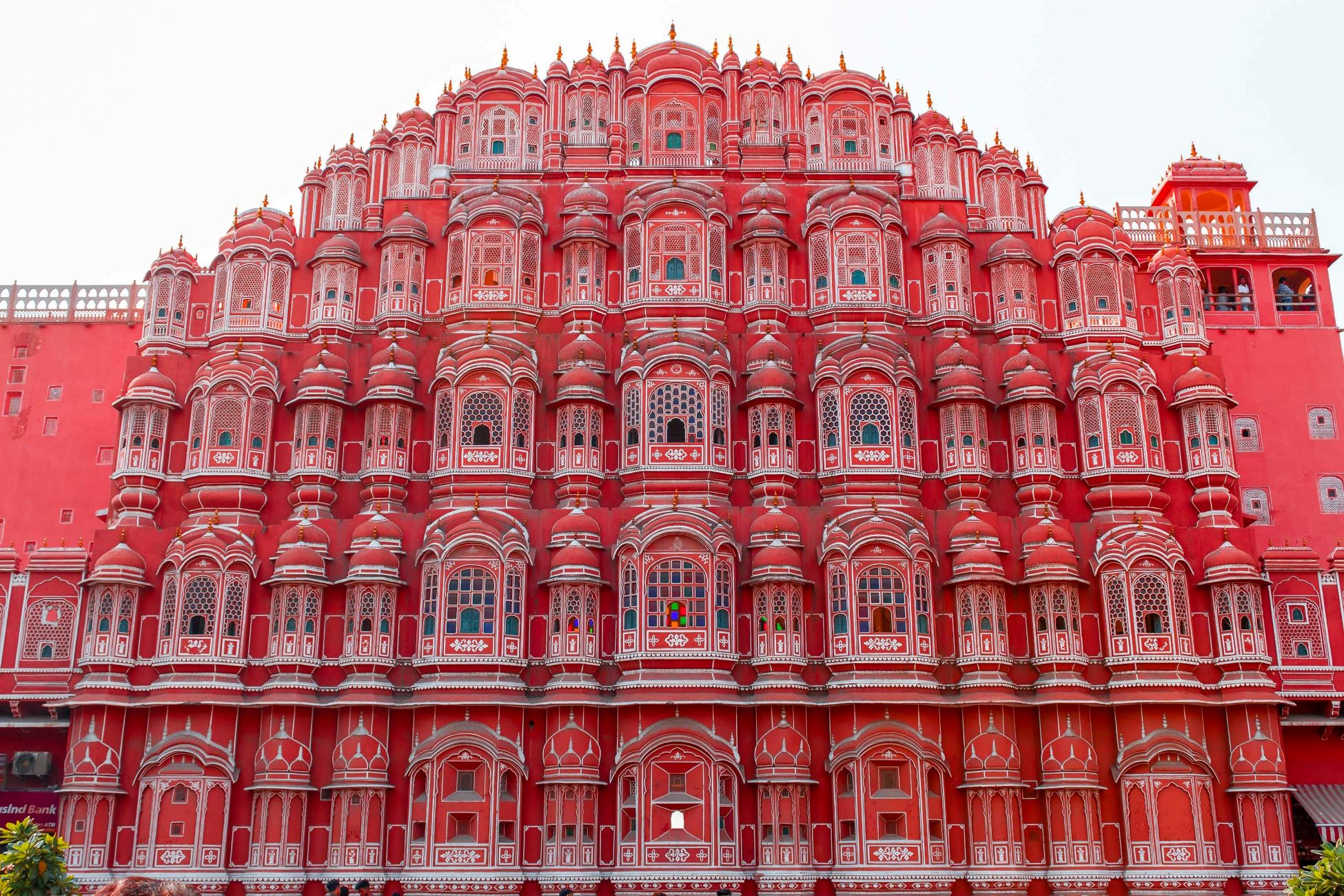
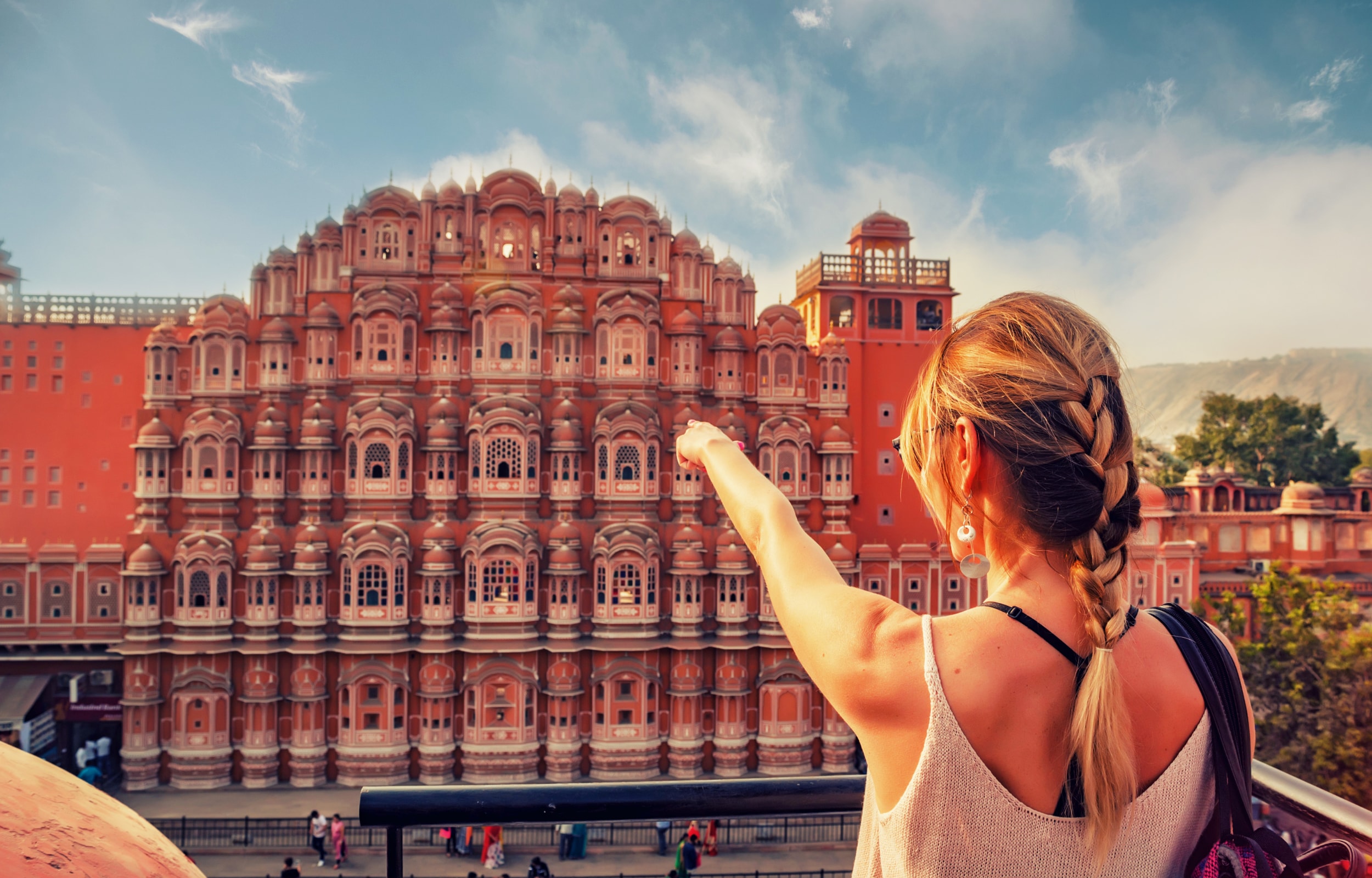
Hawa Mahal, or the Palace of Winds, is a stunning pink sandstone structure in Jaipur, built in 1799 by Maharaja Sawai Pratap Singh. Its 953 small windows (jharokhas) allowed royal women to observe street life while staying unseen.
8
Patrika Gate in Jaipur is a vibrant, ornately designed gateway at Jawahar Circle, showcasing Rajasthan’s rich heritage through its colorful murals and intricate artwork. It is a popular spot for photography and cultural exploration.
What's not included
Tips to guide & driver
Entrances of monuments
Meals and drinks
Available languages
Guide guide
DE
RU
JA
EN
IT
FR
ES
Reviews breakdown
Tripadvisor
5.0
3 reviews
5★
3
4★
0
3★
0
2★
0
1★
0
Important information
Wheelchair accessible
Infants and small children can ride in a pram or stroller
Service animals allowed
Public transportation options are available nearby
Infants are required to sit on an adult’s lap
Specialized infant seats are available
Transportation options are wheelchair accessible
All areas and surfaces are wheelchair accessible
Not recommended for pregnant travelers
Suitable for all physical fitness levels
This tour could be customized as per your requirements, if you would like to customize the tour than you may let us know after booking the tour
In case your hotel/pick up location is not mentioned while making the booking – Please click on My Hotel Is Not Listed option on the Booking Checkout Page and then manually enter your Hotel Name
This is a private tour/activity. Only your group will participate
About Jaipur
Jaipur, the capital of Rajasthan, is a vibrant city known for its rich history, stunning architecture, and colorful culture. As the first planned city of India, it offers a unique blend of traditional Rajasthani heritage and modern amenities, making it a must-visit destination for travelers.
Top Attractions
Amber Fort
Amber Fort is a majestic fort located on a hilltop overlooking Maota Lake. It is known for its stunning architecture, intricate carvings, and historical significance.
Historical
2-3 hours
INR 250 (foreigners), INR 50 (Indians)
Hawa Mahal
Hawa Mahal, or the Palace of Winds, is a five-story pyramidal structure made of red and pink sandstone. It is famous for its intricate latticework and unique architecture.
Architectural
1 hour
INR 50 (foreigners), INR 10 (Indians)
City Palace
City Palace is a complex of courtyards, gardens, and buildings that served as the seat of the Maharaja of Jaipur. It is known for its stunning architecture and rich history.
Historical
2-3 hours
INR 700 (foreigners), INR 70 (Indians)
Jantar Mantar
Jantar Mantar is a collection of architectural astronomical instruments built by Maharaja Sawai Jai Singh II. It is a UNESCO World Heritage Site and a testament to India's rich scientific heritage.
Historical
1-2 hours
INR 50 (foreigners), INR 10 (Indians)
Nahargarh Fort
Nahargarh Fort is a majestic fort located on the edge of the Aravalli Hills. It offers panoramic views of the city and is known for its historical significance and architectural beauty.
Historical
1-2 hours
INR 50 (foreigners), INR 10 (Indians)
Must-Try Local Dishes
Dal Baati Churma
A traditional Rajasthani dish made of lentils (dal), baked wheat balls (baati), and sweet crumbled wheat (churma).
Main Course
Vegetarian
Laal Maas
A spicy meat curry made with mutton or goat, cooked in a rich gravy made with red chilies and spices.
Main Course
Non-vegetarian
Ghewar
A traditional Rajasthani sweet made of flour, ghee, and sugar, deep-fried to a golden brown color and soaked in sugar syrup.
Dessert
Vegetarian
Popular Activities
Hot air ballooning
Trekking in the Aravalli Mountains
Wildlife safaris in Ranthambore National Park
Spa and wellness treatments
Yoga and meditation retreats
Leisurely walks in the Pink City
Visiting historic forts and palaces
Exploring local markets and bazaars
Best Time to Visit
October to March
This is the best time to visit Jaipur as the weather is pleasant and ideal for sightseeing. The cool temperatures make it comfortable to explore the city's attractions.
15°C to 30°C
59°F to 86°F
Practical Information
Language
- Official: Hindi
- Widely spoken: English, Rajasthani
- English: Moderately spoken
Currency
Indian Rupee (INR)
Time Zone
IST (GMT+5:30)
Electricity
230VV, 50HzHz
Safety Information
Overall Safety Rating: Generally safe
Jaipur is generally safe for travelers, with a low crime rate and friendly locals. However, as with any destination, it is important to take precautions and be aware of your surroundings.
Important Precautions:
- • Use trusted transportation options
- • Be cautious of your belongings in crowded areas
- • Avoid drawing unnecessary attention to yourself
Getting there
By air
- Jaipur International Airport • 13 km from city center
By train
Jaipur Junction
By bus
Sindhi Camp Bus Stand, Narayan Singh Circle Bus Stand
Getting around
Public transport
Buses are the most common mode of public transport in Jaipur. They are affordable but can be crowded.
Taxis
Available • Apps: Ola, Uber
Rentals
Car, Bike, Scooter
Neighborhoods
Pink City
Civil Lines
Bani Park
Day trips
Abu Road
270 km from Jaipur • Full day
Abu Road is a picturesque town nestled in the Aravalli Mountains. It is known for its scenic beauty, lush greenery, and the famous Dilwara Temples.
Ranthambore National Park
180 km from Jaipur • Full day
Ranthambore National Park is a renowned wildlife sanctuary known for its tiger population and diverse flora and fauna. It is a popular destination for wildlife enthusiasts and nature lovers.
Pushkar
150 km from Jaipur • Full day
Pushkar is a sacred town known for its ancient temples, holy lake, and vibrant markets. It is a popular pilgrimage site and a hub for spiritual seekers and travelers.
Festivals
Jaipur Literature Festival • January
Elephant Festival • March
Gangaur Festival • March/April
Pro tips
- Hire a local guide for a more enriching and personalized experience
- Visit major attractions early in the morning or late in the afternoon to avoid crowds and the heat
- Bargain when shopping at local markets and bazaars, but do so respectfully and politely
- Carry small denominations of cash for local shopping and transportation
- Use app-based transportation services for transparency and convenience
From $25
per person
Price varies by option
Secure booking
Free cancellation available
Instant confirmation