Tokyo Drift Tour 3.8 V6 GTR35 - R Fast and Furious Experience
Active
3h
For a full refund, cancel at least 24 hours before the scheduled departure time.
Instant confirmation
Mobile or paper ticket accepted
About this experience
EXCUSIVE TOUR/CERTIFIED DRIVERS
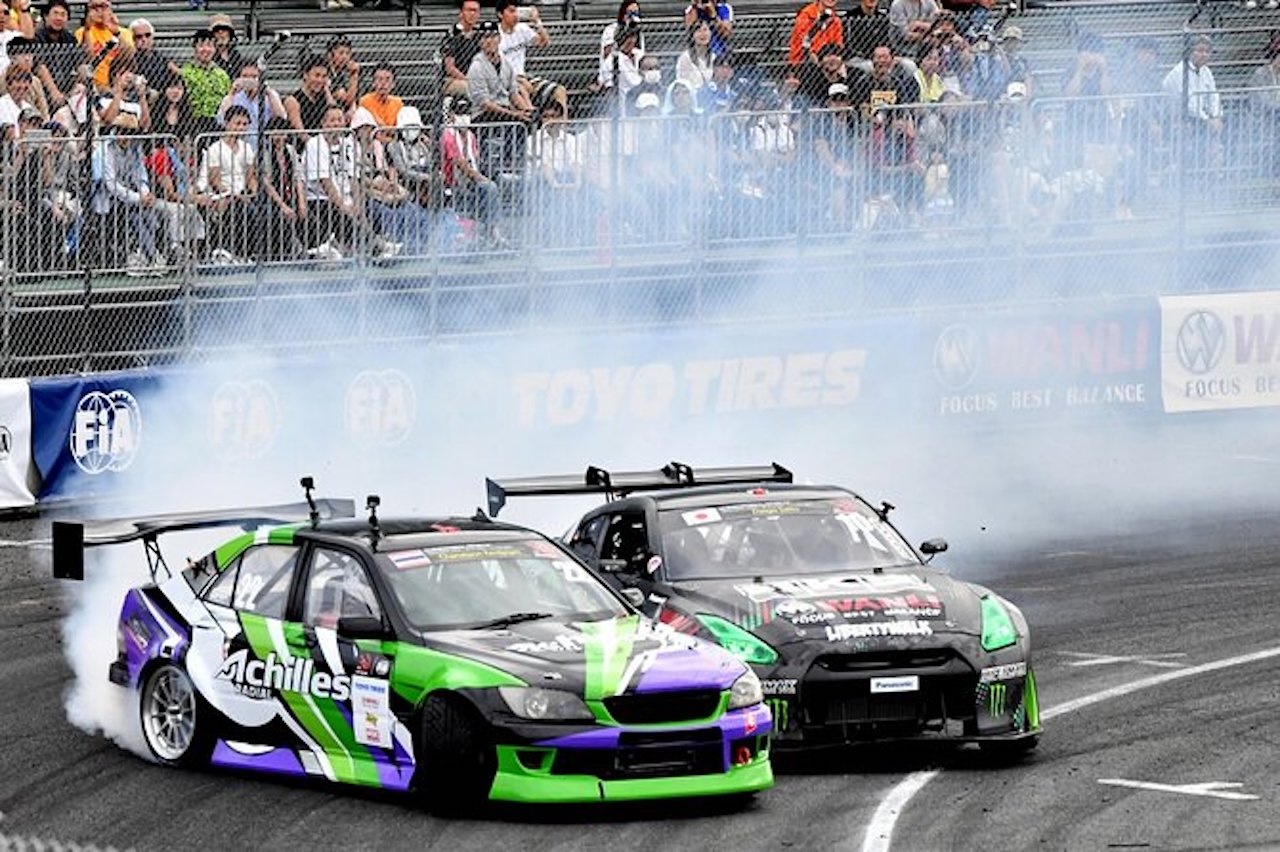
Meet your Guide Driver and enter DE a high-performance car on the highways and roads that were the scene for the creation OF famous Films - Video Games and Car Clubs precursors of the entire history of motorsport NO Japan, such as the Midnight Club - Initial D, among others that originated in the 70s, 80s and 90s and that still succeed worldwide today.
Available options
Tokyo Drift Tour 3.8 V6 GTR35 - R Fast and Furious Experience
What's included
Air-conditioned vehicle
Detailed itinerary
1
Stop 1
Pass by
Connecting Odaiba and the Shibaura Cais, the colorful Rainbow Bridge, with its illuminated screens, has become a major tourist attraction
Sometimes a bridge doesn’t just serve to take you from one place to another. The Rainbow Bridge, which connects the continent to the artificial island of Odaiba, is also a tourist attraction in itself. Built in the 1990s, this structure allowed this part of Tokyo Bay to flourish, and is surrounded by high-level tourist attractions.
2
Meeting point for car enthusiasts
Daikoku Parking Area at night
Due to the large parking space, it is often used as a meeting point for private cars and, on holidays, there are cases when the parking lot gets full, although there are few people in the facilities.
In addition to rare supercars and sports cars, it is often used as a meeting point for customized cars such as VIP cars, lowriders, vannings, runaway tribes and tuning cars. In addition, on Fridays and Saturdays at midnight, the use will be restricted due to the acoustic measures of the neighborhood. However, the entry of lowriders still continues. Kanagawa Prefecture Police and the Ministry of Land, Infrastructure, Transport and Tourism are collaborating to repress parking regularly and, in the case of the November 14, 2020 repression, 20 cars were caught because the vehicle height was too low.[4]
3
Stop 3
Simply the biggest store in Japan for sports car enthusiasts and the most complete store of accessories and automotive products in Tokyo - We take you here and wait as customers walk through the store and take photos of the sports cars in the parking lot
4
Stop 4
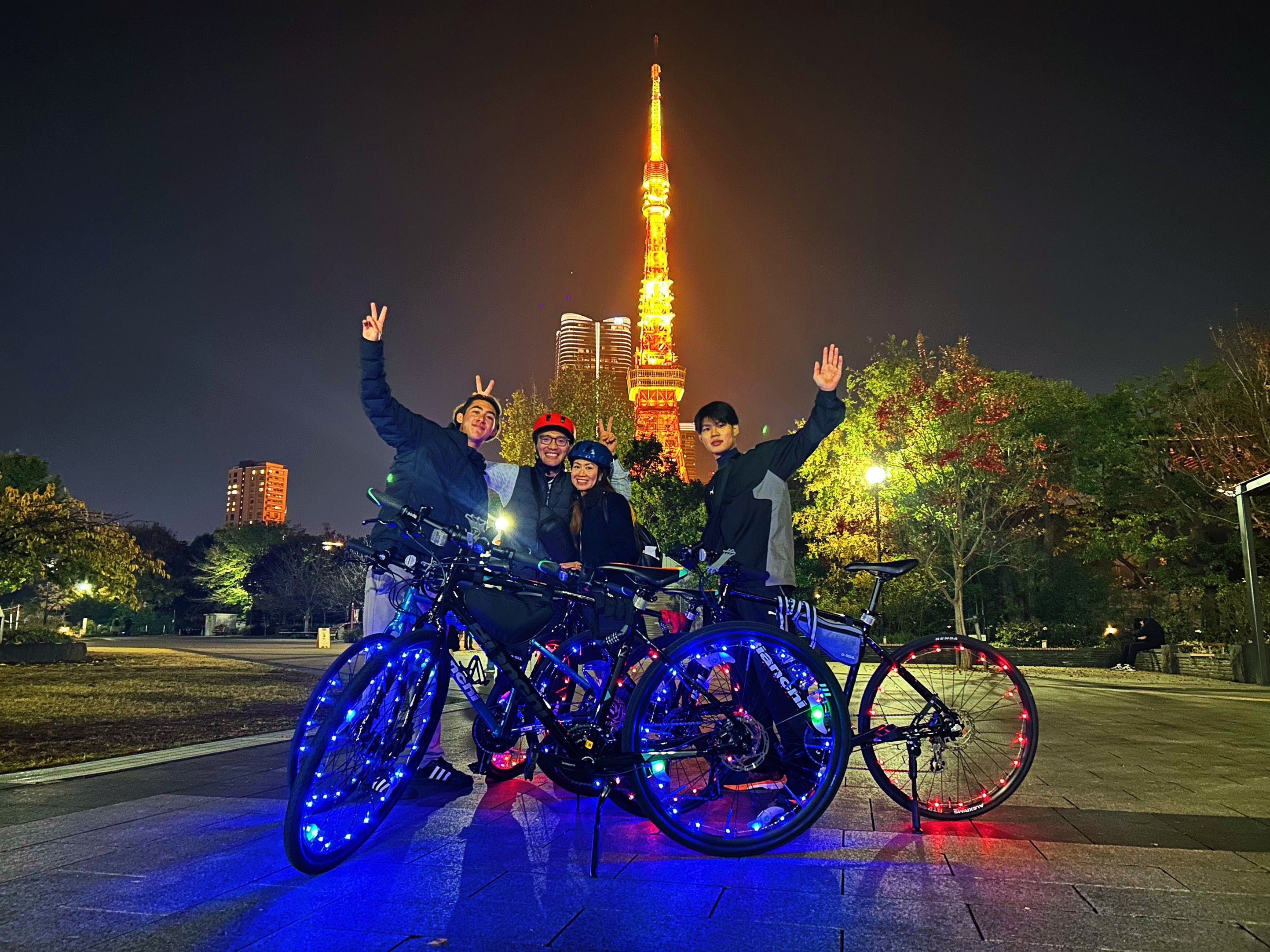
A bright lighthouse in an expanding metropolis
The mere sight of the sober white and orange stripes reveals the arrival of Tokyo Metropolitan.
The Tokyo Tower is an active transmission facility and an ideal place for travellers to get in touch with the stunning urban landscape below. The modernist charm of the structure can be appreciated from the outside due to the illumination at night, but the real excitement comes when you climb to the top to enjoy the dynamic views of the city.
At the base of the tower, there is a shopping complex called Foot Town, which has several shops and restaurants.
Our cars make a short stop to appreciate the place and take beautiful photos
5
Stop 5
We pass by the avenues of the Roppongi Keyakizaka Street and Roppongi Sakura Avenue that are streets of Roppongi, Tokyo, Japan, which stand out for the beauty and activities that can be performed in them.
Roppongi Keyakizaka Street
Arbored avenue that crosses Roppongi Hills from east to west
One of the main hiking trails in Tokyo
The landscape changes according to the seasons of the year, with its flower gardens and key trees
Events of lighting in winter
Pass by stores of famous brands and restaurants
Roppongi Sakura Avenue
Somei Yoshino cherry tree avenue planted at the opening of the Roppongi Hills line
In the spring, cherry blossoms form a tunnel of cherry blossoms
Annual cherry tree lighting event at night
A place for a hanami (visit the cherry blossoms) quiet, even during the season of full flowering
6
Stop 6
Stop for photos with the cars!
Shibuya crossing is a pedestrian crossing in Tokyo, Japan, considered the busiest in the world. It is one of the city’s most famous attractions and is often photographed.
Characteristics
It is located in the Shibuya district, opposite the Hachikō exit from Shibuya Station
It has five pedestrian lanes, including one that crosses diagonally the center of the intersection
Block vehicle traffic for 55 seconds to allow pedestrians to cross
It is nicknamed “scramble crossing” because it is possible to cross in any direction, simultaneously
Movement
During the busiest hours, about 1,000 to 2,500 people follow their way through this intersection every two minutes
It is busy every day, mainly at peak hours, such as entering and leaving work
7
We will take you to your place of stay being it hotel or airbnb and also if you wanted to stay in some train station, or any other place in Tolyo all right
What's not included
Gratuities
Fuel surcharge
Available languages
Guide guide
DE
PT
JA
EN
ES
Reviews breakdown
Viator
5.0
1 reviews
5★
1
4★
0
3★
0
2★
0
1★
0
Important information
Public transportation options are available nearby
Specialized infant seats are available
Not recommended for pregnant travelers
Not recommended for travelers with poor cardiovascular health
Suitable for all physical fitness levels
Meeting point
From the parking lot of akihabara - Walk 250 meters towards the UDX Building. The store was between the UDX building and the train line leaving Akihabara.
Search for Seek Base Oki Aki and we'll be located in there
About Tokyo
Tokyo, the capital of Japan, is a bustling metropolis that beautifully blends traditional culture with cutting-edge technology. Known for its neon-lit streets, historic temples, and world-class cuisine, Tokyo offers a unique experience that caters to every type of traveler.
Top Attractions
Senso-ji Temple
Senso-ji is Tokyo's oldest temple and one of its most significant. The temple's massive lantern and five-story pagoda are iconic landmarks.
Historical/Religious
1-2 hours
Free (small fee for some areas)
Meiji Shrine
Meiji Shrine is a Shinto shrine dedicated to the deified spirits of Emperor Meiji and his wife, Empress Shoken. It is surrounded by a beautiful forest.
Historical/Religious
1-2 hours
Free
Shibuya Crossing
Shibuya Crossing is the world's busiest pedestrian crossing and a symbol of Tokyo's bustling urban life. It's a must-see for its chaotic yet orderly nature.
Cultural
30 minutes to 1 hour
Free (¥2,200 for Shibuya Sky)
Tokyo Skytree
Tokyo Skytree is the tallest tower in Japan and the second tallest freestanding structure in the world. It offers breathtaking views of the city.
Architecture
2-3 hours
¥2,100 to ¥3,100 (USD $15 to $22)
Odaiba
Odaiba is a man-made island in Tokyo Bay known for its shopping, dining, and entertainment options. It's a great place for families and tech enthusiasts.
Entertainment
Half day to full day
Varies by attraction
Must-Try Local Dishes
Sushi
Fresh raw fish served on vinegared rice, a staple of Japanese cuisine.
Dinner
Contains fish, can be vegetarian with substitutes.
Ramen
Noodle soup with various broths and toppings, a popular comfort food.
Lunch/Dinner
Vegan and vegetarian options available.
Tempura
Deep-fried seafood and vegetables, known for its crispy texture.
Lunch/Dinner
Contains seafood and deep-fried ingredients.
Okonomiyaki
Savory pancake with various ingredients, often topped with sauce and bonito flakes.
Lunch/Dinner
Contains seafood and can be made vegetarian.
Popular Activities
Hiking in the nearby mountains
Parasailing at Odaiba
Onsen (hot spring) visits
Tea ceremonies
Traditional tea ceremonies
Kimono rentals and photo shoots
Boat tours on the Sumida River
Beach activities at Odaiba
Best Time to Visit
March to May (Spring) and September to November (Autumn)
These seasons offer comfortable temperatures and beautiful scenery, with cherry blossoms in spring and vibrant foliage in autumn. However, these are also the busiest times for tourism.
10°C to 25°C (50°F to 77°F)
50°F to 77°F
Practical Information
Language
- Official: Japanese
- Widely spoken: English, Chinese, Korean
- English: Moderately spoken in tourist areas, limited elsewhere
Currency
Japanese Yen (JPY)
Time Zone
GMT+9
Electricity
100VV, 50/60HzHz
Safety Information
Overall Safety Rating: Very safe
Tokyo is generally very safe, with low crime rates and a strong emphasis on public order. However, petty crimes like pickpocketing can occur in crowded areas.
Important Precautions:
- • Be cautious of your belongings in crowded areas.
- • Use licensed taxis and check fares before getting in.
- • Be aware of your surroundings, especially at night.
Getting there
By air
- Narita International Airport • 60 km (37 miles) from city center
- Haneda Airport • 15 km (9 miles) from city center
By train
Tokyo Station, Shinjuku Station
By bus
Tokyo Station Bus Terminal, Shinjuku Expressway Bus Terminal
Getting around
Public transport
Tokyo's subway system is efficient, clean, and punctual. It consists of multiple lines operated by Tokyo Metro and Toei Subway.
Taxis
Available • Apps: JapanTaxi, DiDi
Rentals
Car, Bike, Scooter
Neighborhoods
Shibuya
Shinjuku
Asakusa
Ginza
Akihabara
Day trips
Nikko
120 km (75 miles) from Tokyo • Full day
Nikko is a city known for its beautiful shrines, temples, and natural scenery. It's a UNESCO World Heritage site and offers a peaceful retreat from the bustling city.
Kamakura
50 km (31 miles) from Tokyo • Half day to full day
Kamakura is a coastal town known for its historic temples, shrines, and the Great Buddha statue. It's a great place to experience traditional Japanese culture.
Hakone
90 km (56 miles) from Tokyo • Full day or overnight
Hakone is a hot spring resort town known for its onsen (hot springs), scenic views of Mount Fuji, and the Open-Air Museum. It's a popular destination for relaxation and nature.
Festivals
Sannō Matsuri • Mid-June (every 2 years)
Kanda Matsuri • Mid-May (every 2 years)
Sumida River Fireworks Festival • Last Saturday of July
Pro tips
- Use IC cards like Suica or Pasmo for convenient and discounted public transport.
- Download useful apps like Google Maps, Japan Transit Planner, and Japan Travel by Navitime.
- Learn a few basic Japanese phrases to enhance your experience and show respect for the local culture.
- Carry cash, as some smaller shops and restaurants may not accept credit cards.
- Visit popular attractions early in the morning or late in the afternoon to avoid crowds.
From $25
per person
Price varies by option
Secure booking
Free cancellation available
Instant confirmation