Private Tour in Tokyo 5 Cities and 10 Points Day or Night
Active
6h
For a full refund, cancel at least 24 hours before the scheduled departure time.
Instant confirmation
Mobile or paper ticket accepted
About this experience
Start your trip in Japan by knowing in detail all the best and most famous sights of Tokyo on a super pleasant and efficient tour where in just 1 day you will know more than 10 essential points of Japan and still receive tips of tours - attractions - where to eat well - local customs and stories and much more.
In summary : With a private car and a local Guide , you will receive the knowledge equivalent to 3 days in 1 solo , saving time and money , never getting lost or walking in vain .
By combining local knowledge with personalized care, the experience goes beyond a simple guided visit. It is adapted to be educational, inclusive and memorable, meeting the expectations of both individual travellers and families.
OBS: At least 2 tickets are required.
Available options
Private Tour in Tokyo 5 Cities and 10 Points Day or Night
Pickup included
What's included
Bottled water
WiFi on board
Air-conditioned vehicle
Detailed itinerary
1
Stop 1
Ginza is one of Tokyo’s most sophisticated and vibrant neighborhoods, known for its luxury shops, modern architecture and rich cultural history. Here is a description including some of its most iconic points:
Mitsukoshi Ginza
Kabukiza Theatre
Nissan Crossing
Ginza Six
Ginza is a fascinating blend of tradition and modernity. While the Mitsukoshi and Kabukiza evoke Japan’s rich cultural heritage, the Nissan Crossing and the Ginza Six exemplify the innovation and contemporary design that define today’s Tokyo. It is a neighborhood that offers something for everyone, from luxury fashion and gastronomy to culture and technology.
2
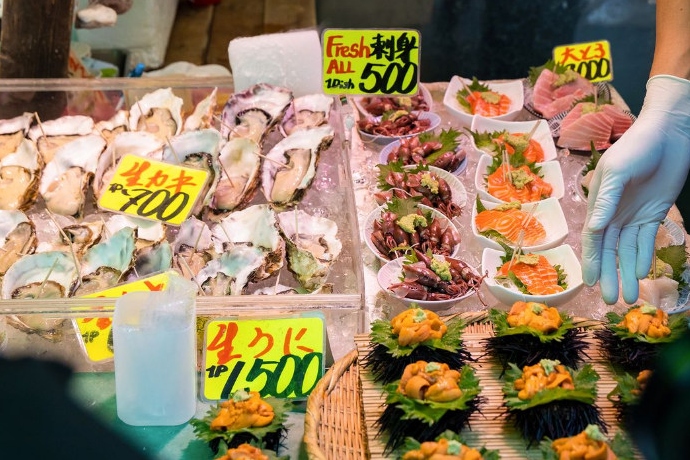
Tsukiji Foreign Market (築地場外市場, Tsukiji Jōgai Shijō) is a district adjacent to the site of the former Atacadist Market of Tsukiji. It consists of a few blocks of wholesale and retail stores, as well as crowded restaurants in narrow streets. Here you can find fresh and processed seafood and foodstuffs, such as knives.
A visit to Tsukiji’s overseas market is best combined with a fresh sushi breakfast or lunch at one of the local restaurants, which typically open from 5am to around noon or early afternoon. As most of the fish served and sold at the Tsukiji Outer Market is delivered directly at the Toyosu Market, it is one of the best places in Tokyo to taste fresh seafood.
3
Stop 3
Odaiba Beachfront Park is on the shores of Tokyo Bay and offers excellent views of the metropolis from the artificial beach. See the Tokyo Tower and the Rainbow Bridge, both especially impressive after dark. The park is also a meeting point for seaside sports such as stand-up paddle and windsurfing, and its beach is a great place to relax after visiting the nearby shoppings.
4
Along the street, with beautiful trees on the edge of the road, there are shops of famous brands, elegant restaurants and cafes, office buildings and commercial facilities. You can enjoy the seasonal changes of the landscape. In autumn you can see the autumn leaves and in winter lighted trees decorate the street. Here are some of the recommended places on Marunouchi Naka-dori street that offer a variety of ways to spend your time.
There are many commercial facilities, such as Marunouchi Bldg., Shin-Marunouchi Bldg. and Marunouchi BRICK SQUARE near the station of Tokyo and Nijubashi SQUARE and Kunigiwa (Kokusai Bldg.) near Hibiya station. In the facilities, you can find various tenants, such as clothing stores, luxurious specialty stores and cosmetics stores, as well as a wide variety of restaurants, such as Japanese and Italian cuisine, cafes, bars and the like. There is plenty to choose from for lunch and dinner.
5
The Zojoji Temple (増上寺, Zōjōji) is the main temple of the Jodo sect of Japanese Buddhism in the Kanto region. Next to the Tokyo Tower, the temple plot consists of some impressive structures, as well as a Tokugawa family mausoleum and a small museum.
Most of Zojoji's current buildings are recent reconstructions, except for the main gate, the Sangedatsumon, which survived many fires, earthquakes and wars and dates back to 1622.
6
Stop 6
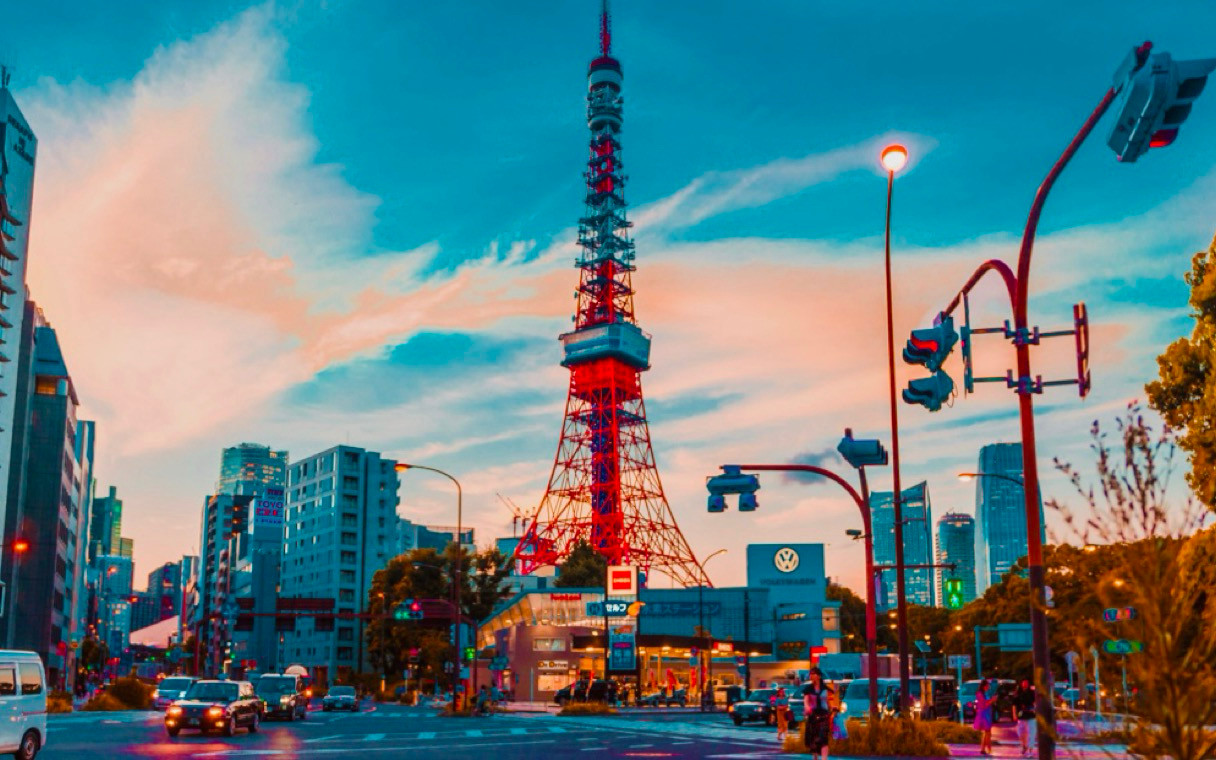
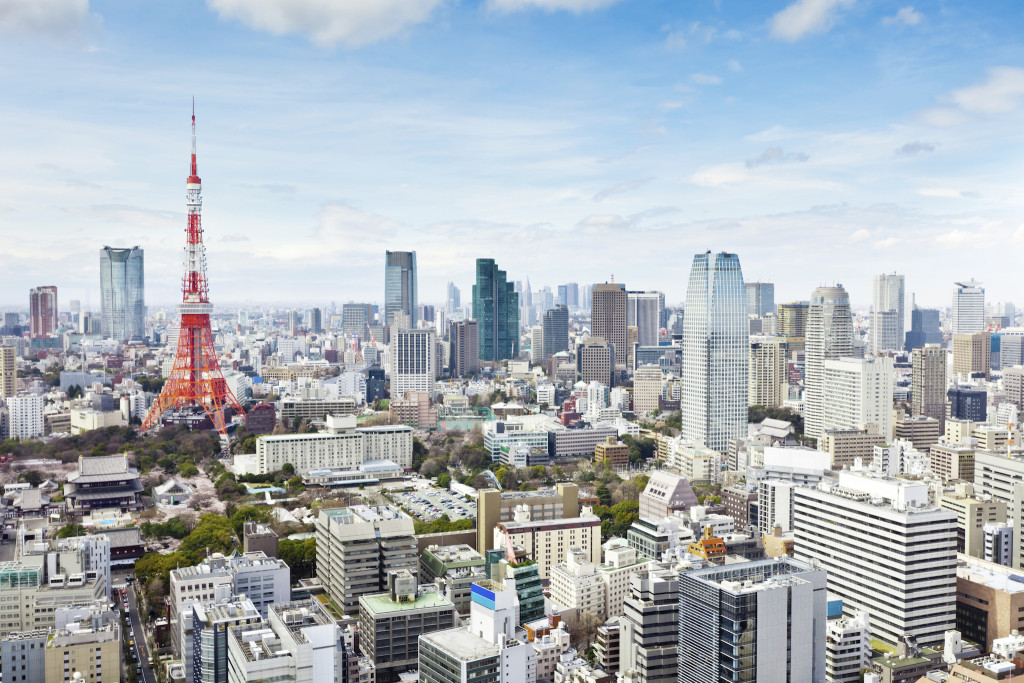
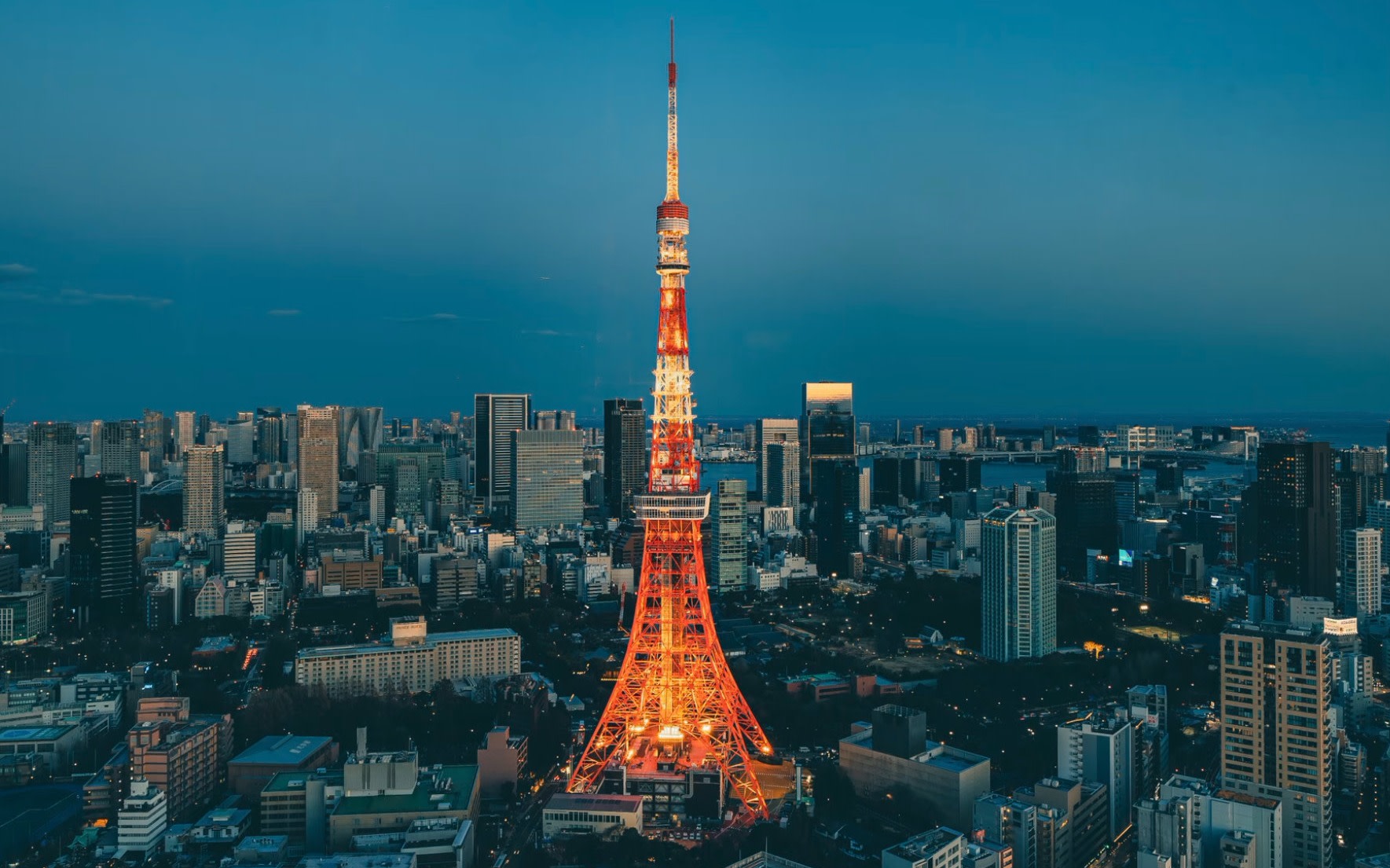
ideal for travellers to have contact with the stunning urban landscape below. The modernist charm of the structure can be appreciated from the outside due to the illumination at night, but the real excitement comes when you climb to the top to enjoy the dynamic views of the city.
At the base of the tower, there is a shopping complex called Foot Town, which has several international shops and restaurants.
The height of the Tokyo Tower is easy to remember: 333 meters (1.029 feet)
If you are ready enough, you can climb the 600-step staircase to the main deck instead of using the elevator
The tower was the tallest structure in the country before the Tokyo Skytree surpassed it in 2010
7
Stop 7
Pass by
With bold weekends and a mix of cultures, Roppongi has earned a reputation as an infamous enclave of Tokyo. However, with its vast selection of art galleries, high-end boutiques, historic and fascinating sites, in addition to incredible food, this high-end neighborhood has much to offer visitors of all kinds, night and day.
Don't miss
Visit all stops at the Roppongi Triangle of the Arts
Shopping in Tokyo Midtown and Roppongi Hills
Explore the region’s famous nightlife
8
Stop 8
Harajuku and Omotesando neighborhoods stand side by side, but are separate worlds.
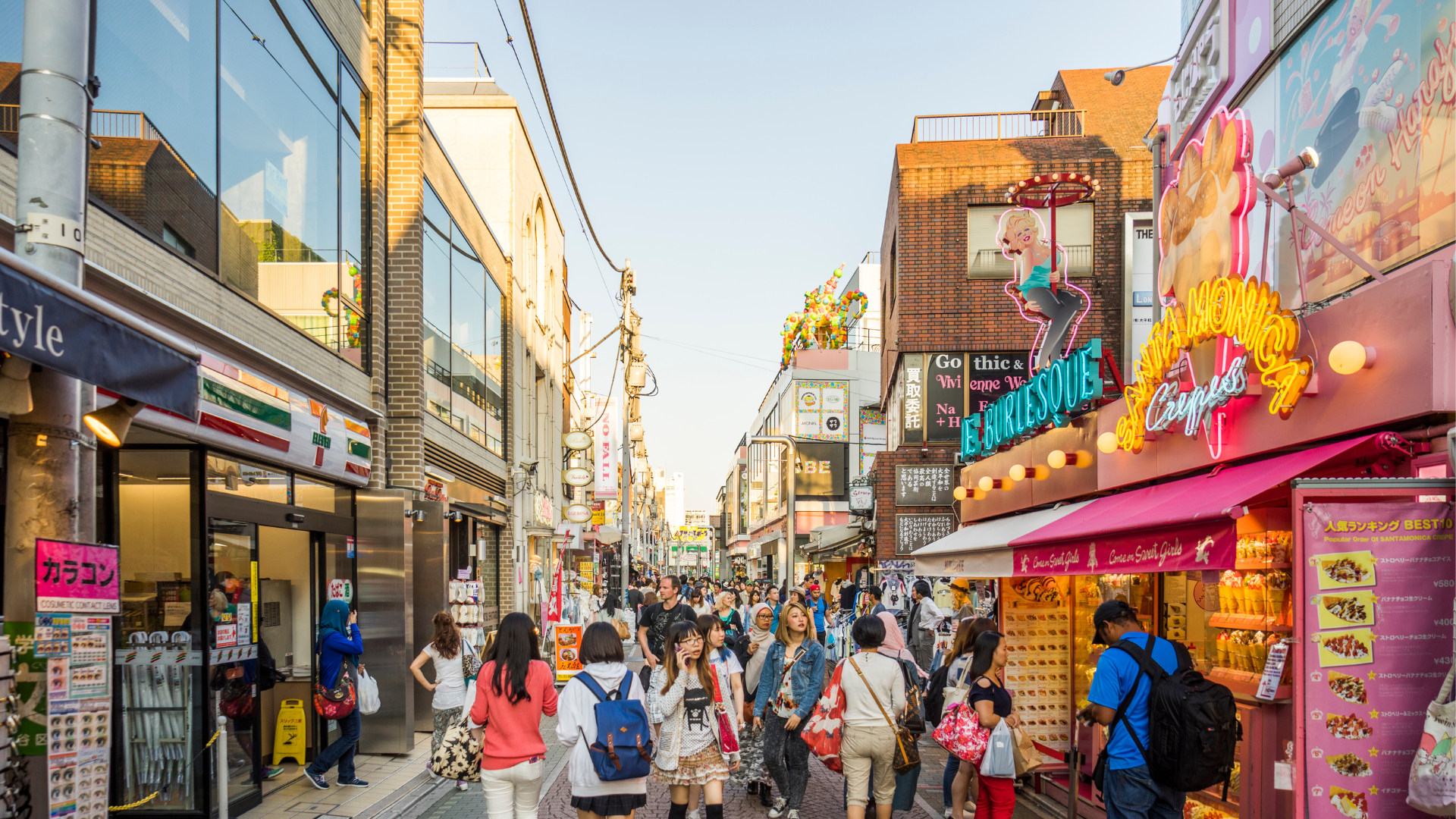
Both are centers of Japanese and international fashion, full of clothing shops, modern cafes, design offices and stylish locals strolling through the maze of the streets. However, their appearance is very distinct.
The extravagant Harajuku candy tents with cheesecake-filled crepes and the typical theme cafes
Takeshita Street in Harajuku is the center of Tokyo's street fashion scene
Opposites are attracted
While Harajuku is almost always at the forefront of the next major local trend, Omotesando is focused on the international and timeless. While Omotesando is turned to luxury brands, the streets of Harajuku are filled with brechó jackets and unusual accessories.
Although the styles are different, these two Tokyo attractions share a unique sense of cultural harmony and mutual appreciation that are not seen anywhere else.
9
Shibuya (渋谷) is one of Tokyo's 23 districts, but generally refers only to the popular shopping and entertainment area found around Shibuya station. In this sense, Shibuya is one of the most colorful and bustling neighborhoods in Tokyo, full of shops, restaurants and night homes that serve the crowds of visitors who come to the neighborhood every day.
Shibuya is a center of young fashion and culture, and its streets are the cradle of many of Japan’s fashion and entertainment trends. Numerous department stores and shopping centers can be found around the area, serving all types of buyers.
Shibuya station and its surroundings are currently undergoing a major renovation, which lasts almost two decades. Several new buildings have been inaugurated in recent years, including Hikarie (in 2012), Stream (2018), Scramble Square (2019), Miyashita Park (2020) and Sakura Stage (2024)
10
Shinjuku (新宿) is one of Tokyo's 23 districts, but the name generally refers only to the large entertainment, business and shopping area around Shinjuku station.
Shinjuku Station is the busiest railway station in the world, transporting more than two million passengers every day.
West of the station is the Shinjuku skyscraper district, which houses some of Tokyo's tallest buildings, including several first-line hotels and the twin towers of the Metropolitan Government Office, whose observation decks are open to the public for free. However, the eastern exit of the station is currently also a re-qualification site with impact on the flow of pedestrian traffic.
Northeast of the station is Kabukicho, Japan’s largest and wildest red-light district, while department stores, underground shoppings and electronics stores surround Shinjuku Station on all four sides, including the remodeled Southern Terrace.
11
Stop 11
Pass by
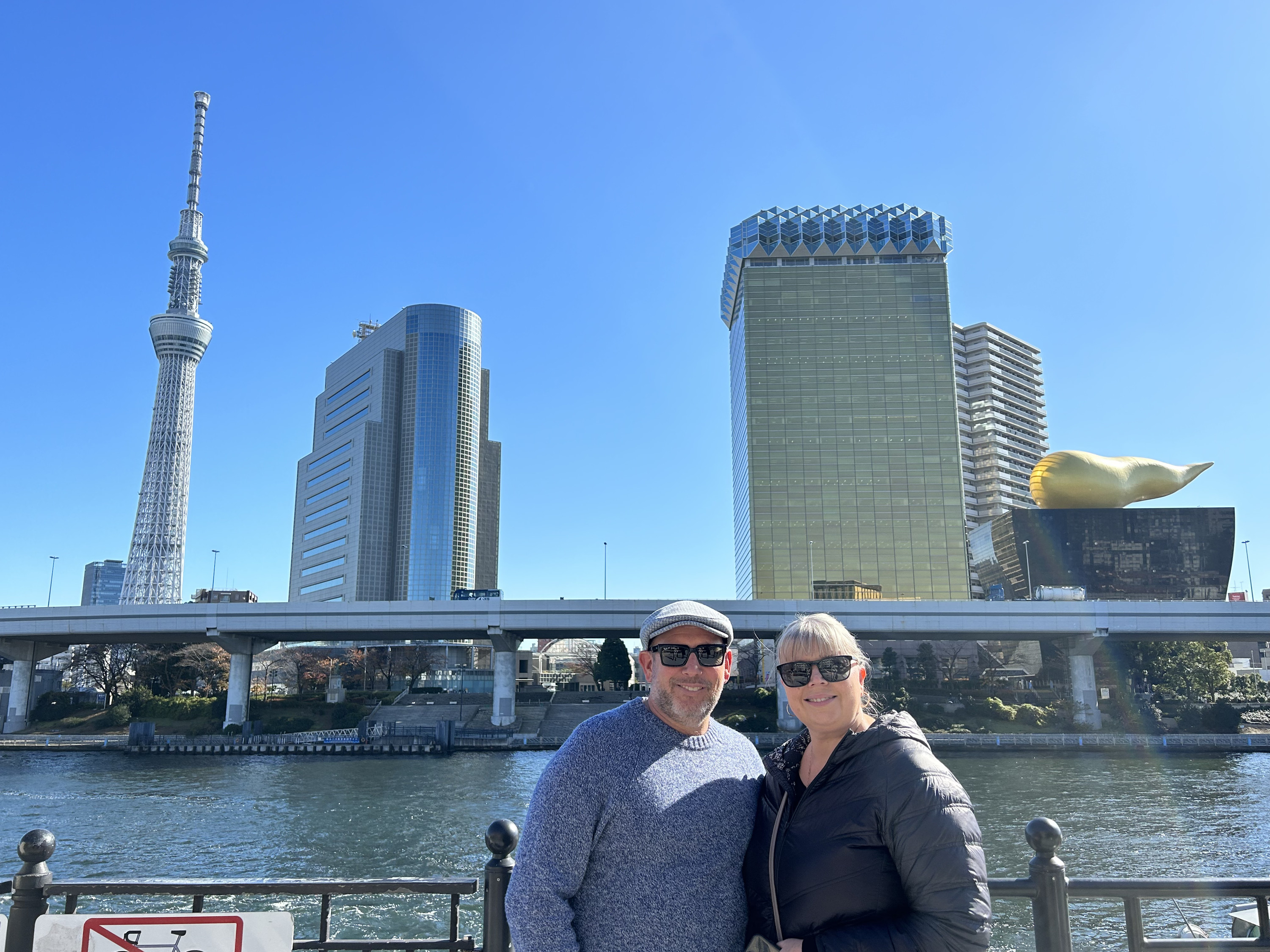
The Tokyo Skytree is a communications tower and one of the main tourist attractions of Tokyo, Japan:
Height: The Tokyo Skytree is 634 metres high and is the largest communications tower in Japan and the second largest in the world.
Location: The tower is located in Sumida, Tokyo.
Inauguration: Tokyo Skytree was inaugurated on May 22, 2012.
Views: The tower offers panoramic views of the city, including Mount Fuji on bright days.
Observatories: The tower has two observatories, the Tembo Deck and the Tembo Galleria, with capacity for 2,000 and 900 people, respectively.
Tembo Deck: Located 350 meters high, Tembo Deck has a glass floor.
Tembo Gallery: Located 450 meters high, Tembo Galleria features glass walls.
Skywalk: The upper observatory features a spiral glass skywalk, which takes visitors to the highest point of the tower.
12
Stop 12
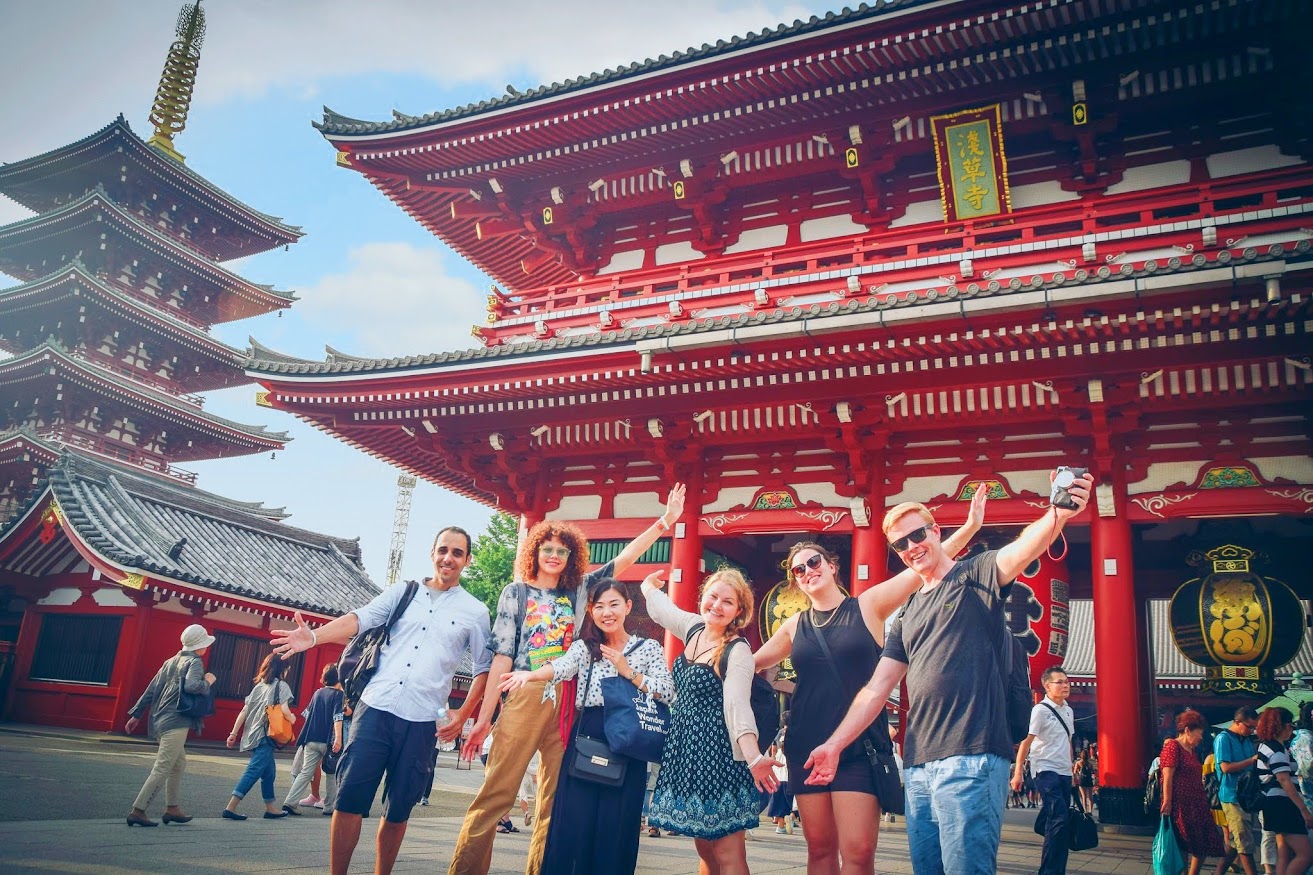
Asakusa (浅草) is the center of the shitamachi (literally "low city" of Tokyo), one of Tokyo's districts, where a Tokyo atmosphere of the past decades survives.
The main attraction of Asakusa is Sensoji, a very popular Buddhist temple, built in the 7th century. Access to the temple is made through the Nakamise, a shopping street that has for centuries offered temple visitors a variety of local traditional snacks and tourist souvenirs.
Sensoji on a busy day
For many centuries, Asakusa was the main entertainment district of Tokyo. During the Edo Period (1603-1867), when the district was still located outside the city boundaries, Asakusa was home to kabuki theatres and a large red-light district.
However, large parts of Asakusa were destroyed in the airstrikes of 1945. And although the area around the reconstructed Sensoji has recovered its old popularity, the same cannot be said of the Asakusa entertainment district.
13
Stop 13
Akihabara, the electric city of Japan, is the epicenter of otaku culture, anime and out of the ordinary cafes
Once an area with everything about devices and the latest releases in electronic items, Akihabara is now a uniform blend of mega stores of electric products, maid cafes and everything about anime stuff.
Akihabara received its nickname Electric City because of the black market that emerged there after World War II. Some of the common items that were sold at that time included wires, cables, lamps and other electrical items.
Although shops that offer a reminder of the ancient Akihabara still exist, currently Akiba is focused on otaku culture, including anime, manga, smartphones, games and items for maids and cosplay. An approximate translation of "otaku" is "geek". But unlike the connotations that "geek" has in English, "otaku" is more of a cultural identity proudly assumed by people who so call themselves.
What's not included
Restroom on board
Fuel surcharge
Parking Fees
Available languages
Guide guide
PT
JA
EN
ES
Reviews breakdown
Tripadvisor
5.0
1 reviews
5★
1
4★
0
3★
0
2★
0
1★
0
Important information
Infants and small children can ride in a pram or stroller
Service animals allowed
Public transportation options are available nearby
Specialized infant seats are available
Suitable for all physical fitness levels
About Tokyo
Tokyo, the capital of Japan, is a bustling metropolis that beautifully blends traditional culture with cutting-edge technology. Known for its neon-lit streets, historic temples, and world-class cuisine, Tokyo offers a unique experience that caters to every type of traveler.
Top Attractions
Senso-ji Temple
Senso-ji is Tokyo's oldest temple and one of its most significant. The temple's massive lantern and five-story pagoda are iconic landmarks.
Historical/Religious
1-2 hours
Free (small fee for some areas)
Meiji Shrine
Meiji Shrine is a Shinto shrine dedicated to the deified spirits of Emperor Meiji and his wife, Empress Shoken. It is surrounded by a beautiful forest.
Historical/Religious
1-2 hours
Free
Shibuya Crossing
Shibuya Crossing is the world's busiest pedestrian crossing and a symbol of Tokyo's bustling urban life. It's a must-see for its chaotic yet orderly nature.
Cultural
30 minutes to 1 hour
Free (¥2,200 for Shibuya Sky)
Tokyo Skytree
Tokyo Skytree is the tallest tower in Japan and the second tallest freestanding structure in the world. It offers breathtaking views of the city.
Architecture
2-3 hours
¥2,100 to ¥3,100 (USD $15 to $22)
Odaiba
Odaiba is a man-made island in Tokyo Bay known for its shopping, dining, and entertainment options. It's a great place for families and tech enthusiasts.
Entertainment
Half day to full day
Varies by attraction
Must-Try Local Dishes
Sushi
Fresh raw fish served on vinegared rice, a staple of Japanese cuisine.
Dinner
Contains fish, can be vegetarian with substitutes.
Ramen
Noodle soup with various broths and toppings, a popular comfort food.
Lunch/Dinner
Vegan and vegetarian options available.
Tempura
Deep-fried seafood and vegetables, known for its crispy texture.
Lunch/Dinner
Contains seafood and deep-fried ingredients.
Okonomiyaki
Savory pancake with various ingredients, often topped with sauce and bonito flakes.
Lunch/Dinner
Contains seafood and can be made vegetarian.
Popular Activities
Hiking in the nearby mountains
Parasailing at Odaiba
Onsen (hot spring) visits
Tea ceremonies
Traditional tea ceremonies
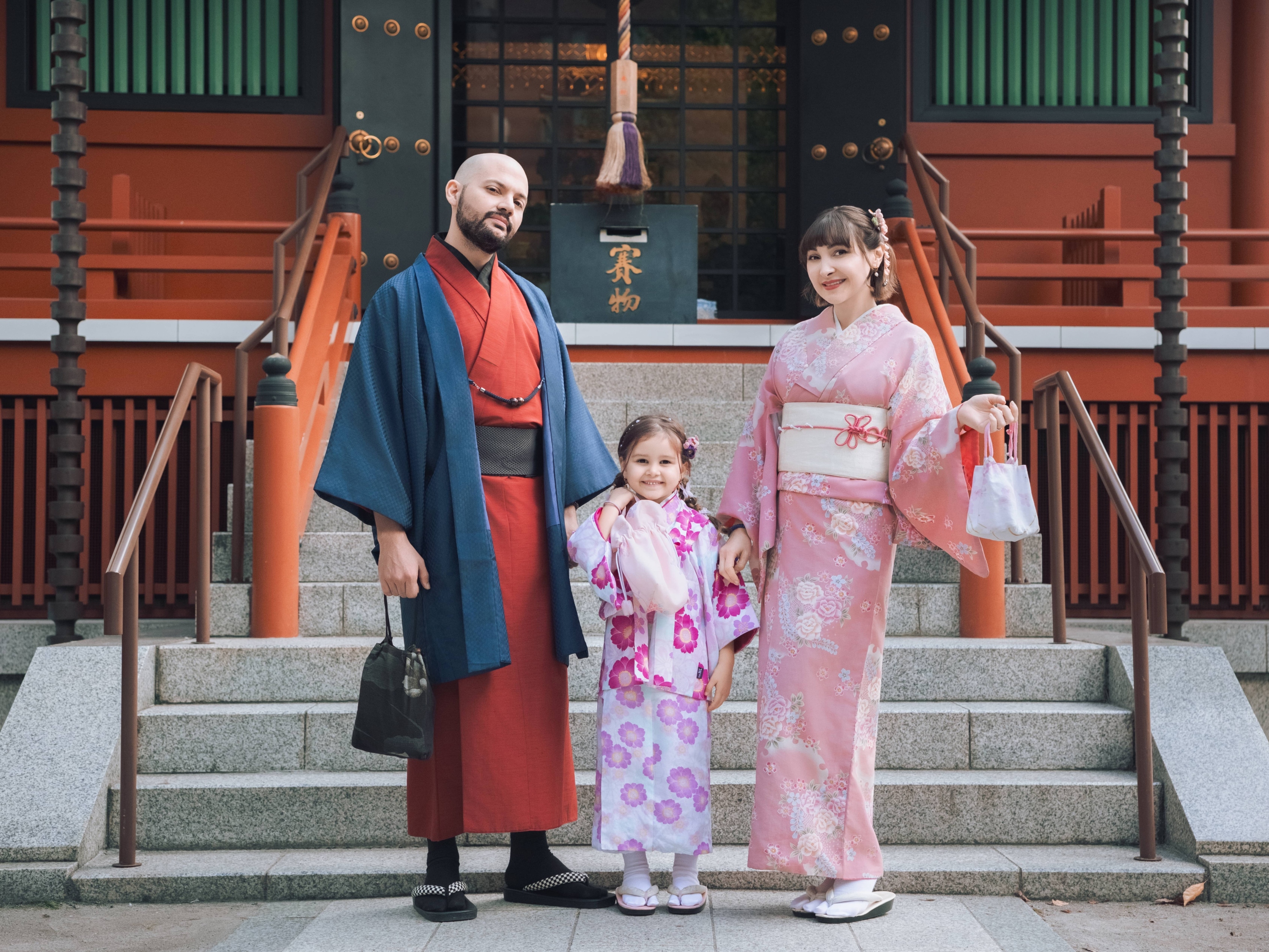
Kimono rentals and photo shoots
Boat tours on the Sumida River
Beach activities at Odaiba
Best Time to Visit
March to May (Spring) and September to November (Autumn)
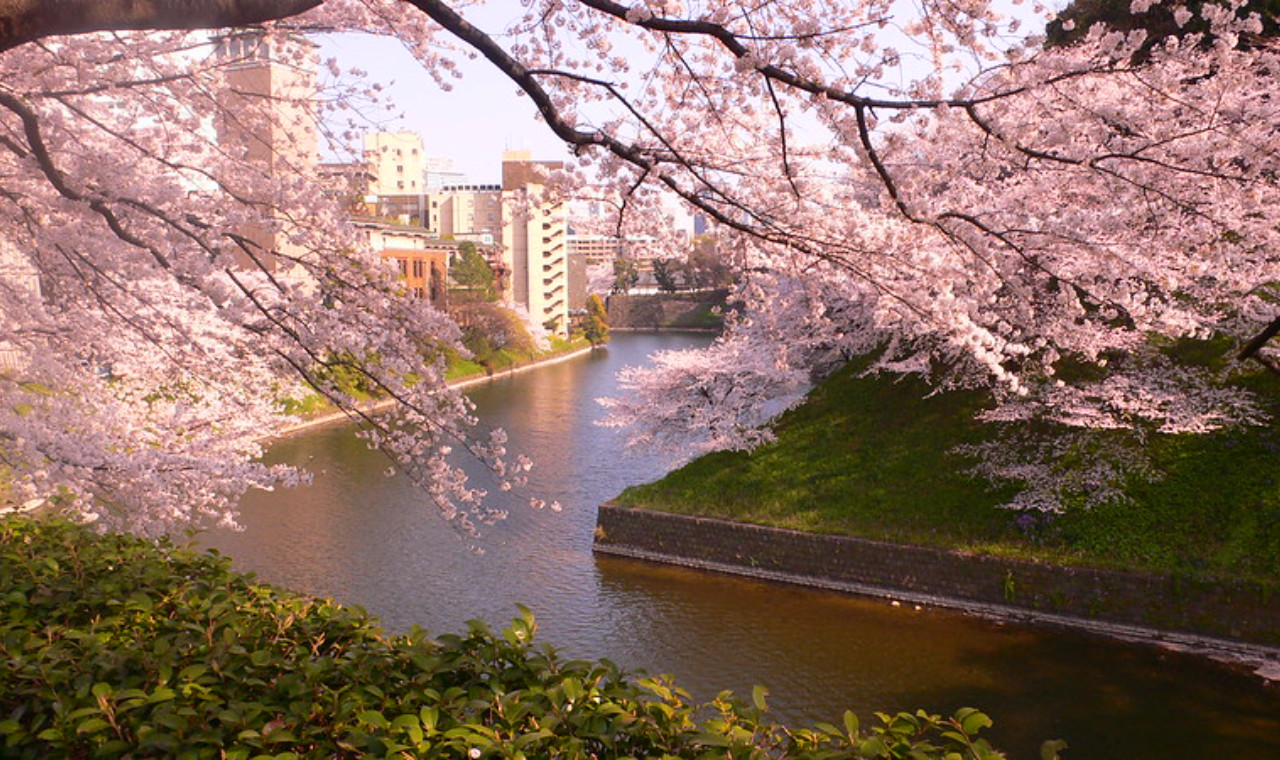
These seasons offer comfortable temperatures and beautiful scenery, with cherry blossoms in spring and vibrant foliage in autumn. However, these are also the busiest times for tourism.
10°C to 25°C (50°F to 77°F)
50°F to 77°F
Practical Information
Language
- Official: Japanese
- Widely spoken: English, Chinese, Korean
- English: Moderately spoken in tourist areas, limited elsewhere
Currency
Japanese Yen (JPY)
Time Zone
GMT+9
Electricity
100VV, 50/60HzHz
Safety Information
Overall Safety Rating: Very safe
Tokyo is generally very safe, with low crime rates and a strong emphasis on public order. However, petty crimes like pickpocketing can occur in crowded areas.
Important Precautions:
- • Be cautious of your belongings in crowded areas.
- • Use licensed taxis and check fares before getting in.
- • Be aware of your surroundings, especially at night.
Getting there
By air
- Narita International Airport • 60 km (37 miles) from city center
- Haneda Airport • 15 km (9 miles) from city center
By train
Tokyo Station, Shinjuku Station
By bus
Tokyo Station Bus Terminal, Shinjuku Expressway Bus Terminal
Getting around
Public transport
Tokyo's subway system is efficient, clean, and punctual. It consists of multiple lines operated by Tokyo Metro and Toei Subway.
Taxis
Available • Apps: JapanTaxi, DiDi
Rentals
Car, Bike, Scooter
Neighborhoods
Shibuya
Shinjuku
Asakusa
Ginza
Akihabara
Day trips
Nikko
120 km (75 miles) from Tokyo • Full day
Nikko is a city known for its beautiful shrines, temples, and natural scenery. It's a UNESCO World Heritage site and offers a peaceful retreat from the bustling city.
Kamakura
50 km (31 miles) from Tokyo • Half day to full day
Kamakura is a coastal town known for its historic temples, shrines, and the Great Buddha statue. It's a great place to experience traditional Japanese culture.
Hakone
90 km (56 miles) from Tokyo • Full day or overnight
Hakone is a hot spring resort town known for its onsen (hot springs), scenic views of Mount Fuji, and the Open-Air Museum. It's a popular destination for relaxation and nature.
Festivals
Sannō Matsuri • Mid-June (every 2 years)
Kanda Matsuri • Mid-May (every 2 years)
Sumida River Fireworks Festival • Last Saturday of July
Pro tips
- Use IC cards like Suica or Pasmo for convenient and discounted public transport.
- Download useful apps like Google Maps, Japan Transit Planner, and Japan Travel by Navitime.
- Learn a few basic Japanese phrases to enhance your experience and show respect for the local culture.
- Carry cash, as some smaller shops and restaurants may not accept credit cards.
- Visit popular attractions early in the morning or late in the afternoon to avoid crowds.
From $25
per person
Price varies by option
Secure booking
Free cancellation available
Instant confirmation


![[Mount Fuji Day Trip | Departure from Tokyo] Double Lake Scenery, Classic Attractions, Fireworks Limited Edition | Multiple Options Available, Small Group Exquisite Itinerary](https://res.klook.com/image/upload/activities/fus4hww6mkrkvhahwikb.jpg)