Tradition Meets Modernity from Malay Village To Skyscrapers Walk
Active
4h
For a full refund, cancel at least 24 hours before the scheduled departure time.
Instant confirmation
Mobile or paper ticket accepted
About this experience
Explore KL’s charm: Kampung Baru’s Malay heritage to Twin Towers’ skyline on this heritage walk!
Step into the heart of Kuala Lumpur on a walking tour that blends tradition and modernity. Begin at Chow Kit Market, the city’s largest wet market, where vibrant sights, sounds, and aromas bring the local culture to life. Explore bustling aisles filled with fresh produce, aromatic spices, and local delicacies while discovering the stories of the vendors who keep this market thriving.
Then to Kampung Baru, a historic Malay enclave. Wander through streets lined with traditional stilted wooden houses, and soak in the rich culture, authentic Malay food, and the charm of a village frozen in time.
Finally, conclude your journey at the iconic Petronas Twin Towers, a symbol of Malaysia’s modern achievements. Stand in awe of this architectural marvel as you reflect on the contrast between the old-world charm of Kampung Baru and the futuristic skyline. Book now for an unforgettable experience!
Available options
Tradition Meets Modernity: From Malay Village To Skyscrapers Walk
What's included
Snacks
Licensed Tourist Guide
A bottle of water
Detailed itinerary
1
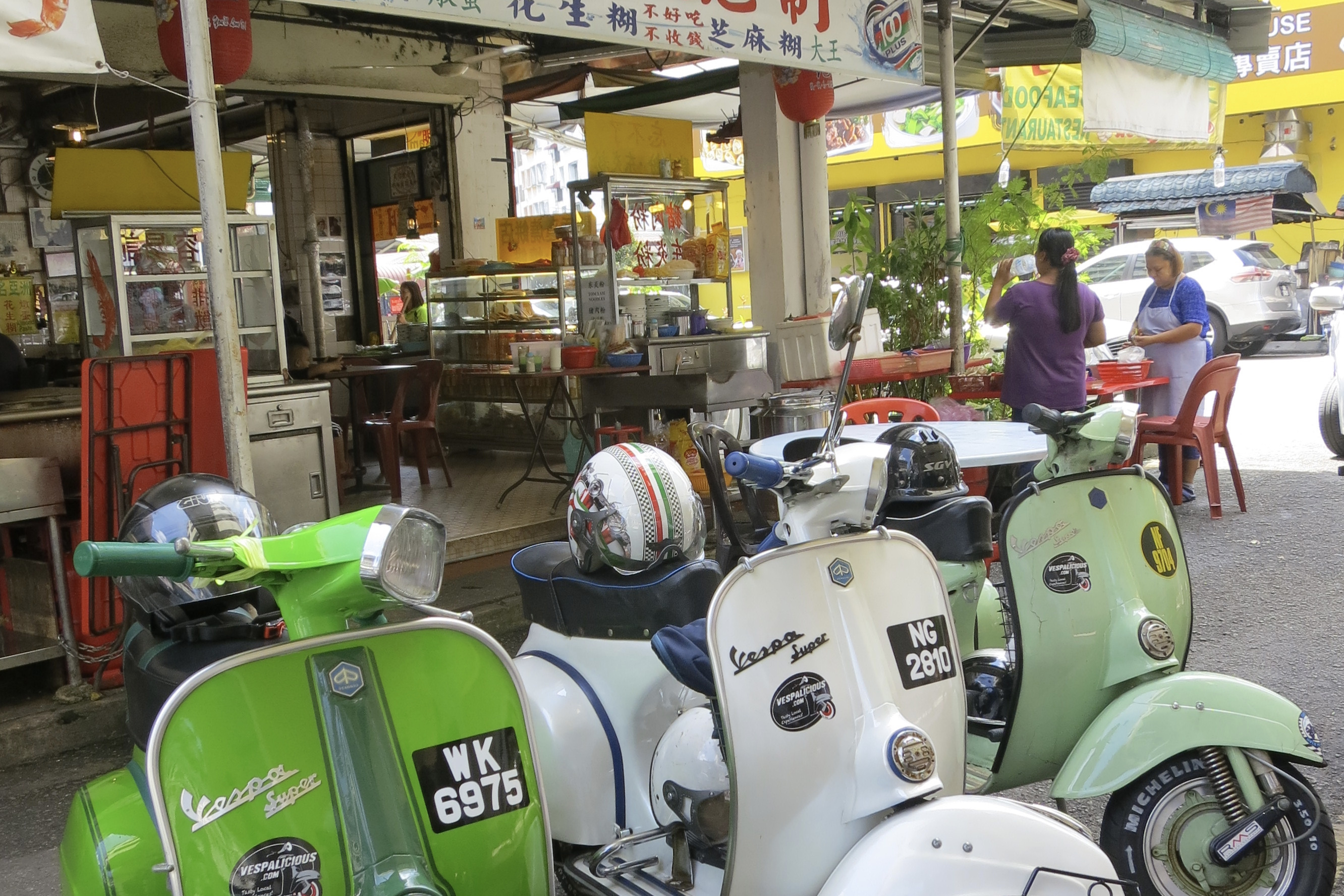
Start the journey with the arrays of local food either for breakfast, lunch or dinner at the Hawker Centre of Tuanku Abdul Rahman road.
2
The Chow Kit Wet Market, or Pasar Chow Kit, is one of Kuala Lumpur's most iconic and vibrant traditional markets. It is located in the Chow Kit area. Known for its wide variety of fresh produce and lively atmosphere, it’s a must-visit spot for anyone looking to experience authentic local culture.
Key Features of Chow Kit Wet Market
1. Fresh Produce and Ingredients
Fruits and Vegetables
Seafood
Meat and Poultry
Spices and Herbs
2. Traditional Malay and Asian Goods
Many vendors sell ingredients central to Malaysian cooking, including belacan (fermented shrimp paste), dried anchovies, and various types of chilies.
Asian staples like tofu, noodles, and rice are also widely available.
3. Cultural Diversity
The market reflects Malaysia's multicultural heritage, with vendors and customers of various ethnicities, including Malay, Chinese, and Indian.
It’s a hub for people from all walks of life, providing an authentic snapshot of Kuala Lumpur’s melting-pot culture.
3
the Guru Nanak Darbar. Tatt Khalsa Diwan Selangor is the largest Sikh Gurdwara Sahib in Malaysia as well as South East Asia. The Darbar Sahib of this Gurdwara Sahib can seat about 1,500 people.
4
Stop 4
Pass by
Guang Fook Ting Chinese Temple
This is a Buddhist temple which is more than 100 years old. This temple is related to the Kek Lok Si temple, Penang.
5
Stop 5
The local Malays are Muslims. Here, you will understand the Islam religion, mainly the 5 pillars of Islam. You will also understand the Islam architecture. Free robes and sarung are provided for non Muslim visiting guests. Visiting into the mosque is only allowed during non prayer times.
6
Stop 6
Kampung Baru Food Street is one of Kuala Lumpur's most iconic culinary hotspots, located in the heart of Kampung Baru, a traditional Malay enclave surrounded by the city's skyscrapers. This vibrant food street offers an authentic taste of Malaysian cuisine, with an emphasis on Malay dishes.
Key Highlights of Kampung Baru Food Street:
1. Authentic Malay Cuisine
Kampung Baru Food Street is renowned for its traditional Malay dishes, prepared using time-honored recipes. Popular items include:
Nasi Lemak: Malaysia's national dish
Ikan Bakar: Charcoal-grilled fish
Satay: Skewered and grilled meats served with peanut sauce, rice cakes, and cucumber slices.
Kuih-Muih: Traditional Malay sweets
2. Vibrant Atmosphere
The street comes alive at night, with food stalls lining the pathways, illuminated by colorful lights.
It’s a popular spot for locals and tourists alike to gather, enjoy meals, and soak in the lively ambiance.
You may have your lunch, tea time or dinner here in this Food Paradise.
7
Stop 7
Traditional Malay Wooden Stilts house.
Kampung Baru, or "New Village," is a historic Malay enclave in the heart of Kuala Lumpur, Malaysia. Despite being surrounded by modern skyscrapers, including the iconic Petronas Twin Towers, Kampung Baru has managed to preserve its traditional Malay charm.
1. Rich History
• Kampung Baru was established in 1899 by the British colonial administration as a residential area for Malay
• Over the years, it has become a cultural and architectural treasure trove, reflecting traditional Malay lifestyles.
2. Traditional Malay Houses
• The area is dotted with beautifully preserved wooden stilt houses.
3. Cultural Heritage
• Kampung Baru remains a predominantly Malay Muslim area, and the community has retained its traditional practices, language, and culture.
• Visitors can see locals in traditional Malay attire and experience the kampung (village) lifestyle, which is rare in urban Kuala Lumpur.
8
On February 5, 2020, the elegant Saloma Bridge, sprawling across the Klang River, was made accessible to all. This beautiful bridge is a heartfelt tribute to Saloma, a famous Malaysian singer, and actress known as the "Queen of Malay Cinema" in the late 1950s, as a living memorial to her.
Petronas Twin Towers and the Saloma Bridge are within walking distance from each other at just one kilometre apart, or a comfortable 15-minute walk. This 69 metre long bridge is decked out in lights and comes alive during the night. Sporting the national colours of Malaysia, red, yellow and blue, Saloma Bridge is one you don’t want to miss out on. Stop along your walk on the bridge to snap a few pictures of yourself as this is one of the most instagrammable spots in Kuala Lumpur.
9
Stop 9
The Petronas Towers or KLCC Twin Towers, are an interlinked pair of 88-storey supertall skyscrapers in Kuala Lumpur, Malaysia, standing at 451.9 metres.
The towers were designed by Argentine-American architect César Pelli. A distinctive postmodern style was chosen to create a 21st-century icon for Kuala Lumpur, Malaysia. The building was officially opened by the Prime Minister of Malaysia, Tun Dr. Mahathir bin Mohamad, on 31 August 1999. The twin towers were built on the site of Kuala Lumpur's race track. It was the tallest structure in Malaysia at the time of its completion.
You may visit to the KLCC park which has fountains with beautiful gardens and old trees. You may enjoy a stroll within the serene environment within the city.
For shoppers, this is a shopping paradise with 6 storeys mall named Suria. You may find various international brands from Louis Vuitton to Prada and local brands as well for your costumes or accessories.
A MUST visit to this landmark or icon of Malaysia!
10
Stop 10
Pass by
The tour ends here or at the Petronas Twin Towers
What's not included
Private transportation
Gratuities
Hotel pick up or drop off
All meals are excluded. However, you may try the food recommended by the tourist guide.
Alcoholic Beverages
Brunch
Dinner
Breakfast
Available languages
Guide guide
CMN
MS
EN
Important information
Public transportation options are available nearby
Suitable for all physical fitness levels
Meeting point
Please go to Exit A and meet up upon exiting the monorail station. We will meet you at the EXIT A.
About Kuala Lumpur
Kuala Lumpur is a vibrant metropolis where modern skyscrapers stand alongside historic mosques and colonial-era buildings. Known for its multicultural diversity, bustling street markets, and iconic landmarks like the Petronas Twin Towers, KL offers a unique blend of tradition and modernity.
Top Attractions
Petronas Twin Towers
The iconic Petronas Twin Towers were the tallest buildings in the world from 1998 to 2004. The towers feature a skybridge and a shopping mall at the base.
Architecture
1-2 hours
MYR 83 (adult), MYR 33 (child)
Batu Caves
Batu Caves is a Hindu shrine and temple complex located in a limestone hill. It is known for its colorful statues and the annual Thaipusam festival.
Religious
2-3 hours
Free (donations welcome)
Kuala Lumpur Tower
The Kuala Lumpur Tower is the second-tallest freestanding tower in the world. It offers panoramic views of the city from its observation deck.
Architecture
1-2 hours
MYR 50 (adult), MYR 30 (child)
Must-Try Local Dishes
Nasi Lemak
Coconut milk-infused rice served with spicy sambal, fried anchovies, peanuts, and boiled egg.
Breakfast/Lunch
Vegetarian options available
Roti Canai
Flaky, layered flatbread served with curry.
Lunch/Dinner
Vegetarian options available
Satay
Grilled skewered meat served with peanut sauce.
Snack
Vegetarian options available
Popular Activities
Hiking in the highlands
Water sports in Port Dickson
Spa treatments
Tea tasting in Cameron Highlands
Visiting temples and mosques
Exploring Chinatown
Swimming
Boat rides
Best Time to Visit
December to February
This period offers cooler temperatures and lower humidity, making it ideal for outdoor activities and sightseeing. The city is lively with various festivals and events.
26-31°C
79-88°F
Practical Information
Language
- Official: Malay
- Widely spoken: English, Chinese, Tamil
- English: Widely spoken
Currency
Malaysian Ringgit (MYR)
Time Zone
GMT+8
Electricity
240VV, 50HzHz
Safety Information
Overall Safety Rating: Generally safe
Kuala Lumpur is generally safe for travelers, with low crime rates and a strong police presence. However, petty crimes like pickpocketing and scams can occur in crowded areas.
Important Precautions:
- • Be cautious of your surroundings
- • Keep valuables secure
- • Use reputable tour operators and transport services
Getting there
By air
- Kuala Lumpur International Airport • 50 km south of the city
By train
Kuala Lumpur Sentral
By bus
Pudu Sentral, Titiwangsa Bus Station
Getting around
Public transport
RapidKL is the main public transport system, including LRT (Light Rail Transit), MRT (Mass Rapid Transit), Monorail, and BRT (Bus Rapid Transit).
Taxis
Available • Apps: Grab
Rentals
Car, Bike, Scooter
Neighborhoods
Bukit Bintang
Chinatown
KLCC
Day trips
Cameron Highlands
200 km north of KL • Full day
A scenic highland region known for its tea plantations, cool climate, and lush landscapes.
Port Dickson
100 km south of KL • Full day
A popular beach destination with beautiful sandy beaches and water sports activities.
Putrajaya
30 km south of KL • Half day
A planned administrative and judicial center with beautiful architecture and landscaped gardens.
Festivals
Thaipusam • January/February (based on the Hindu calendar)
Chinese New Year • January/February (based on the lunar calendar)
Hari Raya Aidilfitri • Varies (based on the Islamic calendar)
Pro tips
- Visit Batu Caves during the Thaipusam festival for a unique cultural experience
- Explore the city's street food scene for authentic and affordable dining options
- Use the RapidKL public transport system to avoid traffic congestion
- Visit the KL Tower Sky Box for a unique and thrilling experience
- Experience the city's nightlife in areas like Changkat Bukit Bintang and Jalan Alor
From $25
per person
Price varies by option
Secure booking
Free cancellation available
Instant confirmation